Russia strikes Kyiv again
Russian drones struck Kyiv on September 2, 2026, during a seventh consecutive day of major attacks against the Ukrainian capital. Ukrainian authorities reported that at least 11 people we...
Russian drones struck a shopping center in Kryvyi Rih on August 21, 2026, killing at least 15 people and injuring more than 130, according to Ukrainian authorities. Children were among th...
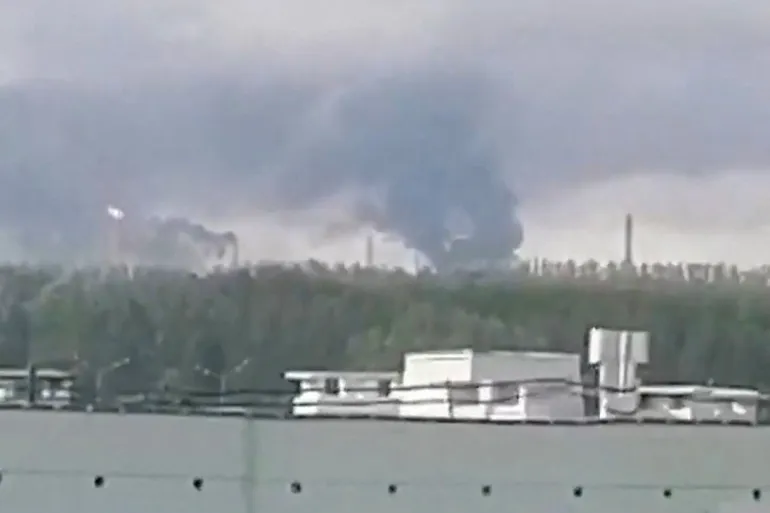
Ukraine carried out a drone attack on Nizhnekamsk in Russia's Tatarstan region on August 10, 2026. Ukrainian military authorities said the operation targeted the TANECO oil refinery, whil...
Intel announced plans on August 10, 2026, to raise approximately 15 billion dollars through the sale of additional shares as the semiconductor company continued financing its manufacturin...
On February 11, 2026, United States Attorney General Pam Bondi appeared before the House Judiciary Committee during a contentious oversight hearing focused on the Department of Justice’s ...
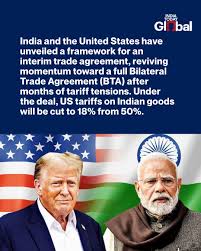
India and U.S. agree interim trade framework on key goods On February 7, 2026, the governments of India and the United States announced an interim trade agreement framework affecting tar...
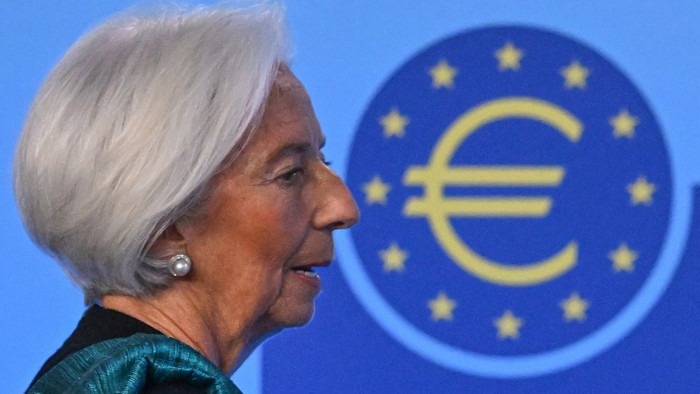
European Markets Decline After ECB Holds Interest Rates On February 5, 2026, European financial markets experienced a notable decline following the European Central Bank’s announcement t...
Event Timeline body { font-family: Arial, sans-serif; background-color: #f4f4f9; margin: 0; padding: 0; } .timeline-container { max-width: 900px; margin: 50px auto; p...
On January 25, 2026, reports stated that the United States government planned to inject $1.6 billion into USA Rare Earth, taking a 10% stake in the company, with additional private financ...
On January 23, 2026, U.S. financial markets showed mixed performance amid corporate earnings news and geopolitical uncertainty. Major indexes including the S&P 500 and Nasdaq ended the se...
Lazar Kaganovich (1893–1991), a Soviet politician and close associate of Joseph Stalin, died on July 25, 1991. Born to a Jewish family in Ukraine, Kaganovich held several high-ranking pos...
Rennet is an enzyme used in cheesemaking to curdle milk and separate it into curds and whey. Traditionally, rennet was extracted from the stomachs of young calves, but today, most industr...
Ultraprocessed foods ar as some people call it, a GuySlop, refer to industrially formulated food products that typically contain ingredients such as refined starches, added sugars, hydrog...
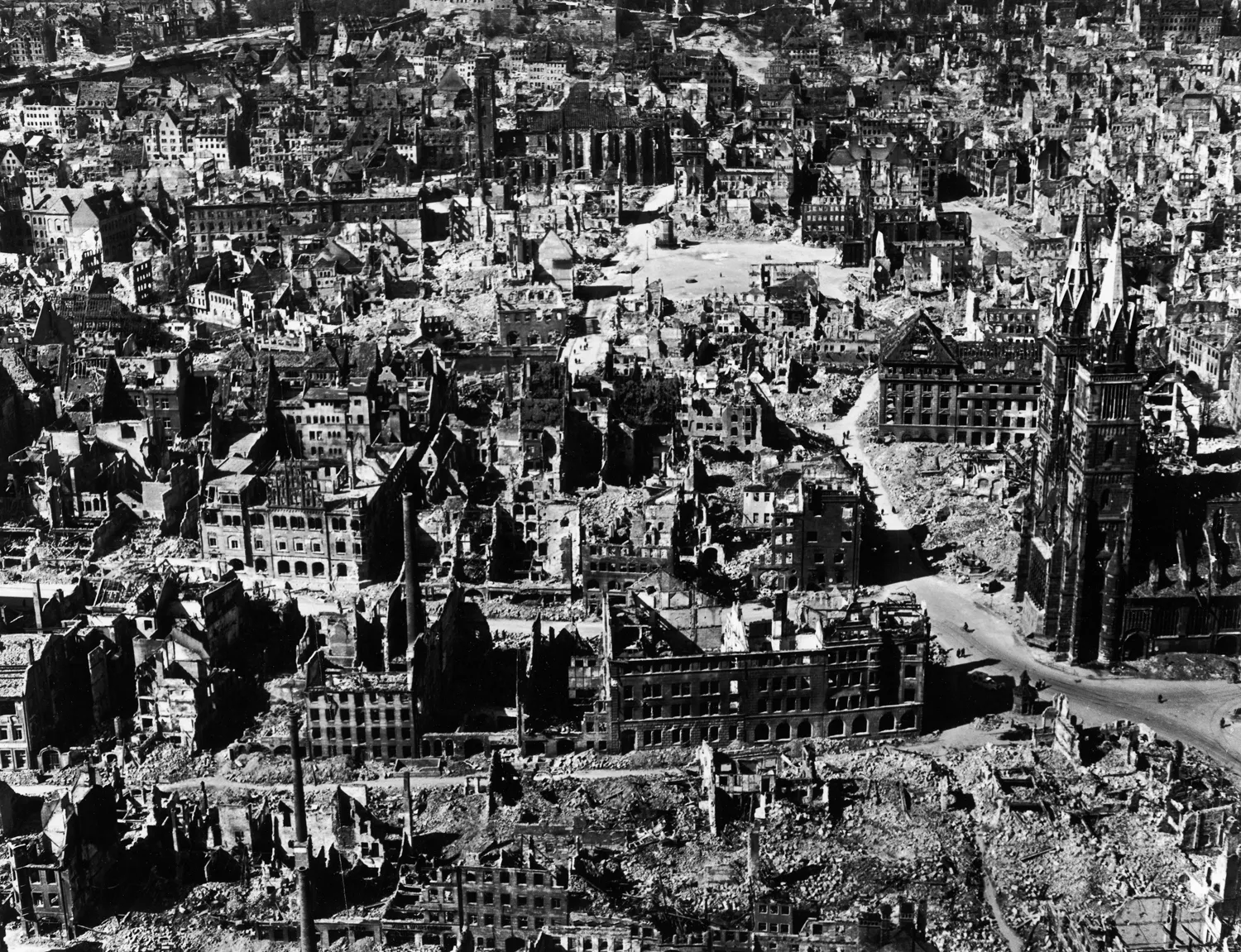
During World War II (1939–1945), the Allied forces of the United States and the United Kingdom carried out a widespread strategic bombing campaign against German cities. The campaign targ...
Financial backers of Hitler in 1933 In early 1933, Adolf Hitler received financial support from multiple sources as he rose to power in Germany. Major contributions came from industriali...
Before Hitler rose to power, major banks and financiers profited from high interest rates in Germany. During the Weimar Republic, government bonds often carried 6-10% nominal rates. Banks...
1913 – Foundations of the Modern World body { font-family: Arial, sans-serif; background-color: #f4f4f9; margin: 0; padding: 0; } .timeline-container { max-width: 900...
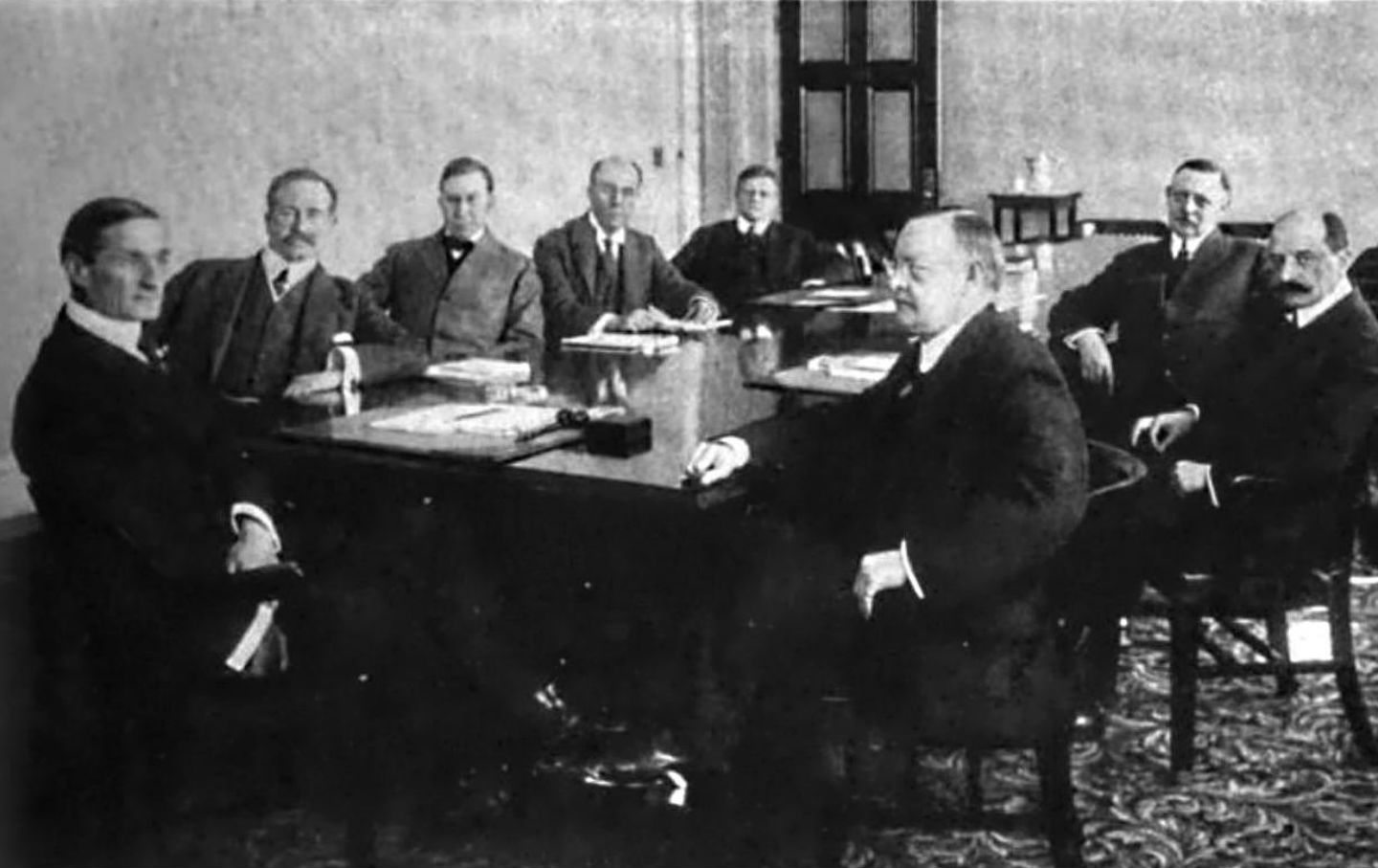
The creation of the Federal Reserve System on December 23, 1913, established the central banking authority of the United States. It was enacted through the Federal Reserve Act, signed int...
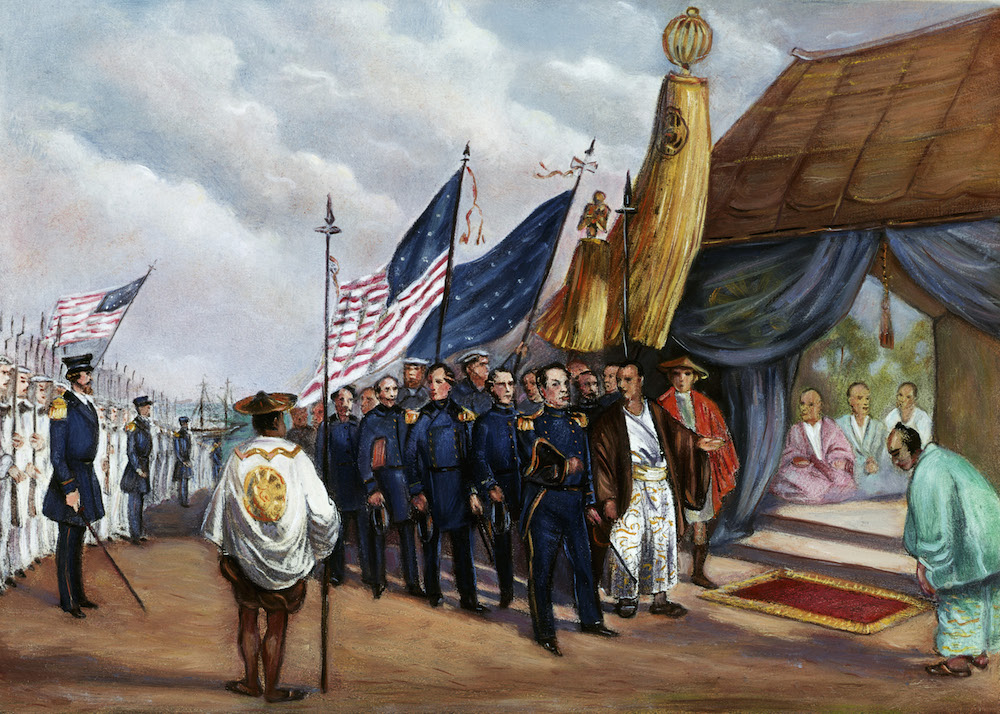
The Meiji Restoration transformed Japan by centralizing power under the emperor, modernizing the economy and military, and adopting Western political and industrial practices.
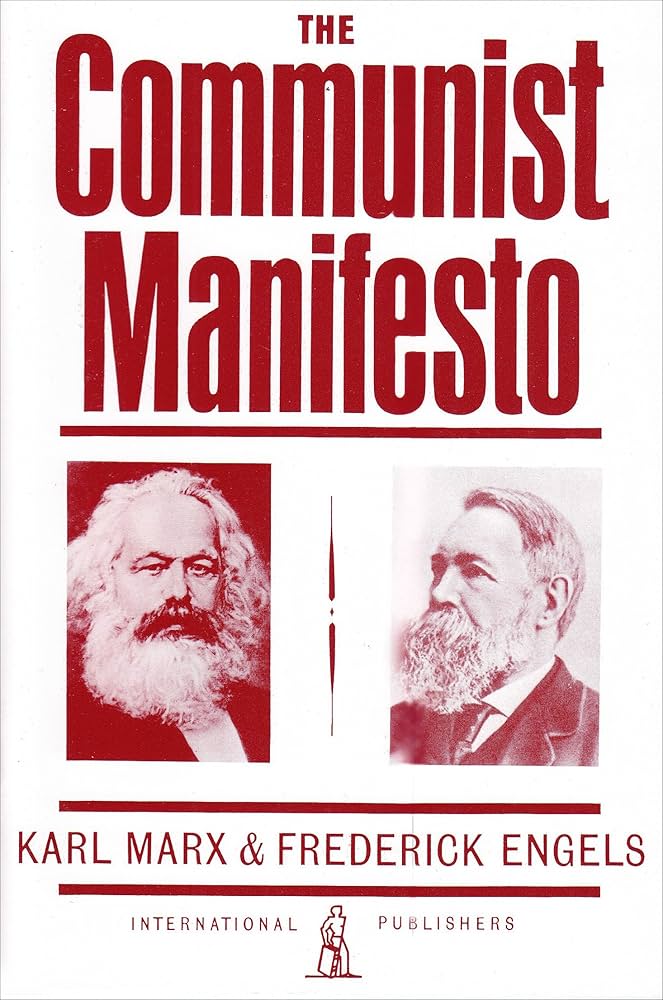
Karl Marx and Friedrich Engels published the Communist Manifesto, advocating for proletarian revolution and critiquing capitalist society, influencing socialist movements worldwide. I li...
Ma Jun, a prominent Chinese inventor, developed several groundbreaking mechanical devices that made significant impacts on local industry. His inventions focused on improving agricultural...
1954–1970 — Nasser becomes the dominant leader of revolutionary Egypt and formally assumes the presidency in 1956. His government promotes Arab nationalism, land reform, industrialization...
6 April 1917–11 November 1918 — The United States begins converting its enormous economy and population into military power. Millions of men enter the draft system while shipping, finance...
1916–1918 — Governments expand control over labor, food, transportation, prices and industrial production. Women enter many sectors previously dominated by men. Colonial labor and soldier...
1915–1917 — Commanders increasingly seek to exhaust enemy manpower, artillery and industrial capacity faster than their own side is depleted. Verdun and the Somme become famous examples o...
1915–1918 — Consumption of artillery shells and other matériel massively exceeds prewar assumptions. Governments intervene increasingly in factories, labor, transport and strategic materi...
1914–1918 wartime production — DuPont becomes one of the most striking American industrial beneficiaries of wartime demand because explosives and propellants are required on an unpreceden...
1914–1918 wartime production — Krupp is one of Germany's most important heavy industrial and armaments firms. The company supplies artillery, steel products and other military equipment r...
1914–1918 wartime production — Schneider is a major French heavy-industrial and armaments producer whose factories supply artillery and military material to the French war effort. Industr...
Untitled1914–1918 — Industrial warfare requires food, coal, metals, chemicals, credit and shipping on unprecedented scales. Britain attempts to deny overseas resources to Germany through ...
1914–1918 — Armaments companies, explosives producers and other industrial suppliers receive enormous wartime orders. Some businesses benefit heavily while others suffer from disruption a...
1912–1914 — Officials in Germany and Austria-Hungary increasingly fear that Russia and Serbia will become stronger with time. Railway construction, military reforms, population growth and...
1942–1945 armaments leadership — Albert Speer becomes Reich Minister of Armaments and War Production in 1942. His ministry attempts to rationalize industrial output, standardize productio...
23 August 1942 — German forces begin the major assault phase against Stalingrad after intensive Luftwaffe bombing. The city's industrial and symbolic importance combines with its strategi...
During its early years, the Trilateral Commission concentrated substantially on international trade, finance, monetary reform, energy and relations among the major industrial regions.
24 October 1929 — The beginning of the Wall Street panic provides an anchor for the economic collapse that spreads across industrial economies. Unemployment rises dramatically, trade cont...
11 January 1923 — French and Belgian troops occupy Germany's Ruhr industrial region after Germany falls behind on reparations deliveries. The German government responds with passive resis...
15 March 1939 — The occupation of the Czech lands gives Germany control over a major Central European industrial base, including important arms factories such as Škoda. Czech tanks, weapo...
10 October 1938 — German occupation of the Sudetenland gives Berlin control of major Czech border fortifications and significant industrial territory. The Munich settlement therefore chan...
5 July 1943 — By Kursk, the Red Army has transformed from the force devastated in 1941 into an increasingly sophisticated military machine. Investigate industrial relocation, command refo...
1939–1945 wartime role — IG Farben is one of Germany's largest chemical-industrial corporations and becomes deeply integrated into the Nazi war economy. It supplies synthetic fuel, rubber...
8 December 1941 — Almost simultaneously with Pearl Harbor, Japanese forces attack British, American and Dutch positions across East and Southeast Asia. Operations target the Philippines, ...
1914–1918 wartime production — Krupp is one of Germany's most important heavy industrial and armaments firms. The company supplies artillery, steel products and other military equipment r...
11 March 1941 — Roosevelt signs the Lend-Lease Act, allowing the United States to supply countries considered vital to American security. Britain becomes an early major recipient, followe...
17 September 1942 — Brigadier General Leslie Groves is placed in charge of the Manhattan Project. He oversees enormous construction, procurement, secrecy and industrial coordination acros...
13 August 1942 — The U.S. Army formally establishes the Manhattan Engineer District, the administrative framework that becomes the Manhattan Project. Scientific laboratories and enormous ...
1937–1945 wartime expansion — Mitsubishi becomes one of Japan's most important industrial groups supporting naval construction, aircraft production, machinery and other military requireme...
24 June 1941 — Soviet authorities establish evacuation mechanisms to move factories, machinery and workers away from the advancing German armies. Thousands of industrial facilities are ev...
30 June 1941 — The State Defense Committee is created as the highest wartime authority coordinating Soviet military, industrial and economic mobilization. Chaired by Stalin, it concentrat...
3 July 1941 — Stalin publicly calls for denial of useful resources to the advancing enemy. Infrastructure, crops and industrial assets may be evacuated or destroyed where possible. Scorch...
The Trilateral Commission developed around three regional groups: North America, Europe and Asia Pacific. Its structure was intended to create dialogue among the three major industrialize...
8 December 1941 — The United States declares war on Japan one day after the attack on Pearl Harbor. President Franklin Roosevelt describes 7 December as a date that will live in infamy. A...
6 April 1917 — The United States declares war on Germany. Unrestricted submarine warfare is the immediate strategic cause, while the Zimmermann Telegram further intensifies anti-German op...
16 March 1935 — German rearmament creates enormous military demand for steel, chemicals, vehicles, weapons and fuel substitutes. Industrial firms benefit from government contracts and pro...
22 June 1944 — Operation Bagration provides a useful late-war anchor for investigating Germany's defeat. Trace the invasion of the Soviet Union, American entry, the Atlantic supply system...
5 December 1941 — Investigate German intelligence failures, Soviet manpower, industrial evacuation, logistics, strategic diversion, resistance, weather and the assumption that the Soviet ...
22 June 1944 — Operation Bagration provides the ideal investigative anchor. Compare Soviet manpower, artillery, operational deception, industrial production, American logistical aid, Germ...