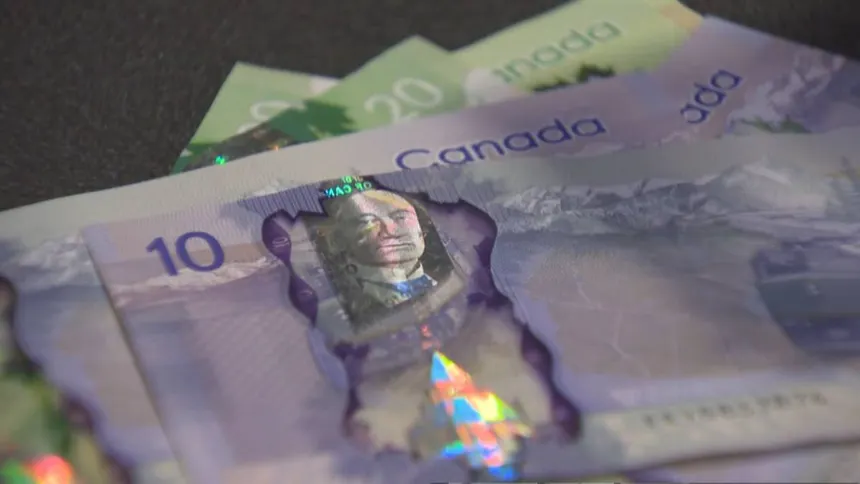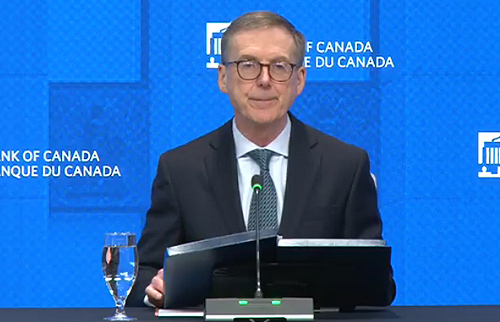
Canada holds interest rate
The Bank of Canada left its benchmark interest rate unchanged at 2.25 percent on September 2, 2026, while indicating that additional interest-rate increases could become necessary if infl...
Oil prices rose by more than four dollars per barrel on September 1, 2026, after renewed military exchanges between the United States and Iran increased concerns about energy supplies fro...
Global oil prices rose sharply on August 10, 2026, as uncertainty continued over negotiations concerning the reopening of the Strait of Hormuz. Iran maintained that the United States must...
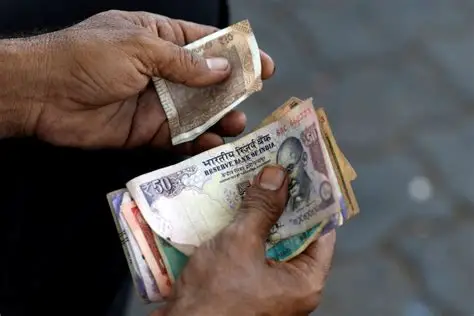
The Reserve Bank of India was believed to have intervened in the foreign exchange market on August 7, 2026, as the Indian rupee faced renewed pressure from rising global oil prices. Curre...
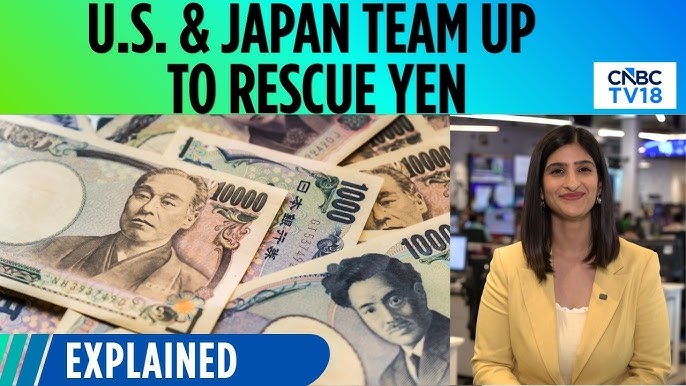
Japan and the United States conducted coordinated currency intervention on July 31, 2026, to support the Japanese yen after it fell to its weakest level in approximately four decades. The...
The International Monetary Fund said on June 22, 2026, that it was expanding financial support for several African countries affected by economic disruptions linked to conflict in the Mid...
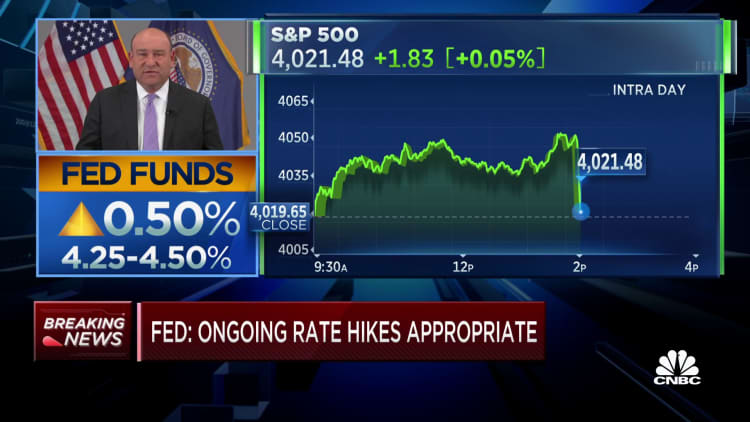
The U.S. Federal Reserve increased its benchmark interest rate by 0.25 percentage points on Tuesday, raising it to a range of 5.25 to 5.50 percent. The Fed cited persistent inflation pres...
On February 12, 2026, financial markets were shaken by a combination of a corporate bond rally and renewed technology sector selling. Corporate bonds surged, pushing credit spreads to ...
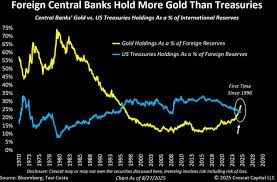
Central banks increase gold reserves at fastest pace in decades On February 22, 2026, the World Gold Council reported that central banks globally added gold to their reserves a...
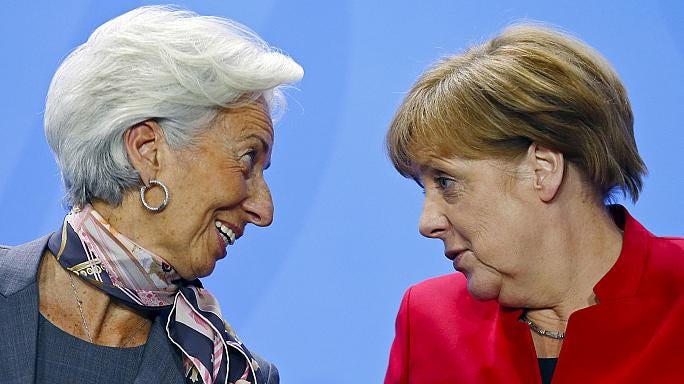
European Markets Decline After ECB Holds Interest Rates On February 5, 2026, European financial markets experienced a notable decline following the European Central Bank’s announcement t...
Political Realignments and Policy Decisions in Australia On February 3, 2026, Australian politics saw multiple developments with potential implications for national policy and ...
On January 28, 2026, the Bank of Canada held its benchmark interest rate at 2.25 percent, the central bank’s first decision of the year, officials announced. Governor Tiff Macklem said un...
On January 23, 2026, U.S. financial markets showed mixed performance amid corporate earnings news and geopolitical uncertainty. Major indexes including the S&P 500 and Nasdaq ended the se...
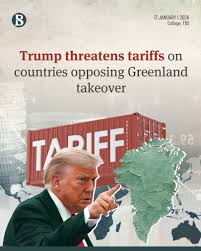
Trump Links Greenland Push to Nobel Snub, EU Considers Retaliatory Tariffs On January 19, 2026, U.S. President Donald Trump linked his campaign to assert control over Greenland to his fa...
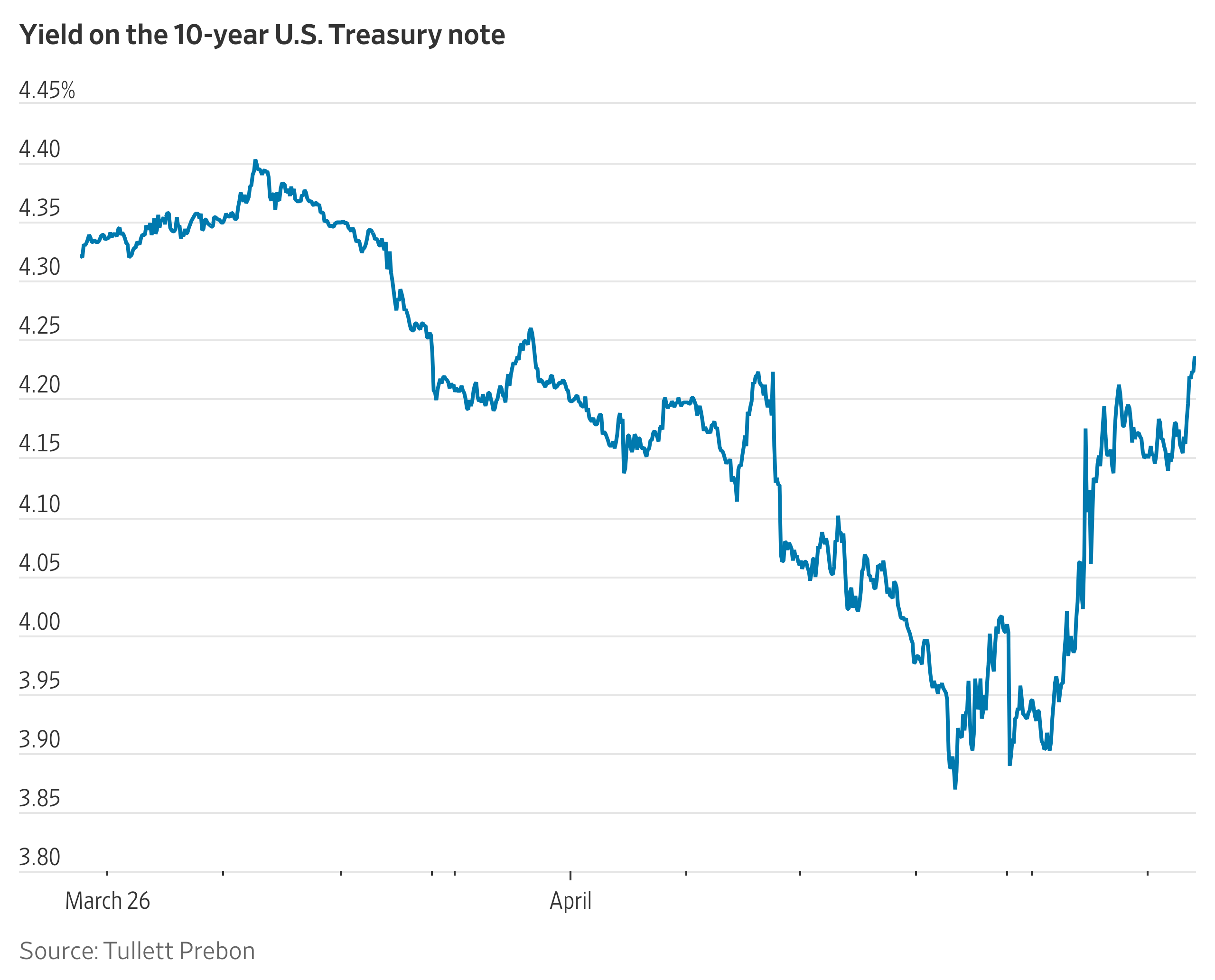
On January 16, 2026, major U.S. stock indexes declined as Treasury yields reached a four-month high, reflecting investor concerns over future Federal Reserve policy and economic direction...
Before Hitler rose to power, major banks and financiers profited from high interest rates in Germany. During the Weimar Republic, government bonds often carried 6-10% nominal rates. Banks...
1913 – Foundations of the Modern World body { font-family: Arial, sans-serif; background-color: #f4f4f9; margin: 0; padding: 0; } .timeline-container { max-width: 900...
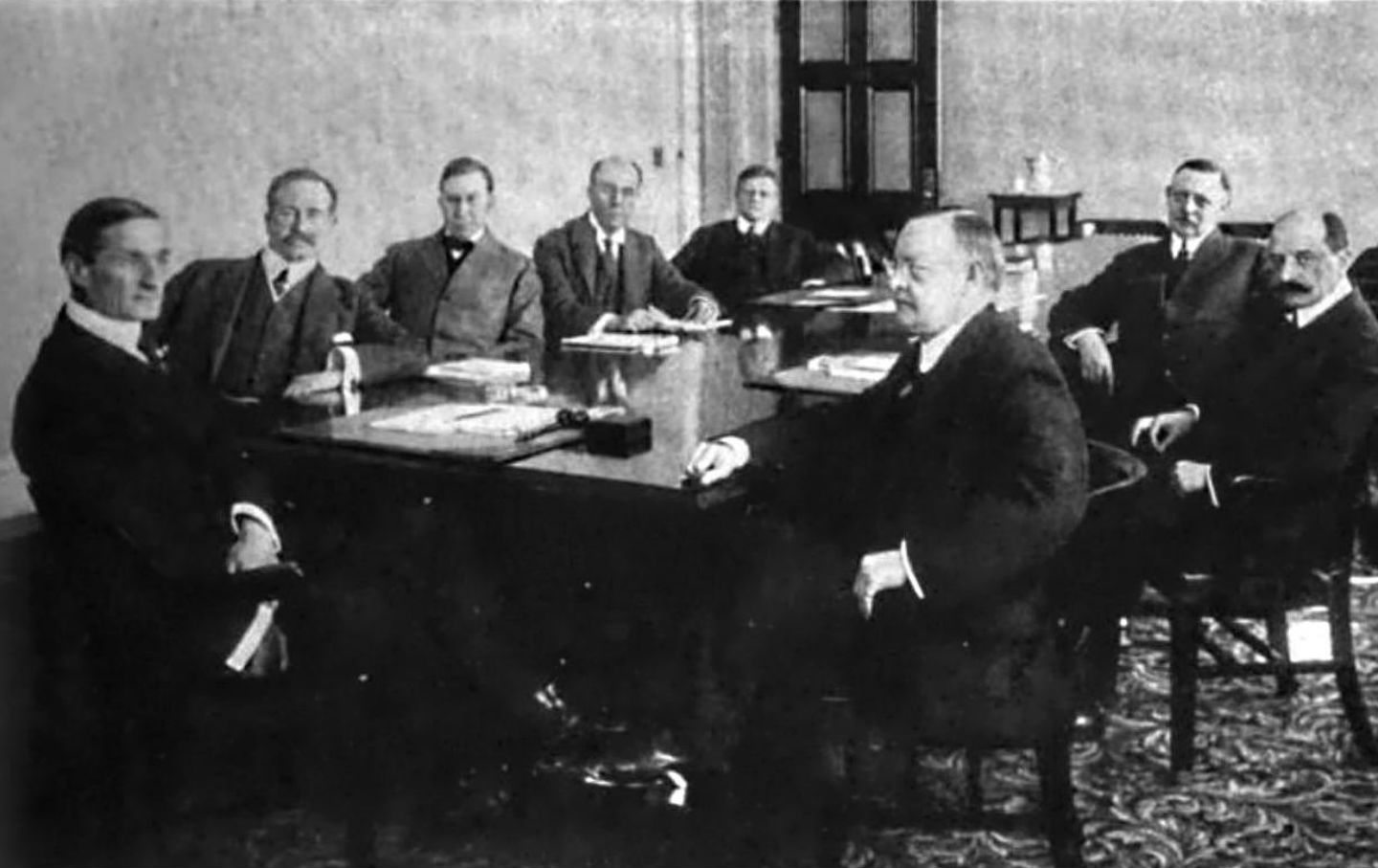
The creation of the Federal Reserve System on December 23, 1913, established the central banking authority of the United States. It was enacted through the Federal Reserve Act, signed int...
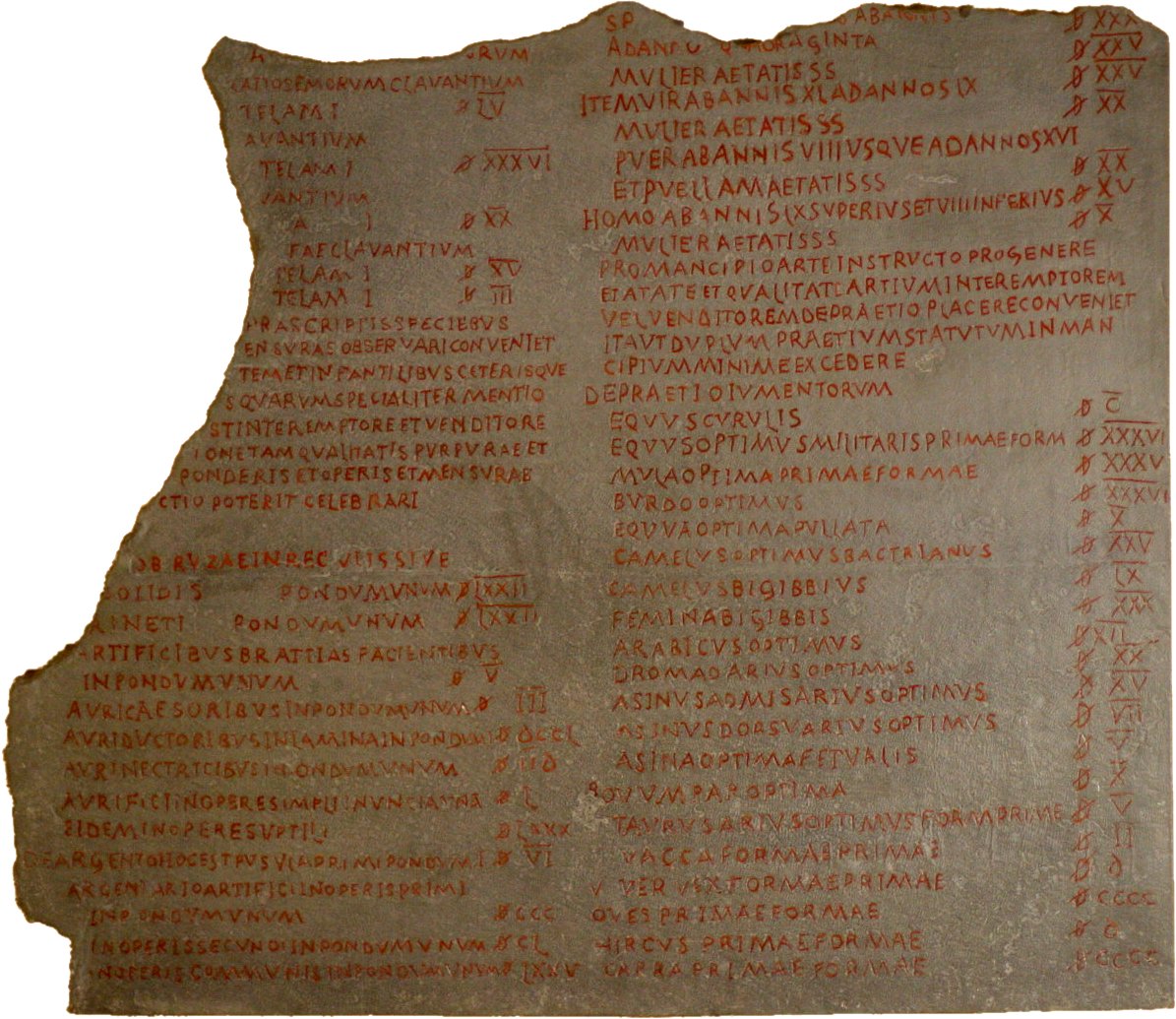
The Edict on Maximum Prices was promulgated under Emperor Diocletian in an effort to curb rampant inflation throughout the Roman Empire. The edict set maximum prices for over a thousand g...
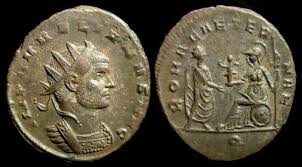
Emperor Aurelian implemented a major monetary reform aimed at stabilizing the Roman currency system after years of debasement. The reform introduced new silver coins with improved purity ...
2014–2026 — Egypt remains the most populous country in the Arab world and one of the principal political centers of the eastern Mediterranean and Middle East. Cairo dominates political an...
1915–1918 — Casualties, inflation and shortages turn civilian morale into a strategic issue. Governments expand propaganda, censorship, rationing and welfare programs while labor movement...
1915–1917 — Battlefield losses, inflation, food distribution failures and political distrust progressively weaken the Russian state. Confidence in Nicholas II collapses among elites as we...
1914–1918 — Armaments companies, explosives producers and other industrial suppliers receive enormous wartime orders. Some businesses benefit heavily while others suffer from disruption a...
15 November 1923 — Germany introduces the Rentenmark during the final phase of the hyperinflation crisis. Years of wartime debt, fiscal instability, reparations pressures and the Ruhr con...
13 August 1923 — Stresemann becomes German chancellor during the Ruhr and inflation crisis and later serves as foreign minister. He ends passive resistance in the Ruhr, supports currency ...