Gaza flotilla interception Ben-Gvir
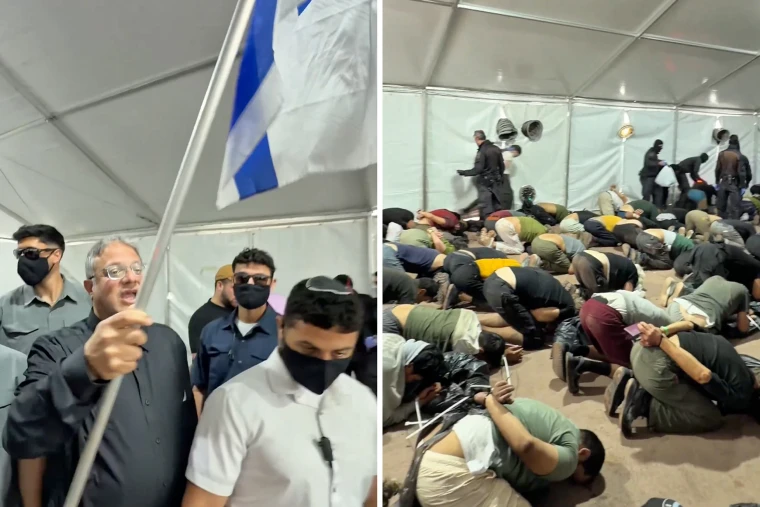
A flotilla of more than 50 civilian vessels organized by pro-Palestinian activists, including the Global Sumud Flotilla, attempted to reach the Gaza Strip in 2026 carrying humanitarian ai...
Hartmut Ebbing, a former member of the German Bundestag representing the Free Democratic Party and a former treasurer of the German-Israeli Society, is facing legal proceedings in Germany...
Germany faces hospital capacity strain amid physician shortages On February 19, 2026, German health authorities reported that hospitals across multiple federal states are exper...
Event Timeline body { font-family: Arial, sans-serif; background-color: #f4f4f9; margin: 0; padding: 0; } .timeline-container { max-width: 900px; margin: 50px auto; p...
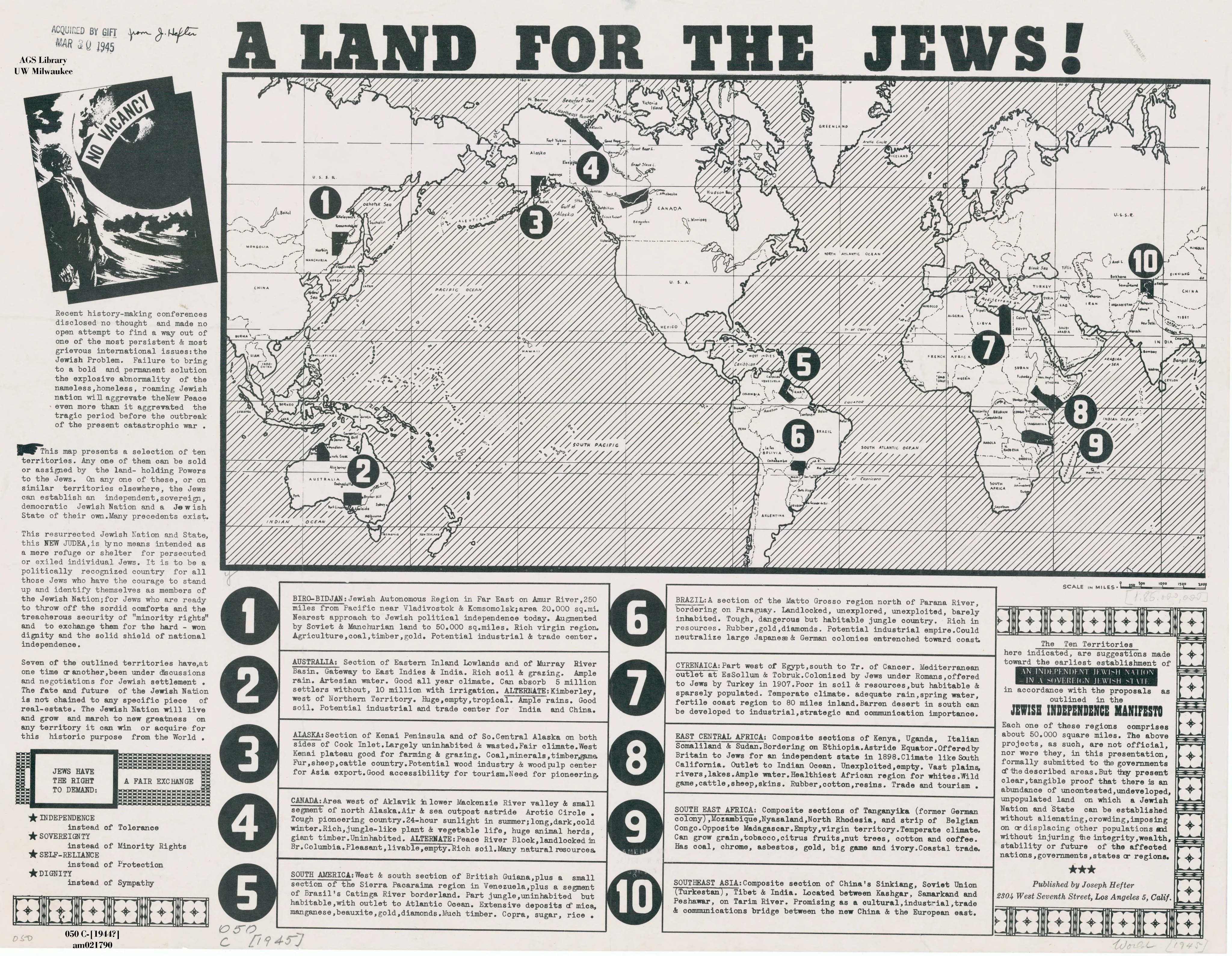
Proposed Jewish Settlements and Local Creation Myths body { font-family: Arial, sans-serif; background-color: #f4f4f9; margin: 0; padding: 0; } .timeline-container { ...
European Officials Reject U.S. Tariff Blackmail and Push for Unity European finance ministers from Germany and France publicly rejected U.S. tariff threats as “blackmail” amid rising ten...
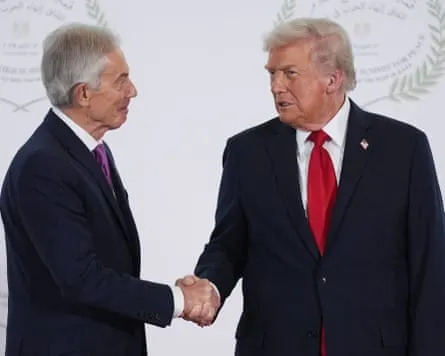
Board of Peace for Gaza Date: Ongoing as of January 2026 Description: The Board of Peace is a U.S.-led international body announced by President Donald Trump to oversee governance,...
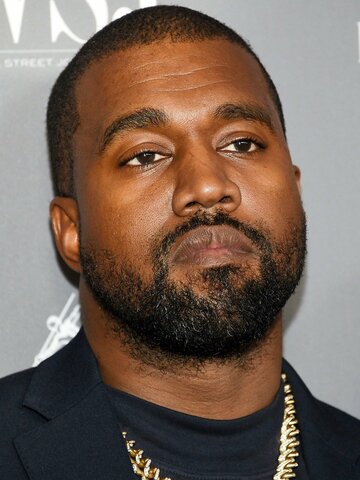
American artist Kanye West, also known as Ye, released a song titled “Heil Hitler” on May 8, 2025, which generated widespread international criticism. The track included references to Naz...
Swedish climate activist Greta Thunberg was named "Antisemite of the Week" in September 2024 by the Jewish watchdog group StopAntisemitism following her arrest at an anti-Israel protest a...
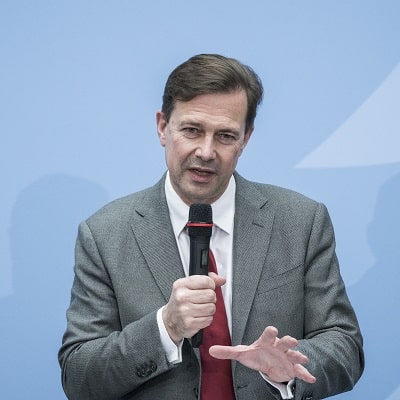
Germany’s ambassador to Israel, Steffen Seibert, stated that he had shared a fabricated account related to the October 7, 2023 events. The statement was made on August 29, 2024, in a post...
The Nord Stream pipelines are two major natural gas pipelines, Nord Stream 1 and Nord Stream 2, running under the Baltic Sea from Russia to Germany. The pipelines were designed to transpo...
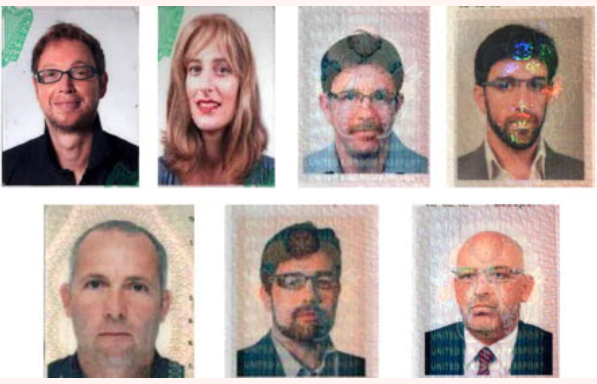
One of the clearest documented cases of Israeli intelligence activity that damaged relations with allies involves the use of forged or cloned passports belonging to citizens of friendly c...
Gabriela Rico Jiménez’s Viral 2009 Incident and Disappearance On the evening of August 3, 2009, 21‑year‑old Gabriela Rico Jiménez was filmed in a distressed state outside the F...
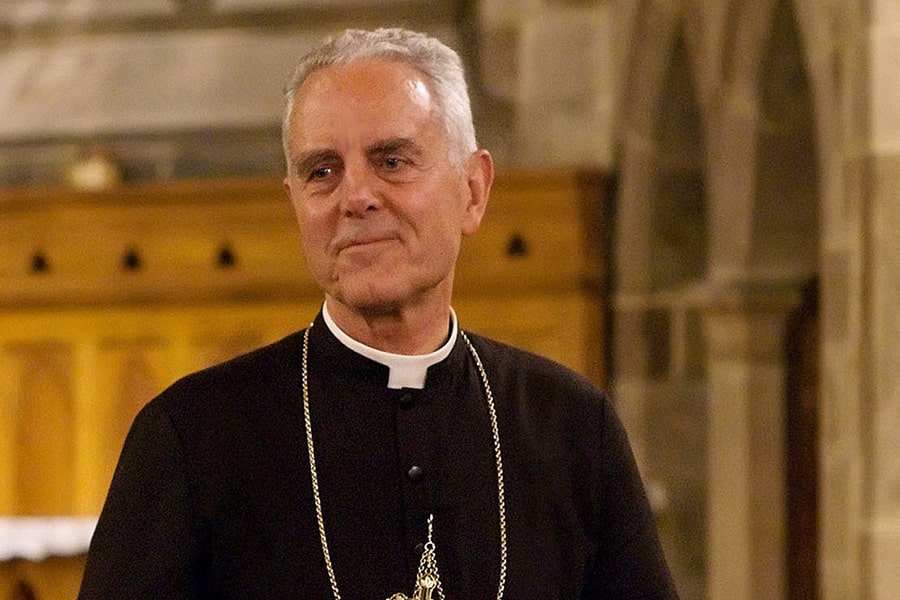
Richard Williamson was a British traditionalist Catholic bishop who became widely known for his involvement in controversies related to the Catholic Church and his public statements about...
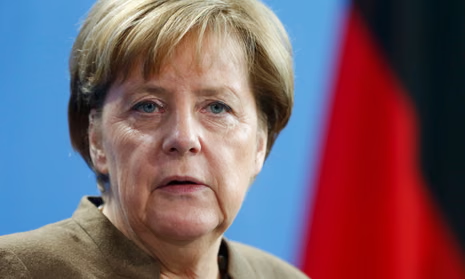
On March 31, 2008, German Chancellor Angela Merkel visited Jerusalem, Israel, during an official diplomatic trip. She went to the Western Wall, a significant religious and cultural site i...
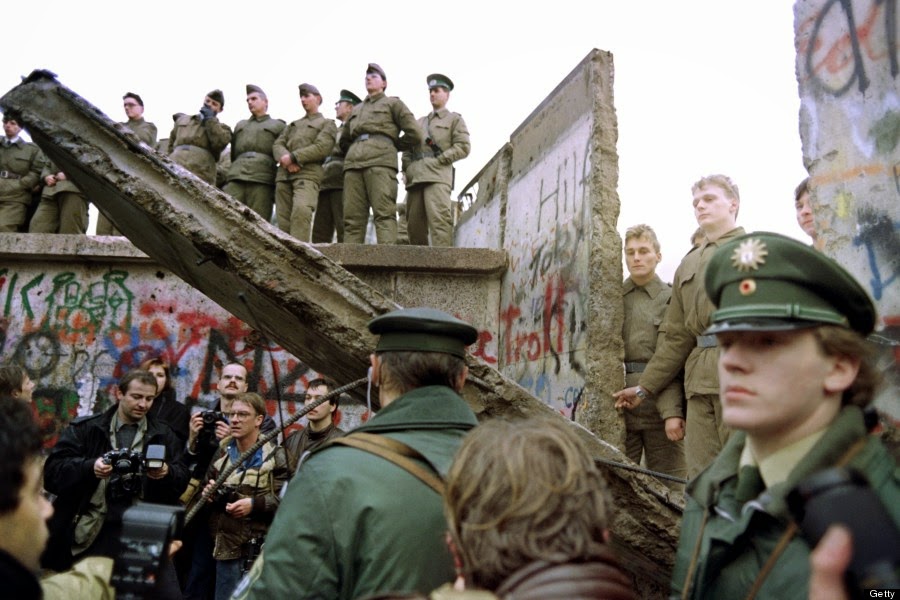
The Fall of the Berlin Wall on November 9, 1989, marked a pivotal moment in world history, symbolizing the collapse of the Cold War division between East and West Germany. The Berlin Wall...
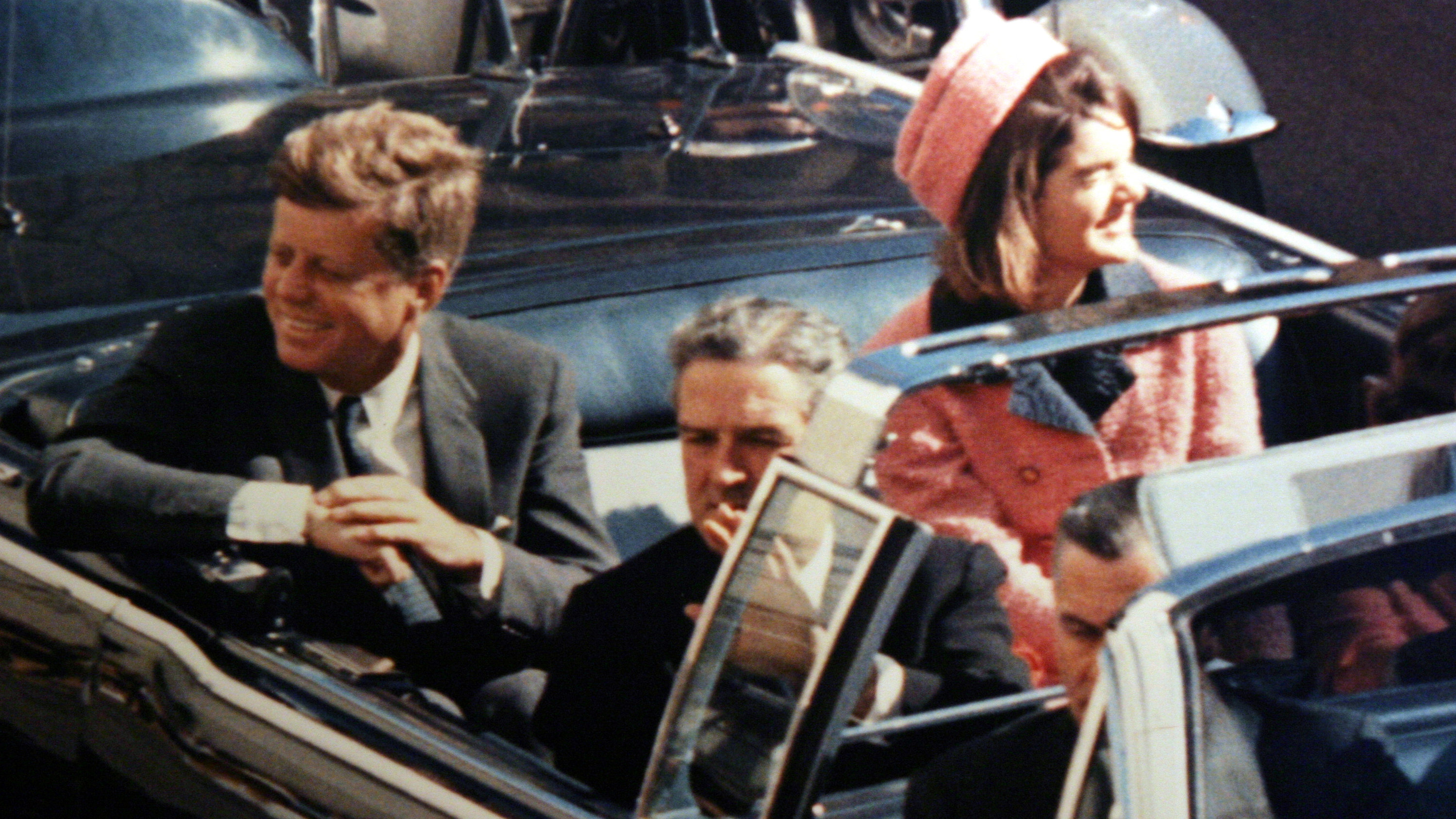
The assassination of John F. Kennedy, the 35th President of the United States, occurred on November 22, 1963, in Dallas, Texas. Kennedy was fatally shot while riding in a motorcade throug...
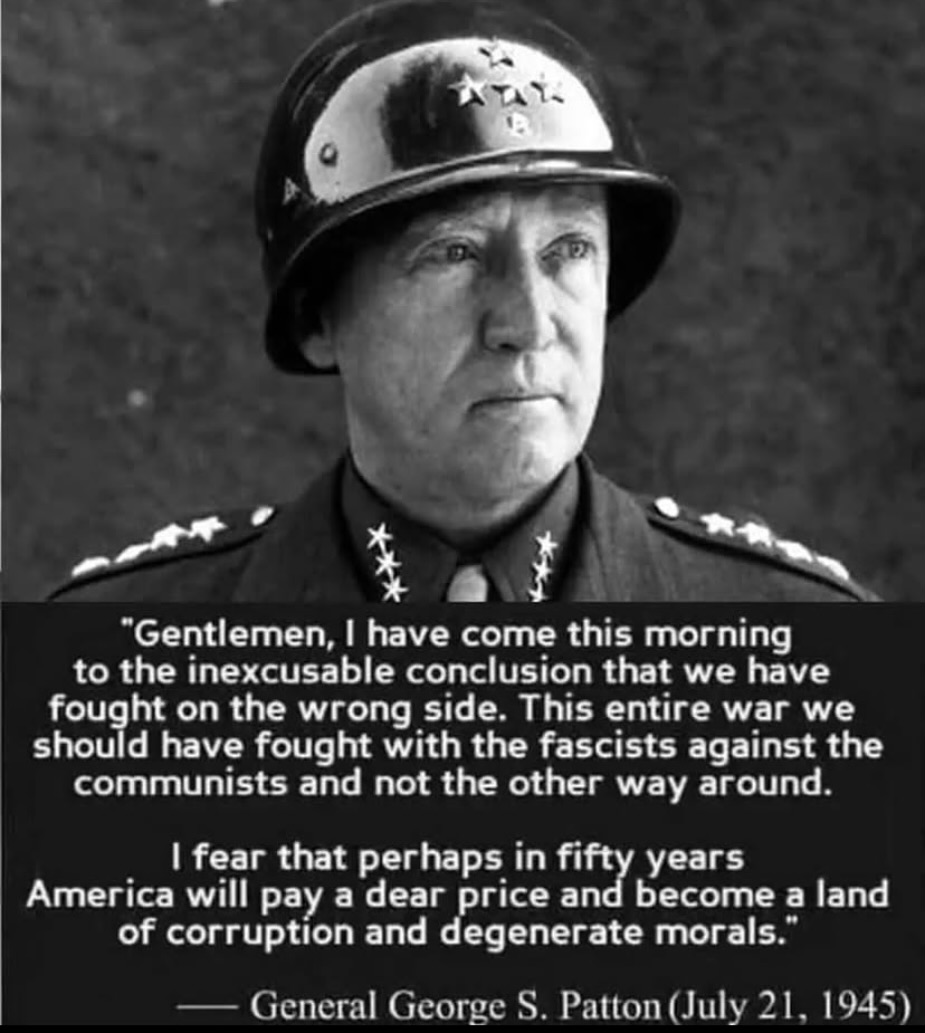
General George S. Patton, a senior U.S. Army officer in World War II, died on December 21, 1945, in Heidelberg, Germany, following injuries sustained in a car accident on December 9, 1945...
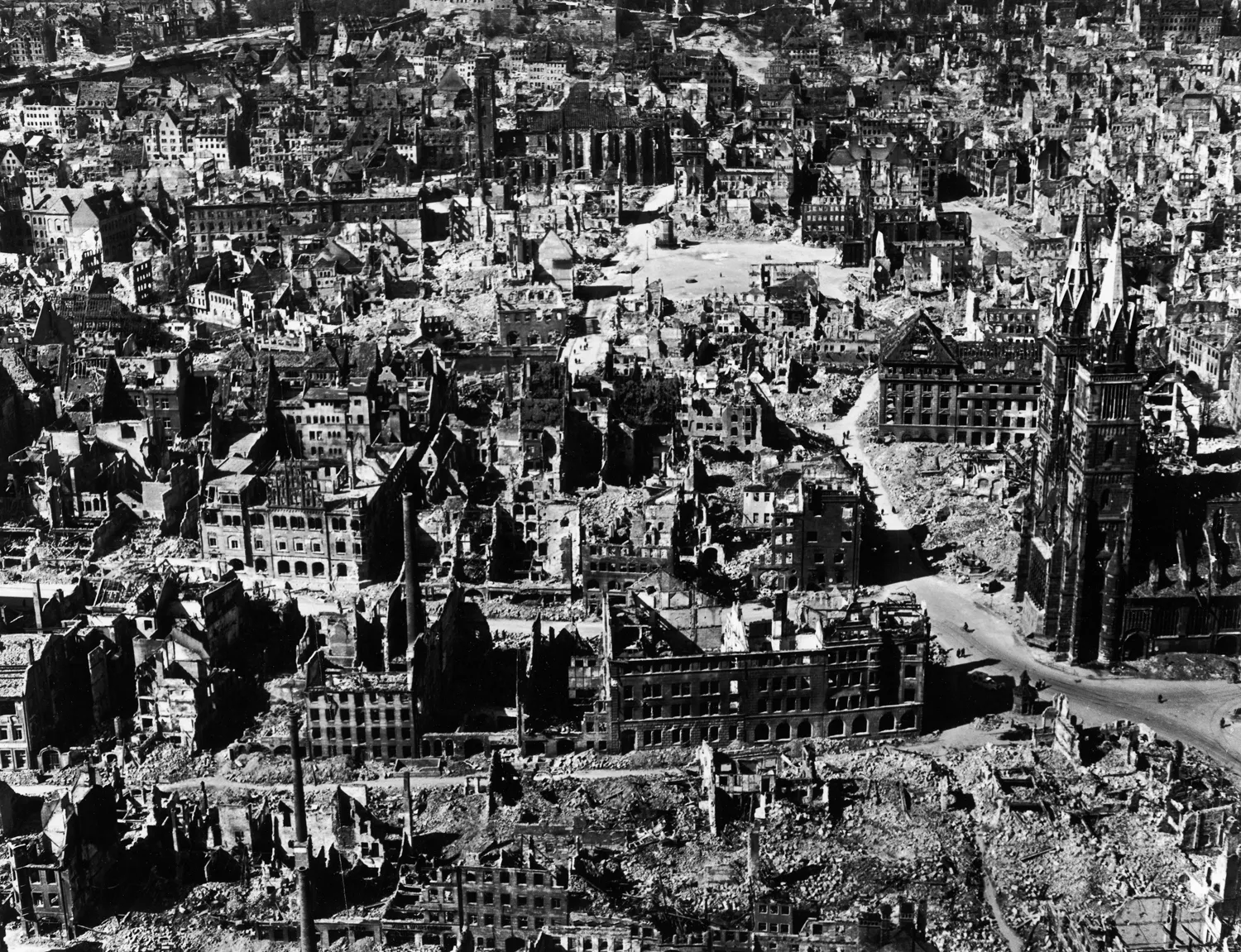
During World War II (1939–1945), the Allied forces of the United States and the United Kingdom carried out a widespread strategic bombing campaign against German cities. The campaign targ...
Victory in Europe (VE) Day marked the official surrender of Nazi Germany to the Allies, ending the war in Europe. Celebrations erupted across Europe and the United States, symbolizing hop...
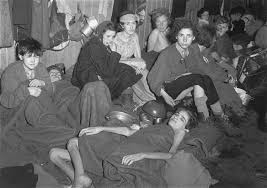
Typhus and Mortality in Nazi Concentration Camps Historical records from the International Committee of the Red Cross (ICRC), Nazi documentation, and post-war investigations co...
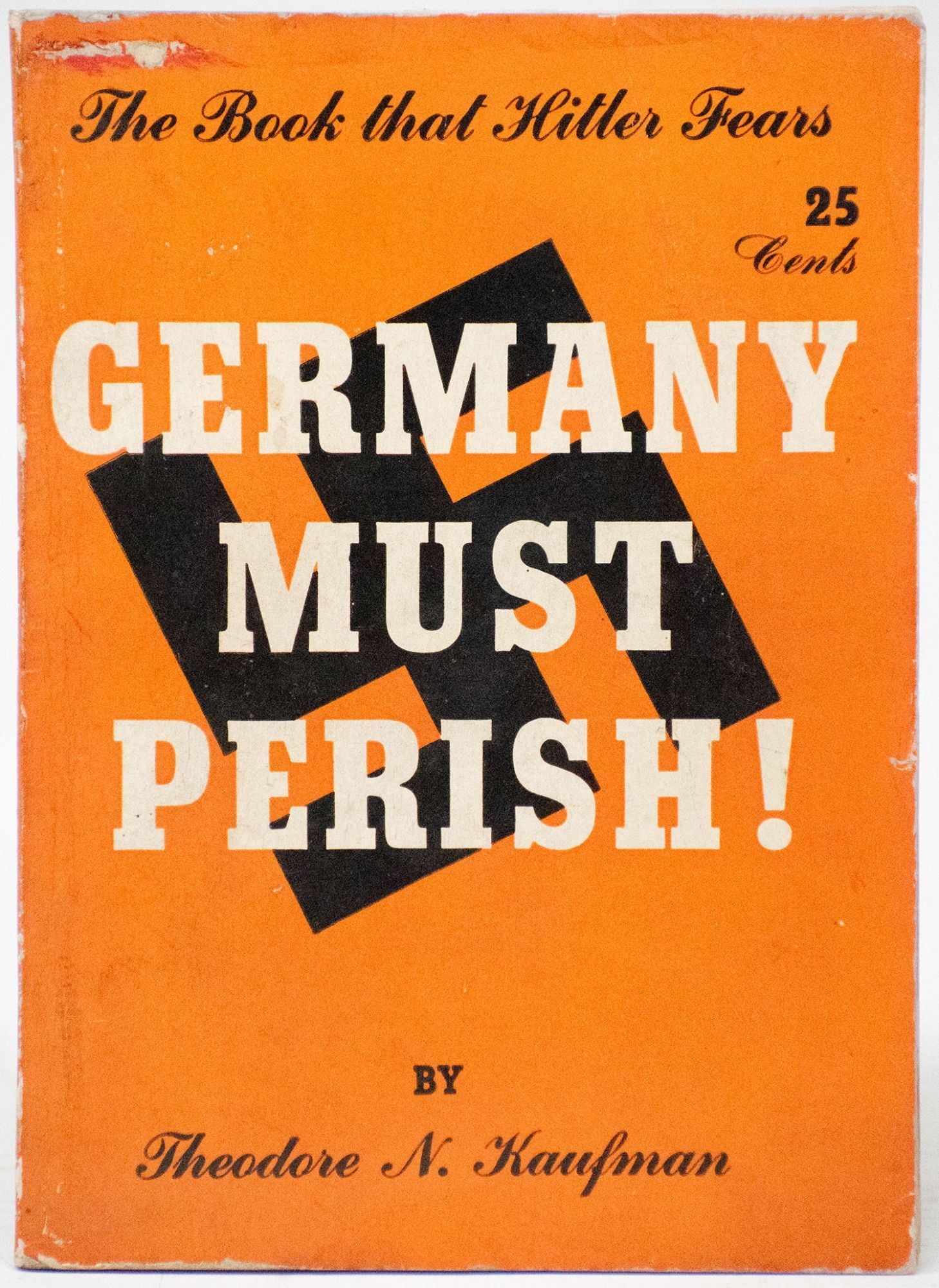
Publication of *Germany Must Perish!* by Theodore Kaufman On February 28, 1941, American author Theodore N. Kaufman self‑published a book titled *Germany Must Perish!* through ...
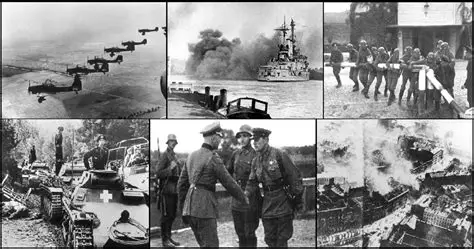
World War II Begins body { font-family: Arial, Helvetica, sans-serif; line-height: 1.6; margin: 40px; background-color: ...
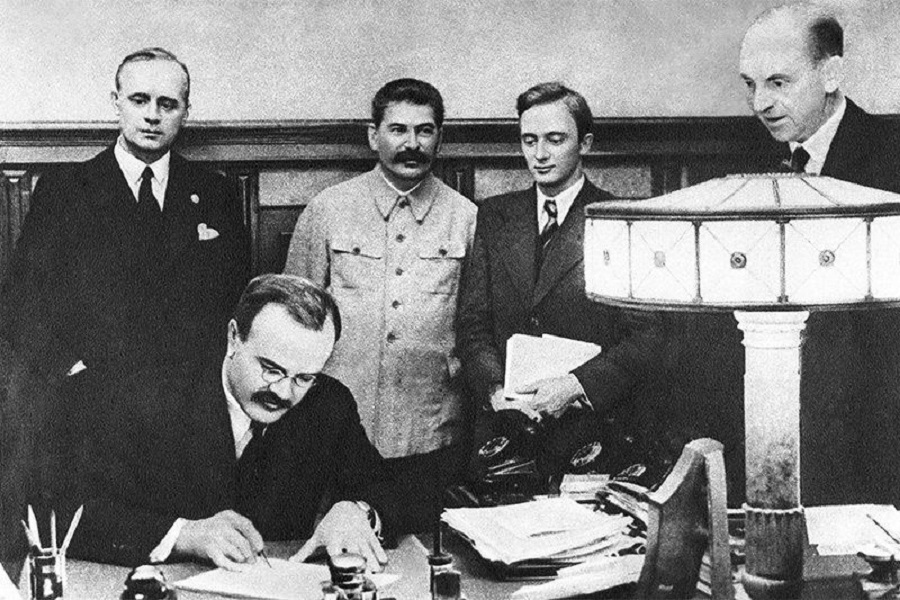
The German–Soviet Non-Aggression Pact And Its Secret Protocols On August 23, 1939, the governments of Germany and the Soviet Union signed a non-aggression treaty in Moscow. The...
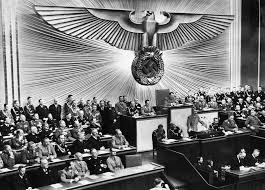
Adolf Hitler References British Rule in Palestine in Reichstag Address “It appears to have slipped Mr. Roosevelt’s mind that Palestine is not being occupied by German troops, b...
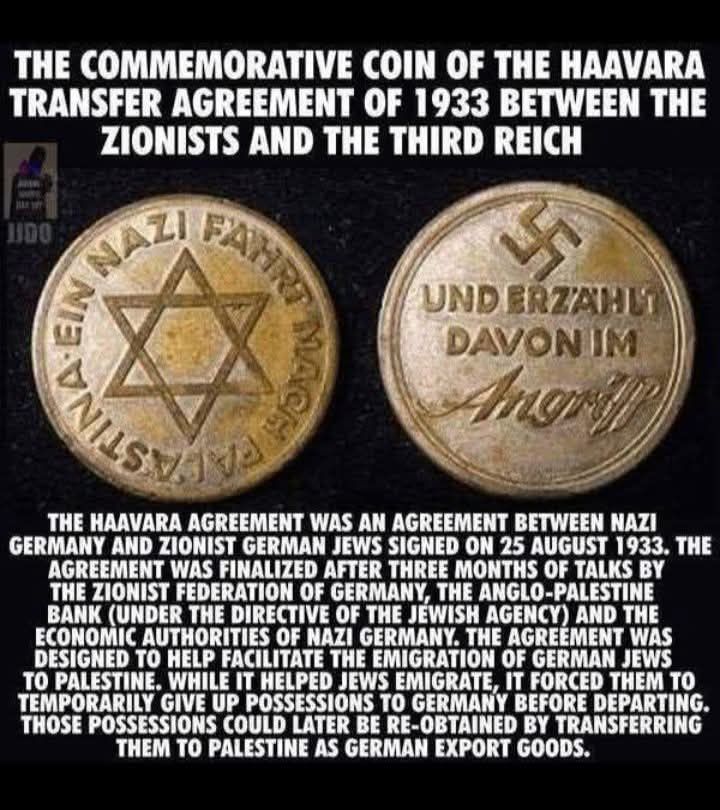
The Haavara (Transfer) Agreement was signed on August 25, 1933, between Nazi Germany and Zionist organizations, including the Jewish Agency. The agreement facilitated the emigration of Ge...
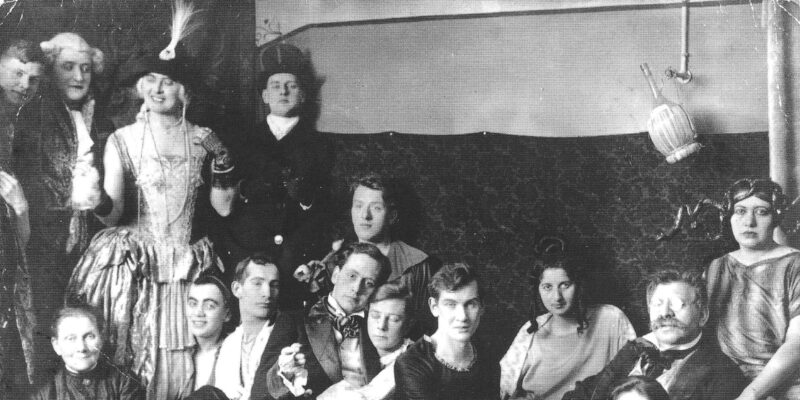
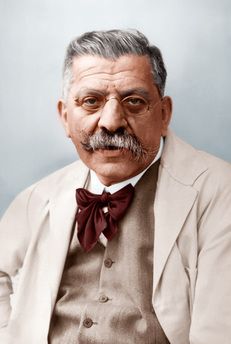
In early 20th century Germany, Berlin was a center for sexual reform and research. Dr. Magnus Hirschfeld (1868–1935), physician and sexologist, a German Jewish doctor, founded the Institu...
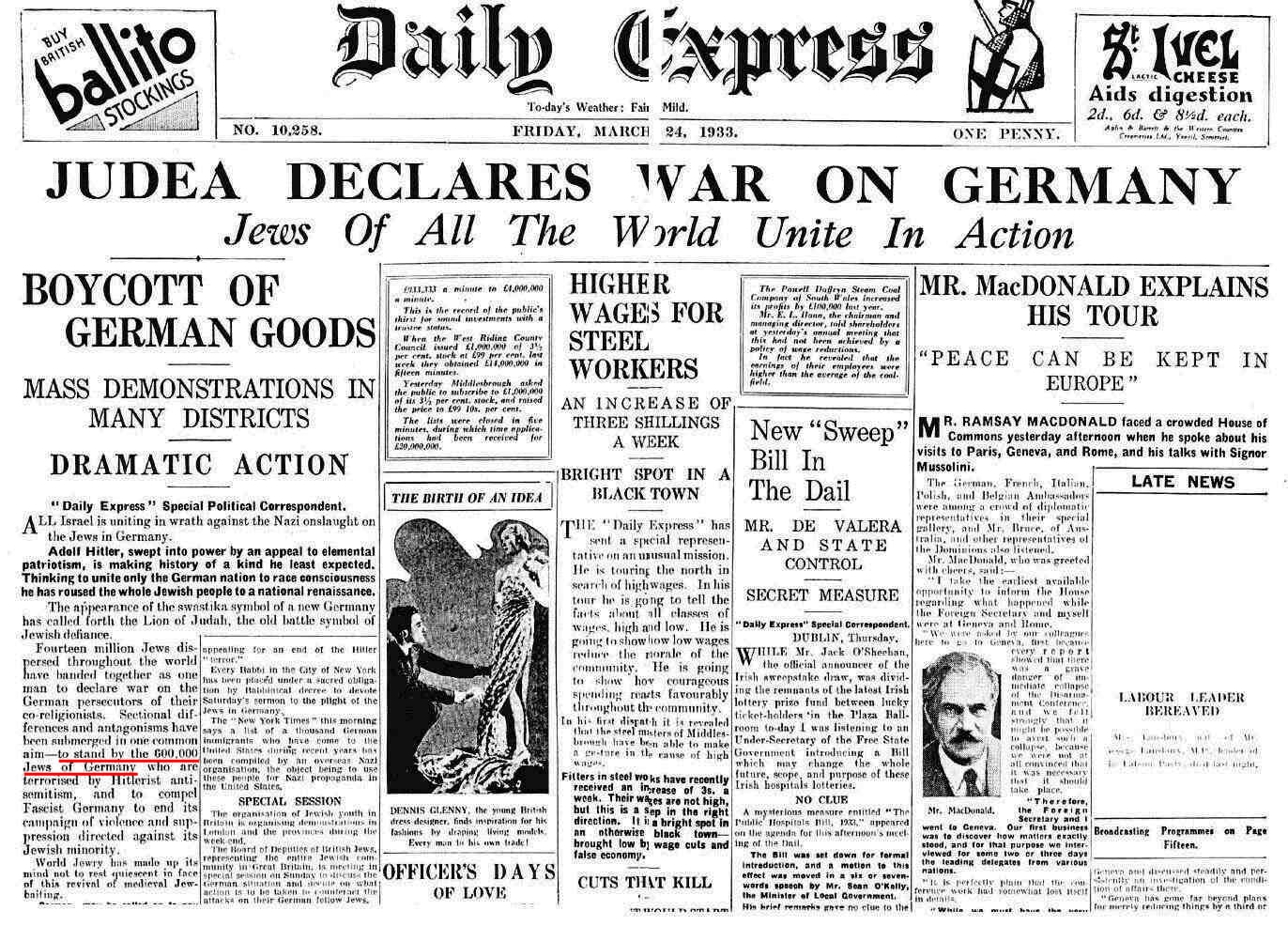
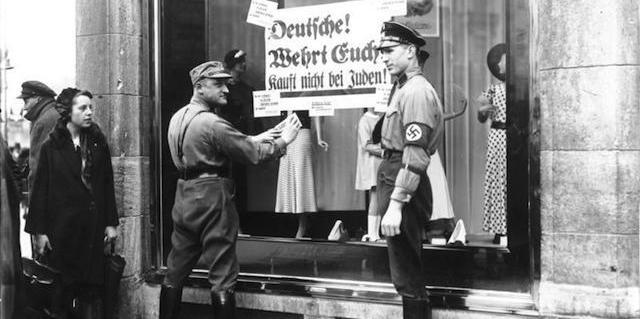
On March 24, 1933, the British newspaper Daily Express published a front-page headline reading “JUDEA DECLARES WAR ON GERMANY: Jews of All the World Unite.” The article reported on intern...
Financial backers of Hitler in 1933 In early 1933, Adolf Hitler received financial support from multiple sources as he rose to power in Germany. Major contributions came from industriali...
In the 1920s, businessman Julius Barmat, who was Jewish, became involved in a political corruption scandal in the Weimar Republic. The affair implicated government officials in bribery an...
Before Hitler rose to power, major banks and financiers profited from high interest rates in Germany. During the Weimar Republic, government bonds often carried 6-10% nominal rates. Banks...
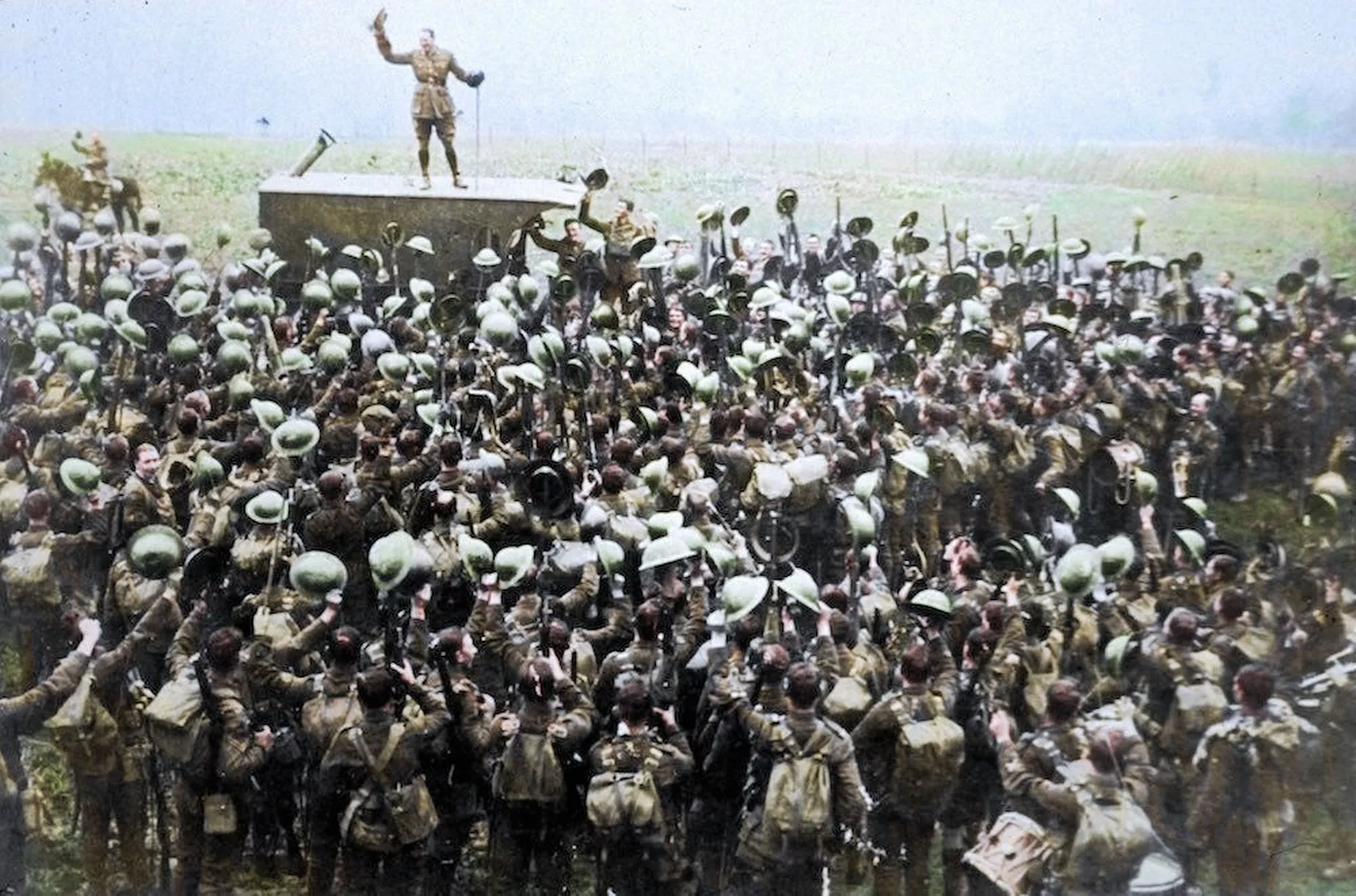
The armistice of November 11, 1918, marked the end of World War I. Germany agreed to cease hostilities with the Allies, bringing four years of devastating conflict to a close. This day is...
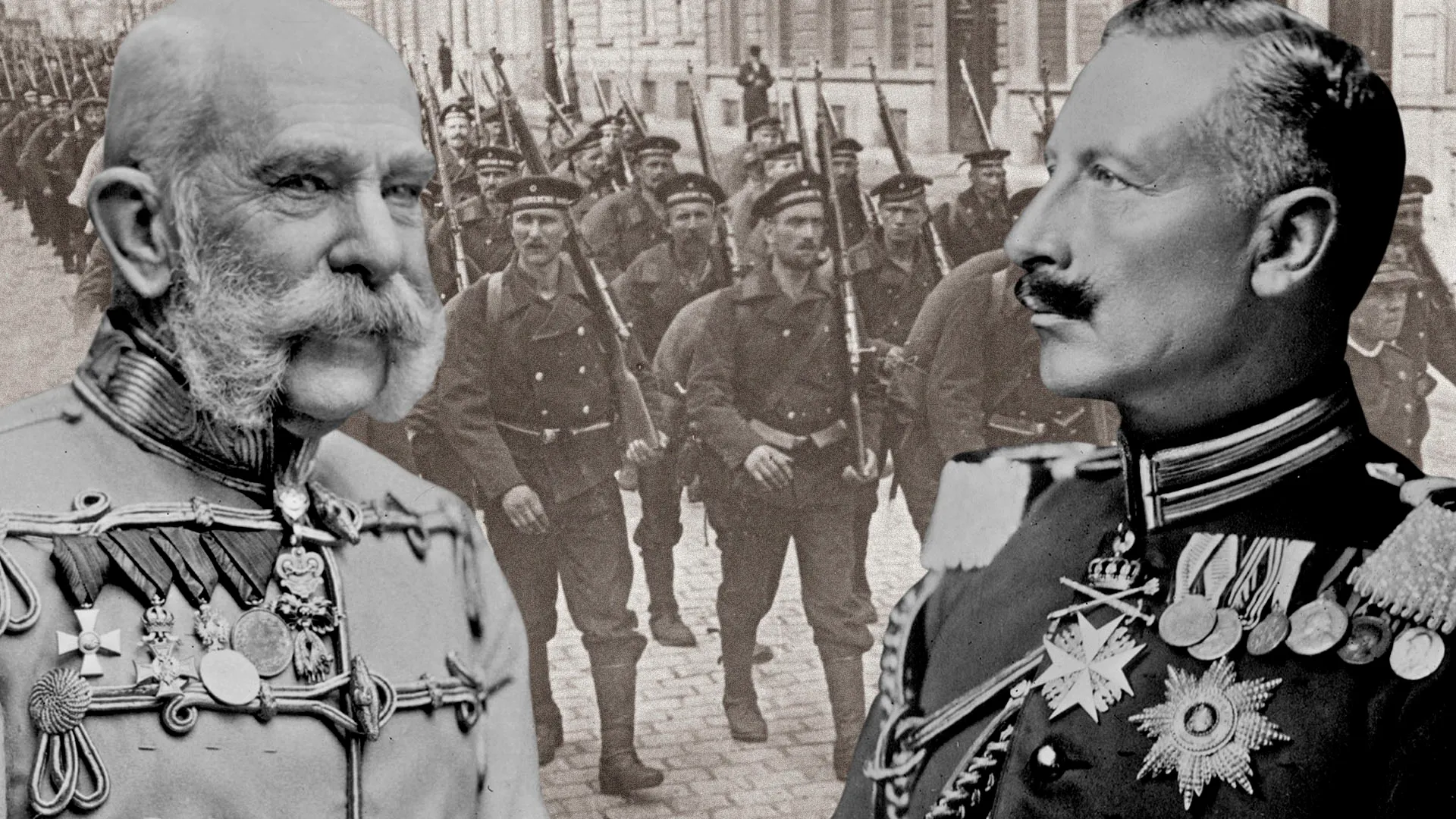
World War I, also known as the Great War, began when Austria-Hungary declared war on Serbia following the assassination of Archduke Franz Ferdinand. The conflict quickly escalated, drawin...
The Wissenschaftlich-humanitäres Komitee, widely recognized as the first organization advocating for the rights of homosexual individuals, was established in Berlin in May 1897. The group...
Alexander Orlov, born Lev Lazarevich Feldbin on 21 August 1895 in Bobruisk, was a Soviet NKVD officer from an Orthodox Jewish family. He later operated under several aliases, including Le...
Charlie Chaplin was an English actor, filmmaker, composer, and producer who became one of the most prominent figures of twentieth-century cinema. His career included silent films, sound f...
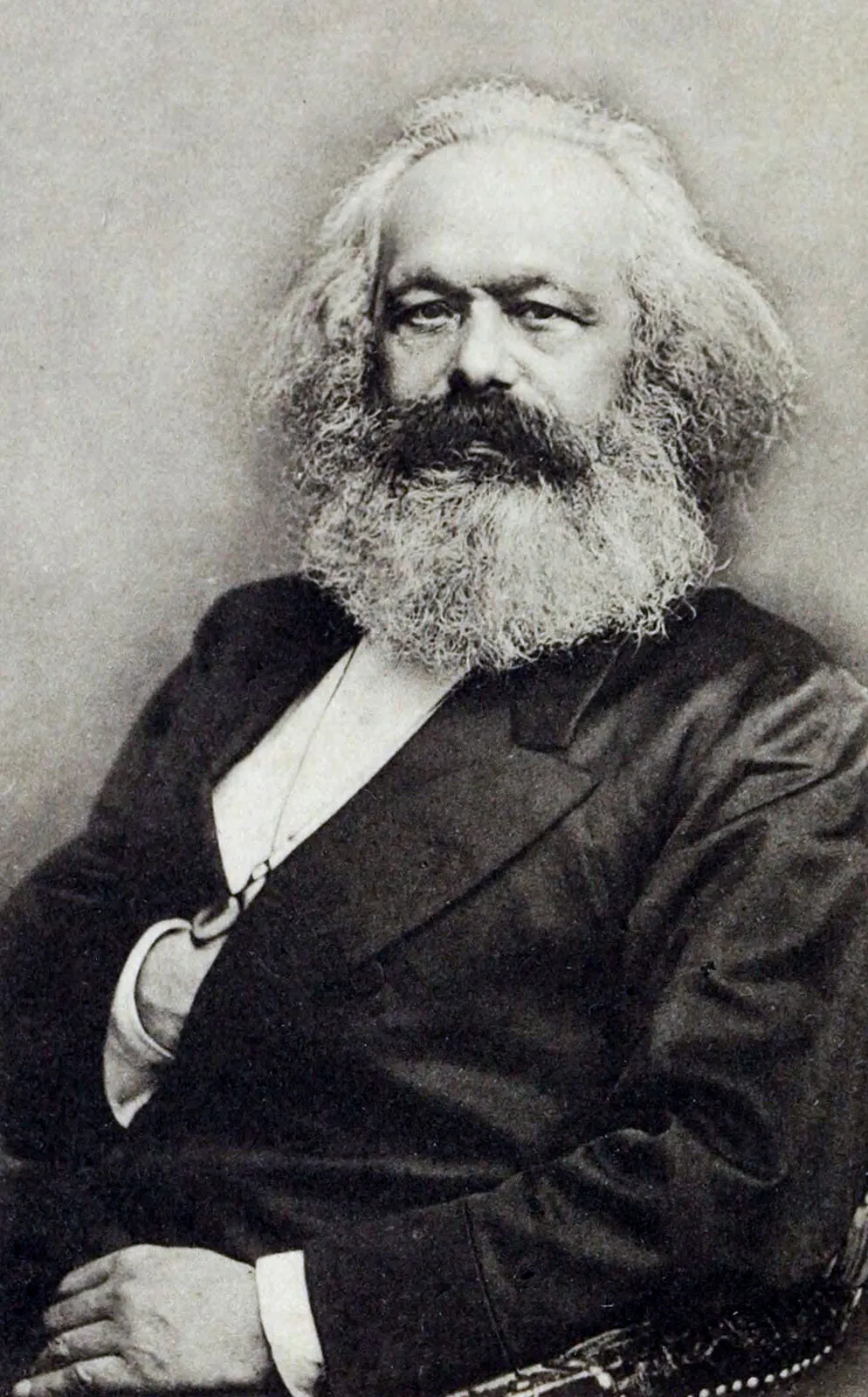
Karl Marx was a German philosopher, economist, and political theorist born in Trier, Prussia, in 1818. His work contributed to the development of socialist and communist political theory ...
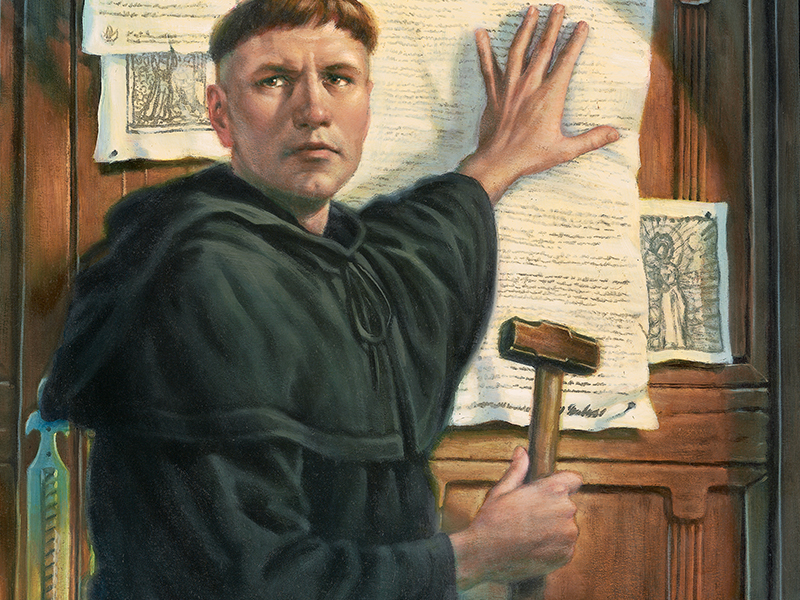
The Ninety-Five Theses body { font-family: Arial, Helvetica, sans-serif; line-height: 1.6; margin: 40px; background-colo...
Roman Emperor Caracalla launched multiple military campaigns against the Alemanni tribes during his rule. These campaigns aimed to secure the empire’s northern frontiers amidst growing pr...
Untitled1990s–present — The collapse of communist controls produces large migration flows toward Italy, Greece, Germany, the United States and elsewhere. Emigration becomes one of the def...
January–June 1919 — France prioritizes security and compensation for destruction. Britain wants Germany constrained without permanently destroying European economic stability. Wilson prom...
3 November 1918 — Sailors at Kiel revolt after naval leaders attempt to send the fleet into a final battle. The mutiny spreads into a wider revolutionary movement as workers' and soldiers...
August–November 1918 — Germany and its allies face military retreat, shortages, exhaustion and growing political instability. Bulgaria, the Ottoman Empire and Austria-Hungary leave the wa...
21 March 1918 — Germany launches Operation Michael, the first of several major offensives designed to win the war in the west before American manpower becomes overwhelming. Specialized as...
January–March 1918 — Russia's withdrawal gives Germany a temporary manpower advantage in the west, but American troops are arriving rapidly. Hindenburg and Ludendorff conclude that German...
November 1917–March 1918 — Lenin argues that the revolutionary government cannot survive while Russia remains in the war. Other Bolsheviks object to Germany's extreme peace terms. Renewed...
1917–1918 — German forces develop increasingly sophisticated methods based on short intense bombardments, assault detachments and infiltration around strongpoints. The tactics contribute ...
Late 1917–March 1918 — The collapse of Russian resistance allows Germany to move divisions from the Eastern Front toward France and Belgium. German commanders understand that the advantag...
August 1916–October 1918 — Paul von Hindenburg and Erich Ludendorff become the dominant figures in Germany's Supreme Army Command. Their influence extends far beyond battlefield operation...
4 June 1916 — Russian General Aleksei Brusilov launches a major offensive against Austria-Hungary. Innovative preparation and attacks across a broad front produce spectacular early breakt...
21 February 1916 — Germany launches a major offensive against the fortified Verdun region. French forces commit enormous manpower and artillery to prevent the fortress zone from falling. ...
6 September 1914 — French and British forces begin the counteroffensive known as the First Battle of the Marne. The German advance toward Paris is halted and German armies withdraw toward...
August–September 1914 — Germany concentrates major forces against France and advances through Belgium. The operational scheme derives from years of German planning associated with Alfred ...
July 1914 — Russian leaders view Serbia as both a political partner and a test of Russian great-power credibility in the Balkans. Previous retreats in regional crises make another diploma...
28 June–4 August 1914 — Sarajevo creates the crisis, but successive decisions by Austria-Hungary, Germany, Russia, France and Britain determine how far it spreads. The investigation shoul...
1914–1918 wartime production — Krupp is one of Germany's most important heavy industrial and armaments firms. The company supplies artillery, steel products and other military equipment r...
Untitled1914–1918 — Industrial warfare requires food, coal, metals, chemicals, credit and shipping on unprecedented scales. Britain attempts to deny overseas resources to Germany through ...
1912–1914 — Officials in Germany and Austria-Hungary increasingly fear that Russia and Serbia will become stronger with time. Railway construction, military reforms, population growth and...
1905–1914 — German military planning assumes that simultaneous war against France and Russia creates a dangerous strategic problem. Geography places Germany between both opponents. German...
1894–1914 — France and Russia are formally allied, while Britain develops strategic understandings with France and Russia. Germany remains closely aligned with Austria-Hungary. Alliances ...
30 January 1933–30 April 1945 — Hitler rules Germany as dictator and becomes the central political authority behind Nazi expansion, racial policy and the decision to launch major wars of ...
22 December 1941 — Roosevelt and Churchill begin the Arcadia Conference in Washington shortly after American entry into the war. Despite Pearl Harbor, the United States and Britain confir...
12 May 1944 — American bombers begin a major concentrated campaign against German synthetic fuel plants and oil infrastructure. Germany relies heavily on synthetic fuel because access to ...
25 November 1936 — Germany and Japan sign an agreement publicly directed against the Communist International. Italy joins the following year. The pact reflects growing ideological alignme...
11 November 1918 — German representatives sign the armistice at Compiègne. Fighting ends on the Western Front at 11:00 a.m. Germany accepts evacuation requirements and surrender of substa...
1941–1944 — Germany, Italy and Bulgaria occupy Greece after the Axis invasion.
10 July 1940 — The Luftwaffe begins the sustained air campaign conventionally identified as the Battle of Britain. Germany seeks air superiority as a prerequisite for a possible invasion ...
31 May 1916 — Britain's Grand Fleet and Germany's High Seas Fleet clash in the North Sea in the largest naval battle of the war. Germany inflicts heavier tactical losses, but Britain reta...
5 July 1943 — Germany launches Operation Citadel against the Kursk salient. Soviet intelligence and defensive preparations create deep belts of mines, anti-tank positions and artillery. G...
16 December 1944 — Germany launches a surprise offensive through the Ardennes in an attempt to split Allied armies and seize Antwerp. Initial German advances create a deep bulge in Allied...
16 April 1945 — Soviet forces attack Germany's final major defensive positions east of Berlin. Massive artillery preparation precedes the assault, but German defenses initially slow the a...
2 May 1945 — German forces in Berlin surrender to the Red Army. Soviet troops control the capital of Nazi Germany. Fighting continues elsewhere for several days, but the symbolic and poli...
3 September 1939 — Britain and France declare war on Germany after Hitler refuses demands to withdraw from Poland. Governments that spent much of the 1930s attempting to prevent another c...
4 August 1914 — Britain declares war on Germany after German forces invade neutral Belgium and Berlin fails to meet the British demand for Belgian neutrality to be respected. Britain's de...
31 March 1939 — Britain announces a guarantee of Polish independence following Germany's destruction of Czechoslovakia. France already has alliance commitments to Poland. The guarantee is...
28 May 1940 — During the military crisis in France, Britain's War Cabinet continues debating whether Italian mediation might open negotiations with Germany. Winston Churchill argues stron...
29 September 1918 — Bulgaria signs the Armistice of Salonica after Allied breakthroughs in the Balkans. The surrender opens routes toward Austria-Hungary and the Ottoman Empire and demons...
28 June 1942 — Germany launches its major summer offensive toward southern Russia and the Caucasus. Hitler seeks the oil resources of the Caucasus and control of the Volga region. German ...
29 July 1936 — Germany begins sending military aircraft and personnel to assist Franco's forces in Spain. The Condor Legion later conducts bombing operations, including the destruction of...
8 April 1944 — Soviet forces attack German and Romanian troops in Crimea. Axis defenses collapse rapidly and Sevastopol falls in May. The Soviet victory removes an important Axis position...
6 June 1944 — Allied forces land on the Normandy coast in Operation Overlord. American, British, Canadian and other Allied formations assault five principal beaches while airborne troops ...
16 August 1924 — The Dawes Plan restructures German reparations payments and facilitates large flows of American capital into Germany. The arrangement helps stabilize the European financi...
8 May 1945 — Soviet armies finish the war occupying Poland, eastern Germany, Hungary, Romania, Bulgaria and much of Central and Eastern Europe. Investigate whether the emerging Soviet sph...
2 September 1945 — The defeat of Germany and Japan leaves the United States and Soviet Union as the dominant military powers. Soviet control across Eastern Europe, American economic stren...
23 March 1933 — The Reichstag passes legislation allowing Hitler's cabinet to enact laws without normal parliamentary approval. Communist deputies are absent or imprisoned, and intimidati...
1914–1916 as German Chief of General Staff — Falkenhayn takes command after the failure of Germany's initial western offensive. He increasingly concludes that Germany may not achieve a cl...
March–November 1918 as Allied supreme commander — French General Ferdinand Foch receives increasingly broad authority to coordinate Allied armies during Germany's final offensives. He hel...
18 October 1936 — Hermann Göring receives sweeping authority over the Four Year Plan. The program aims to increase German self-sufficiency, expand synthetic fuel and rubber production and...
11 January 1923 — French and Belgian troops occupy Germany's Ruhr industrial region after Germany falls behind on reparations deliveries. The German government responds with passive resis...
22 June 1940 — France signs an armistice with Germany after the collapse of organized resistance in much of the country. Germany occupies northern and western France while a collaboration...
22 June 1941 — As Chief of the Army General Staff, Halder helps direct Germany's opening eastern campaign. His diary records both military planning and the rapid realization that Soviet m...
1917–1920 as French prime minister — Clemenceau leads France through the final year of the war and becomes one of the dominant figures at the Paris Peace Conference. France has suffered m...
23 May 1941 — German economic planners develop guidelines that assume food from occupied Soviet territories will be redirected toward Germany and the Wehrmacht. Officials understand that ...
15 November 1923 — Germany introduces the Rentenmark during the final phase of the hyperinflation crisis. Years of wartime debt, fiscal instability, reparations pressures and the Ruhr con...
29 September 1918 — Germany's Supreme Army Command concludes that the military situation has become unsustainable and urges political leaders to seek an armistice. The request is one of t...
16 March 1935 — Hitler announces conscription and expansion of Germany's armed forces in open violation of Versailles restrictions. Germany has already been rearming secretly, but the ann...
2 February 1943 — The last major German formations inside Stalingrad surrender. Approximately one of Germany's most powerful field armies has been destroyed or captured. The defeat has en...
23 July 1942 — Hitler issues Directive No. 45, dividing German strategic effort between Stalingrad and the Caucasus. Securing oil becomes a central objective because Germany remains chron...
15 March 1939 — The occupation of the Czech lands gives Germany control over a major Central European industrial base, including important arms factories such as Škoda. Czech tanks, weapo...
12 March 1938 — German troops enter Austria after intense political pressure on the Austrian government. Hitler announces the incorporation of Austria into the German Reich. Many Austrian...
10 May 1940 — Germany invades the Netherlands, Belgium, Luxembourg and France. Allied armies move north into Belgium expecting the principal German attack there. Instead, the decisive Ger...
3 August 1914 — Germany declares war on France while German forces move through Luxembourg and prepare to enter Belgium. German planners seek a rapid defeat of France before Russian milit...
1 August 1914 — Germany declares war on Russia after demanding that Russian mobilization stop. German military planning assumes that a war with Russia will also involve France. Berlin the...
11 December 1941 — Hitler declares war on the United States despite Germany not being automatically required by the Tripartite Pact to do so after Japan's attack. The United States declar...
10 October 1938 — German occupation of the Sudetenland gives Berlin control of major Czech border fortifications and significant industrial territory. The Munich settlement therefore chan...
5 July 1914 — Austro-Hungarian envoy Alexander Hoyos receives powerful assurances in Berlin that Germany will support Vienna if it acts against Serbia, even if Russian intervention widens...
30 March 1930 — Heinrich Brüning becomes German chancellor as parliamentary government becomes increasingly unstable. Presidents and chancellors rely more heavily on Article 48 emergency ...
9 April 1940 — Germany launches Operation Weserübung against Denmark and Norway. Denmark is overwhelmed rapidly, while fighting in Norway continues for weeks. Control of Norway protects a...
1 September 1939 — German forces cross the Polish frontier and begin the war in Europe. Hitler expects Britain and France may still avoid a general conflict, but both powers declare war t...
1 September 1939 — German forces invade Poland from the west, north and south, beginning the European phase of the Second World War. The attack follows months of escalating German pressur...
8 September 1926 — Germany enters the League of Nations as a permanent Council member. The move symbolizes the diplomatic normalization associated with Gustav Stresemann's foreign policy....
14 October 1933 — Hitler announces Germany's withdrawal from the League of Nations and the World Disarmament Conference. The move rejects an important part of the diplomatic framework est...
15 March 1939 — German forces occupy Prague and dismantle what remains of Czechoslovakia. The move is politically important because it extends Nazi domination over territory that cannot b...
15 March 1939 — German forces occupy Prague and dismantle what remains of Czechoslovakia. Bohemia and Moravia become a German protectorate while Slovakia becomes formally independent but ...
7 March 1936 — German troops enter the demilitarized Rhineland in violation of the Versailles and Locarno arrangements. Hitler's forces have orders to retreat if confronted by overwhelmin...
1 February 1917 — Germany begins unrestricted submarine attacks against shipping approaching Allied-controlled waters. German naval leaders believe U-boats can reduce British imports enou...
8 May 1945 — Germany's unconditional surrender ends the war in Europe. The Soviet Union has suffered enormous military and civilian losses but emerges as one of the world's two dominant p...
31 August 1939 — German operatives stage a false Polish attack on the radio station at Gleiwitz and related frontier incidents. The operation forms part of an attempt to present Germany a...
18 February 1943 — Joseph Goebbels delivers his Sportpalast speech after Stalingrad, calling for even greater mobilization of German society. The speech reflects growing awareness that Ge...
20 March 1945 — Heinrici takes command of Army Group Vistula and organizes Germany's final major defensive position east of Berlin. Widely regarded as a skilled defensive commander, he ca...
18 October 1936 — Göring receives authority over the Four Year Plan, designed to prepare Germany's economy for war. He becomes one of the most powerful figures in the regime and later com...
30 January 1933 — President Paul von Hindenburg appoints Adolf Hitler chancellor of Germany. Conservative politicians believe they can use Hitler's popular support while controlling him f...
30 April 1945 — Adolf Hitler kills himself in the Führerbunker as Soviet troops fight through central Berlin. Germany has already lost control of most of its territory and its military po...
30 April 1945 — Adolf Hitler kills himself inside the Führerbunker as Soviet troops fight through central Berlin. Germany's military position is hopeless and the capital is largely encirc...
5 November 1937 — Hitler meets senior military and foreign-policy leaders and discusses Germany's need for territorial expansion. The surviving memorandum records Austria and Czechoslovak...
5 November 1937 — Adolf Hitler addresses senior military and foreign-policy leaders and discusses Germany's need for territorial expansion. The surviving memorandum records Hitler present...
1939–1945 wartime role — IG Farben is one of Germany's largest chemical-industrial corporations and becomes deeply integrated into the Nazi war economy. It supplies synthetic fuel, rubber...
12 January 1945 — Konev commands the 1st Ukrainian Front during the Vistula-Oder campaign and later advances toward Berlin and central Germany. His forces compete operationally with Zhuko...
2 September 1945 — Japanese representatives sign the Instrument of Surrender aboard USS Missouri in Tokyo Bay. The ceremony formally ends the Second World War. Germany, Italy and Japan ha...
13 March 1920 — Right-wing forces attempt to overthrow the Weimar government after disputes over the reduction of Germany's postwar military formations. The government temporarily flees B...
27 August 1928 — Germany, France, the United States and other states sign a treaty renouncing war as an instrument of national policy. The pact reflects genuine public desire to prevent a...
9 November 1938 — Nazi-organized violence erupts against Jews throughout Germany and Austria. Synagogues are burned, businesses destroyed, people murdered and tens of thousands of Jewish ...
1914–1918 wartime production — Krupp is one of Germany's most important heavy industrial and armaments firms. The company supplies artillery, steel products and other military equipment r...
1 December 1925 — Germany, France, Belgium, Britain and Italy sign agreements intended to stabilize Western Europe's postwar borders. Germany accepts its western frontiers, while Britain ...
7 May 1915 — German submarine U-20 torpedoes RMS Lusitania off the coast of Ireland. Nearly 1,200 people are killed, including more than one hundred Americans. The sinking produces intern...
13 January 1945 — Soviet advances into East Prussia and Poland trigger enormous civilian flight. German authorities evacuate populations inconsistently and often too late. Refugees face w...
23 August 1939 — Germany and the Soviet Union sign a non-aggression agreement. Secret protocols divide parts of Eastern Europe into German and Soviet spheres of influence. For Hitler the ...
23 August 1939 — Nazi Germany and the Soviet Union sign a non-aggression pact. Secret protocols divide parts of Eastern Europe into German and Soviet spheres of influence. Hitler reduces ...
30 September 1938 — Britain, France, Germany and Italy agree that Czechoslovakia must surrender the Sudetenland to Germany. British Prime Minister Neville Chamberlain hopes the agreement ...
30 September 1938 — Britain, France, Germany and Italy agree that Czechoslovakia must surrender the Sudetenland to Germany. Neville Chamberlain hopes satisfying Hitler's territorial claim...
25 July 1943 — King Victor Emmanuel III dismisses Benito Mussolini after the Fascist Grand Council turns against him. Marshal Pietro Badoglio forms a new government that publicly claims I...
14 September 1930 — The Nazi Party wins more than one hundred seats in the Reichstag, transforming it from a marginal movement into one of Germany's largest political forces. Economic dep...
22 June 1944 — The Red Army launches a huge offensive against German Army Group Centre in Belarus. Soviet commanders use deception, enormous artillery concentrations, armored exploitation...
22 June 1941 — Germany and its allies invade the Soviet Union along an enormous front. Hitler seeks not only military victory but ideological destruction of Soviet communism, acquisition ...
22 June 1941 — Germany and its allies invade the Soviet Union along a vast front from the Baltic to the Black Sea. Hitler expects the Soviet state to collapse after a short campaign and a...
8 November 1942 — American and British forces land in French North Africa. The operation brings large American ground forces into combat against the European Axis and creates pressure on ...
2 October 1941 — Germany launches the main offensive toward Moscow. Initial encirclements near Vyazma and Bryansk destroy or capture large Soviet formations. German commanders believe vic...
29 October 1914 — Ottoman naval forces attack Russian Black Sea ports, bringing the Ottoman Empire into the conflict alongside Germany and Austria-Hungary. Russia declares war shortly aft...
22 May 1939 — Germany and Italy sign a formal political and military alliance. Mussolini's government is not actually prepared for a major European war in 1939, despite the language of th...
18 January 1919 — The victorious Allied and Associated Powers gather in Paris to determine the postwar settlement. Woodrow Wilson, Georges Clemenceau, David Lloyd George and Vittorio Orla...
12 May 1925 — Former field marshal Paul von Hindenburg becomes president of Germany. Although not a Nazi, he is deeply conservative and increasingly governs through presidential emergency...
4 January 1944 — The Polish Home Army begins implementing Operation Tempest as Soviet forces approach prewar Polish territory. Underground units attempt to fight German forces openly and ...
17 July 1945 — Truman, Stalin and initially Churchill meet near Berlin after Germany's defeat. They discuss occupation policy, borders, reparations and the war against Japan. Churchill is...
27 February 1933 — Germany's parliament building burns in Berlin. The Nazi government uses the crisis to portray communism as an immediate revolutionary threat. President Hindenburg signs...