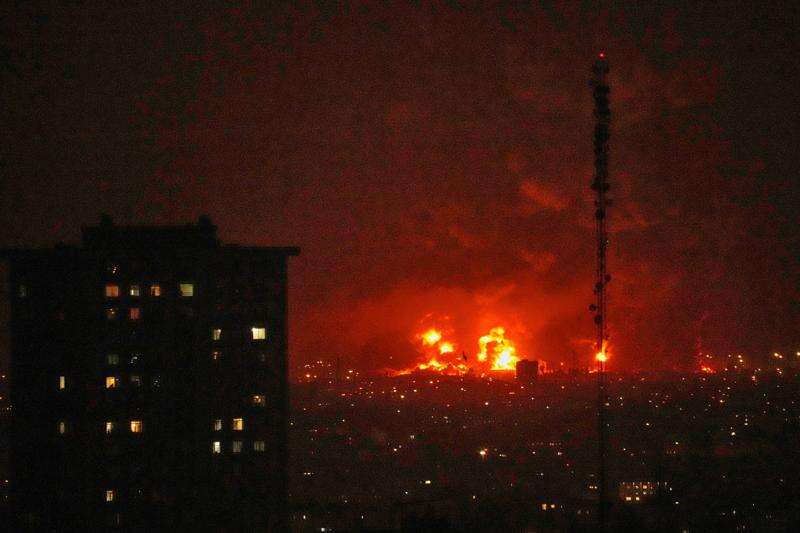
Iran names new supreme leader during Tehran airstrike fires
Iran names new supreme leader during Tehran airstrike fires On March 8, 2026, Iran’s Assembly of Experts announced the selection of Mojtaba Khamenei as the new Supreme Leader of the Isla...
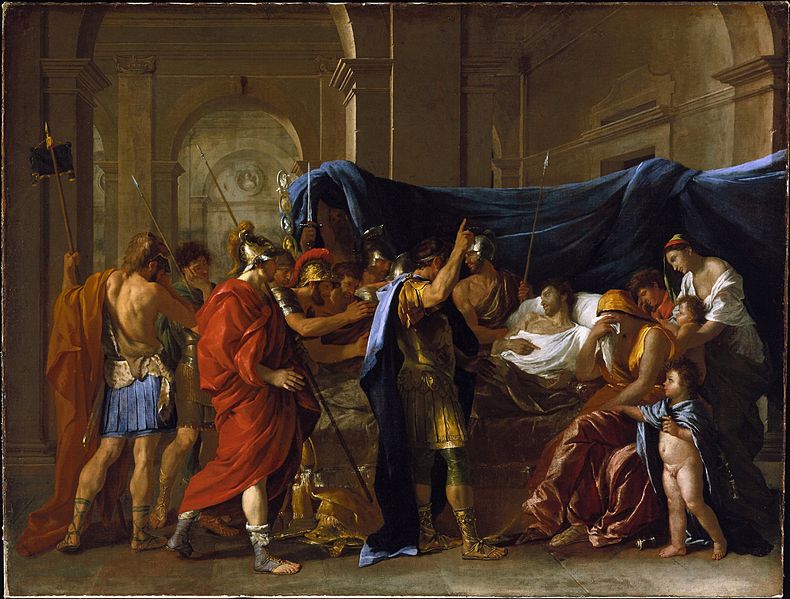
Germanicus, a prominent Roman general and heir apparent, died under suspicious circumstances in Antioch. His death sparked rumors of poisoning and political intrigue involving high-rankin...
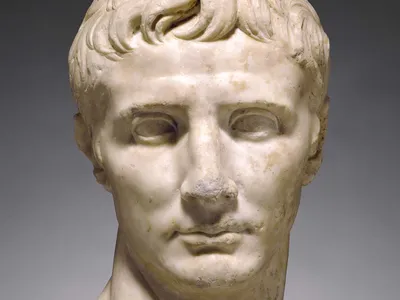
Augustus, the first Roman emperor, died in Nola after a reign that transformed the Roman Republic into the Roman Empire. His death marked the end of an era and initiated the succession of...
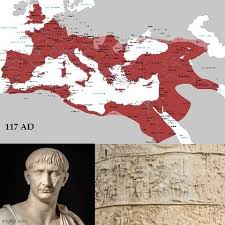
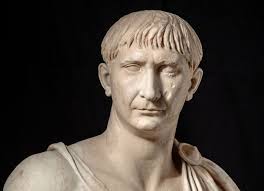
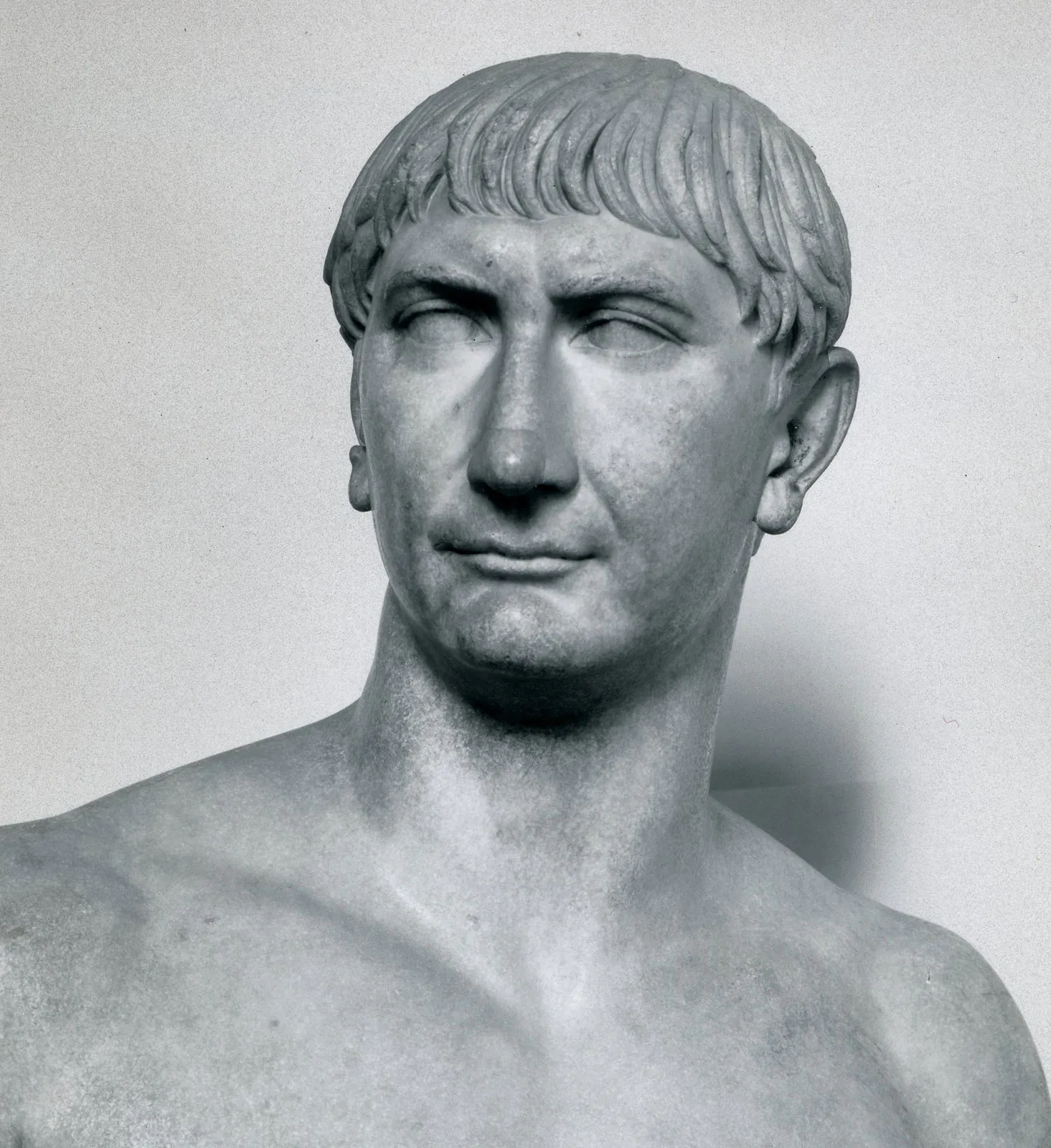
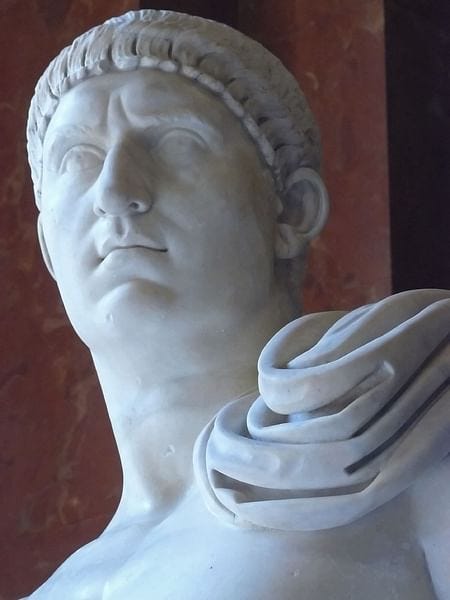
Trajan became Roman Emperor following the death of Domitian, marking a period of significant military expansion and administrative reform. His accession was recognized by the Senate, soli...
Clovis I, the first King of the Franks to unite all Frankish tribes under one ruler, died on November 27. His death marked a significant transition in early medieval European history.He w...
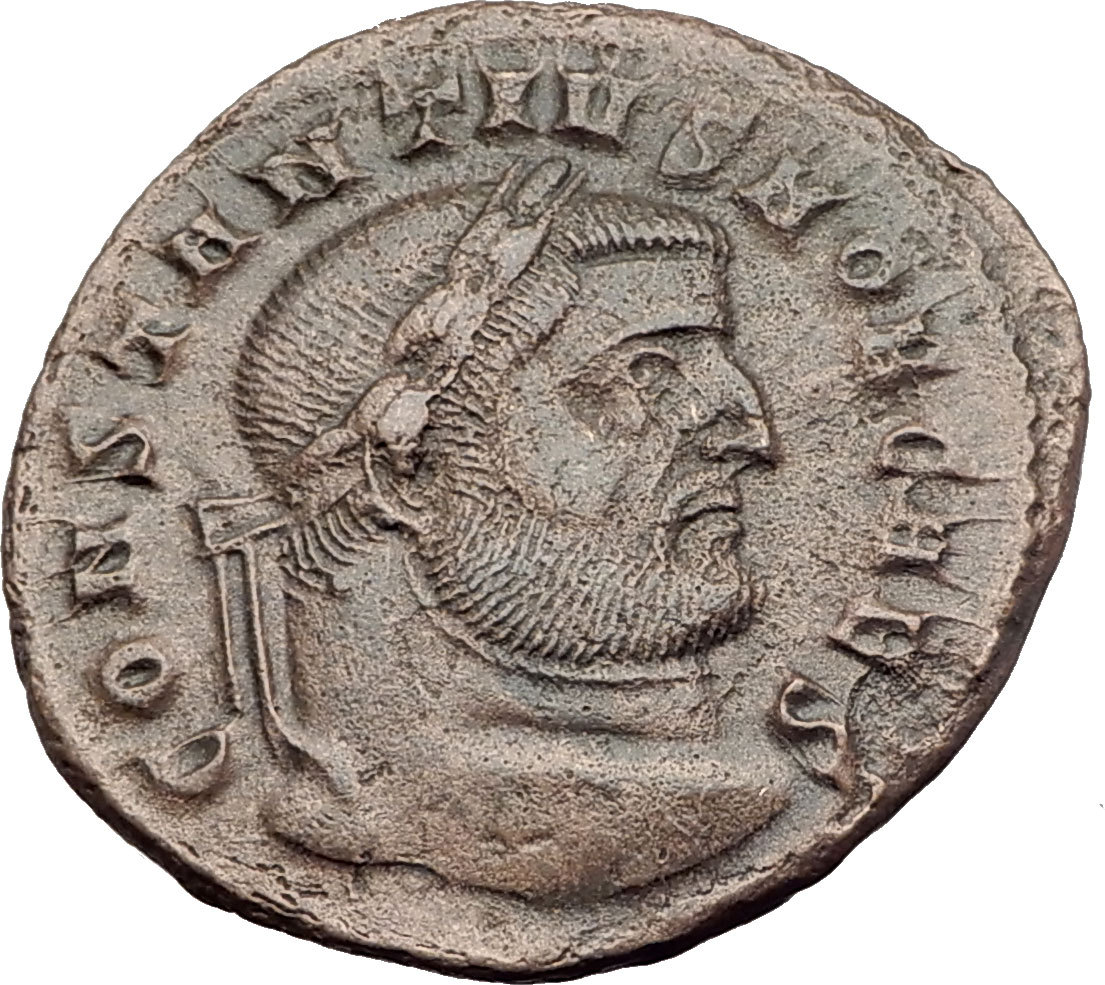
Constantius Chlorus was elevated to the rank of Augustus on May 1st, 305, following the abdication of the previous Tetrarchs, Diocletian and Maximian. This event marked a significant tran...
Maximian, co-emperor of the Roman Empire, formally abdicated his position alongside Diocletian. This marked a significant moment in the Tetrarchy system, a power-sharing arrangement invol...
Emperor Diocletian formally abdicated the throne, marking a rare voluntary withdrawal from power by a Roman emperor. This significant event occurred as part of the Tetrarchy system he had...
Galerius was appointed Caesar by Emperor Diocletian as part of the tetrarchy reform intended to stabilize and govern the Roman Empire more effectively. His promotion marked a key moment i...
Constantius Chlorus was appointed Caesar by Emperor Diocletian as part of the Tetrarchy system to stabilize and govern the Roman Empire more effectively. This appointment marked the begin...
The Tetrarchy was established by Emperor Diocletian in 293 to address administrative and military challenges in the Roman Empire. This political system divided the empire into four parts,...
In April, the Roman Emperor Diocletian appointed Maximian as Augustus, elevating him to co-emperor status to help manage the vast Roman Empire. This move was part of a broader strategy to...
In April 286, the Roman Emperor Diocletian appointed Maximian as Caesar, marking a significant development in imperial governance. This act was meant to strengthen the administration and ...
Emperor Carinus was killed in battle against the forces loyal to his rival, Diocletian, near the Margus River. The conflict marked the end of Carinus's brief reign and a turning point in ...
Roman Emperor Numerian died under suspicious circumstances while returning from a campaign in the East. His death was discovered by his troops near the region of Corduene.After his death,...
Diocletian was proclaimed emperor by his troops in Nicomedia following the death of Emperor Carus. His rise marked the end of a period of civil wars and instability in the Roman Empire.Di...
After the death of Emperor Carus during a campaign in Persia, his son Numerian became the new Roman Emperor. The accession was initially peaceful, with Numerian holding power alongside hi...
Carinus became Roman Emperor following the death of his father, Emperor Carus, in late March. His accession marked a period of internal instability as the empire faced multiple external t...
Emperor Probus was assassinated by his own soldiers after numerous military campaigns to secure the Roman Empire's borders. His leadership was challenged internally despite his successes ...
Carus was proclaimed emperor of the Roman Empire shortly after the death of Emperor Probus. His accession marked a shift in imperial policy as he sought to stabilize the empire's borders ...
Tacitus was proclaimed Roman Emperor following the death of Emperor Aurelian. His ascension marked a brief but significant moment in the Crisis of the Third Century, reflecting ongoing in...
Claudius II Gothicus, Roman Emperor known for military victories against Gothic tribes, died in Sirmium after a period of illness. His death marked a significant moment in the turbulent C...
Emperor Gallienus, ruler of the Roman Empire during a time of internal strife and external invasions, was assassinated by his own military officers during a siege. His death marked a crit...
Claudius II Gothicus became Roman Emperor following the death of his predecessor. His accession marked a shift during a turbulent period of frequent leadership changes in the empire.Known...
Aemilian, a Roman soldier and governor, seized power through a swift military revolt against Emperor Trebonianus Gallus. His accession marked a brief interruption in the Crisis of the Thi...
Gallienus became Roman Emperor following the assassination of his father, Valerian. His accession marked the beginning of a co-rule, where he shared power with his father before Valerian ...
The revolt led by Gordian II was part of a larger uprising against the reigning emperor Maximinus Thrax. Gordian II, alongside his father Gordian I, was proclaimed emperor by the Roman Se...
Following the death of Emperor Maximinus Thrax, the Roman Senate appointed Pupienus and Balbinus as co-emperors to restore order within the Roman Empire. Their joint accession marked a ra...
Gordian III ascended to the Roman imperial throne following a period of political instability known as the Year of the Six Emperors. At the age of thirteen, he was declared emperor by the...
The Crisis of the Third Century marked a period of severe instability within the Roman Empire beginning in 235 AD. This era saw widespread political chaos, military defeats, and economic ...
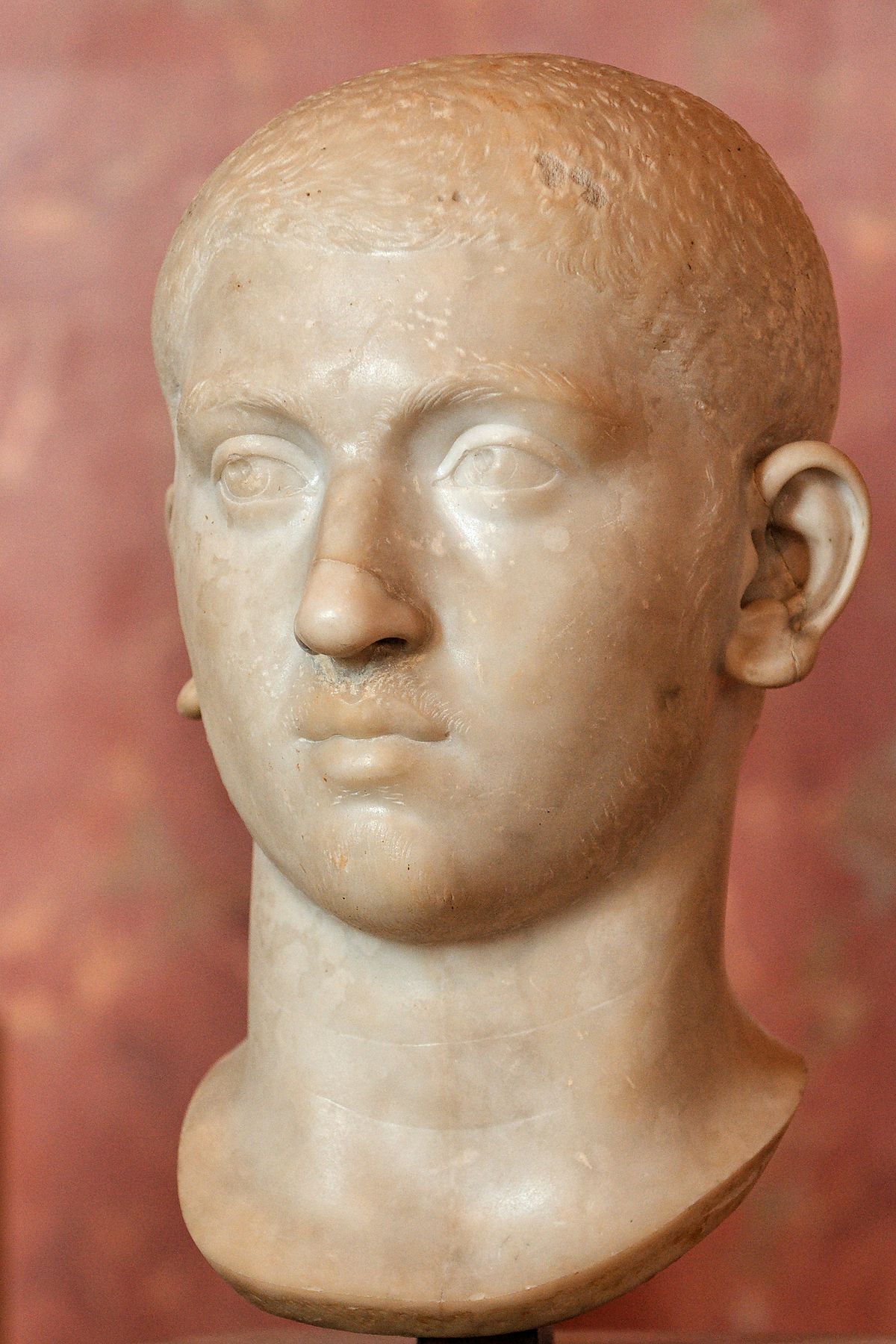
Severus Alexander, the last emperor of the Severan dynasty, was assassinated by his own soldiers in March of 235 CE near the city of Mutina along the Danube frontier. His death marked the...
Maximinus Thrax, a Roman soldier of humble origins, was proclaimed emperor by his troops following the assassination of Severus Alexander. His accession marked the beginning of the Crisis...
Severus Alexander was proclaimed Roman Emperor following the assassination of Elagabalus. The Roman Senate officially endorsed his accession, marking a return to more traditional imperial...
Elagabalus, also known as Varius Avitus Bassianus, was proclaimed Roman Emperor upon the death of Caracalla’s successor during the Severan dynasty. His accession marked a period of signif...
Following the assassination of Emperor Caracalla, Macrinus, then the commander of the Praetorian Guard, declared himself emperor. His accession marked the first time a Roman emperor came ...
Macrinus, formerly a praetorian prefect, became Roman Emperor following the assassination of Caracalla. This marked a significant shift in imperial authority as Macrinus was the first emp...
Caracalla, Roman Emperor and son of Septimius Severus, was assassinated amid a military campaign in Moesia. While traveling through the province, he was murdered by a soldier in his own g...
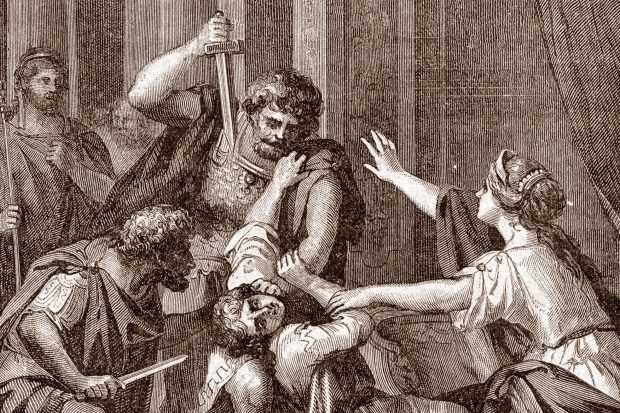
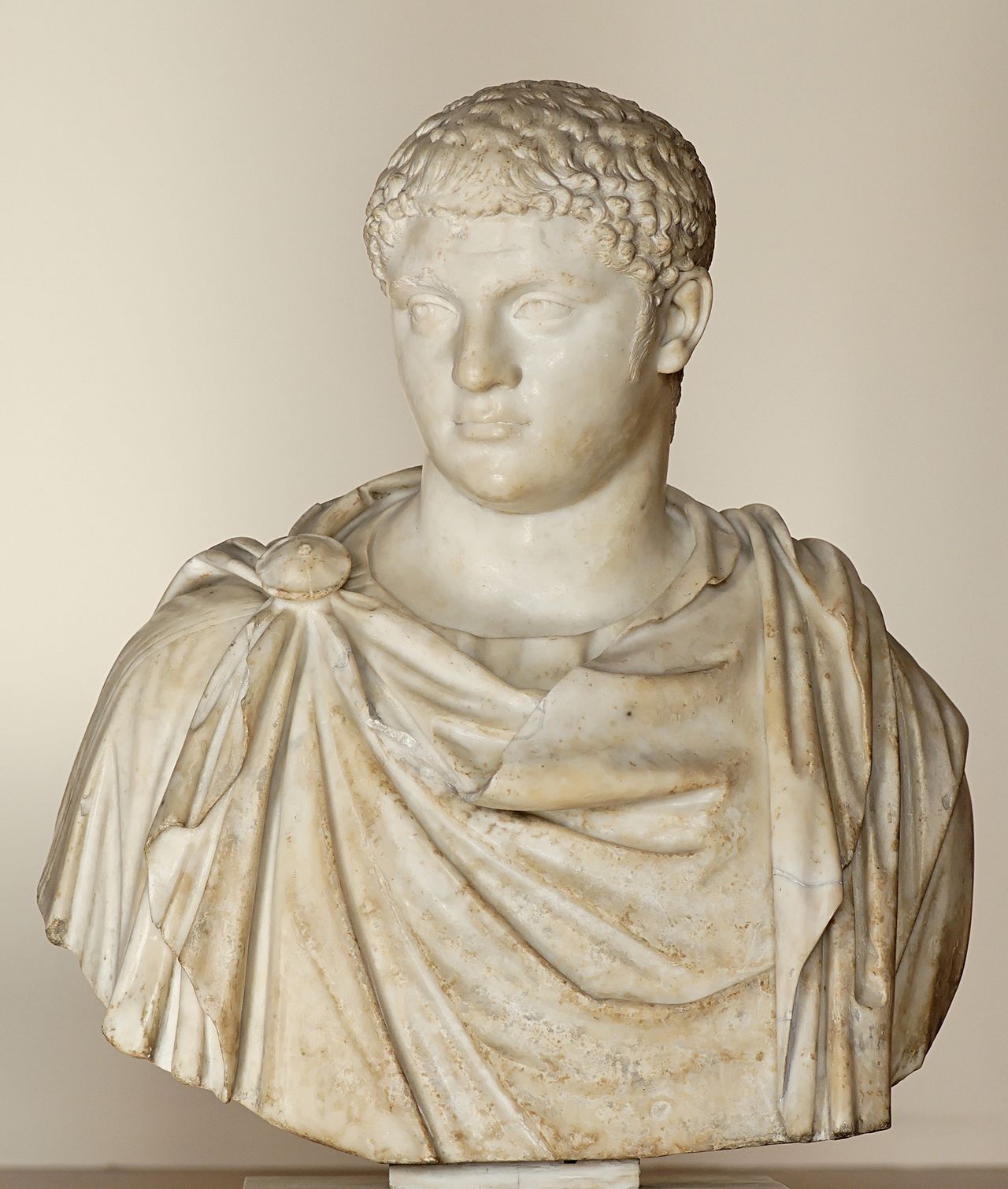
Geta, co-emperor of the Roman Empire alongside his brother Caracalla, was assassinated in Alexandria under political tension and rivalry. The murder occurred shortly after Caracalla conso...
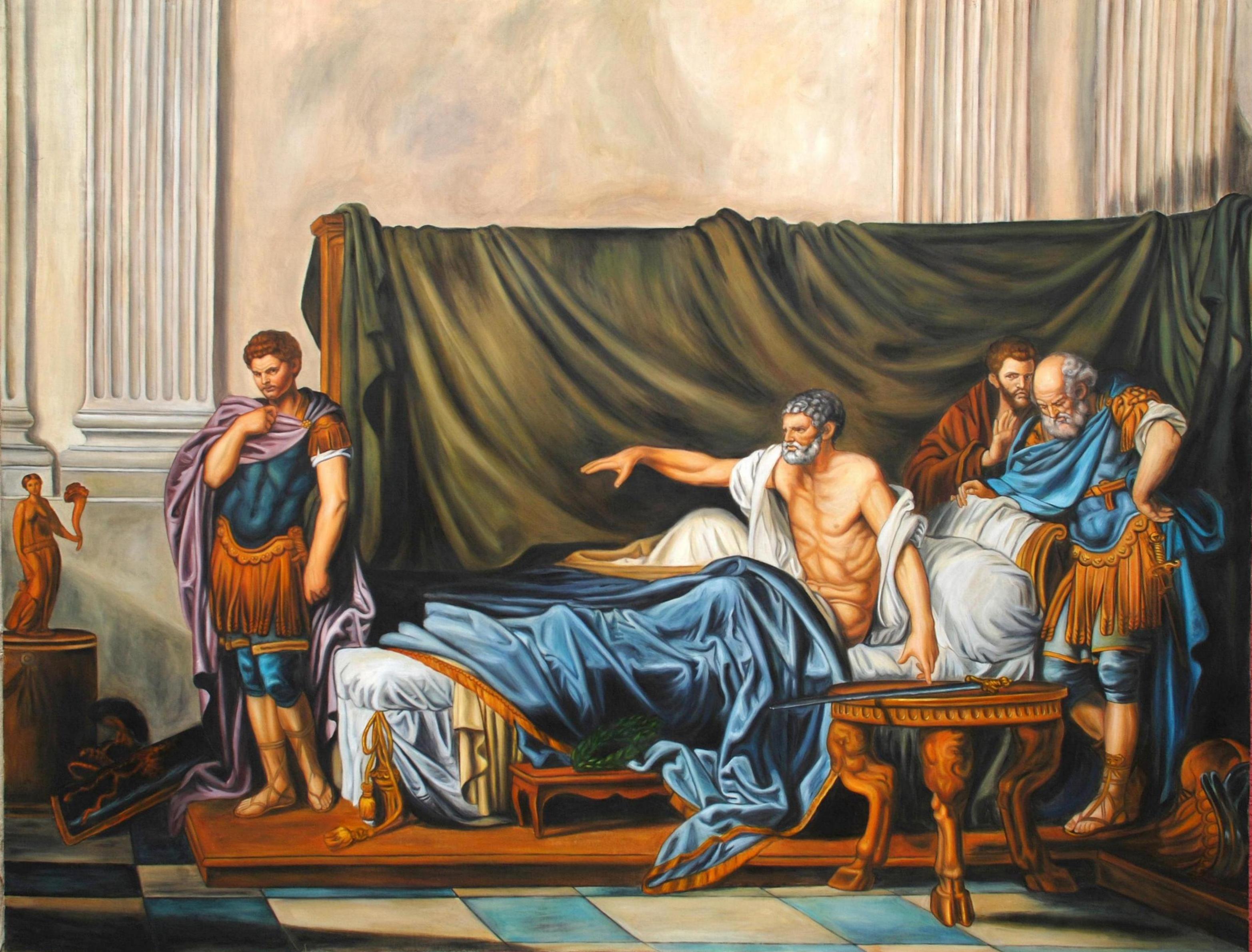
Septimius Severus, Roman Emperor, died on February 4th while in the city of Lugdunum, in the Roman province of Gallia Lugdunensis. His death marked the end of his two-decade reign, during...
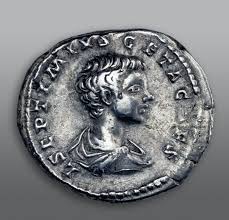
Publius Septimius Geta, son of Emperor Septimius Severus, was granted the title of Augustus, marking him as co-emperor alongside his father and brother Caracalla. This political move aime...
Publius Septimius Geta, son of Emperor Septimius Severus, was granted the title of Augustus by the Roman Senate. This elevated Geta to co-emperor status alongside his father and his broth...
Caracalla officially took the title of Augustus, marking his elevation to co-emperor alongside his father, Septimius Severus. This move solidified his position within the Severan dynasty ...
Clodius Albinus, a Roman usurper and rival claimant to the imperial throne, was defeated at the Battle of Lugdunum. The conflict ended his rebellion during a time of civil war within the ...
Septimius Severus was proclaimed emperor by his troops following the death of Emperor Pertinax. This marked the beginning of the Severan dynasty and significant changes in Roman imperial ...
Pescennius Niger, governor of Syria, declared himself Roman emperor after the death of Emperor Pertinax. His claim to the throne sparked a civil war against Septimius Severus, who also cl...
Following the assassination of Emperor Pertinax, the Roman imperial throne was sold to the highest bidder by the Senate. Didius Julianus secured the empire by offering the largest payment...
Pertinax was proclaimed Roman Emperor by the Senate following the assassination of Commodus. His accession marked a brief attempt to restore discipline and order in the empire after a per...
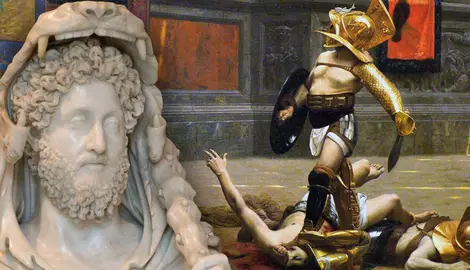
Commodus formally assumed the role of Roman Emperor following the death of his father Marcus Aurelius. His accession marked a significant transition from the era of the traditional adopti...
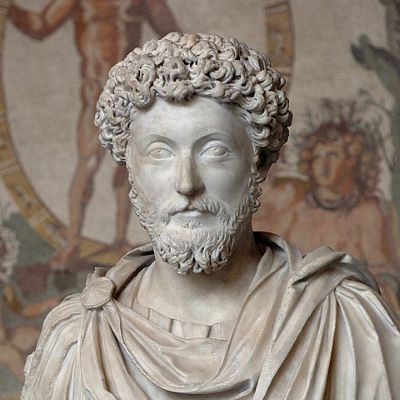
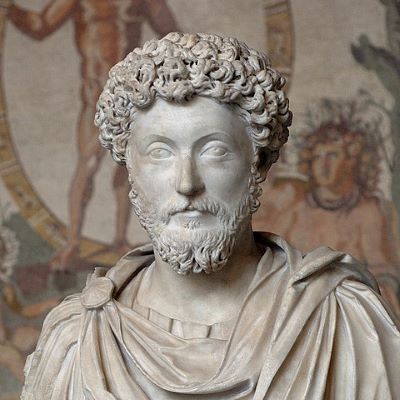
Marcus Aurelius, Roman Emperor and Stoic philosopher, died at the military camp in Vindobona on March 17th. His death marked the end of the Pax Romana, a period of relative peace and stab...
Roman Emperor Marcus Aurelius officially declared his son Commodus as co-emperor, sharing imperial authority.This political move marked the first time a biological son was directly elevat...
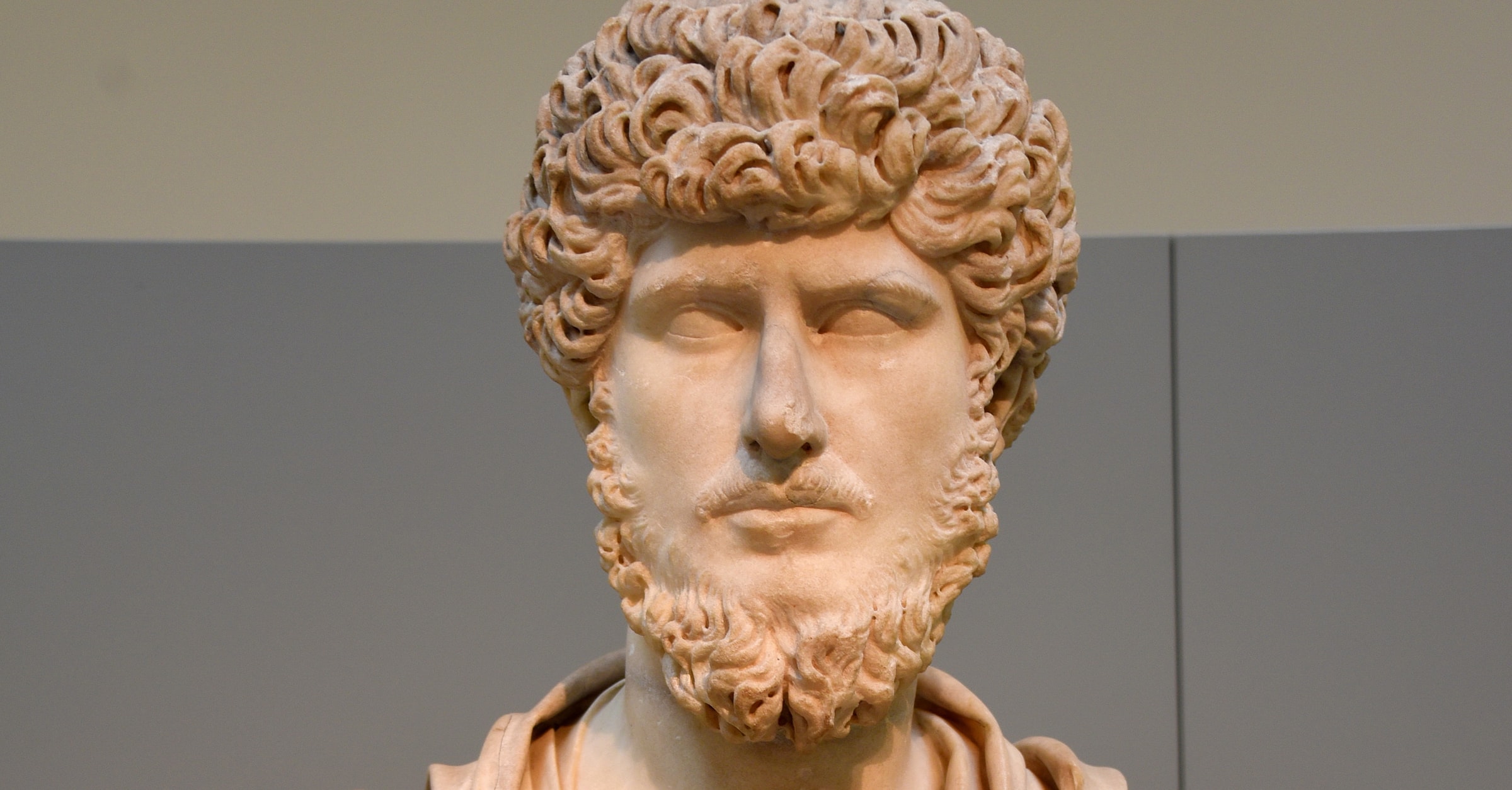
Lucius Verus, co-emperor of Rome alongside Marcus Aurelius, died in Rome under circumstances believed to be related to a devastating plague. His death marked a significant point in Roman ...
Lucius Verus was formally declared co-emperor alongside Marcus Aurelius, marking a significant moment in Roman imperial succession. This joint rule established a precedent for multiple em...
Marcus Aurelius officially became Roman Emperor following the death of Antoninus Pius. His accession marked the continuation of the Nerva-Antonine dynasty through adoptive succession.The ...
Antoninus Pius assumed the position of Roman Emperor following the death of Hadrian on August 11. He was appointed by the Senate and accepted by the army without opposition, securing a pe...
Antoninus Pius became Roman Emperor following the death of Hadrian. His accession marked the continuation of stable leadership in the Roman Empire.His reign was noted for internal peace a...
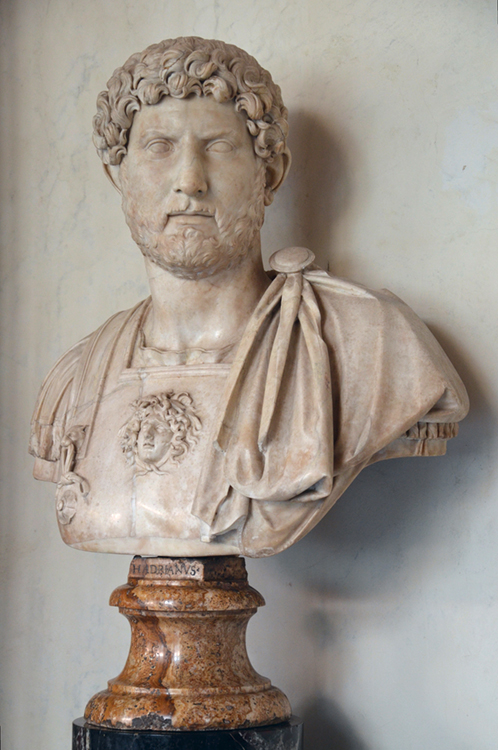
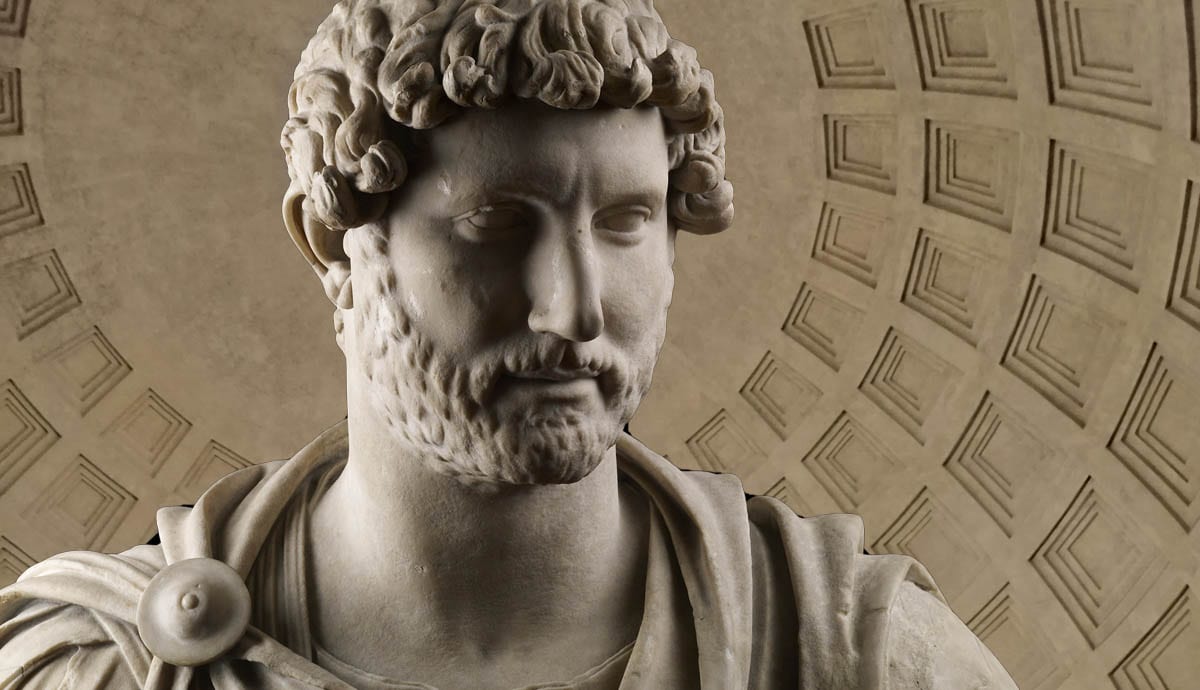
Emperor Hadrian, renowned for consolidating and fortifying the Roman Empire's frontiers, passed away at his villa near Rome. His death marked the end of a significant era during which he ...
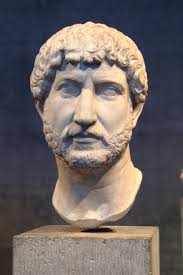
Hadrian was officially declared emperor following the death of his predecessor, Trajan, marking a significant transition in Roman imperial leadership. His accession was confirmed by the R...
Trajan, one of Rome's most respected emperors known for his military conquests and extensive public works, died in the summer months during a campaign in Mesopotamia. His death marked the...
Following the death of Emperor Trajan, Hadrian chose to abandon the eastern conquests achieved during Trajan's campaigns. This strategic withdrawal aimed to consolidate the Roman Empire's...
Emperor Nerva formally adopted Trajan as his heir in a move to secure the imperial succession and stabilize the Roman Empire. This adoption marked the beginning of the era of the "Five Go...
After the murder of Emperor Domitian, the Roman Senate appointed Nerva as emperor, marking a shift from autocratic rule to a more stabilizing governance. Nerva, previously a respected sen...
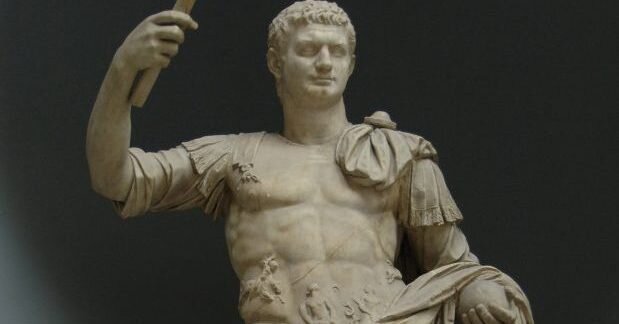
Following the death of Emperor Titus, Domitian, his younger brother, ascended to the throne of the Roman Empire. The accession occurred peacefully, marking the continuation of the Flavian...
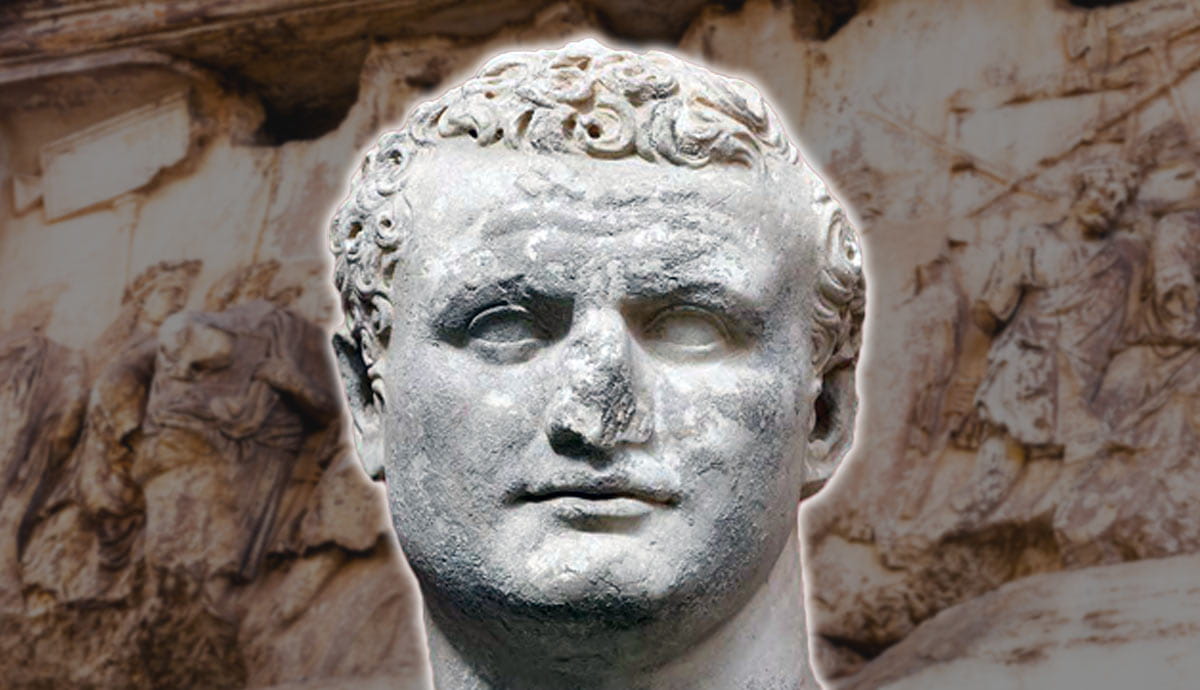
Titus succeeded his father Vespasian as Roman Emperor following Vespasian's death in Rome. His accession marked the continuation of the Flavian dynasty.Titus's rule initially consolidated...
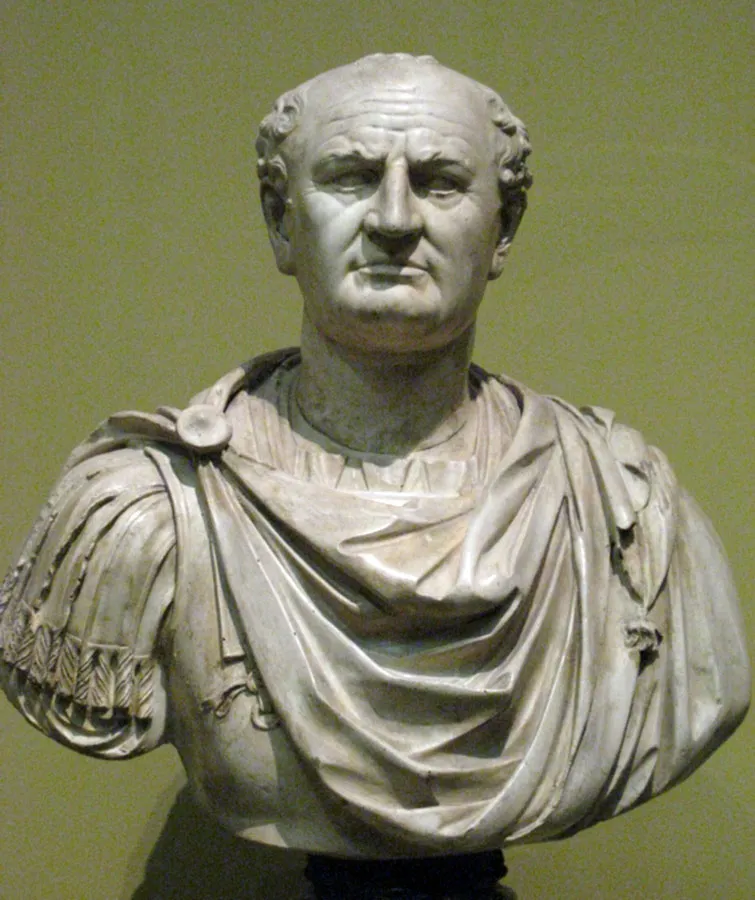
Following a year of civil war known as the Year of the Four Emperors, Vespasian emerged as the uncontested ruler of the Roman Empire. His rise marked the end of the Julio-Claudian dynasty...
Vitellius was declared emperor by the legions of Germania during the chaotic Year of the Four Emperors. After the death of Emperor Otho, Vitellius marched to Rome where he was formally re...
Following the death of Emperor Galba, Otho swiftly ascended to power in Rome, marking a critical juncture in the Year of the Four Emperors. His accession was characterized by rapid politi...
Galba was declared Roman Emperor following the assassination of Nero, marking the end of the Julio-Claudian dynasty. His accession was largely supported by the Senate and the Praetorian G...
The Year of the Four Emperors was a tumultuous period marking rapid succession of Roman emperors after the fall of Nero. It involved the rise and fall of Galba, Otho, Vitellius, and Vespa...
Following the death of Emperor Claudius, Nero Claudius Caesar Augustus Germanicus was declared Roman Emperor. His rise to power was orchestrated largely by his mother, Agrippina the Young...
Following the assassination of Emperor Caligula, Claudius was unexpectedly declared emperor by the Praetorian Guard. Despite initial hesitation by the Senate, his accession marked the con...
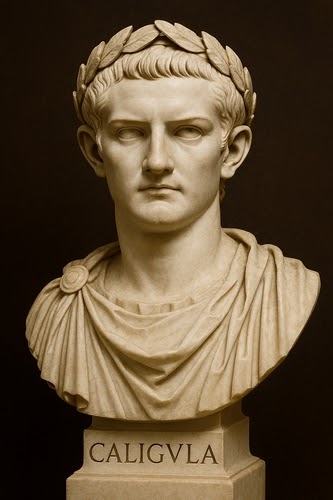
Caligula, born Gaius Julius Caesar Germanicus, became Roman Emperor following the death of Tiberius. His accession marked a significant transition in the Julio-Claudian dynasty.His rise t...
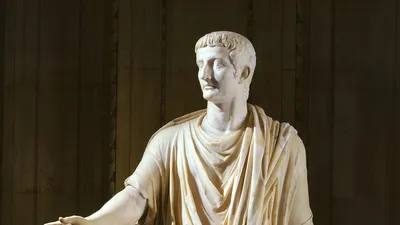
Following the death of Augustus, Tiberius was officially declared emperor by the Roman Senate, marking the beginning of his reign. This accession consolidated the Julio-Claudian dynasty a...
August–November 1918 — Germany and its allies face military retreat, shortages, exhaustion and growing political instability. Bulgaria, the Ottoman Empire and Austria-Hungary leave the wa...