Roman Campaigns in Germania
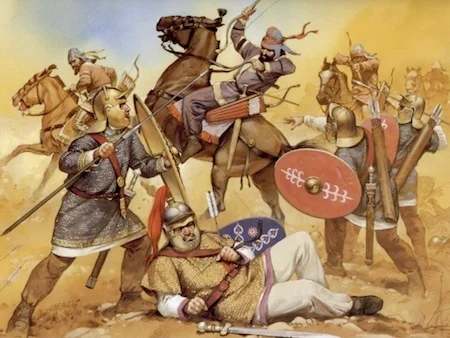
Germanicus led several military campaigns into Germania to avenge the Roman defeat in the Teutoburg Forest. His forces engaged in battles against various Germanic tribes in the region wes...
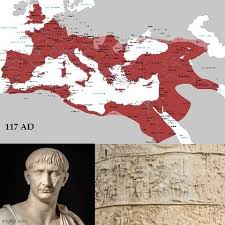
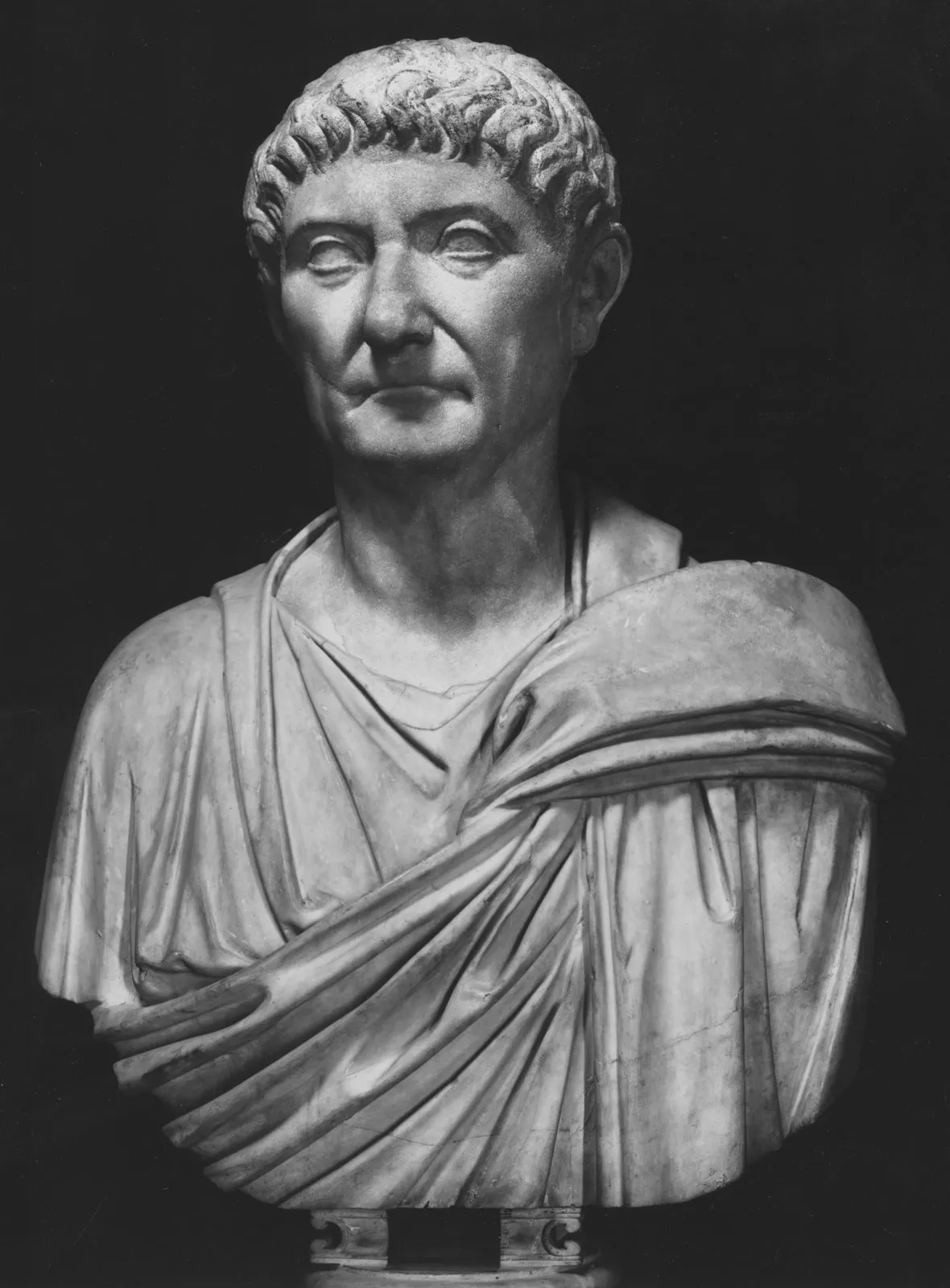
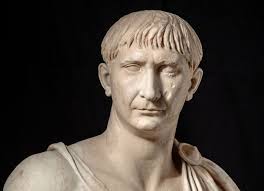
Trajan became Roman Emperor following the death of Domitian, marking a period of significant military expansion and administrative reform. His accession was recognized by the Senate, soli...
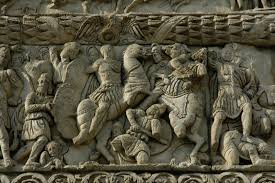
Galerius was appointed Caesar by Emperor Diocletian as part of the tetrarchy reform intended to stabilize and govern the Roman Empire more effectively. His promotion marked a key moment i...
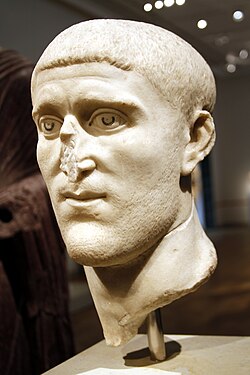
Constantius Chlorus was appointed Caesar by Emperor Diocletian as part of the Tetrarchy system to stabilize and govern the Roman Empire more effectively. This appointment marked the begin...
Roman Emperor Numerian died under suspicious circumstances while returning from a campaign in the East. His death was discovered by his troops near the region of Corduene.After his death,...
Diocletian was proclaimed emperor by his troops in Nicomedia following the death of Emperor Carus. His rise marked the end of a period of civil wars and instability in the Roman Empire.Di...
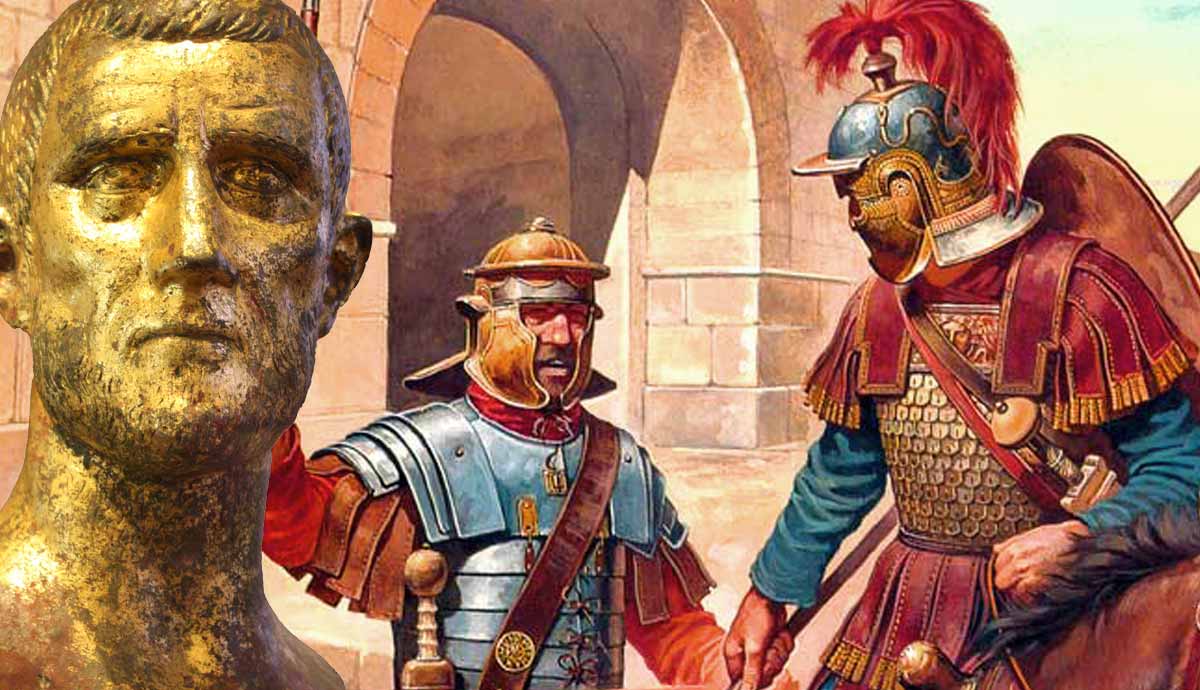
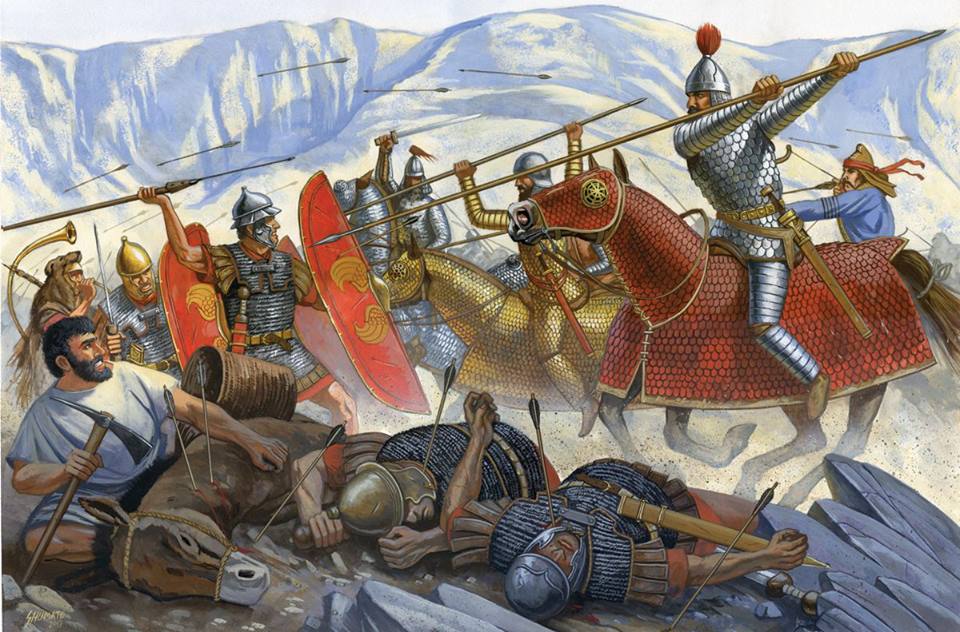
The Roman Emperor Carus launched a military campaign against the Sasanian Empire, targeting their capital, Ctesiphon. The campaign sought to counter Persian influence in the region and as...
Emperor Aurelian successfully reunified the Roman Empire after a period of fragmentation and civil war. His military campaigns defeated breakaway states such as the Gallic Empire and the ...
In late September, Emperor Aurelian engaged and defeated the forces of the breakaway Gallic Empire near Châlons-en-Champagne. This victory effectively ended the secession of Gaul and rees...
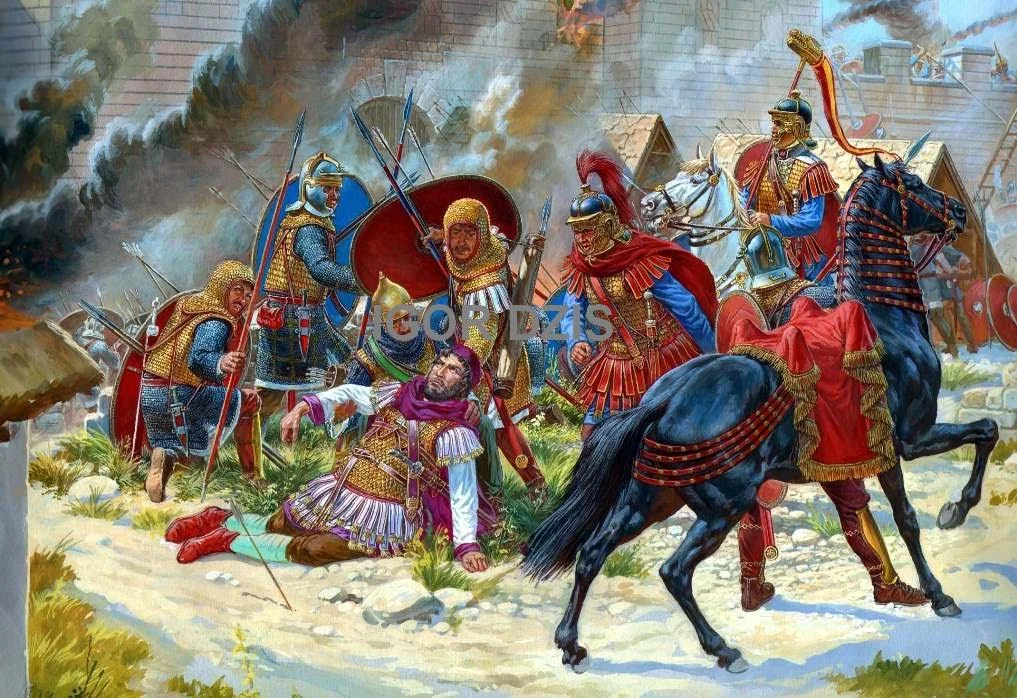
The Battle of Châlons was fought between the forces of the Roman Emperor Aurelian and the Gallic usurper Tetricus. This conflict was a decisive engagement aimed at restoring Roman authori...
Emperor Aurelian mounted a decisive campaign against the breakaway Palmyrene Empire in 273, culminating in the defeat of Queen Zenobia's forces near Palmyra.This victory marked the reinte...
Queen Zenobia of Palmyra was captured following the Roman Emperor Aurelian's siege of her capital. Her defeat marked the end of the Palmyrene Empire's attempt to assert independence from ...
Claudius II Gothicus, Roman Emperor known for military victories against Gothic tribes, died in Sirmium after a period of illness. His death marked a significant moment in the turbulent C...
Emperor Gallienus, ruler of the Roman Empire during a time of internal strife and external invasions, was assassinated by his own military officers during a siege. His death marked a crit...
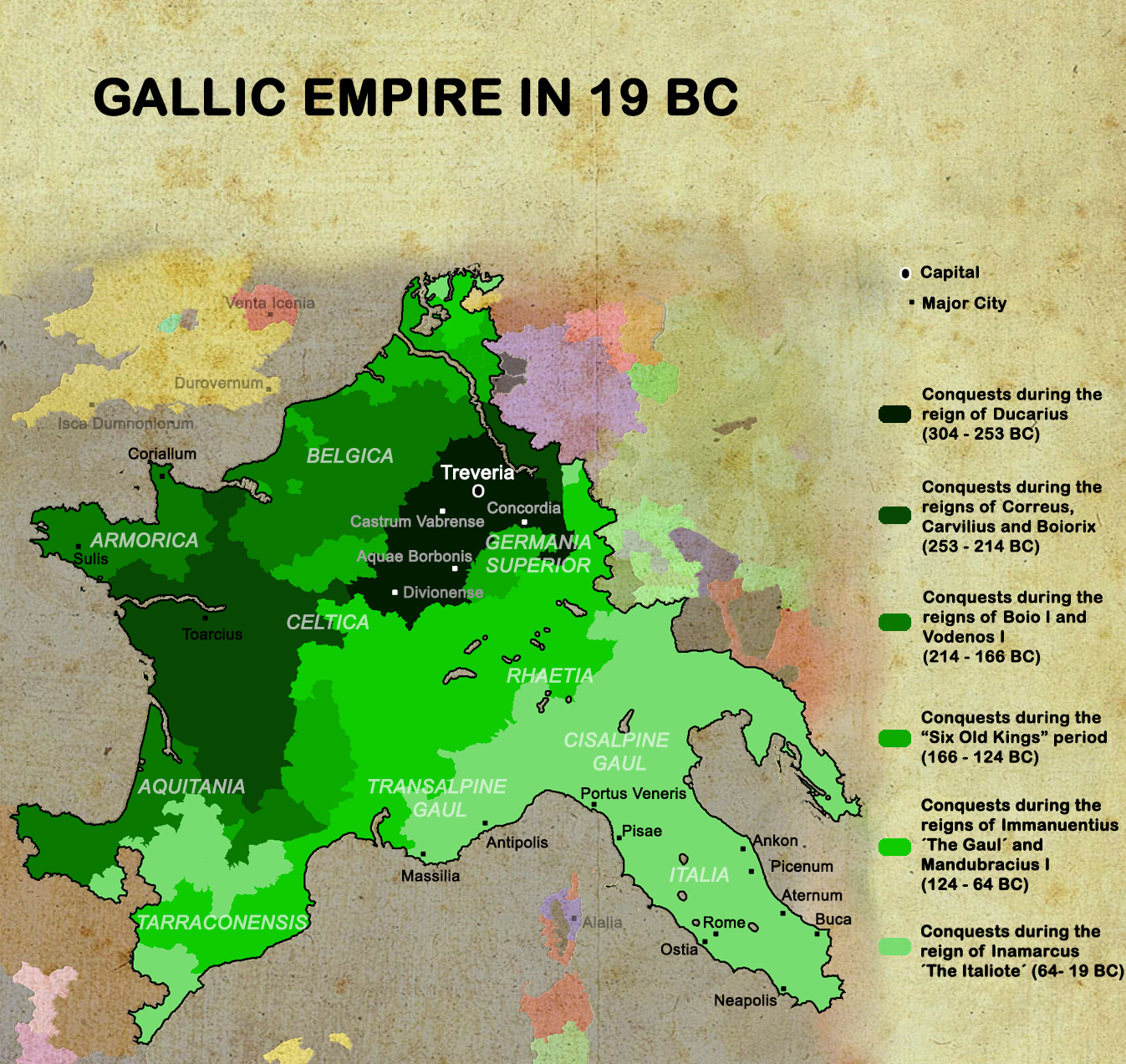
Postumus, a Roman commander, declared himself emperor of a breakaway realm in the western provinces known as the Gallic Empire. This realm comprised Gaul, Germania, Britannia, and Hispani...
Emperor Gallienus initiated a series of military reforms to address ongoing threats to the Roman Empire. These reforms aimed to improve the mobility and responsiveness of the Roman legion...
Gallienus became Roman Emperor following the assassination of his father, Valerian. His accession marked the beginning of a co-rule, where he shared power with his father before Valerian ...
The revolt led by Gordian II was part of a larger uprising against the reigning emperor Maximinus Thrax. Gordian II, alongside his father Gordian I, was proclaimed emperor by the Roman Se...
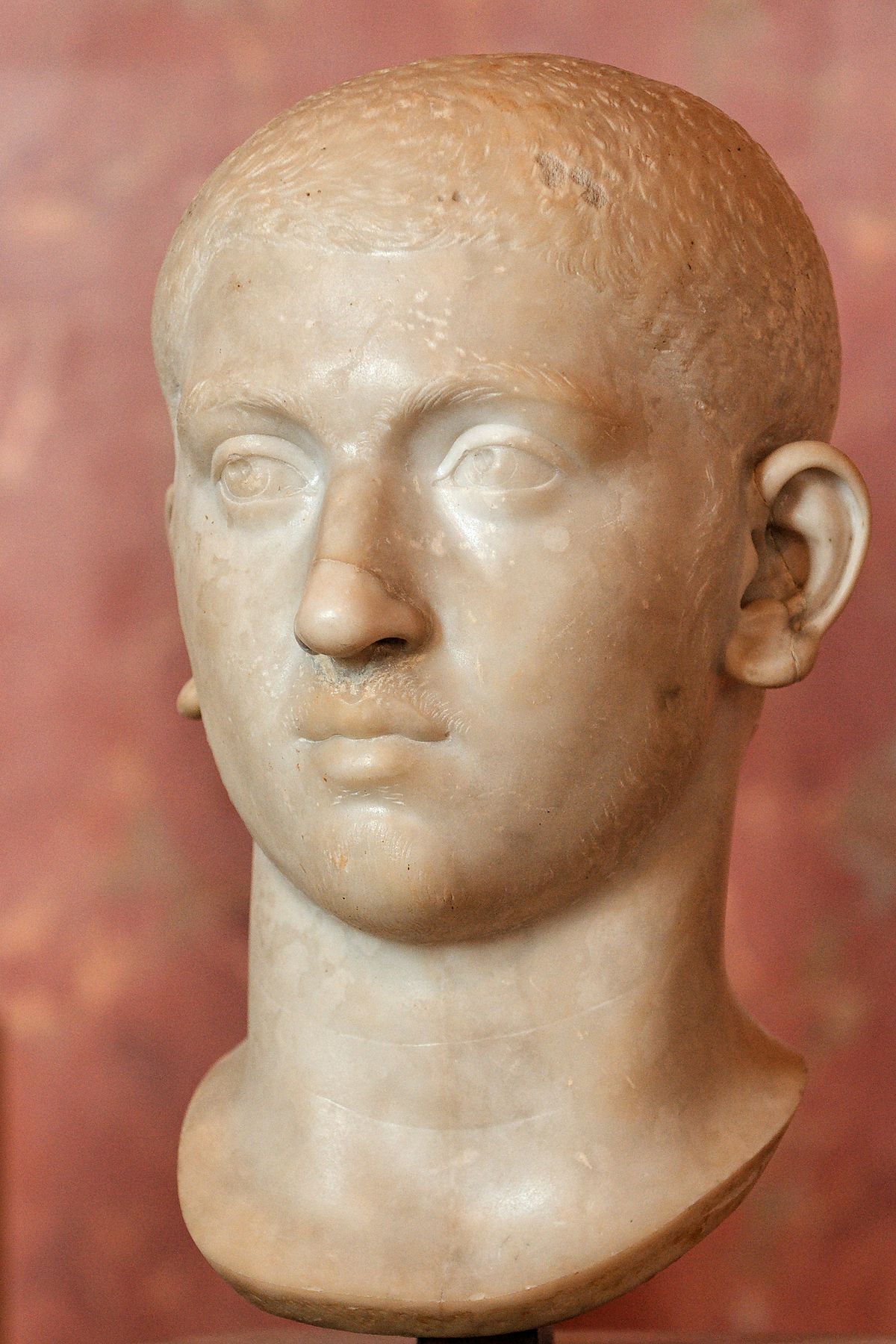
Severus Alexander, the last emperor of the Severan dynasty, was assassinated by his own soldiers in March of 235 CE near the city of Mutina along the Danube frontier. His death marked the...
Emperor Severus Alexander launched a military campaign against the Sasanian Empire to counter their expansion in Mesopotamia. The Roman forces sought to reclaim lost territory and secure ...
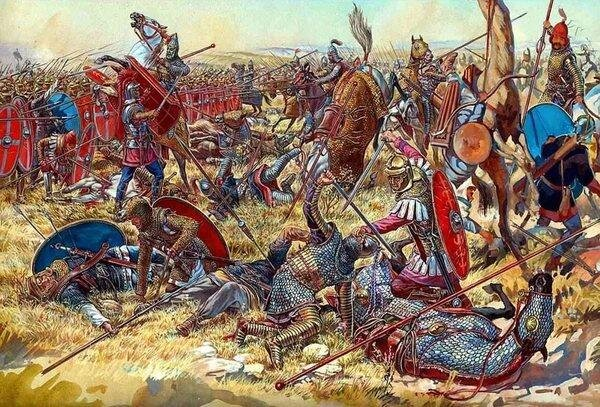
The Battle of Nisibis took place between the Roman forces led by Emperor Macrinus and the Parthian army. It was fought near the strategic city of Nisibis, a key stronghold controlling acc...
Following the assassination of Emperor Caracalla, Macrinus, then the commander of the Praetorian Guard, declared himself emperor. His accession marked the first time a Roman emperor came ...
Roman Emperor Caracalla launched multiple military campaigns against the Alemanni tribes during his rule. These campaigns aimed to secure the empire’s northern frontiers amidst growing pr...
The Constitutio Antoniniana was an edict issued by Emperor Caracalla that granted Roman citizenship to nearly all free inhabitants of the Roman Empire. This decree marked a significant ex...
Septimius Severus, Roman Emperor, died on February 4th while in the city of Lugdunum, in the Roman province of Gallia Lugdunensis. His death marked the end of his two-decade reign, during...
The Severan campaign into Parthia marked a major Roman military effort in the East following the rise of Emperor Septimius Severus. The campaign began with a series of coordinated attacks...
Clodius Albinus, a Roman usurper and rival claimant to the imperial throne, was defeated at the Battle of Lugdunum. The conflict ended his rebellion during a time of civil war within the ...
Clodius Albinus, governor of Britannia, declared himself Caesar in a bid to claim imperial power during the turbulent Year of the Five Emperors. His proclamation challenged the authority ...
Septimius Severus was proclaimed emperor by his troops following the death of Emperor Pertinax. This marked the beginning of the Severan dynasty and significant changes in Roman imperial ...
Following the assassination of Emperor Pertinax, the Roman imperial throne was sold to the highest bidder by the Senate. Didius Julianus secured the empire by offering the largest payment...
Pertinax, Roman Emperor for a brief reign, was assassinated by members of the Praetorian Guard. His attempts to reform the empire and enforce discipline antagonized the imperial guards an...
Lucius Verus, co-emperor of Rome alongside Marcus Aurelius, died in Rome under circumstances believed to be related to a devastating plague. His death marked a significant point in Roman ...
The Marcomannic Wars began as a series of conflicts between the Roman Empire and various Germanic tribes, including the Marcomanni, along the Danube frontier. The wars marked a significan...
The Parthian War under Roman Emperor Lucius Verus began as tensions escalated between the Roman Empire and the Parthian Empire. This conflict was marked by Roman military campaigns aimed ...
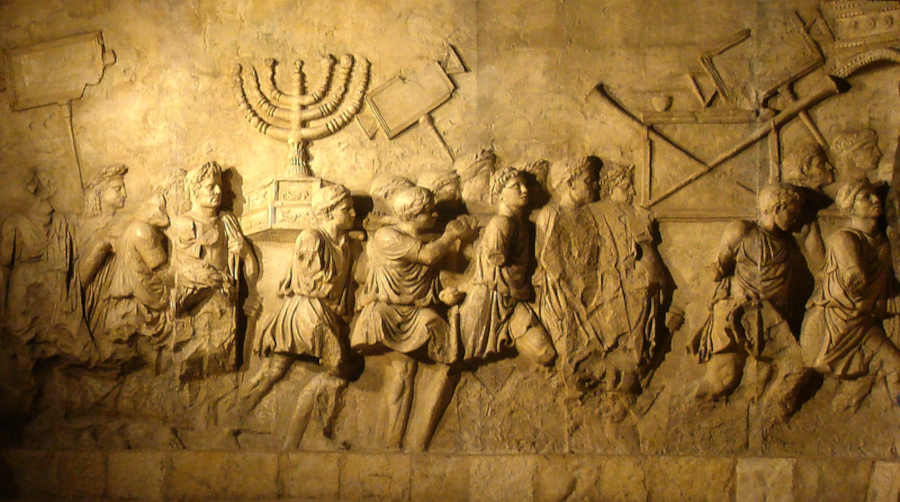
The Bar Kokhba revolt, a major Jewish uprising against Roman rule, ended with the fall of the fortress of Betar. The Roman forces besieged and destroyed the stronghold, marking the collap...
Trajan, one of Rome's most respected emperors known for his military conquests and extensive public works, died in the summer months during a campaign in Mesopotamia. His death marked the...
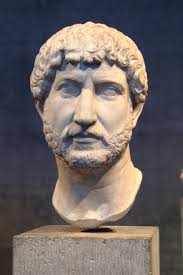
Following the death of Emperor Trajan, Hadrian chose to abandon the eastern conquests achieved during Trajan's campaigns. This strategic withdrawal aimed to consolidate the Roman Empire's...
The Roman forces led by Emperor Trajan launched a military campaign across Mesopotamia, culminating in the siege and capture of Seleucia. This event marked a significant point in Roman-Pe...
Roman Emperor Trajan launched a military campaign into the Parthian Empire, aiming to expand Roman territory eastward. The campaign marked a major escalation of conflict between Rome and ...
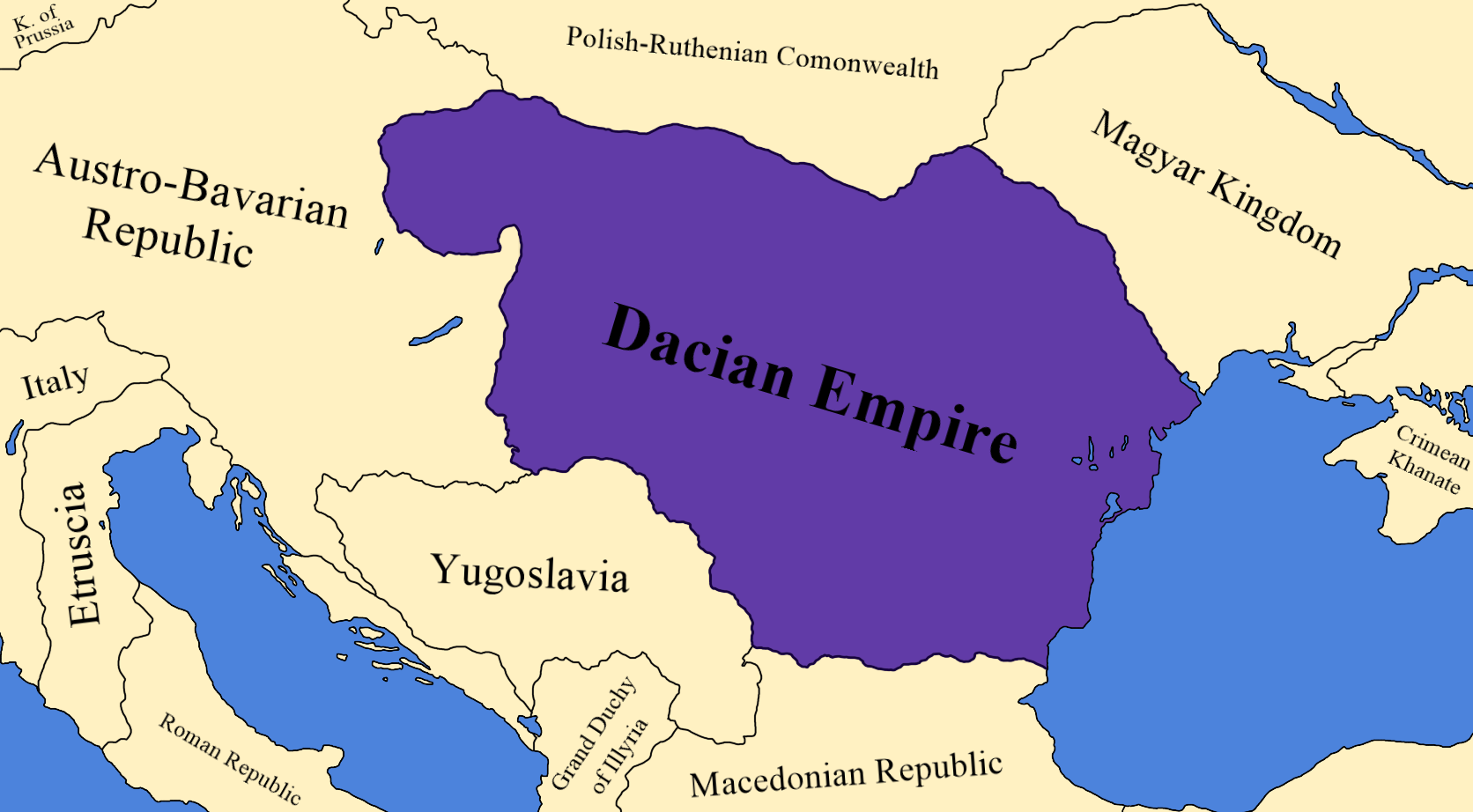
The Roman Empire completed the conquest and annexation of the kingdom of Dacia after a series of military campaigns led by Emperor Trajan. This marked the end of the Dacian Wars, culminat...
Decebalus, the last king of Dacia, died following the Roman conquest led by Emperor Trajan. His death marked the end of the Dacian Wars and the incorporation of Dacia into the Roman Empir...
After years of fierce conflict, Dacian King Decebalus ultimately surrendered to the Roman Emperor Trajan. This marked the end of the Dacian Wars, resulting in the annexation of Dacia as a...
The Roman Emperor Trajan launched his first major military campaign against the Dacian Kingdom in early 101 CE. The war was initiated to subdue the powerful Dacian king Decebalus and to s...
Roman military campaigns against the Parthian Empire resumed under the rule of Emperor Nero, seeking to assert control over the eastern frontier. These efforts aimed to counter Parthian i...
The Roman Emperor Claudius led the invasion of Britain, landing at the port near Richborough in southeastern England. This marked the beginning of the Roman conquest of the island, aiming...
The Roman conquest of Britain began under Emperor Claudius with the landing of Roman forces at Richborough in Kent. This marked the start of a prolonged campaign to bring the British Isle...
Following the death of Augustus, Tiberius was officially declared emperor by the Roman Senate, marking the beginning of his reign. This accession consolidated the Julio-Claudian dynasty a...