Assassination of Emperor Jerome
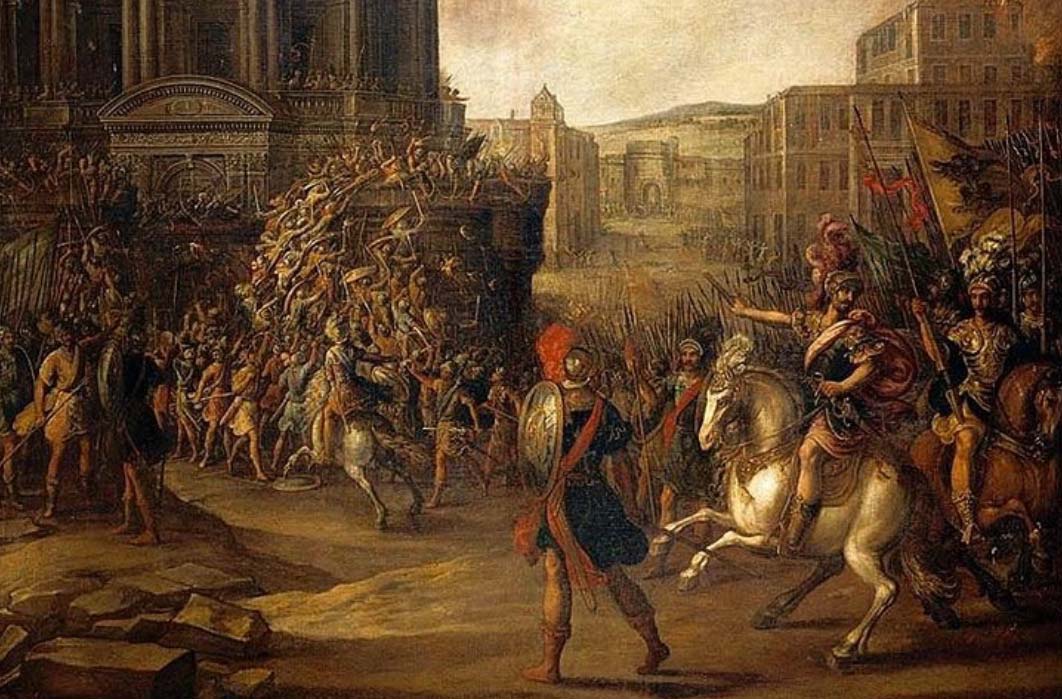
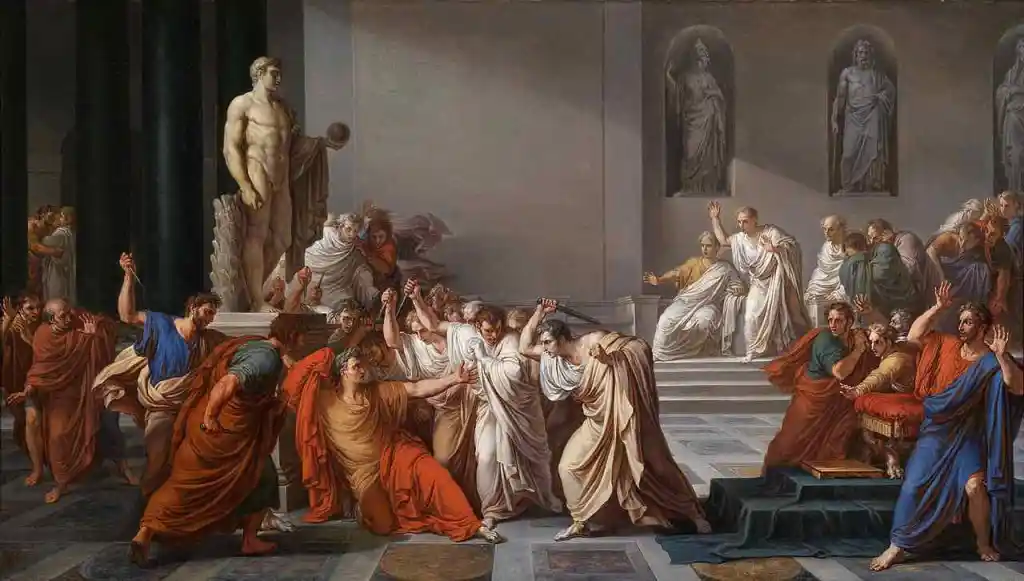
Jerome, a prominent Byzantine official during the Gothic War, was assassinated in the Imperial Palace at Ravenna. His death marked a significant turning point in the conflict between the ...
Constantius Chlorus was elevated to the rank of Augustus on May 1st, 305, following the abdication of the previous Tetrarchs, Diocletian and Maximian. This event marked a significant tran...
Maximian, co-emperor of the Roman Empire, formally abdicated his position alongside Diocletian. This marked a significant moment in the Tetrarchy system, a power-sharing arrangement invol...
Emperor Diocletian formally abdicated the throne, marking a rare voluntary withdrawal from power by a Roman emperor. This significant event occurred as part of the Tetrarchy system he had...
Galerius was appointed Caesar by Emperor Diocletian as part of the tetrarchy reform intended to stabilize and govern the Roman Empire more effectively. His promotion marked a key moment i...
Constantius Chlorus was appointed Caesar by Emperor Diocletian as part of the Tetrarchy system to stabilize and govern the Roman Empire more effectively. This appointment marked the begin...
In April, the Roman Emperor Diocletian appointed Maximian as Augustus, elevating him to co-emperor status to help manage the vast Roman Empire. This move was part of a broader strategy to...
In April 286, the Roman Emperor Diocletian appointed Maximian as Caesar, marking a significant development in imperial governance. This act was meant to strengthen the administration and ...
Carausius, a Roman naval commander, declared himself emperor in Britain and northern Gaul after seizing power around 286 CE. His revolt challenged the authority of the central Roman Empir...
The Battle of the Margus was a significant confrontation between Emperor Carinus and his rival, Diocletian, near the Margus River in the Roman province of Moesia Superior. This battle mar...
Emperor Carinus was killed in battle against the forces loyal to his rival, Diocletian, near the Margus River. The conflict marked the end of Carinus's brief reign and a turning point in ...
Diocletian was proclaimed emperor by his troops in Nicomedia following the death of Emperor Carus. His rise marked the end of a period of civil wars and instability in the Roman Empire.Di...
After the death of Emperor Carus during a campaign in Persia, his son Numerian became the new Roman Emperor. The accession was initially peaceful, with Numerian holding power alongside hi...
Emperor Carus, ruler of the Roman Empire, died during a military campaign in Mesopotamia. His death occurred while leading troops against the Sassanian Empire in a conflict over control o...
The Roman Emperor Carus launched a military campaign against the Sasanian Empire, targeting their capital, Ctesiphon. The campaign sought to counter Persian influence in the region and as...
Emperor Aurelian, a prominent ruler of the Roman Empire known for his military prowess, was assassinated by his own soldiers in late September. The assassination occurred as the emperor p...
In late September, Emperor Aurelian engaged and defeated the forces of the breakaway Gallic Empire near Châlons-en-Champagne. This victory effectively ended the secession of Gaul and rees...
The Battle of Châlons was fought between the forces of the Roman Emperor Aurelian and the Gallic usurper Tetricus. This conflict was a decisive engagement aimed at restoring Roman authori...
Emperor Aurelian mounted a decisive campaign against the breakaway Palmyrene Empire in 273, culminating in the defeat of Queen Zenobia's forces near Palmyra.This victory marked the reinte...
Claudius II Gothicus, Roman Emperor known for military victories against Gothic tribes, died in Sirmium after a period of illness. His death marked a significant moment in the turbulent C...
Claudius II Gothicus became Roman Emperor following the death of his predecessor. His accession marked a shift during a turbulent period of frequent leadership changes in the empire.Known...
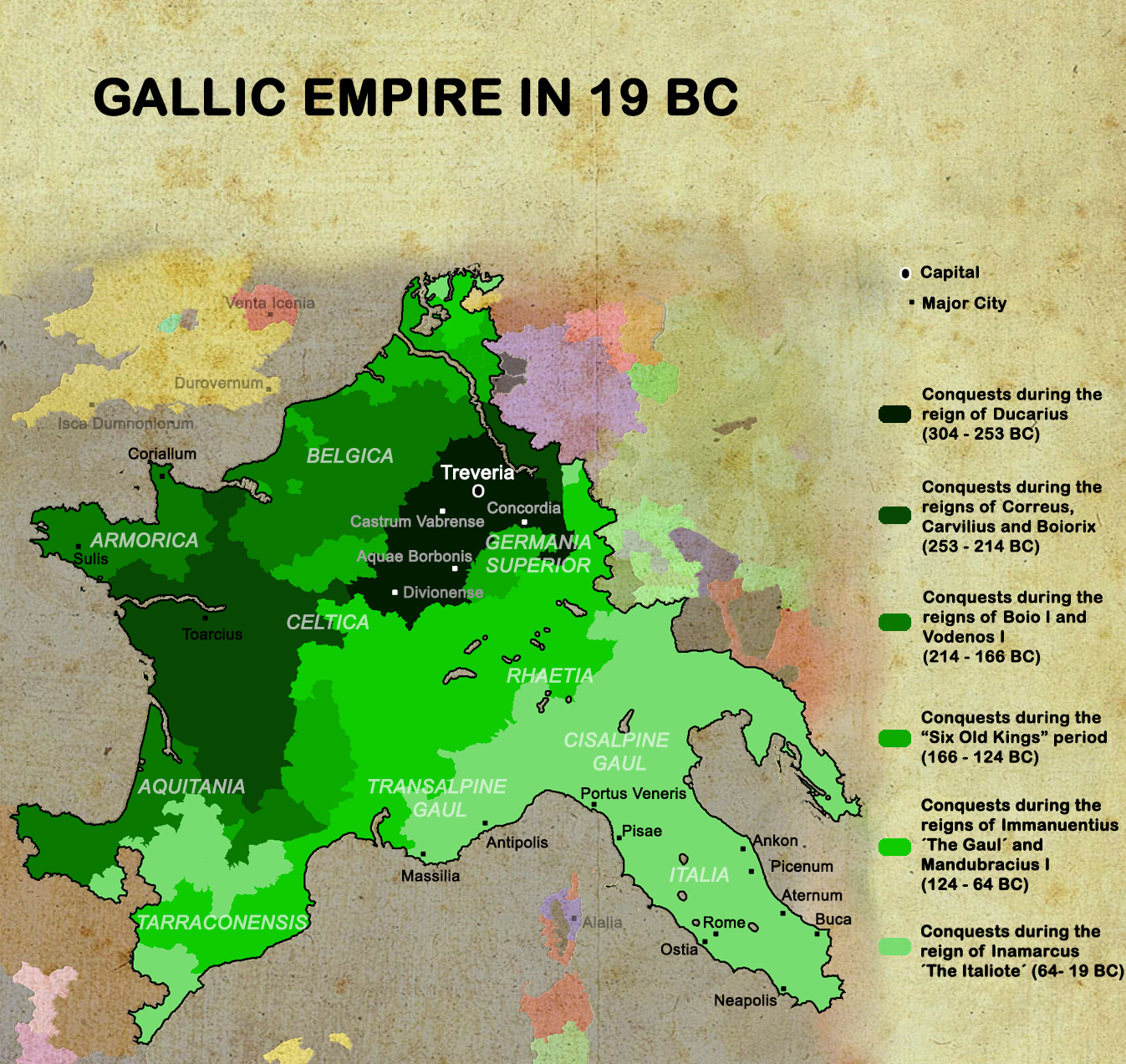
Postumus, a Roman commander, declared himself emperor of a breakaway realm in the western provinces known as the Gallic Empire. This realm comprised Gaul, Germania, Britannia, and Hispani...
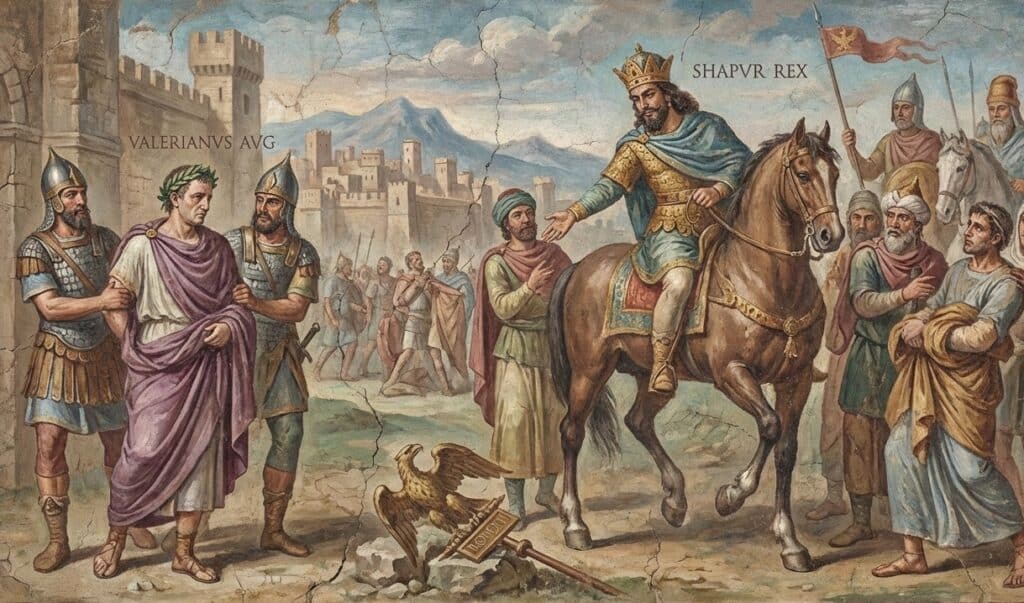
Roman Emperor Valerian was captured by the Sasanian Persian ruler Shapur I during the Battle of Edessa, a significant conflict between the Roman and Sasanian empires. This event marked th...
The Sasanian king Shapur I captured Antioch following his victorious campaigns against the Roman Empire. The fall of this major city marked a significant moment in Roman-Persian conflicts...
Roman Emperor Septimius Severus led a military campaign against the Parthian Empire, culminating in the siege and sack of Ctesiphon, the Parthian capital. This marked a significant assert...
Pescennius Niger, governor of Syria, declared himself Roman emperor after the death of Emperor Pertinax. His claim to the throne sparked a civil war against Septimius Severus, who also cl...
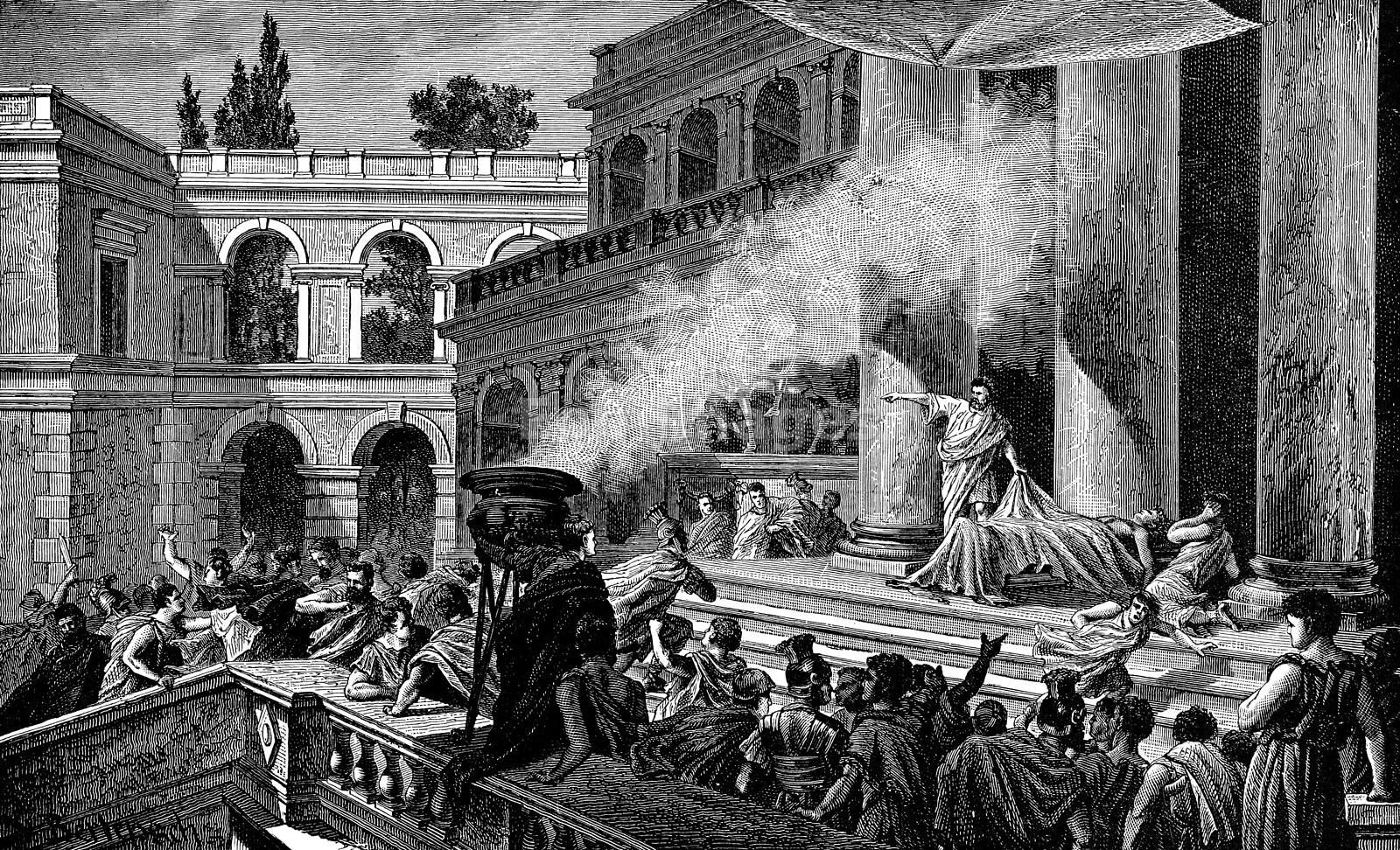
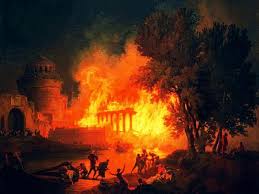
The Great Fire of Rome began in the night and quickly spread through the city, causing extensive destruction. The fire lasted for six days and destroyed many neighborhoods, leaving large ...