Roman Empire Expands Under Trajan
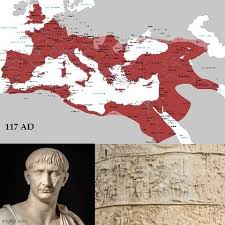
Trajan became Roman Emperor following the death of Domitian, marking a period of significant military expansion and administrative reform. His accession was recognized by the Senate, soli...
Claudius II Gothicus became Roman Emperor following the death of his predecessor. His accession marked a shift during a turbulent period of frequent leadership changes in the empire.Known...
Gallienus became Roman Emperor following the assassination of his father, Valerian. His accession marked the beginning of a co-rule, where he shared power with his father before Valerian ...
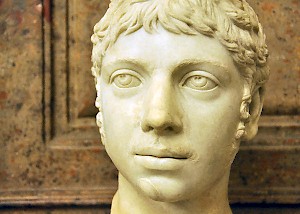
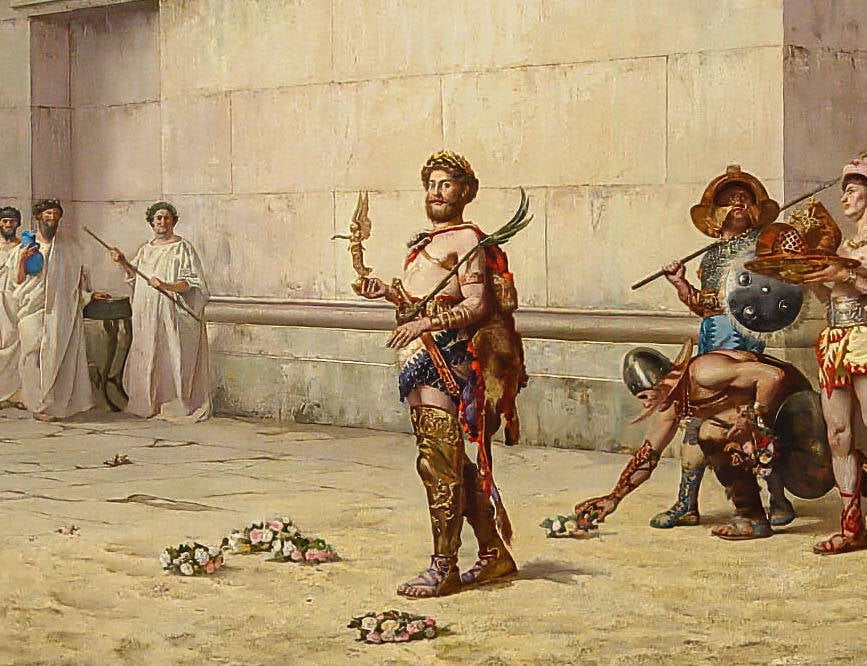
Emperor Elagabalus began implementing religious reforms centered on the worship of the Syrian sun god Elagabal. He elevated this deity above the traditional Roman gods, disrupting long-es...
Macrinus, formerly a praetorian prefect, became Roman Emperor following the assassination of Caracalla. This marked a significant shift in imperial authority as Macrinus was the first emp...
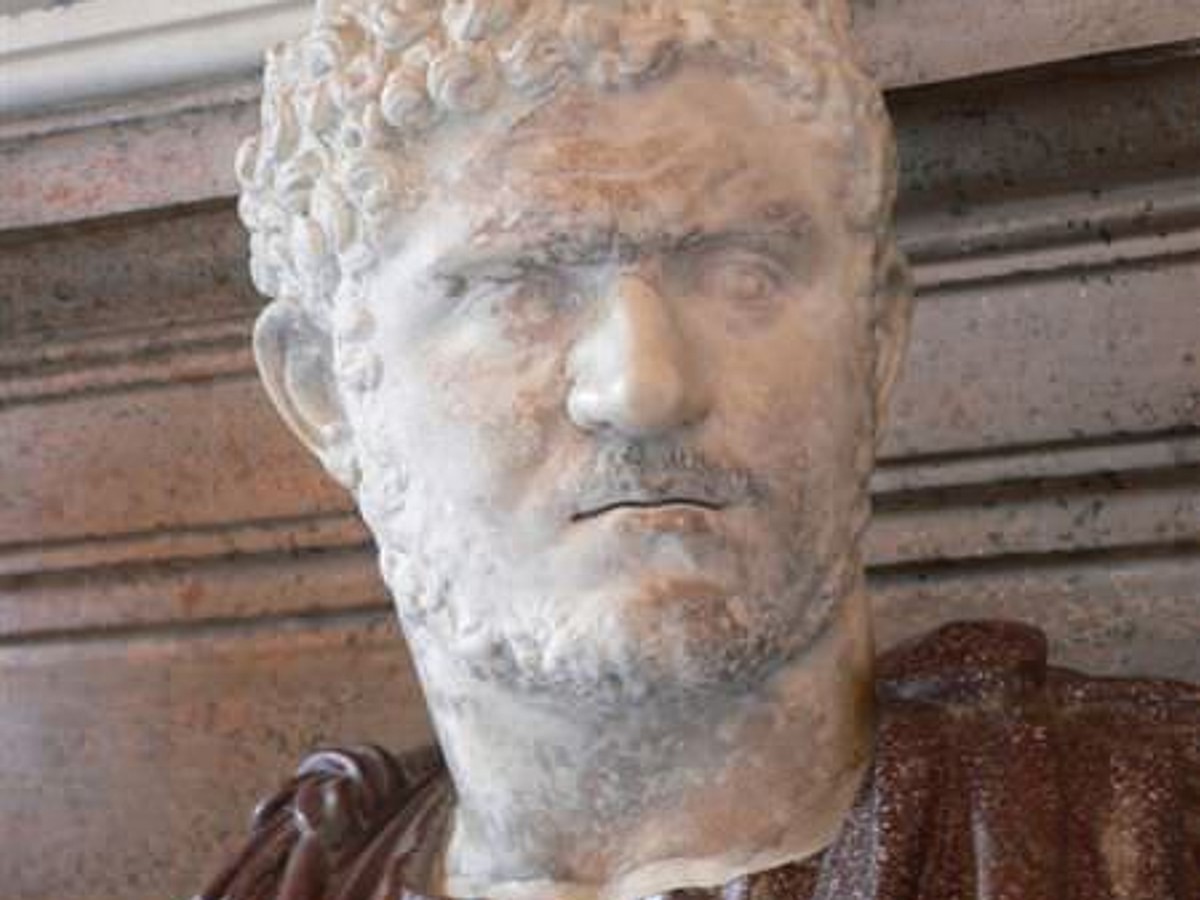
Caracalla officially took the title of Augustus, marking his elevation to co-emperor alongside his father, Septimius Severus. This move solidified his position within the Severan dynasty ...
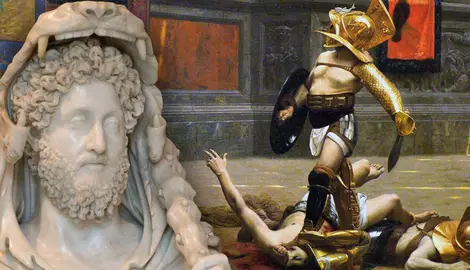
Commodus formally assumed the role of Roman Emperor following the death of his father Marcus Aurelius. His accession marked a significant transition from the era of the traditional adopti...
Roman Emperor Marcus Aurelius officially declared his son Commodus as co-emperor, sharing imperial authority.This political move marked the first time a biological son was directly elevat...
Antoninus Pius assumed the position of Roman Emperor following the death of Hadrian on August 11. He was appointed by the Senate and accepted by the army without opposition, securing a pe...
After the murder of Emperor Domitian, the Roman Senate appointed Nerva as emperor, marking a shift from autocratic rule to a more stabilizing governance. Nerva, previously a respected sen...
Domitian, the Roman Emperor, was assassinated on September 18th within his residence on the Palatine Hill in Rome. The conspiracy involved court officials and members of the Praetorian Gu...
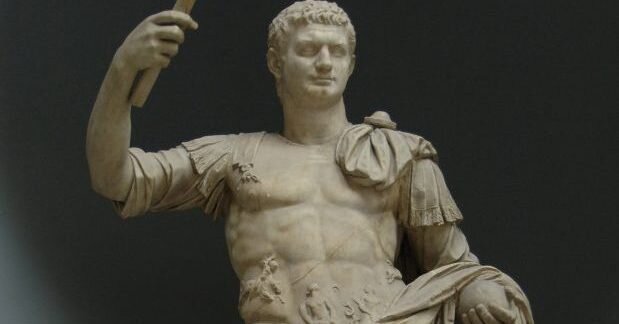
Following the death of Emperor Titus, Domitian, his younger brother, ascended to the throne of the Roman Empire. The accession occurred peacefully, marking the continuation of the Flavian...
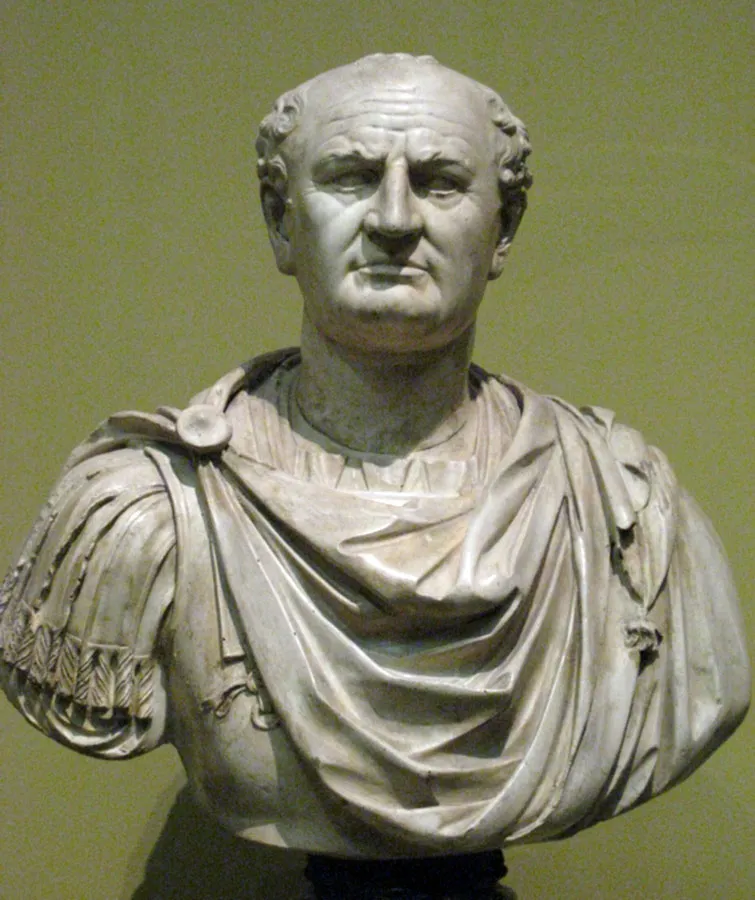
Following a year of civil war known as the Year of the Four Emperors, Vespasian emerged as the uncontested ruler of the Roman Empire. His rise marked the end of the Julio-Claudian dynasty...
Vitellius was declared emperor by the legions of Germania during the chaotic Year of the Four Emperors. After the death of Emperor Otho, Vitellius marched to Rome where he was formally re...
Following the death of Emperor Galba, Otho swiftly ascended to power in Rome, marking a critical juncture in the Year of the Four Emperors. His accession was characterized by rapid politi...
Galba was declared Roman Emperor following the assassination of Nero, marking the end of the Julio-Claudian dynasty. His accession was largely supported by the Senate and the Praetorian G...
Following the death of Emperor Claudius, Nero Claudius Caesar Augustus Germanicus was declared Roman Emperor. His rise to power was orchestrated largely by his mother, Agrippina the Young...
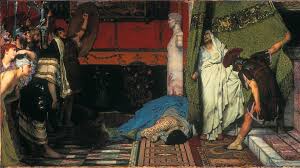
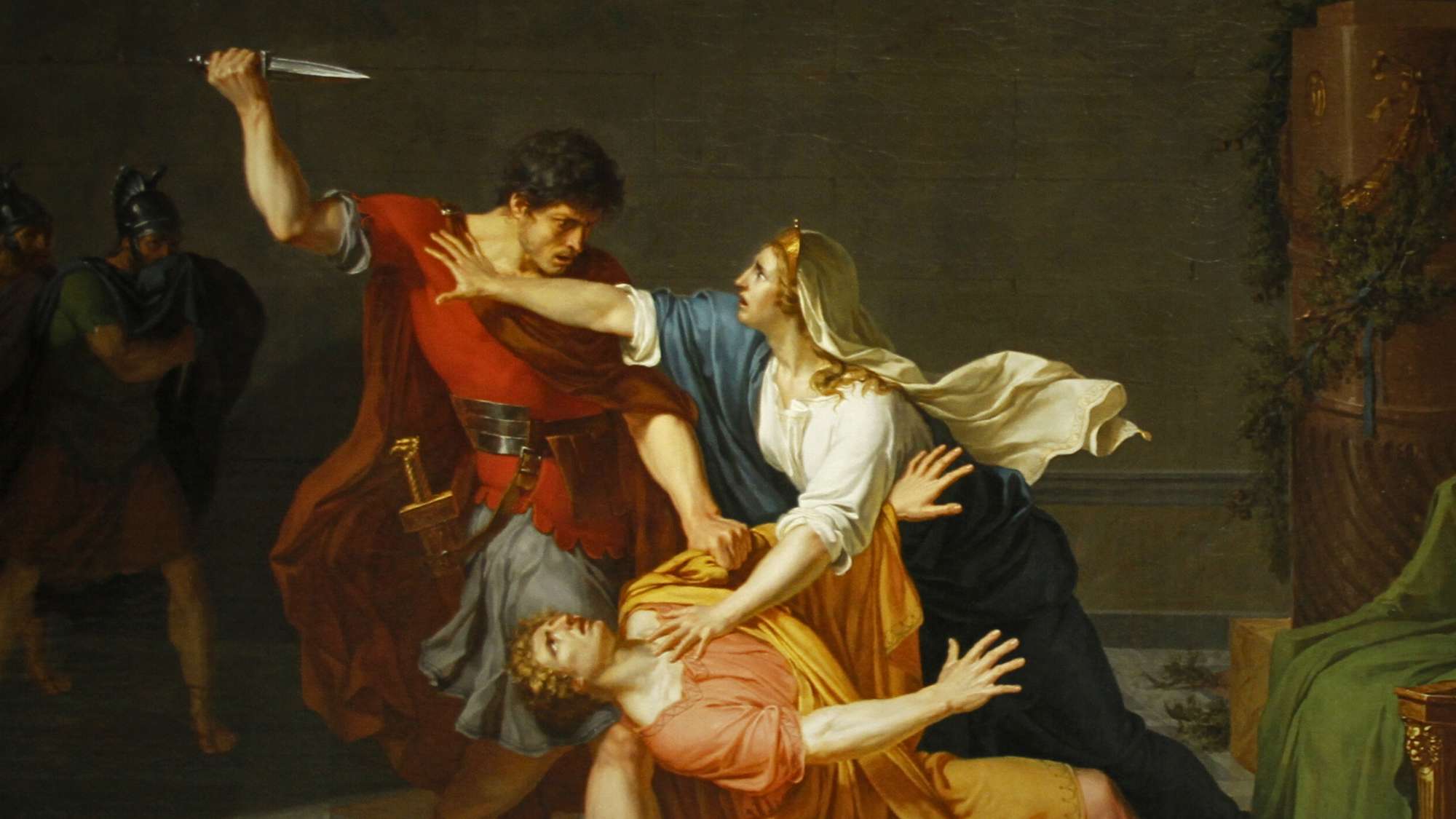
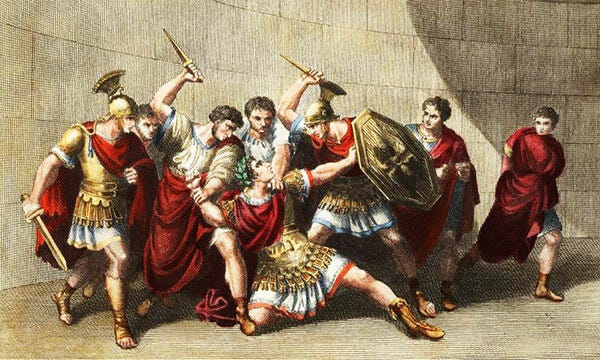
Caligula, the third Roman emperor, was assassinated by members of the Praetorian Guard on January 24th. His reign was marked by controversy, extravagance, and reported acts of cruelty, wh...
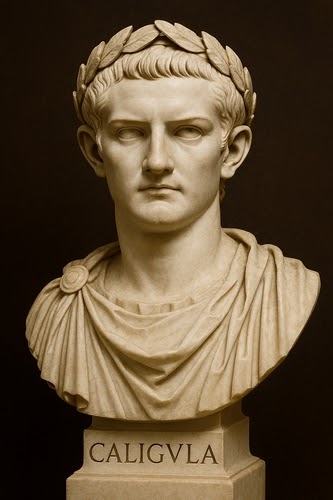
Caligula, born Gaius Julius Caesar Germanicus, became Roman Emperor following the death of Tiberius. His accession marked a significant transition in the Julio-Claudian dynasty.His rise t...
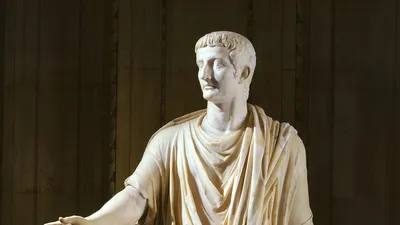
Following the death of Augustus, Tiberius was officially declared emperor by the Roman Senate, marking the beginning of his reign. This accession consolidated the Julio-Claudian dynasty a...