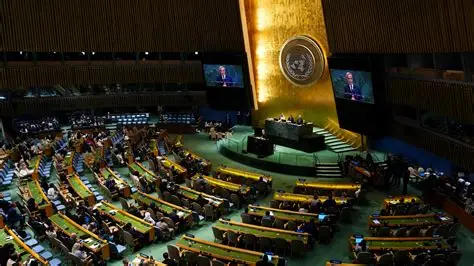
UN begins leadership selection
The United Nations Security Council held its first straw poll on July 30, 2026, to evaluate candidates seeking to become the next secretary-general. The vote marked the beginning of the C...
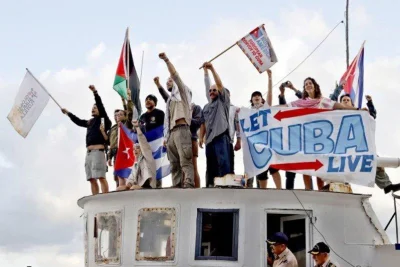
A humanitarian flotilla carrying aid to Cuba arrived in Havana on March 24, 2026, as part of an international initiative aimed at delivering supplies amid U.S. sanctions and a fuel blocka...
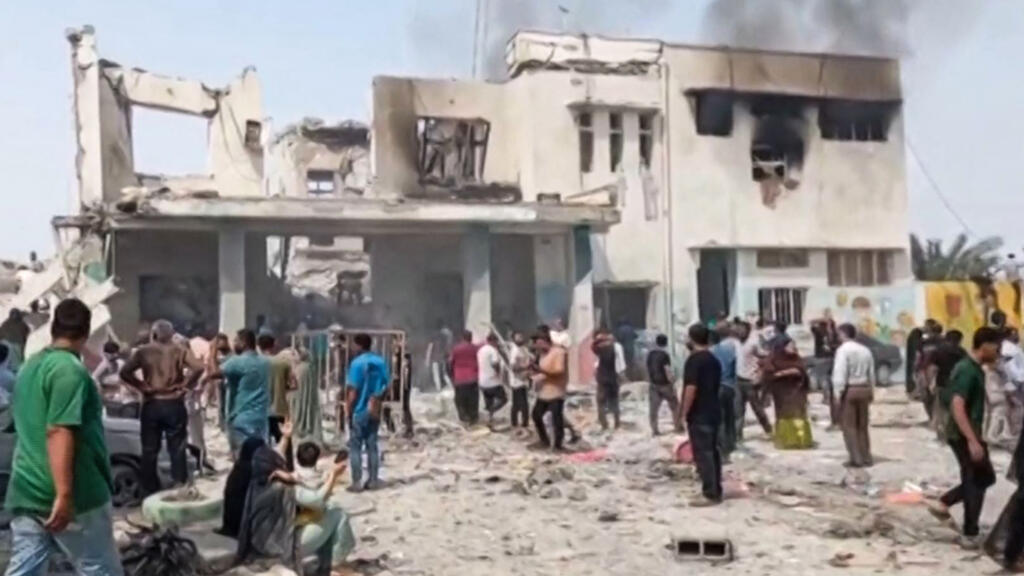
Strike on Girls’ Elementary School in Southern Iran During US‑Israel Military Action On February 28, 2026, during a coordinated series of military strikes on Iran by the United States an...
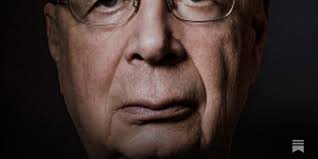
The COVID-19 pandemic has served as a stress test for the model of stakeholder capitalism, in which companies are expected to consider the interests of employees, customers, communities, ...
Major Canadian Political and Social Events Timeline body { font-family: Arial, sans-serif; background-color: #f4f4f9; margin: 0; padding: 0; } .timeline-container { m...
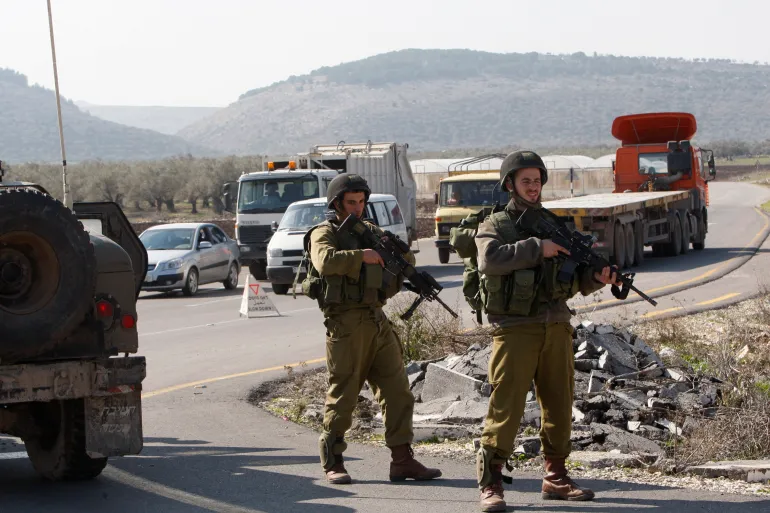
There is no real pause button for civilians in the West Bank and Gaza. The restrictions do not switch off at night. The fear does not fade with sunrise. Checkpoints, roadblocks, military ...
On February 11, 2026, United States Attorney General Pam Bondi appeared before the House Judiciary Committee during a contentious oversight hearing focused on the Department of Justice’s ...
On February 8, 2026, popular film review aggregator Rotten Tomatoes publicly addressed widespread claims that the unusually high audience scores for the documentary “Melania” were fake or...
Global Oil Prices Rise After Saudi and Russia Production Cut Extension On February 4, 2026, global oil benchmark prices increased following announcements that Saudi Arabia and ...
IDF Blocks Palestinian Bedouins From Rebuilding Homes Burned By Settlers In early February 2026 the Israel Defense Forces issued orders preventing Palestinian Bedouin residents of the We...
French Judges Issue Arrest Warrants for French-Israeli Activists Over Complicity in Genocide French investigating judges in Paris have issued warrants for two French-Israeli na...
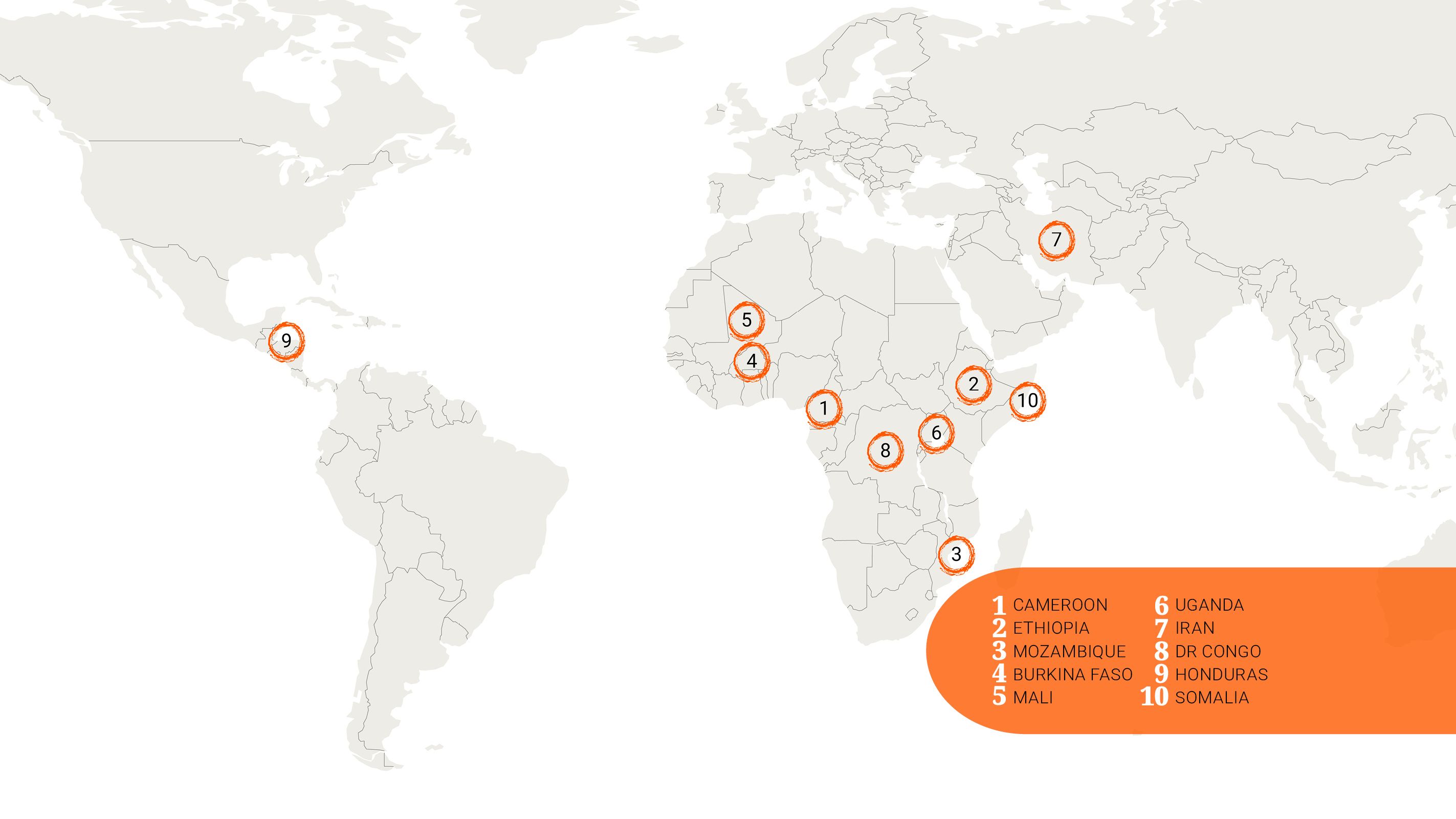
On January 28, 2026, the tenth annual CARE Crisis Report was published, identifying the ten most under‑reported humanitarian crises of 2025 worldwide. The report found that the Central Af...
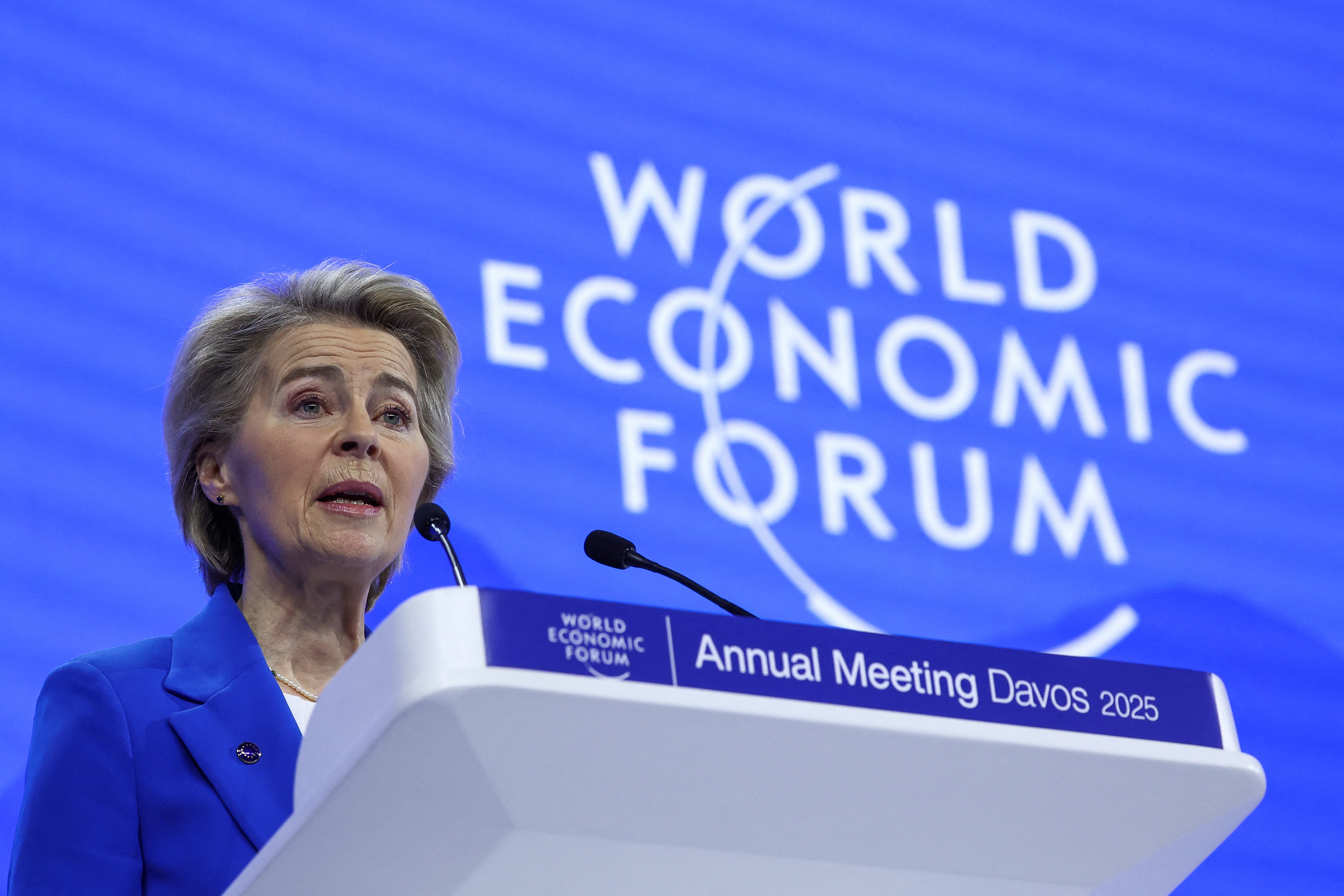
Political tensions intensified today at the World Economic Forum in Davos as disagreements between the United States and several European nations dominated discussions. Controversial stat...
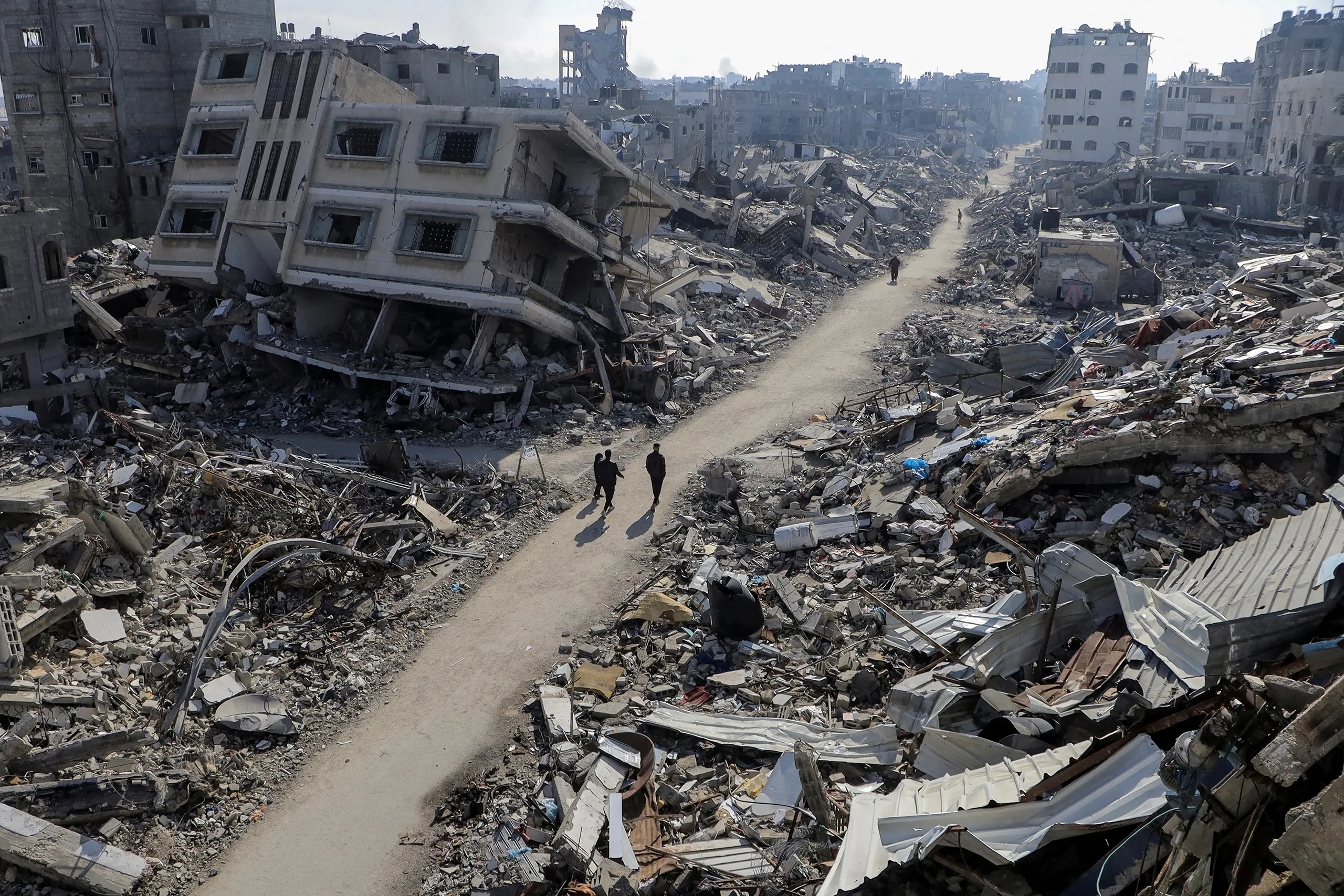
Gaza Death Toll Surges Above 71,000 as Humanitarian Crisis Persists Medical authorities in the Gaza Strip reported on January 19 2026 that the cumulative death toll from the ongoing conf...
Global Markets Slide and Safe-Haven Assets Rally on Trade Threats Financial markets experienced heightened volatility on January 19, 2026, as global equities and the U.S. dollar fell fol...
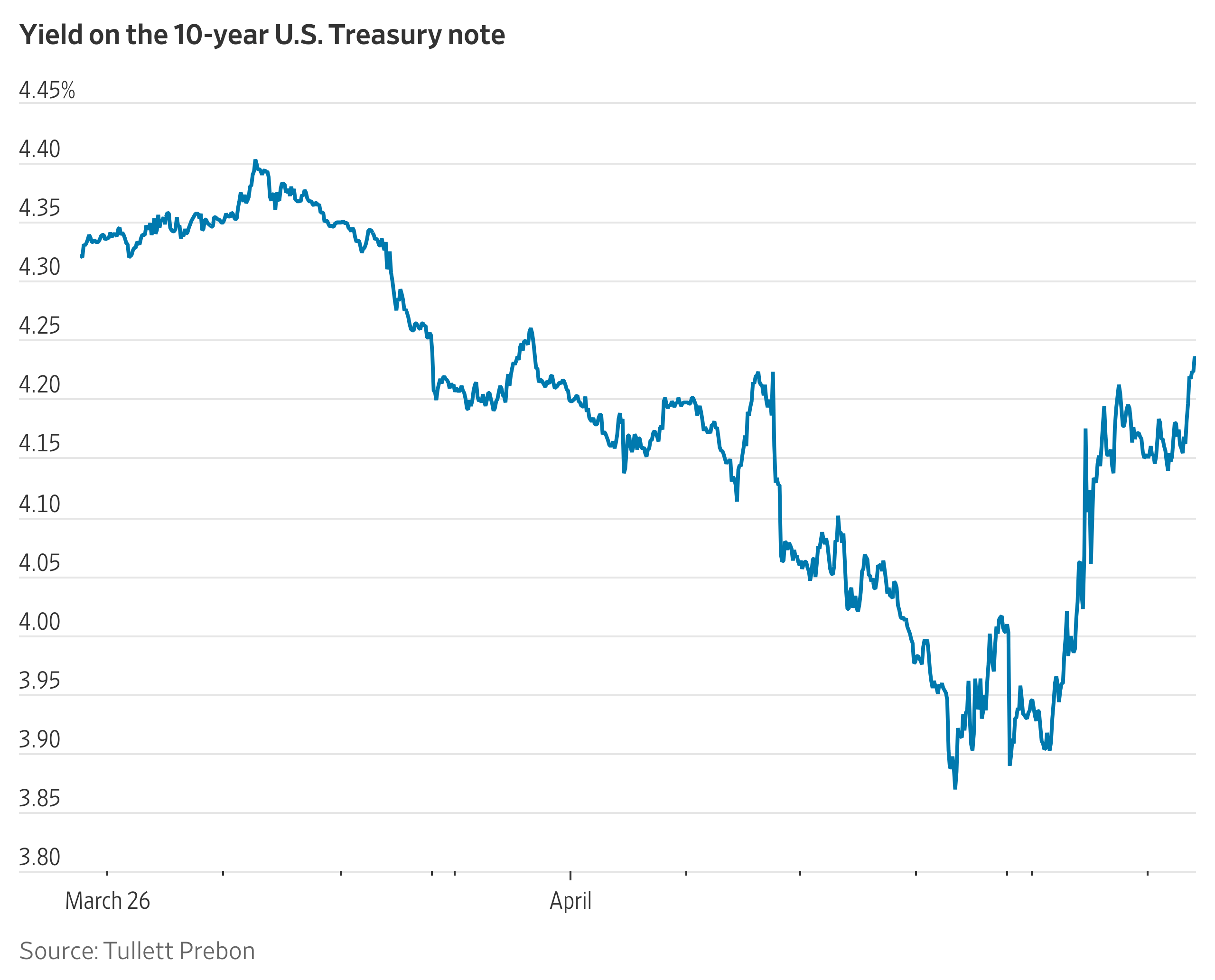
On January 16, 2026, major U.S. stock indexes declined as Treasury yields reached a four-month high, reflecting investor concerns over future Federal Reserve policy and economic direction...
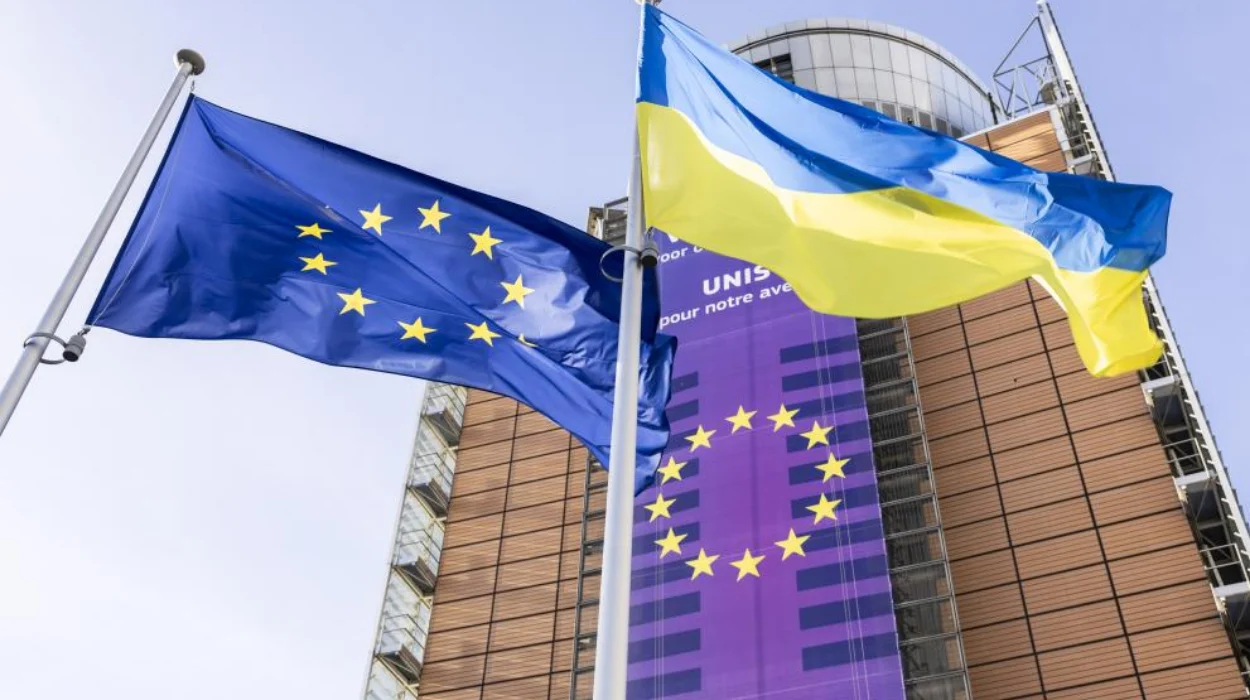
On January 15, 2026, the European Investment Bank announced new EU-backed financial guarantees aimed at expanding access to credit for businesses affected by the war in Ukraine. The initi...
Palestinian Child Shot in Jenin Dies From Injuries, Rights Group Reports A Palestinian child who was shot during an Israeli military operation in the occupied West Bank city of...
They hate white people “The goal of abolishing the White race is, on its face, so desirable that some may find it hard to believe th...
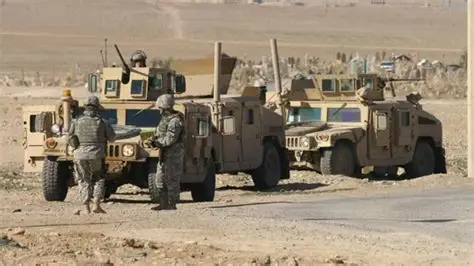
Background and Decision-Makers On March 20, 2003, the United States, the United Kingdom, and coalition allies launched a military invasion of Iraq. The primary justification presented...
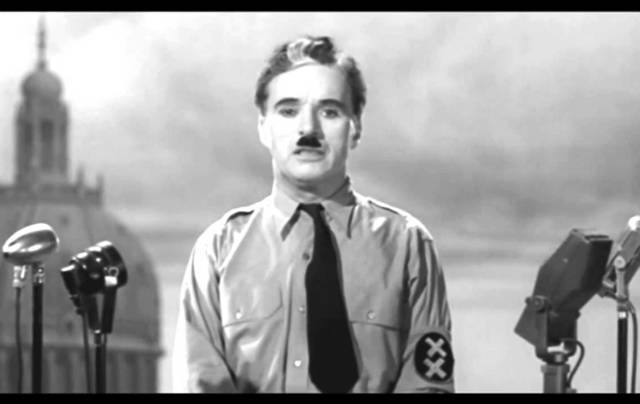
I’m sorry, but I don’t want to be an emperor. That’s not my business. I don’t want to rule or conquer anyone. I should like to help everyone - if possible - Jew, Gentile - black man - whi...
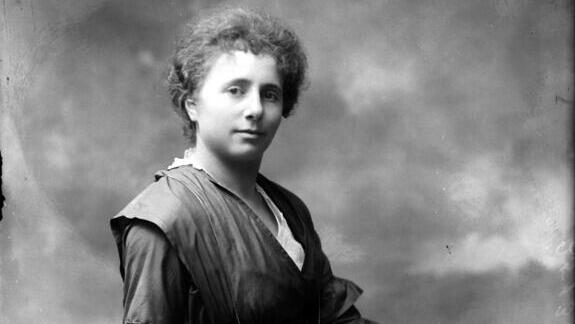
Margherita Sarfatti, an Italian Jewish art critic and writer, played a documented role in the early political and cultural development of Benito Mussolini during the rise of fascism in It...
1913 – Foundations of the Modern World body { font-family: Arial, sans-serif; background-color: #f4f4f9; margin: 0; padding: 0; } .timeline-container { max-width: 900...
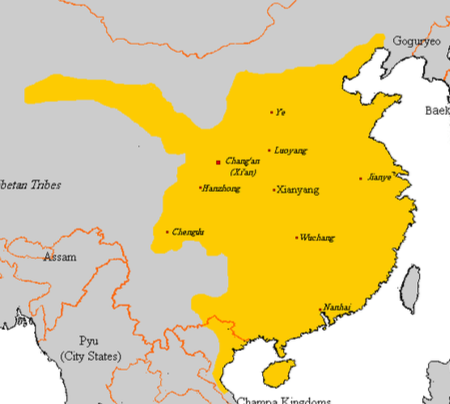
The Sui dynasty, which had temporarily unified China after a period of fragmentation, was facing collapse by early 618. Internal rebellions and external pressures marked the end of its po...
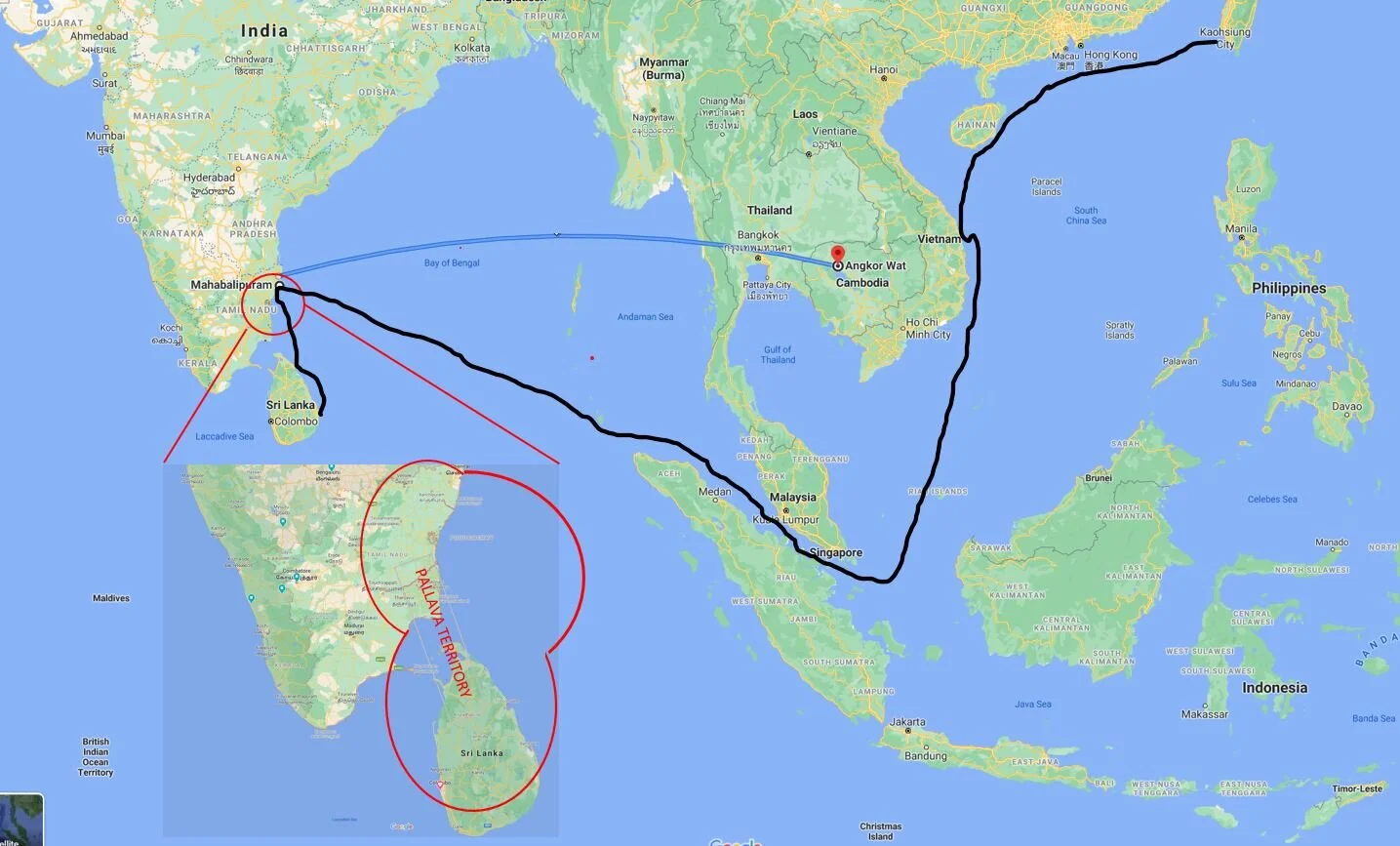
The Pallava dynasty emerged as a dominant power in South India during the early medieval period. Centered around the city of Kanchipuram, they established a strong political and military ...
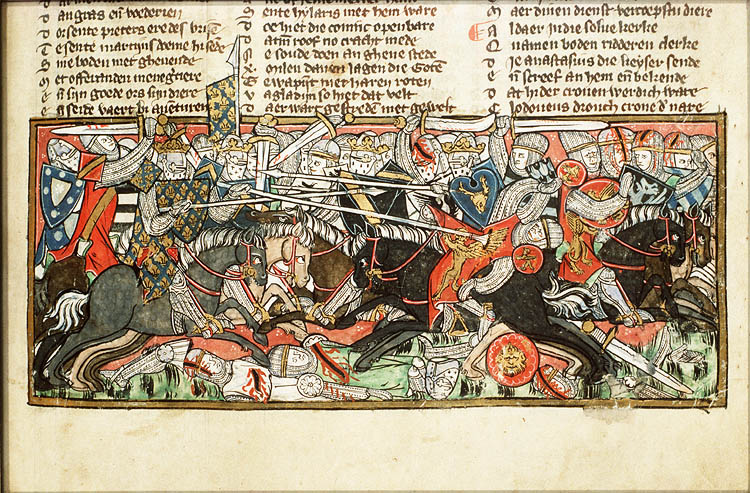
The Battle of Vouillé was fought between the Franks under Clovis I and the Visigoths led by Alaric II. This decisive battle occurred near Vouillé, resulting in a significant Frankish vict...
Syriac Christian literature experienced a significant rise in the region of Upper Mesopotamia, particularly centered in the city of Edessa. This body of work included theological treatise...
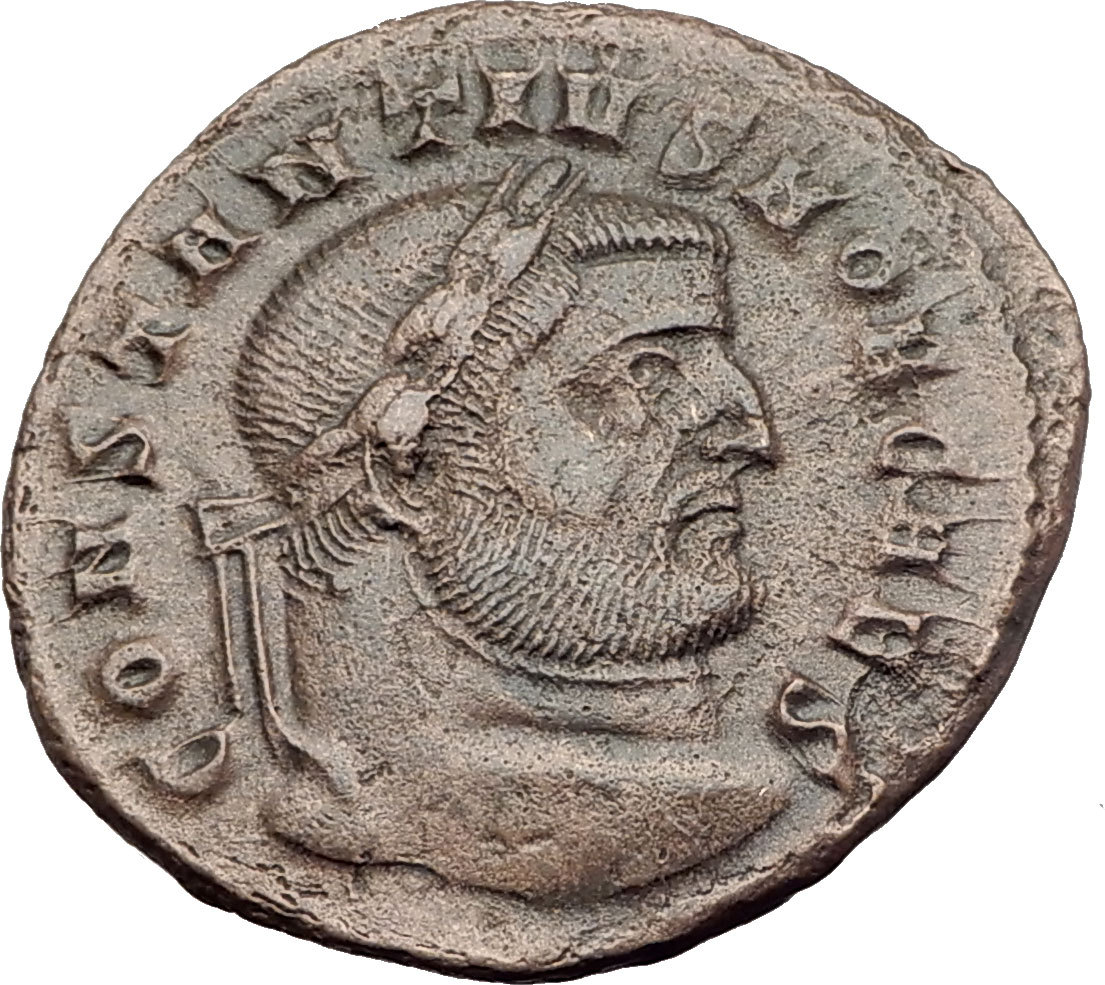
Constantius Chlorus was elevated to the rank of Augustus on May 1st, 305, following the abdication of the previous Tetrarchs, Diocletian and Maximian. This event marked a significant tran...
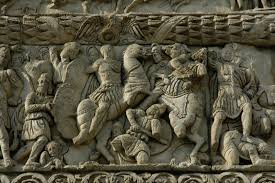
Galerius was appointed Caesar by Emperor Diocletian as part of the tetrarchy reform intended to stabilize and govern the Roman Empire more effectively. His promotion marked a key moment i...
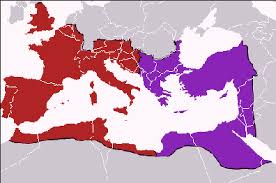
The Tetrarchy was established by Emperor Diocletian in 293 to address administrative and military challenges in the Roman Empire. This political system divided the empire into four parts,...
In April 286, the Roman Emperor Diocletian appointed Maximian as Caesar, marking a significant development in imperial governance. This act was meant to strengthen the administration and ...
Roman Emperor Numerian died under suspicious circumstances while returning from a campaign in the East. His death was discovered by his troops near the region of Corduene.After his death,...
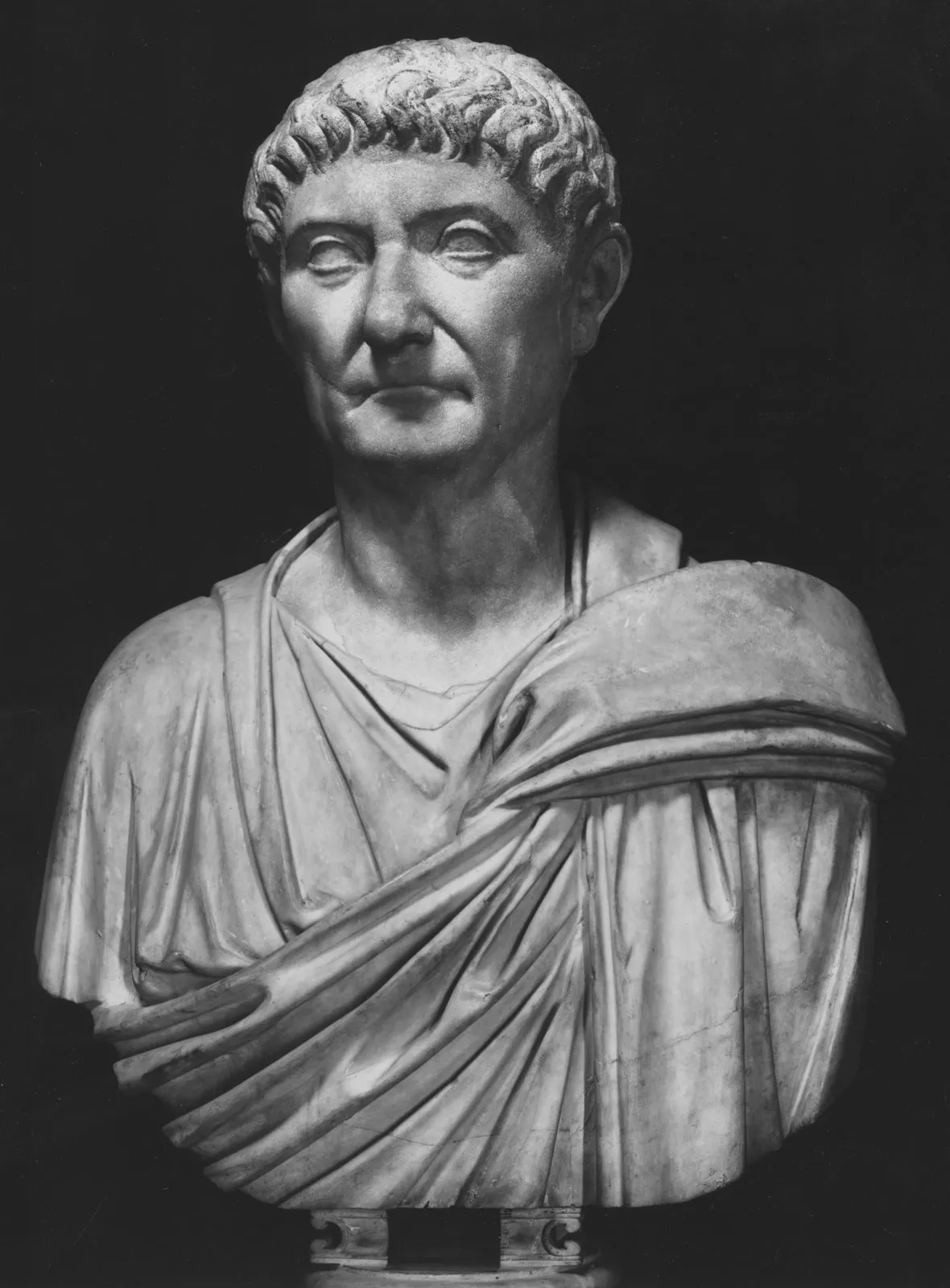
Diocletian was proclaimed emperor by his troops in Nicomedia following the death of Emperor Carus. His rise marked the end of a period of civil wars and instability in the Roman Empire.Di...
After the death of Emperor Carus during a campaign in Persia, his son Numerian became the new Roman Emperor. The accession was initially peaceful, with Numerian holding power alongside hi...
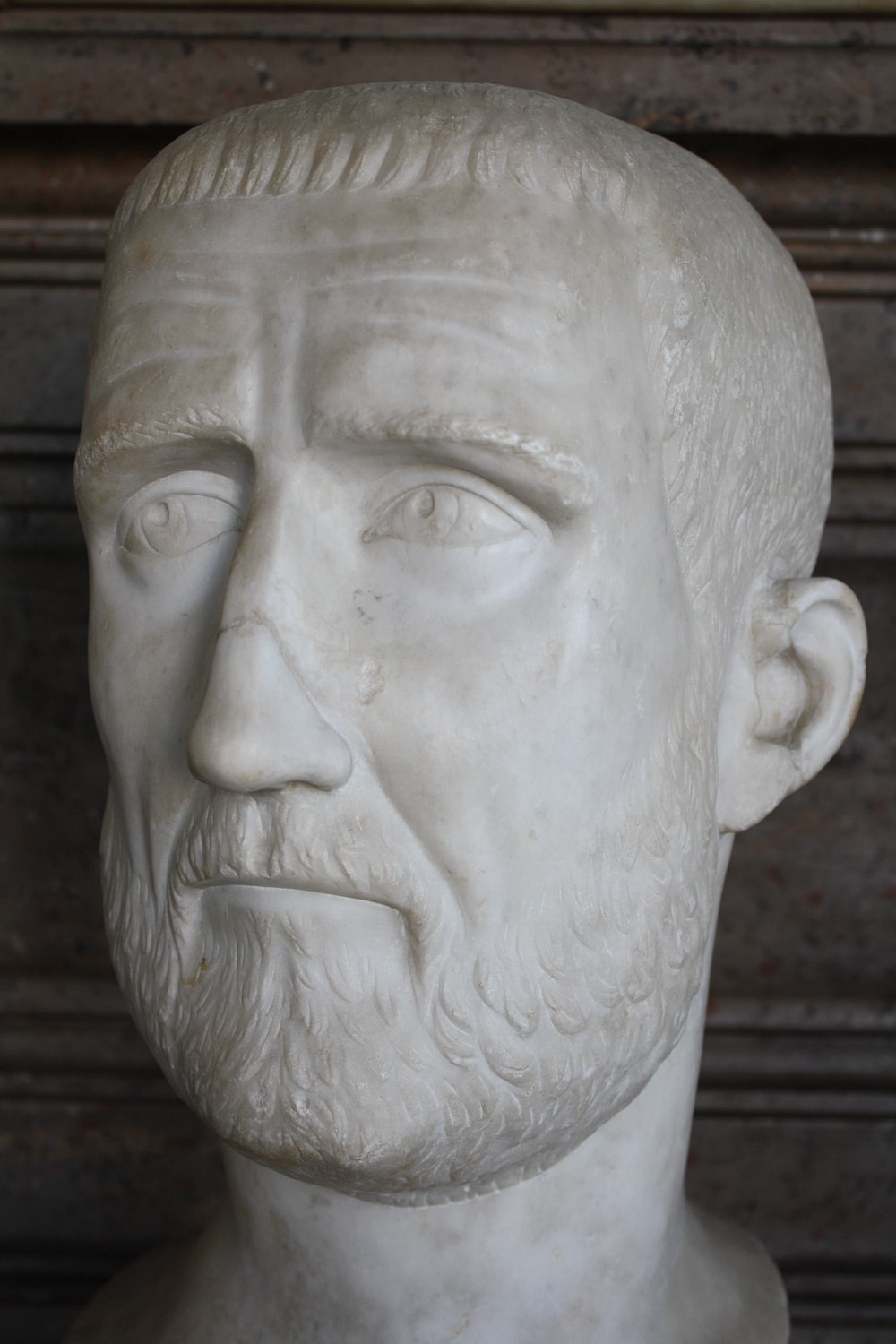
Marcus Aurelius Probus was proclaimed Roman Emperor by his troops in September 276 after the death of Emperor Florianus. His accession marked a period of efforts to restore stability with...
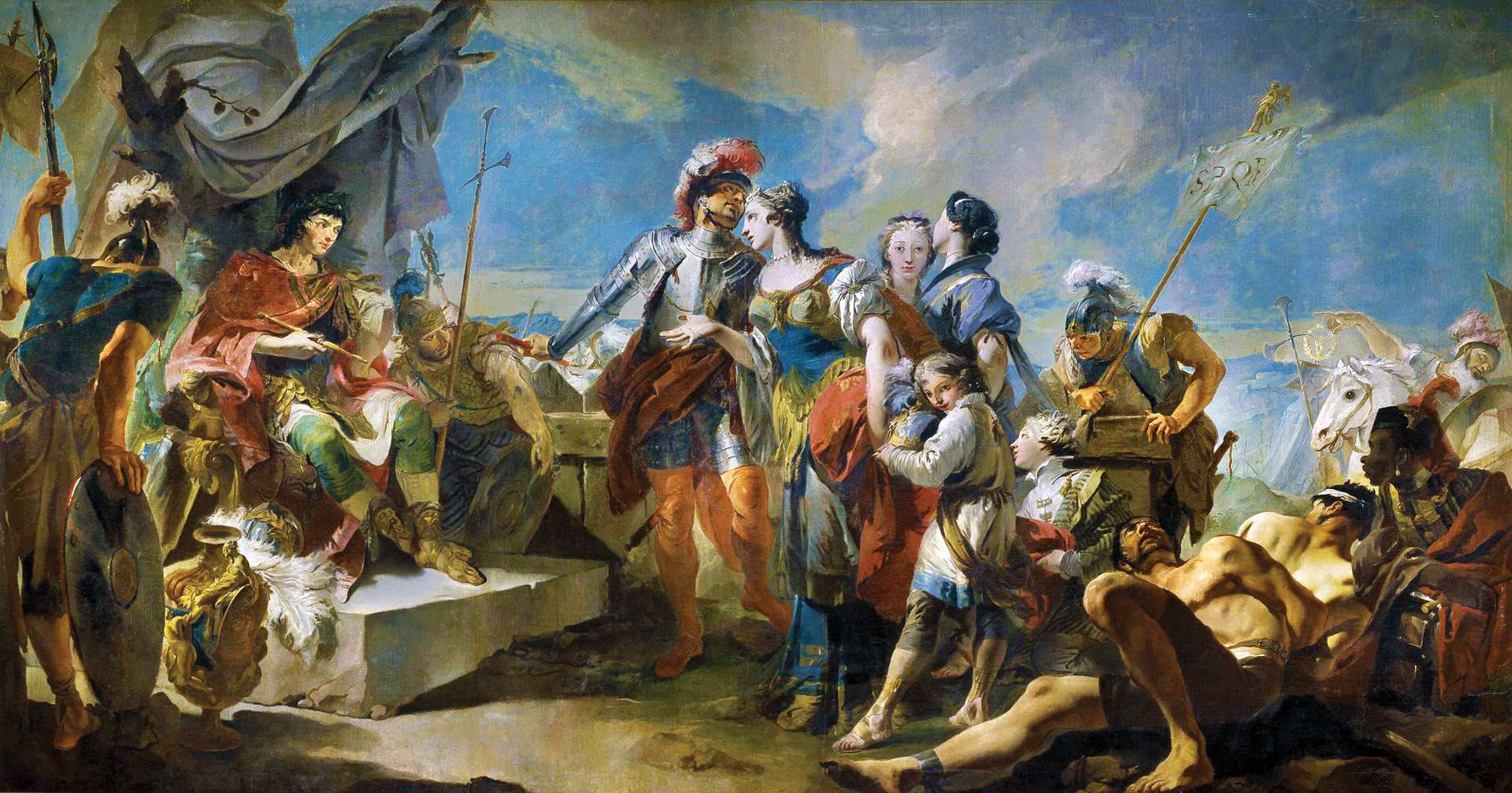
Queen Zenobia of Palmyra was captured following the Roman Emperor Aurelian's siege of her capital. Her defeat marked the end of the Palmyrene Empire's attempt to assert independence from ...
Aurelian was proclaimed emperor by his troops following the death of Emperor Claudius Gothicus. His accession marked a significant turning point during the Crisis of the Third Century.He ...
Claudius II Gothicus became Roman Emperor following the death of his predecessor. His accession marked a shift during a turbulent period of frequent leadership changes in the empire.Known...
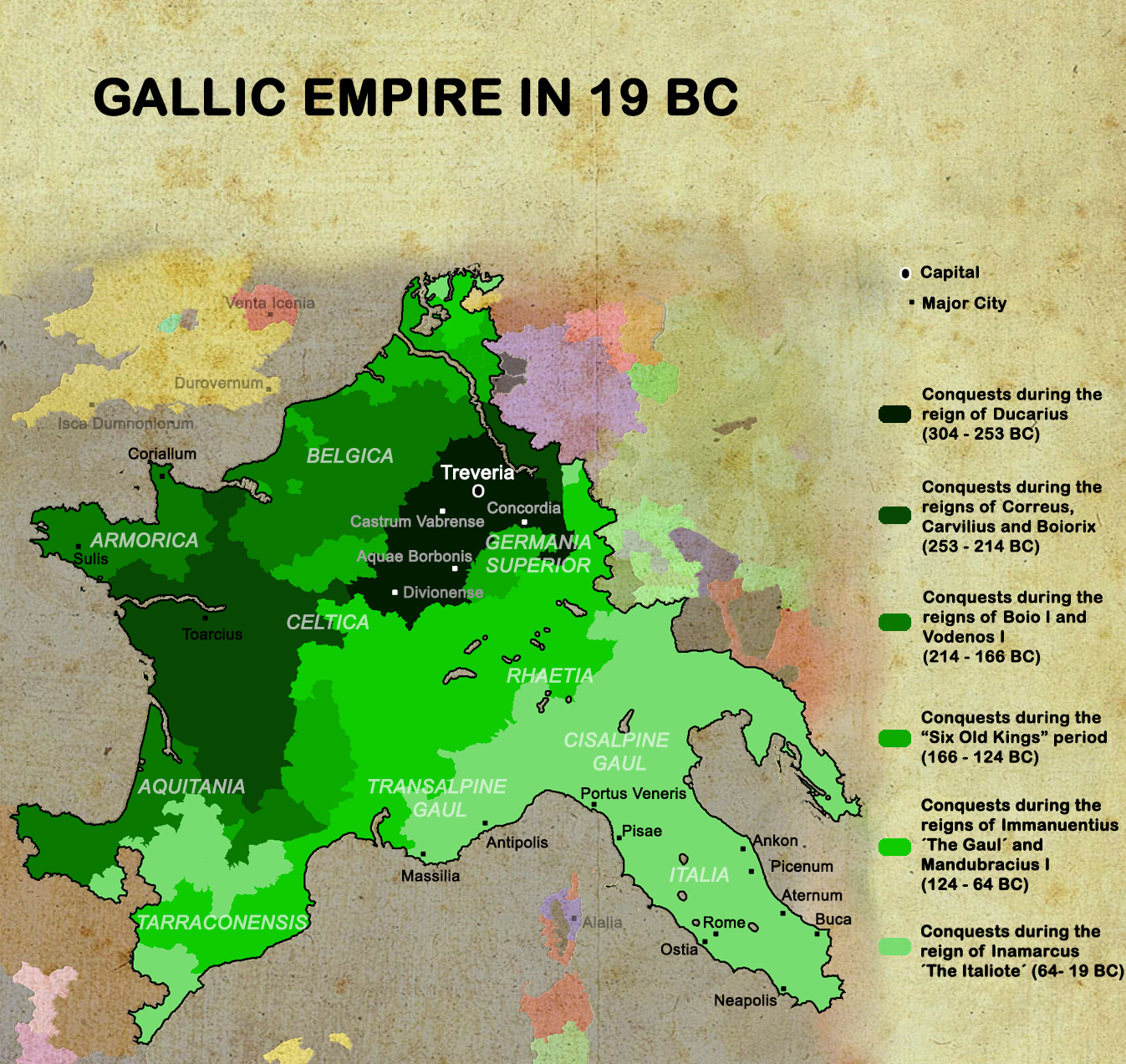
Postumus, a Roman commander, declared himself emperor of a breakaway realm in the western provinces known as the Gallic Empire. This realm comprised Gaul, Germania, Britannia, and Hispani...
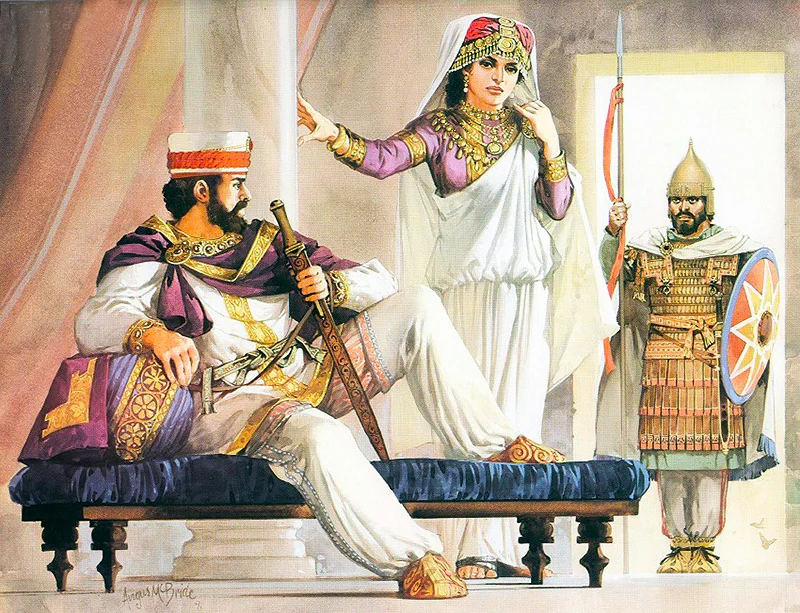
Odaenathus rose to power in Palmyra amid the crisis of the Roman Empire in the mid-3rd century. Following the capture of the Roman Emperor Valerian by the Persians, Palmyra emerged as a r...
Following the death of Emperor Maximinus Thrax, the Roman Senate appointed Pupienus and Balbinus as co-emperors to restore order within the Roman Empire. Their joint accession marked a ra...
Gordian III ascended to the Roman imperial throne following a period of political instability known as the Year of the Six Emperors. At the age of thirteen, he was declared emperor by the...
The Crisis of the Third Century marked a period of severe instability within the Roman Empire beginning in 235 AD. This era saw widespread political chaos, military defeats, and economic ...
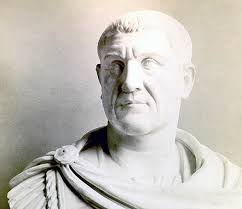
Maximinus Thrax, a Roman soldier of humble origins, was proclaimed emperor by his troops following the assassination of Severus Alexander. His accession marked the beginning of the Crisis...
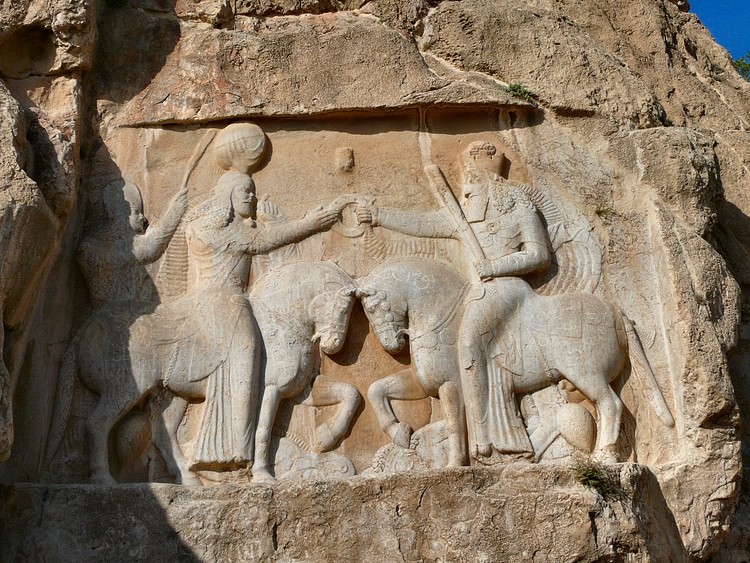
The fall of the Parthian Empire marked the rise of the Sasanian dynasty in ancient Persia. The decisive defeat of the last Parthian king by Ardashir I ended nearly five centuries of Arsac...
Ardashir I, the founder of the Sasanian Empire, defeated Artabanus IV, the last ruler of the Parthian Empire, at the battle near Hormozdgan. This victory marked the end of the Parthian dy...
The Sasanian Empire was founded by Ardashir I after he defeated the Parthian king Artabanus IV in battle. This victory marked the end of the Parthian dynasty and the rise of the Sasanian ...
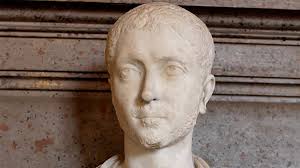
Severus Alexander was proclaimed Roman Emperor following the assassination of Elagabalus. The Roman Senate officially endorsed his accession, marking a return to more traditional imperial...
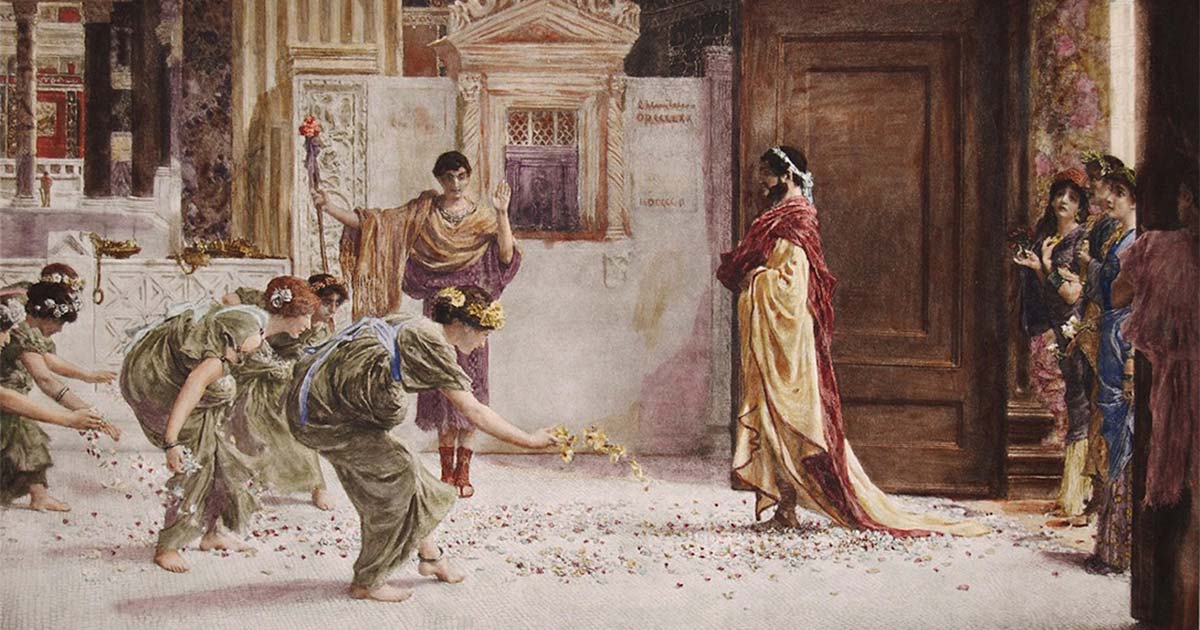
Elagabalus, Roman emperor notorious for his controversial religious and political actions, was assassinated on March 11 after a brief reign. His rule was marked by significant unrest and ...
Elagabalus, also known as Varius Avitus Bassianus, was proclaimed Roman Emperor upon the death of Caracalla’s successor during the Severan dynasty. His accession marked a period of signif...
Caracalla, Roman Emperor and son of Septimius Severus, was assassinated amid a military campaign in Moesia. While traveling through the province, he was murdered by a soldier in his own g...
The Severan campaign into Parthia marked a major Roman military effort in the East following the rise of Emperor Septimius Severus. The campaign began with a series of coordinated attacks...
Commodus formally assumed the role of Roman Emperor following the death of his father Marcus Aurelius. His accession marked a significant transition from the era of the traditional adopti...
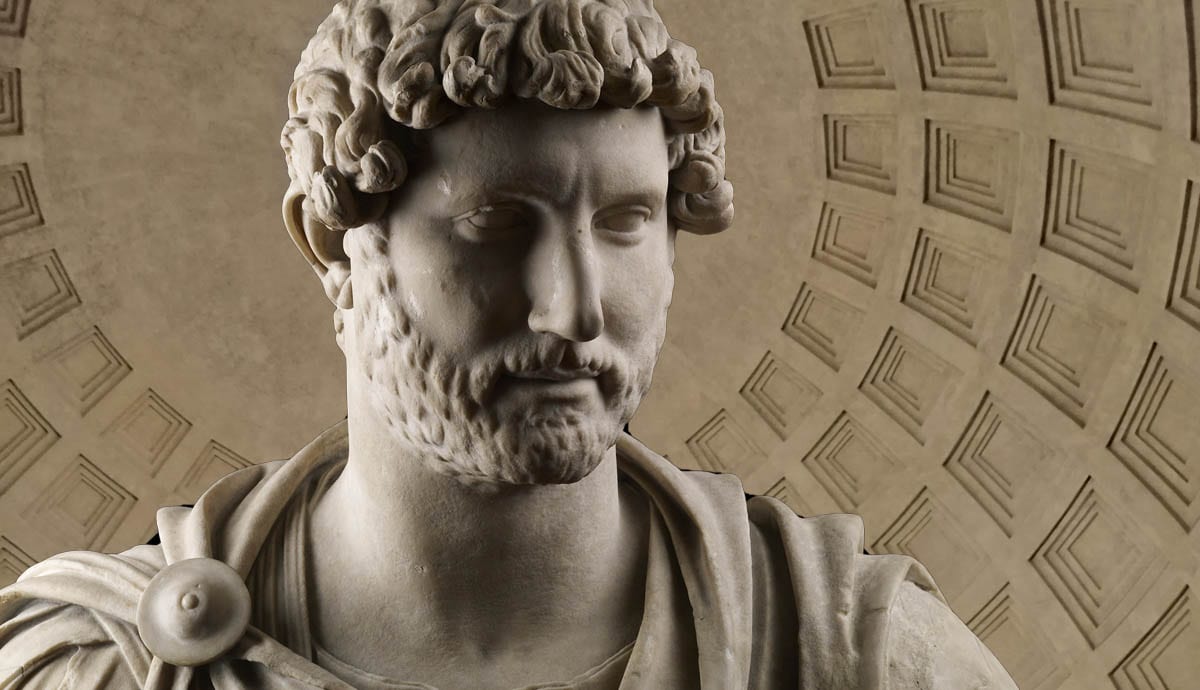
Hadrian was officially declared emperor following the death of his predecessor, Trajan, marking a significant transition in Roman imperial leadership. His accession was confirmed by the R...
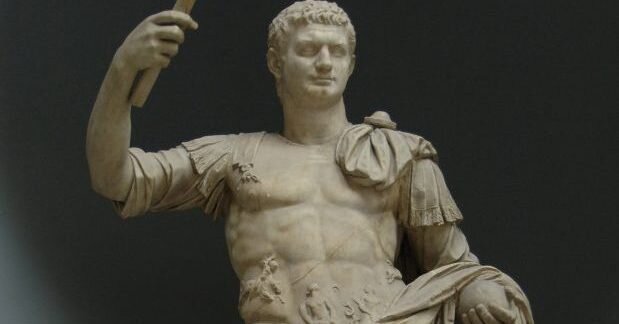
Following the death of Emperor Titus, Domitian, his younger brother, ascended to the throne of the Roman Empire. The accession occurred peacefully, marking the continuation of the Flavian...
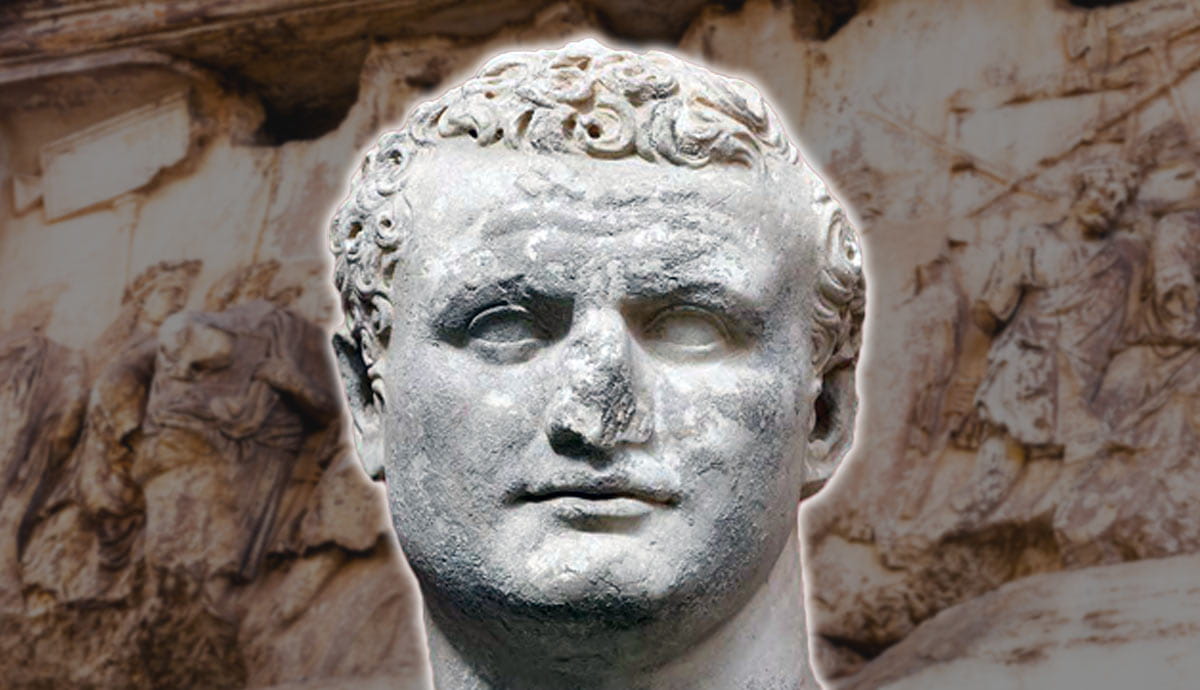
Titus succeeded his father Vespasian as Roman Emperor following Vespasian's death in Rome. His accession marked the continuation of the Flavian dynasty.Titus's rule initially consolidated...
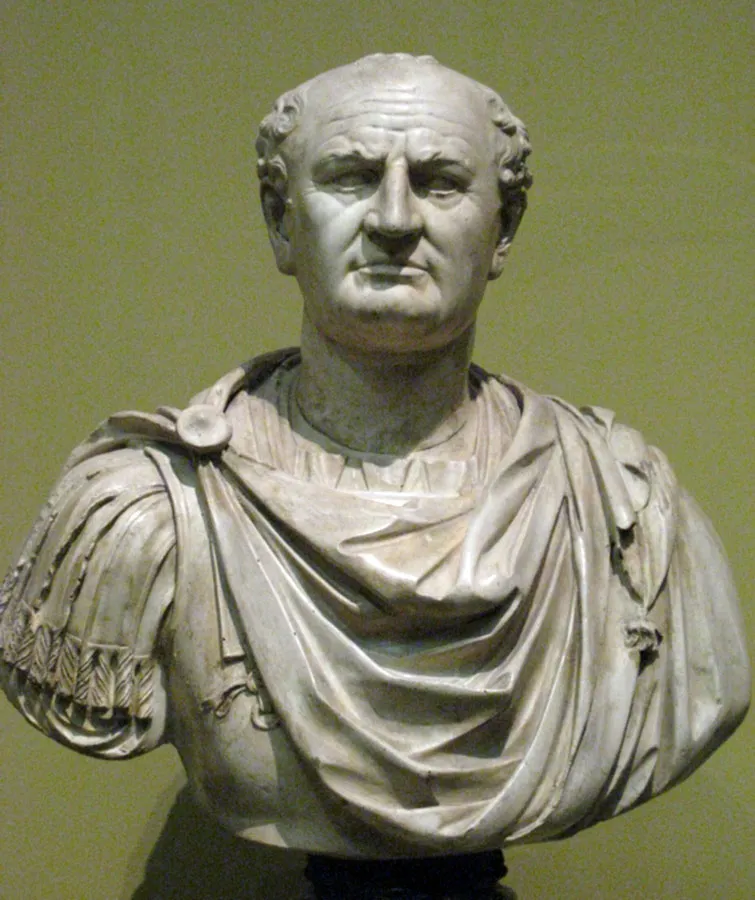
Following a year of civil war known as the Year of the Four Emperors, Vespasian emerged as the uncontested ruler of the Roman Empire. His rise marked the end of the Julio-Claudian dynasty...
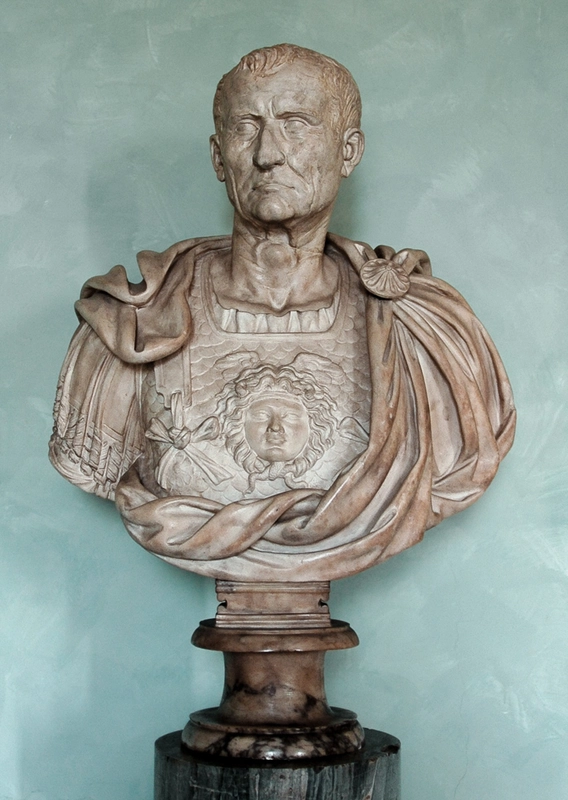
Galba was declared Roman Emperor following the assassination of Nero, marking the end of the Julio-Claudian dynasty. His accession was largely supported by the Senate and the Praetorian G...
The Year of the Four Emperors was a tumultuous period marking rapid succession of Roman emperors after the fall of Nero. It involved the rise and fall of Galba, Otho, Vitellius, and Vespa...
Following the death of Emperor Claudius, Nero Claudius Caesar Augustus Germanicus was declared Roman Emperor. His rise to power was orchestrated largely by his mother, Agrippina the Young...
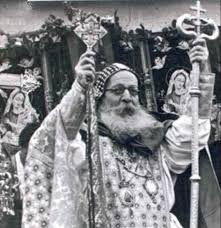
Coptic Christianity, one of the oldest Christian traditions, has seen notable growth within Egypt in recent years. Rooted deeply in Egyptian history, the Coptic community continues to exp...
Following the assassination of Emperor Caligula, Claudius was unexpectedly declared emperor by the Praetorian Guard. Despite initial hesitation by the Senate, his accession marked the con...
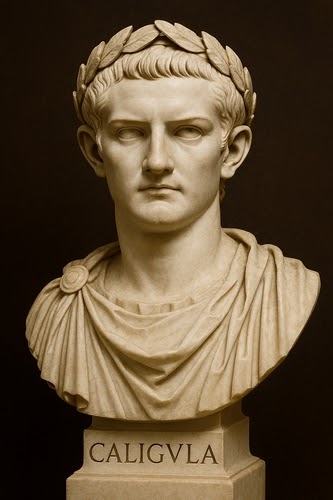
Caligula, born Gaius Julius Caesar Germanicus, became Roman Emperor following the death of Tiberius. His accession marked a significant transition in the Julio-Claudian dynasty.His rise t...
6–25 October 1973 — Egyptian and Syrian forces launch a surprise attack against Israeli positions. Egyptian troops successfully cross the Suez Canal and penetrate the Bar Lev Line before ...
July 1914 — Russian leaders view Serbia as both a political partner and a test of Russian great-power credibility in the Balkans. Previous retreats in regional crises make another diploma...
c. 1355–1444 — Families including the Thopia, Muzaka, Balsha, Dukagjini and Kastrioti control competing territories. Albania is politically fragmented rather than unified, while Venice an...
641 CE — Muslim authorities establish Fustat near the old Roman fortress of Babylon on the Nile. The city becomes the administrative center of Islamic Egypt and develops into a major comm...
c. 1650–1550 BCE — A dynasty of rulers of largely western Asian origin controls much of northern Egypt from Avaris in the Nile Delta. Egyptian sources later portray them as foreign occupi...
c. 2580–2560 BCE — Khufu's Great Pyramid rises at Giza and becomes the largest pyramid ever constructed in Egypt. Originally about 146.6 meters high, it contains millions of stone blocks ...
c. 2650 BCE — Djoser's Step Pyramid complex represents a revolutionary leap in monumental stone architecture. Traditionally associated with the official Imhotep, the project begins as a m...
16 December 1944 — Germany launches a surprise offensive through the Ardennes in an attempt to split Allied armies and seize Antwerp. Initial German advances create a deep bulge in Allied...
28 June 1919 onward — The Treaty of Versailles becomes one of the most controversial diplomatic settlements in modern history. Reparations, territorial changes, military restrictions and ...
1942–1945 senior Allied command — Eisenhower rises rapidly to become the principal American commander responsible for coalition operations in North Africa, the Mediterranean and ultimatel...
24 October 1929 — The beginning of the Wall Street panic provides an anchor for the economic collapse that spreads across industrial economies. Unemployment rises dramatically, trade cont...
11 January 1923 — French and Belgian troops occupy Germany's Ruhr industrial region after Germany falls behind on reparations deliveries. The German government responds with passive resis...
2009–2018 — Sovereign debt, recession, austerity and bailout programs produce one of modern Greece's deepest economic crises.
5 November 1937 — Hitler meets senior military and foreign-policy leaders and discusses Germany's need for territorial expansion. The surviving memorandum records Austria and Czechoslovak...
Greek-speaking palace kingdoms rise on the mainland, centered on sites such as Mycenae, Pylos and Tiryns.