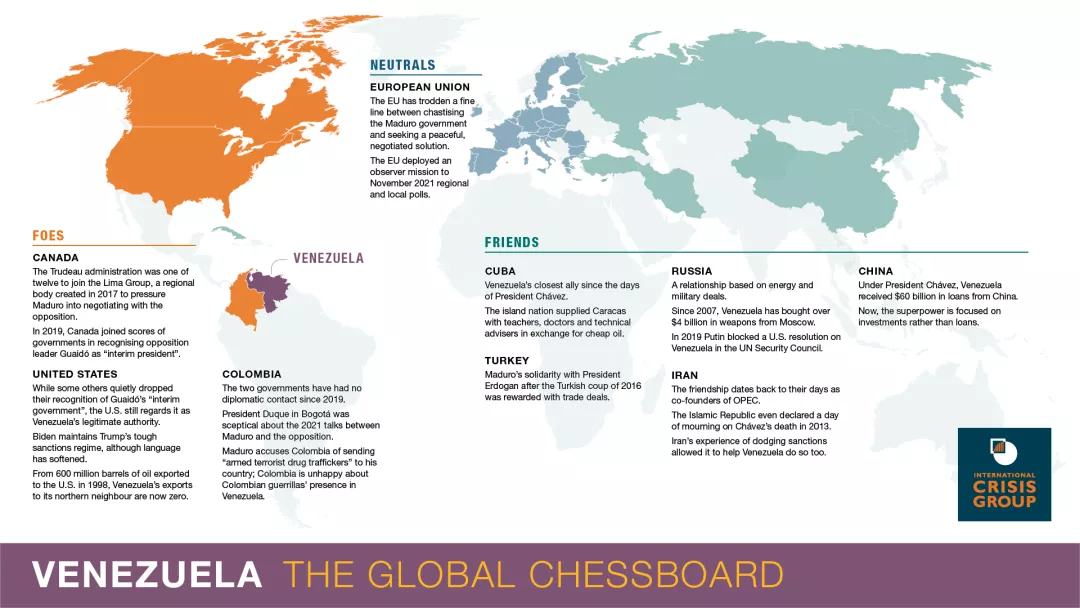
Cuban Aid Flotilla Arrives Amid Sanctions
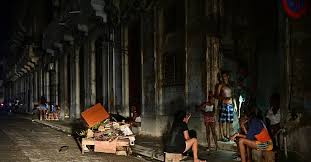
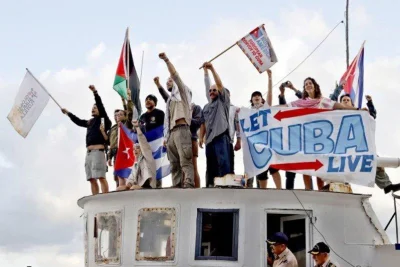
A humanitarian flotilla carrying aid to Cuba arrived in Havana on March 24, 2026, as part of an international initiative aimed at delivering supplies amid U.S. sanctions and a fuel blocka...
Cuba is experiencing a severe energy crisis, with nationwide blackouts affecting millions of residents. The national electrical grid has collapsed in several regions, leaving homes, hospi...
The COVID-19 pandemic has served as a stress test for the model of stakeholder capitalism, in which companies are expected to consider the interests of employees, customers, communities, ...
Major Canadian Political and Social Events Timeline body { font-family: Arial, sans-serif; background-color: #f4f4f9; margin: 0; padding: 0; } .timeline-container { m...
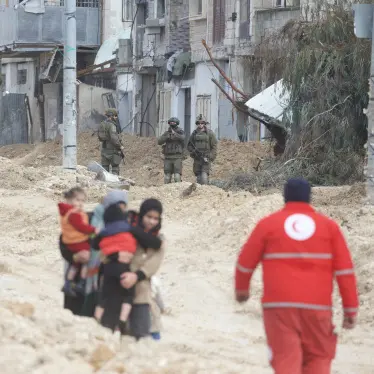
There is no real pause button for civilians in the West Bank and Gaza. The restrictions do not switch off at night. The fear does not fade with sunrise. Checkpoints, roadblocks, military ...
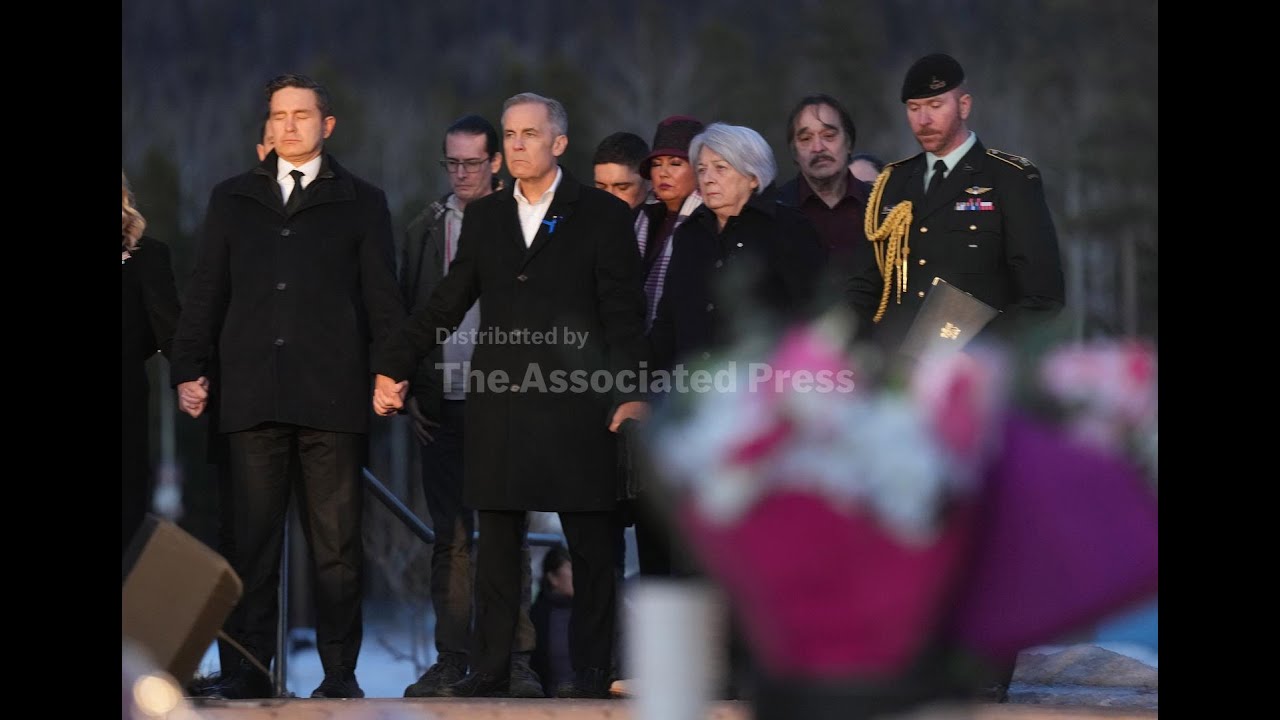
On February 13, 2026, Canadian Prime Minister Mark Carney and opposition leader Pierre Poilievre stood hand in hand with community members at a candlelight vigil in the northern British C...
Germany faces hospital capacity strain amid physician shortages On February 19, 2026, German health authorities reported that hospitals across multiple federal states are exper...
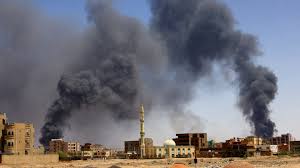
Sudan ceasefire violations continue despite international monitoring In early February 2026, international observers and humanitarian organizations reported multiple ceasefire ...
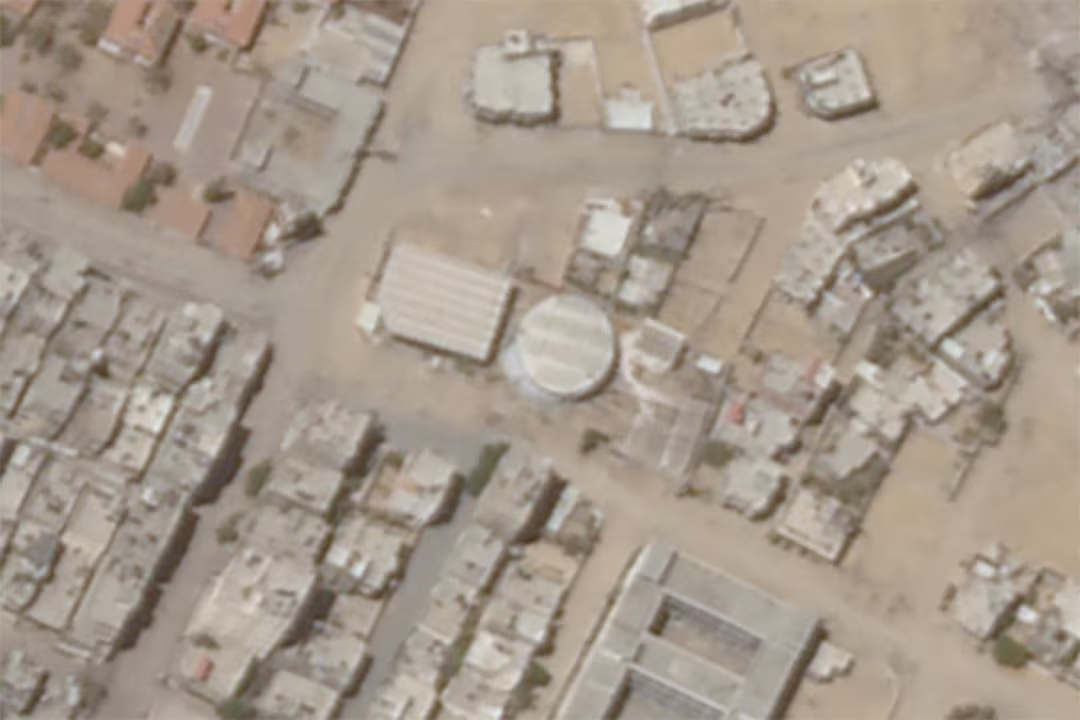
Infrastructure Under Fire: Gaza’s Water Systems Since 1948 body { font-family: Arial, Helvetica, sans-serif; line-height: 1.6; margin: 40px; c...
Event Timeline body { font-family: Arial, sans-serif; background-color: #f4f4f9; margin: 0; padding: 0; } .timeline-container { max-width: 900px; margin: 50px auto; p...
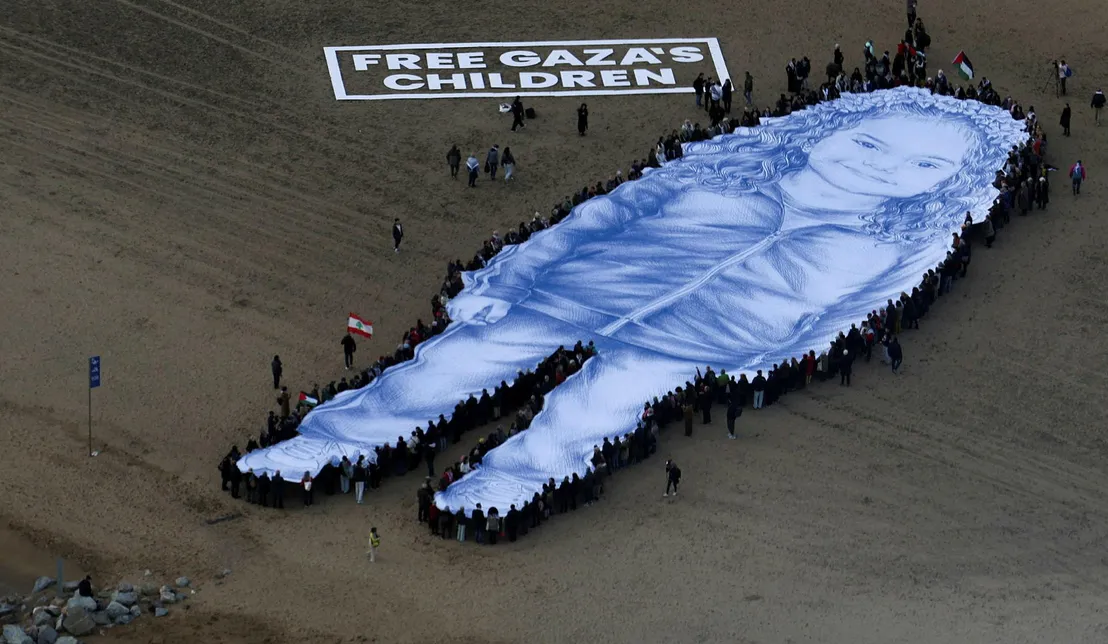
Humanitarian Reports Highlight Critical Conditions of Children in Palestine Humanitarian organisations and United Nations agencies have reported that many children in Palestini...
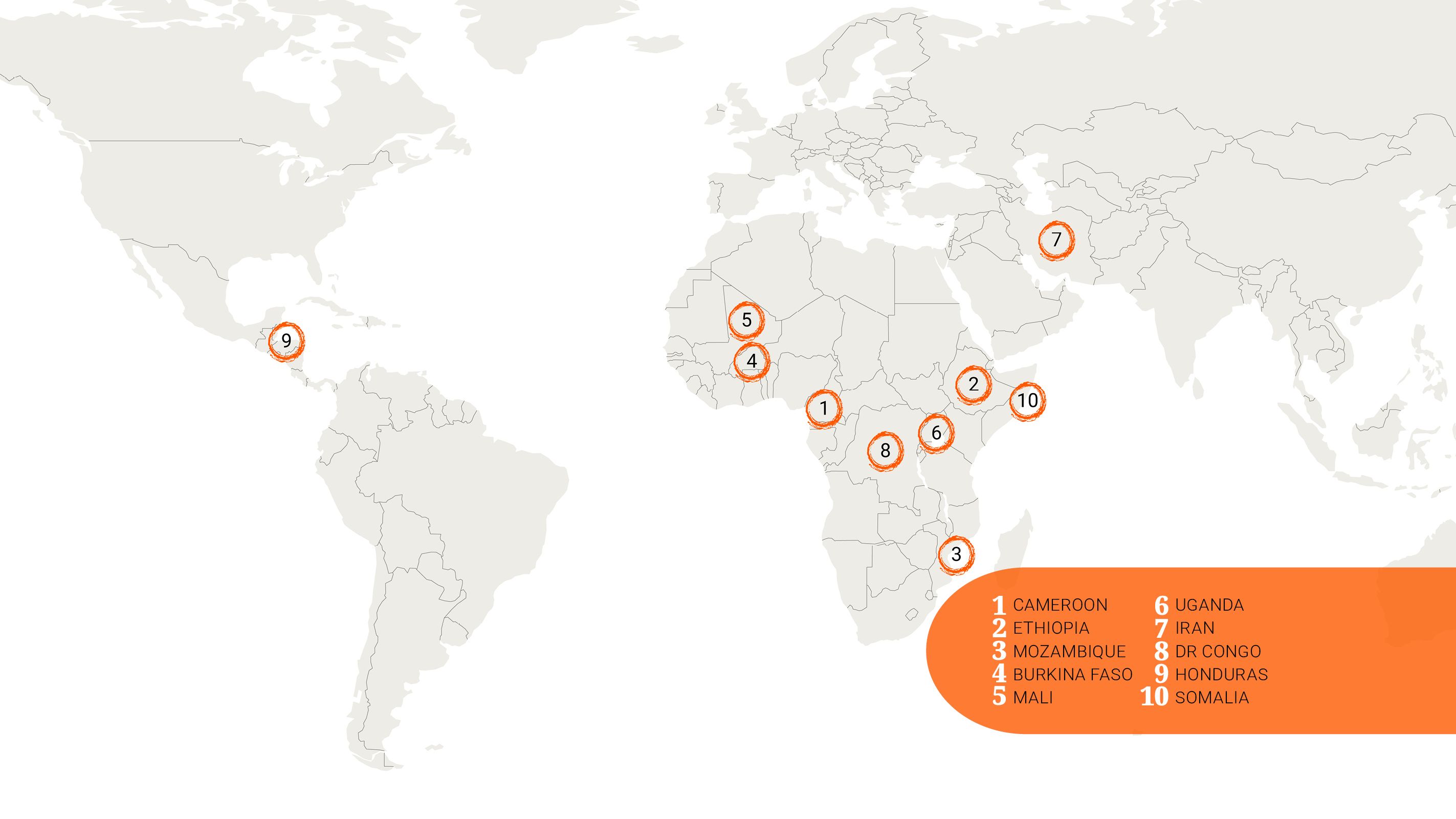
On January 28, 2026, the tenth annual CARE Crisis Report was published, identifying the ten most under‑reported humanitarian crises of 2025 worldwide. The report found that the Central Af...
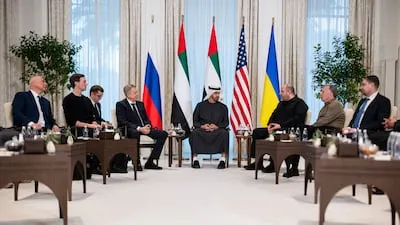
On January 25, 2026, Ukraine, Russia, and United States negotiators continued trilateral talks in Abu Dhabi aimed at negotiating terms to end the ongoing Russian invasion of Ukraine. Thou...
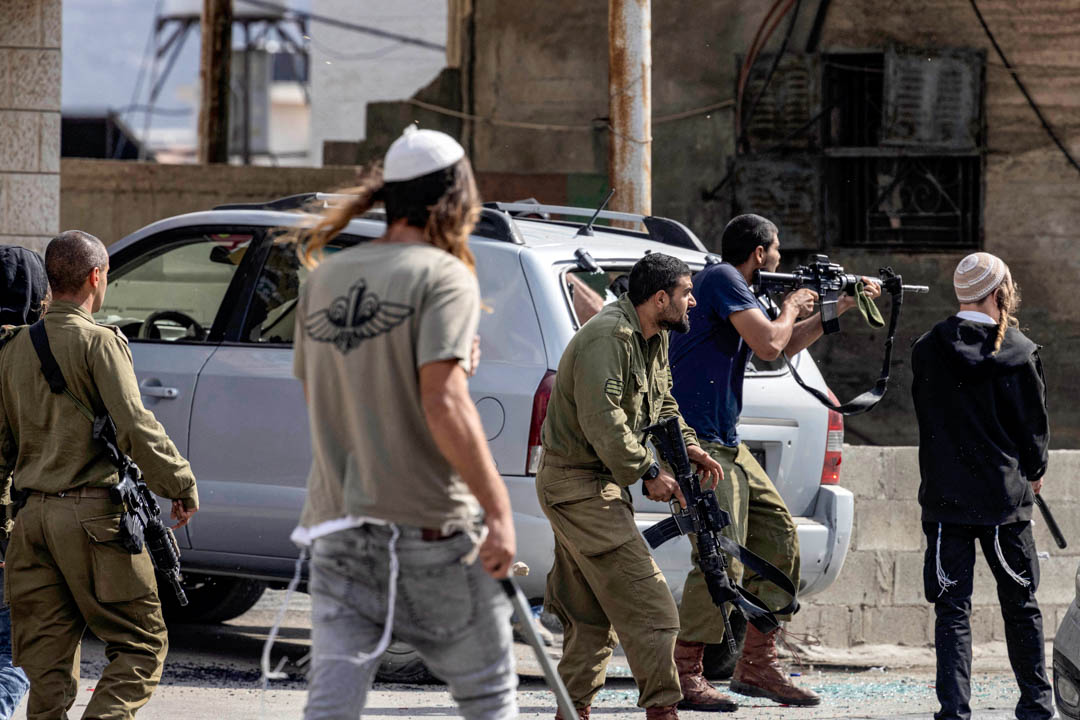
On January 24, 2026, multiple news sources reported that Israeli settlers allegedly beat three residents, including a 70‑year‑old man, on the outskirts of a town in the occupied West Bank...
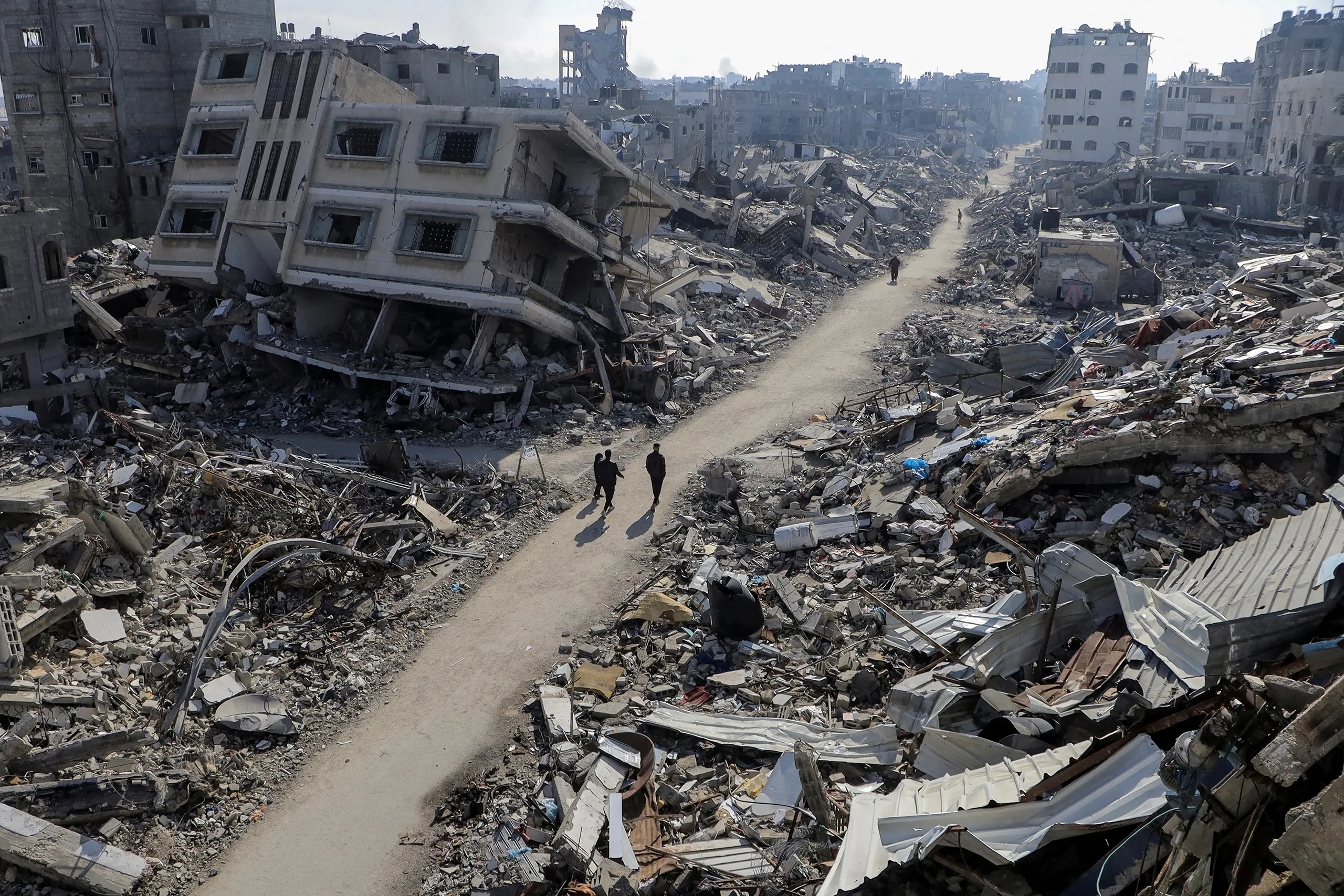
Gaza Death Toll Surges Above 71,000 as Humanitarian Crisis Persists Medical authorities in the Gaza Strip reported on January 19 2026 that the cumulative death toll from the ongoing conf...
Trump Links Greenland Push to Nobel Snub, EU Considers Retaliatory Tariffs On January 19, 2026, U.S. President Donald Trump linked his campaign to assert control over Greenland to his fa...
A major geopolitical event in early January 2026 — the capture of Venezuelan President Nicolás Maduro by U.S. special operations forces — triggered rapid shifts in international financial...
Israeli sexual crime statistics in 2024 and report findings In 2023 the Association of Rape Crisis Centers in Israel (ARCCI) received 17,484 new complaints of sexual offences, including ...
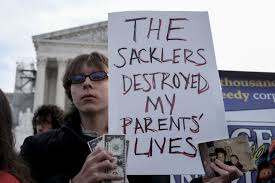
Sackler family dispute over responsibility for opioid crisis On February 15, 2024, legal filings and testimony related to bankruptcy proceedings involving Purdue Pharma revealed internal...
On April 9, 2020, the World Economic Forum (WEF) published an article titled “Lockdown is the world’s biggest psychological experiment – and we will pay the price,” examining the mental h...
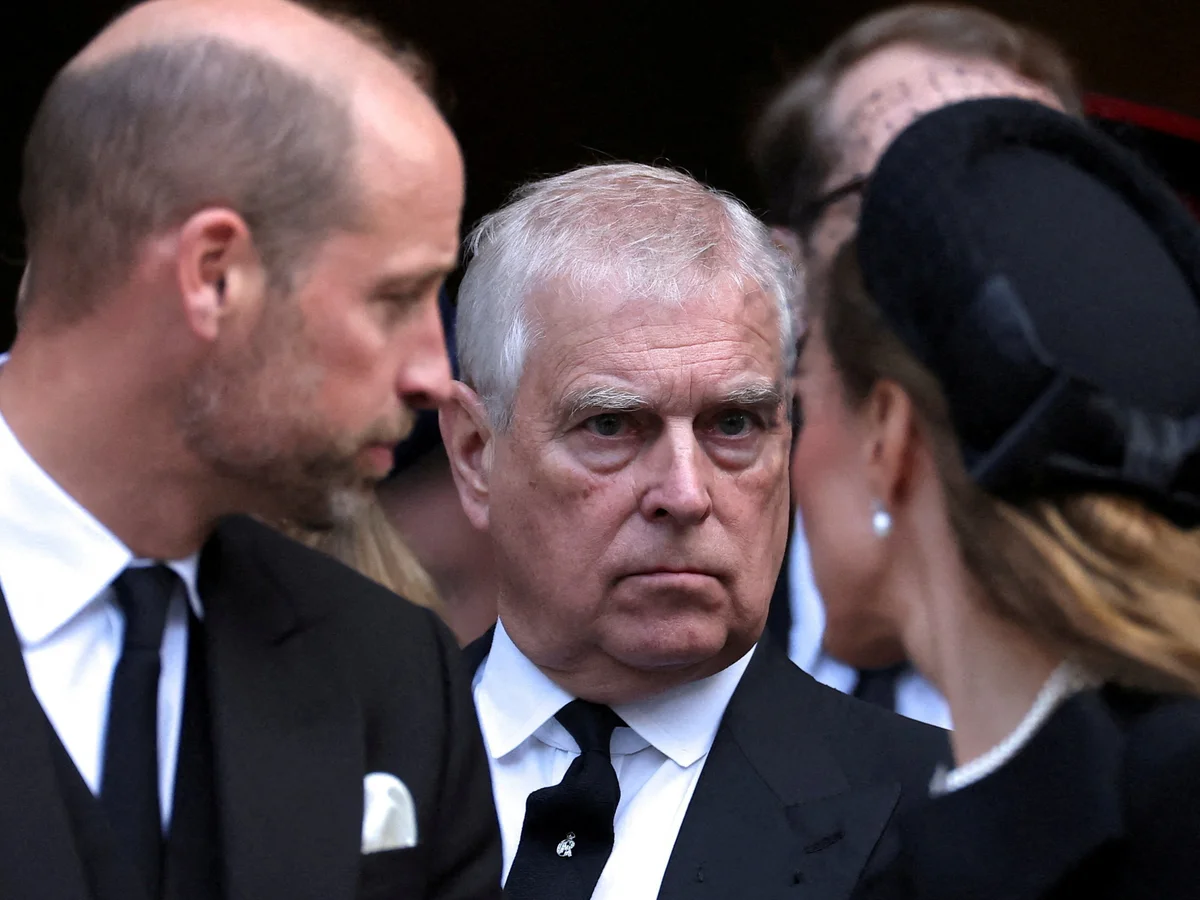
In 2019, following the widely criticised BBC interview in which Prince Andrew addressed his relationship with convicted sex offender Jeffrey Epstein, Prince William reportedly began pushi...
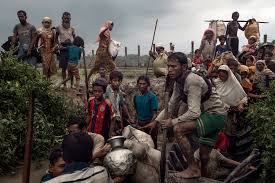
On August 25, 2017, the Arakan Rohingya Salvation Army (ARSA) attacked police posts in Rakhine State, Myanmar. The Myanmar military responded with coordinated operations against Rohingya ...
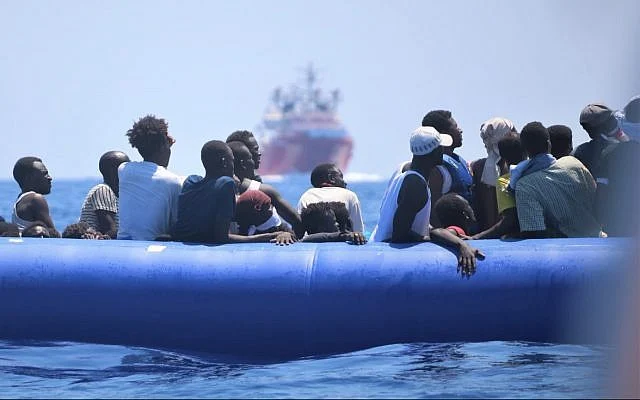
Israeli and Jewish aid groups support migrant and refugee assistance in Europe On September 5, 2015, IsraAID, an Israeli non-governmental organization founded in 2001 to provide disaster...
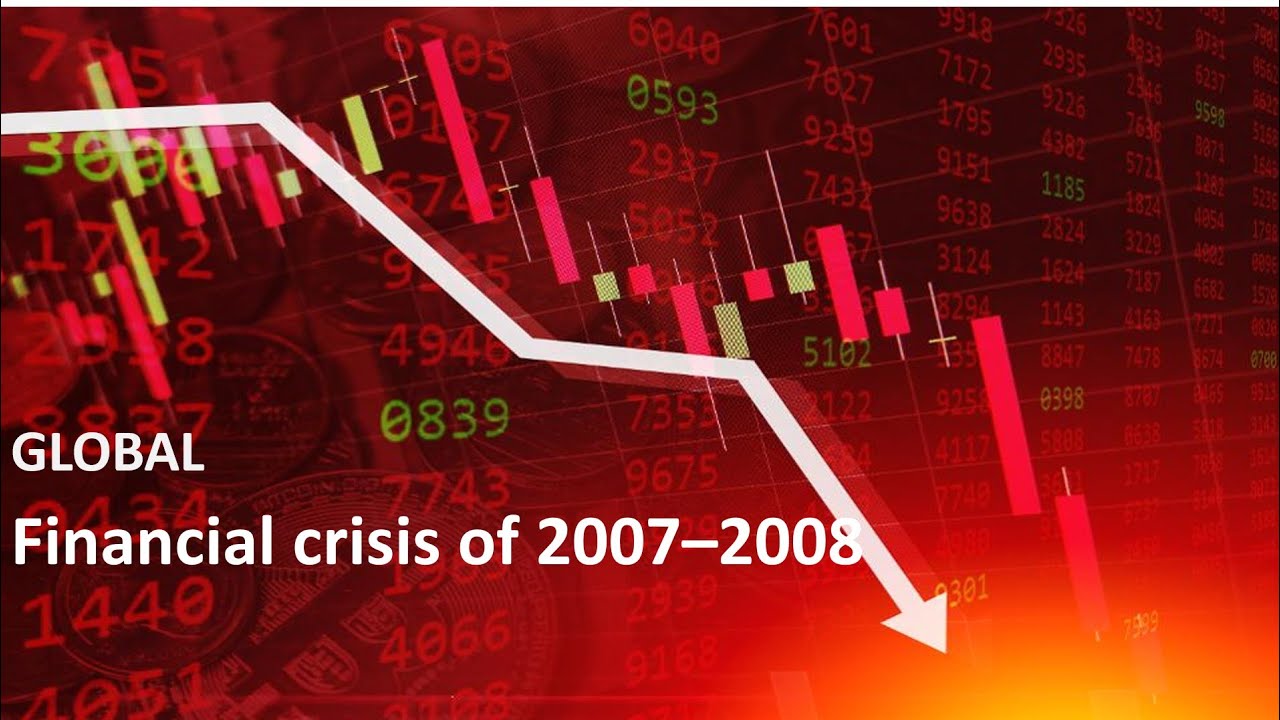
The Global Financial Crisis was triggered by the collapse of major financial institutions following widespread failures in mortgage-backed securities and excessive leverage within the ban...
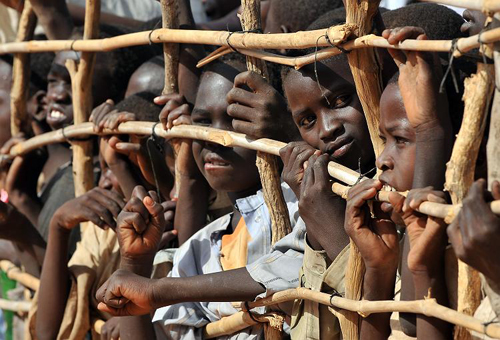
Darfur Genocide On February 26, 2003, rebel groups in Darfur, Sudan, including the Sudan Liberation Army and Justice and Equality Movement, launched attacks against government installati...
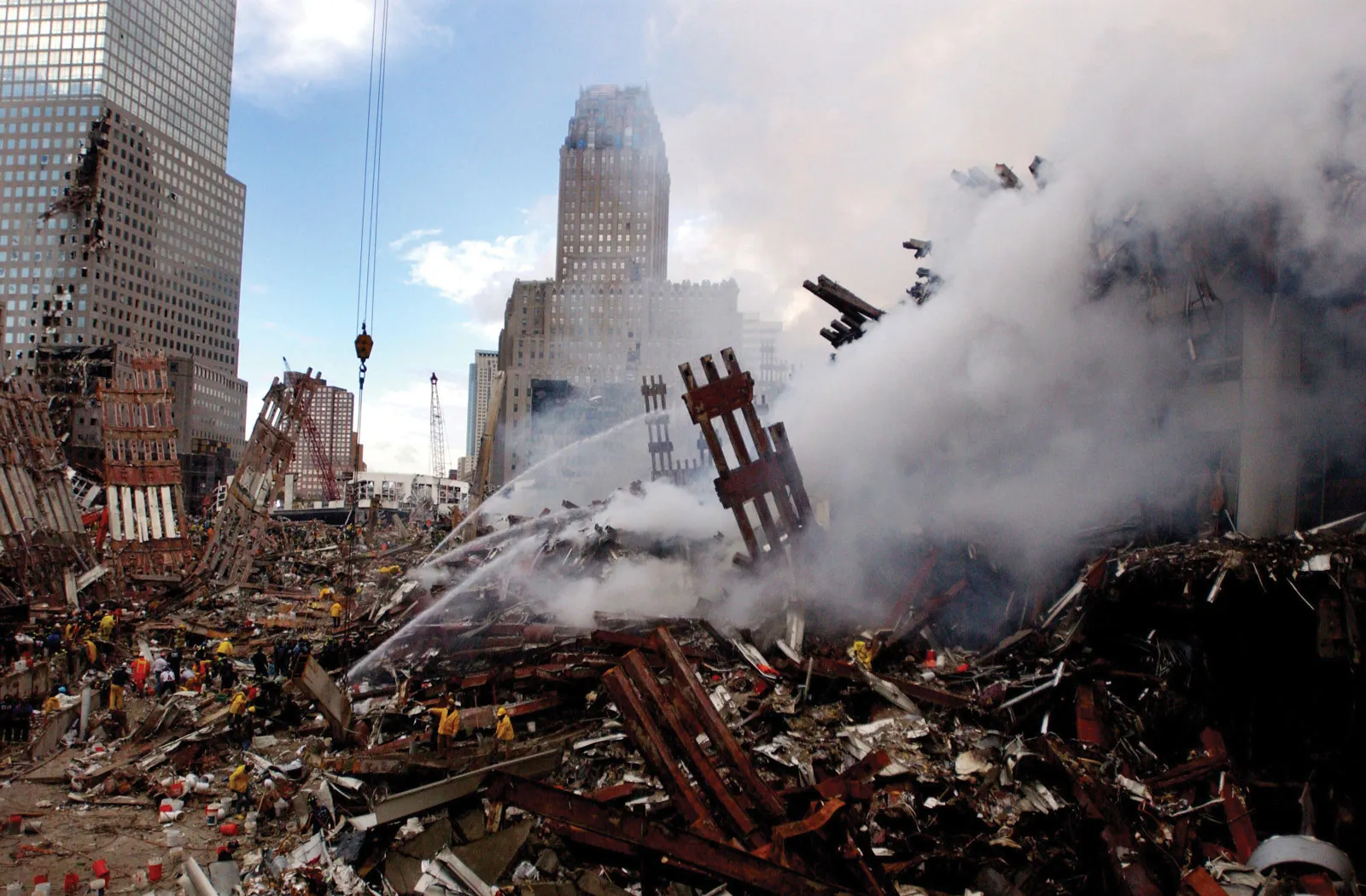
September 11 Attacks 2001 September 11 Attacks 2001 On September 11, 2001, nineteen militants associated with the Islamist extremist group al Qaeda hijacked four commercia...
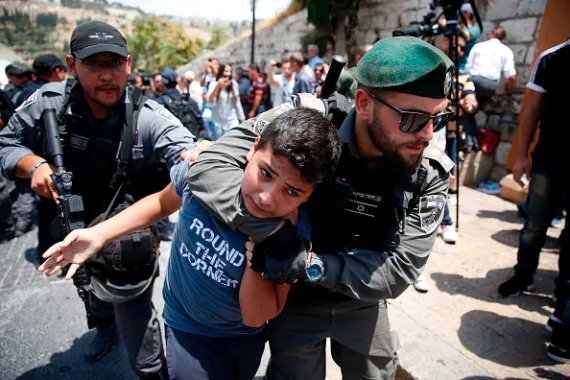
Palestinian children are regularly arrested and detained by Israeli authorities, primarily for security-related offenses, but there is no separate prison exclusively for them. They are he...
Christine Maxwell’s Technology Work and Family Connections Christine Yvonne Malina‑Maxwell is a British technology entrepreneur and co‑founder of software companies such as Magellan and ...
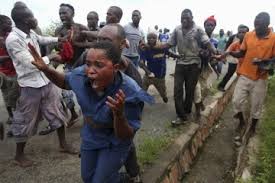
In 1993, Burundi experienced a brutal ethnic conflict that resulted in a genocide primarily targeting the Hutu population. The violence erupted after the assassination of the first democr...
The Burundi Genocide of 1972 was a mass killing event targeting primarily the Hutu ethnic group by the Tutsi-dominated government.The violence began in April 1972 following a Hutu-led upr...
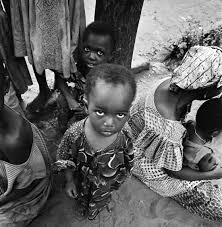
The Biafran mass killings occurred during the Nigerian Civil War, which lasted from 1967 to 1970. Following the secession of the southeastern provinces of Nigeria and the declaration of t...
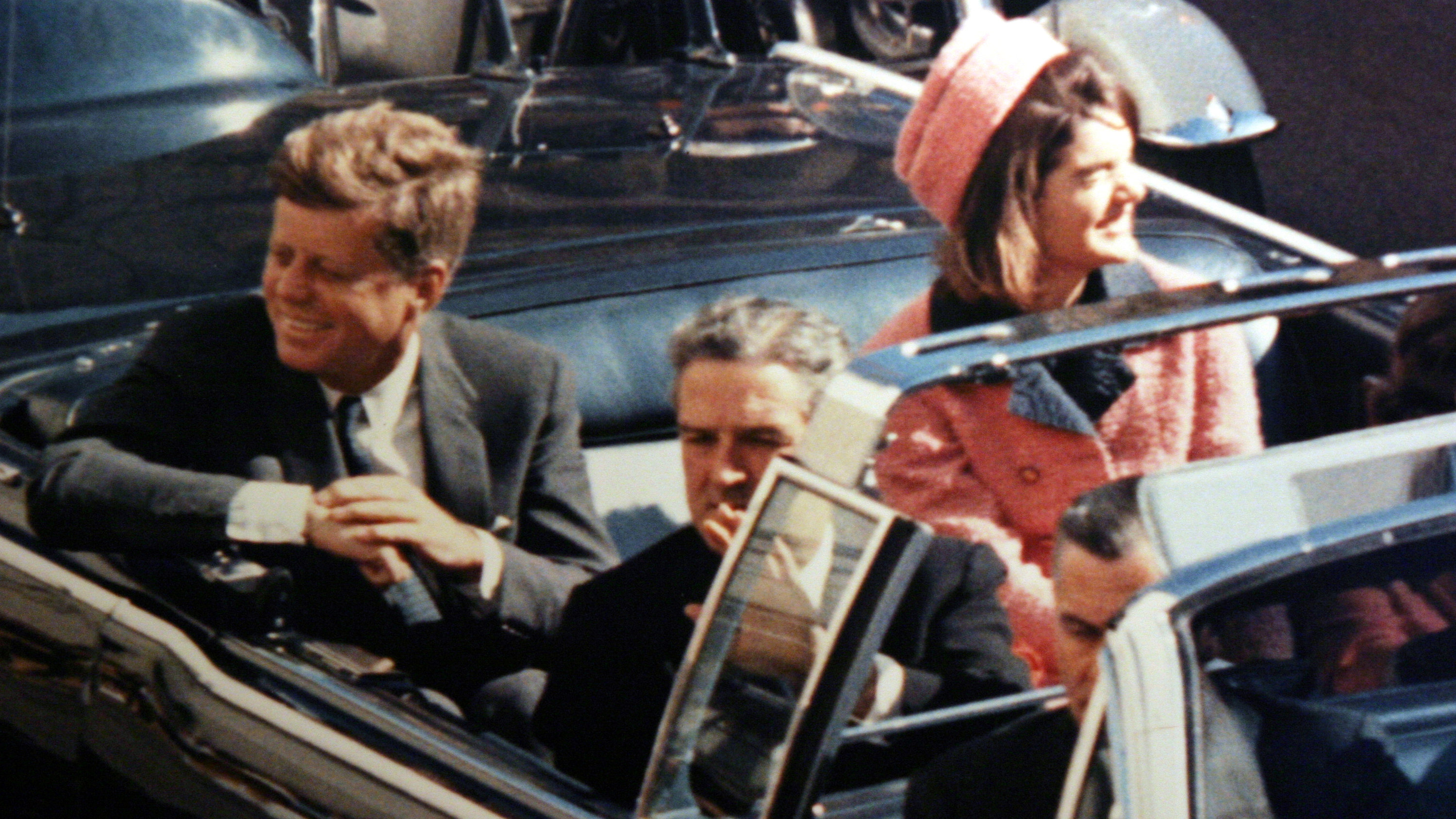
The assassination of John F. Kennedy, the 35th President of the United States, occurred on November 22, 1963, in Dallas, Texas. Kennedy was fatally shot while riding in a motorcade throug...
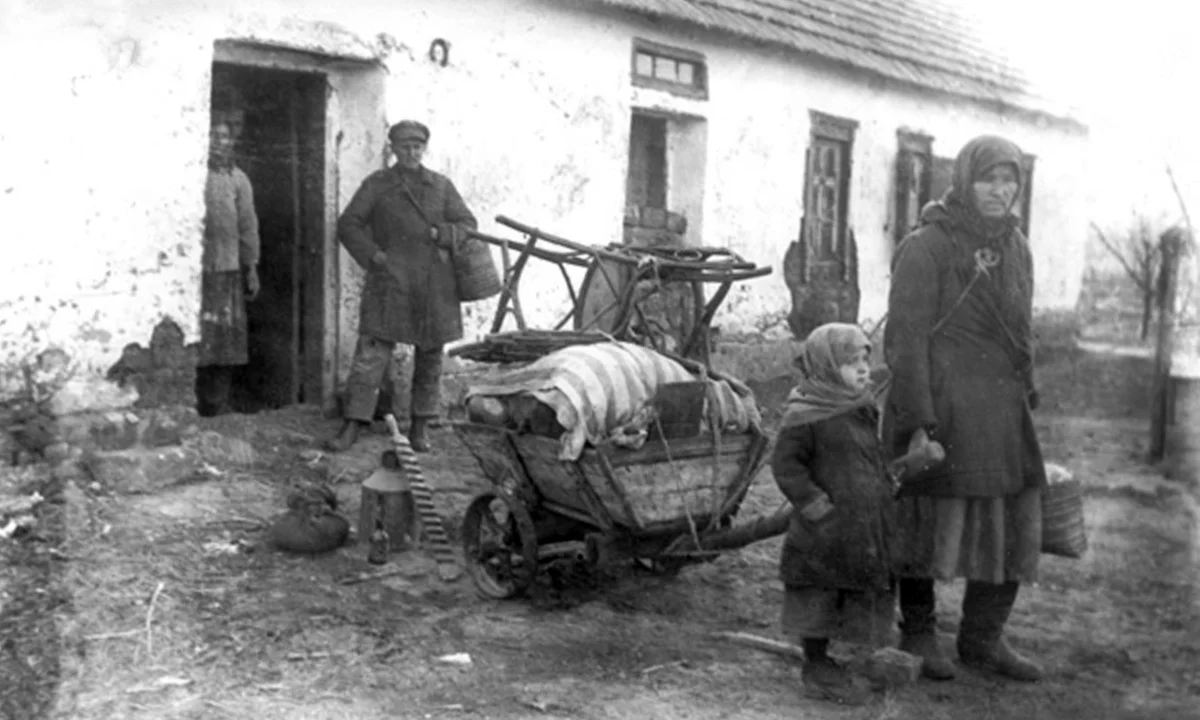
Soviet-Era Famines Under Bolshevik Rule Between 1930 and 1933, a series of mass famines occurred across the Soviet Union following Bolshevik policies of forced collectivization...
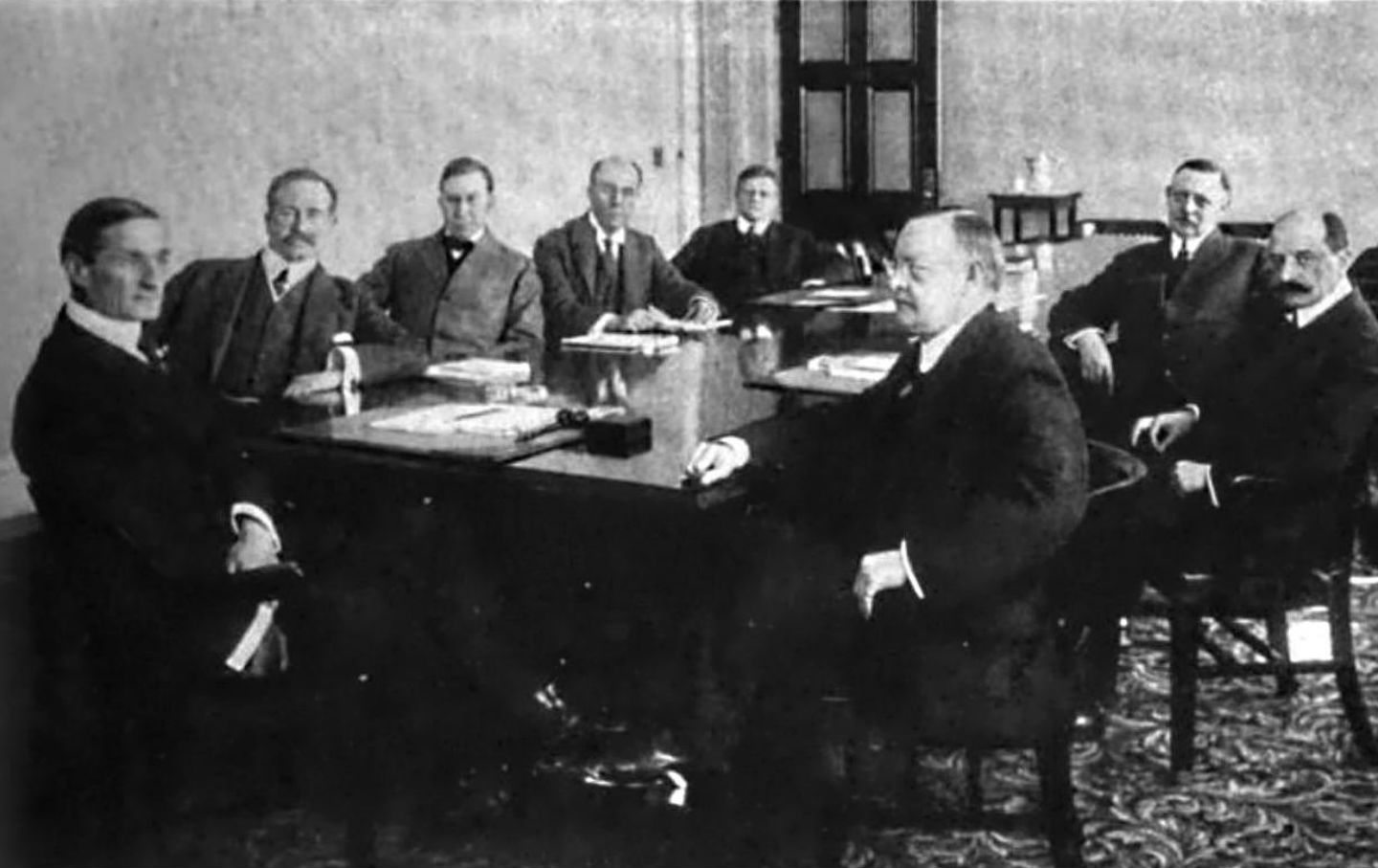
The creation of the Federal Reserve System on December 23, 1913, established the central banking authority of the United States. It was enacted through the Federal Reserve Act, signed int...
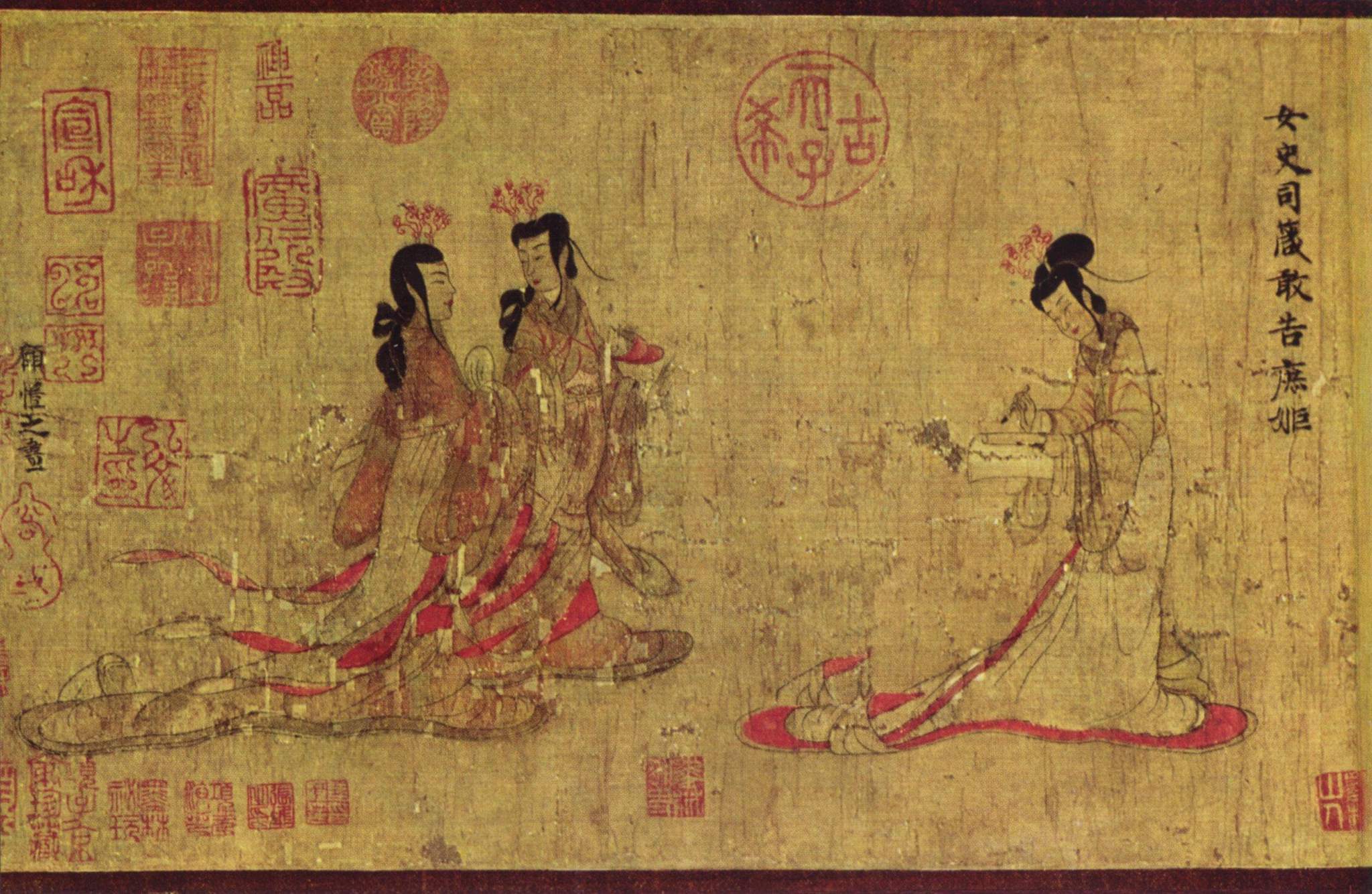
The Jin dynasty court experienced severe internal divisions fueled by rival factions vying for control after a series of military defeats. These conflicts weakened centralized rule and tr...
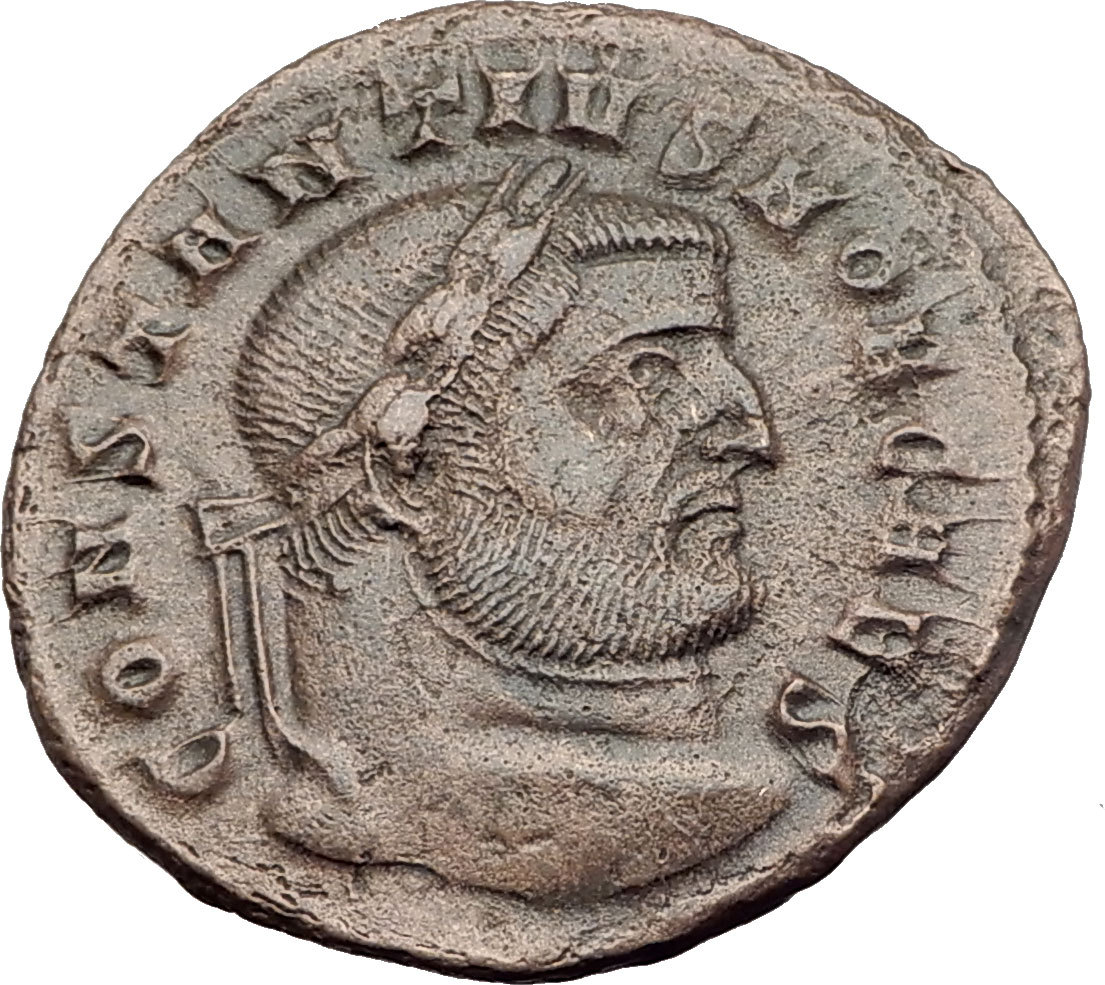
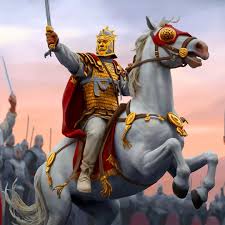
Constantius Chlorus was elevated to the rank of Augustus on May 1st, 305, following the abdication of the previous Tetrarchs, Diocletian and Maximian. This event marked a significant tran...
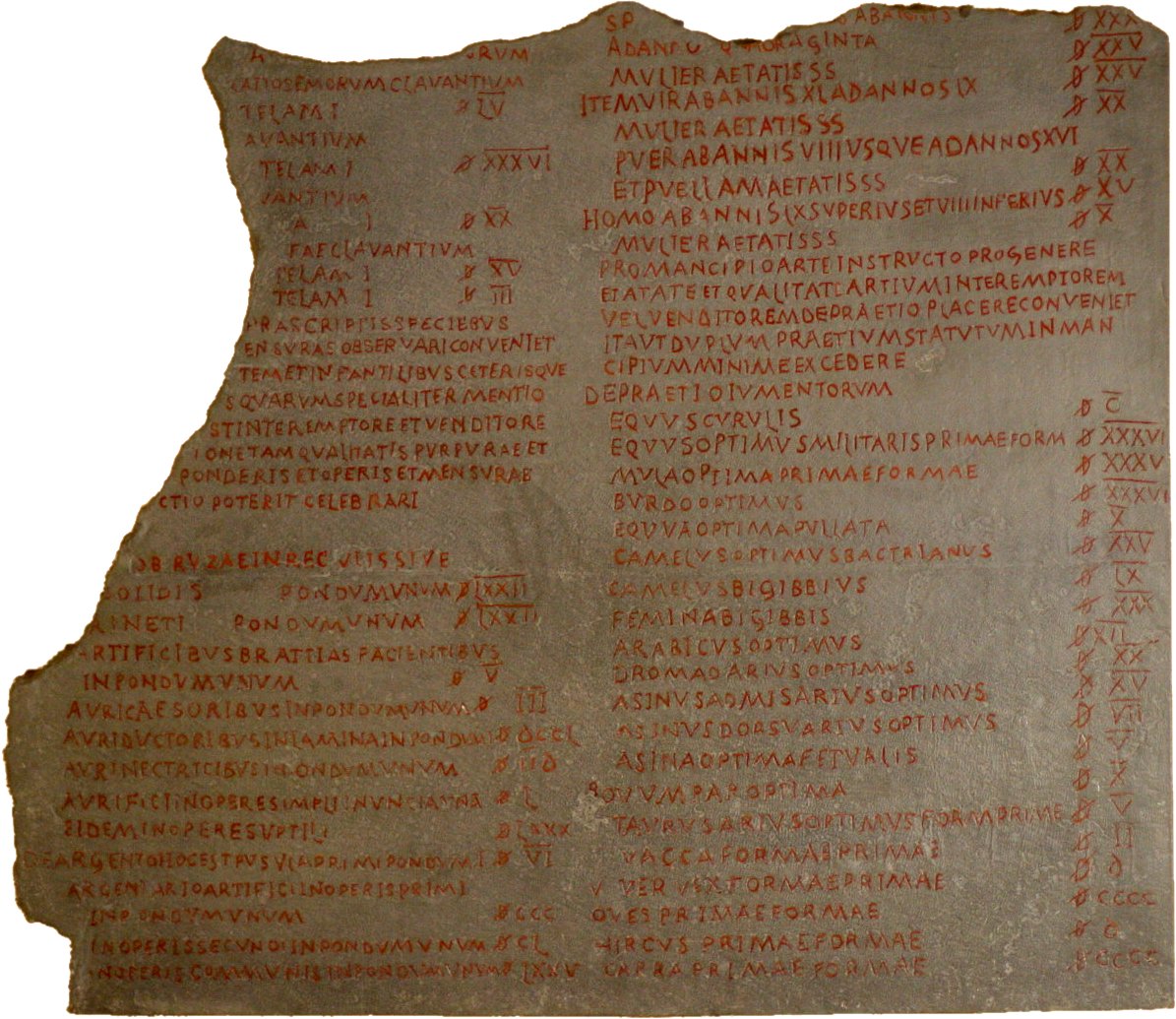
The Edict on Maximum Prices was promulgated under Emperor Diocletian in an effort to curb rampant inflation throughout the Roman Empire. The edict set maximum prices for over a thousand g...
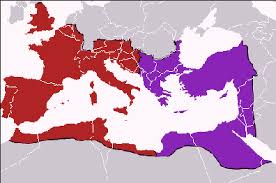
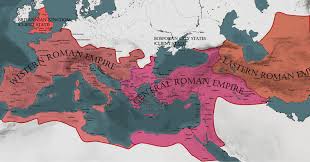
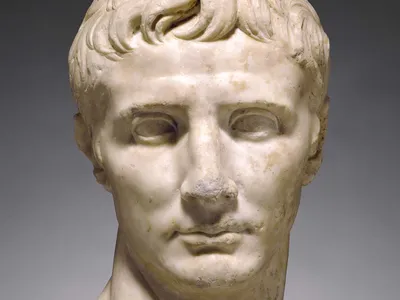
The Tetrarchy was established by Emperor Diocletian in 293 to address administrative and military challenges in the Roman Empire. This political system divided the empire into four parts,...
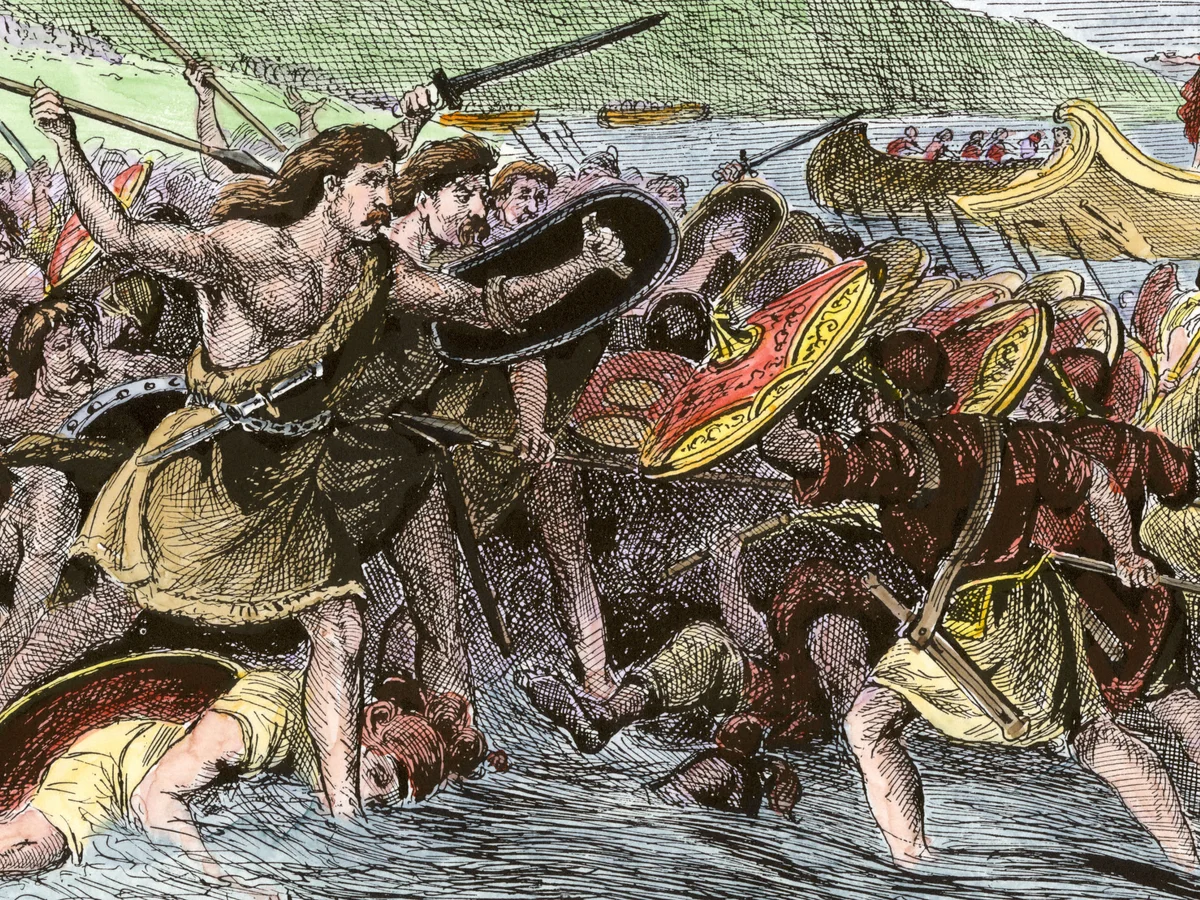
Carausius, a Roman naval commander, declared himself emperor in Britain and northern Gaul after seizing power around 286 CE. His revolt challenged the authority of the central Roman Empir...
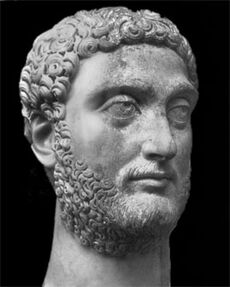
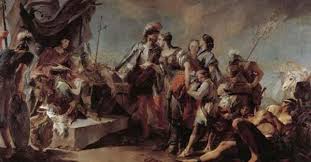
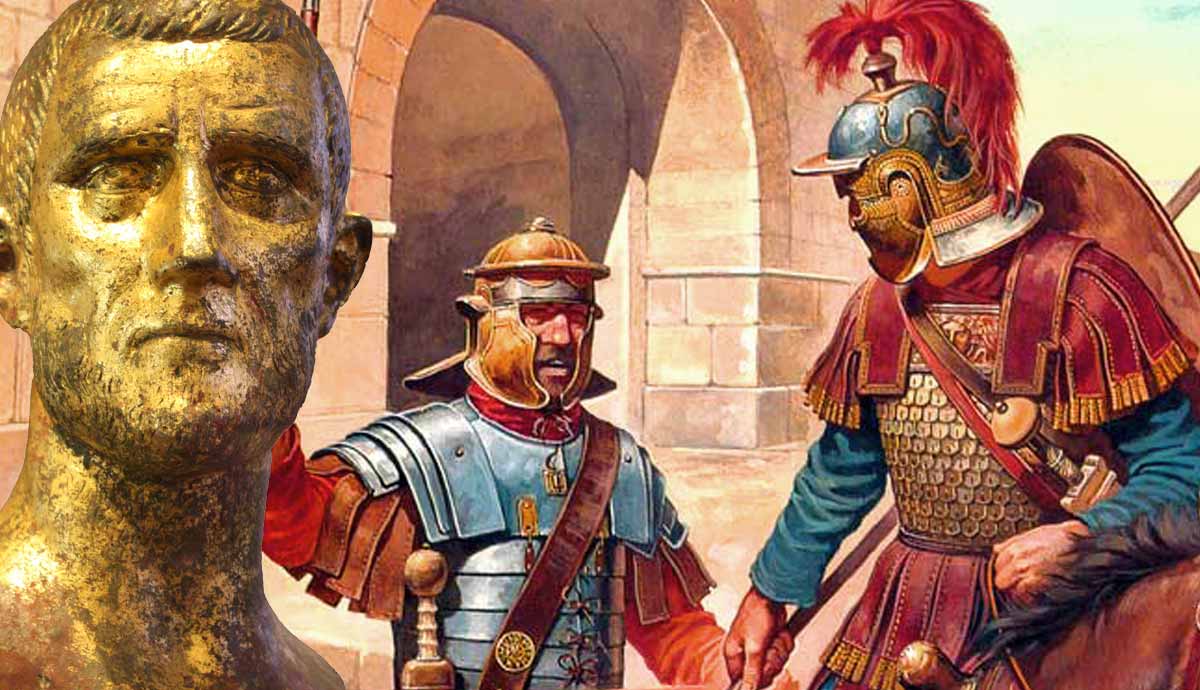
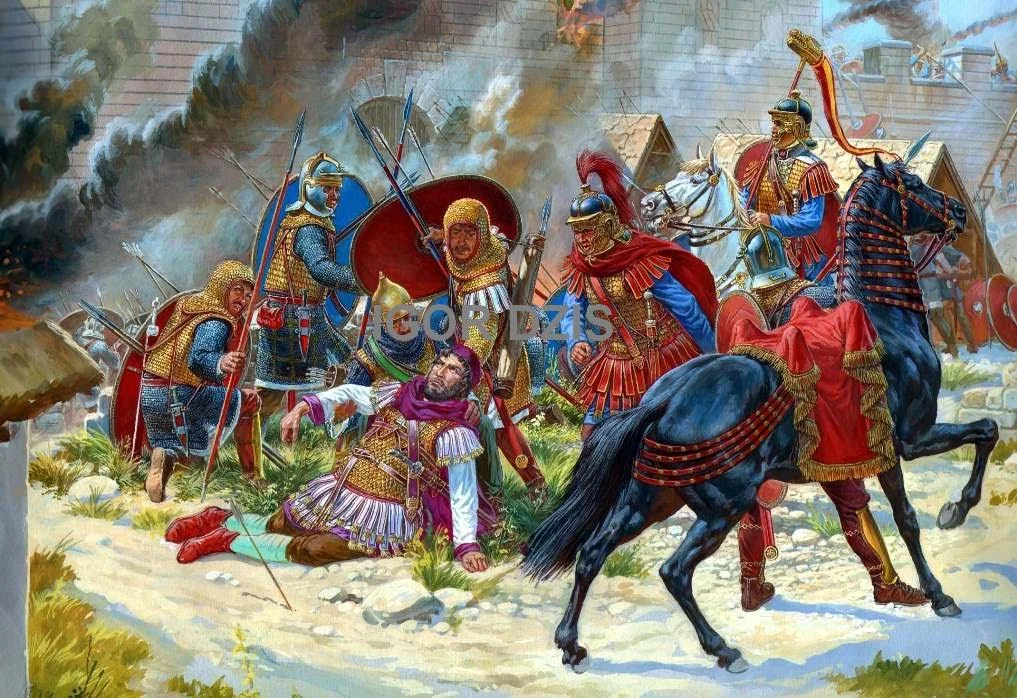
The Battle of the Margus was a significant confrontation between Emperor Carinus and his rival, Diocletian, near the Margus River in the Roman province of Moesia Superior. This battle mar...
The Battle of the Margus was a significant confrontation between the Roman emperors Carinus and Diocletian. The battle took place near the Margus River, in the region of Mačva, which is i...
Roman Emperor Numerian died under suspicious circumstances while returning from a campaign in the East. His death was discovered by his troops near the region of Corduene.After his death,...
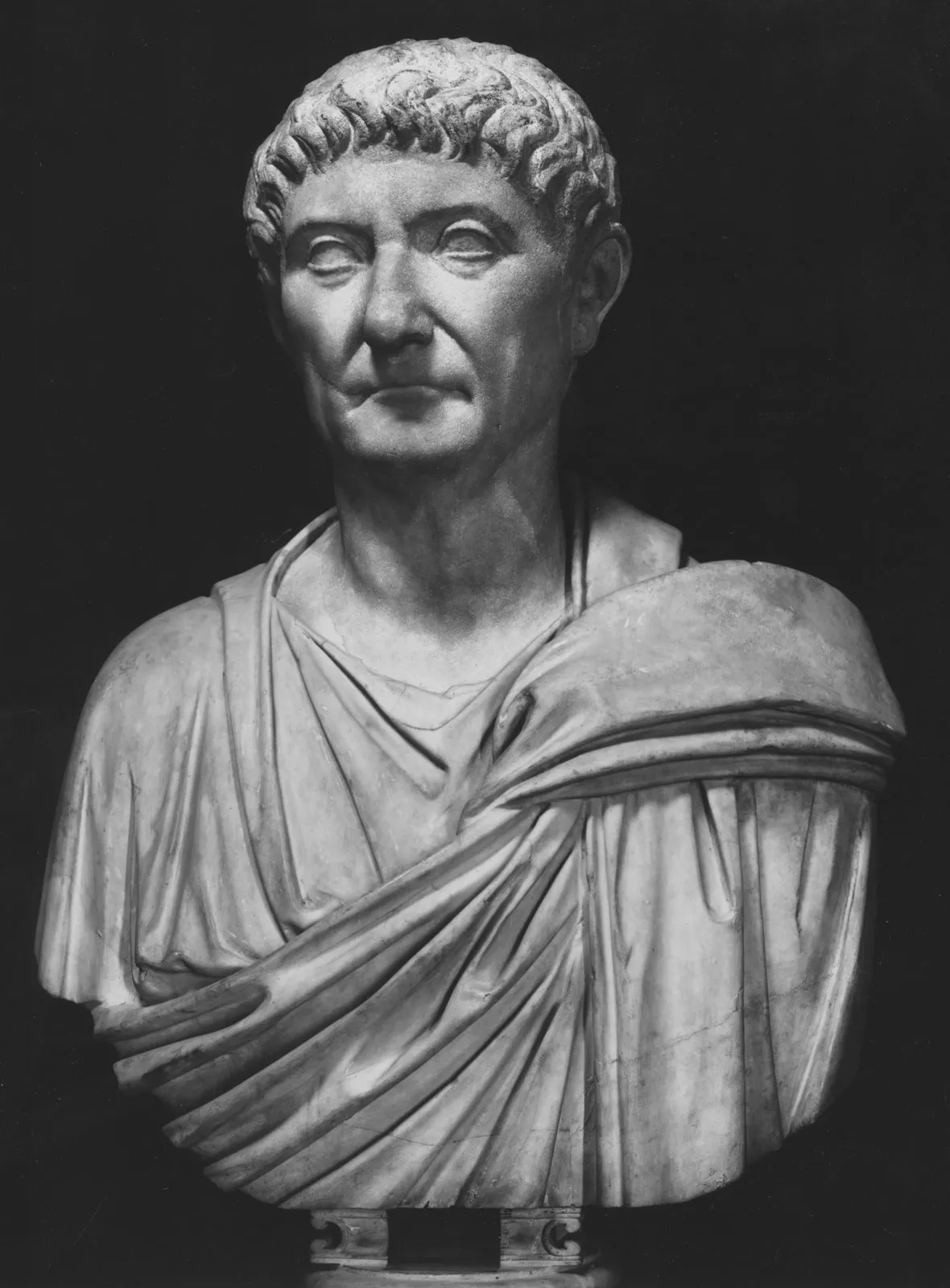
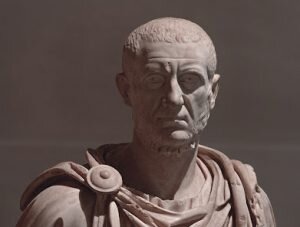
Diocletian was proclaimed emperor by his troops in Nicomedia following the death of Emperor Carus. His rise marked the end of a period of civil wars and instability in the Roman Empire.Di...
After the death of Emperor Carus during a campaign in Persia, his son Numerian became the new Roman Emperor. The accession was initially peaceful, with Numerian holding power alongside hi...
Carinus became Roman Emperor following the death of his father, Emperor Carus, in late March. His accession marked a period of internal instability as the empire faced multiple external t...
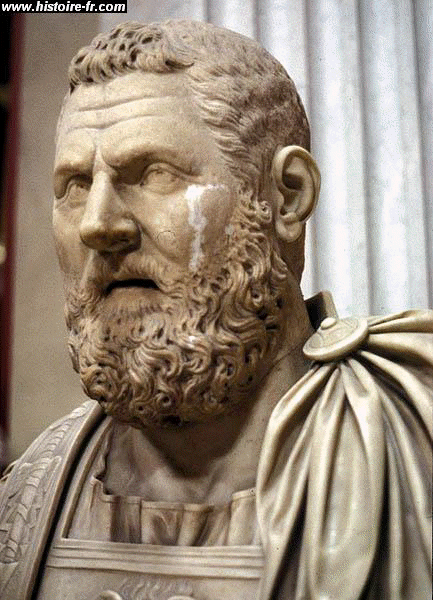
Emperor Probus was assassinated by his own soldiers after numerous military campaigns to secure the Roman Empire's borders. His leadership was challenged internally despite his successes ...
Carus was proclaimed emperor of the Roman Empire shortly after the death of Emperor Probus. His accession marked a shift in imperial policy as he sought to stabilize the empire's borders ...
Emperor Probus led the Roman legions to repel multiple Germanic invasions along the Danube frontier. These incursions threatened the stability of the northern borders of the Roman Empire ...
Marcus Aurelius Probus was proclaimed Roman Emperor by his troops in September 276 after the death of Emperor Florianus. His accession marked a period of efforts to restore stability with...
Emperor Aurelian, a prominent ruler of the Roman Empire known for his military prowess, was assassinated by his own soldiers in late September. The assassination occurred as the emperor p...
Tacitus was proclaimed Roman Emperor following the death of Emperor Aurelian. His ascension marked a brief but significant moment in the Crisis of the Third Century, reflecting ongoing in...
Emperor Aurelian successfully reunified the Roman Empire after a period of fragmentation and civil war. His military campaigns defeated breakaway states such as the Gallic Empire and the ...
In late September, Emperor Aurelian engaged and defeated the forces of the breakaway Gallic Empire near Châlons-en-Champagne. This victory effectively ended the secession of Gaul and rees...
The Battle of Châlons was fought between the forces of the Roman Emperor Aurelian and the Gallic usurper Tetricus. This conflict was a decisive engagement aimed at restoring Roman authori...
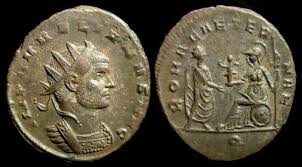
Emperor Aurelian implemented a major monetary reform aimed at stabilizing the Roman currency system after years of debasement. The reform introduced new silver coins with improved purity ...
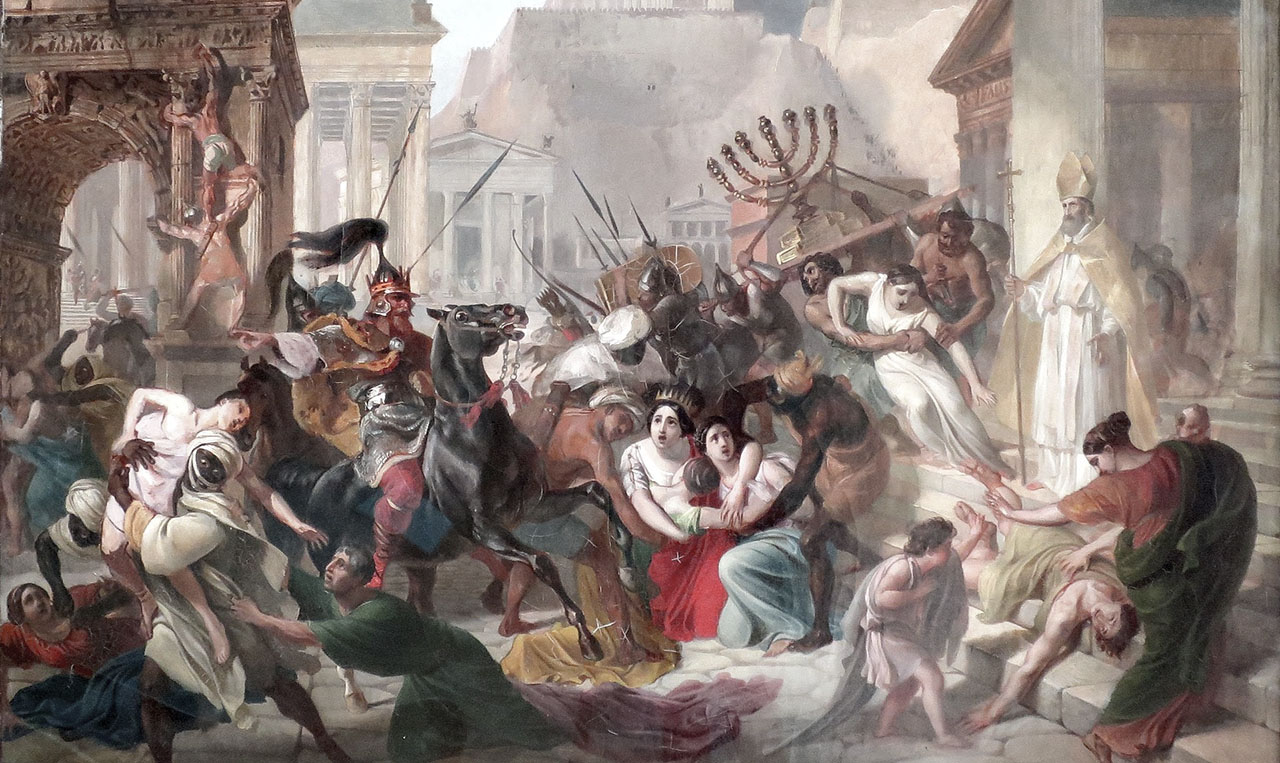
Queen Zenobia of Palmyra was captured following the Roman Emperor Aurelian's siege of her capital. Her defeat marked the end of the Palmyrene Empire's attempt to assert independence from ...
Roman Emperor Aurelian defeated the invading Juthungi tribe near the city of Placentia in northern Italy. This battle was a decisive moment in securing the Roman Empire's northern borders...
Aurelian was proclaimed emperor by his troops following the death of Emperor Claudius Gothicus. His accession marked a significant turning point during the Crisis of the Third Century.He ...
Claudius II Gothicus, Roman Emperor known for military victories against Gothic tribes, died in Sirmium after a period of illness. His death marked a significant moment in the turbulent C...
The Battle of Naissus was a significant conflict fought near the ancient city of Naissus, now known as Niš, in the Nišava District. It occurred during the crisis of the Roman Empire and i...
Emperor Gallienus, ruler of the Roman Empire during a time of internal strife and external invasions, was assassinated by his own military officers during a siege. His death marked a crit...
Claudius II Gothicus became Roman Emperor following the death of his predecessor. His accession marked a shift during a turbulent period of frequent leadership changes in the empire.Known...
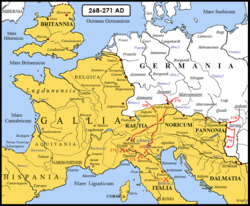
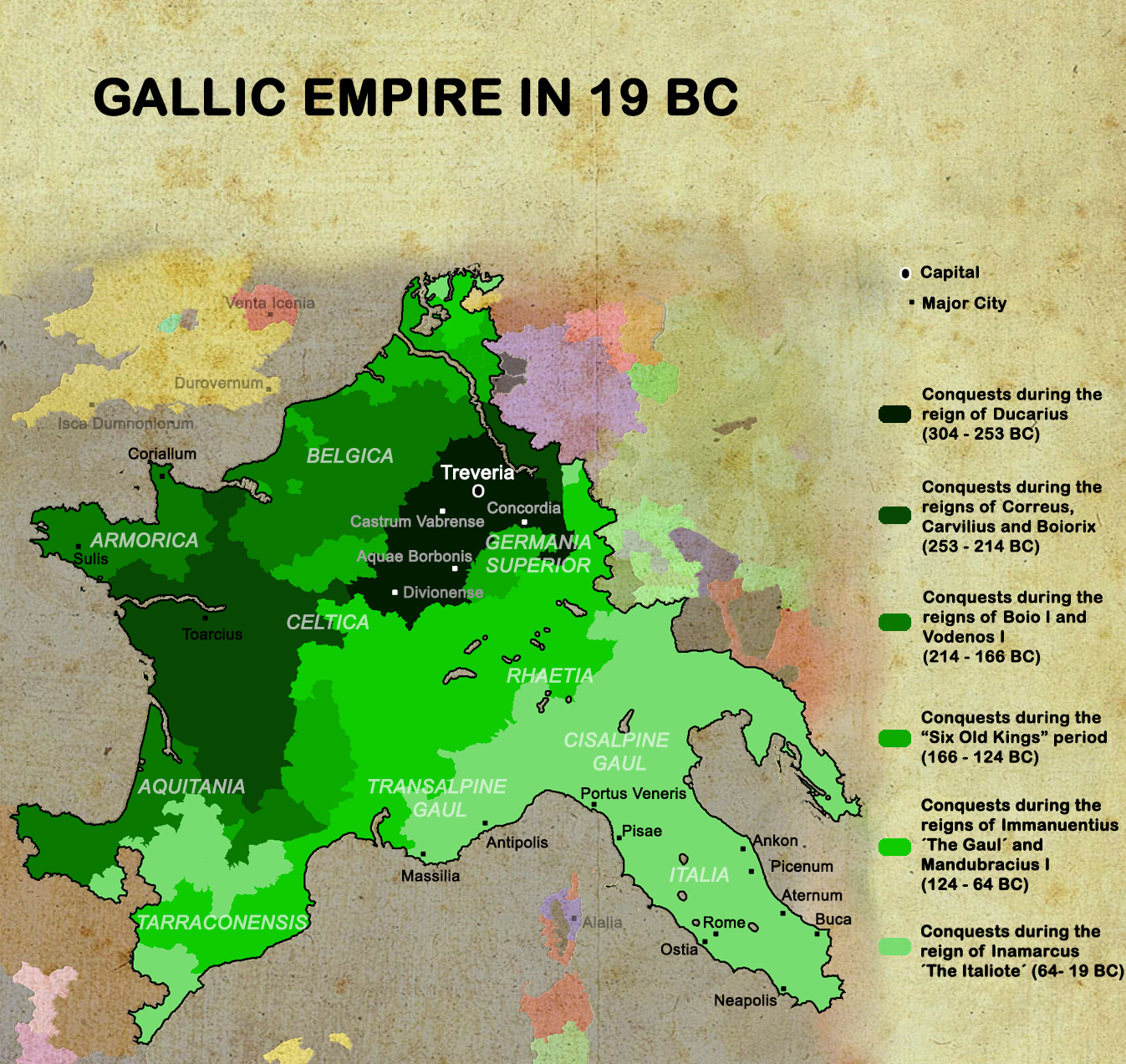
Postumus, a Roman commander, declared himself emperor of a breakaway realm in the western provinces known as the Gallic Empire. This realm comprised Gaul, Germania, Britannia, and Hispani...
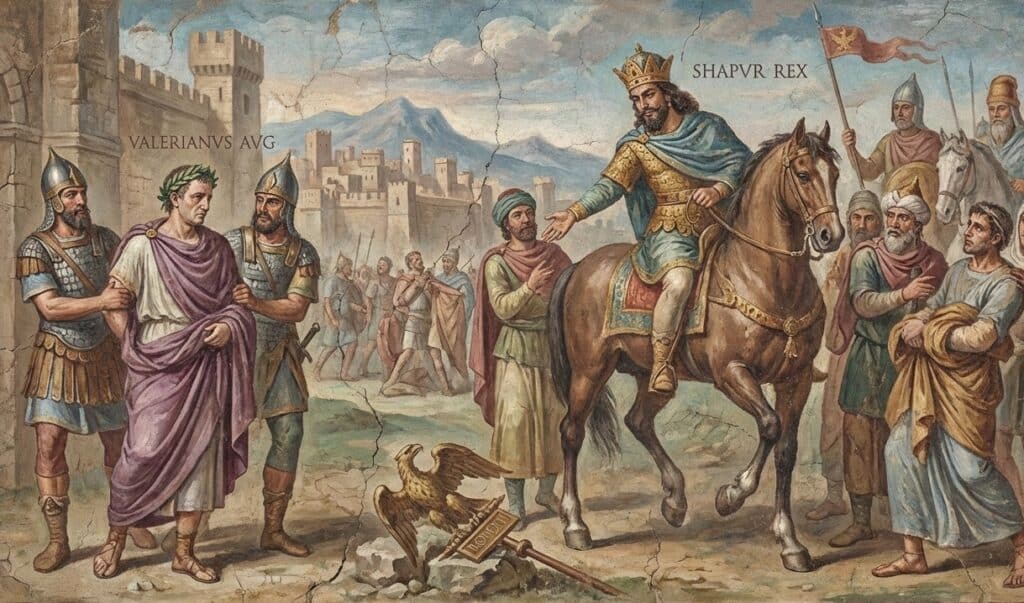
Roman Emperor Valerian was captured by the Sasanian Persian ruler Shapur I during the Battle of Edessa, a significant conflict between the Roman and Sasanian empires. This event marked th...
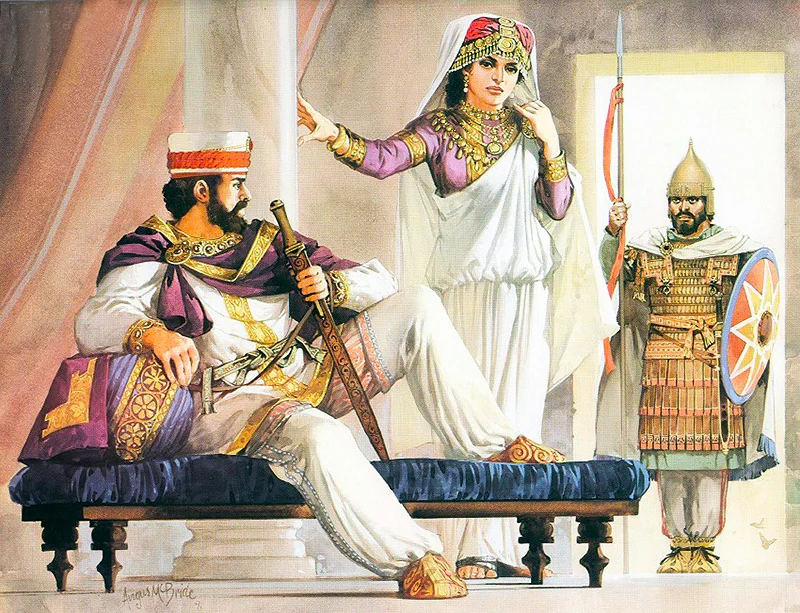
Odaenathus rose to power in Palmyra amid the crisis of the Roman Empire in the mid-3rd century. Following the capture of the Roman Emperor Valerian by the Persians, Palmyra emerged as a r...
Emperor Gallienus initiated a series of military reforms to address ongoing threats to the Roman Empire. These reforms aimed to improve the mobility and responsiveness of the Roman legion...
Valerian was proclaimed Roman Emperor following the death of his predecessor Aemilianus. His accession marked a significant change in leadership during a period fraught with external thre...
Aemilian, a Roman soldier and governor, seized power through a swift military revolt against Emperor Trebonianus Gallus. His accession marked a brief interruption in the Crisis of the Thi...
Gallienus became Roman Emperor following the assassination of his father, Valerian. His accession marked the beginning of a co-rule, where he shared power with his father before Valerian ...
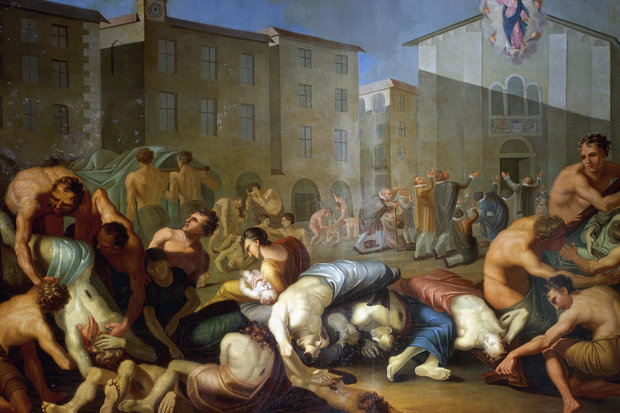
The Cyprian Plague is rapidly spreading across the Mediterranean region, severely impacting cities within the Roman Empire. Reports indicate a high mortality rate and widespread fear amon...
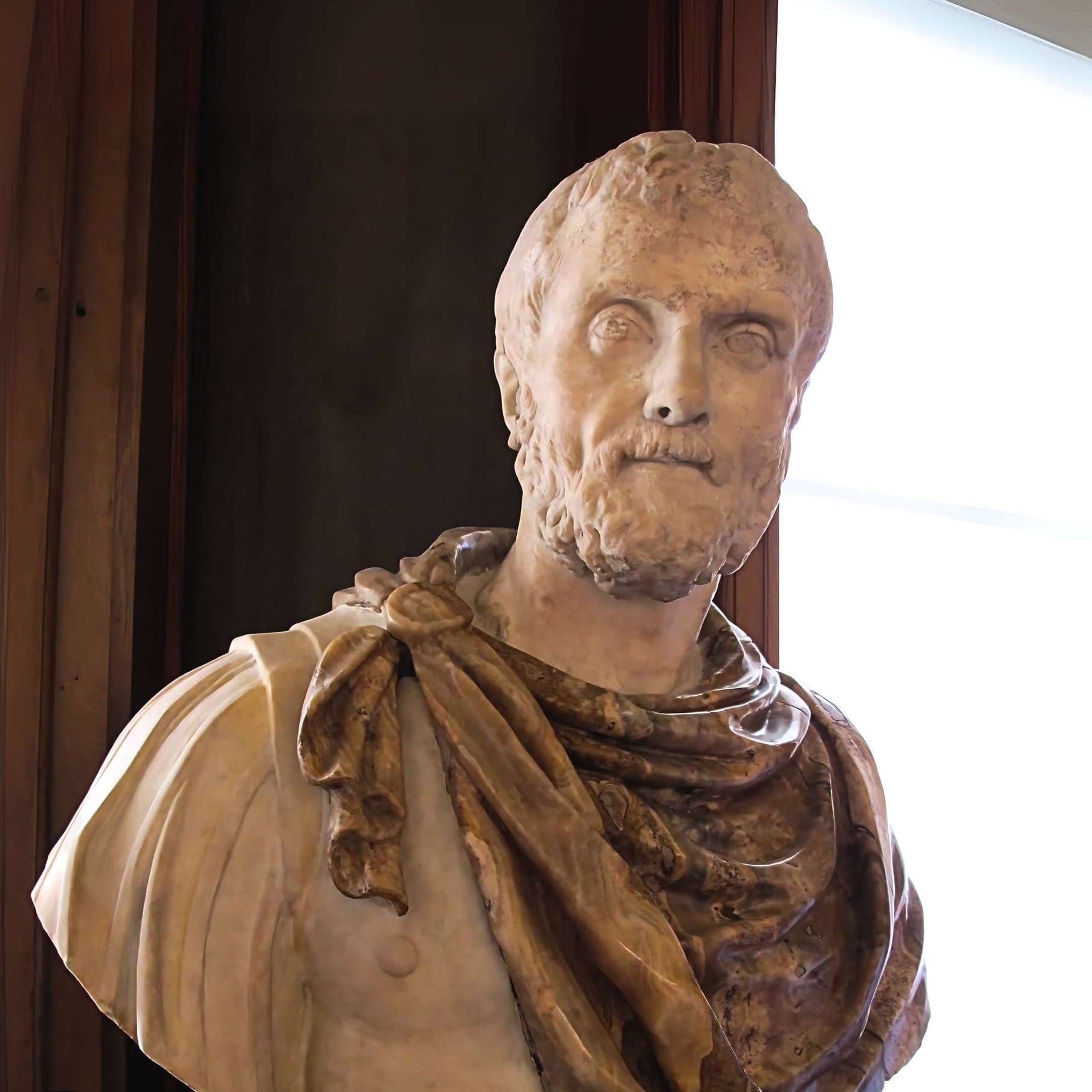
The revolt led by Gordian II was part of a larger uprising against the reigning emperor Maximinus Thrax. Gordian II, alongside his father Gordian I, was proclaimed emperor by the Roman Se...
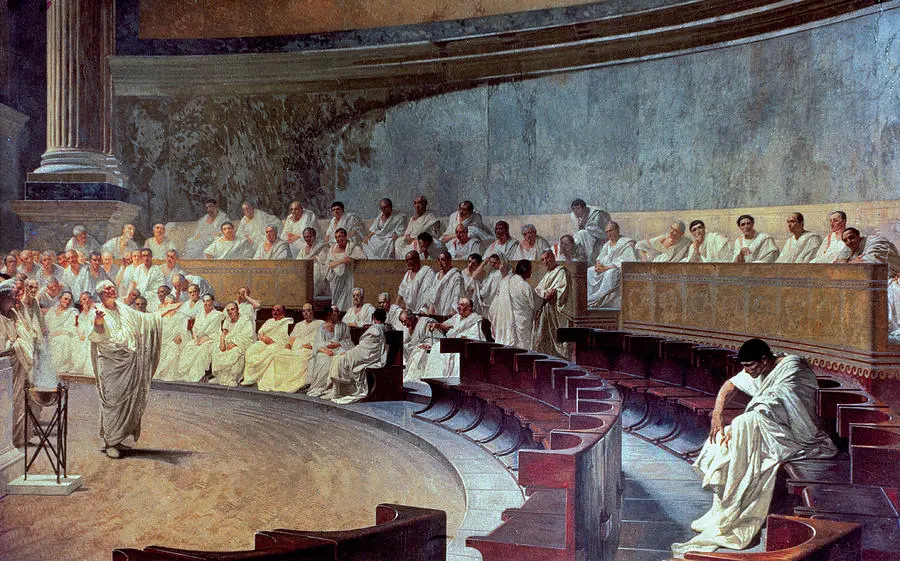
Following the death of Emperor Maximinus Thrax, the Roman Senate appointed Pupienus and Balbinus as co-emperors to restore order within the Roman Empire. Their joint accession marked a ra...
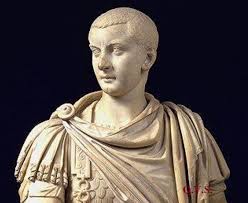
Gordian III ascended to the Roman imperial throne following a period of political instability known as the Year of the Six Emperors. At the age of thirteen, he was declared emperor by the...
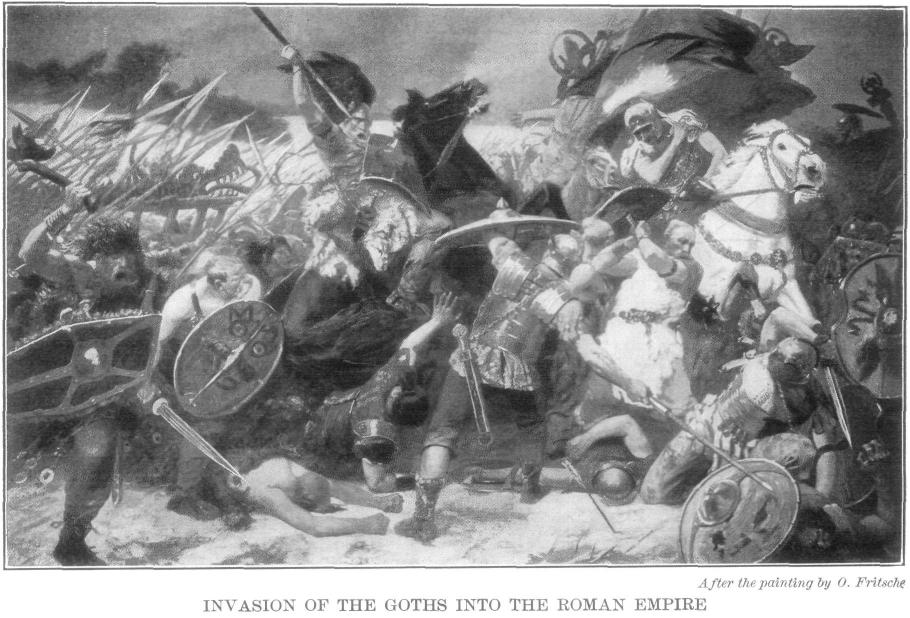
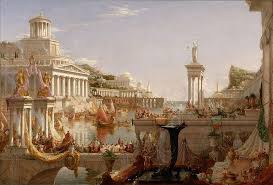
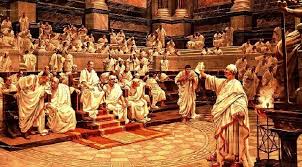
The Crisis of the Third Century marked a period of severe instability within the Roman Empire beginning in 235 AD. This era saw widespread political chaos, military defeats, and economic ...
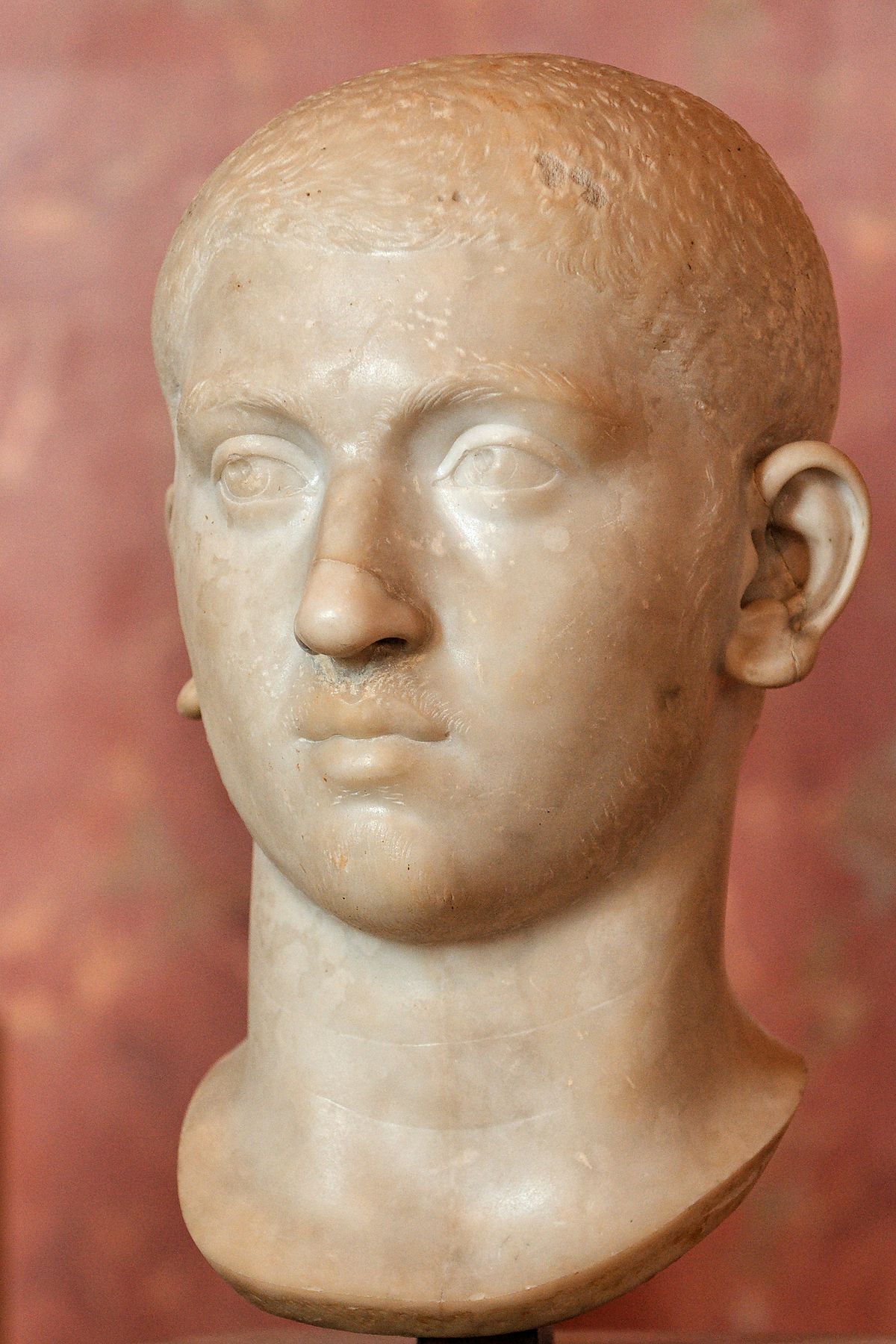
Severus Alexander, the last emperor of the Severan dynasty, was assassinated by his own soldiers in March of 235 CE near the city of Mutina along the Danube frontier. His death marked the...
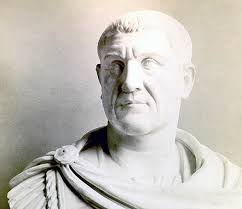
Maximinus Thrax, a Roman soldier of humble origins, was proclaimed emperor by his troops following the assassination of Severus Alexander. His accession marked the beginning of the Crisis...
Following the assassination of Emperor Caracalla, Macrinus, then the commander of the Praetorian Guard, declared himself emperor. His accession marked the first time a Roman emperor came ...
Following the assassination of Emperor Pertinax, the Roman imperial throne was sold to the highest bidder by the Senate. Didius Julianus secured the empire by offering the largest payment...
Pertinax, Roman Emperor for a brief reign, was assassinated by members of the Praetorian Guard. His attempts to reform the empire and enforce discipline antagonized the imperial guards an...
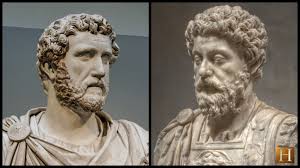
Lucius Verus, co-emperor of Rome alongside Marcus Aurelius, died in Rome under circumstances believed to be related to a devastating plague. His death marked a significant point in Roman ...
The Year of the Four Emperors was a tumultuous period marking rapid succession of Roman emperors after the fall of Nero. It involved the rise and fall of Galba, Otho, Vitellius, and Vespa...
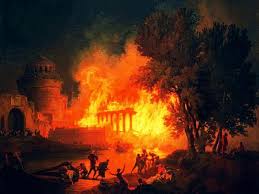
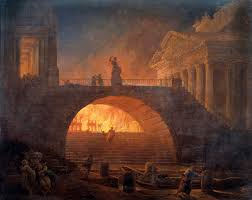
The Great Fire of Rome began in the night and quickly spread through the city, causing extensive destruction. The fire lasted for six days and destroyed many neighborhoods, leaving large ...
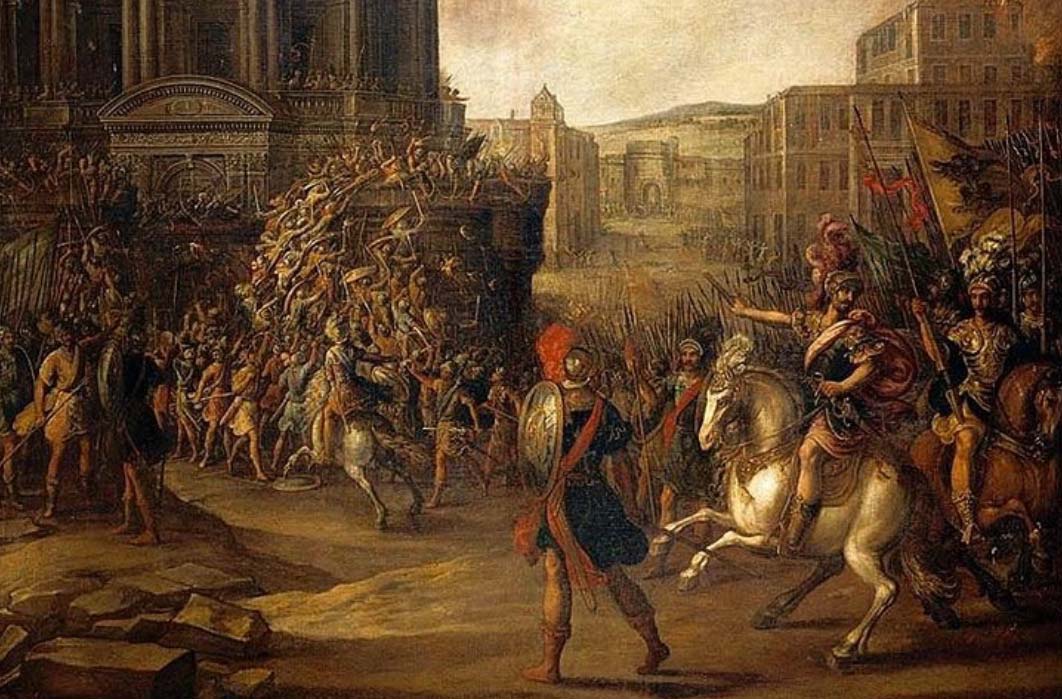
The Great Fire broke out in the city of Rome, spreading rapidly through wooden structures and thatched roofs. The blaze lasted several days, destroying vast parts of the city and displaci...
January–August 1997 — The collapse of enormous fraudulent investment schemes wipes out the savings of hundreds of thousands of Albanians. Armed rebellion spreads, military arsenals are lo...
26 July–7 November 1956 — Nasser nationalizes the Suez Canal Company after Western governments withdraw support for the Aswan High Dam. Britain, France and Israel secretly coordinate a mi...
1948 — The Tito-Stalin split transforms Albania's foreign alignment. Hoxha uses the crisis to eliminate Yugoslav influence and bind Albania much more closely to Stalin's Soviet Union.
August–November 1918 — Germany and its allies face military retreat, shortages, exhaustion and growing political instability. Bulgaria, the Ottoman Empire and Austria-Hungary leave the wa...
8 March 1917 — Demonstrations, strikes and bread shortages in Petrograd begin the revolutionary crisis that destroys the imperial government. Soldiers increasingly refuse orders to suppre...
28 July–4 August 1914 — European armies activate enormous prearranged railway timetables to mobilize millions of soldiers. Military planners argue that delaying mobilization could allow a...
28 June–4 August 1914 — Sarajevo creates the crisis, but successive decisions by Austria-Hungary, Germany, Russia, France and Britain determine how far it spreads. The investigation shoul...
1908–1914 — Austria-Hungary faces growing nationalist pressures in the Balkans following the Bosnian annexation crisis and Serbia's expansion during the Balkan Wars. Serbian national ambi...
28 June 1914 — Archduke Franz Ferdinand, heir to the Austro-Hungarian throne, and his wife Sophie are assassinated during an official visit to Sarajevo. Gavrilo Princip, a Bosnian Serb as...
23 July 1914 — Austria-Hungary presents Serbia with a severe ultimatum designed to suppress anti-Habsburg activity and permit substantial Austro-Hungarian involvement in Serbian investiga...
28 May 1940 — During the military crisis in France, Britain's War Cabinet continues debating whether Italian mediation might open negotiations with Germany. Winston Churchill argues stron...
18 November 1935 — League of Nations sanctions against Italy enter into force after Mussolini's invasion of Ethiopia. The measures exclude crucial materials such as oil and do not close t...
July 1974 — A Greek-backed coup in Cyprus and subsequent Turkish intervention trigger the collapse of the military regime.
28 June 1919 — Versailles created genuine political grievances and became a powerful symbol in German nationalist politics. Yet there were many possible paths after 1919, including the re...
24 October 1929 — The beginning of the Wall Street panic provides an anchor for the economic collapse that spreads across industrial economies. Unemployment rises dramatically, trade cont...
24 November 1942 — Manstein receives command of Army Group Don during the Stalingrad crisis. He attempts to organize relief of the Sixth Army and later conducts the successful counteroffe...
15 November 1923 — Germany introduces the Rentenmark during the final phase of the hyperinflation crisis. Years of wartime debt, fiscal instability, reparations pressures and the Ruhr con...
3 August 1914 — Germany declares war on France while German forces move through Luxembourg and prepare to enter Belgium. German planners seek a rapid defeat of France before Russian milit...
5 July 1914 — Austro-Hungarian envoy Alexander Hoyos receives powerful assurances in Berlin that Germany will support Vienna if it acts against Serbia, even if Russian intervention widens...
2009–2018 — Sovereign debt, recession, austerity and bailout programs produce one of modern Greece's deepest economic crises.
13 August 1923 — Stresemann becomes German chancellor during the Ruhr and inflation crisis and later serves as foreign minister. He ends passive resistance in the Ruhr, supports currency ...
3 October 1935 — Fascist Italy invades Ethiopia from Eritrea and Italian Somaliland. Mussolini seeks imperial expansion, prestige and revenge for Italy's earlier defeat at Adwa. The Leagu...
18 September 1931 — Japanese officers use the Mukden Incident as a pretext for military expansion into Manchuria. Japanese forces rapidly occupy the region and later establish the puppet ...
German emperor. During the crisis he supported Austria-Hungary but later also participated in attempts to prevent escalation.
1912–1915 — Austro-Hungarian Foreign Minister Leopold Berchtold becomes one of the central decision-makers in the July Crisis. After Sarajevo he increasingly favors a decisive confrontati...
3 January 1925 — After the crisis surrounding the murder of socialist politician Giacomo Matteotti, Mussolini publicly assumes political responsibility and moves decisively toward dictato...
12 May 1925 — Former field marshal Paul von Hindenburg becomes president of Germany. Although not a Nazi, he is deeply conservative and increasingly governs through presidential emergency...
27 February 1933 — Germany's parliament building burns in Berlin. The Nazi government uses the crisis to portray communism as an immediate revolutionary threat. President Hindenburg signs...
7 March 1936 — Hitler's decision to remilitarize the Rhineland is a major gamble because German forces are not prepared for a serious military confrontation with France. The absence of mi...
British foreign secretary who attempted to organize international mediation during the crisis.
1909–1917 — Bethmann Hollweg serves as German chancellor through the July Crisis and most of the first three years of war. He confirms Germany's strong support for Austria-Hungary and acc...
29 October 1929 — Severe declines on the New York Stock Exchange become a symbol of the developing global economic crisis. Banking failures, declining trade, falling demand and contractio...
1 August 1944 — The Warsaw Uprising is driven not only by resistance to German occupation but by fear that Soviet liberation will eliminate Polish political independence. Stalin regards t...
30 September 1938 — Munich becomes the defining symbol of appeasement, but policymakers in 1938 face memories of World War I, doubts about military readiness, fear of strategic bombing an...
30 September 1938 — Use Munich as an investigative anchor and work backward through Versailles, economic crisis, Nazi ideology and rearmament, then forward through Prague, Poland and the ...
1 September 1939 — Looking backward from the invasion of Poland, investigate possible turning points including the Rhineland, Anschluss, Munich, Prague, the British guarantee and the Germ...