Gaza flotilla interception Ben-Gvir
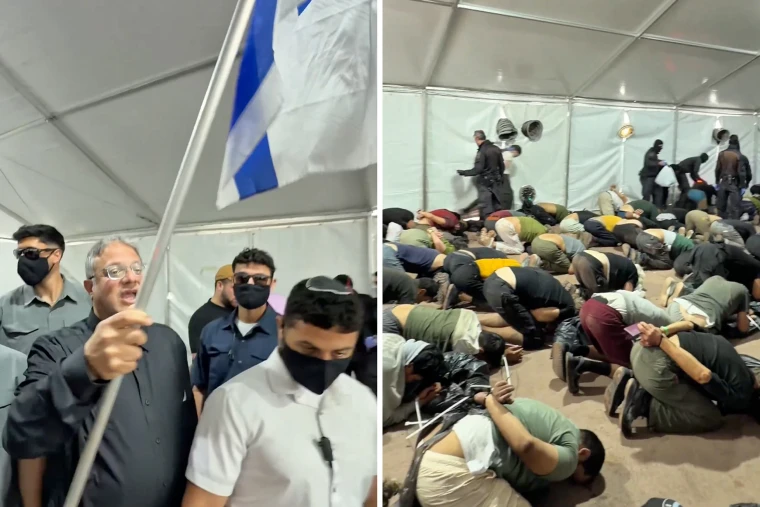
A flotilla of more than 50 civilian vessels organized by pro-Palestinian activists, including the Global Sumud Flotilla, attempted to reach the Gaza Strip in 2026 carrying humanitarian ai...
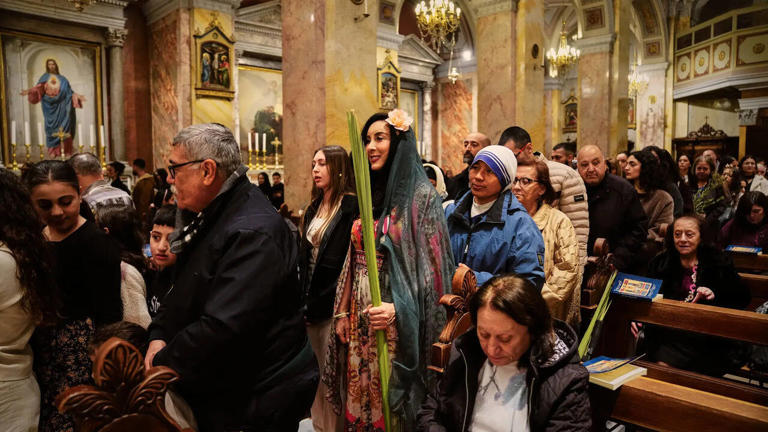
On March 29, 2026, Israeli police prevented senior Catholic leaders from entering the Church of the Holy Sepulchre in Jerusalem to celebrate Palm Sunday Mass. The Latin Patriarch of Jerus...
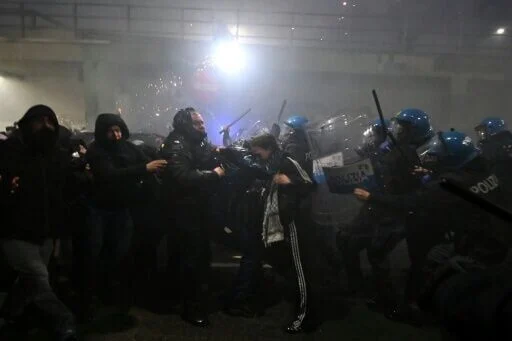
Unrest follows Milan Winter Olympics opening with clashes near ceremonies On February 7, 2026, hundreds of hooded demonstrators clashed with police in Milan following the opening ceremon...
Ukraine backs Pope’s Olympic truce call amid war with Russia On February 7, 2026, Ukraine’s government publicly supported a proposal by Pope Leo and Italy to establish a temporary ceasef...
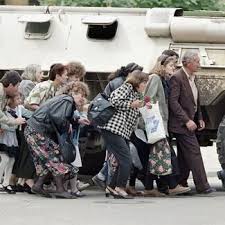
On February 5, 2026, Italian prosecutors in Milan confirmed they are investigating allegations that some individuals paid to shoot at civilians in Sarajevo during the siege of the Bosnian...
Event Timeline body { font-family: Arial, sans-serif; background-color: #f4f4f9; margin: 0; padding: 0; } .timeline-container { max-width: 900px; margin: 50px auto; p...
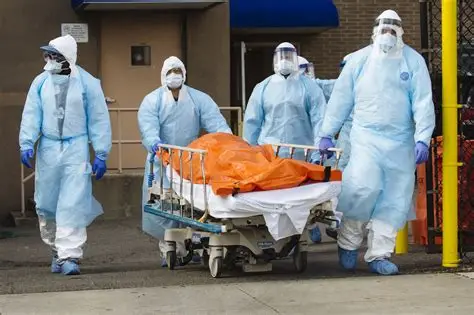
The COVID-19 pandemic is a global outbreak of the coronavirus SARS-CoV-2, first identified in Wuhan, China, in late 2019. The World Health Organization (WHO) was notified on December 31, ...
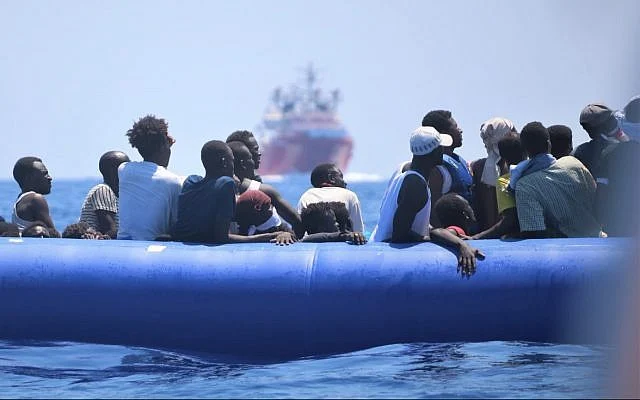
Israeli and Jewish aid groups support migrant and refugee assistance in Europe On September 5, 2015, IsraAID, an Israeli non-governmental organization founded in 2001 to provide disaster...
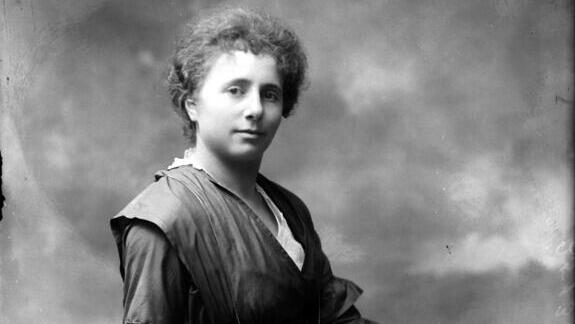
Margherita Sarfatti, an Italian Jewish art critic and writer, played a documented role in the early political and cultural development of Benito Mussolini during the rise of fascism in It...
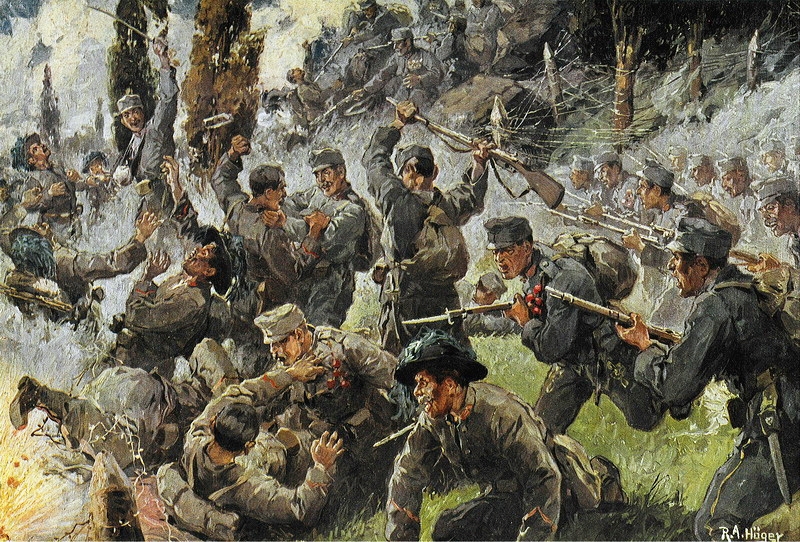
The Battles of the Isonzo were a series of twelve military engagements between the Kingdom of Italy and Austria-Hungary during World War I. They took place along the Isonzo River, on the ...
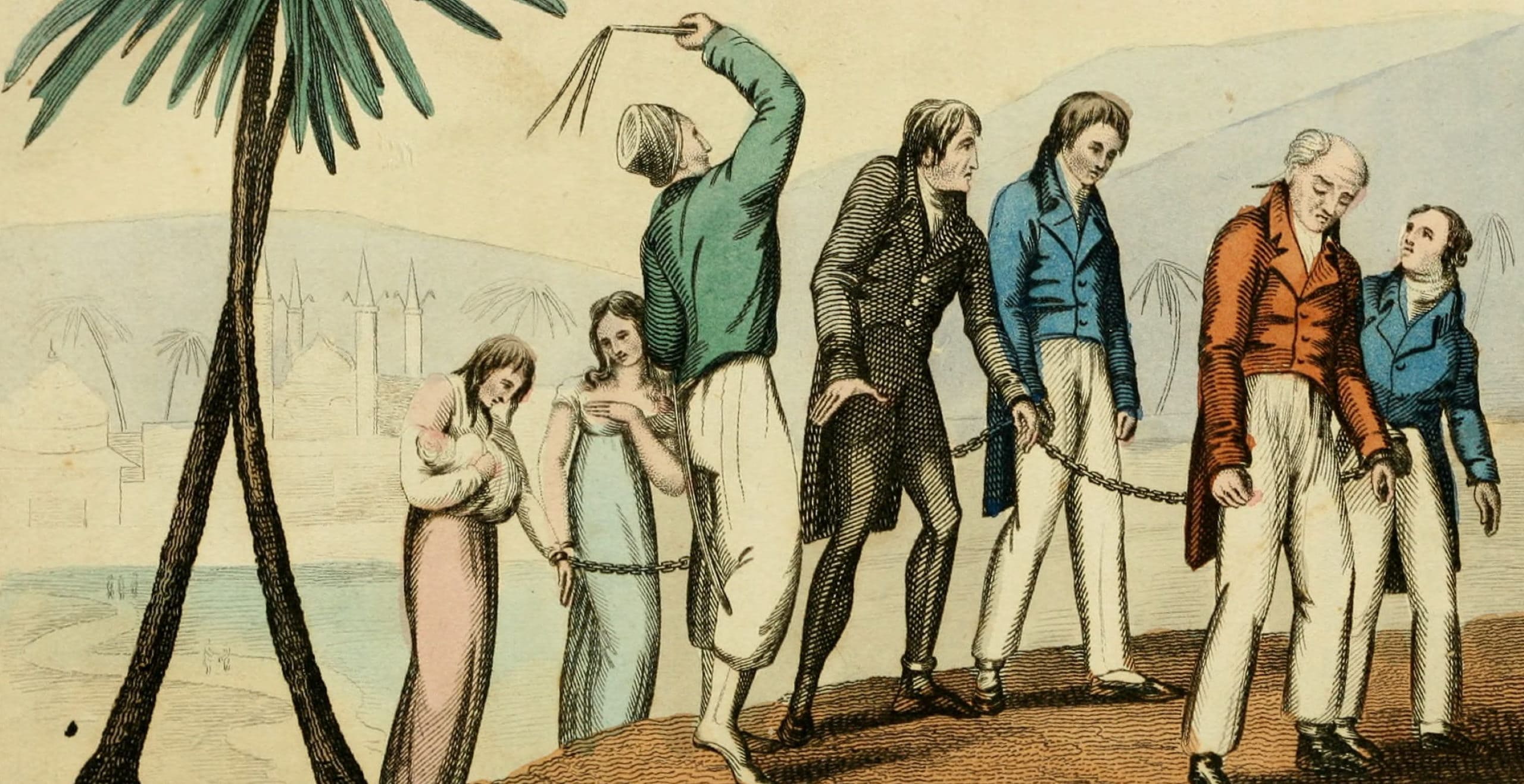
European Captives Sold Into Slavery By Barbary Pirates From the 16th to the 19th centuries, Barbary pirates operating from North Africa — including present-day Morocco, Algeria, ...
Expulsion of Jews from the Kingdom of Naples In 1540, Jewish communities in the Kingdom of Naples were expelled as the region came under the control of the Spanish crown and became subje...
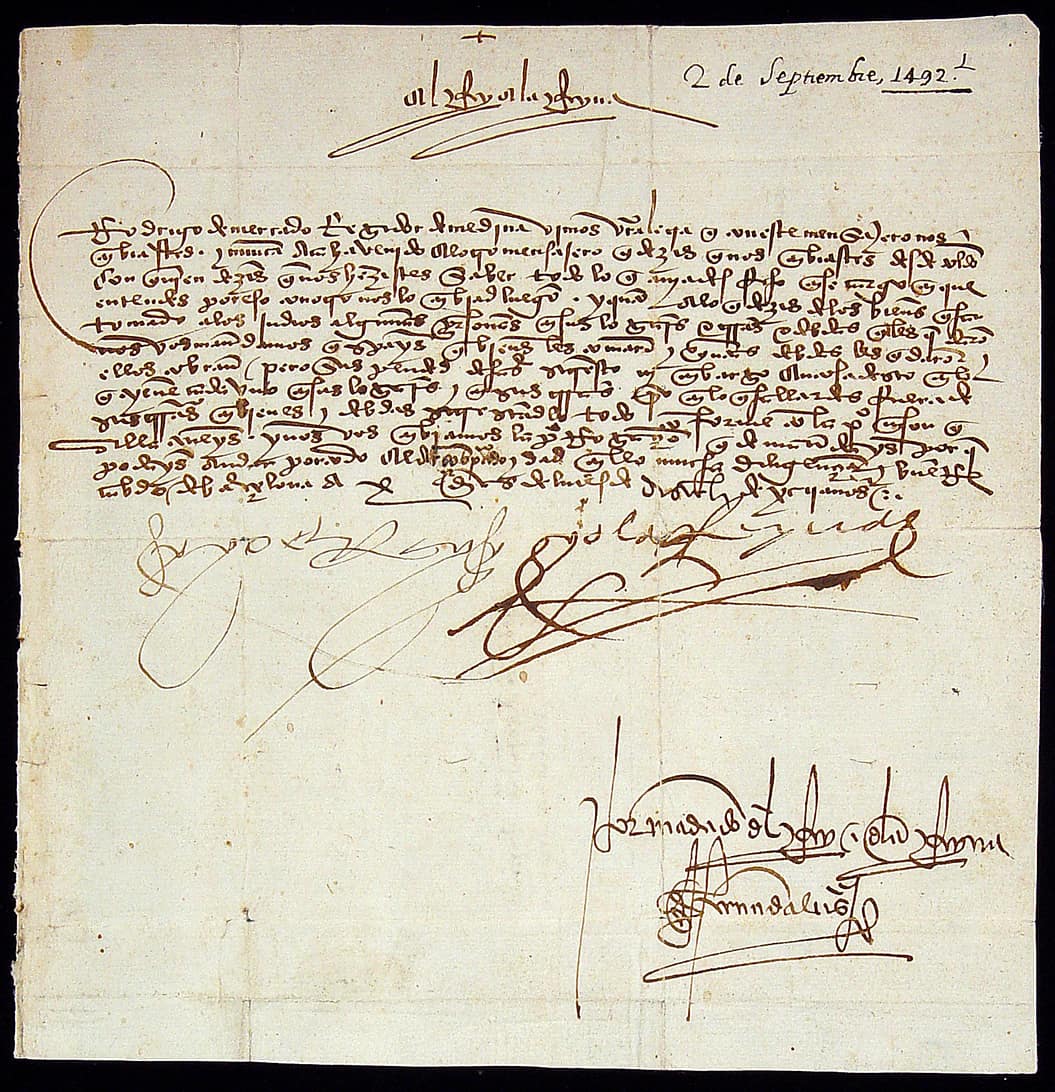
On March 31, 1492, the Catholic Monarchs of Spain, Isabella I of Castile and Ferdinand II of Aragon, issued the Alhambra Decree, ordering all Jews in Castile and Aragon to leave by July 3...
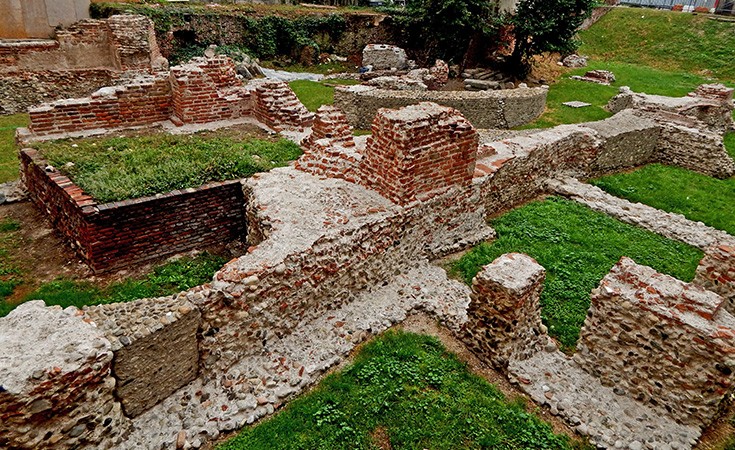
The imperial court transferred its seat to Milan, marking a significant shift in political power within the region. This relocation allowed closer control over northern Italian territorie...
Jerome, a prominent Byzantine official during the Gothic War, was assassinated in the Imperial Palace at Ravenna. His death marked a significant turning point in the conflict between the ...
Carinus became Roman Emperor following the death of his father, Emperor Carus, in late March. His accession marked a period of internal instability as the empire faced multiple external t...
Emperor Aurelian, a prominent ruler of the Roman Empire known for his military prowess, was assassinated by his own soldiers in late September. The assassination occurred as the emperor p...
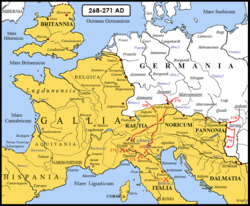
Roman Emperor Aurelian defeated the invading Juthungi tribe near the city of Placentia in northern Italy. This battle was a decisive moment in securing the Roman Empire's northern borders...
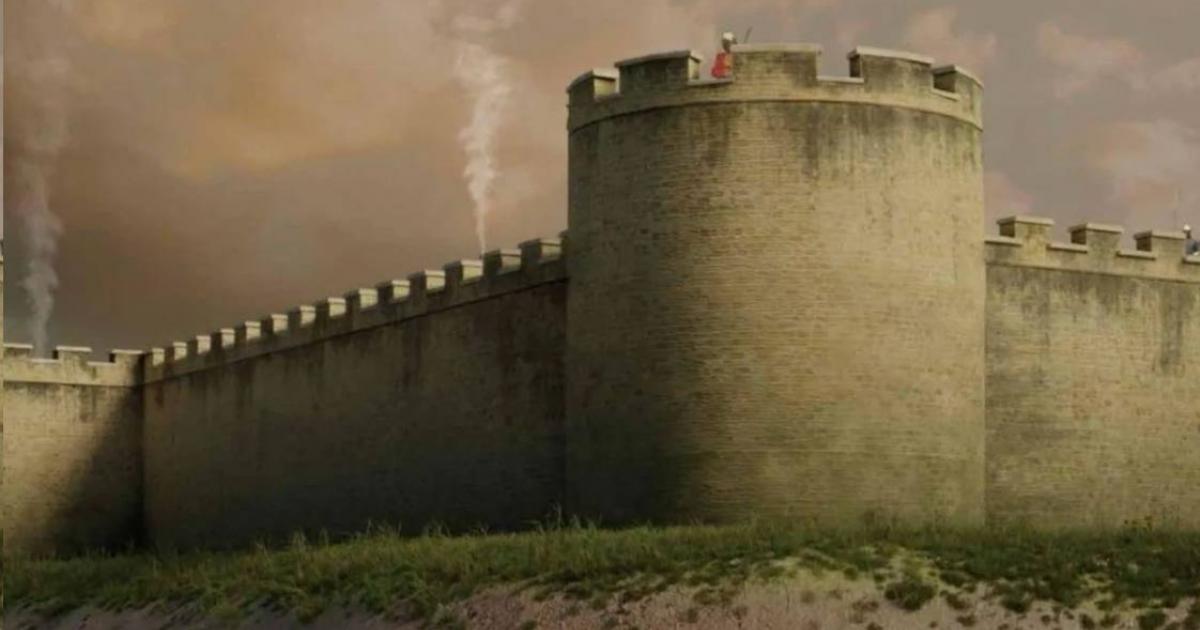
The construction of the Aurelian Walls began in response to increasing external threats faced by Rome in the third century. These defensive walls were commissioned by Emperor Aurelian to ...
Aurelian was proclaimed emperor by his troops following the death of Emperor Claudius Gothicus. His accession marked a significant turning point during the Crisis of the Third Century.He ...
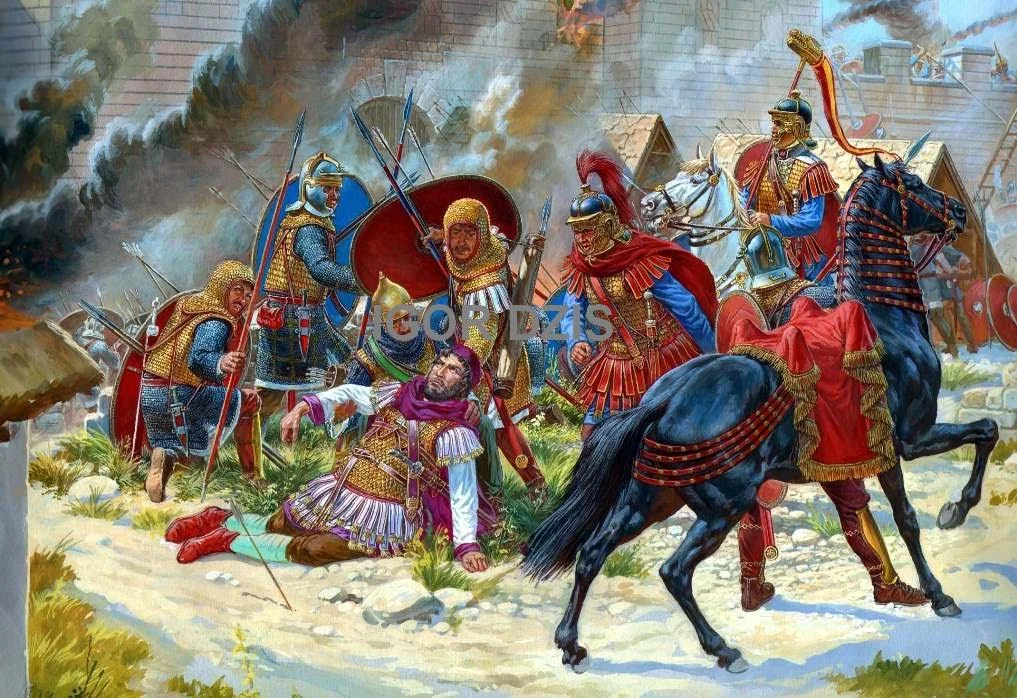
Emperor Gallienus, ruler of the Roman Empire during a time of internal strife and external invasions, was assassinated by his own military officers during a siege. His death marked a crit...
Claudius II Gothicus became Roman Emperor following the death of his predecessor. His accession marked a shift during a turbulent period of frequent leadership changes in the empire.Known...
Emperor Gallienus initiated a series of military reforms to address ongoing threats to the Roman Empire. These reforms aimed to improve the mobility and responsiveness of the Roman legion...
Aemilian, a Roman soldier and governor, seized power through a swift military revolt against Emperor Trebonianus Gallus. His accession marked a brief interruption in the Crisis of the Thi...
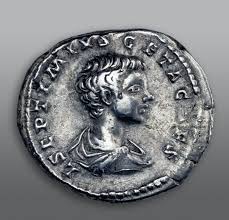
Publius Septimius Geta, son of Emperor Septimius Severus, was granted the title of Augustus, marking him as co-emperor alongside his father and brother Caracalla. This political move aime...
Roman Emperor Marcus Aurelius officially declared his son Commodus as co-emperor, sharing imperial authority.This political move marked the first time a biological son was directly elevat...
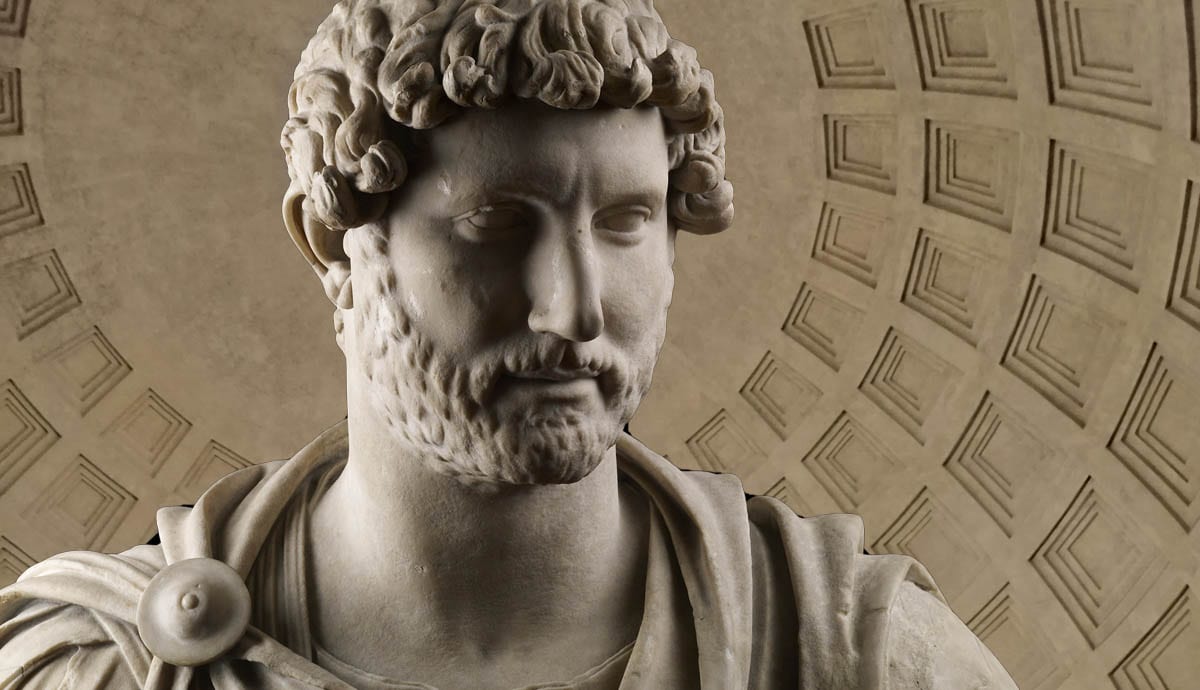
Hadrian was officially declared emperor following the death of his predecessor, Trajan, marking a significant transition in Roman imperial leadership. His accession was confirmed by the R...
After the murder of Emperor Domitian, the Roman Senate appointed Nerva as emperor, marking a shift from autocratic rule to a more stabilizing governance. Nerva, previously a respected sen...
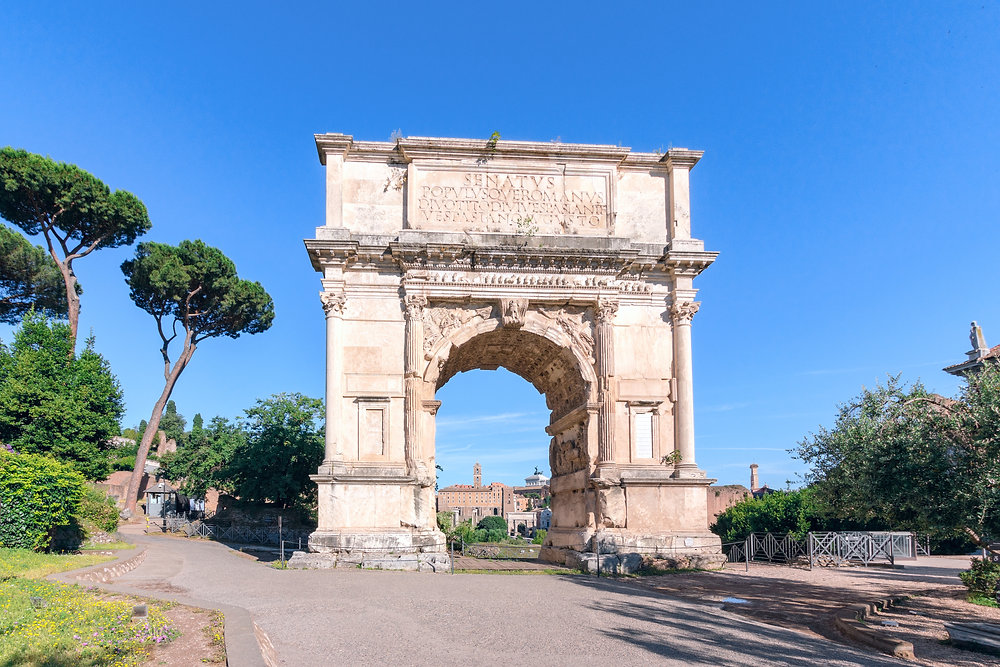
The Arch of Titus was completed in Rome shortly after the death of Emperor Titus. The arch was commissioned by his brother Domitian to commemorate Titus's victories and to honor his deifi...
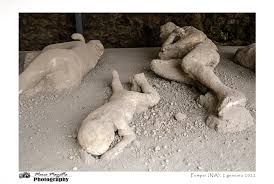
Mount Vesuvius erupted violently, burying the Roman cities of Pompeii and Herculaneum under layers of ash and pumice. The catastrophic event caused widespread destruction and loss of life...
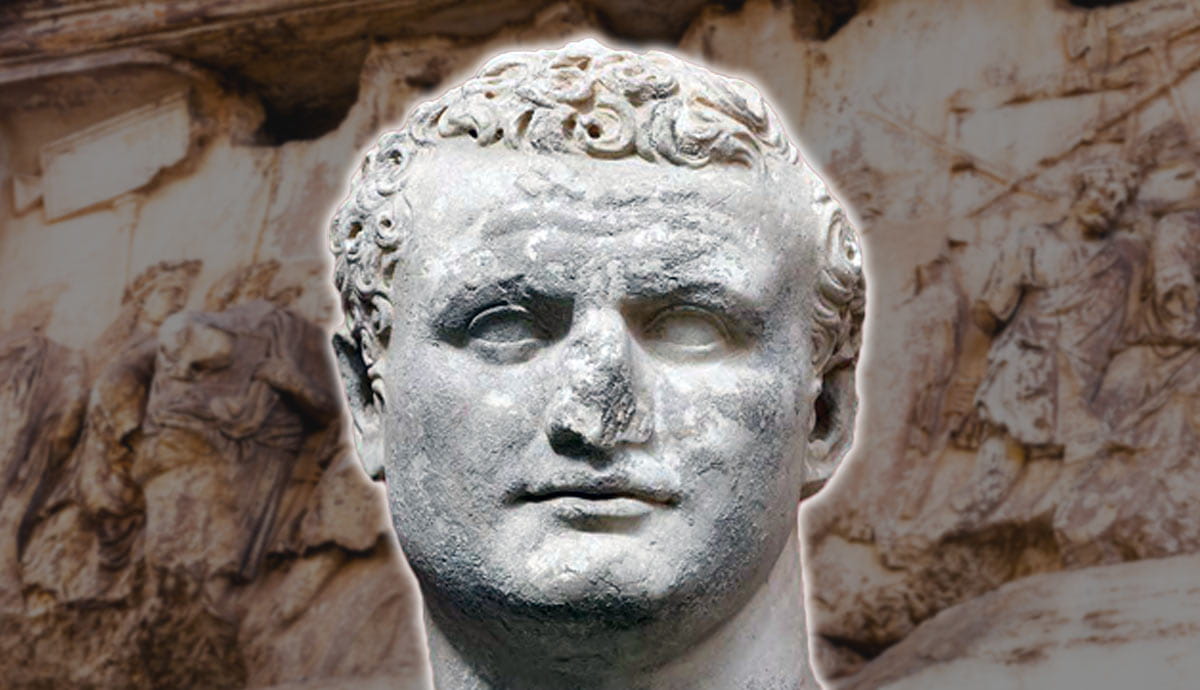
Titus succeeded his father Vespasian as Roman Emperor following Vespasian's death in Rome. His accession marked the continuation of the Flavian dynasty.Titus's rule initially consolidated...
Construction of the Roman amphitheater known as the Colosseum began under Emperor Vespasian. This monumental structure was designed to host a variety of public spectacles, including gladi...
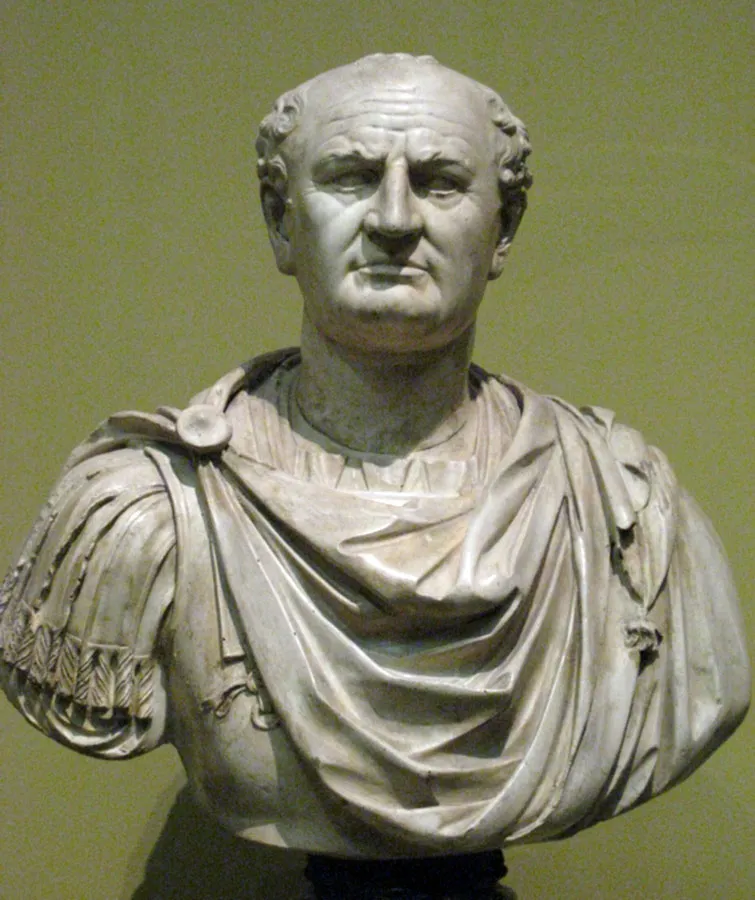
Following a year of civil war known as the Year of the Four Emperors, Vespasian emerged as the uncontested ruler of the Roman Empire. His rise marked the end of the Julio-Claudian dynasty...
Following the death of Emperor Claudius, Nero Claudius Caesar Augustus Germanicus was declared Roman Emperor. His rise to power was orchestrated largely by his mother, Agrippina the Young...
Following the assassination of Emperor Caligula, Claudius was unexpectedly declared emperor by the Praetorian Guard. Despite initial hesitation by the Senate, his accession marked the con...
Untitled1990s–present — The collapse of communist controls produces large migration flows toward Italy, Greece, Germany, the United States and elsewhere. Emigration becomes one of the def...
7 April 1939 — Italian forces invade Albania after King Zog rejects Mussolini's demands for greater Italian control. Zog flees the country and Albania is incorporated into the Italian imp...
1 September 1928 — Zogu transforms the republic into a monarchy and takes the title Zog I, King of the Albanians. The monarchy seeks modernization and stronger national institutions but b...
June–September 1920 — Albanian fighters challenge Italian forces occupying the Vlorë region. The conflict contributes to an agreement under which Italy withdraws from most Albanian territ...
15th–16th centuries — Waves of Albanian-speaking migrants settle in southern Italy and Sicily during the expansion of Ottoman rule. Their descendants, known as the Arbëresh, preserve dist...
1272 CE — Charles of Anjou establishes the Regnum Albaniae after securing support among local nobles around Durrës. Angevin power proves uneven, but the kingdom demonstrates Albania's gro...
c. 146–120 BCE — Roman engineers develop the Via Egnatia from the Adriatic coast through Macedonia toward Byzantium. Dyrrachium becomes one of the principal western gateways of the route....
10 July 1943 — Allied armies land on Sicily in Operation Husky after victory in North Africa. The invasion places direct military pressure on Fascist Italy and demonstrates that the Axis ...
25 November 1936 — Germany and Japan sign an agreement publicly directed against the Communist International. Italy joins the following year. The pact reflects growing ideological alignme...
1941–1944 — Germany, Italy and Bulgaria occupy Greece after the Axis invasion.
18 November 1935 — League of Nations sanctions against Italy enter into force after Mussolini's invasion of Ethiopia. The measures exclude crucial materials such as oil and do not close t...
1906–1917 senior military influence — Conrad serves as chief of the Austro-Hungarian General Staff for most of the years preceding and during the early war. Before 1914 he repeatedly advo...
8 September 1943 — Italy publicly announces an armistice with the Allies. German forces quickly occupy much of Italy, disarm many Italian units and rescue Mussolini, who becomes head of a...
28 October 1940 — Greece rejects an Italian ultimatum, commemorated today as Ohi Day.
23 May 1915 — Italy declares war on Austria-Hungary after joining the Allied side through the secret Treaty of London. Italian leaders expect territorial gains along the Adriatic and Alpi...
3 October 1935 — Fascist Italy invades Ethiopia from Eritrea and Italian Somaliland. Mussolini seeks imperial expansion, prestige and revenge for Italy's earlier defeat at Adwa. The Leagu...
2 September 1945 — Japanese representatives sign the Instrument of Surrender aboard USS Missouri in Tokyo Bay. The ceremony formally ends the Second World War. Germany, Italy and Japan ha...
1 December 1925 — Germany, France, Belgium, Britain and Italy sign agreements intended to stabilize Western Europe's postwar borders. Germany accepts its western frontiers, while Britain ...
28 October 1922 — Fascist squads mobilize around Rome while Benito Mussolini pressures Italy's political establishment for power. King Victor Emmanuel III refuses to authorize full milita...
30 September 1938 — Britain, France, Germany and Italy agree that Czechoslovakia must surrender the Sudetenland to Germany. British Prime Minister Neville Chamberlain hopes the agreement ...
30 September 1938 — Britain, France, Germany and Italy agree that Czechoslovakia must surrender the Sudetenland to Germany. Neville Chamberlain hopes satisfying Hitler's territorial claim...
3 January 1925 — After the crisis surrounding the murder of socialist politician Giacomo Matteotti, Mussolini publicly assumes political responsibility and moves decisively toward dictato...
25 July 1943 — King Victor Emmanuel III dismisses Benito Mussolini after the Fascist Grand Council turns against him. Marshal Pietro Badoglio forms a new government that publicly claims I...
22 May 1939 — Germany and Italy sign a formal political and military alliance. Mussolini's government is not actually prepared for a major European war in 1939, despite the language of th...
17 July 1936 — The Spanish Civil War is rapidly interpreted across Europe as a struggle among fascism, communism, democracy, religion and revolution. Germany and Italy support Franco, the...
17 July 1936 — A military uprising against Spain's Republican government begins a prolonged civil war. Nazi Germany and Fascist Italy support Francisco Franco's Nationalist forces, while ...
27 September 1940 — Germany, Italy and Japan sign the Tripartite Pact. The agreement recognizes German and Italian leadership in a European order and Japanese leadership in a wider East A...