Moshe Feiglin Gaza remarks
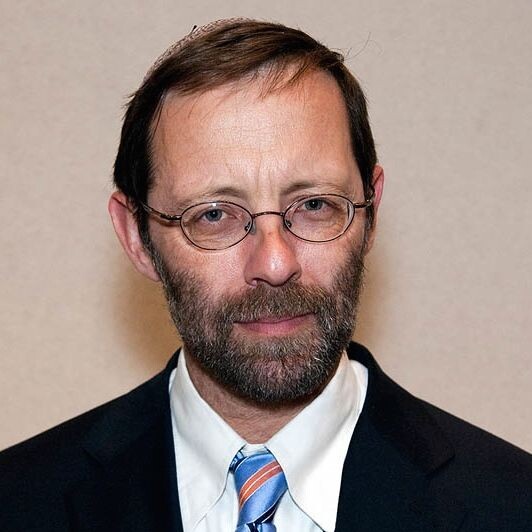
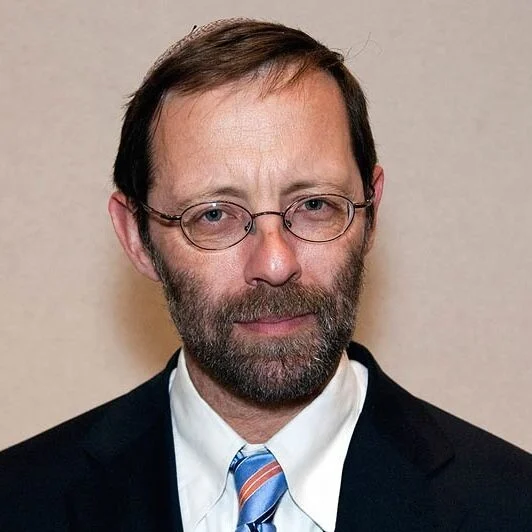
Moshe Feiglin, an Israeli politician and former member of the Knesset, has advocated policies involving the displacement of Palestinians from the Gaza Strip. Feiglin is the founder and le...
Event Timeline body { font-family: Arial, sans-serif; background-color: #f4f4f9; margin: 0; padding: 0; } .timeline-container { max-width: 900px; margin: 50px auto; p...
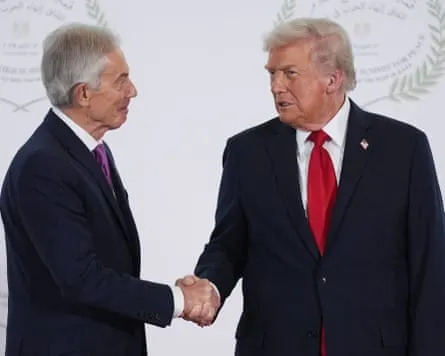
Board of Peace for Gaza Date: Ongoing as of January 2026 Description: The Board of Peace is a U.S.-led international body announced by President Donald Trump to oversee governance,...
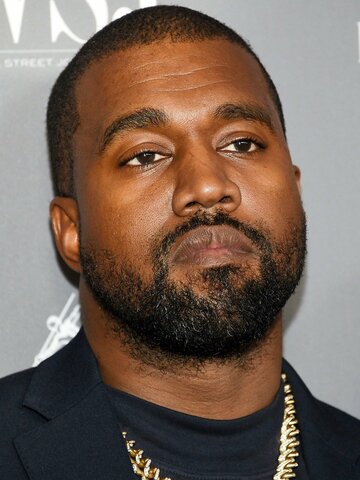
American artist Kanye West, also known as Ye, released a song titled “Heil Hitler” on May 8, 2025, which generated widespread international criticism. The track included references to Naz...
Moshe Feiglin Statements on Gaza On June 12, 2024, Moshe Feiglin, an Israeli politician and former Knesset member, made statements regarding Palestinians in Gaza that drew widespread int...
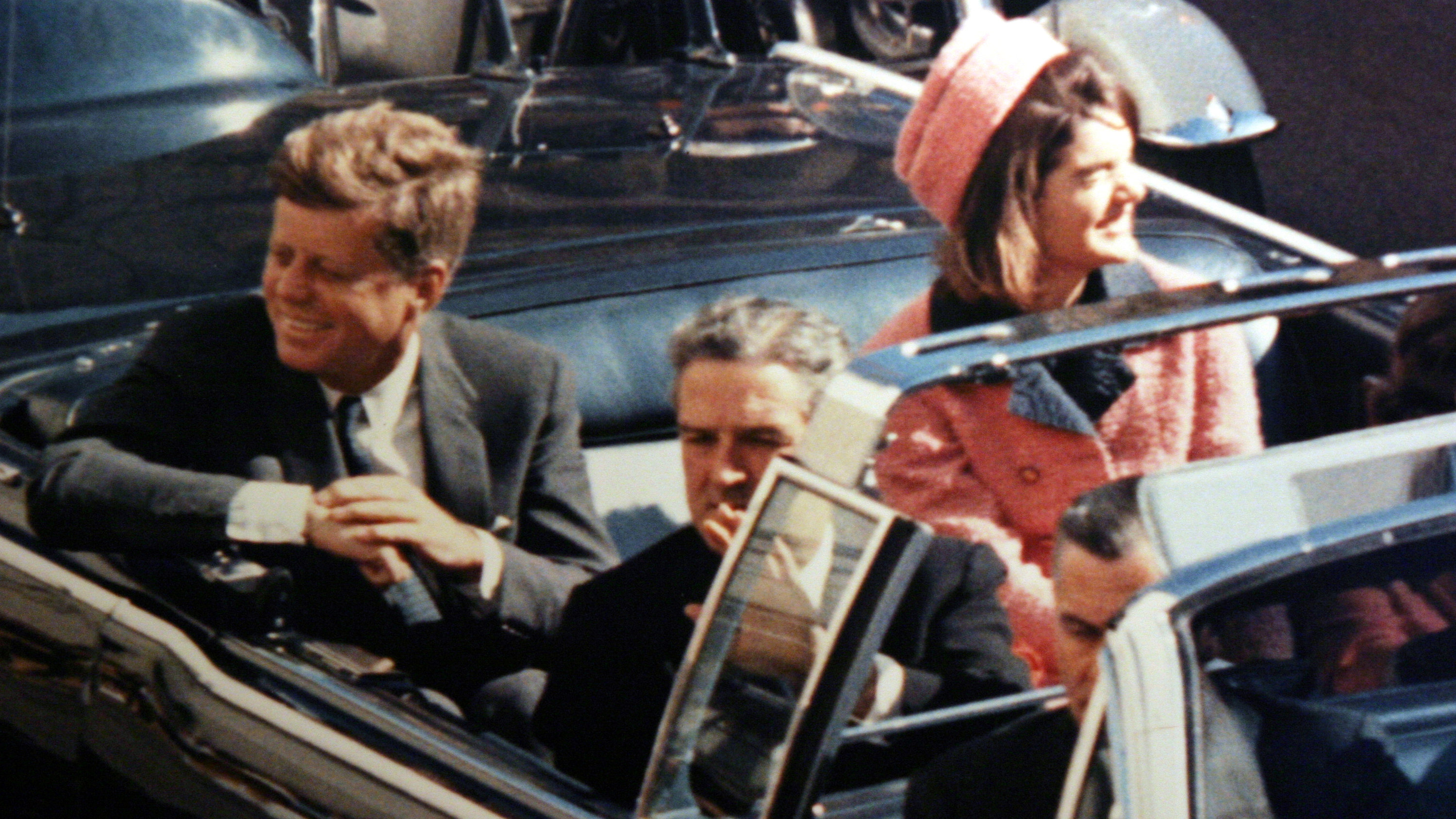
The assassination of John F. Kennedy, the 35th President of the United States, occurred on November 22, 1963, in Dallas, Texas. Kennedy was fatally shot while riding in a motorcade throug...
Victory in Europe (VE) Day marked the official surrender of Nazi Germany to the Allies, ending the war in Europe. Celebrations erupted across Europe and the United States, symbolizing hop...
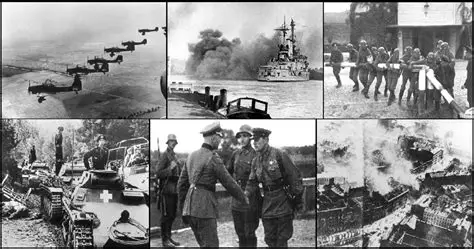
World War II Begins body { font-family: Arial, Helvetica, sans-serif; line-height: 1.6; margin: 40px; background-color: ...
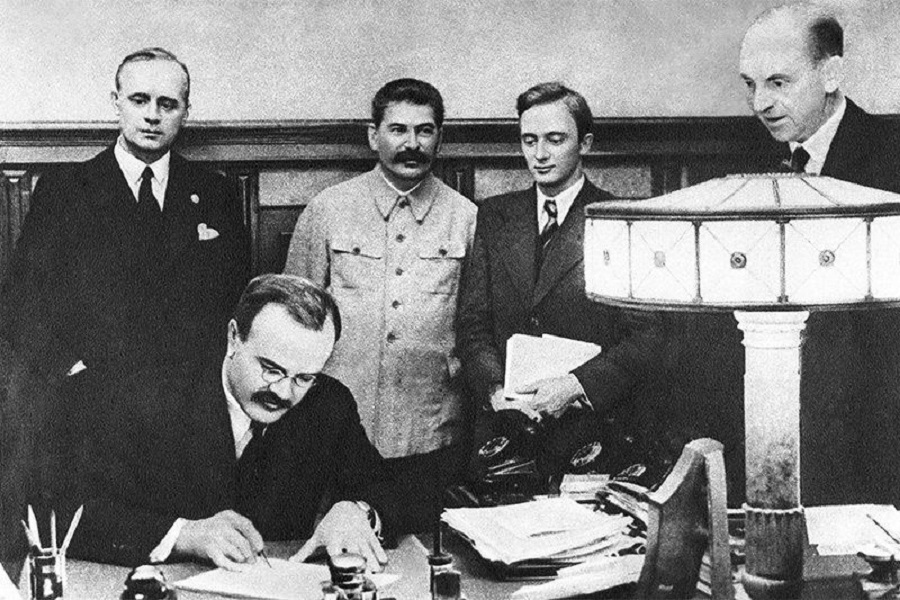
The German–Soviet Non-Aggression Pact And Its Secret Protocols On August 23, 1939, the governments of Germany and the Soviet Union signed a non-aggression treaty in Moscow. The...
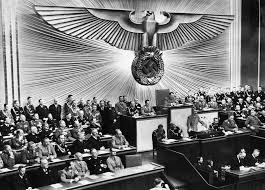
Adolf Hitler References British Rule in Palestine in Reichstag Address “It appears to have slipped Mr. Roosevelt’s mind that Palestine is not being occupied by German troops, b...
Financial backers of Hitler in 1933 In early 1933, Adolf Hitler received financial support from multiple sources as he rose to power in Germany. Major contributions came from industriali...
Before Hitler rose to power, major banks and financiers profited from high interest rates in Germany. During the Weimar Republic, government bonds often carried 6-10% nominal rates. Banks...
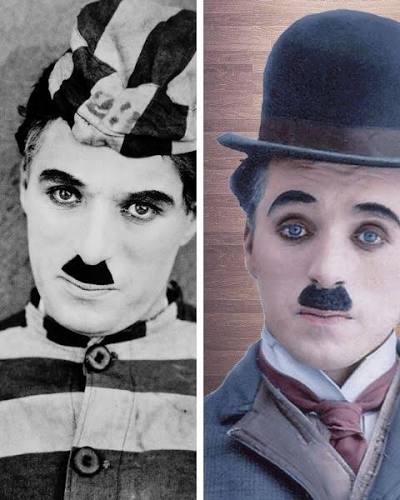
Charlie Chaplin was an English actor, filmmaker, composer, and producer who became one of the most prominent figures of twentieth-century cinema. His career included silent films, sound f...
30 January 1933–30 April 1945 — Hitler rules Germany as dictator and becomes the central political authority behind Nazi expansion, racial policy and the decision to launch major wars of ...
30 September 1938 — Chamberlain and Daladier accept German acquisition of the Sudetenland in the hope of preserving peace. Their decisions reflect memories of World War I, uncertainty abo...
20 April 1945 — Soviet artillery begins shelling central Berlin as forces close around the German capital. Street fighting becomes intense while Nazi leaders remain inside the city. Germa...
23 August 1941 — German forces intensify operations that culminate in one of the largest encirclements in military history around Kyiv. Hitler diverts armored forces southward rather than...
23 August 1942 — German forces begin the major assault phase against Stalingrad while the wider German campaign pushes toward oil resources in the Caucasus. Fighting inside the city becom...
8 November 1923 — Adolf Hitler and the Nazi Party attempt to seize power in Bavaria and march on Berlin. The putsch collapses after police confront the conspirators in Munich. Hitler is a...
3 September 1939 — Britain and France declare war on Germany after Hitler refuses demands to withdraw from Poland. Governments that spent much of the 1930s attempting to prevent another c...
31 March 1939 — Britain announces a guarantee of Polish independence following Germany's destruction of Czechoslovakia. France already has alliance commitments to Poland. The guarantee is...
28 June 1942 — Germany launches its major summer offensive toward southern Russia and the Caucasus. Hitler seeks the oil resources of the Caucasus and control of the Volga region. German ...
18 November 1935 — League of Nations sanctions against Italy enter into force after Mussolini's invasion of Ethiopia. The measures exclude crucial materials such as oil and do not close t...
29 October 1929 — The Depression massively increases unemployment and political instability while Nazi electoral support grows dramatically. But economic misery does not mechanically appo...
28 June 1919 onward — The Treaty of Versailles becomes one of the most controversial diplomatic settlements in modern history. Reparations, territorial changes, military restrictions and ...
13 January 1945 — Soviet armies launch major operations into East Prussia. German civilians flee westward amid combat, fear of Soviet forces and collapsing evacuation systems. Fighting is...
23 March 1933 — The Reichstag passes legislation allowing Hitler's cabinet to enact laws without normal parliamentary approval. Communist deputies are absent or imprisoned, and intimidati...
22 June 1941 — As Chief of the Army General Staff, Halder helps direct Germany's opening eastern campaign. His diary records both military planning and the rapid realization that Soviet m...
23 August 1942 — Paulus commands the German Sixth Army during the Battle of Stalingrad. After encirclement he obeys Hitler's order to remain in place. Hitler promotes him to field marshal...
16 March 1935 — Hitler announces conscription and expansion of Germany's armed forces in open violation of Versailles restrictions. Germany has already been rearming secretly, but the ann...
23 July 1942 — Hitler issues Directive No. 45, dividing German strategic effort between Stalingrad and the Caucasus. Securing oil becomes a central objective because Germany remains chron...
12 March 1938 — German troops enter Austria after intense political pressure on the Austrian government. Hitler announces the incorporation of Austria into the German Reich. Many Austrian...
11 December 1941 — Hitler declares war on the United States despite Germany not being automatically required by the Tripartite Pact to do so after Japan's attack. The United States declar...
30 March 1930 — Heinrich Brüning becomes German chancellor as parliamentary government becomes increasingly unstable. Presidents and chancellors rely more heavily on Article 48 emergency ...
1 September 1939 — German forces cross the Polish frontier and begin the war in Europe. Hitler expects Britain and France may still avoid a general conflict, but both powers declare war t...
14 October 1933 — Hitler announces Germany's withdrawal from the League of Nations and the World Disarmament Conference. The move rejects an important part of the diplomatic framework est...
15 March 1939 — German forces occupy Prague and dismantle what remains of Czechoslovakia. The move is politically important because it extends Nazi domination over territory that cannot b...
15 March 1939 — German forces occupy Prague and dismantle what remains of Czechoslovakia. Bohemia and Moravia become a German protectorate while Slovakia becomes formally independent but ...
7 March 1936 — German troops enter the demilitarized Rhineland in violation of the Versailles and Locarno arrangements. Hitler's forces have orders to retreat if confronted by overwhelmin...
22 June 1941 — Guderian commands Panzer Group 2 during Operation Barbarossa. His armored forces achieve dramatic advances and participate in major encirclements. He later clashes with Hit...
30 January 1933 — President Paul von Hindenburg appoints Adolf Hitler chancellor of Germany. Conservative politicians believe they can use Hitler's popular support while controlling him f...
2 August 1934 — President Hindenburg dies and Hitler combines the powers of president and chancellor. Members of the armed forces swear a personal oath of loyalty to Hitler rather than to...
30 April 1945 — Adolf Hitler kills himself in the Führerbunker as Soviet troops fight through central Berlin. Germany has already lost control of most of its territory and its military po...
30 April 1945 — Adolf Hitler kills himself inside the Führerbunker as Soviet troops fight through central Berlin. Germany's military position is hopeless and the capital is largely encirc...
30 March 1941 — Hitler addresses senior military officers and presents the coming war against the Soviet Union as an ideological struggle requiring destruction of Bolshevik leadership and...
4 May 1943 — German leaders debate when and whether to attack the Kursk salient. Hitler postpones the offensive partly to wait for additional Panther and Tiger tanks. The delay gives Sovi...
19 March 1945 — Hitler issues the so-called Nero Decree ordering destruction of German infrastructure that might fall into enemy hands. Albert Speer later claims he worked to prevent exte...
18 December 1940 — Hitler signs the directive ordering preparations for Operation Barbarossa. The document states that the German armed forces must be prepared to crush Soviet Russia in a...
24 November 1942 — Hitler orders the Sixth Army to remain inside the Stalingrad pocket rather than attempt an immediate breakout. He expects outside relief and air supply to sustain the f...
5 November 1937 — Hitler meets senior military and foreign-policy leaders and discusses Germany's need for territorial expansion. The surviving memorandum records Austria and Czechoslovak...
5 November 1937 — Adolf Hitler addresses senior military and foreign-policy leaders and discusses Germany's need for territorial expansion. The surviving memorandum records Hitler present...
24 November 1942 — Hitler commits to holding Stalingrad while the Luftwaffe attempts to supply the encircled Sixth Army. Required daily tonnage far exceeds what can reliably be delivered ...
23 August 1939 — Germany and the Soviet Union sign a non-aggression agreement. Secret protocols divide parts of Eastern Europe into German and Soviet spheres of influence. For Hitler the ...
23 August 1939 — Nazi Germany and the Soviet Union sign a non-aggression pact. Secret protocols divide parts of Eastern Europe into German and Soviet spheres of influence. Hitler reduces ...
30 September 1938 — Britain, France, Germany and Italy agree that Czechoslovakia must surrender the Sudetenland to Germany. British Prime Minister Neville Chamberlain hopes the agreement ...
30 September 1938 — Britain, France, Germany and Italy agree that Czechoslovakia must surrender the Sudetenland to Germany. Neville Chamberlain hopes satisfying Hitler's territorial claim...
1933–1945 ruling system — The Nazi Party becomes the political backbone of Hitler's dictatorship and penetrates government, education, propaganda, labor organizations and local administra...
14 September 1930 — The Nazi electoral breakthrough reflects intensive use of rallies, posters, newspapers, aircraft tours, slogans and targeted political messaging. Nazi propaganda offer...
30 June 1934 — Hitler orders the killing of SA leaders and other perceived political enemies. Ernst Röhm and numerous others are murdered without trial. The purge reassures conservative m...
22 June 1941 — Germany and its allies invade the Soviet Union along an enormous front. Hitler seeks not only military victory but ideological destruction of Soviet communism, acquisition ...
22 June 1941 — Germany and its allies invade the Soviet Union along a vast front from the Baltic to the Black Sea. Hitler expects the Soviet state to collapse after a short campaign and a...
19 November 1942 — Soviet armies attack Romanian and other Axis forces protecting the German flanks at Stalingrad. The offensive rapidly breaks through and Soviet spearheads meet west of ...
12 May 1925 — Former field marshal Paul von Hindenburg becomes president of Germany. Although not a Nazi, he is deeply conservative and increasingly governs through presidential emergency...
27 February 1933 — Germany's parliament building burns in Berlin. The Nazi government uses the crisis to portray communism as an immediate revolutionary threat. President Hindenburg signs...
7 March 1936 — Hitler's decision to remilitarize the Rhineland is a major gamble because German forces are not prepared for a serious military confrontation with France. The absence of mi...
30 January 1933 — The Sturmabteilung operates as the Nazi Party's mass paramilitary organization and uses intimidation and street violence against political opponents. After Hitler gains ...
29 December 1944 — Soviet and Romanian forces encircle Budapest. Hitler orders the city held while German and Hungarian troops continue resistance. Fighting becomes extremely destructive ...
8 September 1941 — German and Finnish advances isolate Leningrad from most overland supply routes. Hitler chooses not to storm the city immediately and instead expects starvation and bomb...
5 December 1941 — Soviet forces launch a major counteroffensive against exhausted German armies near Moscow. Fresh formations, including troops transferred from eastern regions, push Germ...
21 June 1941 — Despite multiple intelligence warnings, Stalin remains reluctant to believe Hitler will immediately launch full-scale war. Soviet forces are not fully prepared for the atta...
Untitled3 April 1939 — German military leaders receive instructions to prepare Fall Weiss, the operational plan for attacking Poland. The target date is set so preparations can be complet...
Untitled5 November 1937 — During the Hossbach meeting, Hitler presents territorial expansion as necessary for Germany's strategic future. Austria and Czechoslovakia are discussed as poten...
16 March 1935 — German rearmament creates enormous military demand for steel, chemicals, vehicles, weapons and fuel substitutes. Industrial firms benefit from government contracts and pro...
2 February 1943 — Investigate Hitler's refusal to withdraw, Paulus's obedience, overextended German logistics, the weakness of Axis flanks, Soviet planning, intelligence and the failed ai...
23 August 1939 — The German-Soviet pact is one of the most shocking diplomatic reversals of the twentieth century. Investigate failed Soviet-Western negotiations, Stalin's security calcul...
10 May 1940–26 July 1945 — Churchill serves as British prime minister through nearly the entire European war. He strongly opposes negotiating a settlement with Hitler and becomes the publ...