The Master Timeline
Event Timeline body { font-family: Arial, sans-serif; background-color: #f4f4f9; margin: 0; padding: 0; } .timeline-container { max-width: 900px; margin: 50px auto; p...
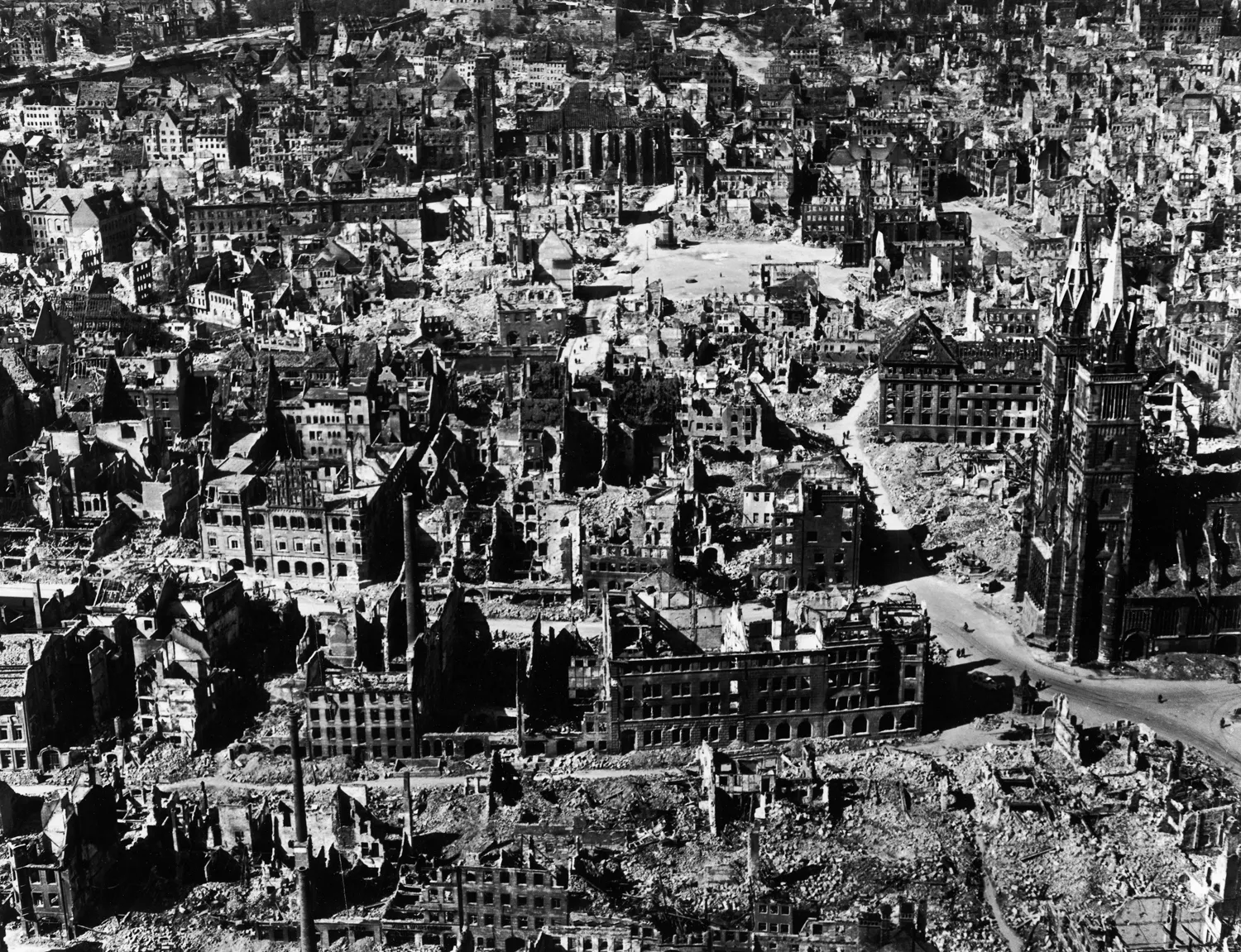
During World War II (1939–1945), the Allied forces of the United States and the United Kingdom carried out a widespread strategic bombing campaign against German cities. The campaign targ...
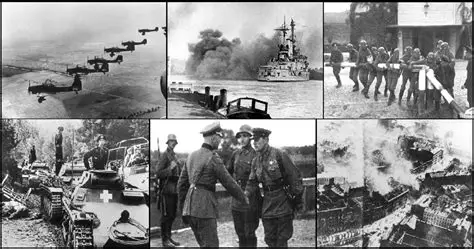
World War II Begins body { font-family: Arial, Helvetica, sans-serif; line-height: 1.6; margin: 40px; background-color: ...
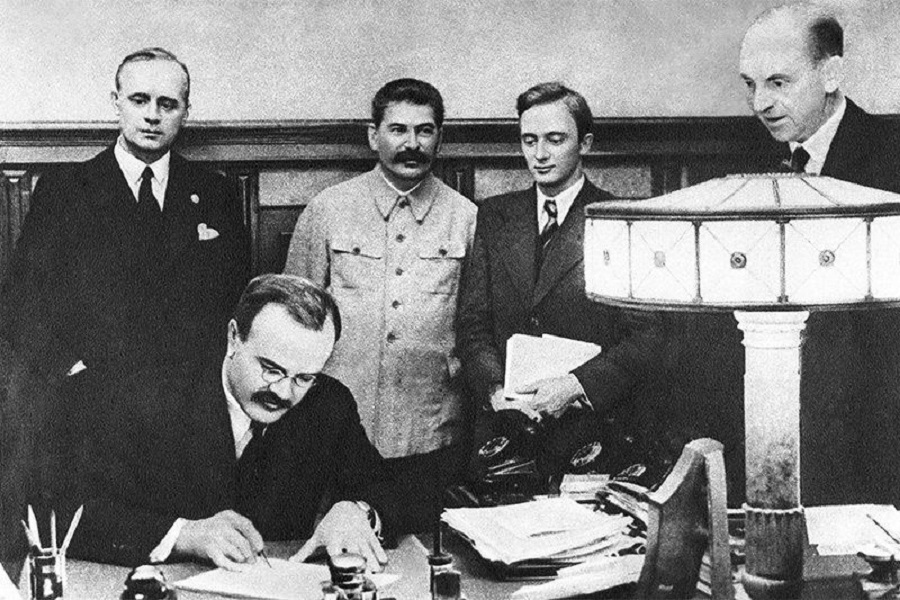
The German–Soviet Non-Aggression Pact And Its Secret Protocols On August 23, 1939, the governments of Germany and the Soviet Union signed a non-aggression treaty in Moscow. The...
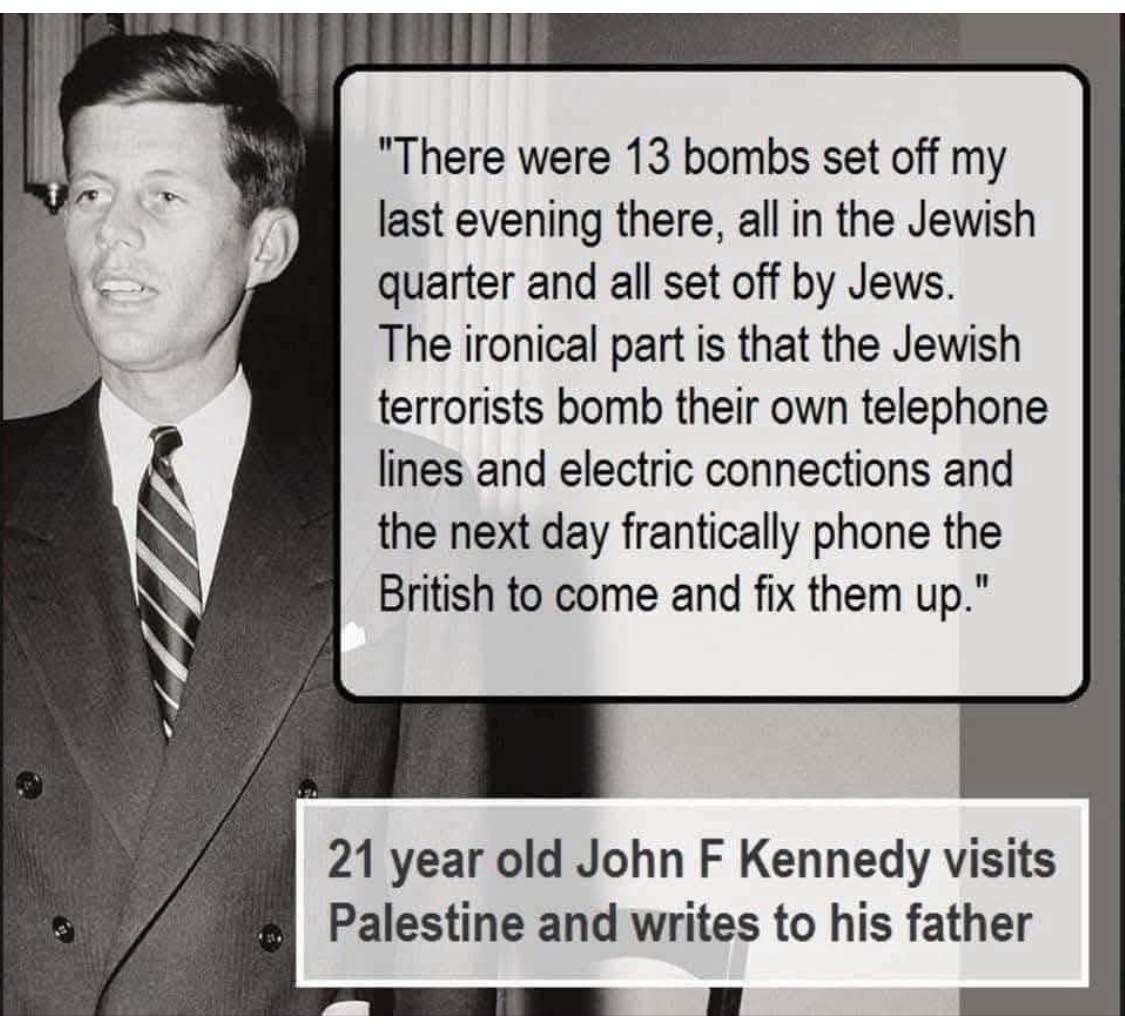
JFK: The Letter Mentions That 13 Bombs Went Off in Jerusalem on His Last Night There, Which He Attributed to Jewish Terrorists (Likely the Irgun Militia) Attempting to Damage Utility Line...
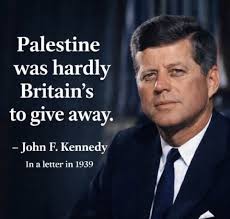
JFK Wrote in 1939 That Palestine Was Hardly Britain's to Give Away In July 1939, John F. Kennedy, then a 22-year-old Harvard student, visited Palestine during a trip arranged b...
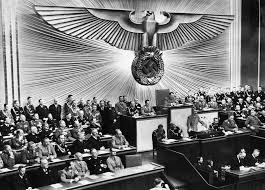
Adolf Hitler References British Rule in Palestine in Reichstag Address “It appears to have slipped Mr. Roosevelt’s mind that Palestine is not being occupied by German troops, b...
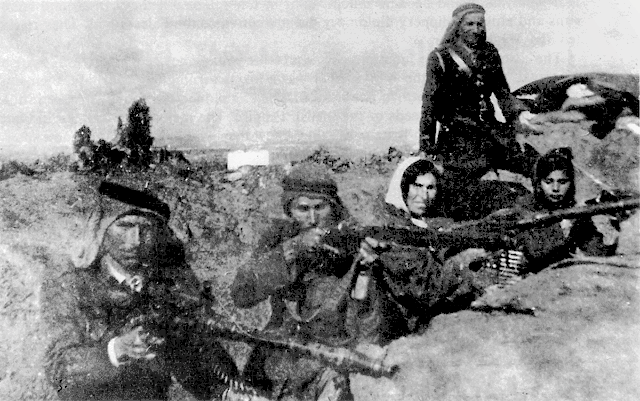
The Arab Revolt in Palestine was a nationalist uprising by Palestinian Arabs against British colonial rule and mass Jewish immigration under the British Mandate, which followed the 1917 B...
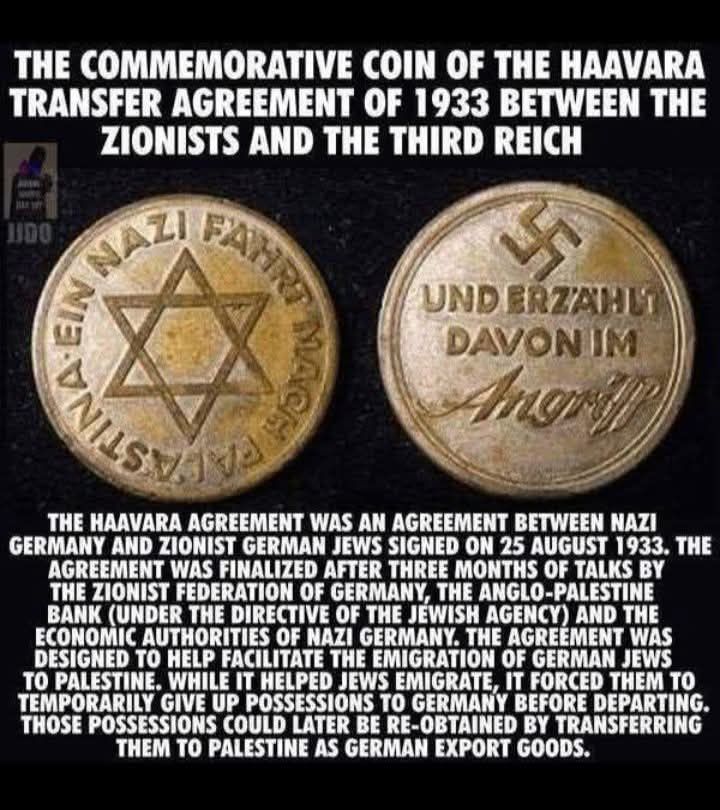
The Haavara (Transfer) Agreement was signed on August 25, 1933, between Nazi Germany and Zionist organizations, including the Jewish Agency. The agreement facilitated the emigration of Ge...
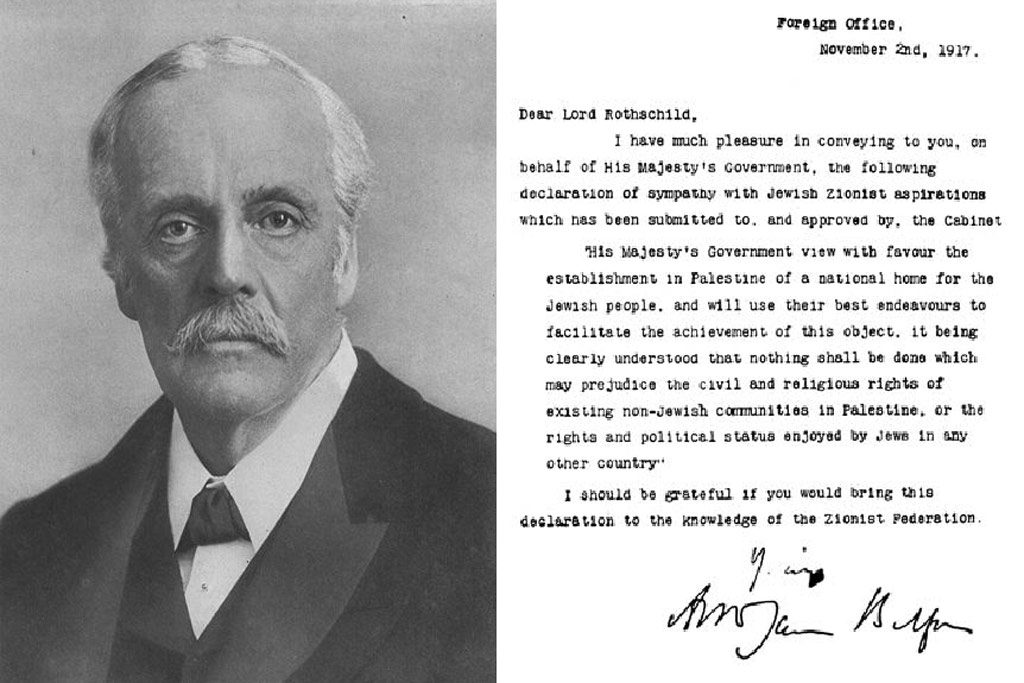
The Balfour Declaration was a public statement issued on November 2 1917 by the British government during World War I expressing support for the establishment of a national home for the J...
7 April 1939 — Italian forces invade Albania after King Zog rejects Mussolini's demands for greater Italian control. Zog flees the country and Albania is incorporated into the Italian imp...
1939–1945 — Britain's Government Code and Cypher School gathers mathematicians, linguists, engineers, intelligence officers and thousands of support staff at Bletchley Park. Their work he...
31 March 1939 — The British guarantee to Poland marks a major shift in policy after the occupation of Prague. Britain is no longer signaling willingness to negotiate every German territor...
3 September 1939 — Britain and France declare war on Germany after Hitler refuses demands to withdraw from Poland. Governments that spent much of the 1930s attempting to prevent another c...
31 March 1939 — Britain announces a guarantee of Polish independence following Germany's destruction of Czechoslovakia. France already has alliance commitments to Poland. The guarantee is...
15 March 1939 — The occupation of the Czech lands gives Germany control over a major Central European industrial base, including important arms factories such as Škoda. Czech tanks, weapo...
1 September 1939 — German forces cross the Polish frontier and begin the war in Europe. Hitler expects Britain and France may still avoid a general conflict, but both powers declare war t...
1 September 1939 — German forces invade Poland from the west, north and south, beginning the European phase of the Second World War. The attack follows months of escalating German pressur...
15 March 1939 — German forces occupy Prague and dismantle what remains of Czechoslovakia. The move is politically important because it extends Nazi domination over territory that cannot b...
15 March 1939 — German forces occupy Prague and dismantle what remains of Czechoslovakia. Bohemia and Moravia become a German protectorate while Slovakia becomes formally independent but ...
31 August 1939 — German operatives stage a false Polish attack on the radio station at Gleiwitz and related frontier incidents. The operation forms part of an attempt to present Germany a...
5 November 1937 — Hitler meets senior military and foreign-policy leaders and discusses Germany's need for territorial expansion. The surviving memorandum records Austria and Czechoslovak...
1939–1945 wartime role — IG Farben is one of Germany's largest chemical-industrial corporations and becomes deeply integrated into the Nazi war economy. It supplies synthetic fuel, rubber...
23 August 1939 — Germany and the Soviet Union sign a non-aggression agreement. Secret protocols divide parts of Eastern Europe into German and Soviet spheres of influence. For Hitler the ...
23 August 1939 — Nazi Germany and the Soviet Union sign a non-aggression pact. Secret protocols divide parts of Eastern Europe into German and Soviet spheres of influence. Hitler reduces ...
30 September 1938 — Britain, France, Germany and Italy agree that Czechoslovakia must surrender the Sudetenland to Germany. British Prime Minister Neville Chamberlain hopes the agreement ...
22 May 1939 — Germany and Italy sign a formal political and military alliance. Mussolini's government is not actually prepared for a major European war in 1939, despite the language of th...
17 September 1939 — Soviet forces cross Poland's eastern frontier while the Polish state is already collapsing under German attack. The invasion follows the secret territorial arrangement...
31 August 1939 — German operatives stage a fake Polish attack on the radio station at Gleiwitz and other frontier incidents as part of efforts to manufacture a propaganda justification fo...
Untitled3 April 1939 — German military leaders receive instructions to prepare Fall Weiss, the operational plan for attacking Poland. The target date is set so preparations can be complet...
Untitled23 August 1939 — After unsuccessful and distrustful negotiations involving Britain, France and the Soviet Union, Stalin accepts a non-aggression agreement with Germany. The decisi...
1 September 1939 — Looking backward from the invasion of Poland, investigate possible turning points including the Rhineland, Anschluss, Munich, Prague, the British guarantee and the Germ...
23 August 1939 — The German-Soviet pact is one of the most shocking diplomatic reversals of the twentieth century. Investigate failed Soviet-Western negotiations, Stalin's security calcul...