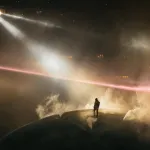
Ye performs comeback concert after apology
American artist Ye, formerly known as Kanye West, held a large concert at SoFi Stadium in Inglewood, California, in March 2026, marking a return to live performance following a period of ...
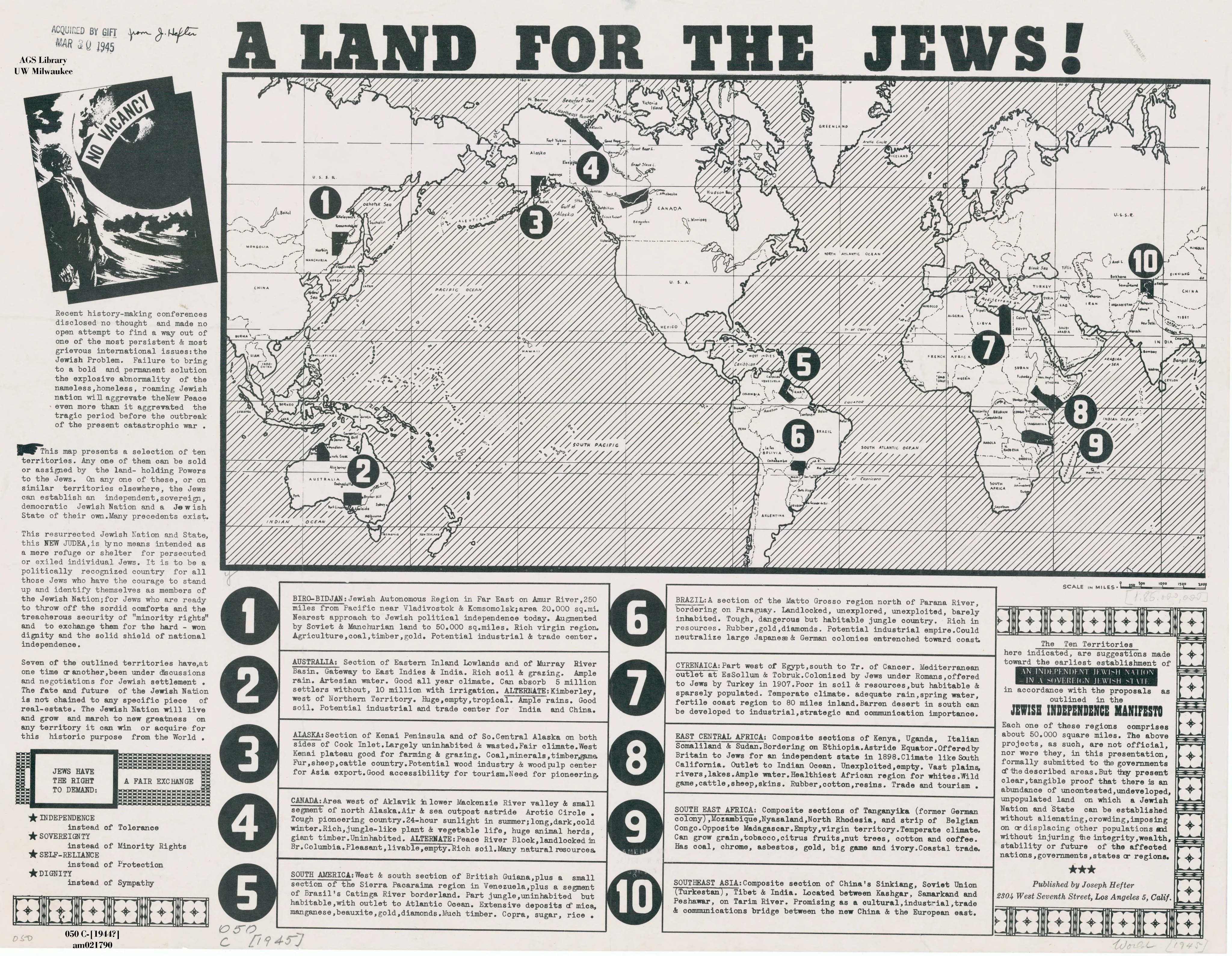
Proposed Jewish Settlements and Local Creation Myths body { font-family: Arial, sans-serif; background-color: #f4f4f9; margin: 0; padding: 0; } .timeline-container { ...
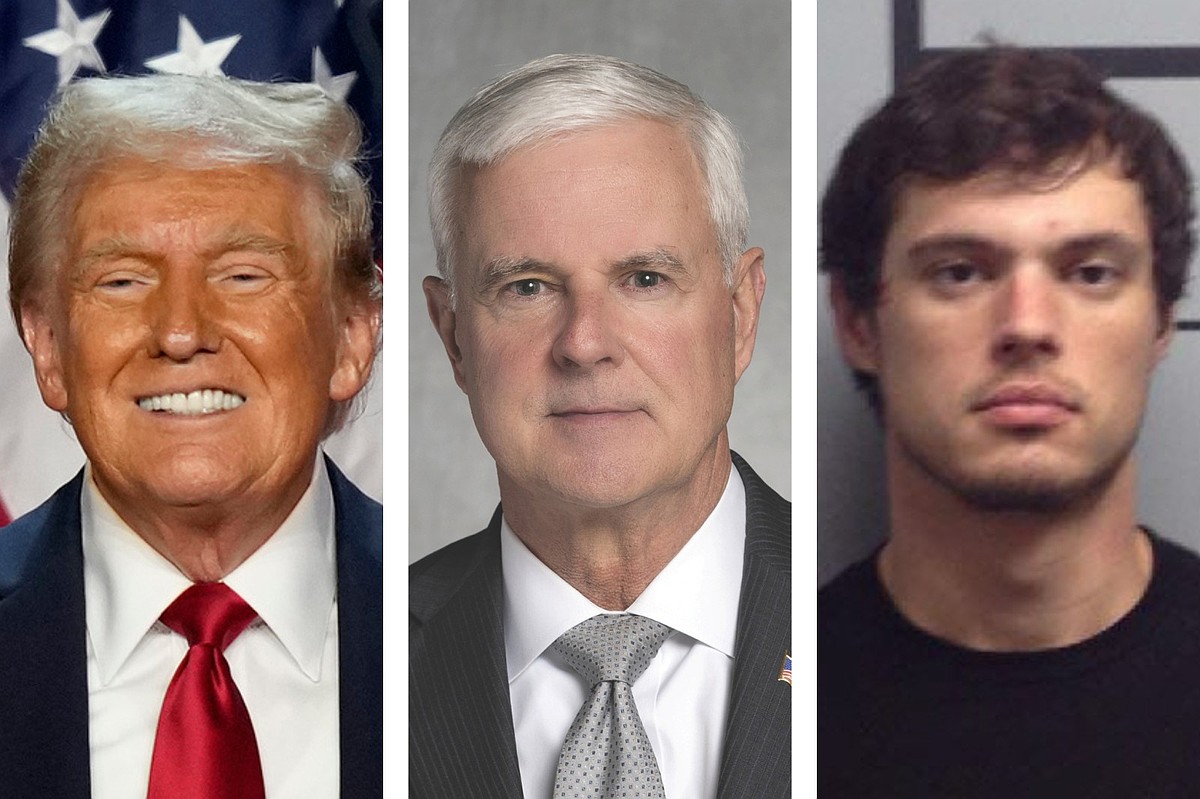
On January 15, 2026, President Donald Trump commuted the remaining federal prison sentence of James Phillip Womack, the adult son of U.S. Representative Steve Womack of Arkansas. The comm...
On July 9, 2025, the United States government announced sanctions against Francesca Albanese, the United Nations Special Rapporteur on the situation of human rights in the Palestinian ter...
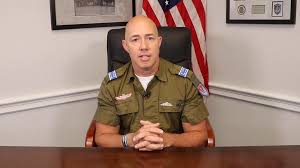
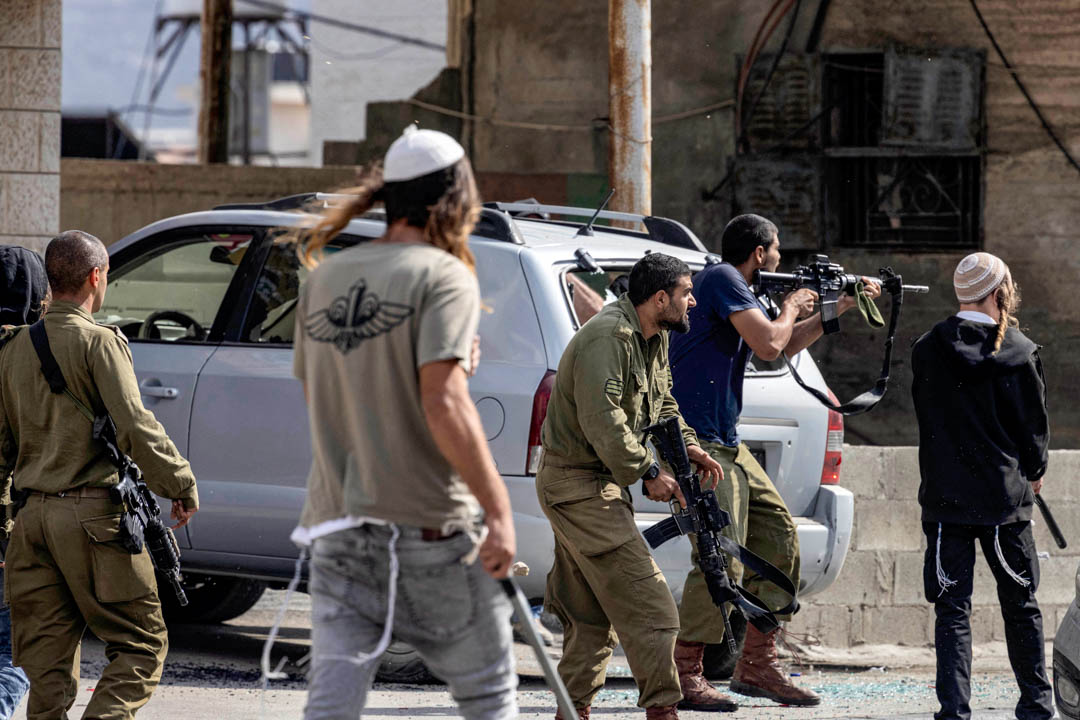
U.S. Representative Brian Mast, a Republican from Florida and chair of the House Foreign Affairs Committee, drew attention on Capitol Hill when he appeared in an Israel Defense Forces (ID...
John David McAfee (September 18, 1945 – June 23, 2021) was a British‑American programmer and businessman best known for founding the McAfee antivirus software company. He later became a p...
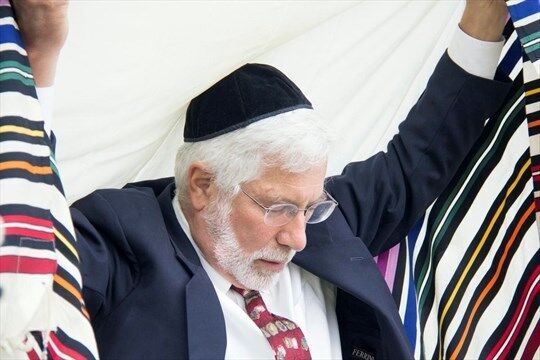
In May 2019, Rabbi David Mivasair, a Canadian citizen from Hamilton, Ontario, was detained by Israeli military forces in the South Hebron Hills region of the West Bank while participating...
Mendel Tevel is a rabbi who worked at a Jewish youth community center in Beverly Hills, California, United States. He previously worked as a youth worker in Brooklyn, New York, United Sta...
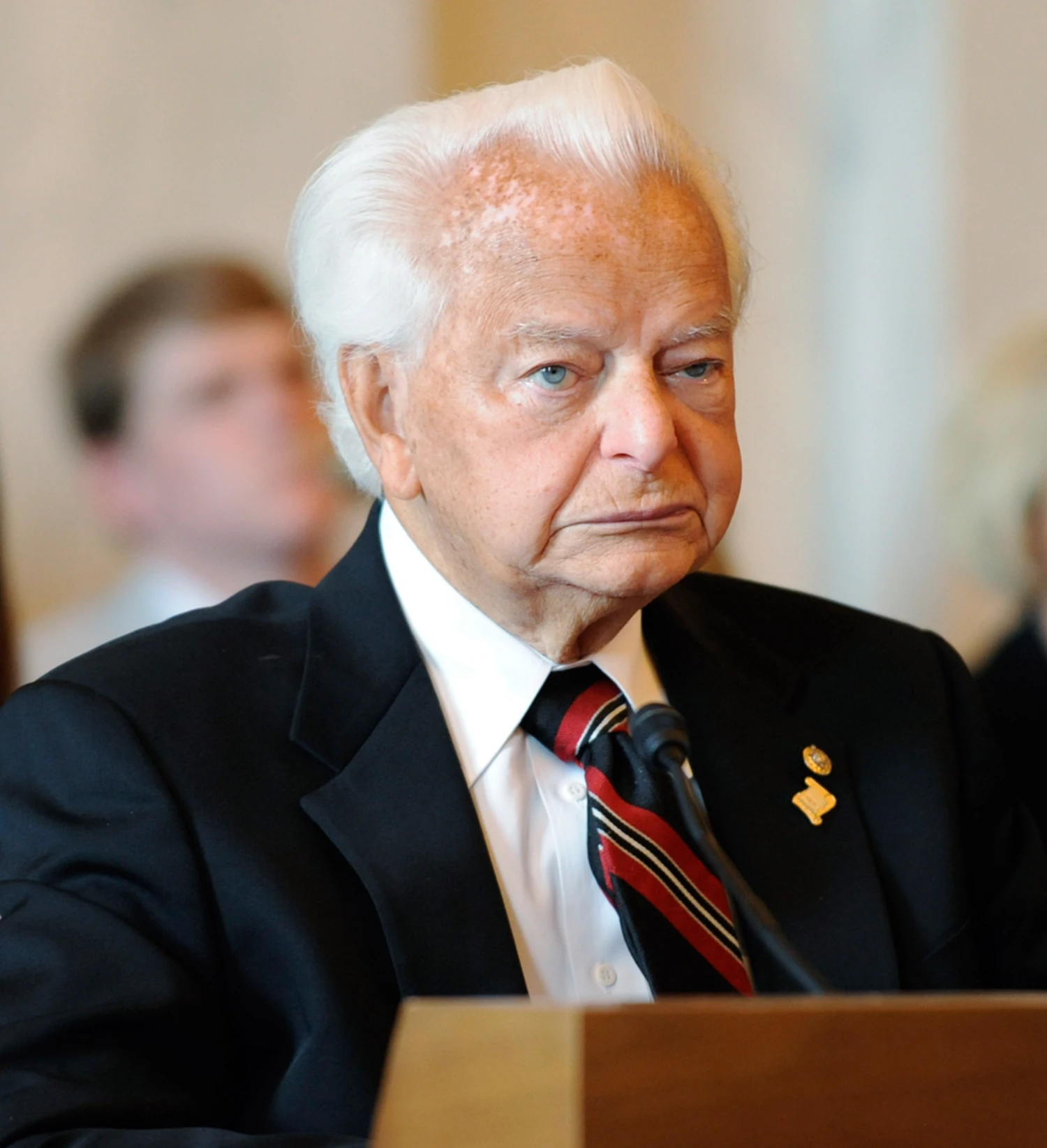
Senator Robert Byrd eulogy connections and affiliations Senator Robert Byrd, a longtime U.S. Senator from West Virginia, passed away on June 28, 2010. Byrd had a documented history of me...
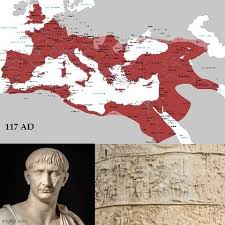
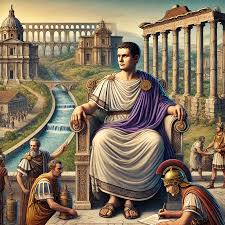
Trajan became Roman Emperor following the death of Domitian, marking a period of significant military expansion and administrative reform. His accession was recognized by the Senate, soli...
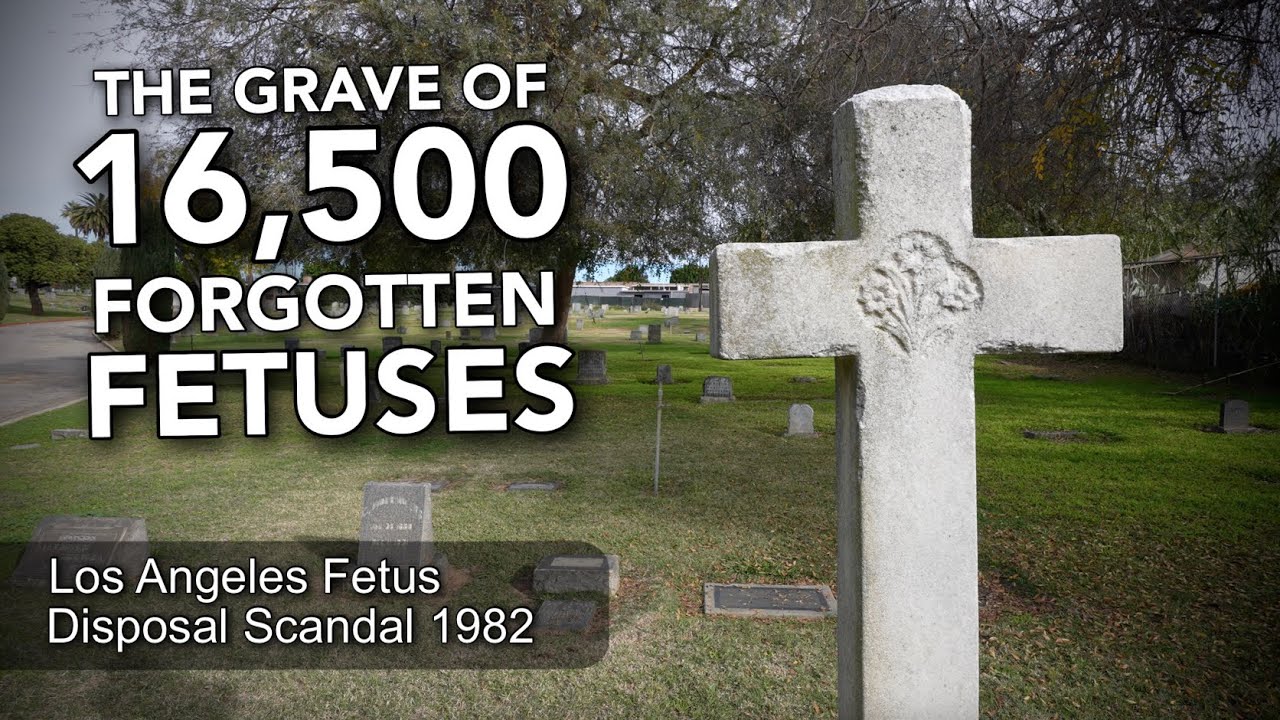
On February 4, 1982, authorities in Los Angeles County discovered thousands of preserved human fetuses inside a repossessed storage container connected to a defunct pathology laboratory. ...
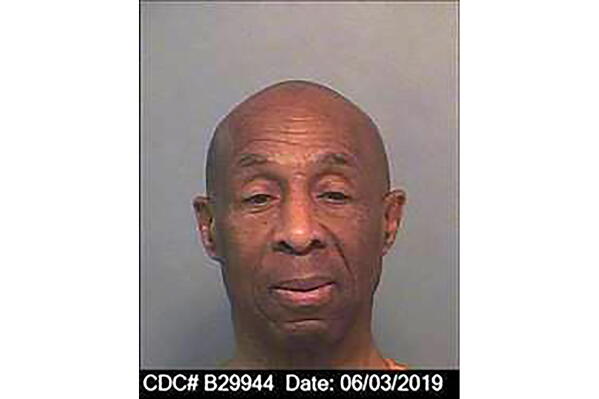
The Zebra murders were a series of killings and shootings committed in San Francisco between October 1973 and April 1974. The attacks resulted in 14 deaths and seven or eight nonfatal inj...
Background and Long‑Term Pattern Violence by Israeli settlers against Palestinian civilians in the occupied West Bank has been tracked since at least 2006, with thousands of incidents of...
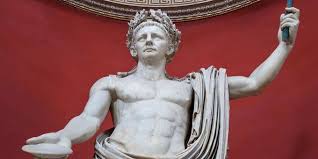
Claudius II Gothicus became Roman Emperor following the death of his predecessor. His accession marked a shift during a turbulent period of frequent leadership changes in the empire.Known...
Gallienus became Roman Emperor following the assassination of his father, Valerian. His accession marked the beginning of a co-rule, where he shared power with his father before Valerian ...
Emperor Elagabalus began implementing religious reforms centered on the worship of the Syrian sun god Elagabal. He elevated this deity above the traditional Roman gods, disrupting long-es...
Macrinus, formerly a praetorian prefect, became Roman Emperor following the assassination of Caracalla. This marked a significant shift in imperial authority as Macrinus was the first emp...
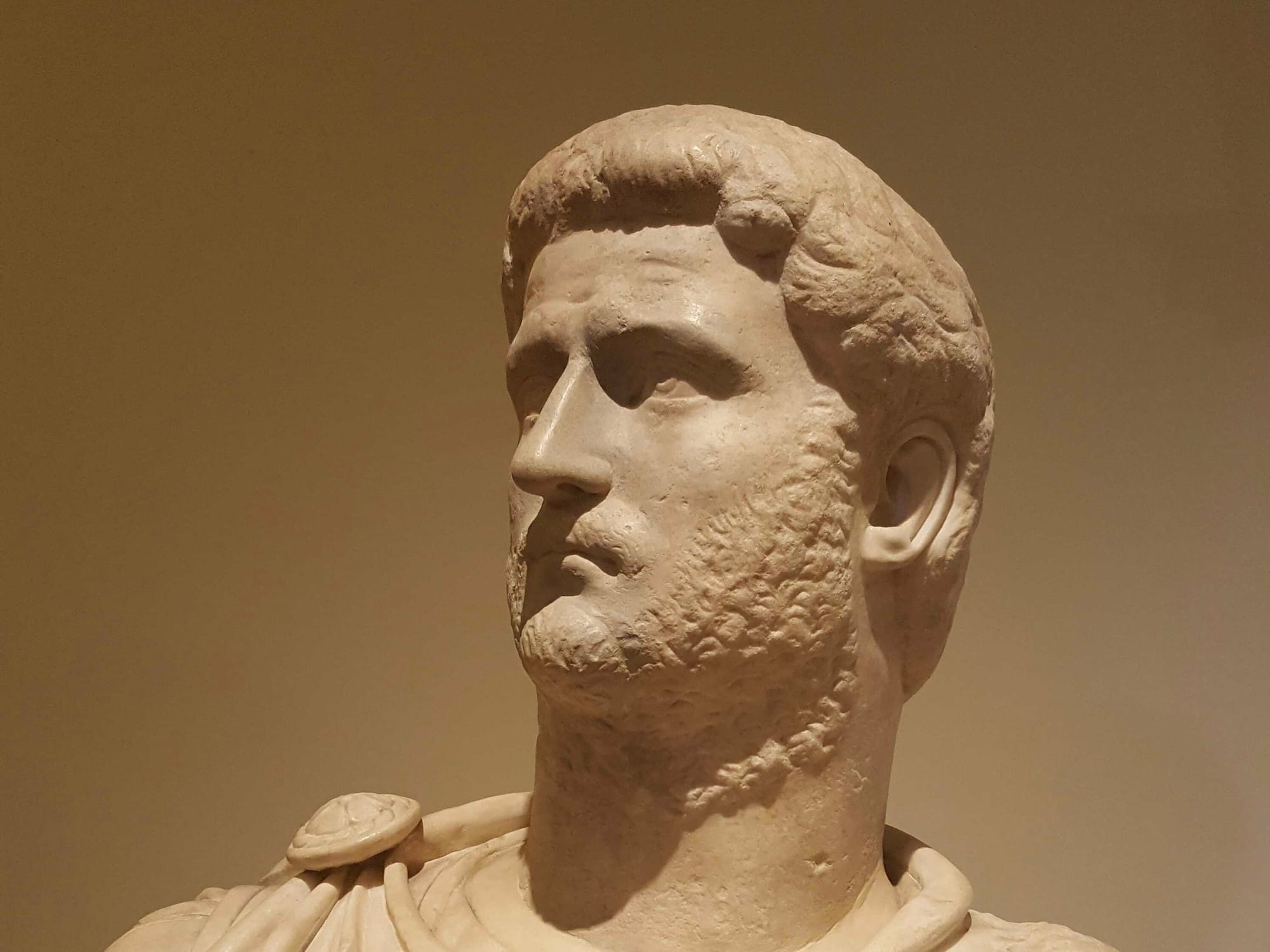
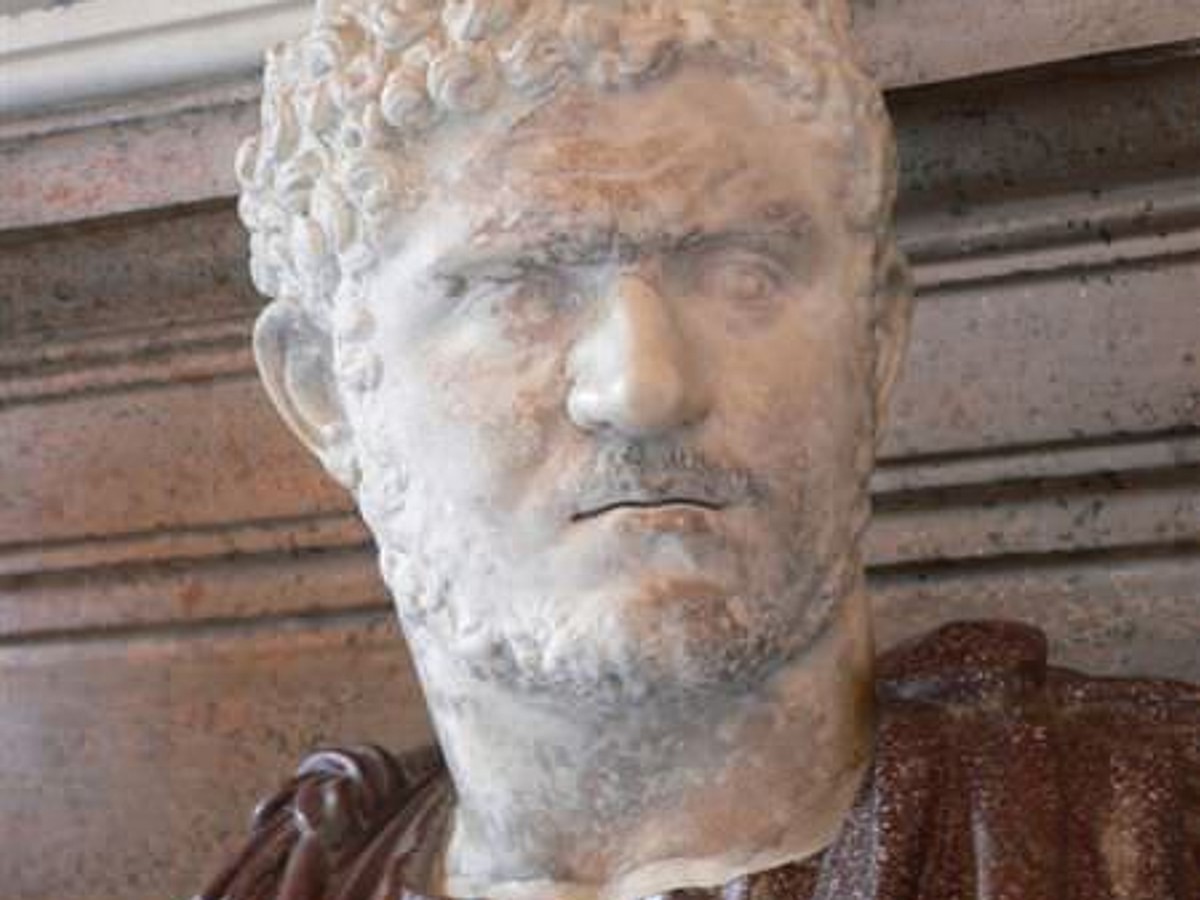
Caracalla officially took the title of Augustus, marking his elevation to co-emperor alongside his father, Septimius Severus. This move solidified his position within the Severan dynasty ...
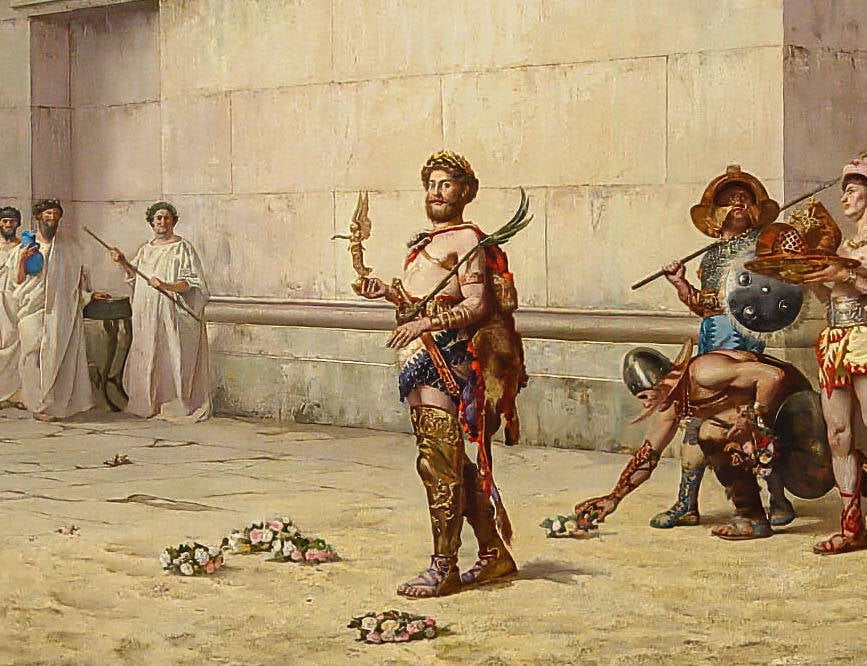
Commodus formally assumed the role of Roman Emperor following the death of his father Marcus Aurelius. His accession marked a significant transition from the era of the traditional adopti...
Roman Emperor Marcus Aurelius officially declared his son Commodus as co-emperor, sharing imperial authority.This political move marked the first time a biological son was directly elevat...
Antoninus Pius assumed the position of Roman Emperor following the death of Hadrian on August 11. He was appointed by the Senate and accepted by the army without opposition, securing a pe...
After the murder of Emperor Domitian, the Roman Senate appointed Nerva as emperor, marking a shift from autocratic rule to a more stabilizing governance. Nerva, previously a respected sen...
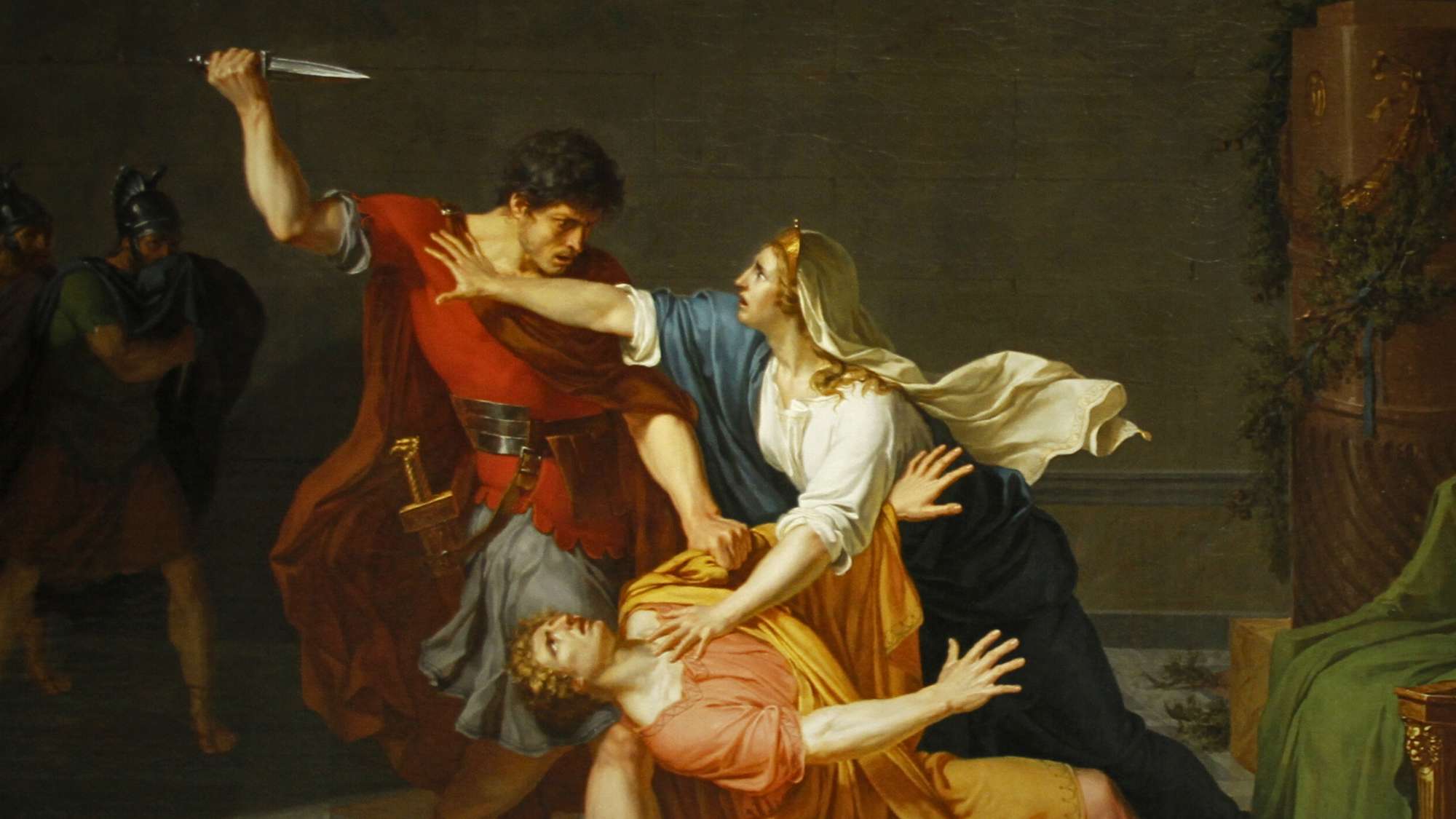
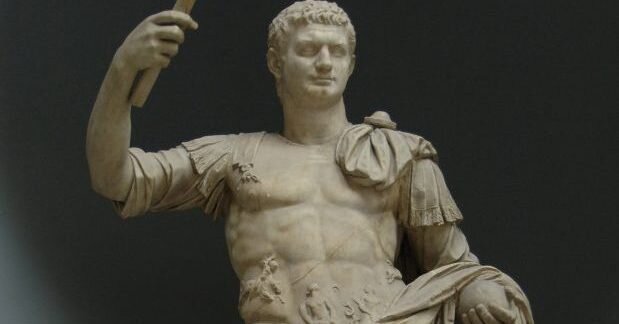
Domitian, the Roman Emperor, was assassinated on September 18th within his residence on the Palatine Hill in Rome. The conspiracy involved court officials and members of the Praetorian Gu...
Following the death of Emperor Titus, Domitian, his younger brother, ascended to the throne of the Roman Empire. The accession occurred peacefully, marking the continuation of the Flavian...
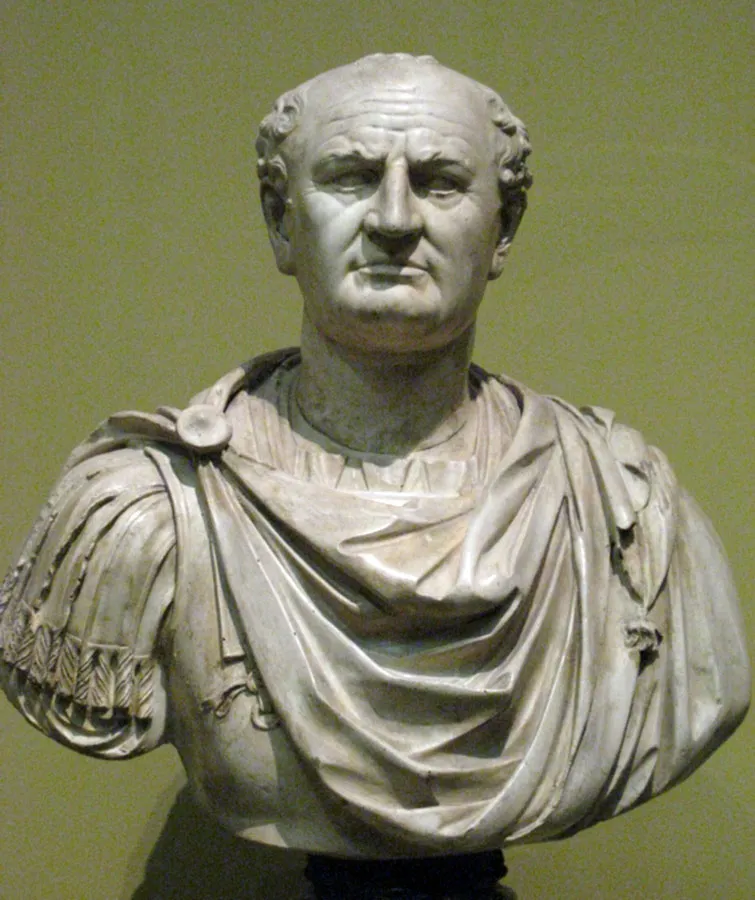
Following a year of civil war known as the Year of the Four Emperors, Vespasian emerged as the uncontested ruler of the Roman Empire. His rise marked the end of the Julio-Claudian dynasty...
Vitellius was declared emperor by the legions of Germania during the chaotic Year of the Four Emperors. After the death of Emperor Otho, Vitellius marched to Rome where he was formally re...
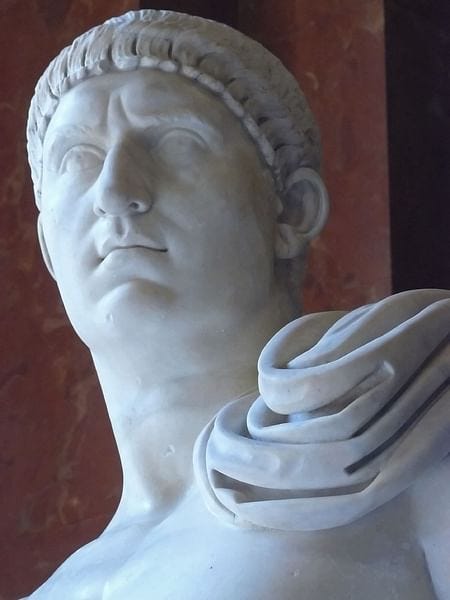
Following the death of Emperor Galba, Otho swiftly ascended to power in Rome, marking a critical juncture in the Year of the Four Emperors. His accession was characterized by rapid politi...
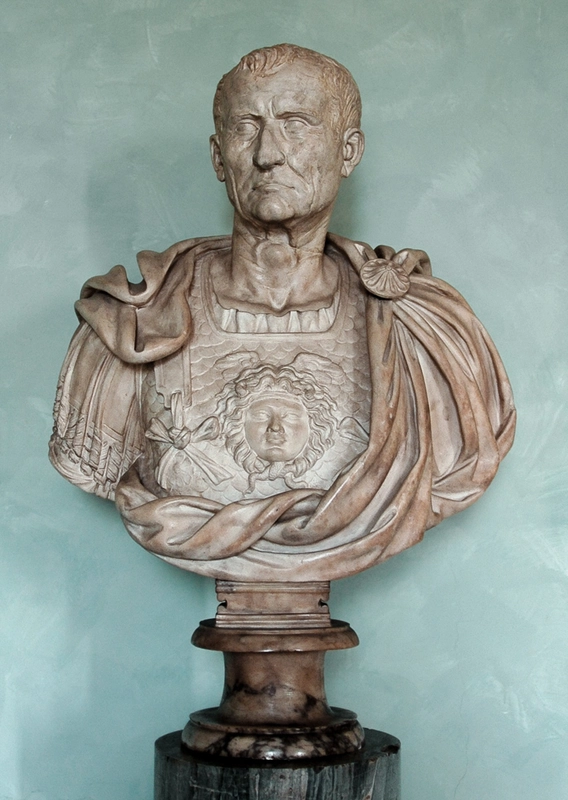
Galba was declared Roman Emperor following the assassination of Nero, marking the end of the Julio-Claudian dynasty. His accession was largely supported by the Senate and the Praetorian G...
Following the death of Emperor Claudius, Nero Claudius Caesar Augustus Germanicus was declared Roman Emperor. His rise to power was orchestrated largely by his mother, Agrippina the Young...
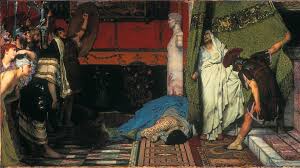
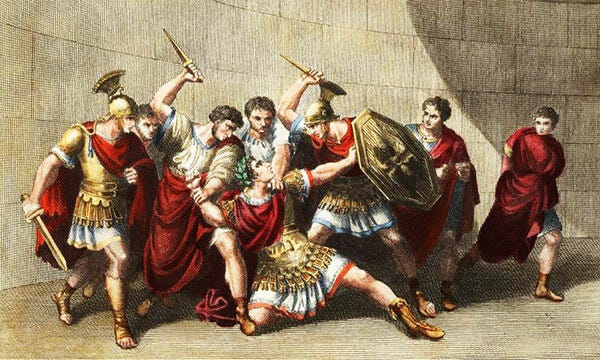
Caligula, the third Roman emperor, was assassinated by members of the Praetorian Guard on January 24th. His reign was marked by controversy, extravagance, and reported acts of cruelty, wh...
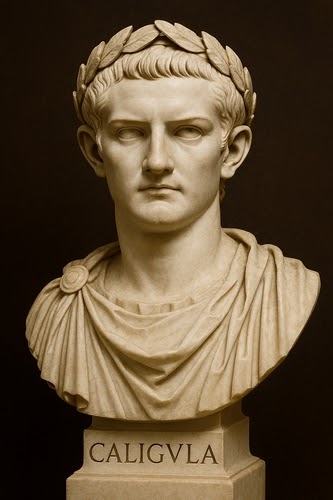
Caligula, born Gaius Julius Caesar Germanicus, became Roman Emperor following the death of Tiberius. His accession marked a significant transition in the Julio-Claudian dynasty.His rise t...
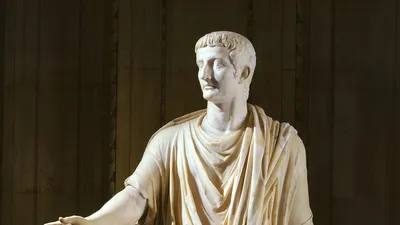
Following the death of Augustus, Tiberius was officially declared emperor by the Roman Senate, marking the beginning of his reign. This accession consolidated the Julio-Claudian dynasty a...
22 December 1941 — Roosevelt and Churchill begin the Arcadia Conference in Washington shortly after American entry into the war. Despite Pearl Harbor, the United States and Britain confir...
14 August 1941 — Roosevelt and Churchill issue a statement of broad principles for the postwar world, including territorial restraint, economic cooperation and forms of self-government. T...
28 May 1940 — During the military crisis in France, Britain's War Cabinet continues debating whether Italian mediation might open negotiations with Germany. Winston Churchill argues stron...
17 July 1945 — Truman, Stalin and initially Churchill meet near Berlin after Germany's defeat. They discuss occupation policy, borders, reparations and the war against Japan. Churchill is...
28 November 1943 — Roosevelt, Churchill and Stalin meet together for the first time. Stalin presses strongly for a second front in Western Europe, and the Western Allies confirm plans for...
28 November 1943 — Stalin, Roosevelt and Churchill meet together for the first time. Stalin presses for a Western invasion of France while the Soviet Union continues carrying the main lan...
10 May 1940–26 July 1945 — Churchill serves as British prime minister through nearly the entire European war. He strongly opposes negotiating a settlement with Hitler and becomes the publ...
4 February 1945 — Franklin Roosevelt, Winston Churchill and Joseph Stalin meet in Crimea as Germany approaches defeat. They discuss occupation zones, Poland, postwar Germany, Soviet parti...
4 February 1945 — Roosevelt, Churchill and Stalin debate Poland's borders and government at Yalta. The Soviet Union already occupies most Polish territory, giving Stalin overwhelming leve...