The Zebra murders were a series of killings and shootings committed in San Francisco between October 1973 and April 1974. The attacks resulted in 14 deaths and seven or eight nonfatal injuries, depending on the historical account. The victims were white, while the four men eventually convicted in connection with the killings were African American. Investigators and prosecutors described the attacks as racially motivated.
The first attacks occurred in October 1973. The violence continued for approximately six months and involved shootings of people in different parts of San Francisco. Many victims were attacked without an apparent prior relationship with their assailants. The random nature of the attacks contributed to widespread concern in the city.
The investigation was designated Operation Zebra by the San Francisco Police Department. The name came from the Z, or Zebra, radio frequency assigned to officers working on the investigation. It did not originate from the racial identities of the victims or suspects.
Among the people attacked was Art Agnos, who later served as mayor of San Francisco. On December 13, 1973, Agnos was shot twice while walking near 23rd and Wisconsin streets in the city's Potrero Hill neighborhood. He survived his injuries.
One of the deadliest incidents occurred on January 28, 1974, when several shootings took place across San Francisco. One victim was Jany Holly, who was shot while inside a laundromat. The January attacks prompted Mayor Joseph Alioto to intensify the police response and establish a major citywide search for the perpetrators.
Authorities eventually associated the killings with a group known as the Death Angels. Contemporary prosecutors described the group as a violent faction associated with Black Muslim beliefs and alleged that members selected white people as victims in an effort to provoke racial conflict. Accounts of the group's beliefs and organizational structure varied, and the defendants disputed aspects of the prosecution's characterization.
The investigation also generated controversy over police practices. During the search for suspects, San Francisco police stopped and questioned large numbers of African American men who generally matched physical descriptions provided by witnesses. More than 500 men were detained or questioned during the dragnet. A federal judge subsequently ruled that the practice violated constitutional protections.
The investigation produced a major breakthrough after Anthony Cornelius Harris, an associate of the suspects, provided information to authorities. A $30,000 reward had been offered for information leading to the identification and arrest of the perpetrators. Acting on information supplied by Harris, police conducted raids in San Francisco on May 1, 1974.
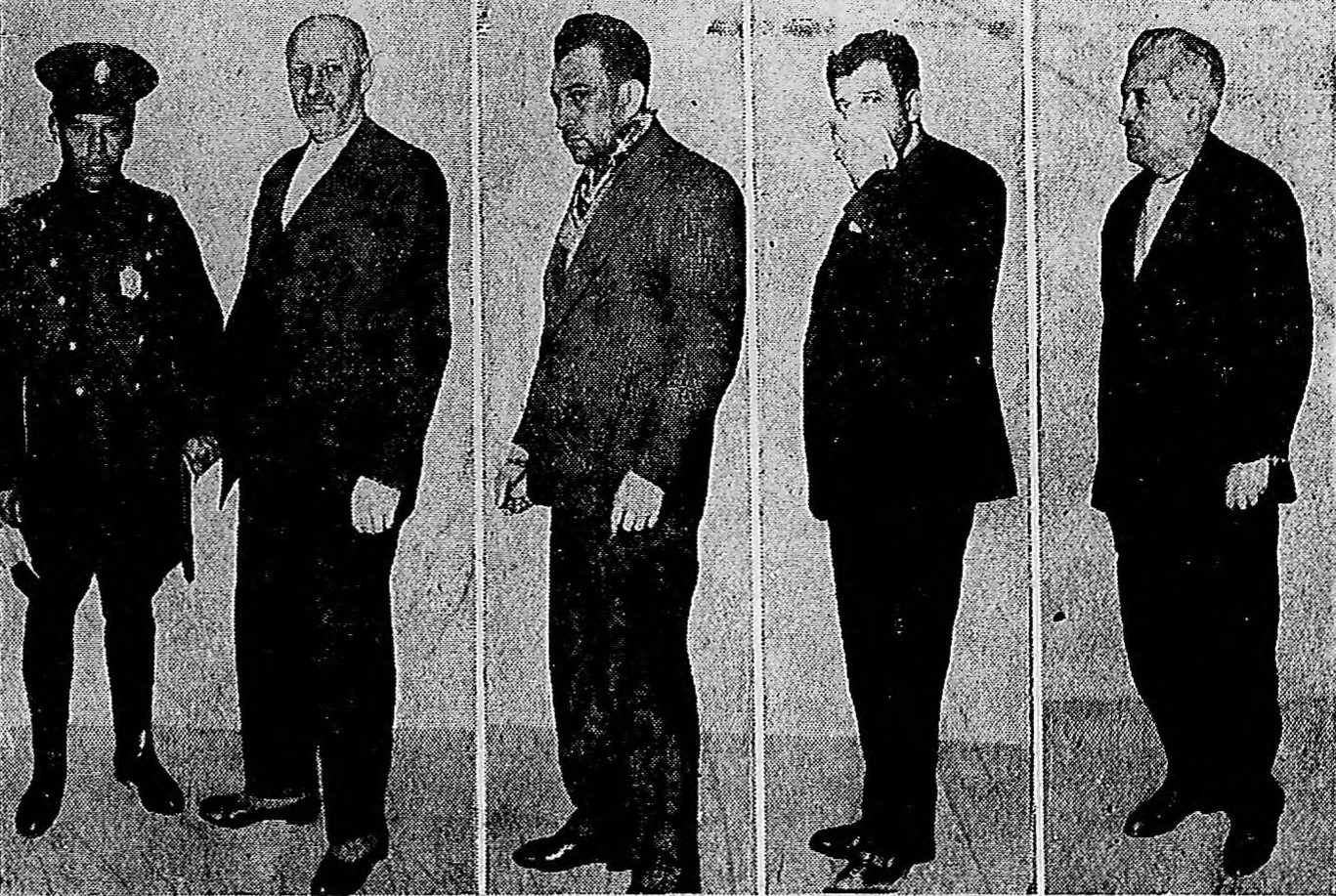
Eight men were initially arrested in connection with the investigation. Four were subsequently released because prosecutors determined that there was insufficient evidence to charge them. The four who remained charged were Jessie Lee Cooks, J.C.X. Simon, Manuel Moore, and Larry Craig Green.
Jessie Lee Cooks had previously admitted involvement in the October 30, 1973, killing of Frances Rose, a physical therapist. Cooks was already incarcerated at Folsom Prison when the later prosecutions proceeded. The other defendants denied responsibility for the killings.
The four defendants were charged with numerous counts involving murder, conspiracy, assault, and related offenses. Their trial began in 1975 and lasted more than a year. The prosecution relied on testimony from witnesses and informants as well as other evidence connecting the defendants to the attacks.
In March 1976, a San Francisco jury convicted Cooks, Simon, Moore, and Green of multiple offenses arising from the killings. They received life sentences. Historical accounts describe the trial as one of the longest criminal trials in California at the time.
The four men were convicted of responsibility for 14 murders. The prosecution also presented evidence concerning attacks in which victims survived. The surviving victims included Art Agnos and other people who provided information to investigators.
Authorities and later accounts have described the Death Angels as a group whose members believed that killing white people could contribute to a broader racial conflict. Some accounts have attributed additional killings to the group, but those claims were not established through convictions in the Zebra prosecutions. The four convictions specifically concerned the murders and other offenses presented in court.
The Zebra investigation had significant consequences for San Francisco policing and civil liberties. The large-scale detention of African American men during the investigation became the subject of legal challenges, and the federal court ruling against the dragnet established an important limitation on police practices during the search for the suspects.
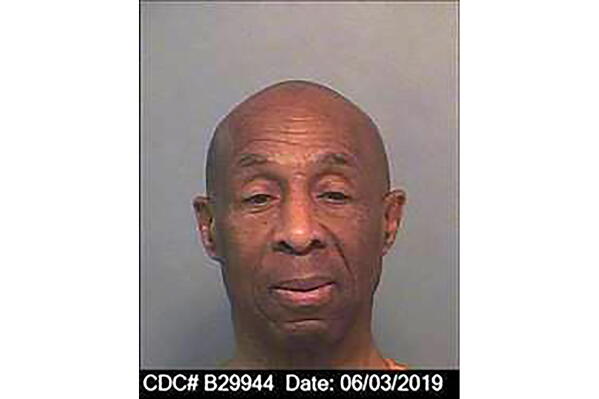
The convictions were followed by repeated parole proceedings. J.C.X. Simon died in San Quentin State Prison in 2015 while serving a life sentence. Manuel Moore died in prison in 2017. Jessie Lee Cooks died in a California prison in 2021. Larry Green remained incarcerated after the deaths of the other three convicted men.
The Zebra murders remain a major historical case in San Francisco because of the number of victims, the racial motive established by prosecutors, the involvement of the Death Angels, the extensive police investigation, and the constitutional controversy surrounding the city's response. The case also illustrates the distinction between individuals convicted in court and other people who were investigated but never charged.
The killings were investigated as racially motivated attacks because the victims were consistently white while the perpetrators identified by witnesses and later convicted were Black men. Prosecutors presented evidence that the defendants selected victims based on race, and the California Court of Appeal's review of the convictions described the shootings as attacks in which Caucasian victims were targeted by Black male gunmen. The racial motive was therefore a central element of the prosecution's account of the Zebra killings, although the broader investigation also involved disputed allegations concerning additional victims and other members of the group.