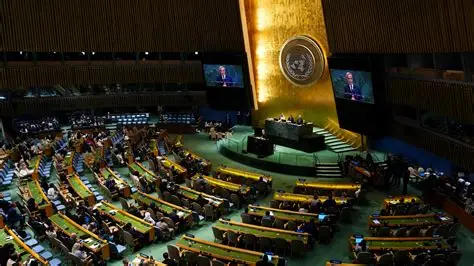
UN begins leadership selection
The United Nations Security Council held its first straw poll on July 30, 2026, to evaluate candidates seeking to become the next secretary-general. The vote marked the beginning of the C...
Event Timeline body { font-family: Arial, sans-serif; background-color: #f4f4f9; margin: 0; padding: 0; } .timeline-container { max-width: 900px; margin: 50px auto; p...
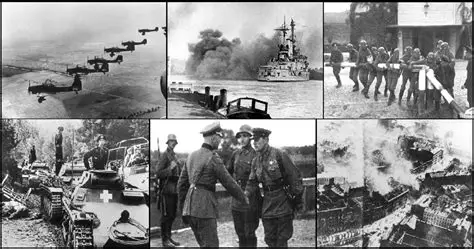
World War II Begins body { font-family: Arial, Helvetica, sans-serif; line-height: 1.6; margin: 40px; background-color: ...
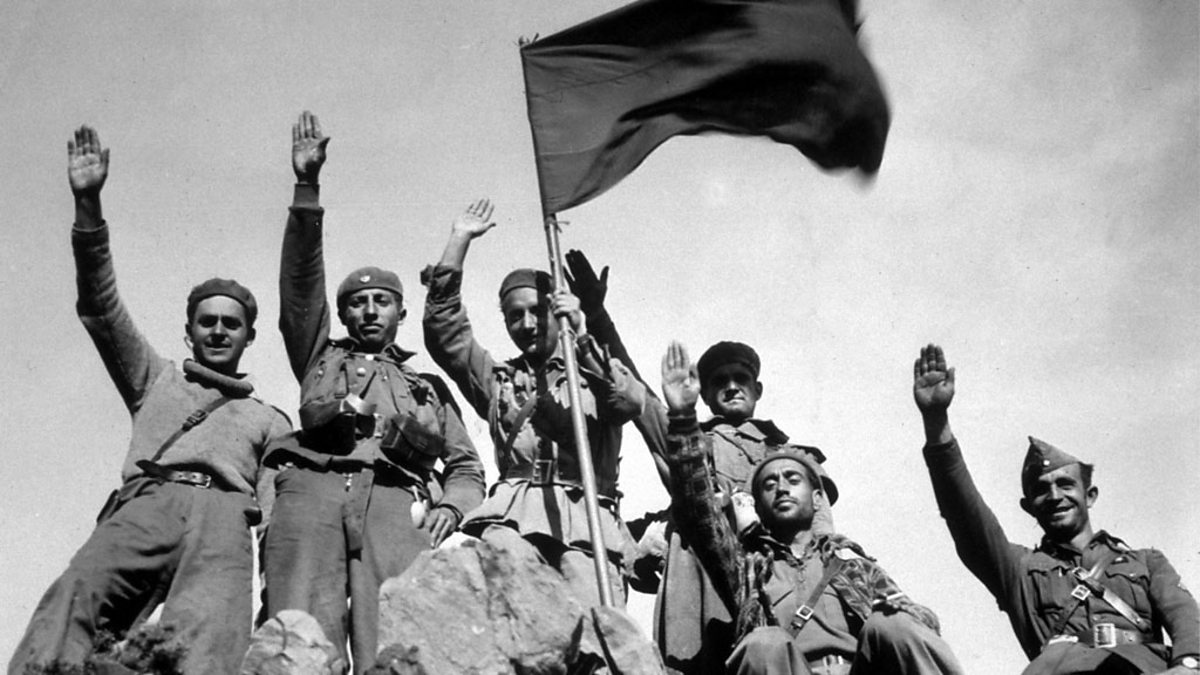
The Spanish Civil War began between Republicans and Nationalists, reflecting ideological battles over fascism, socialism, and democracy, with international implications.
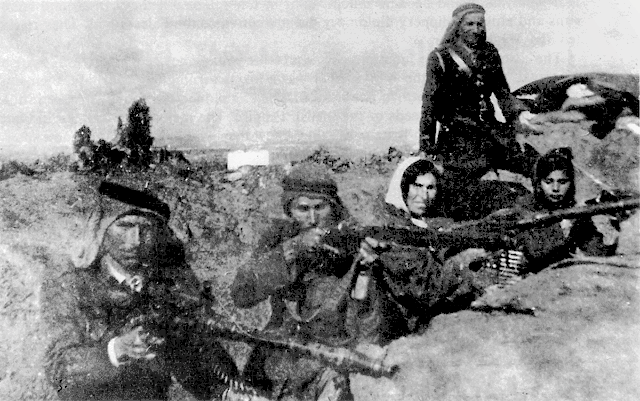
The Arab Revolt in Palestine was a nationalist uprising by Palestinian Arabs against British colonial rule and mass Jewish immigration under the British Mandate, which followed the 1917 B...
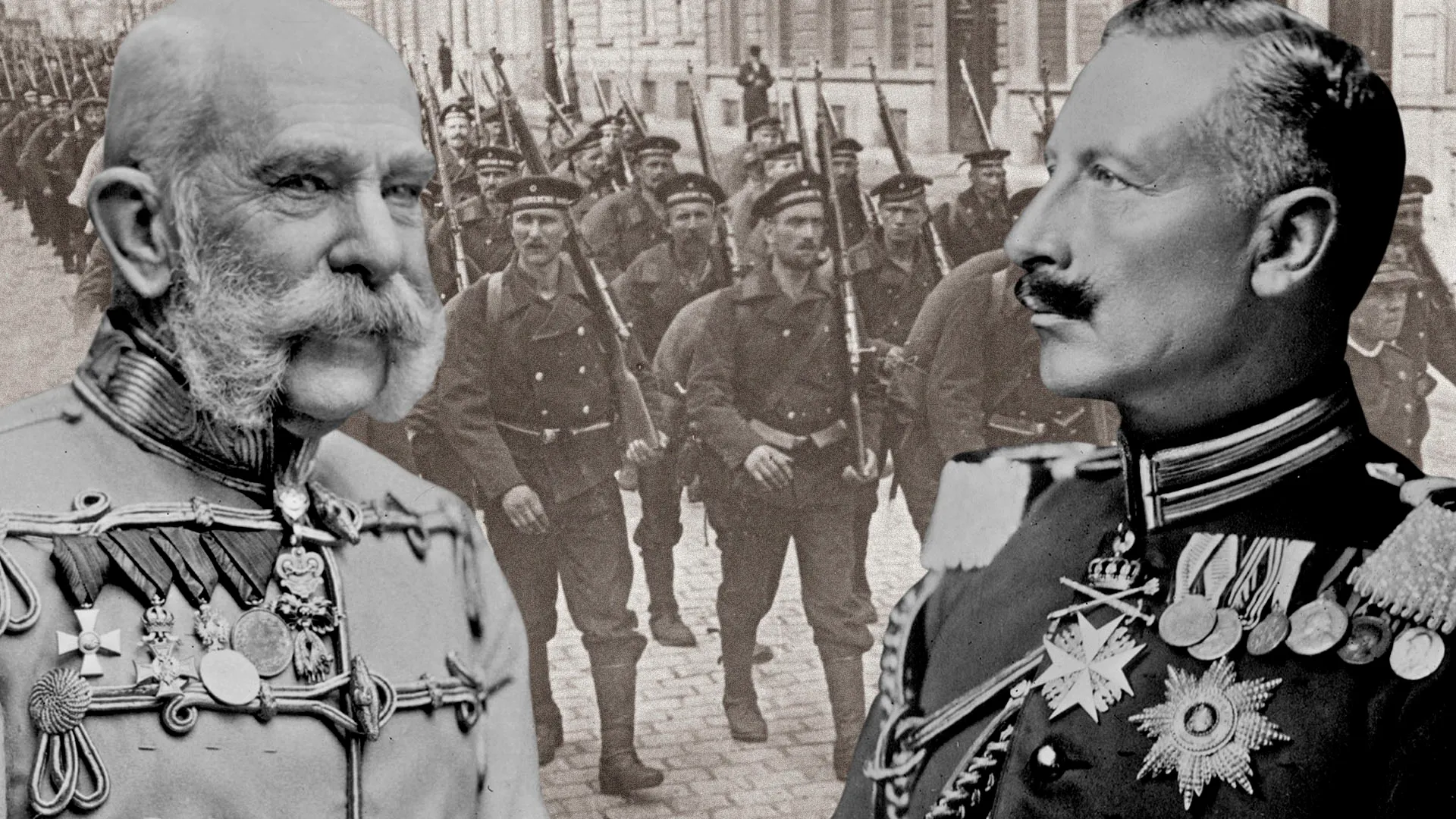
World War I, also known as the Great War, began when Austria-Hungary declared war on Serbia following the assassination of Archduke Franz Ferdinand. The conflict quickly escalated, drawin...
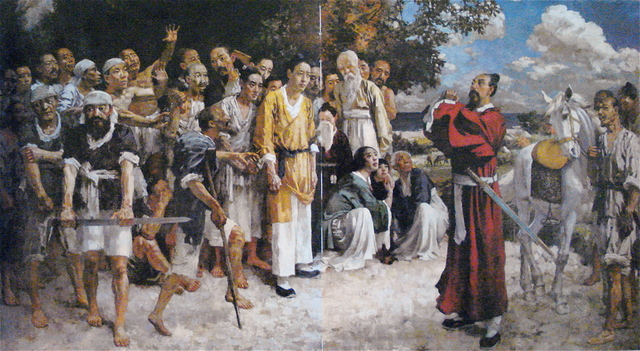
The Taiping Rebellion in China began under Hong Xiuquan, advocating radical social reforms and religious-inspired communal living, challenging the Qing dynasty.
The French Revolution began with the storming of the Bastille, symbolizing the fight against monarchy, social inequality, and the pursuit of liberty, equality, and fraternity.
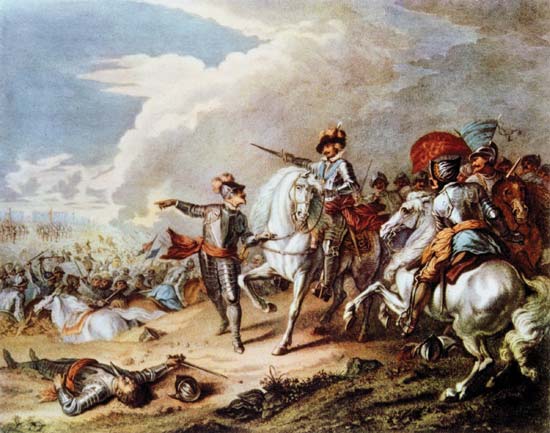
The English Civil War began between Royalists and Parliamentarians, reflecting conflicts over monarchy, parliamentary power, and religious freedom.
29 April 1991 — New constitutional provisions formally establish the Republic of Albania during the transition away from communist government. The country begins rebuilding political, eco...
23 July 1952 — Egyptian military officers overthrow King Farouk's government. The movement is driven by dissatisfaction with corruption, political inequality, British influence and Egypt'...
3 November 1918 — Sailors at Kiel revolt after naval leaders attempt to send the fleet into a final battle. The mutiny spreads into a wider revolutionary movement as workers' and soldiers...
8 August 1918 — Allied armies attack near Amiens and begin the sustained offensive sequence known as the Hundred Days. Improved coordination of artillery, infantry, tanks, aircraft and lo...
21 March 1918 — Germany launches Operation Michael, the first of several major offensives designed to win the war in the west before American manpower becomes overwhelming. Specialized as...
6 April 1917–11 November 1918 — The United States begins converting its enormous economy and population into military power. Millions of men enter the draft system while shipping, finance...
1 July 1916 — British and French forces open the Somme offensive after an enormous artillery preparation. The first day becomes the bloodiest single day in British military history. Fight...
4 June 1916 — Russian General Aleksei Brusilov launches a major offensive against Austria-Hungary. Innovative preparation and attacks across a broad front produce spectacular early breakt...
21 February 1916 — Germany launches a major offensive against the fortified Verdun region. French forces commit enormous manpower and artillery to prevent the fortress zone from falling. ...
19 February 1915 — British and French naval forces begin major operations against the Ottoman defenses of the Dardanelles. The Allies hope to force the straits, threaten Constantinople an...
639–642 CE — Forces commanded by Amr ibn al-As invade Byzantine Egypt during the early Islamic conquests. Byzantine resistance collapses gradually, and Alexandria eventually passes under ...
229–228 BCE — Rome sends military forces across the Adriatic against Queen Teuta's kingdom. The war marks Rome's first major armed intervention on the eastern Adriatic coast and begins a ...
c. 1070 BCE — Central royal authority weakens while powerful priestly institutions and regional rulers gain influence. Egypt loses much of its empire in the Levant and increasingly fragme...
c. 1479–1458 BCE — Hatshepsut begins as regent for the young Thutmose III but eventually assumes full pharaonic titles. Royal imagery increasingly depicts her with traditional male symbol...
c. 1550–1525 BCE — Ahmose I completes the Theban war against the Hyksos and captures their capital at Avaris. His campaigns reunify Egypt and extend Egyptian power into Nubia and the sout...
c. 2650 BCE — Djoser's Step Pyramid complex represents a revolutionary leap in monumental stone architecture. Traditionally associated with the official Imhotep, the project begins as a m...
16 January 1942 — Roosevelt creates the War Production Board to coordinate conversion of the American economy to wartime needs. Automobile plants, steel mills, aircraft factories and ship...
6 August 1945 — An American B-29 drops the uranium bomb Little Boy on Hiroshima. The explosion and fire destroy much of the city and kill tens of thousands of people immediately, with man...
29 September 1941 — German SS, police and associated units murder tens of thousands of Jews in the Babi Yar ravine near Kyiv over two days. The massacre becomes one of the most notorious ...
20 April 1945 — Soviet artillery begins shelling central Berlin as forces close around the German capital. Street fighting becomes intense while Nazi leaders remain inside the city. Germa...
10 July 1940 — The Luftwaffe begins the sustained air campaign conventionally identified as the Battle of Britain. Germany seeks air superiority as a prerequisite for a possible invasion ...
5 July 1943 — Germany launches Operation Citadel against the Kursk salient. Soviet intelligence and defensive preparations create deep belts of mines, anti-tank positions and artillery. G...
4 June 1942 — American carrier forces intercept a Japanese operation aimed at Midway Atoll. U.S. cryptanalytic intelligence allows Admiral Chester Nimitz to position carriers in advance. ...
23 August 1942 — German forces begin the major assault phase against Stalingrad after intensive Luftwaffe bombing. The city's industrial and symbolic importance combines with its strategi...
23 August 1942 — German forces begin the major assault phase against Stalingrad while the wider German campaign pushes toward oil resources in the Caucasus. Fighting inside the city becom...
16 December 1944 — Germany launches a surprise offensive through the Ardennes in an attempt to split Allied armies and seize Antwerp. Initial German advances create a deep bulge in Allied...
28 June 1942 — Germany launches its major summer offensive toward southern Russia and the Caucasus. Hitler seeks the oil resources of the Caucasus and control of the Volga region. German ...
29 July 1936 — Germany begins sending military aircraft and personnel to assist Franco's forces in Spain. The Condor Legion later conducts bombing operations, including the destruction of...
8 April 1944 — Soviet forces attack German and Romanian troops in Crimea. Axis defenses collapse rapidly and Sevastopol falls in May. The Soviet victory removes an important Axis position...
6 June 1944 — Allied forces land on the Normandy coast in Operation Overlord. American, British, Canadian and other Allied formations assault five principal beaches while airborne troops ...
26 May 1940 — Britain begins Operation Dynamo to evacuate Allied troops trapped around Dunkirk. Naval vessels, merchant ships and hundreds of smaller civilian craft participate in the eva...
Klaus Schwab organized the first European Management Symposium in Davos in February 1971. The meeting brought together hundreds of European business executives, academics and representati...
7 July 1937 — Fighting near the Marco Polo Bridge escalates into a major war between Japan and China. Japanese forces capture major cities including Shanghai and Nanjing, but China does n...
23 May 1941 — German economic planners develop guidelines that assume food from occupied Soviet territories will be redirected toward Germany and the Wehrmacht. Officials understand that ...
16 March 1935 — Hitler announces conscription and expansion of Germany's armed forces in open violation of Versailles restrictions. Germany has already been rearming secretly, but the ann...
1 August 1914 — Germany declares war on Russia after demanding that Russian mobilization stop. German military planning assumes that a war with Russia will also involve France. Berlin the...
15 March 1939 — German forces occupy Prague and dismantle what remains of Czechoslovakia. Bohemia and Moravia become a German protectorate while Slovakia becomes formally independent but ...
1 February 1917 — Germany begins unrestricted submarine attacks against shipping approaching Allied-controlled waters. German naval leaders believe U-boats can reduce British imports enou...
20 January 1942 — Wannsee provides a powerful investigative anchor, but the process begins earlier. Follow antisemitic legislation, ghettos, deportations, invasion of the Soviet Union, ma...
Henry Kissinger formally assumed the position of Assistant to the President for National Security Affairs at the beginning of the Nixon administration.
10 January 1920 — The League of Nations formally begins operation as part of the postwar effort to create a system of collective security. Its members pledge to address international disp...
3 January 1925 — After the crisis surrounding the murder of socialist politician Giacomo Matteotti, Mussolini publicly assumes political responsibility and moves decisively toward dictato...
15 September 1935 — The Nazi regime adopts the Nuremberg Laws, stripping German Jews of full citizenship and prohibiting marriages and sexual relations defined as racially mixed. The legi...
22 June 1944 — The Red Army launches a huge offensive against German Army Group Centre in Belarus. Soviet commanders use deception, enormous artillery concentrations, armored exploitation...
22 June 1941 — Germany and its allies invade the Soviet Union along a vast front from the Baltic to the Black Sea. Hitler expects the Soviet state to collapse after a short campaign and a...
4 January 1944 — The Polish Home Army begins implementing Operation Tempest as Soviet forces approach prewar Polish territory. Underground units attempt to fight German forces openly and ...
17 July 1945 — Truman, Stalin and initially Churchill meet near Berlin after Germany's defeat. They discuss occupation policy, borders, reparations and the war against Japan. Churchill is...
24 July 1944 — Soviet forces capture Lublin in eastern Poland. The Soviet-backed Polish Committee of National Liberation begins establishing political authority in territories occupied by...
23 October 1942 — British Commonwealth forces under Bernard Montgomery attack Axis positions in Egypt. The battlefield lies close to the furthest Axis advance toward Alexandria and the Su...
29 December 1944 — Soviet and Romanian forces encircle Budapest. Hitler orders the city held while German and Hungarian troops continue resistance. Fighting becomes extremely destructive ...
8 September 1941 — German and Finnish advances isolate Leningrad from most overland supply routes. Hitler chooses not to storm the city immediately and instead expects starvation and bomb...
16 April 1945 — The final offensive toward Berlin begins with one of the largest artillery concentrations of the war. Searchlights, artillery and armored formations support the assault ag...
1 June 1944 — In the weeks before Bagration, Soviet commanders employ extensive deception measures known broadly as maskirovka. Troop concentrations are concealed, false signals are creat...
17 July 1936 — A military uprising against Spain's Republican government begins a prolonged civil war. Nazi Germany and Fascist Italy support Francisco Franco's Nationalist forces, while ...
21 June 1941 — Despite multiple intelligence warnings, Stalin remains reluctant to believe Hitler will immediately launch full-scale war. Soviet forces are not fully prepared for the atta...
31 July 1917 — British-led forces begin the offensive later associated with Passchendaele. Heavy artillery, persistent rain and destroyed drainage systems turn parts of the battlefield in...
1 August 1944 — The Polish Home Army launches an uprising against German occupation as Soviet forces approach Warsaw. Polish leaders hope to liberate the capital before Soviet-backed auth...
4 February 1945 — At Yalta, the Western Allies and Soviet Union remain military partners but increasingly disagree about Poland and the political future of Eastern Europe. Stalin seeks st...
4 February 1945 — Franklin Roosevelt, Winston Churchill and Joseph Stalin meet in Crimea as Germany approaches defeat. They discuss occupation zones, Poland, postwar Germany, Soviet parti...