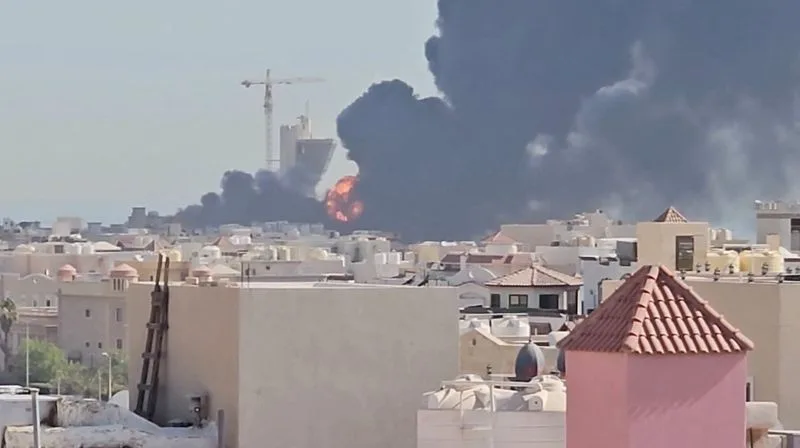
US renews strikes on Iran
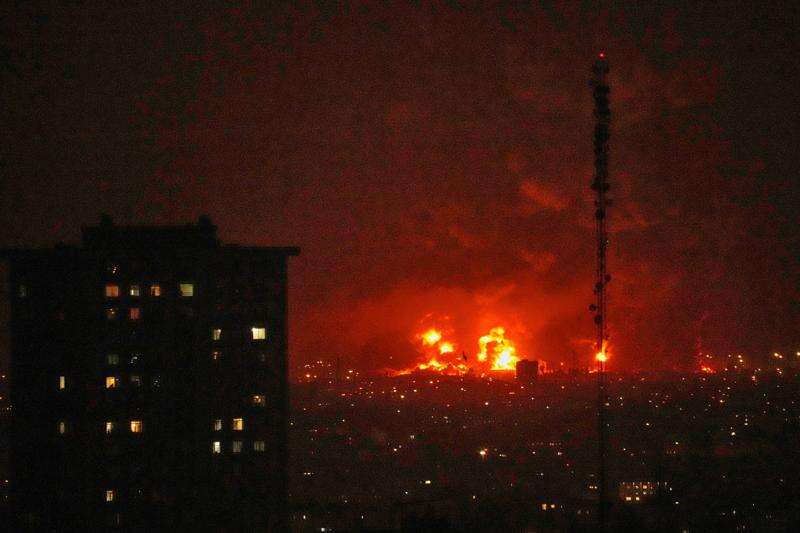
The United States launched a new series of military strikes against Iran on September 1, 2026, marking a major escalation after several weeks of reduced direct fighting. U.S. Central Comm...
Iran names new supreme leader during Tehran airstrike fires On March 8, 2026, Iran’s Assembly of Experts announced the selection of Mojtaba Khamenei as the new Supreme Leader of the Isla...
On February 28, 2026, an airstrike struck the Shajareh Tayyebeh girls’ elementary school in the city of Minab in southern Iran during the opening phase of military hostilities between Ira...
United States President Donald Trump stated on March 6, 2026, that Cuba “is going to fall pretty soon” during a phone interview discussing foreign policy and ongoing international develop...
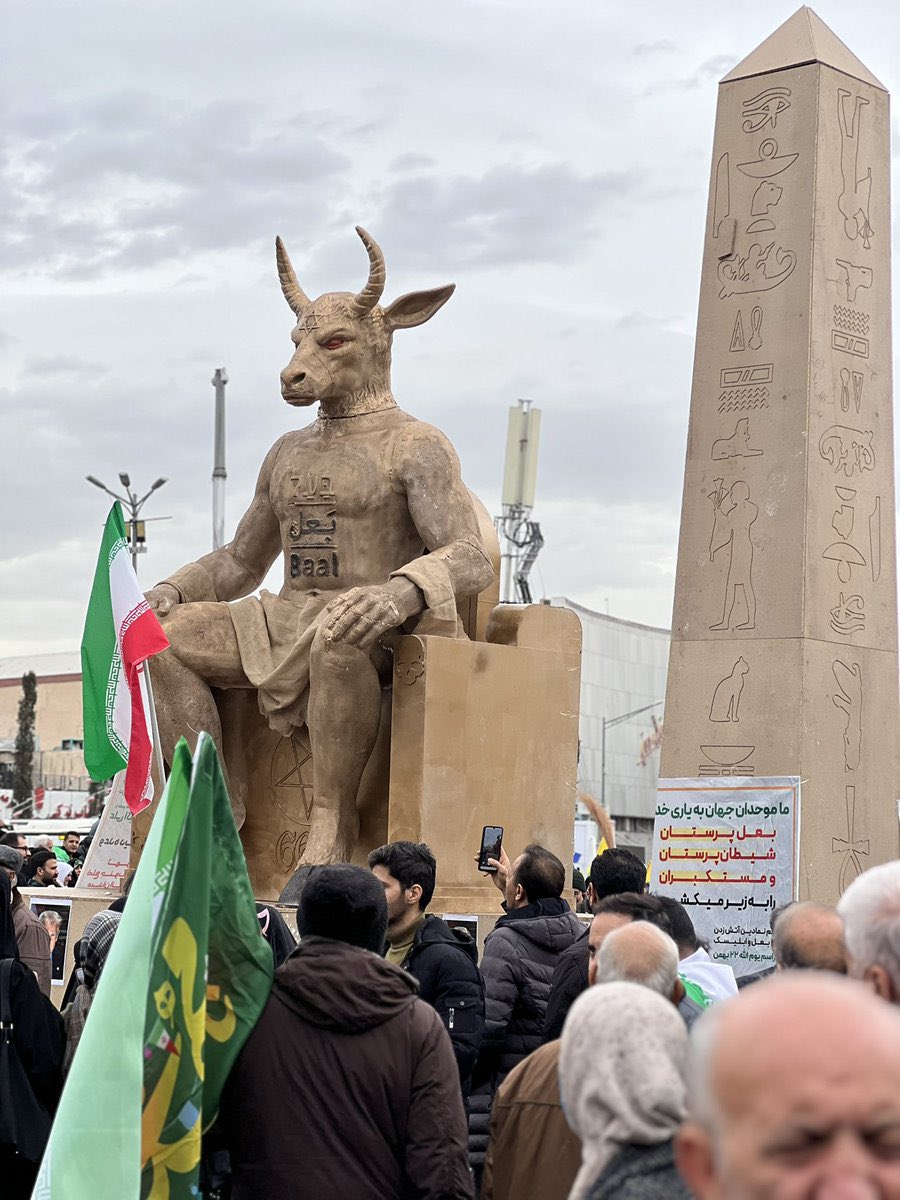
On February 11, 2026, state‑organised rallies marking the 47th anniversary of the 1979 Islamic Revolution in Iran featured demonstrators burning a large statue described as “Baal,” a figu...
Event Timeline body { font-family: Arial, sans-serif; background-color: #f4f4f9; margin: 0; padding: 0; } .timeline-container { max-width: 900px; margin: 50px auto; p...
Iran Announces Live‑Fire Naval Drills Near U.S. Warships in Strait of Hormuz Iran’s Islamic Revolutionary Guard Corps (IRGC) announced a two‑day live‑fire naval exercise in the...
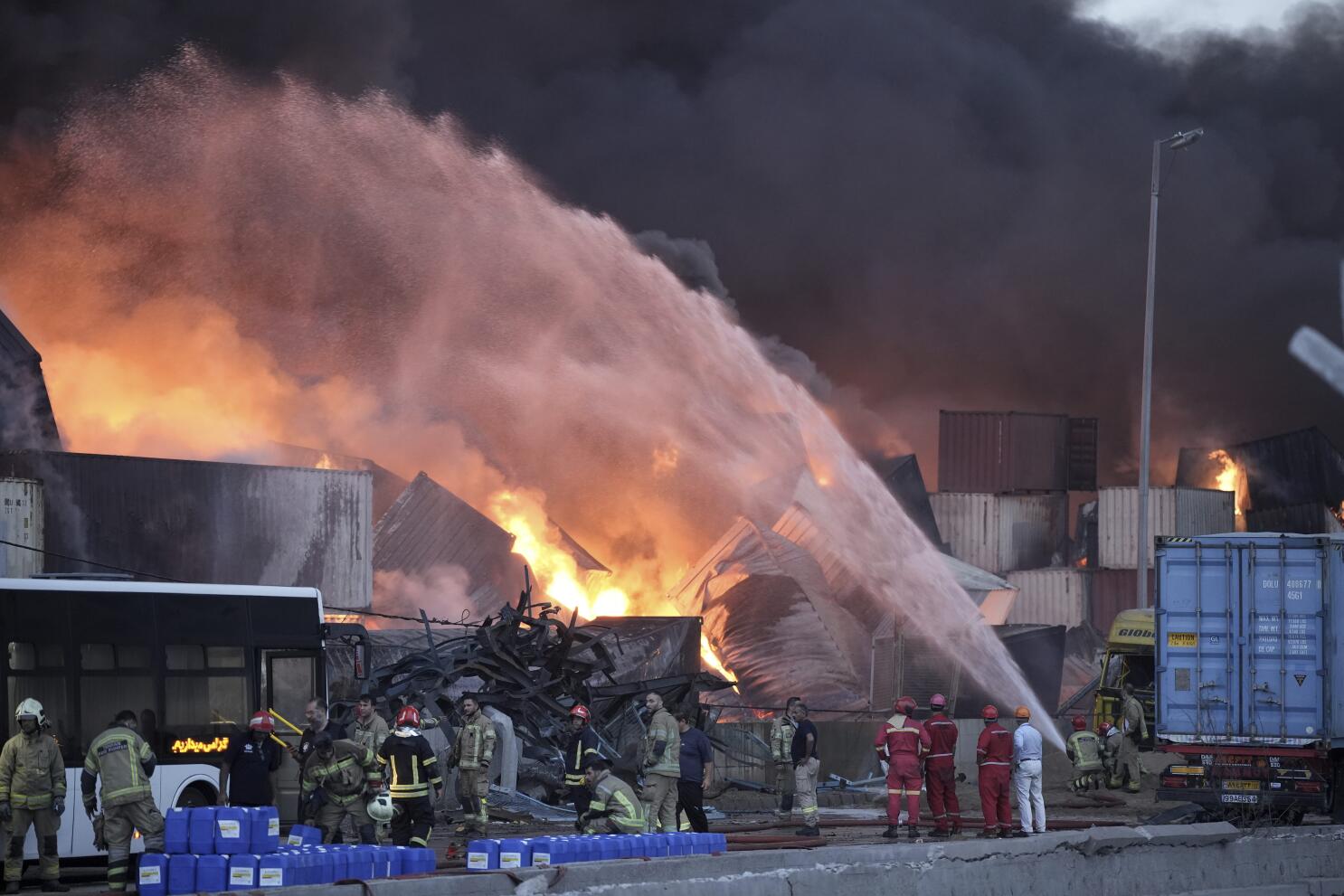
Explosions in Iran Leave Several Dead Amid Denials of Foreign Involvement On Saturday, explosions were reported in multiple locations in Iran, including the southern port city ...
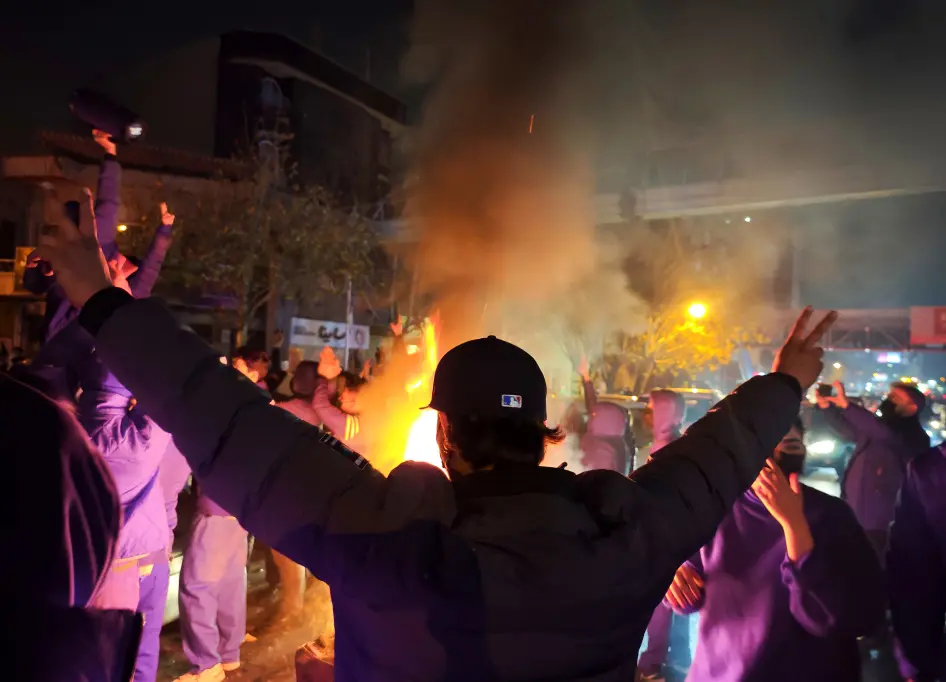
Mass protests across Iran have continued since late December 2025 amid economic hardship and political discontent, evolving into one of the largest uprisings since the 1979 Iranian Revolu...
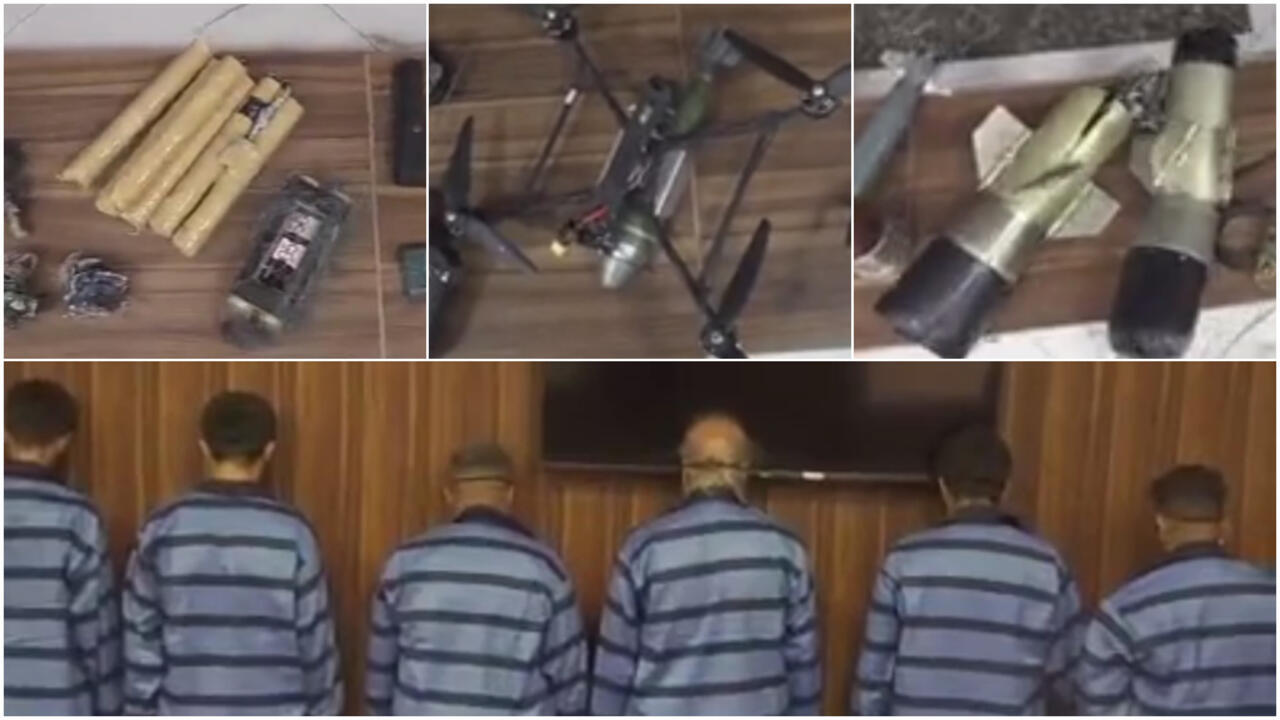
On January 24, 2026, Iranian authorities reported the arrest of a suspected Mossad agent operating covertly within the country. The arrest is part of a broader crackdown that Iran claims ...
Iran Reports Arrests of Alleged Mossad Agents Linked to Protests Iranian authorities reported the arrest of an alleged affiliate of Israel’s Mossad intelligence service during ongoing pr...
On August 30, 2025, Iranian authorities claimed the arrest of over 700 individuals allegedly connected to Israeli intelligence (Mossad) during a nationwide security operation. The arrests...
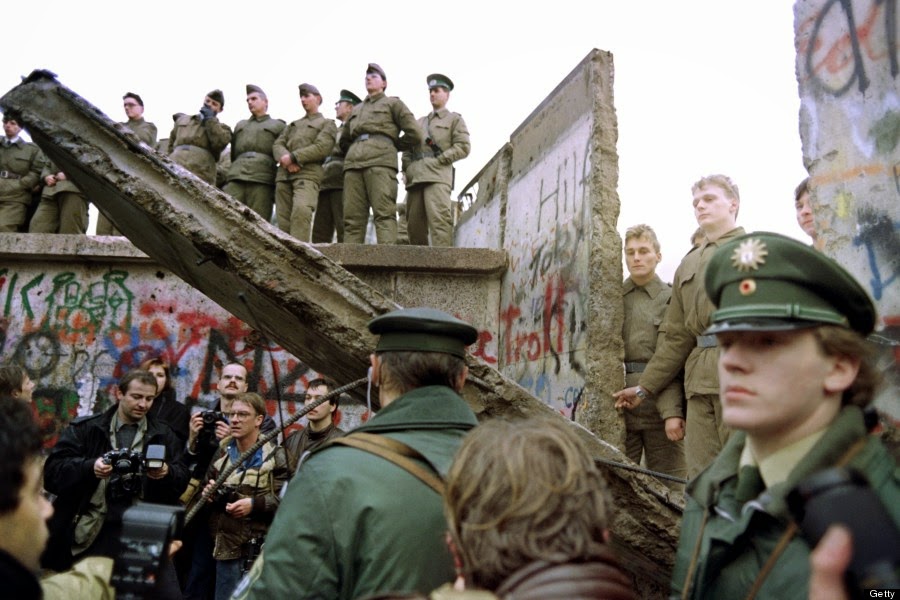
The Fall of the Berlin Wall on November 9, 1989, marked a pivotal moment in world history, symbolizing the collapse of the Cold War division between East and West Germany. The Berlin Wall...
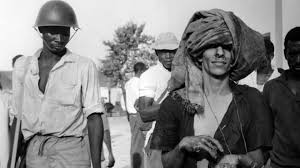
The Zanzibar Massacre occurred in January 1964 following the Zanzibar Revolution that overthrew the Sultanate. The revolution was led by the Afro-Shirazi Party against the predominantly A...
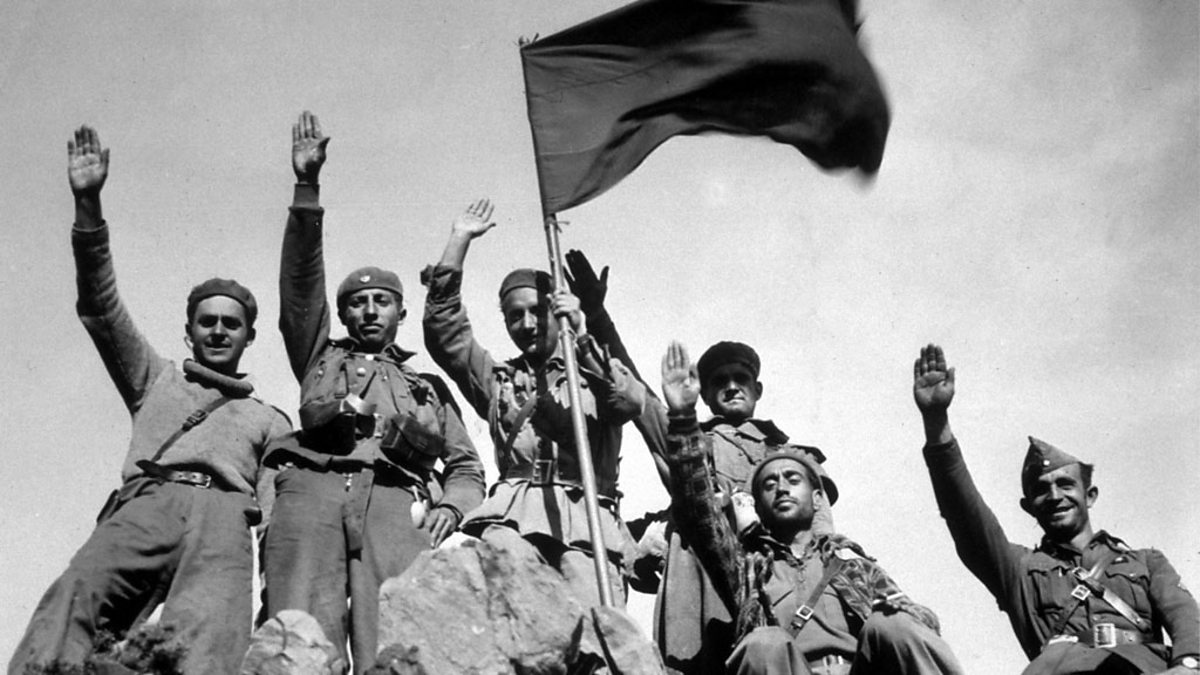
The Spanish Civil War began between Republicans and Nationalists, reflecting ideological battles over fascism, socialism, and democracy, with international implications.
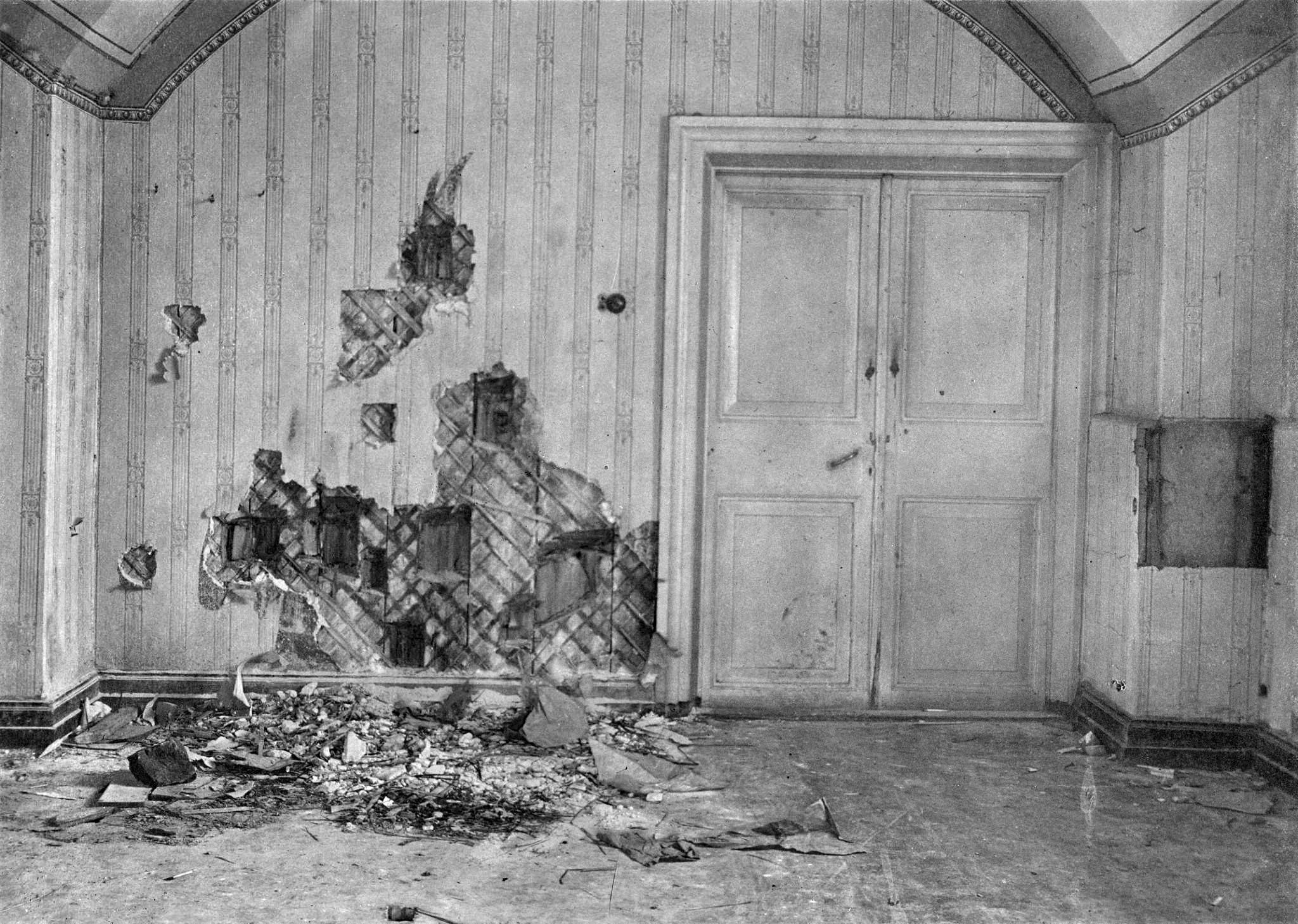
Murder of the Romanovs On July 17, 1918, the last Russian Emperor, Nicholas II, along with his wife Alexandra, their five children, and four loyal attendants, were executed by Bolshevik ...
1913 – Foundations of the Modern World body { font-family: Arial, sans-serif; background-color: #f4f4f9; margin: 0; padding: 0; } .timeline-container { max-width: 900...
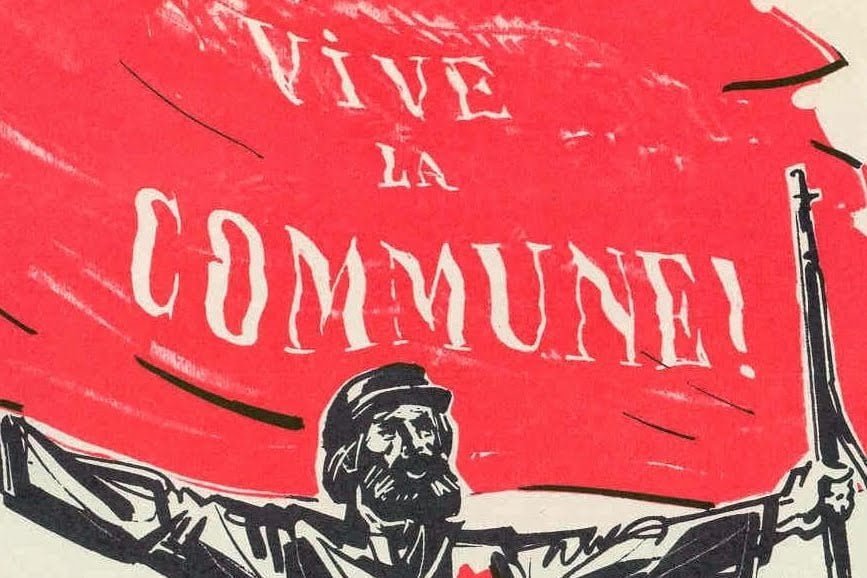
The Paris Commune established a radical socialist government in Paris after the Franco-Prussian War, representing worker self-rule and inspiring future socialist movements.
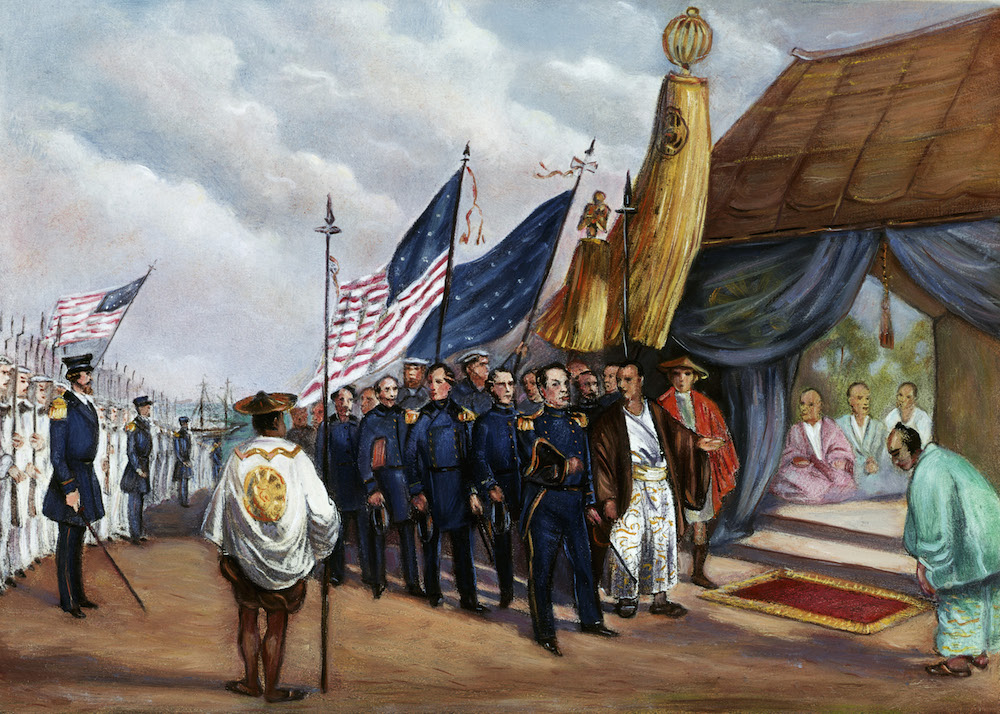
The Meiji Restoration transformed Japan by centralizing power under the emperor, modernizing the economy and military, and adopting Western political and industrial practices.
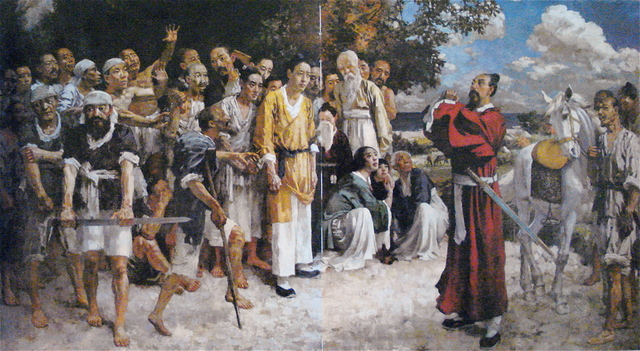
The Taiping Rebellion in China began under Hong Xiuquan, advocating radical social reforms and religious-inspired communal living, challenging the Qing dynasty.
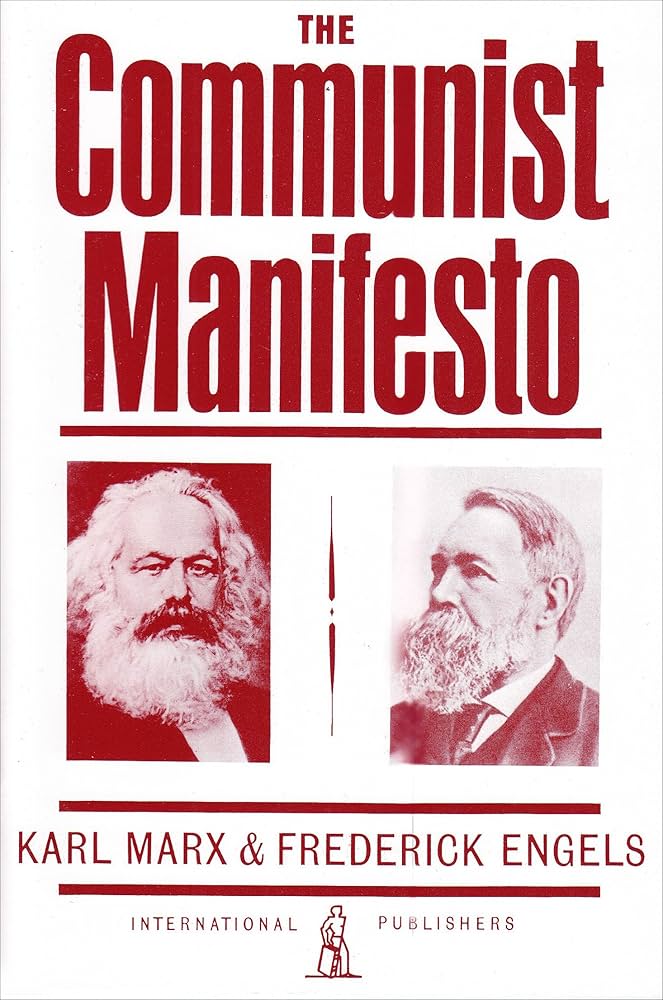
Karl Marx and Friedrich Engels published the Communist Manifesto, advocating for proletarian revolution and critiquing capitalist society, influencing socialist movements worldwide. I li...
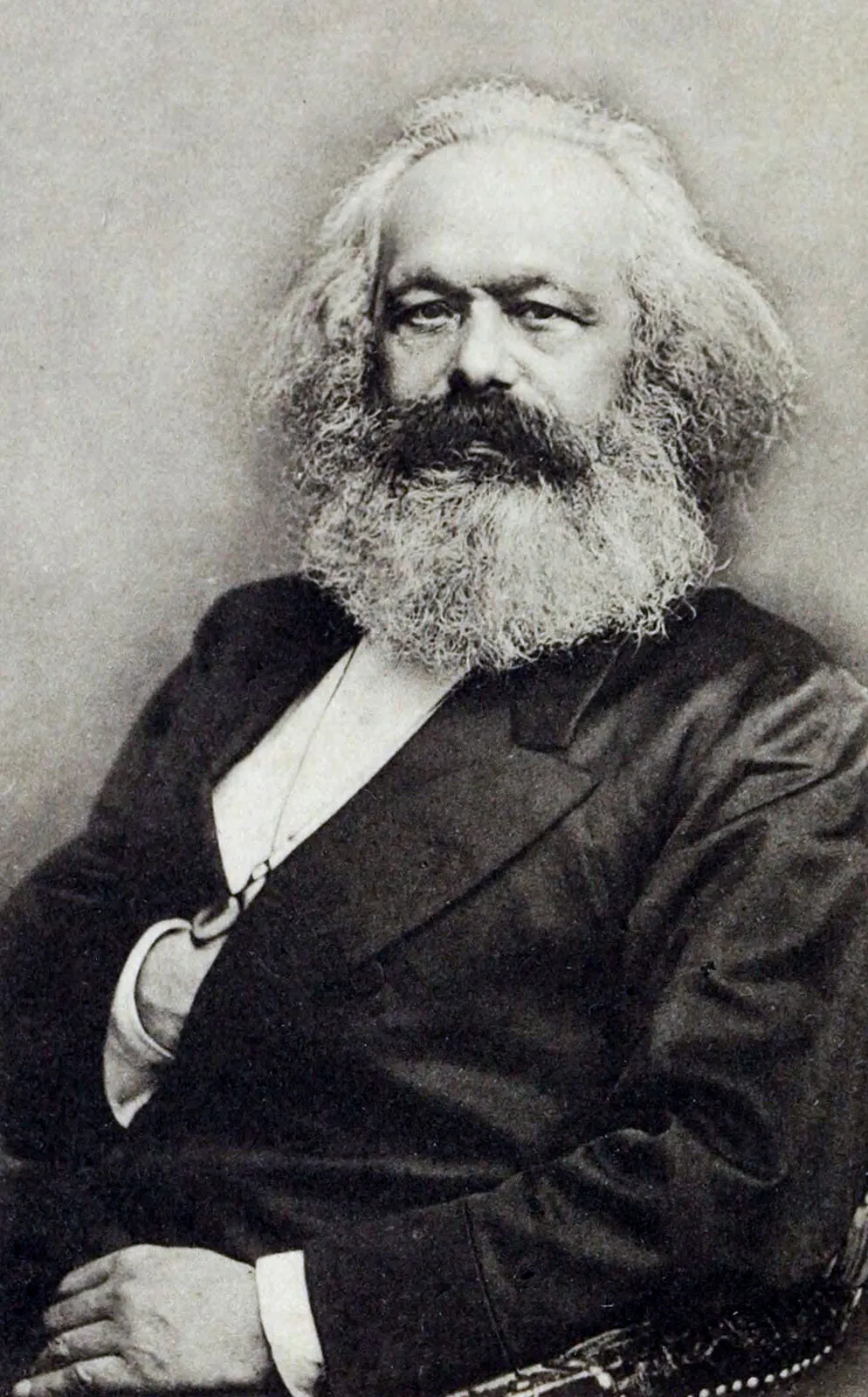
Karl Marx was a German philosopher, economist, and political theorist born in Trier, Prussia, in 1818. His work contributed to the development of socialist and communist political theory ...
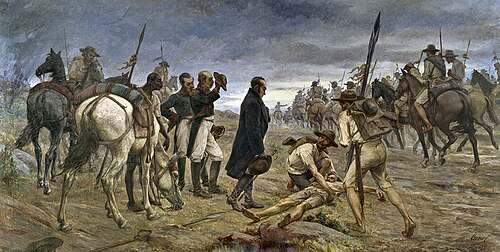
Simon Bolivar led liberation movements across South America, achieving independence for multiple countries and spreading republican ideals inspired by Enlightenment thought.
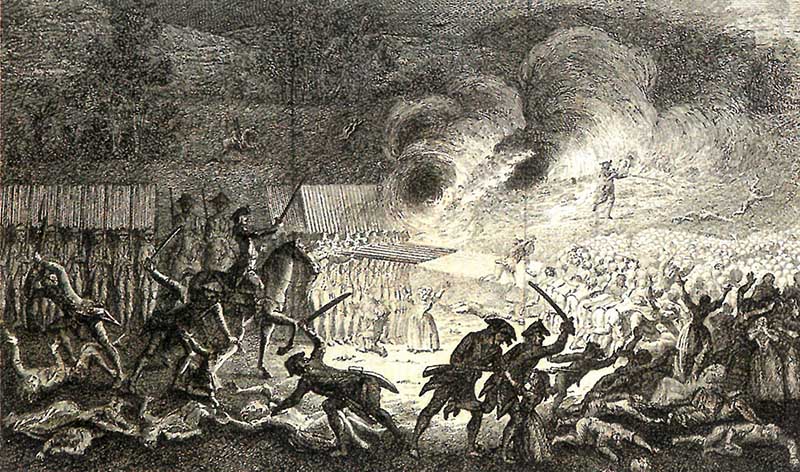
The Vendée Massacres occurred during the War in the Vendée, a counter-revolutionary uprising in western France from 1793 to 1796. The conflict was marked by violent clashes between Royali...
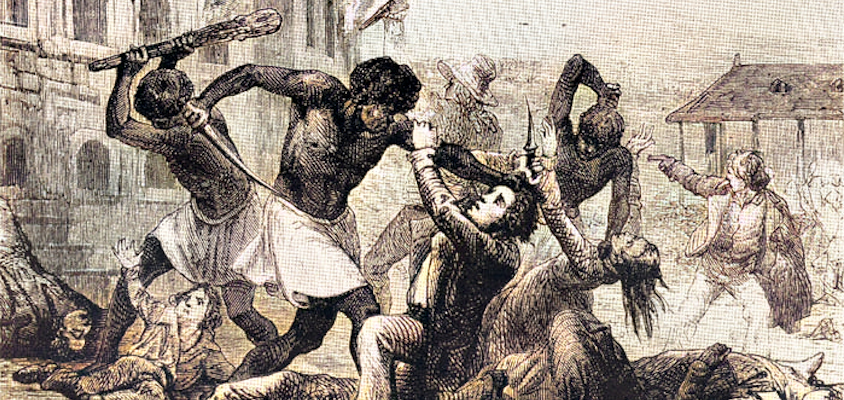
The Haitian Revolution began as enslaved Africans rose against French colonial rule, leading to the first successful abolition of slavery and creation of an independent Black republic.
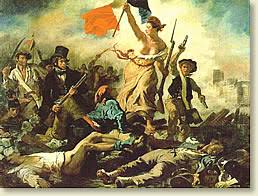
The French Revolution began with the storming of the Bastille, symbolizing the fight against monarchy, social inequality, and the pursuit of liberty, equality, and fraternity.
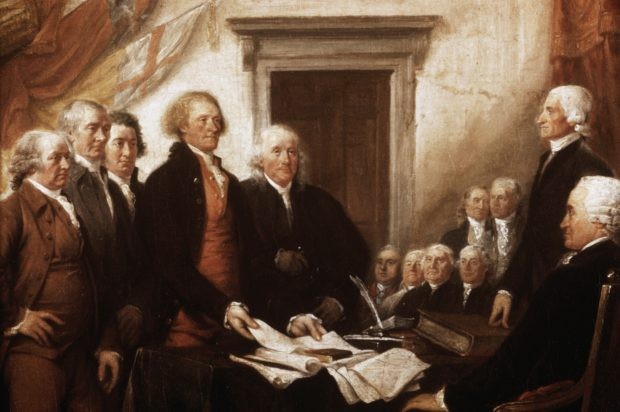
The thirteen American colonies declared independence from Britain, articulating principles of liberty, equality, and popular sovereignty, influencing democratic movements worldwide.
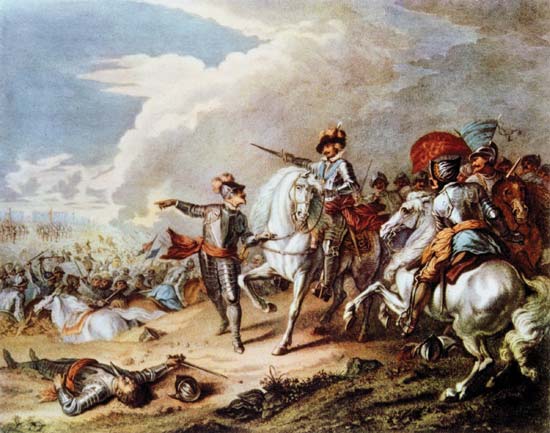
The English Civil War began between Royalists and Parliamentarians, reflecting conflicts over monarchy, parliamentary power, and religious freedom.
25 January–11 February 2011 — Mass demonstrations erupt against police brutality, corruption, economic frustration and authoritarian government. Cairo's Tahrir Square becomes the symbolic...
2011–2014 — Mubarak's fall opens competitive elections and unprecedented political participation, but the transition rapidly produces institutional conflict, polarization and renewed mili...
1954–1970 — Nasser becomes the dominant leader of revolutionary Egypt and formally assumes the presidency in 1956. His government promotes Arab nationalism, land reform, industrialization...
18 June 1953 — The monarchy is formally abolished and Egypt is declared a republic. Muhammad Naguib becomes the first president, but power increasingly shifts toward Gamal Abdel Nasser an...
23 July 1952 — Egyptian military officers overthrow King Farouk's government. The movement is driven by dissatisfaction with corruption, political inequality, British influence and Egypt'...
1952–1970 — The Free Officers end the monarchy, reduce British influence, redistribute land and create a powerful developmental state. At the same time, political parties are dissolved an...
March–April 1919 — Mass demonstrations, strikes and civil unrest erupt after British authorities exile nationalist leader Saad Zaghloul and other members of the Wafd movement. Students, w...
3 November 1918 — Sailors at Kiel revolt after naval leaders attempt to send the fleet into a final battle. The mutiny spreads into a wider revolutionary movement as workers' and soldiers...
August–November 1918 — Germany and its allies face military retreat, shortages, exhaustion and growing political instability. Bulgaria, the Ottoman Empire and Austria-Hungary leave the wa...
November 1917–March 1918 — Lenin argues that the revolutionary government cannot survive while Russia remains in the war. Other Bolsheviks object to Germany's extreme peace terms. Renewed...
8 March 1917 — Demonstrations, strikes and bread shortages in Petrograd begin the revolutionary crisis that destroys the imperial government. Soldiers increasingly refuse orders to suppre...
c. 1332–1323 BCE — Tutankhamun becomes king while still a child during the political aftermath of Akhenaten's religious revolution. His government restores traditional temples and moves t...
c. 1353–1336 BCE — Akhenaten's religious revolution gives the Aten unprecedented royal prominence and suppresses major traditional cults. Some scholars have described this as monotheism, ...
c. 2650 BCE — Djoser's Step Pyramid complex represents a revolutionary leap in monumental stone architecture. Traditionally associated with the official Imhotep, the project begins as a m...
1814 — A secret revolutionary organization is founded to prepare an uprising against Ottoman rule.
1821–1829 — Greek revolutionaries wage war against Ottoman rule with growing international involvement.
30 October 1918 — The Ottoman Empire signs the Armistice of Mudros. Ottoman military resistance effectively ends and Allied forces gain extensive rights to occupy strategic positions. The...
27 February 1933 — Germany's parliament building burns in Berlin. The Nazi government uses the crisis to portray communism as an immediate revolutionary threat. President Hindenburg signs...
17 July 1936 — The Spanish Civil War is rapidly interpreted across Europe as a struggle among fascism, communism, democracy, religion and revolution. Germany and Italy support Franco, the...
3 March 1918 — Bolshevik Russia signs a harsh peace treaty with Germany and its allies. Russia gives up claims or control over vast territories and exits the war. German military planners...
1917–1918 wartime revolutionary leadership — Lenin returns to Russia after the February Revolution and argues for transfer of power to the soviets, withdrawal from the war and socialist r...
11 August 1919 — Germany adopts a democratic constitution establishing the Weimar Republic. The new political system combines parliamentary government with a powerful presidency and exten...