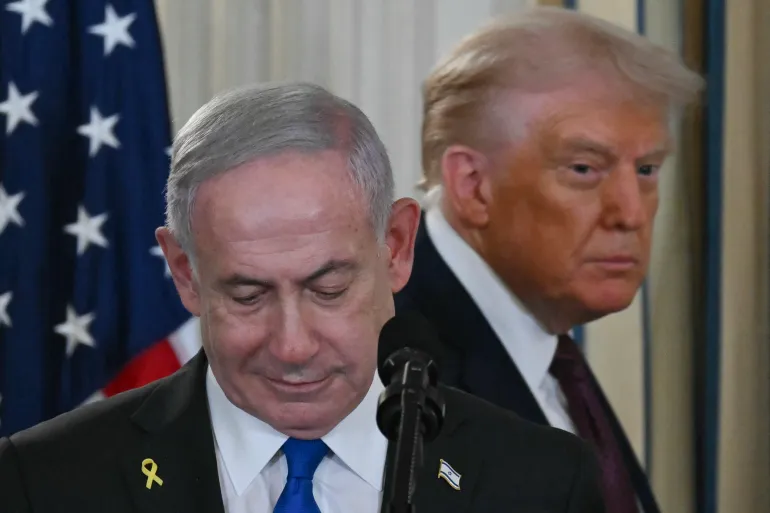
Trump Gaza framework continues
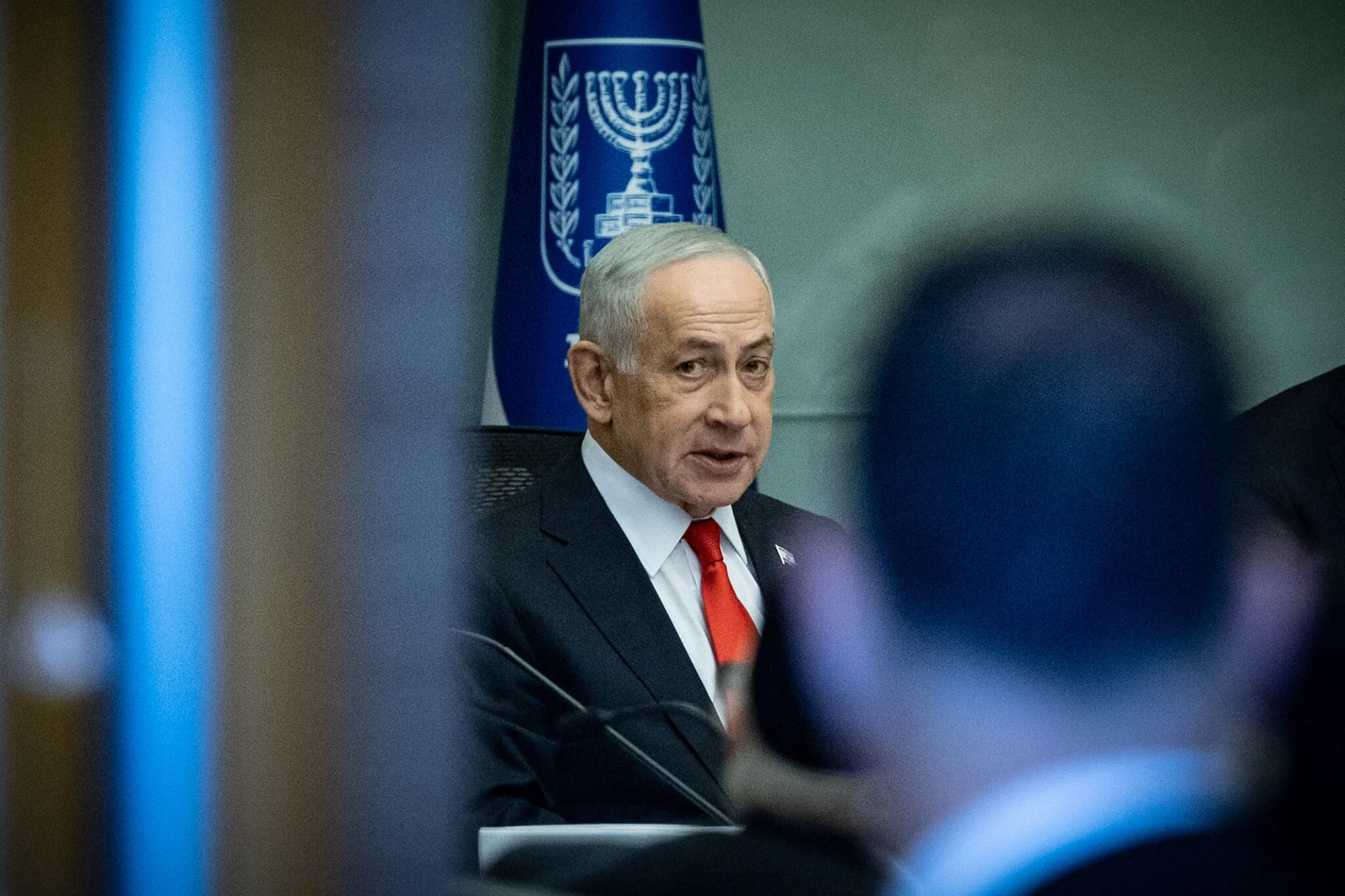
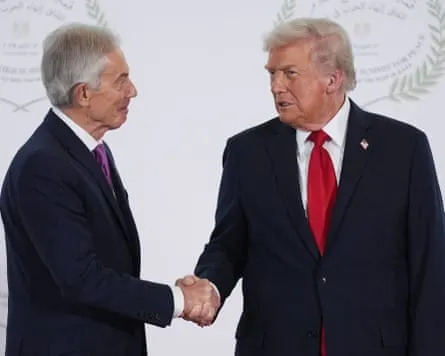
Officials associated with the U.S.-backed Board of Peace said on August 10, 2026, that President Donald Trump's Gaza framework remained active despite disagreement with Israeli Prime Mini...
Estonia's governing coalition lost its parliamentary majority on August 10, 2026, after two members of parliament left parties belonging to the government. The defections reduced the coal...
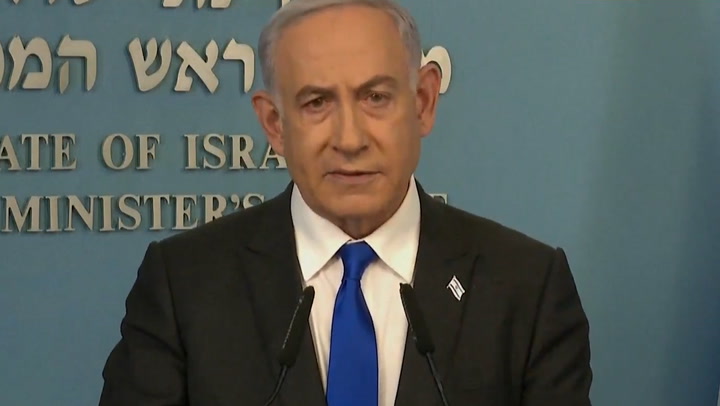
Israeli Prime Minister Benjamin Netanyahu said on August 9, 2026, that Israel would not withdraw its forces from the Gaza Strip until Hamas had been fully disarmed. His statement rejected...
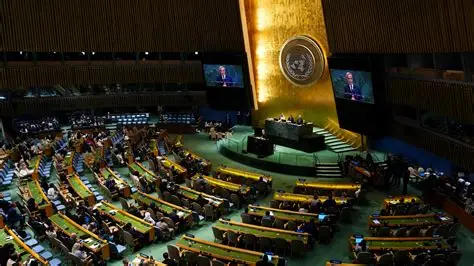
The United Nations Security Council held its first straw poll on July 30, 2026, to evaluate candidates seeking to become the next secretary-general. The vote marked the beginning of the C...
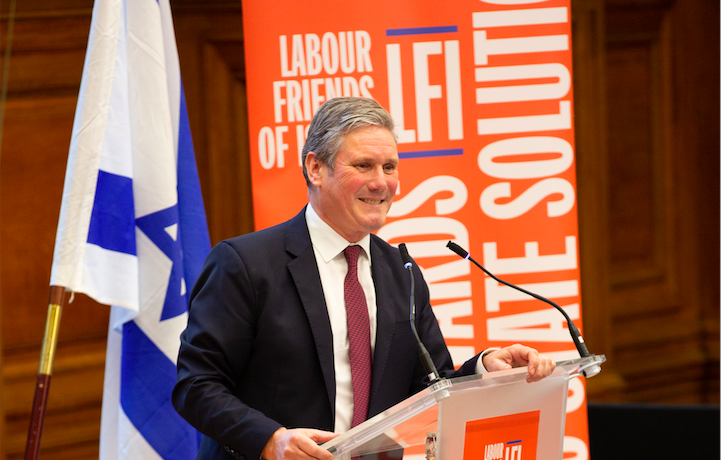
British Prime Minister Keir Starmer announced his resignation as leader of the Labour Party and stated that he would step down as prime minister once a successor is chosen. The announceme...
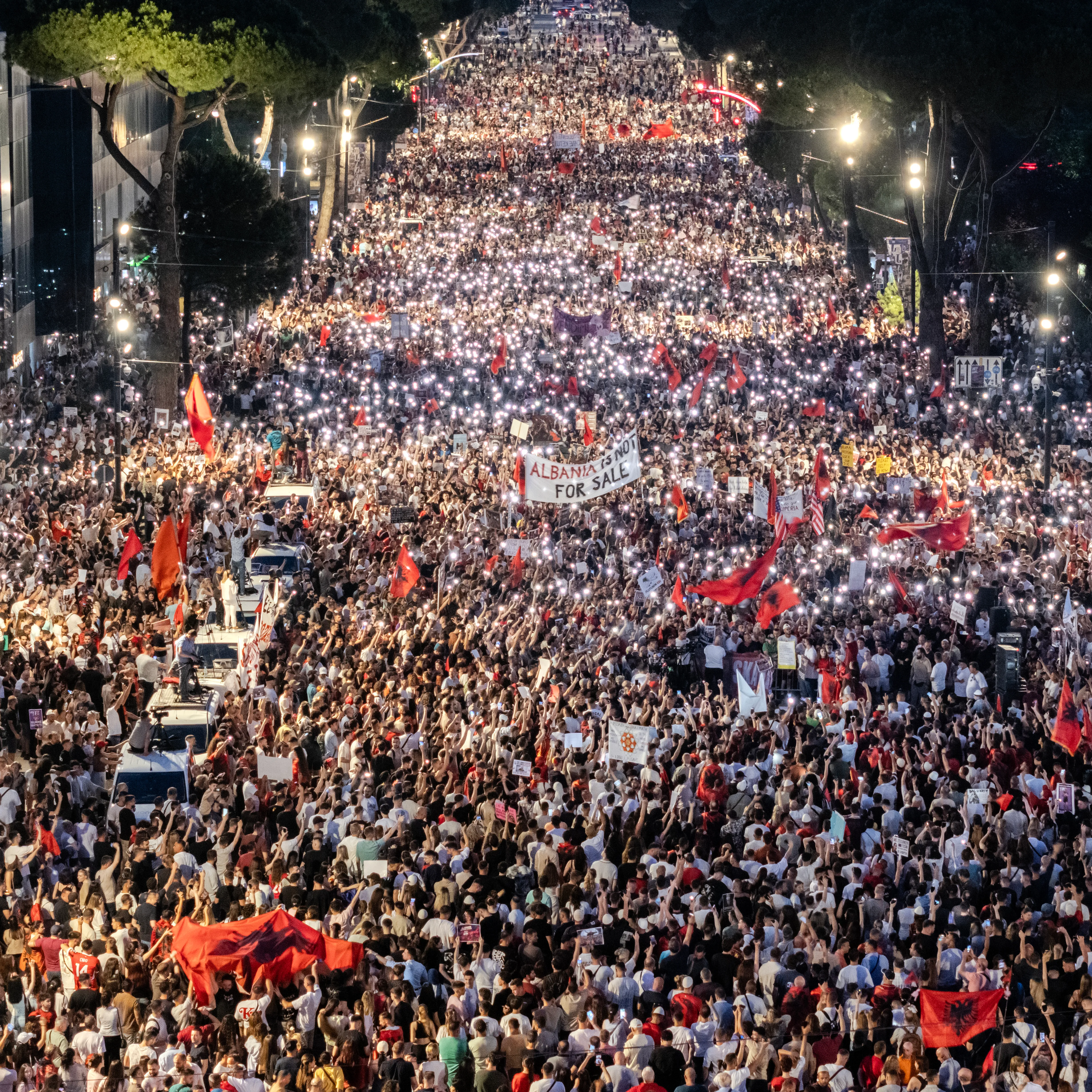
Large protests took place across Albania, particularly in Tirana and coastal regions, as opposition supporters, activists, and local communities gathered to express dissatisfaction with g...
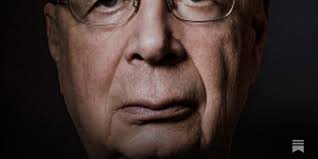
The COVID-19 pandemic has served as a stress test for the model of stakeholder capitalism, in which companies are expected to consider the interests of employees, customers, communities, ...
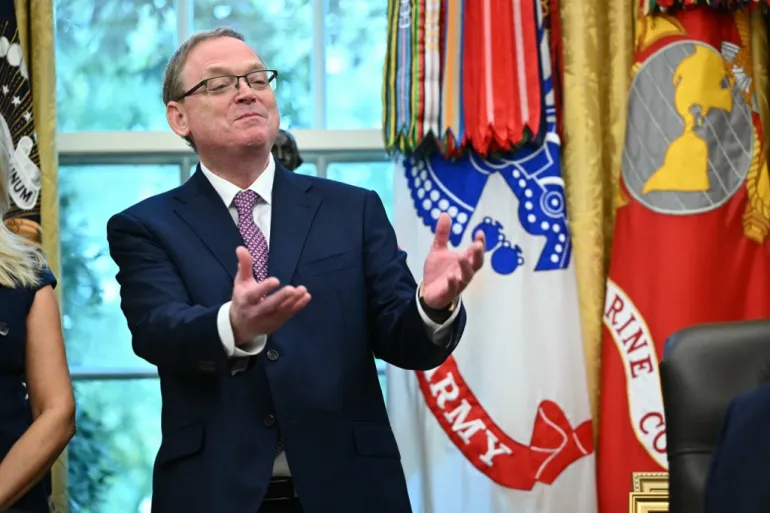
On February 15, 2026, a partial U.S. government shutdown dragged on as congressional Democrats and the White House failed to reach an agreement on federal funding, especially over immigra...
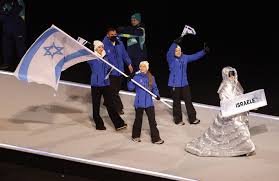
Israeli athletes return to Olympics after Gaza conflict amid international scrutiny In February 2026, Israeli athletes were welcomed to participate in the Winter Olympics follo...
Elon Musk’s grandfather Joshua Haldeman and the Technocracy movement On February 7, 2026, public records and historical sources show that Joshua N. Haldeman (1902–1974), the ma...
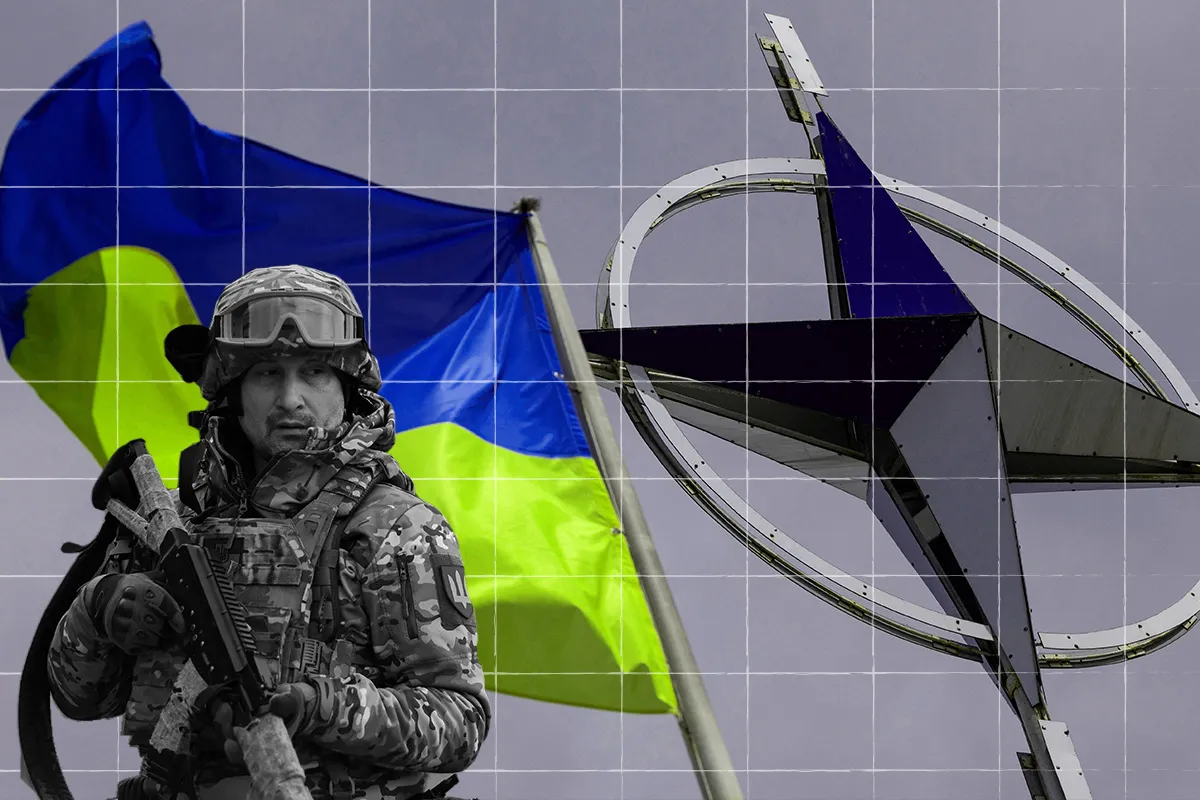
European Parliament raises concerns over NATO military transparency In early February 2026, members of the European Parliament raised concerns during committee discussions rega...
Netanyahu Releases His Answers to State Comptroller’s October 7 Investigation On February 5, 2026, Israeli Prime Minister Benjamin Netanyahu publicly released a 55-page document containi...
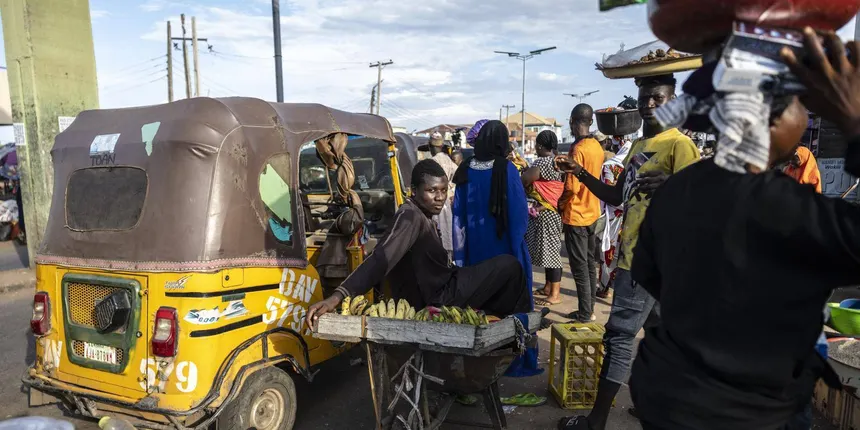
The Nigerian government has established a new national anti-corruption oversight council aimed at increasing transparency in federal procurement and reducing systemic graft. The council w...
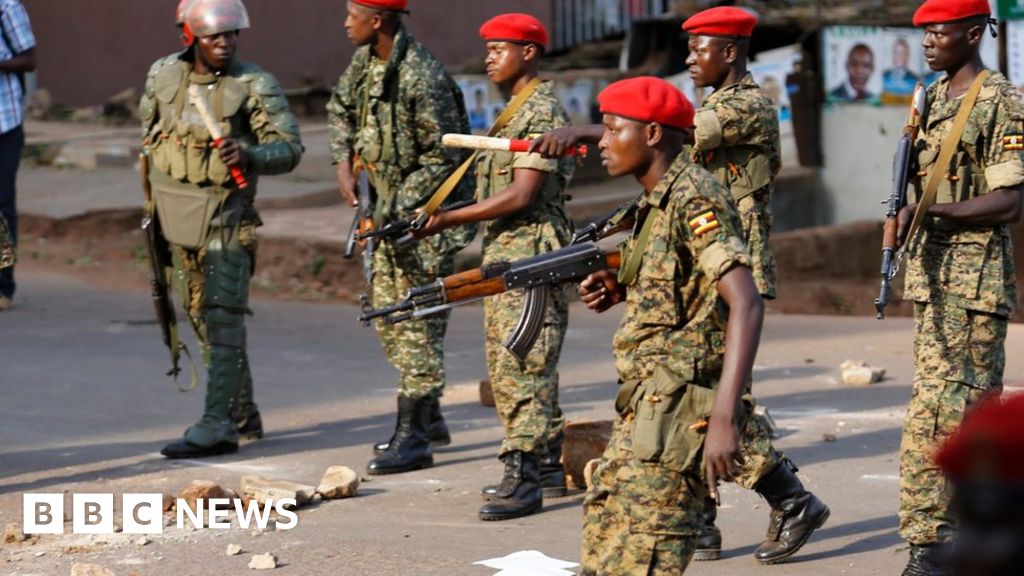
On January 16, 2026, large protests erupted in Kampala and other parts of Uganda following disputed results of the 2026 general election. Clashes between opposition supporters and securit...
Board of Peace for Gaza Date: Ongoing as of January 2026 Description: The Board of Peace is a U.S.-led international body announced by President Donald Trump to oversee governance,...
Sam Bankman‑Fried, founder of the cryptocurrency exchange FTX, became central to one of the largest financial collapses in the digital asset industry. In 2023, he was convicted of defraud...
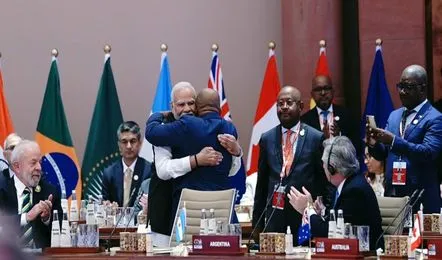
African Union Becomes Permanent Member of G20, Expanding Voice of Global South The African Union was formally admitted as a permanent member of the Group of Twenty (G20) during...
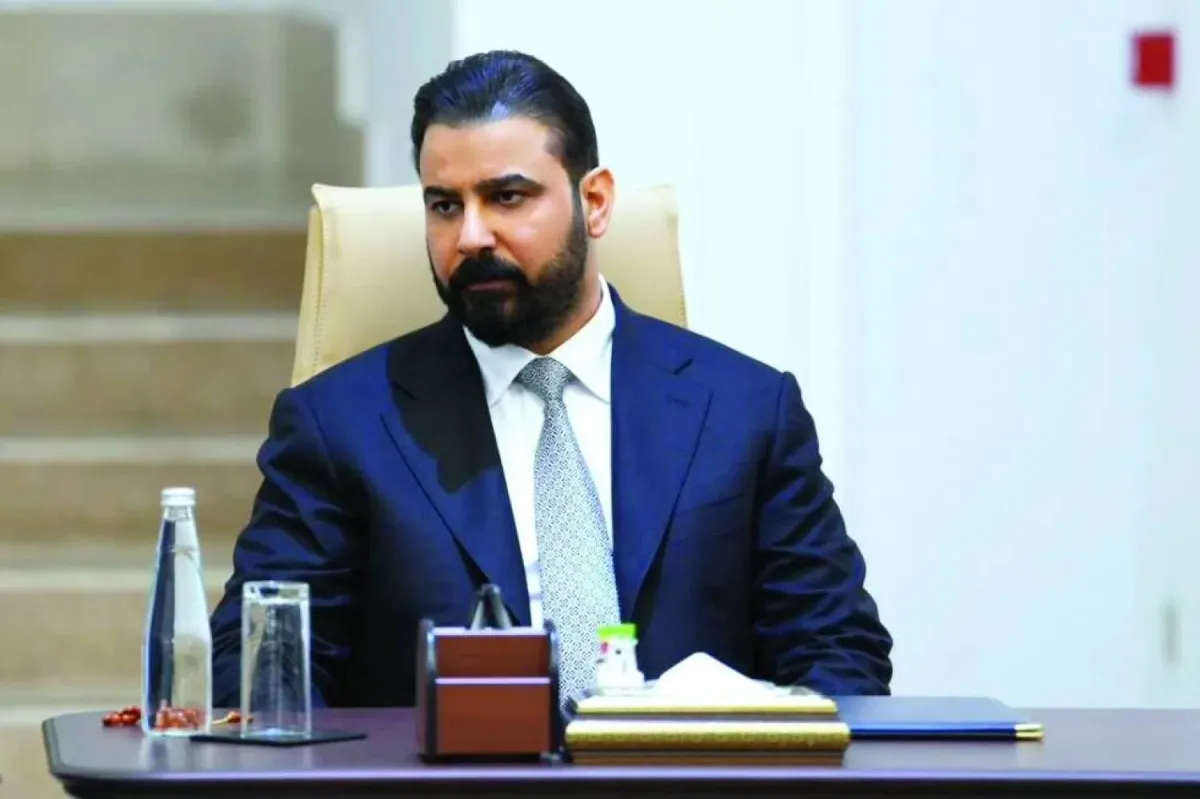
In late 2022, Iraqi authorities intensified investigations into one of the country's largest alleged corruption cases, involving the disappearance of billions of dollars from tax authorit...
WE Charity, which was involved in a major Canadian federal grant program, faced scrutiny over conflicts of interest involving members of the Trudeau family and the awarding of public fund...
On April 9, 2020, the World Economic Forum (WEF) published an article titled “Lockdown is the world’s biggest psychological experiment – and we will pay the price,” examining the mental h...
The COVID-19 pandemic is a global outbreak of the coronavirus SARS-CoV-2, first identified in Wuhan, China, in late 2019. The World Health Organization (WHO) was notified on December 31, ...
Casey Wasserman appointed chair of LA 2028 Olympic organizing committee On January 14, 2015, sports executive Casey Wasserman was named chairman of the Los Angeles bid committee for the ...
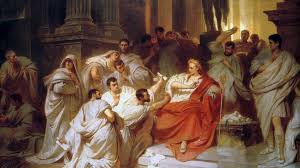
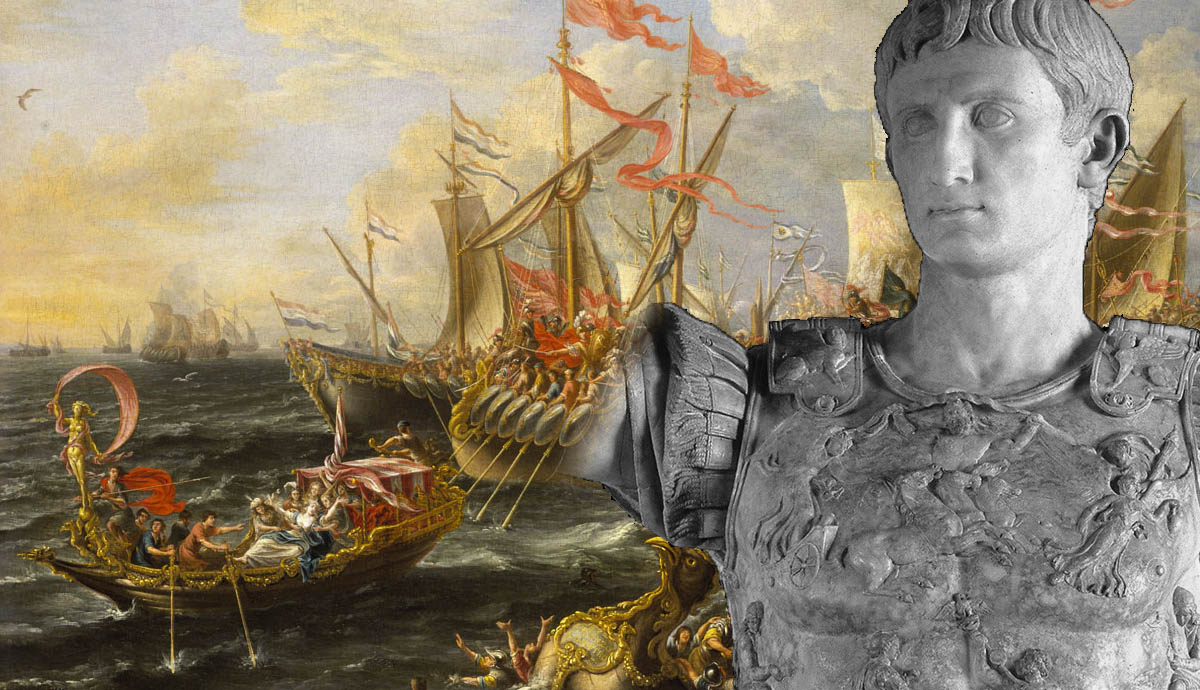
Augustus, the first Roman emperor, died in Nola after a reign that transformed the Roman Republic into the Roman Empire. His death marked the end of an era and initiated the succession of...
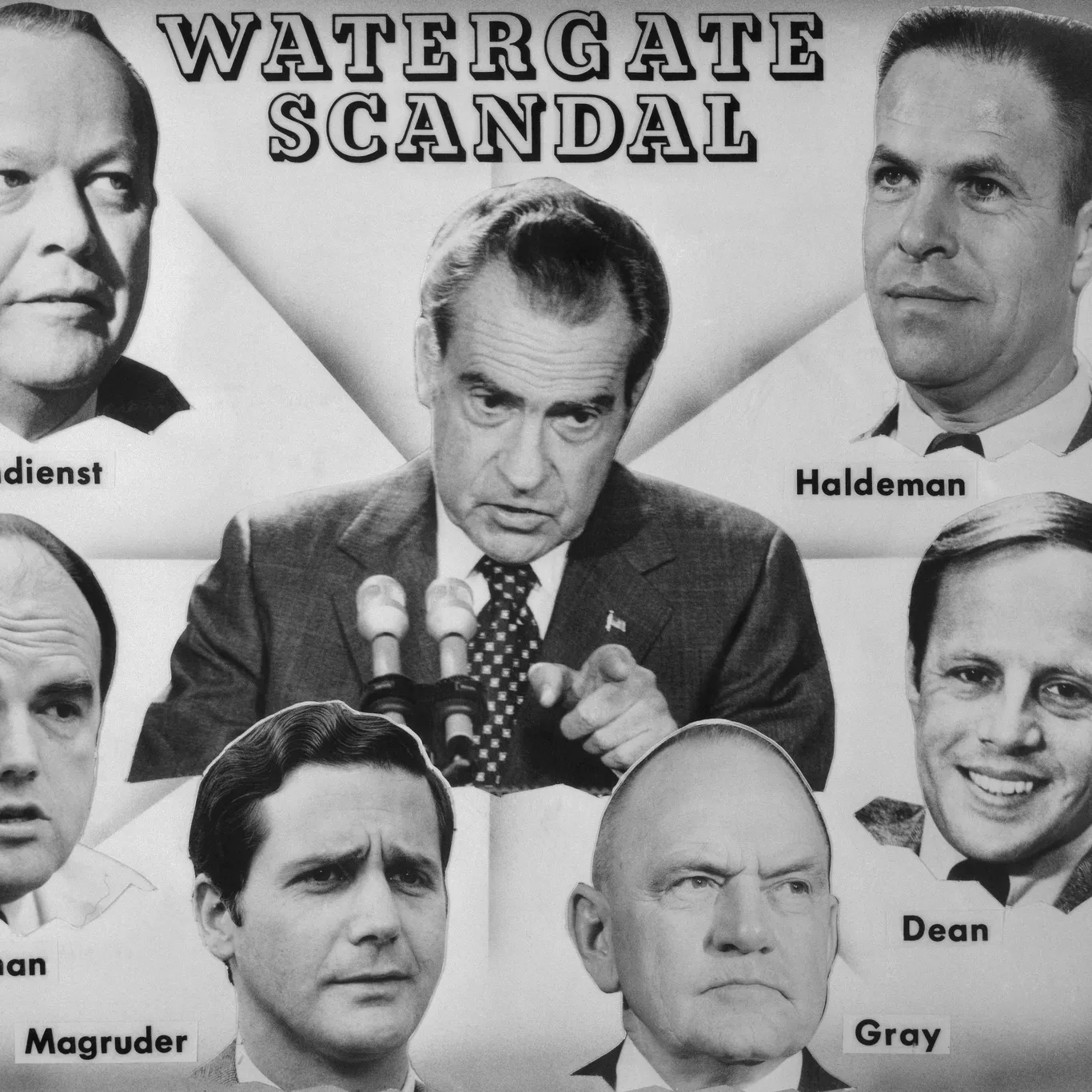
The Watergate Scandal From Break-In To Presidential Resignation On June 17, 1972, five men were arrested for breaking into the Democratic National Committee headquarters at the Watergate...
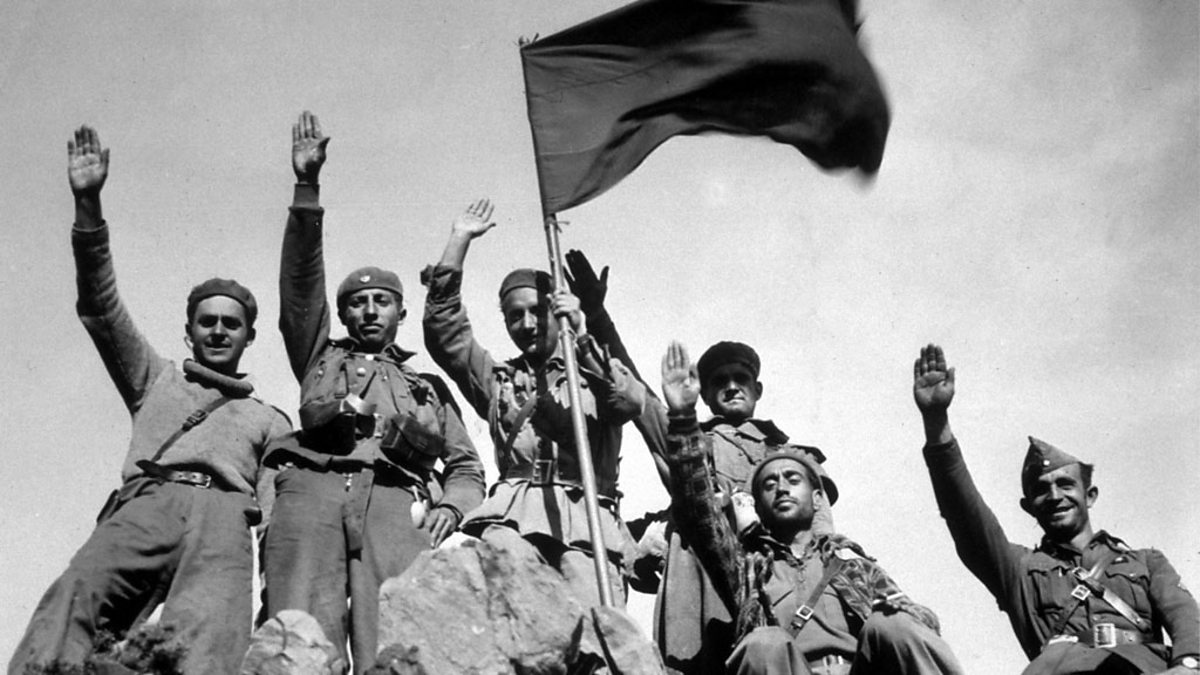
The Spanish Civil War began between Republicans and Nationalists, reflecting ideological battles over fascism, socialism, and democracy, with international implications.
1913 – Foundations of the Modern World body { font-family: Arial, sans-serif; background-color: #f4f4f9; margin: 0; padding: 0; } .timeline-container { max-width: 900...
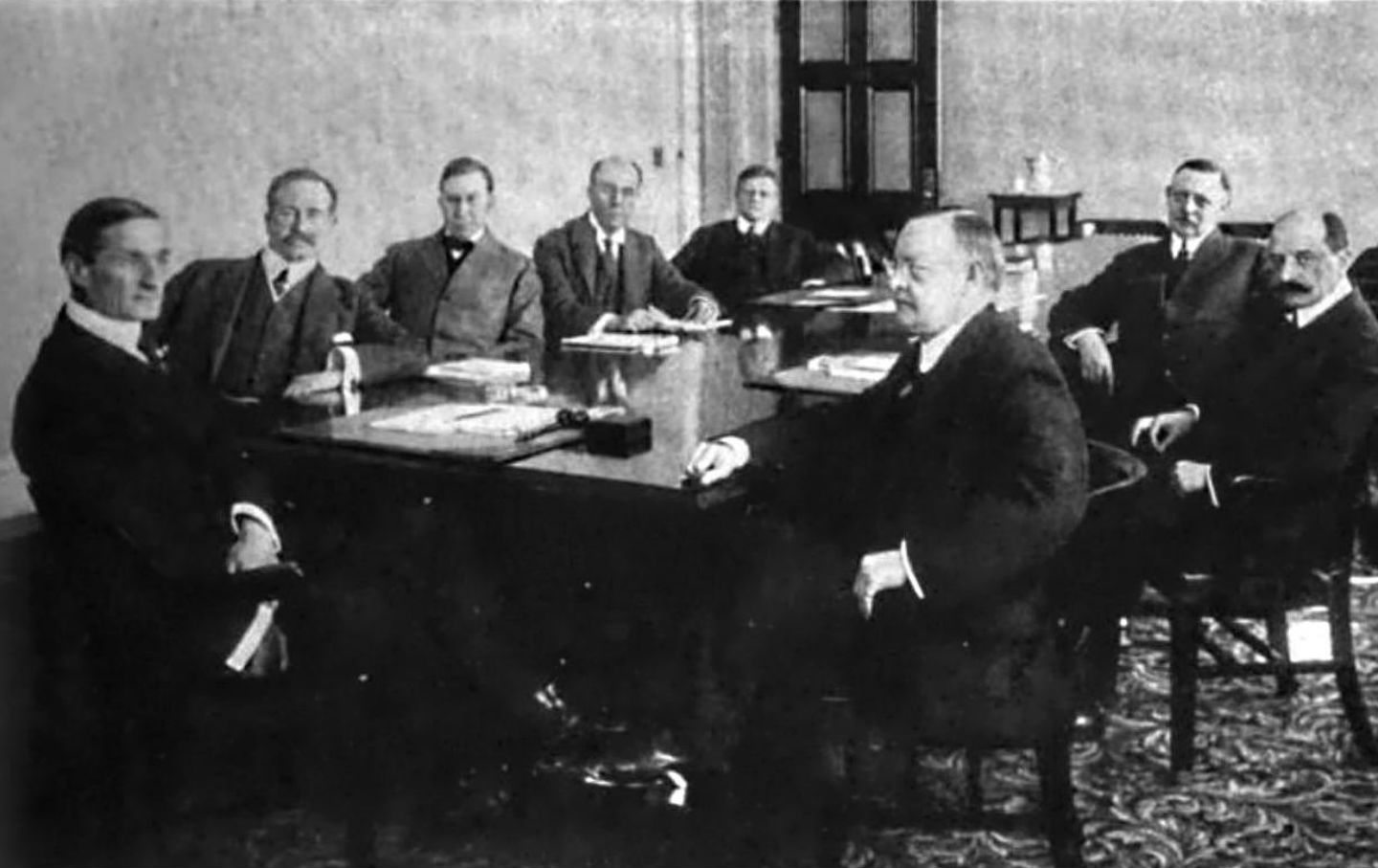
The creation of the Federal Reserve System on December 23, 1913, established the central banking authority of the United States. It was enacted through the Federal Reserve Act, signed int...
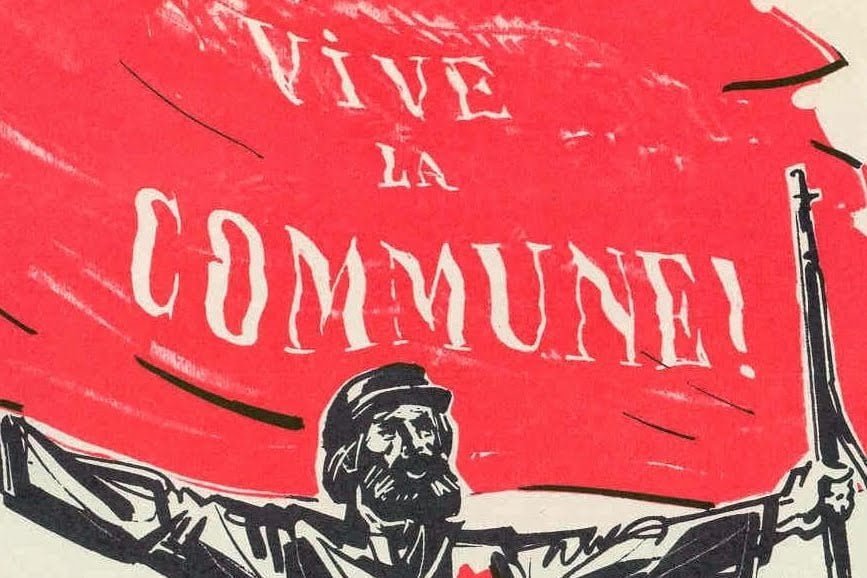
The Paris Commune established a radical socialist government in Paris after the Franco-Prussian War, representing worker self-rule and inspiring future socialist movements.
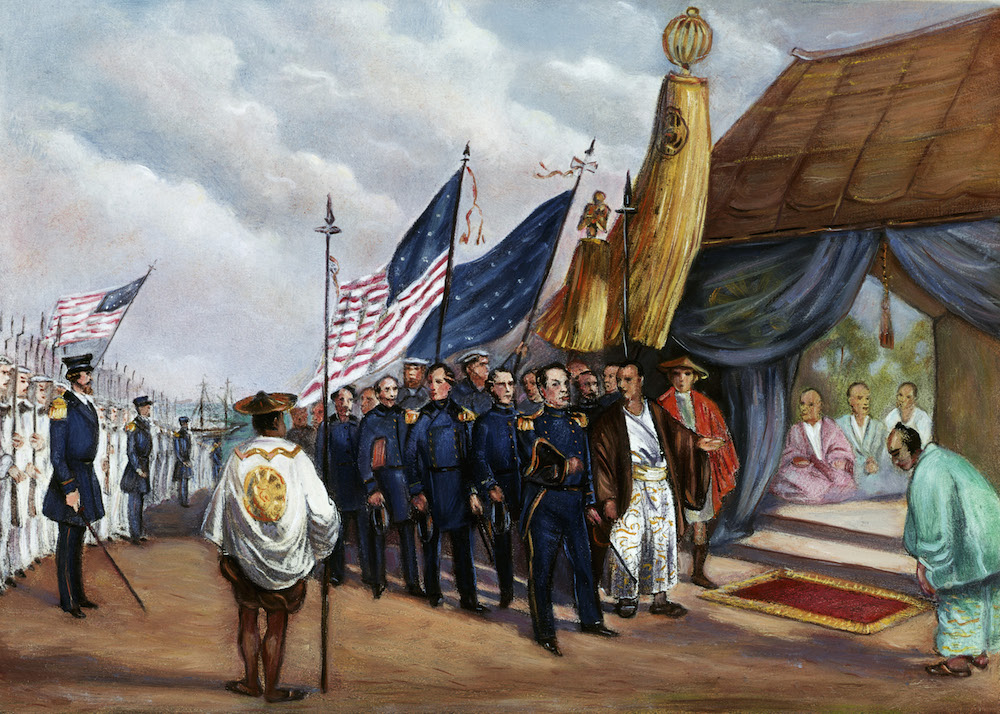
The Meiji Restoration transformed Japan by centralizing power under the emperor, modernizing the economy and military, and adopting Western political and industrial practices.
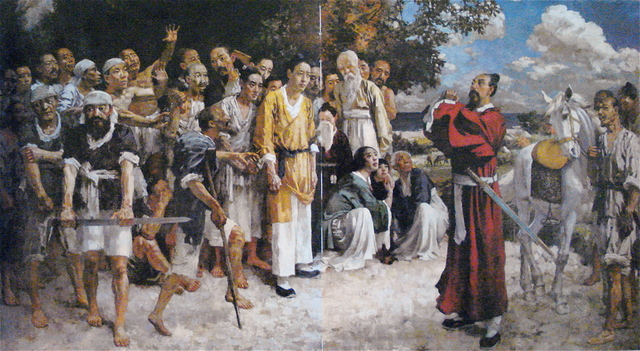
The Taiping Rebellion in China began under Hong Xiuquan, advocating radical social reforms and religious-inspired communal living, challenging the Qing dynasty.
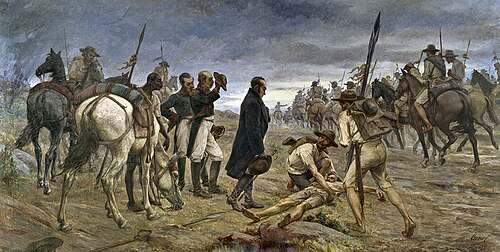
Simon Bolivar led liberation movements across South America, achieving independence for multiple countries and spreading republican ideals inspired by Enlightenment thought.
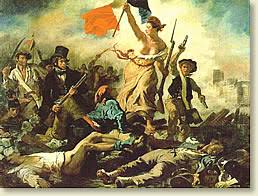
The French Revolution began with the storming of the Bastille, symbolizing the fight against monarchy, social inequality, and the pursuit of liberty, equality, and fraternity.
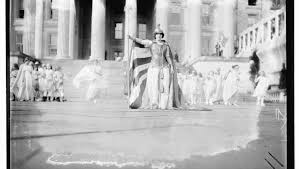
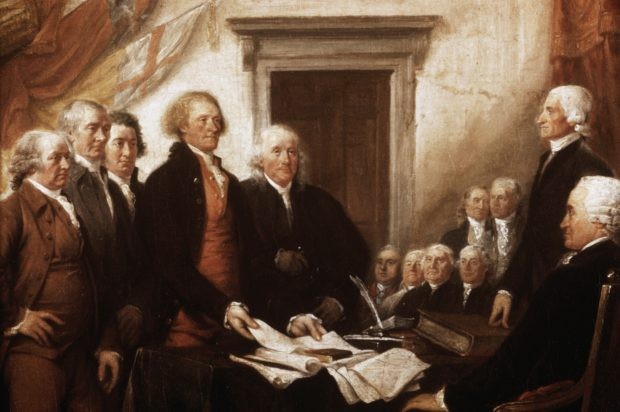
The thirteen American colonies declared independence from Britain, articulating principles of liberty, equality, and popular sovereignty, influencing democratic movements worldwide.
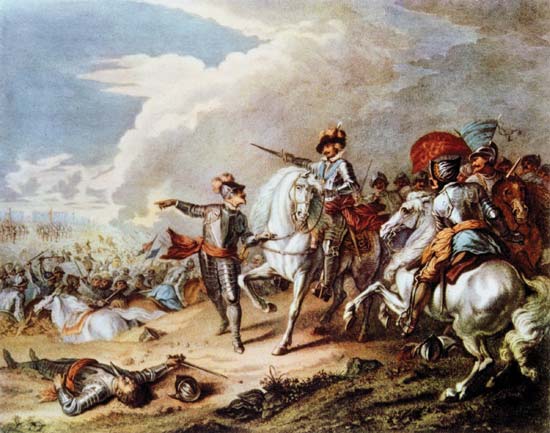
The English Civil War began between Royalists and Parliamentarians, reflecting conflicts over monarchy, parliamentary power, and religious freedom.
In early March 1371, Cham forces launched a significant raid on the Jiaozhi region of northern Vietnam. The attack targeted local settlements and disrupted the regional governance structu...
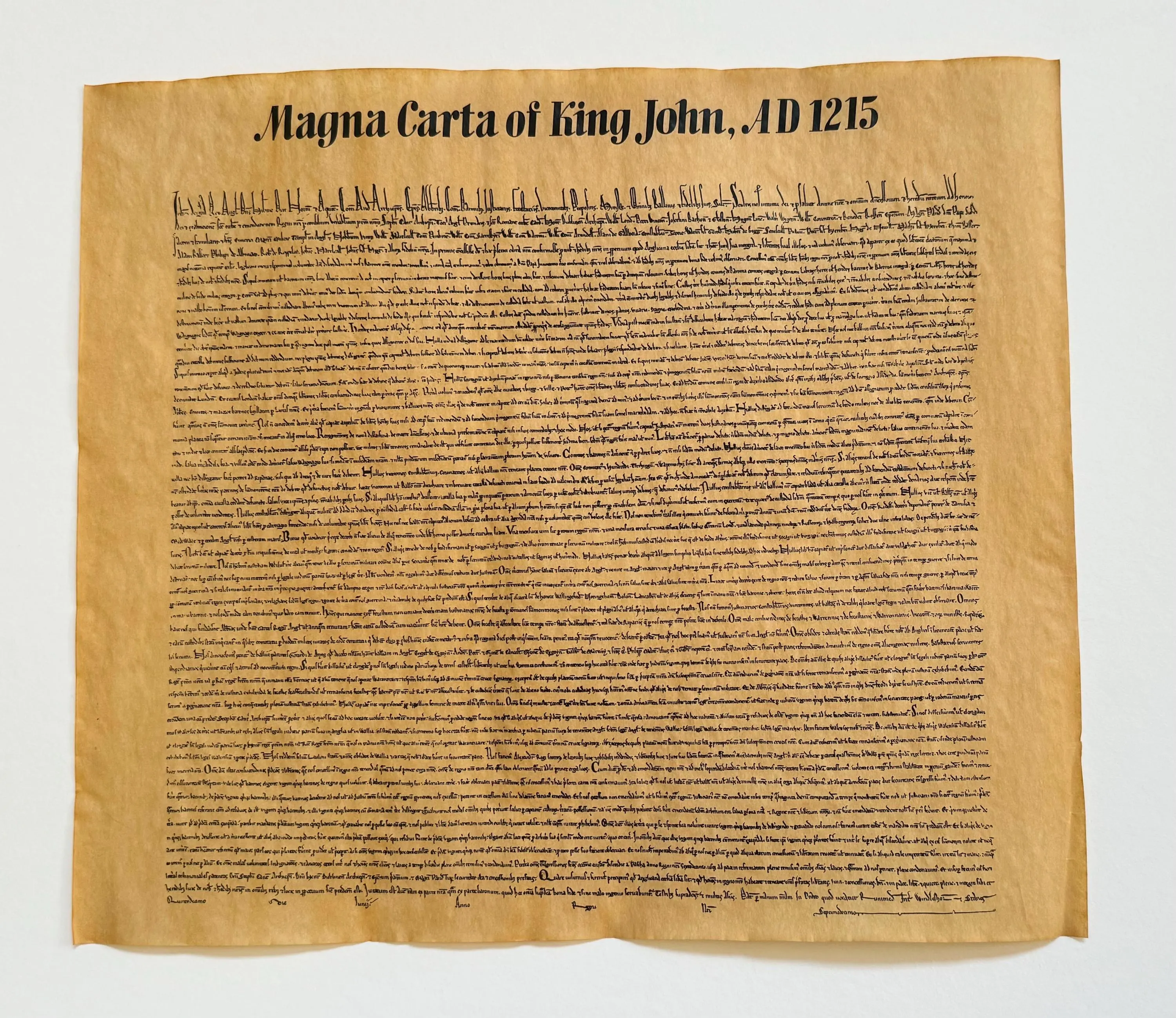
The Magna Carta was signed by King John of England, limiting royal authority and establishing early principles of legal rights for subjects, laying the foundation for constitutional law.
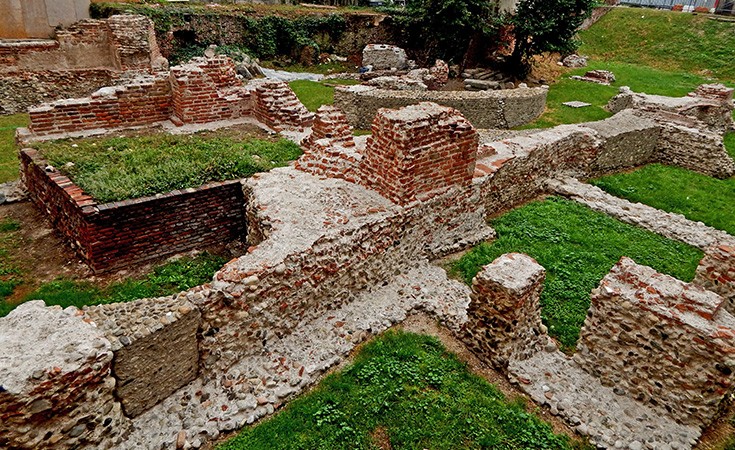
The imperial court transferred its seat to Milan, marking a significant shift in political power within the region. This relocation allowed closer control over northern Italian territorie...
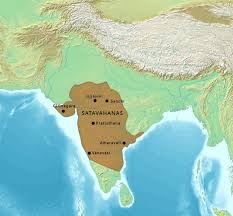
Indian cultural influence expanded significantly throughout Southeast Asia, notably through trade, religion, and political relations established by Indianized kingdoms.This influence is e...
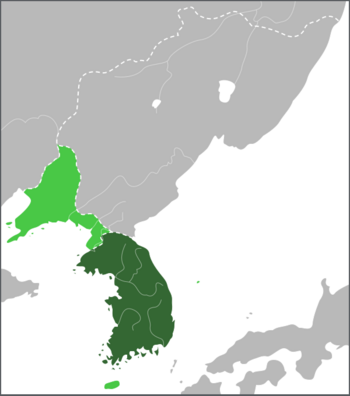
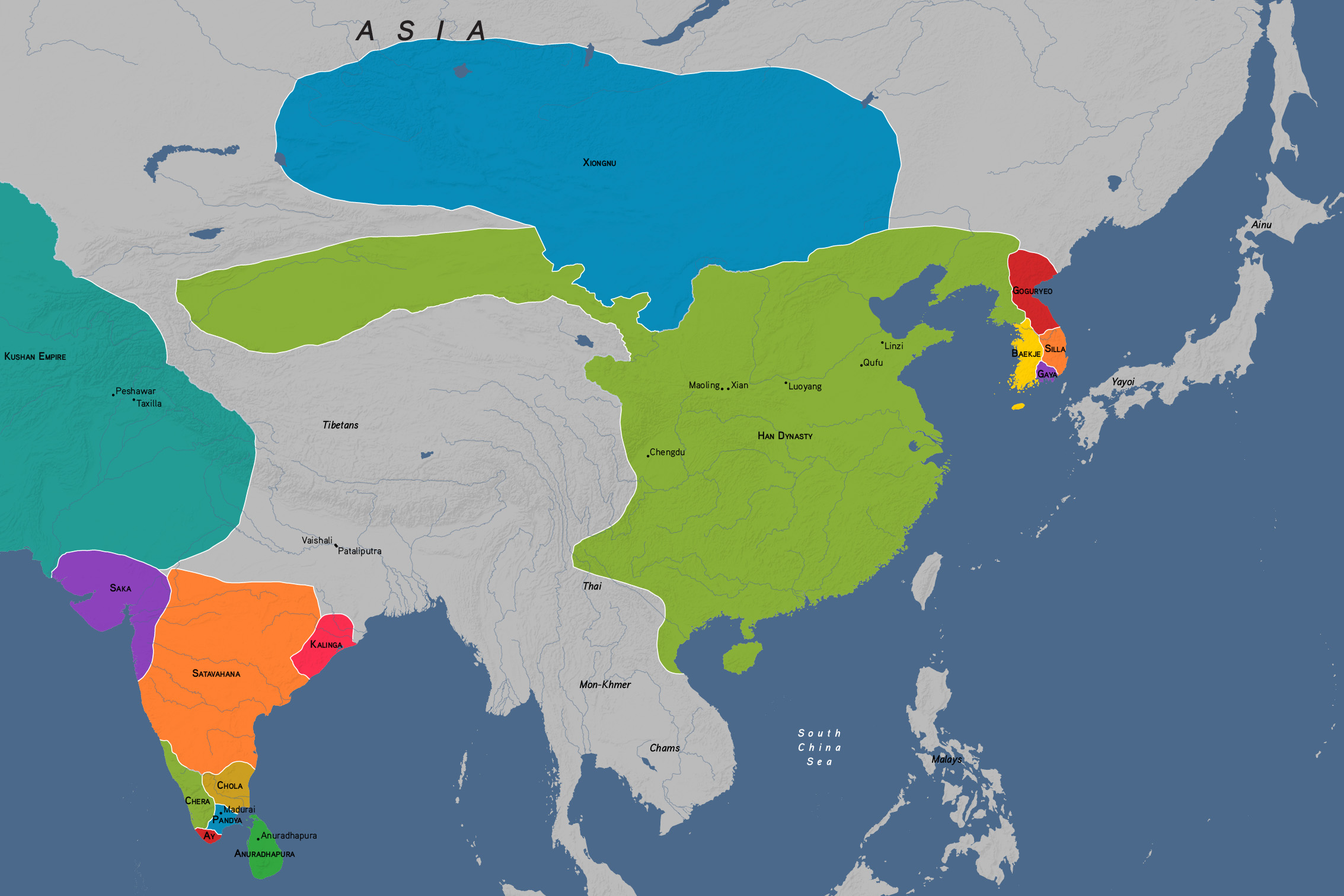
The Silla kingdom successfully unified the Korean Peninsula after defeating the Baekje and Goguryeo kingdoms. This consolidation marked the beginning of the Unified Silla period, which br...
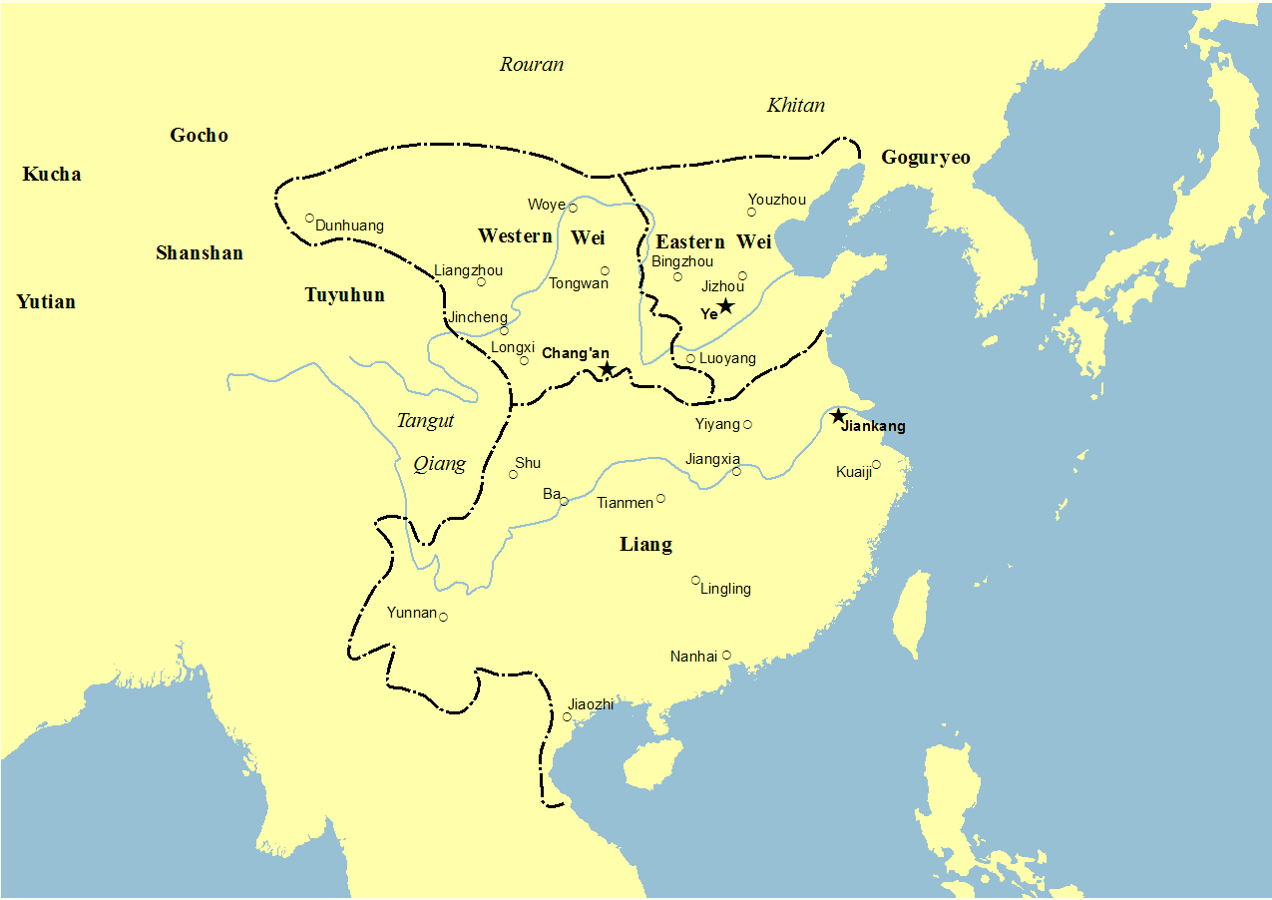
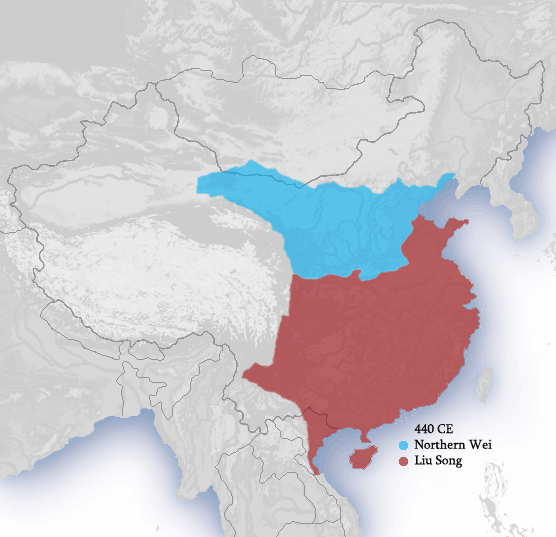
The Chen dynasty, ruling southern China, sought to stabilize its domain amid persistent threats from northern dynasties. Efforts to fortify its borders and consolidate power marked this p...
The Jin dynasty court experienced severe internal divisions fueled by rival factions vying for control after a series of military defeats. These conflicts weakened centralized rule and tr...
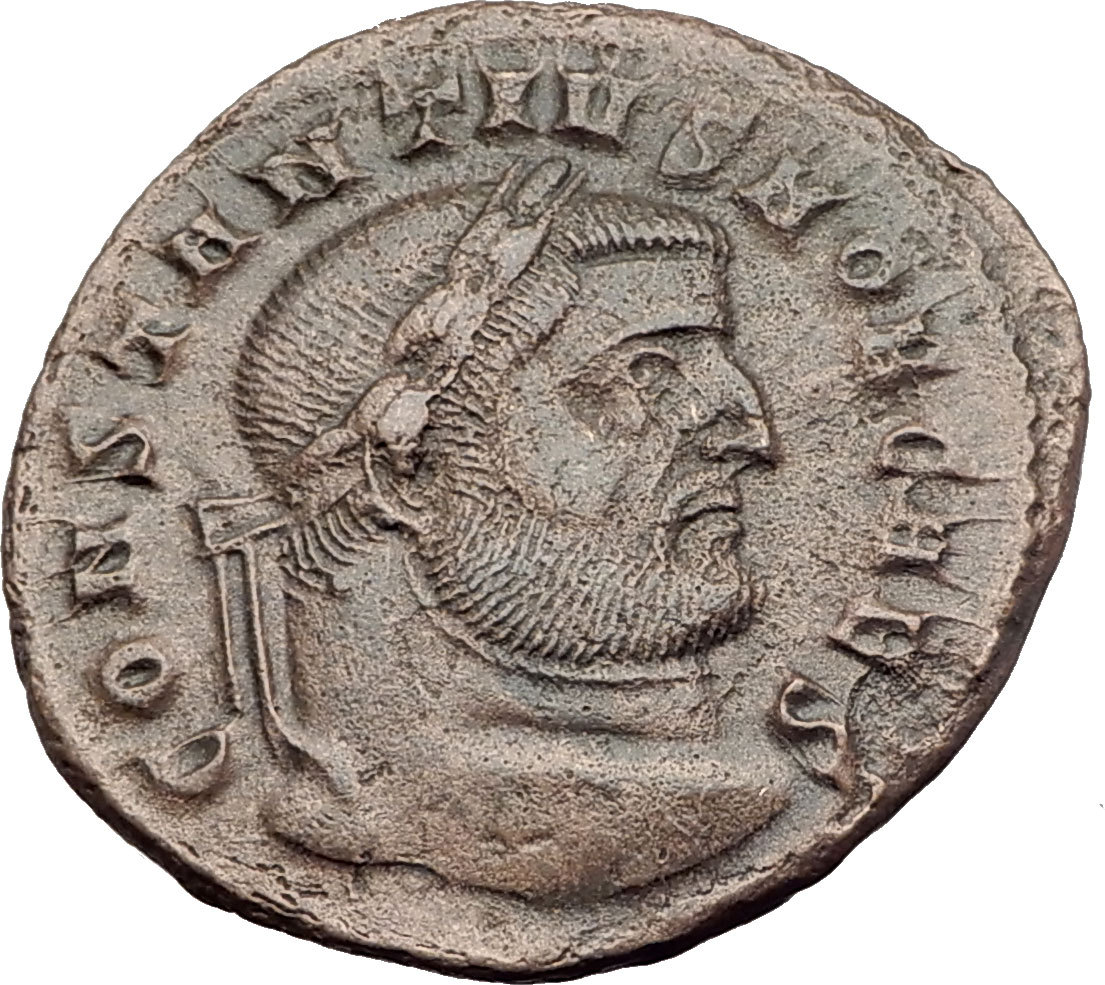
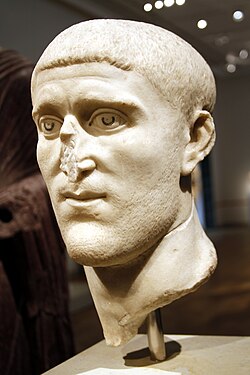
Constantius Chlorus was elevated to the rank of Augustus on May 1st, 305, following the abdication of the previous Tetrarchs, Diocletian and Maximian. This event marked a significant tran...
Emperor Diocletian formally abdicated the throne, marking a rare voluntary withdrawal from power by a Roman emperor. This significant event occurred as part of the Tetrarchy system he had...
Galerius was appointed Caesar by Emperor Diocletian as part of the tetrarchy reform intended to stabilize and govern the Roman Empire more effectively. His promotion marked a key moment i...
Constantius Chlorus was appointed Caesar by Emperor Diocletian as part of the Tetrarchy system to stabilize and govern the Roman Empire more effectively. This appointment marked the begin...
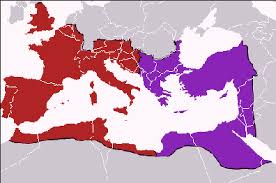
The Tetrarchy was established by Emperor Diocletian in 293 to address administrative and military challenges in the Roman Empire. This political system divided the empire into four parts,...
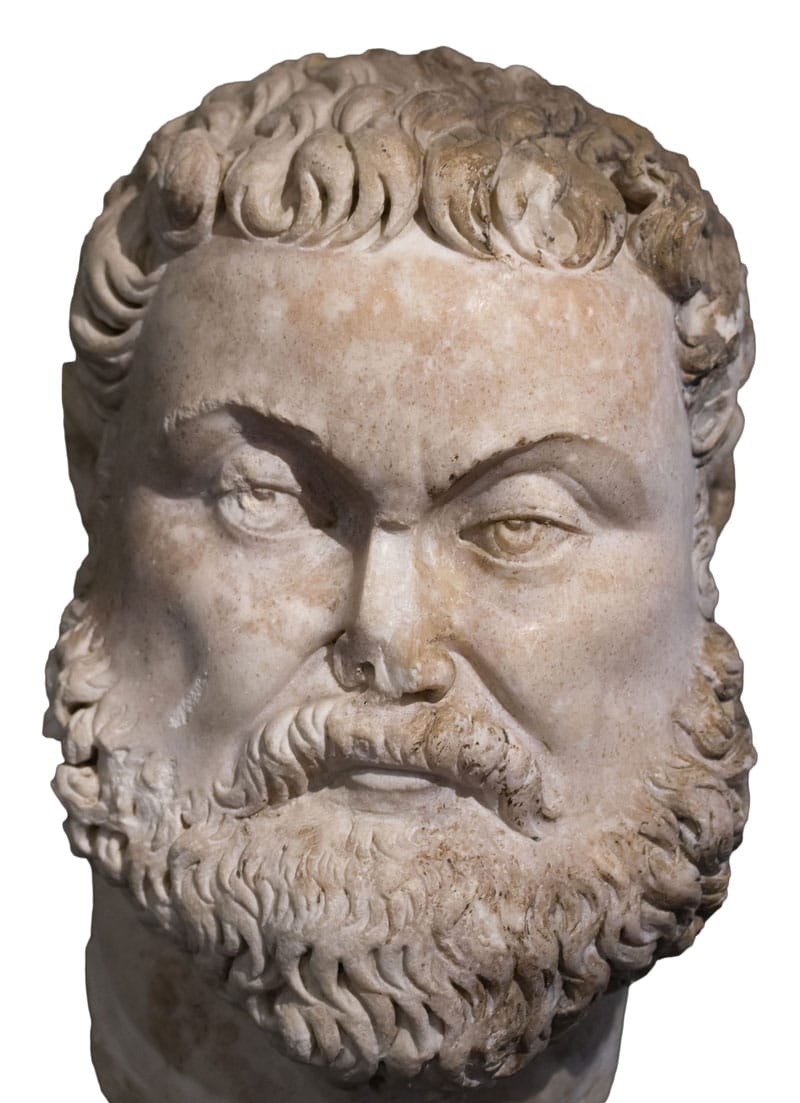
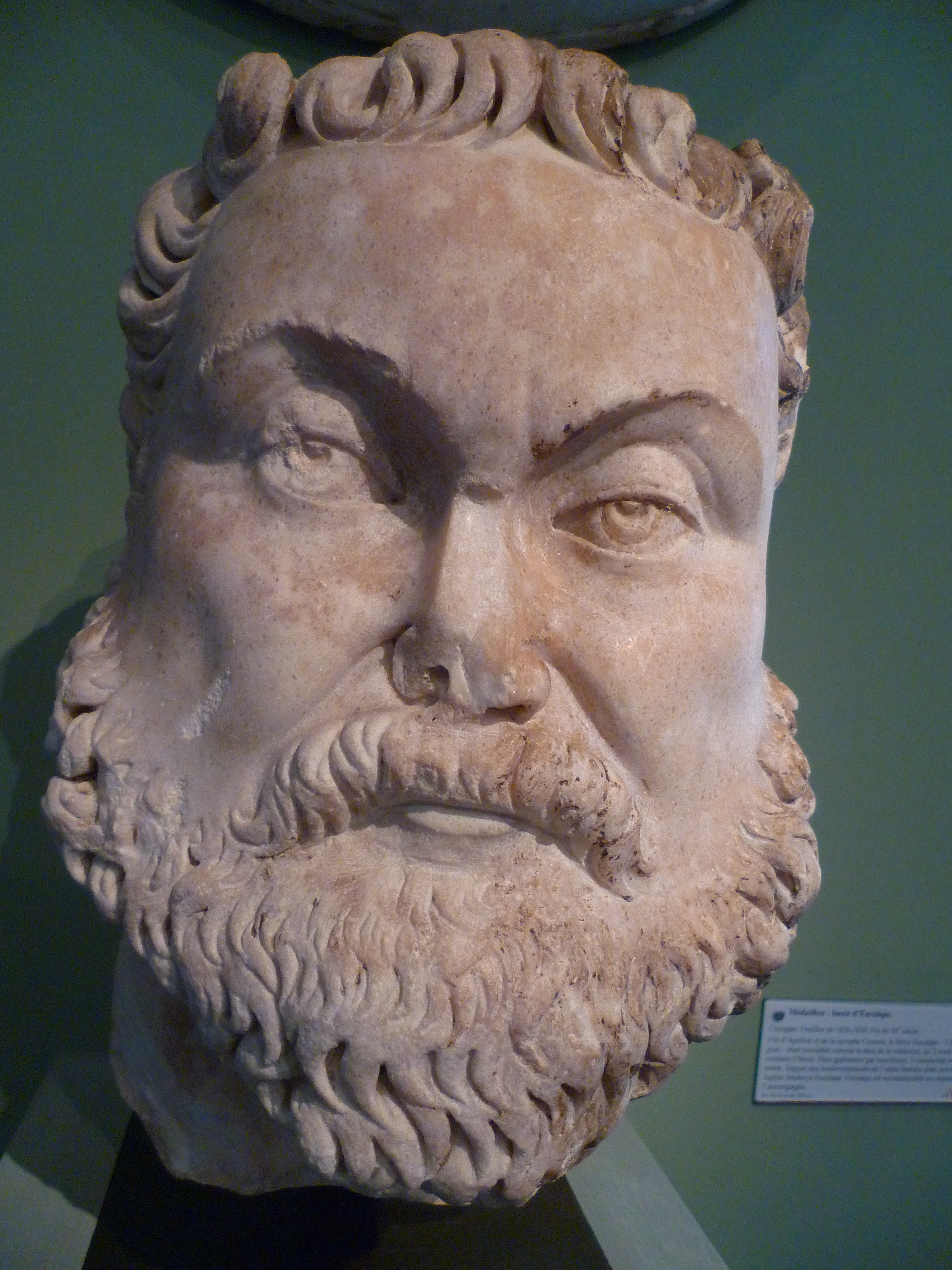
In April, the Roman Emperor Diocletian appointed Maximian as Augustus, elevating him to co-emperor status to help manage the vast Roman Empire. This move was part of a broader strategy to...
In April 286, the Roman Emperor Diocletian appointed Maximian as Caesar, marking a significant development in imperial governance. This act was meant to strengthen the administration and ...
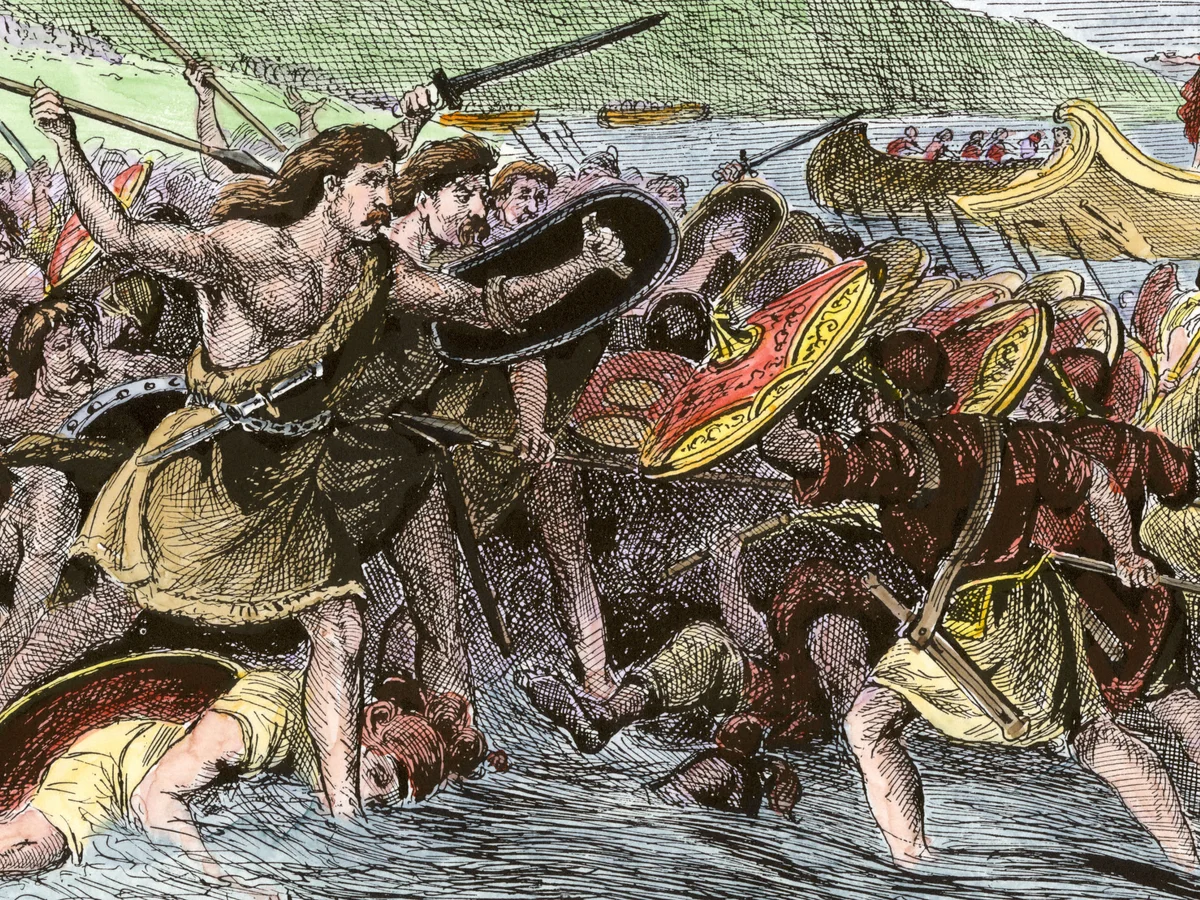
Carausius, a Roman naval commander, declared himself emperor in Britain and northern Gaul after seizing power around 286 CE. His revolt challenged the authority of the central Roman Empir...
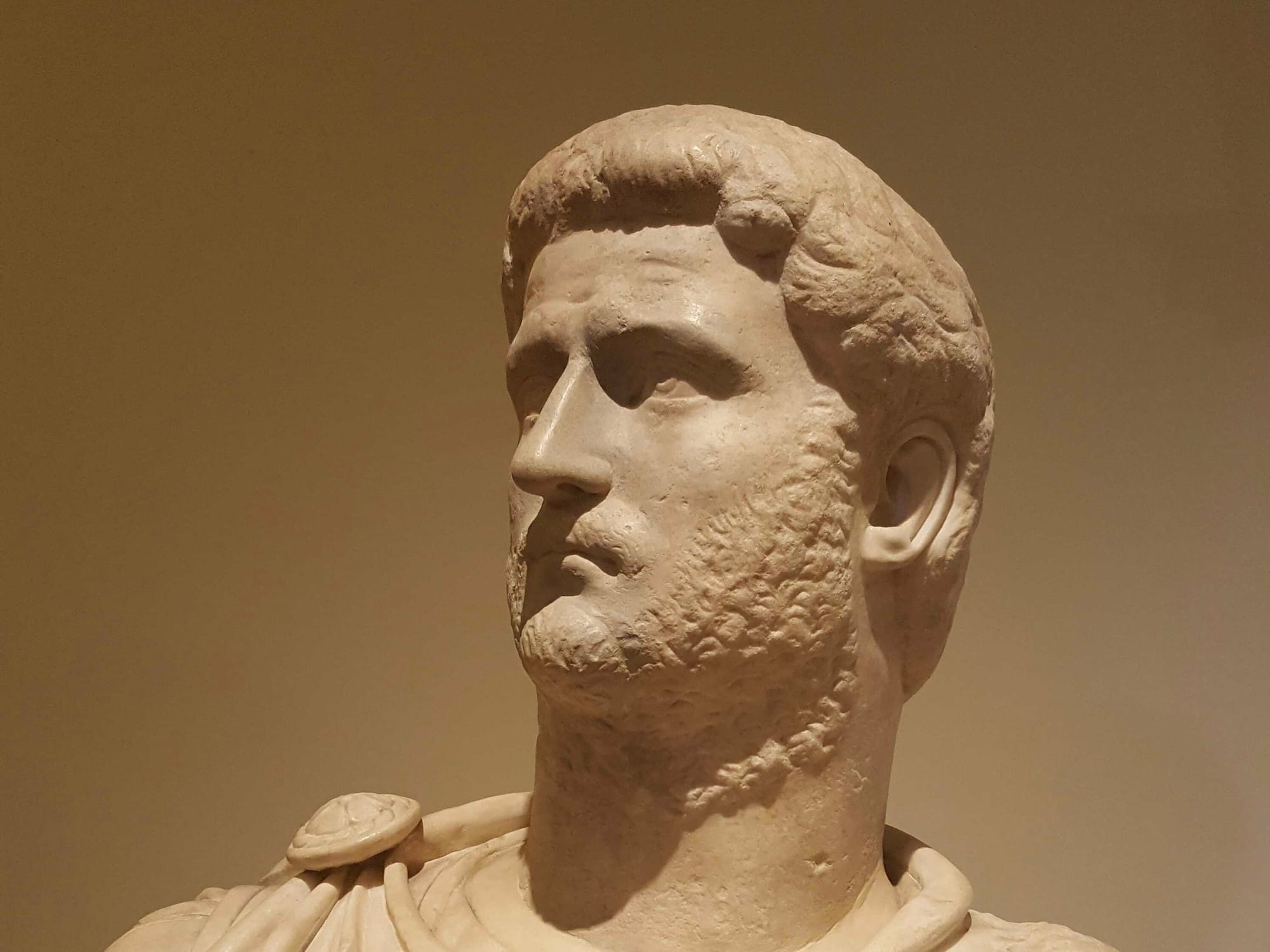
Gallienus became Roman Emperor following the assassination of his father, Valerian. His accession marked the beginning of a co-rule, where he shared power with his father before Valerian ...
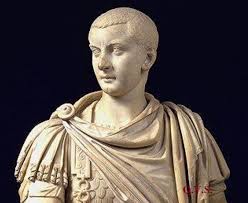
Gordian III ascended to the Roman imperial throne following a period of political instability known as the Year of the Six Emperors. At the age of thirteen, he was declared emperor by the...
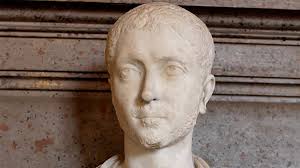
Severus Alexander was proclaimed Roman Emperor following the assassination of Elagabalus. The Roman Senate officially endorsed his accession, marking a return to more traditional imperial...
Following the assassination of Emperor Caracalla, Macrinus, then the commander of the Praetorian Guard, declared himself emperor. His accession marked the first time a Roman emperor came ...
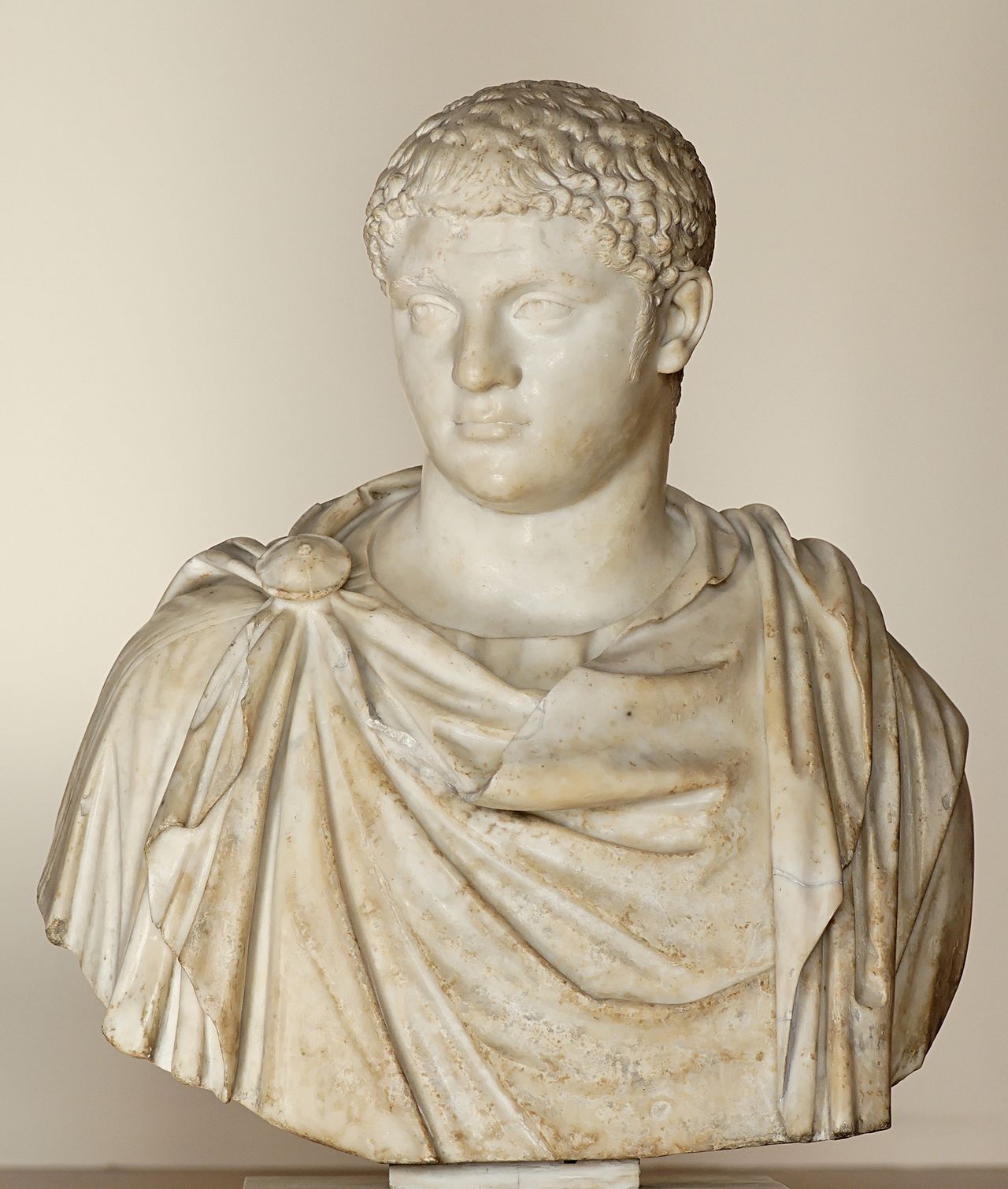
Publius Septimius Geta, son of Emperor Septimius Severus, was granted the title of Augustus by the Roman Senate. This elevated Geta to co-emperor status alongside his father and his broth...
The Roman Empire undertook administrative changes in the province of Mesopotamia following its establishment as a distinct entity. These reforms aimed to consolidate control over the regi...
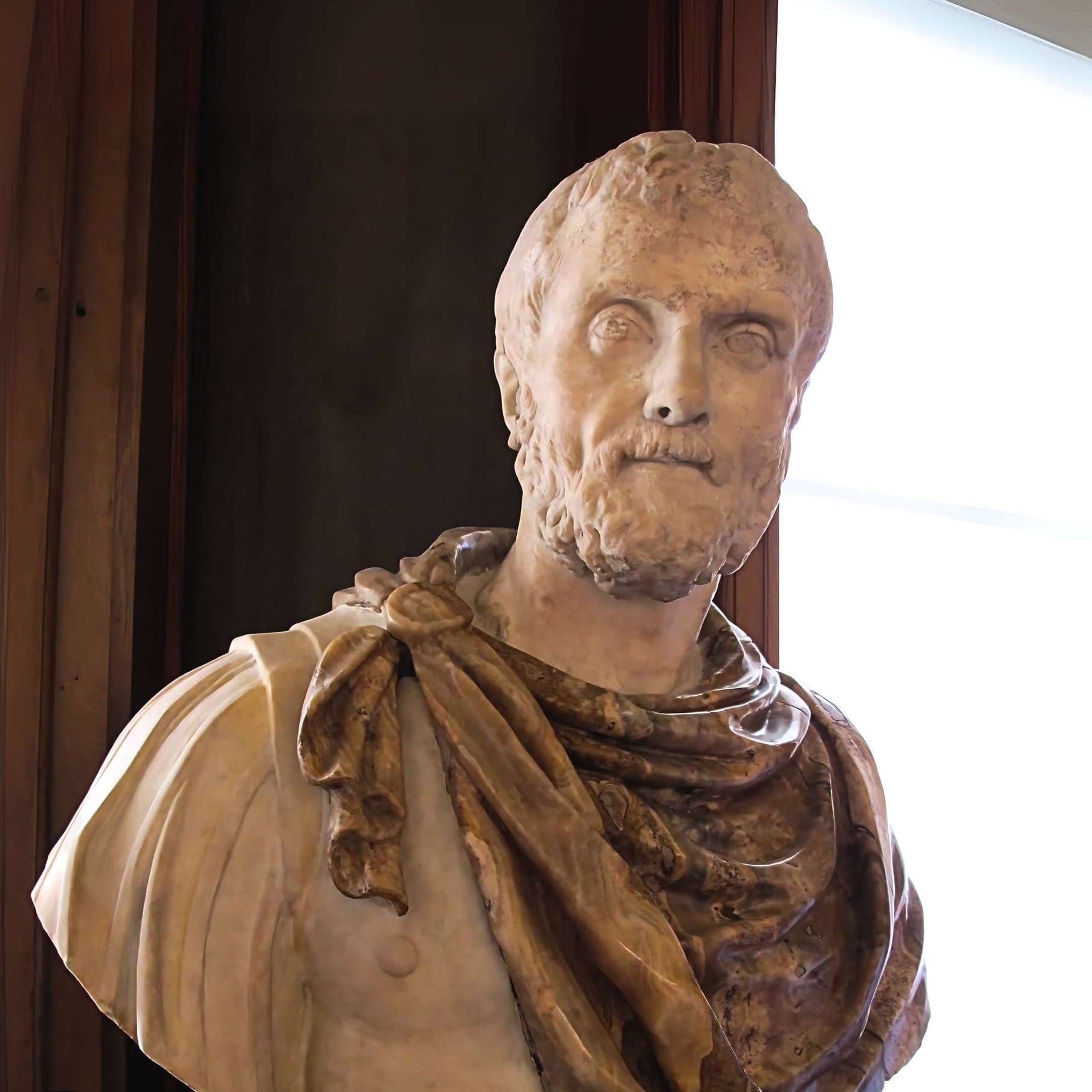
Pertinax was proclaimed Roman Emperor by the Senate following the assassination of Commodus. His accession marked a brief attempt to restore discipline and order in the empire after a per...
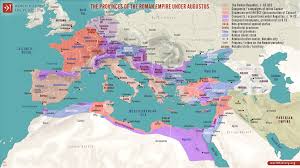
The province of Mesopotamia was officially established as an administrative region, marking a significant political reorganization in the area. This reconfiguration aimed at improving gov...
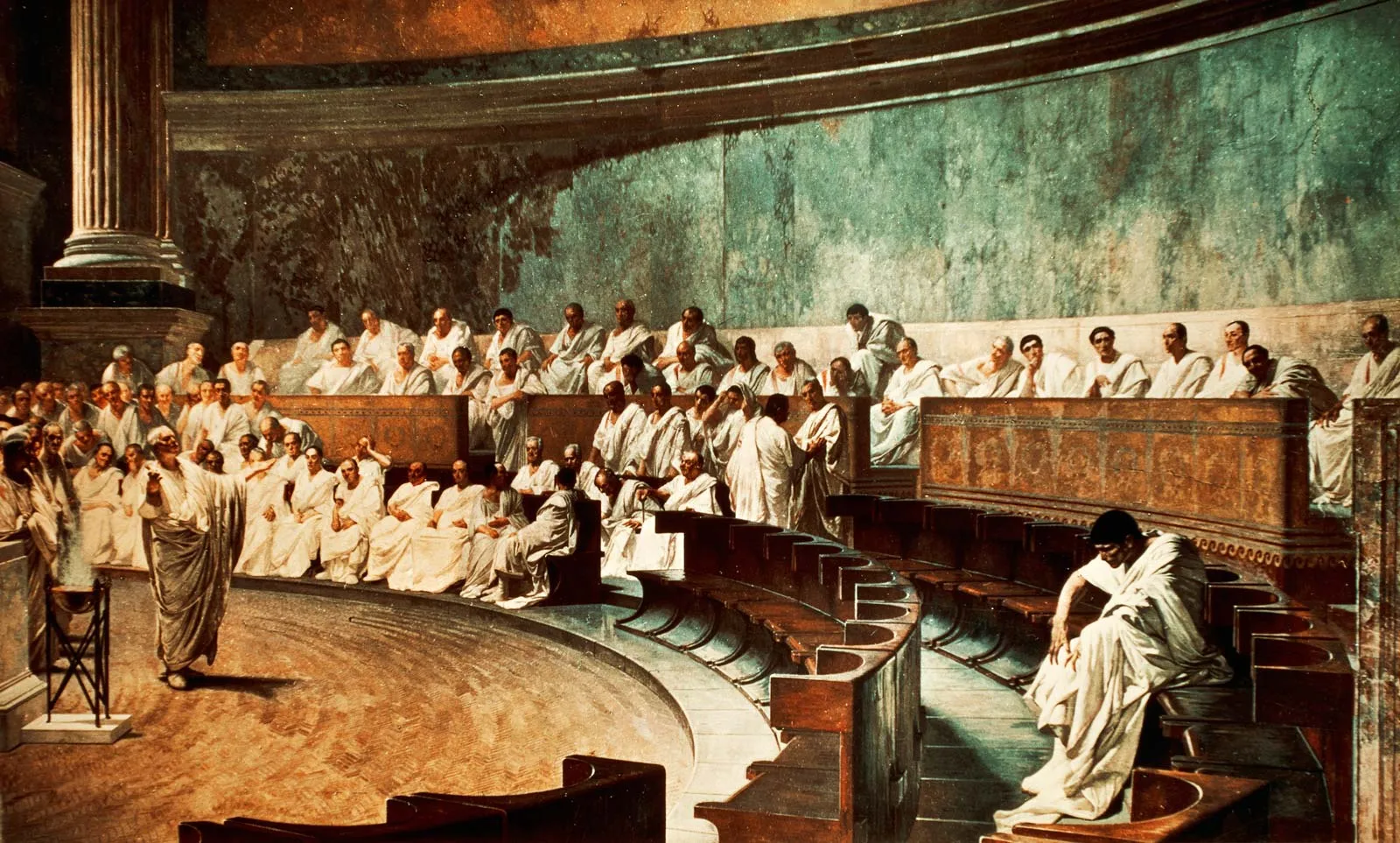
After the murder of Emperor Domitian, the Roman Senate appointed Nerva as emperor, marking a shift from autocratic rule to a more stabilizing governance. Nerva, previously a respected sen...
On January 16, the Roman Senate granted Octavian the title Augustus, marking his official accession as the sole ruler of Rome. This event symbolized the transition from the Roman Republic...
The Han Dynasty moved its capital to Chang'an, marking a significant political and administrative shift during its early consolidation of power. This relocation established Chang'an as a ...
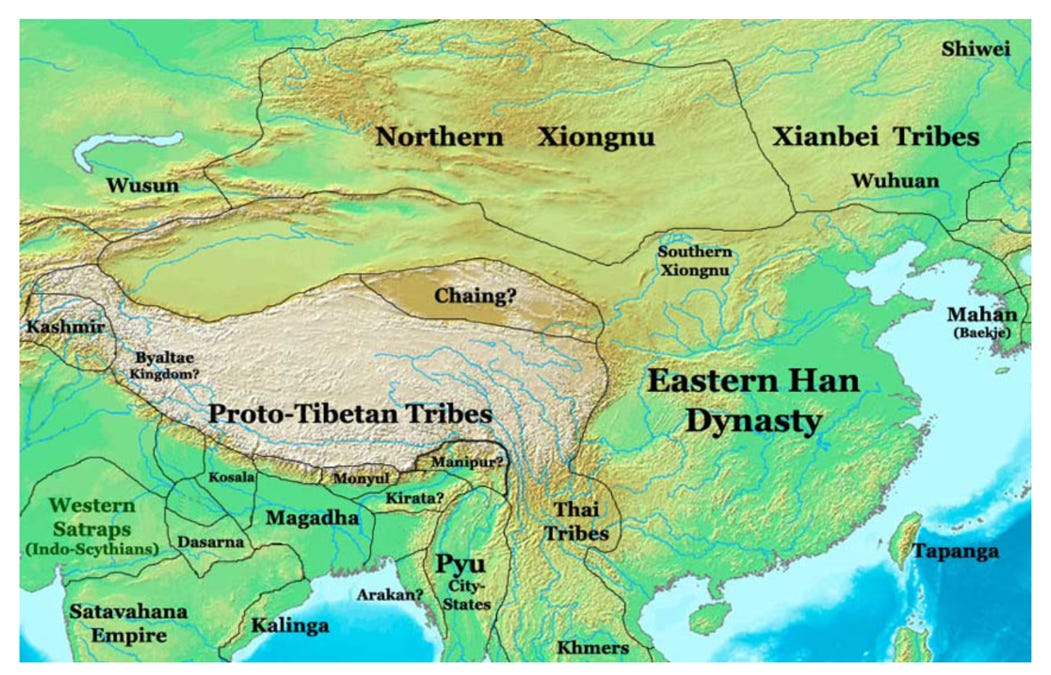
The Eastern Han Dynasty officially moved its capital from Chang'an to Luoyang, marking a significant political shift in early imperial China. This relocation aimed to stabilize the dynast...
After a prolonged period of civil war and the collapse of the Western Han, Liu Xiu successfully reestablished imperial authority, marking the beginning of the Eastern Han dynasty.He conso...
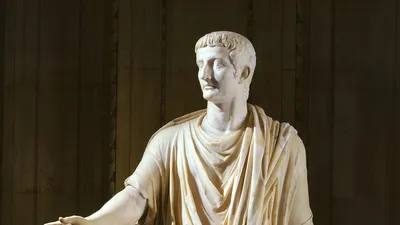
Following the death of Augustus, Tiberius was officially declared emperor by the Roman Senate, marking the beginning of his reign. This accession consolidated the Julio-Claudian dynasty a...
The Xin dynasty was established by Wang Mang, who usurped the throne from the Han dynasty. This marked a significant political shift in ancient China, interrupting the long-lasting Han ru...
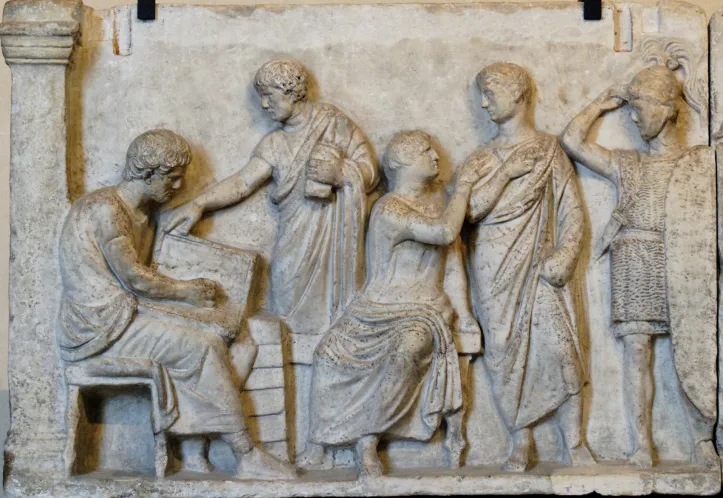
The census conducted under Publius Sulpicius Quirinius was ordered by the Roman Empire as part of administrative reorganization following the annexation of Judea as a Roman province. This...