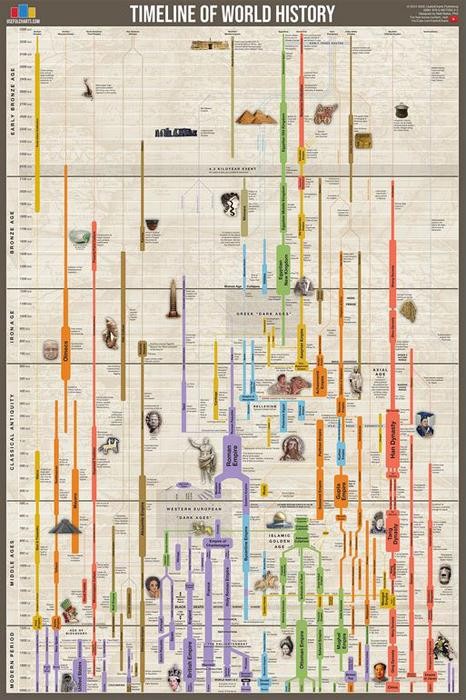
The Master Timeline
Event Timeline body { font-family: Arial, sans-serif; background-color: #f4f4f9; margin: 0; padding: 0; } .timeline-container { max-width: 900px; margin: 50px auto; p...
Israel's Occupation of Palestine: A Timeline body { font-family: Arial, sans-serif; background-color: #f4f4f9; margin: 0; padding: 0; } .timeline-container { max-widt...
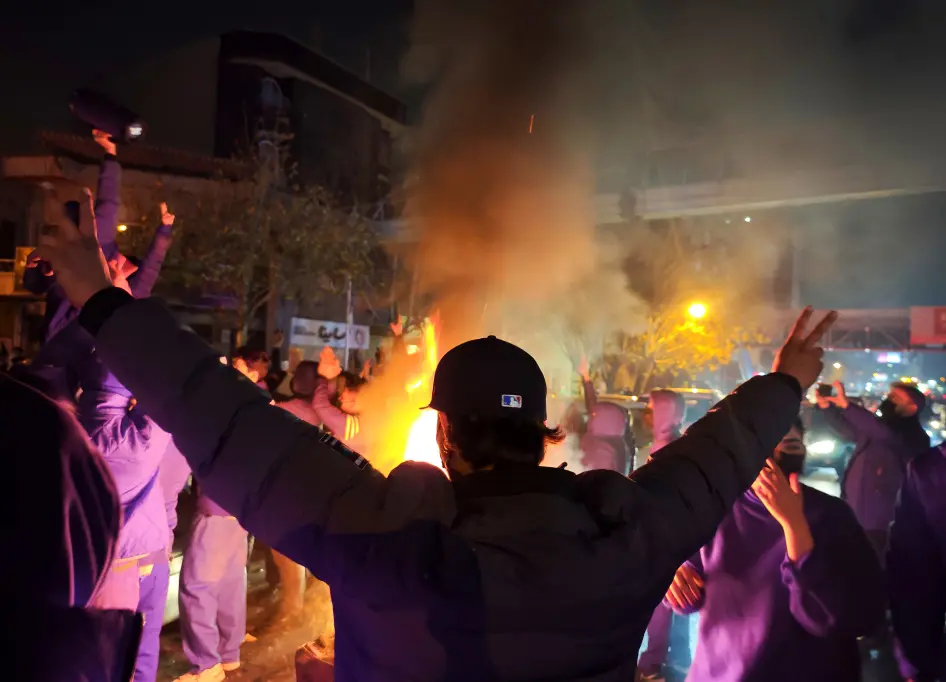
Mass protests across Iran have continued since late December 2025 amid economic hardship and political discontent, evolving into one of the largest uprisings since the 1979 Iranian Revolu...
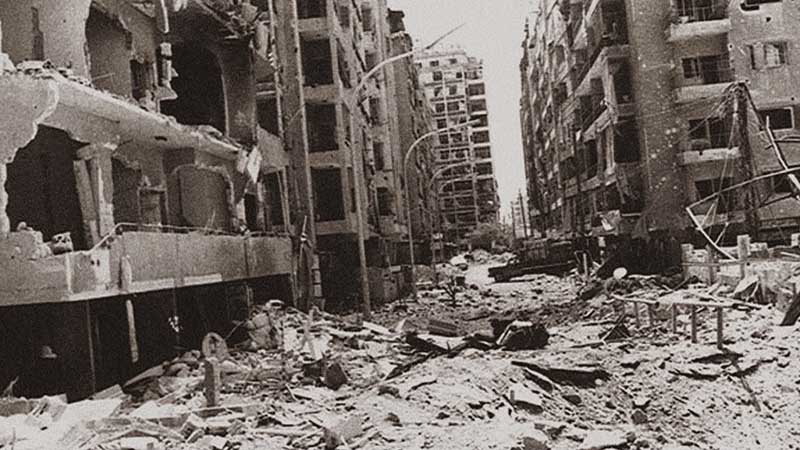
The Hama Massacre occurred in February 1982 when Syrian government forces launched a military assault on the city of Hama to suppress an uprising by the Muslim Brotherhood. The operation,...
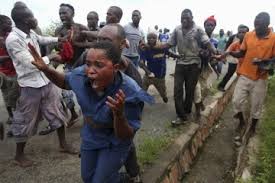
The Burundi Genocide of 1972 was a mass killing event targeting primarily the Hutu ethnic group by the Tutsi-dominated government.The violence began in April 1972 following a Hutu-led upr...
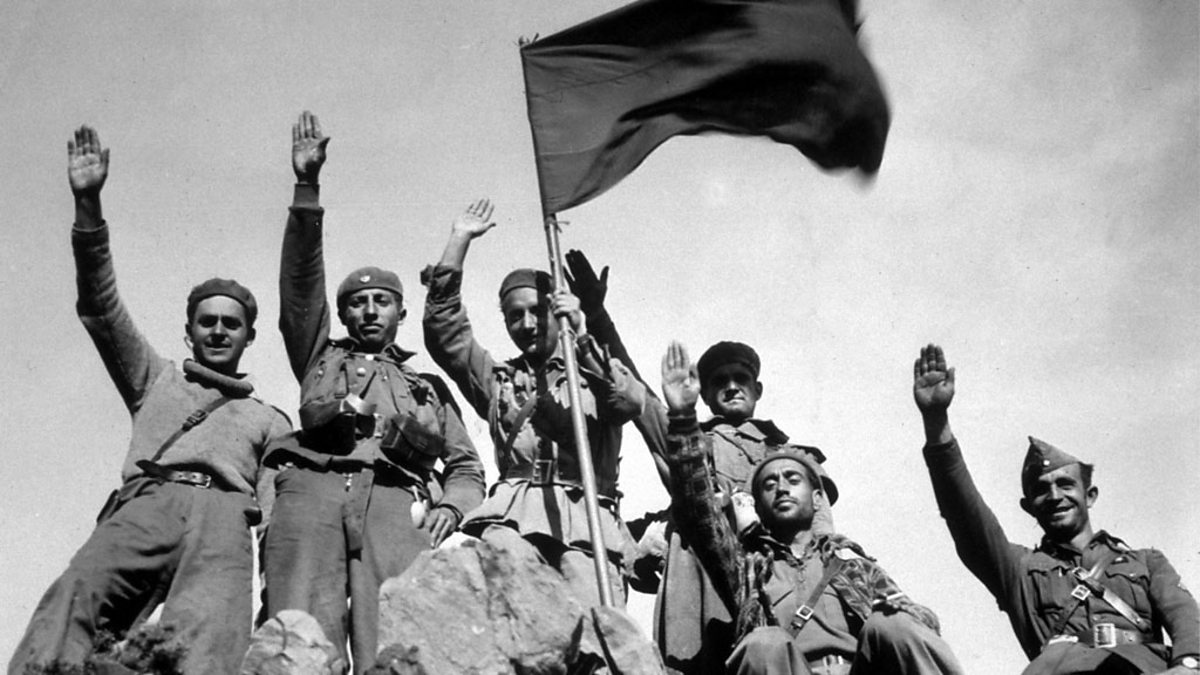
The Spanish Civil War began between Republicans and Nationalists, reflecting ideological battles over fascism, socialism, and democracy, with international implications.
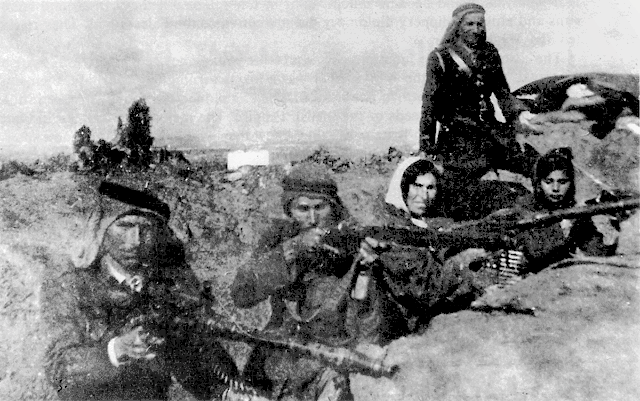
The Arab Revolt in Palestine was a nationalist uprising by Palestinian Arabs against British colonial rule and mass Jewish immigration under the British Mandate, which followed the 1917 B...
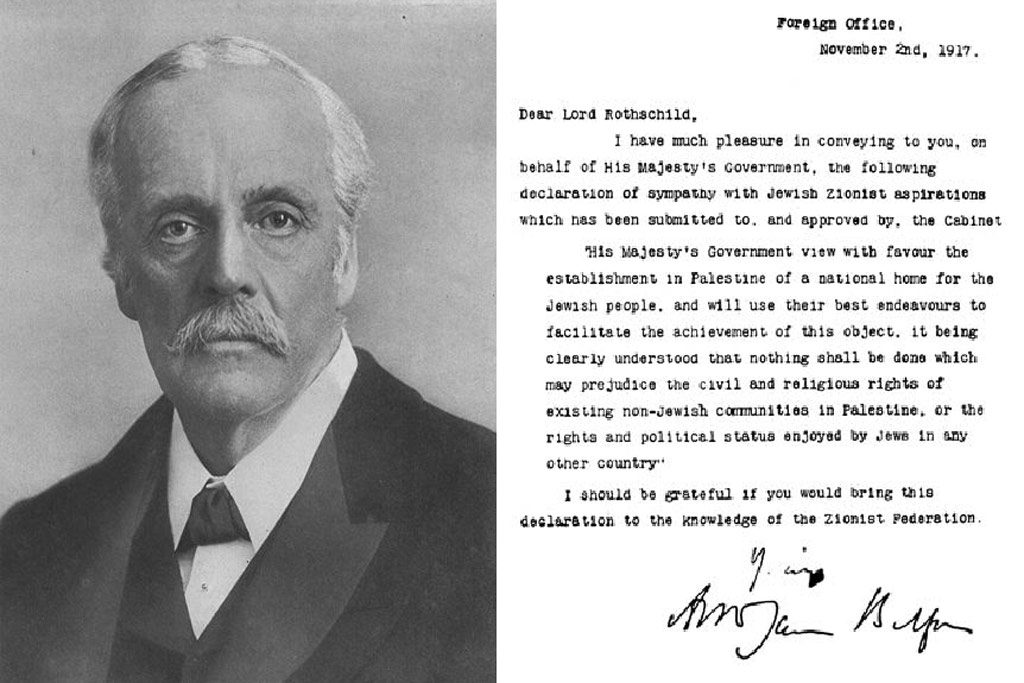
The Balfour Declaration was a public statement issued on November 2 1917 by the British government during World War I expressing support for the establishment of a national home for the J...
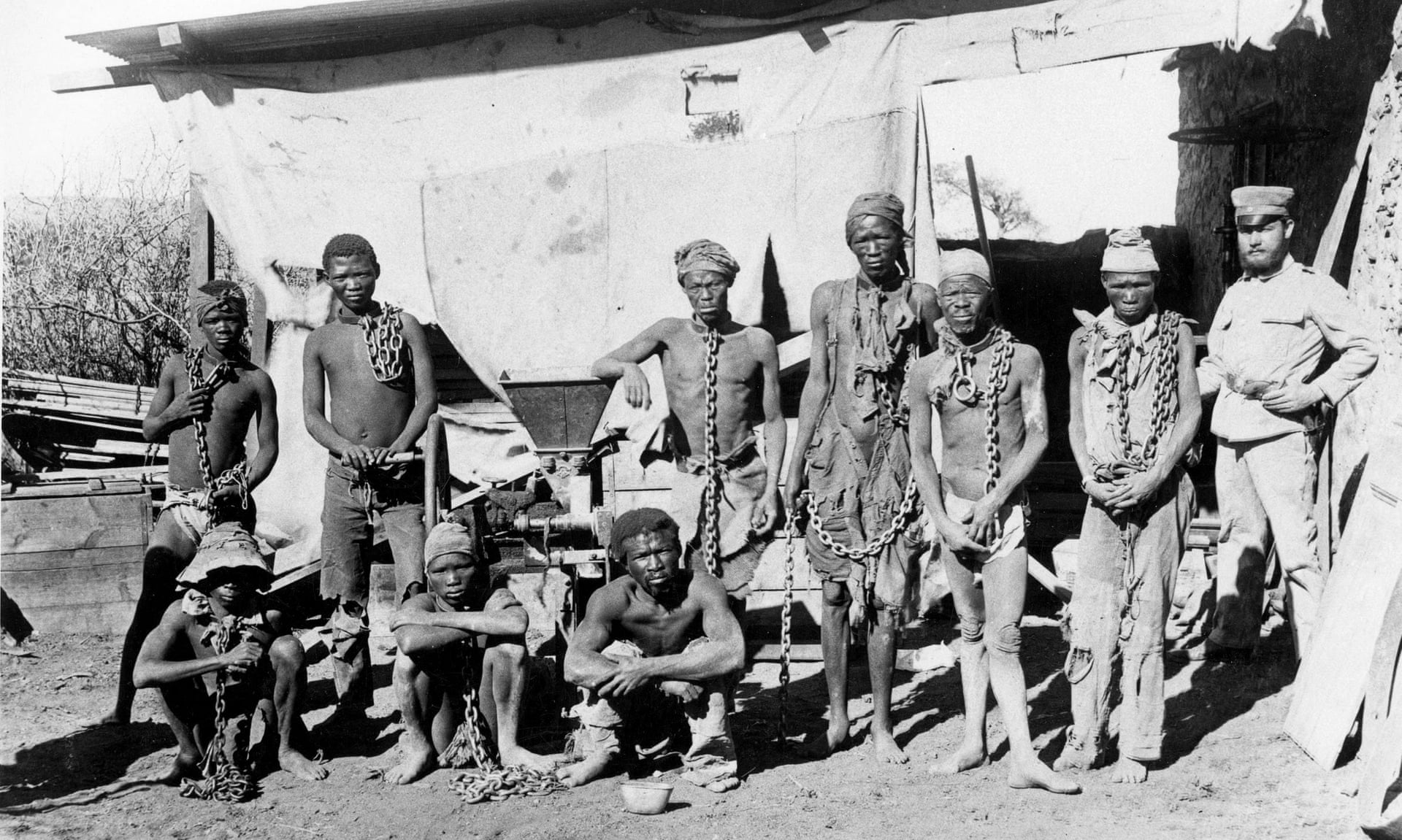
Herero And Nama Genocide On January 12, 1904, members of the Herero community initiated an armed uprising against German colonial authorities in German South West Africa, present-day Nam...
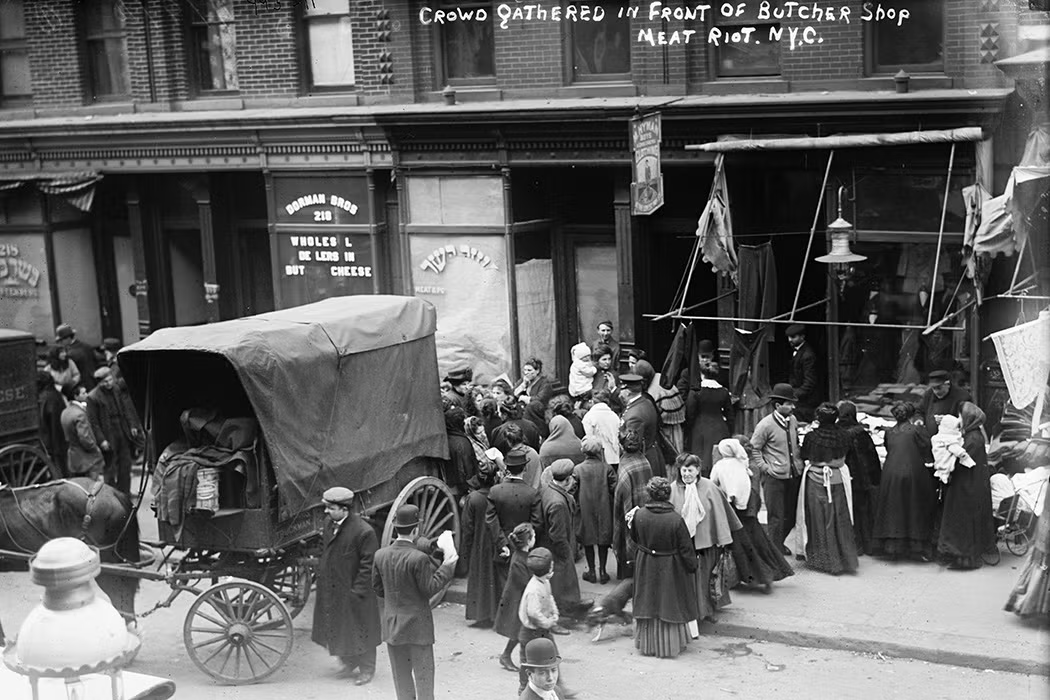
In early 1900s New York, rising kosher meat prices led Jewish immigrant women to organize a boycott, involving thousands of participants. This protest was a significant stand against econ...
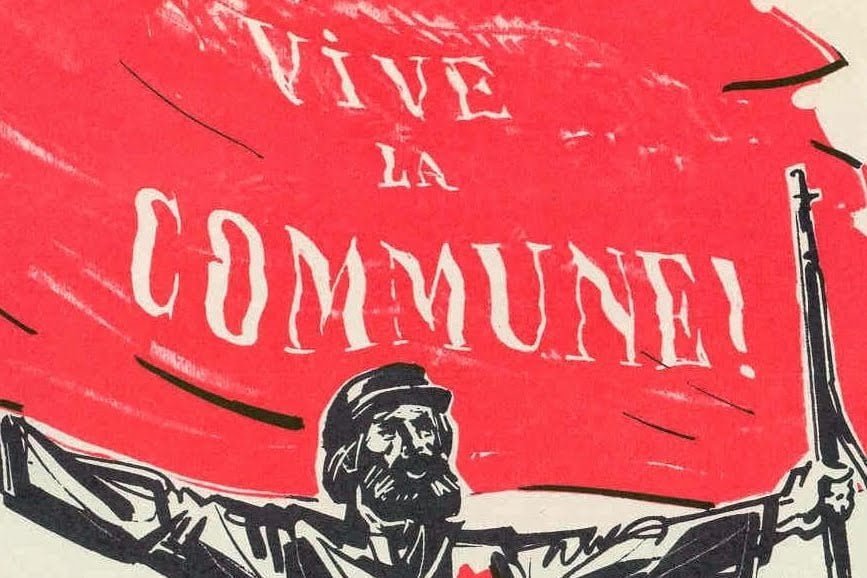
The Paris Commune established a radical socialist government in Paris after the Franco-Prussian War, representing worker self-rule and inspiring future socialist movements.
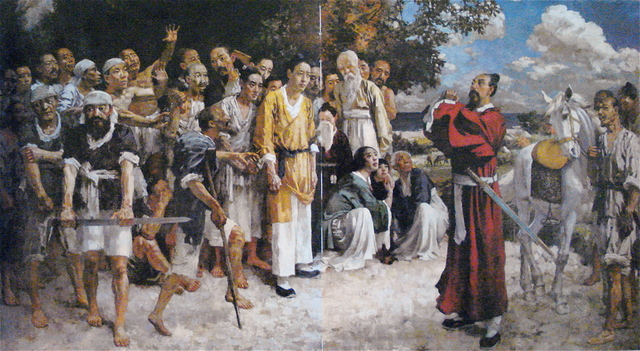
The Taiping Rebellion in China began under Hong Xiuquan, advocating radical social reforms and religious-inspired communal living, challenging the Qing dynasty.
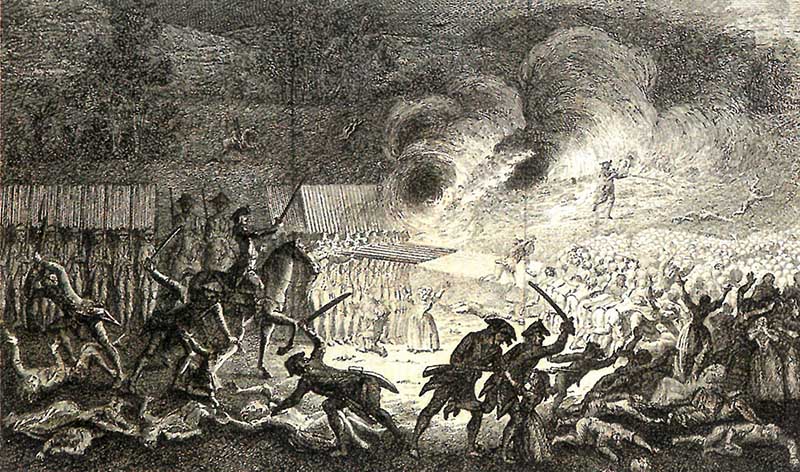
The Vendée Massacres occurred during the War in the Vendée, a counter-revolutionary uprising in western France from 1793 to 1796. The conflict was marked by violent clashes between Royali...
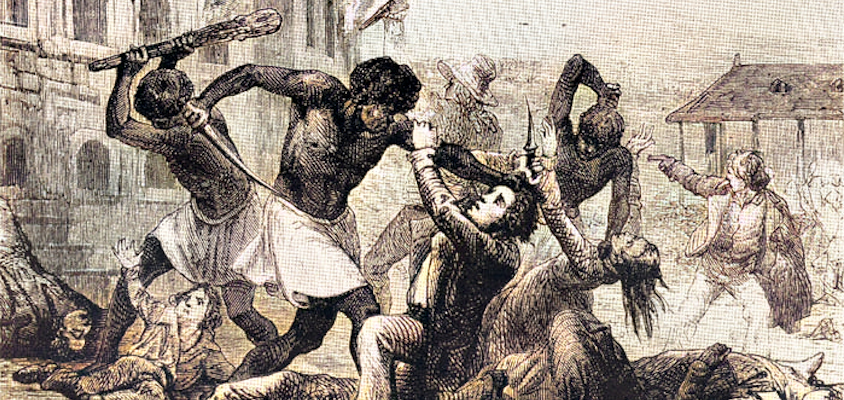
The Haitian Revolution began as enslaved Africans rose against French colonial rule, leading to the first successful abolition of slavery and creation of an independent Black republic.
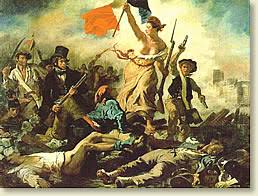
The French Revolution began with the storming of the Bastille, symbolizing the fight against monarchy, social inequality, and the pursuit of liberty, equality, and fraternity.
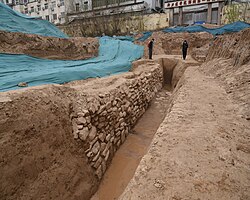
Chang’an, the capital of the Tang dynasty, was violently sacked by rebel forces led by Huang Chao. The siege resulted in widespread destruction and the collapse of central Tang authority ...
Carausius, a Roman naval commander, declared himself emperor in Britain and northern Gaul after seizing power around 286 CE. His revolt challenged the authority of the central Roman Empir...
Emperor Probus was assassinated by his own soldiers after numerous military campaigns to secure the Roman Empire's borders. His leadership was challenged internally despite his successes ...
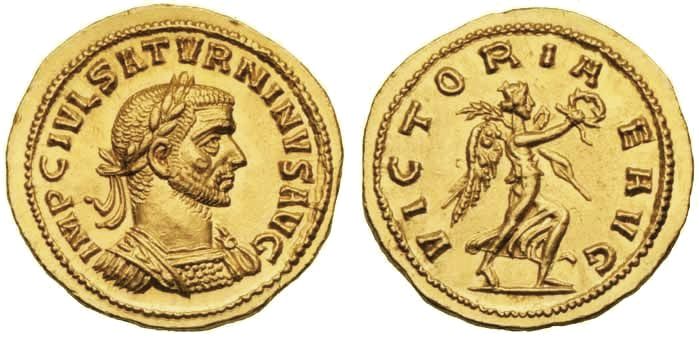
The revolt led by Lucius Antonius Saturninus was an important military uprising against Emperor Probus within the Roman Empire. It began in Moesia Superior, where Saturninus was stationed...
The revolt led by Gordian II was part of a larger uprising against the reigning emperor Maximinus Thrax. Gordian II, alongside his father Gordian I, was proclaimed emperor by the Roman Se...
The revolt of Gordian I was a significant uprising against the Roman Emperor Maximinus Thrax in 238, known as the Year of the Six Emperors. Senatorial opposition to Maximinus' harsh rule ...
The Marcomannic Wars began as a series of conflicts between the Roman Empire and various Germanic tribes, including the Marcomanni, along the Danube frontier. The wars marked a significan...
The Bar Kokhba revolt, a major Jewish uprising against Roman rule, ended with the fall of the fortress of Betar. The Roman forces besieged and destroyed the stronghold, marking the collap...
The Bar Kokhba revolt was a major Jewish uprising against the Roman Empire in the province of Judaea. The rebellion started under the leadership of Simon Bar Kokhba who was proclaimed the...
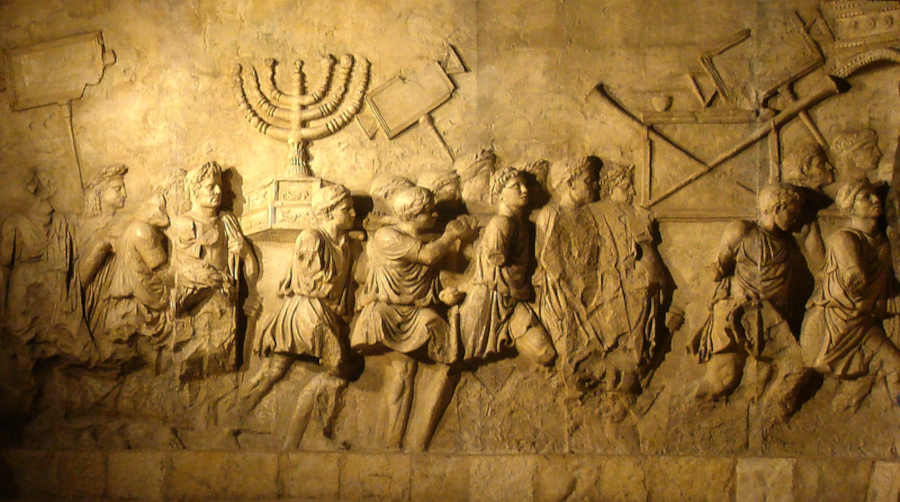
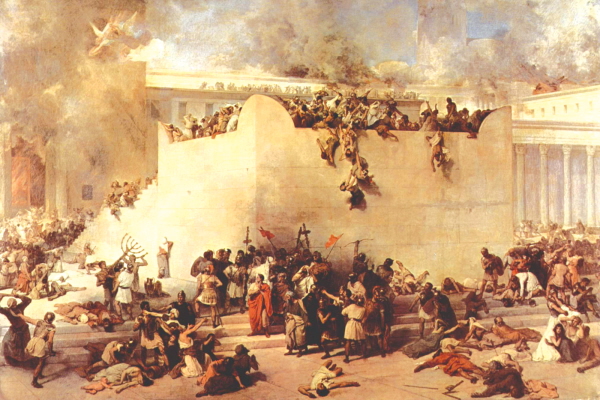
The First Jewish–Roman War, also known as the Great Revolt, began in April 66 CE in the Roman province of Judaea. Jewish rebels rose up against the Roman administration due to mounting re...
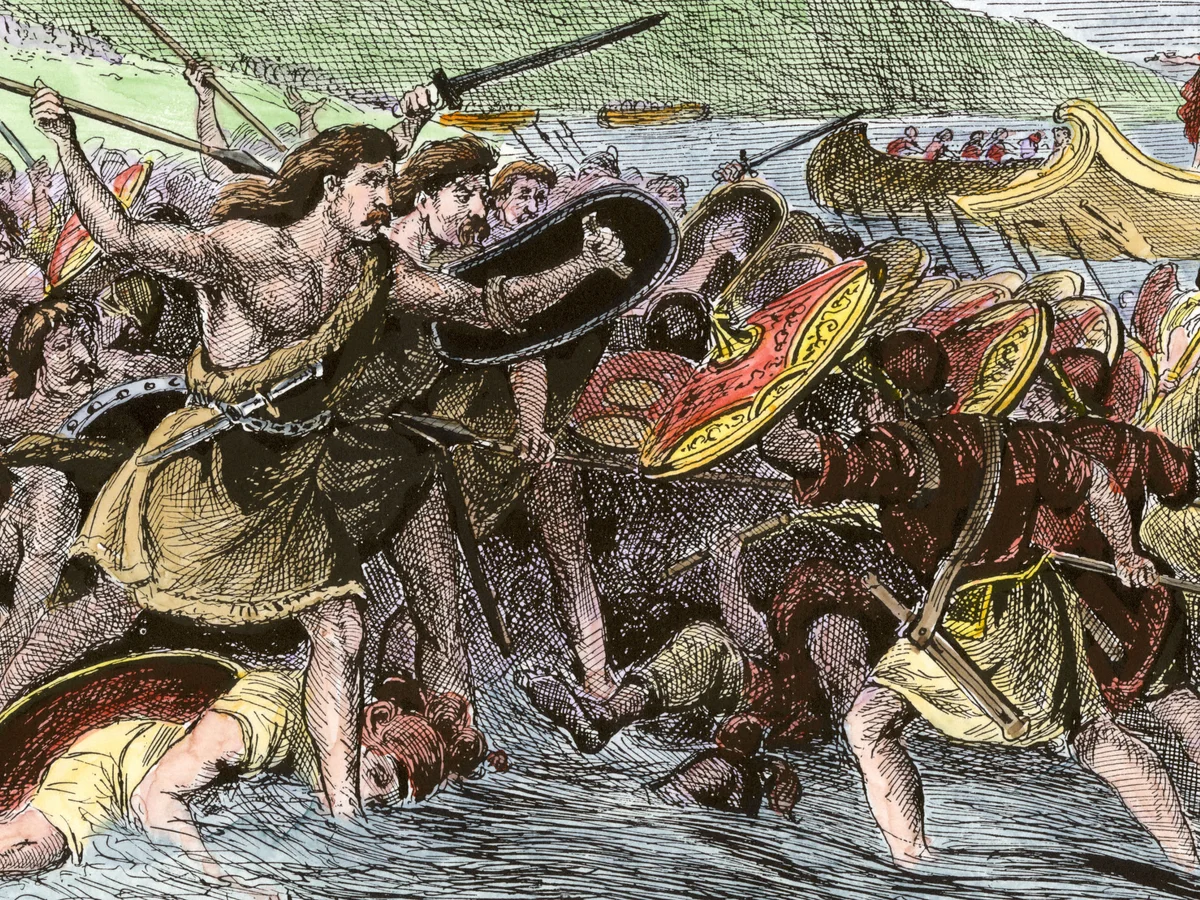
The Iceni tribe, led by Queen Boudica, launched a major revolt against Roman occupation in Britannia. The uprising was provoked by Roman mistreatment following the death of Boudica's husb...
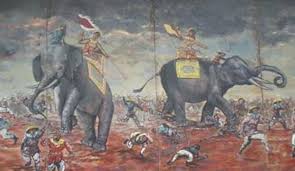
The Trung Sisters led a major rebellion against Chinese rule in the Red River Delta region of Vietnam. Their uprising marked a significant moment of resistance against the Han Dynasty's d...
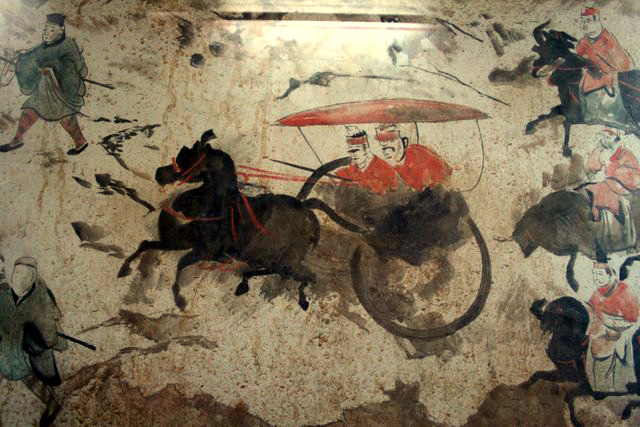
The Xin dynasty's rule ended after widespread revolts erupted against Wang Mang's government. These uprisings were fueled by famine, flooding, and political unrest that plagued the realm....
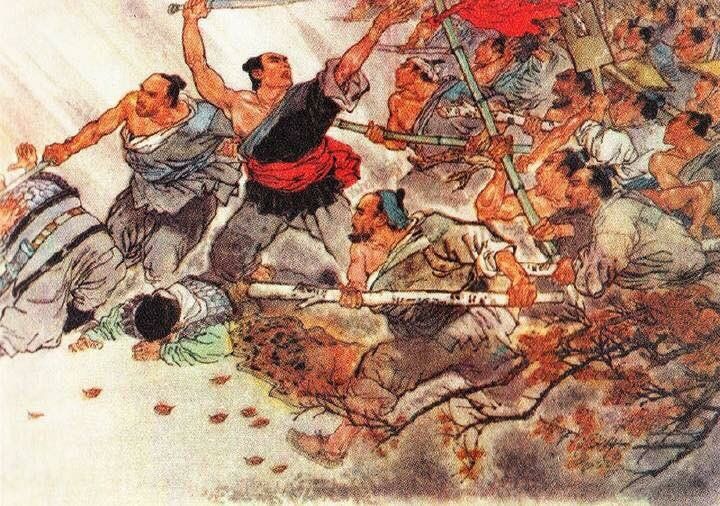
The Red Eyebrows rebellion began as a peasant uprising against the ruling Wang Mang regime. Originating in the Henan region, discontent over heavy taxation and natural disasters fueled th...
The Lulin rebellion was a peasant uprising that began during the late Xin dynasty in the region of Lulin. It was part of a series of revolts against oppressive rule and heavy taxation fac...
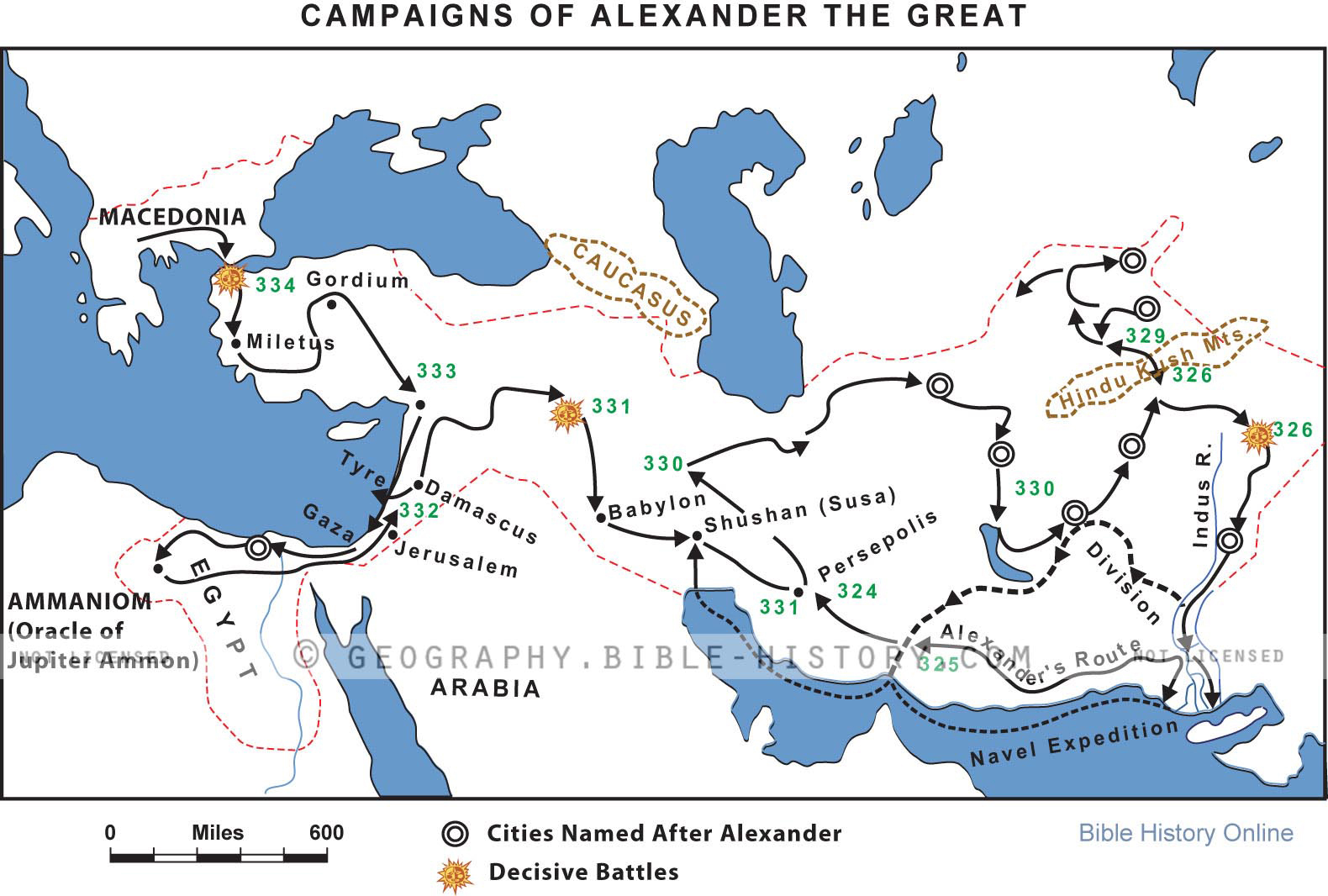
Alexander the Great Travels Through Palestine In October 332 B.C., during his campaign against the Persian Empire, Alexander III of Macedon, commonly known as Alexander the Great, passed...
30 June 2012 — Mohamed Morsi, associated with the Muslim Brotherhood's political movement, becomes Egypt's first president elected after the 2011 uprising. His government faces severe eco...
25 January–11 February 2011 — Mass demonstrations erupt against police brutality, corruption, economic frustration and authoritarian government. Cairo's Tahrir Square becomes the symbolic...
March–April 1919 — Mass demonstrations, strikes and civil unrest erupt after British authorities exile nationalist leader Saad Zaghloul and other members of the Wafd movement. Students, w...
November 1973 — Student resistance becomes a major symbol of opposition to the dictatorship.
1814 — A secret revolutionary organization is founded to prepare an uprising against Ottoman rule.
25 August 1944 — French and Allied forces complete the liberation of Paris after an uprising by resistance groups and the arrival of Free French troops. General Charles de Gaulle enters t...
14 February 1942 — The Polish underground Home Army is formally established as the principal armed resistance organization loyal to the government-in-exile. It fights German occupation wh...
17 July 1936 — A military uprising against Spain's Republican government begins a prolonged civil war. Nazi Germany and Fascist Italy support Francisco Franco's Nationalist forces, while ...
1 August 1944 — The Warsaw Uprising is driven not only by resistance to German occupation but by fear that Soviet liberation will eliminate Polish political independence. Stalin regards t...
1 August 1944 — The Polish Home Army launches an uprising against German occupation as Soviet forces approach Warsaw. Polish leaders hope to liberate the capital before Soviet-backed auth...
2 October 1944 — Investigate German military repression, the Home Army's political goals, Soviet operational limits, Stalin's attitude toward the Polish government-in-exile and Allied ina...