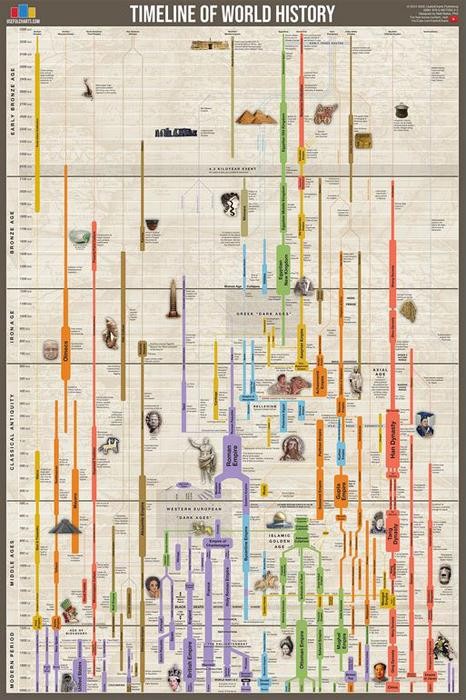
The Master Timeline
Event Timeline body { font-family: Arial, sans-serif; background-color: #f4f4f9; margin: 0; padding: 0; } .timeline-container { max-width: 900px; margin: 50px auto; p...
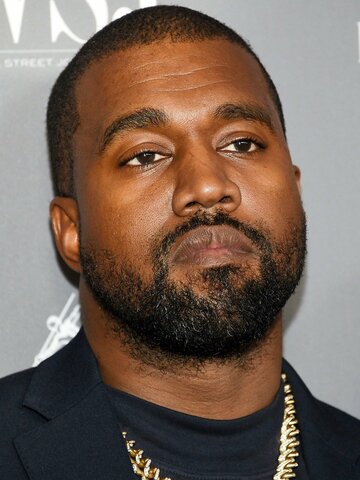
American artist Kanye West, also known as Ye, released a song titled “Heil Hitler” on May 8, 2025, which generated widespread international criticism. The track included references to Naz...
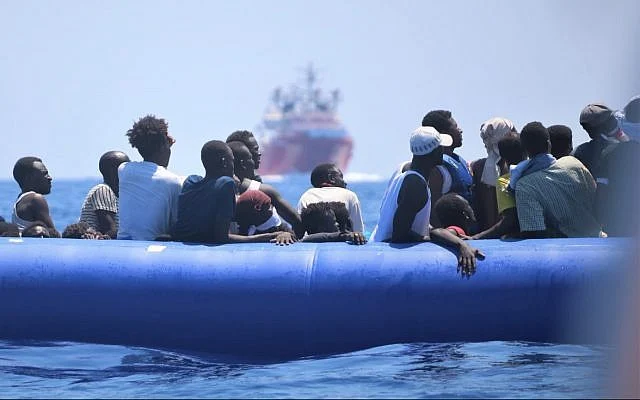
Israeli and Jewish aid groups support migrant and refugee assistance in Europe On September 5, 2015, IsraAID, an Israeli non-governmental organization founded in 2001 to provide disaster...
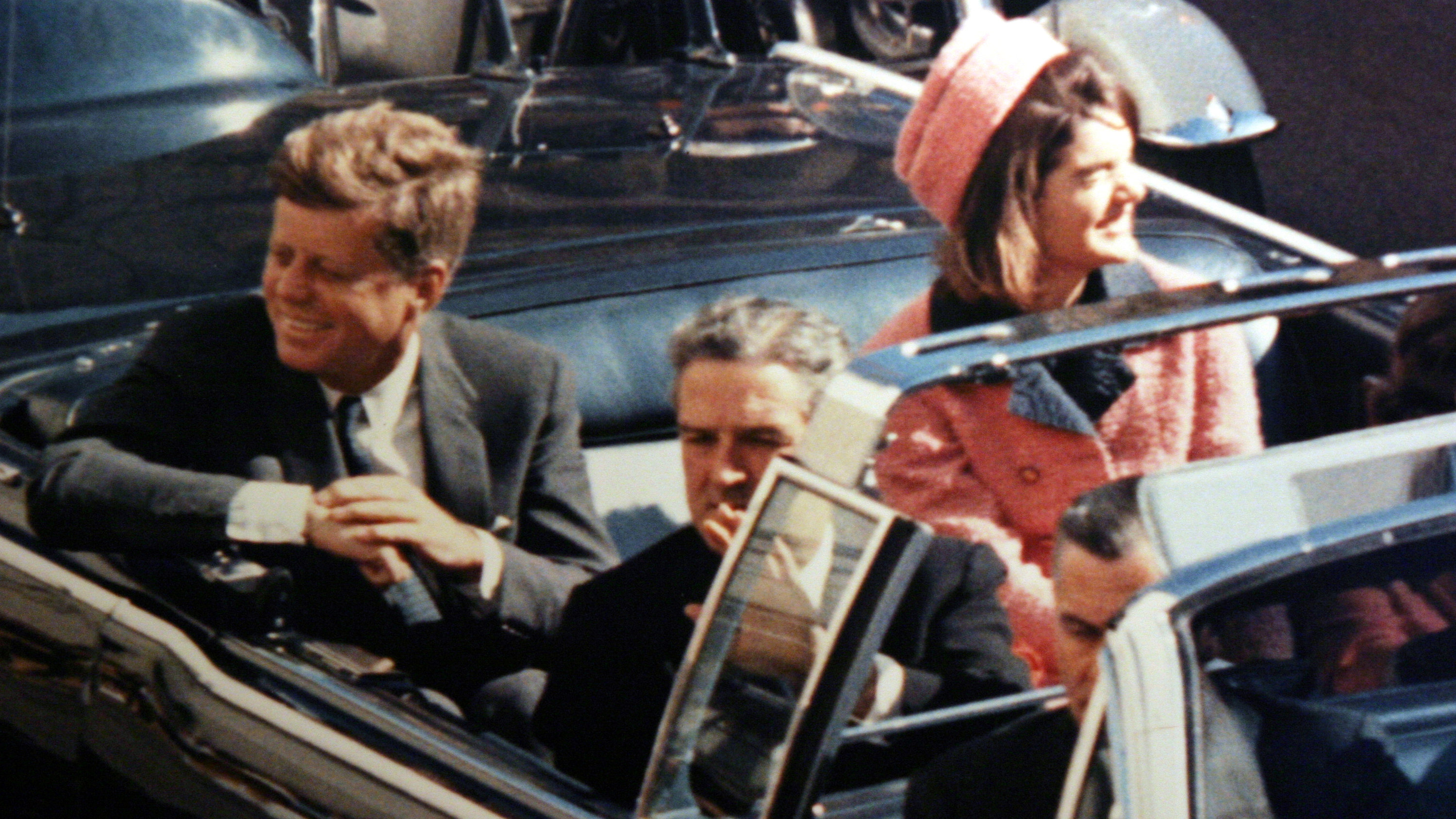
The assassination of John F. Kennedy, the 35th President of the United States, occurred on November 22, 1963, in Dallas, Texas. Kennedy was fatally shot while riding in a motorcade throug...
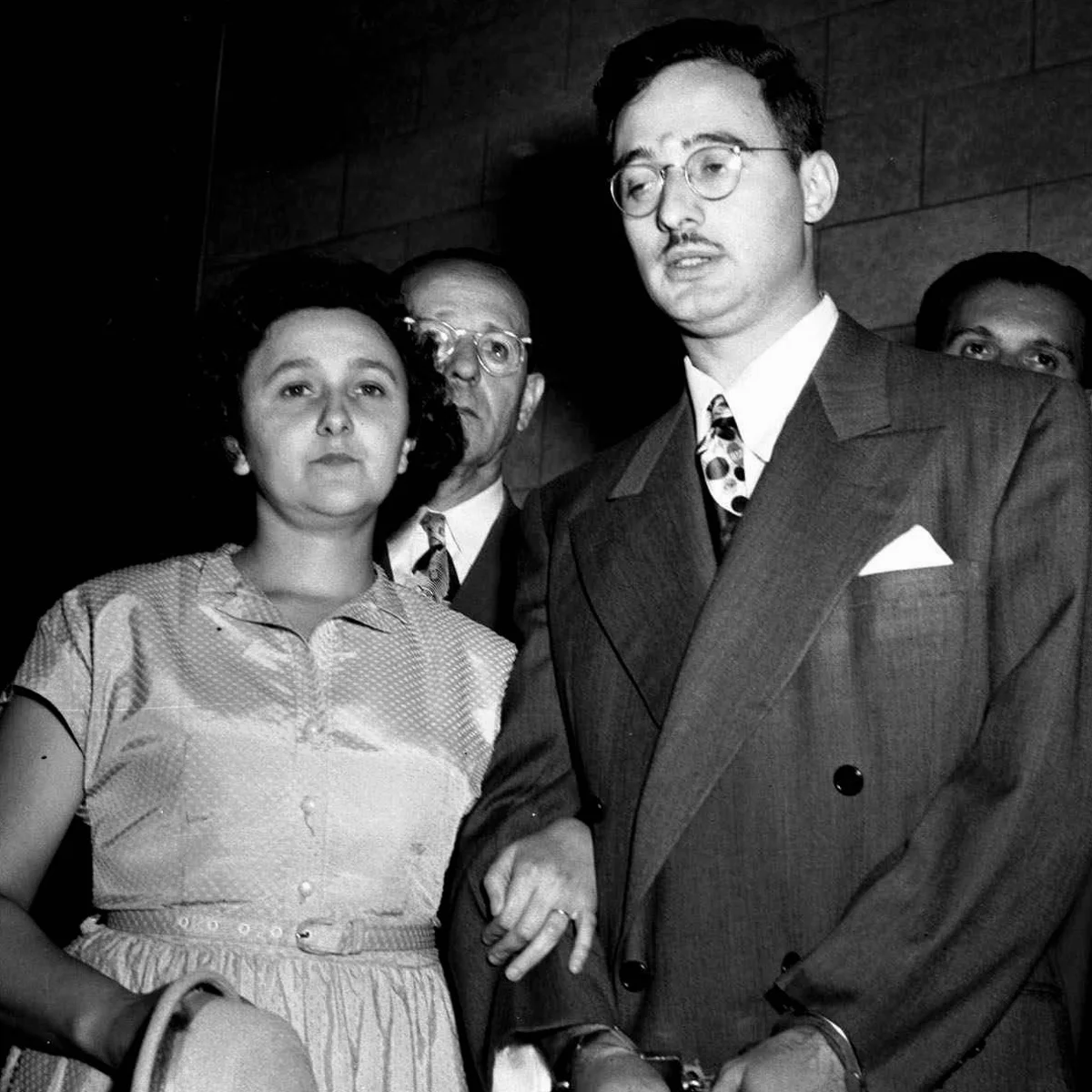
Julius and Ethel Rosenberg Executed for Espionage On June 19, 1953, Julius Rosenberg and Ethel Rosenberg were executed at Sing Sing Prison in Ossining, New York, after being convicted of...
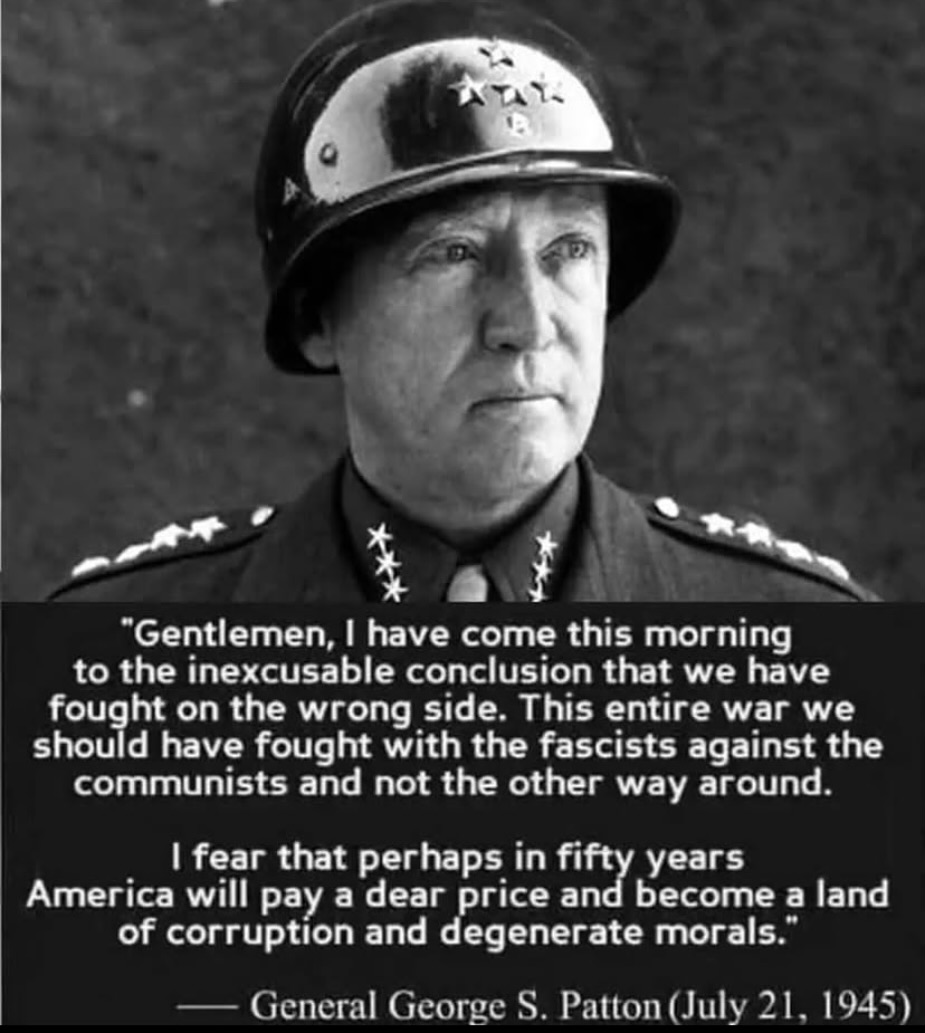
General George S. Patton, a senior U.S. Army officer in World War II, died on December 21, 1945, in Heidelberg, Germany, following injuries sustained in a car accident on December 9, 1945...
Victory over Japan (VJ) Day marked Japan's formal surrender aboard the USS Missouri, ending World War II entirely. This day is remembered for the conclusion of one of the deadliest confli...
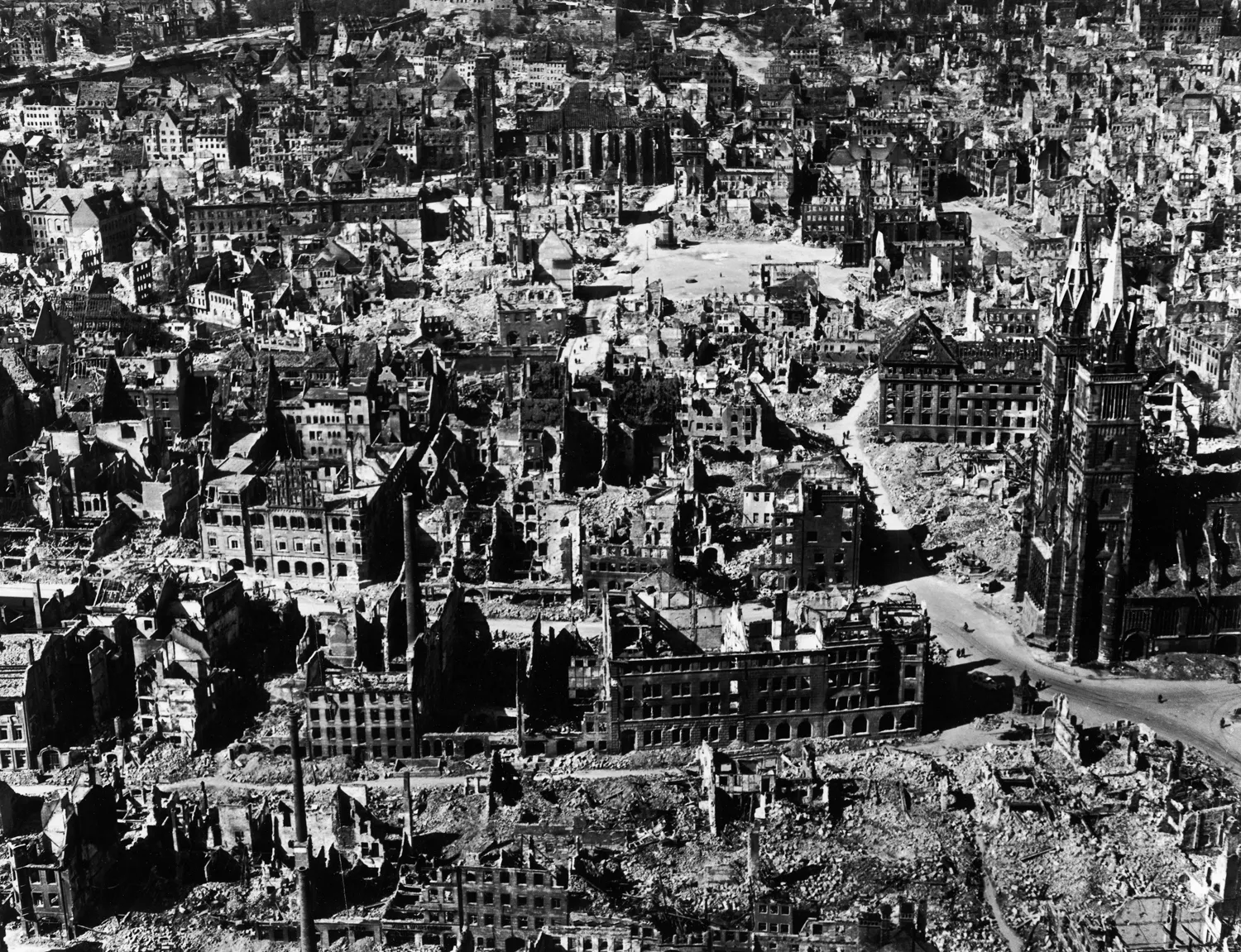
During World War II (1939–1945), the Allied forces of the United States and the United Kingdom carried out a widespread strategic bombing campaign against German cities. The campaign targ...
Victory in Europe (VE) Day marked the official surrender of Nazi Germany to the Allies, ending the war in Europe. Celebrations erupted across Europe and the United States, symbolizing hop...
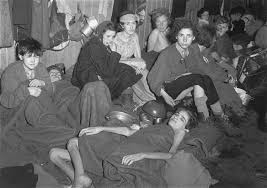
Typhus and Mortality in Nazi Concentration Camps Historical records from the International Committee of the Red Cross (ICRC), Nazi documentation, and post-war investigations co...
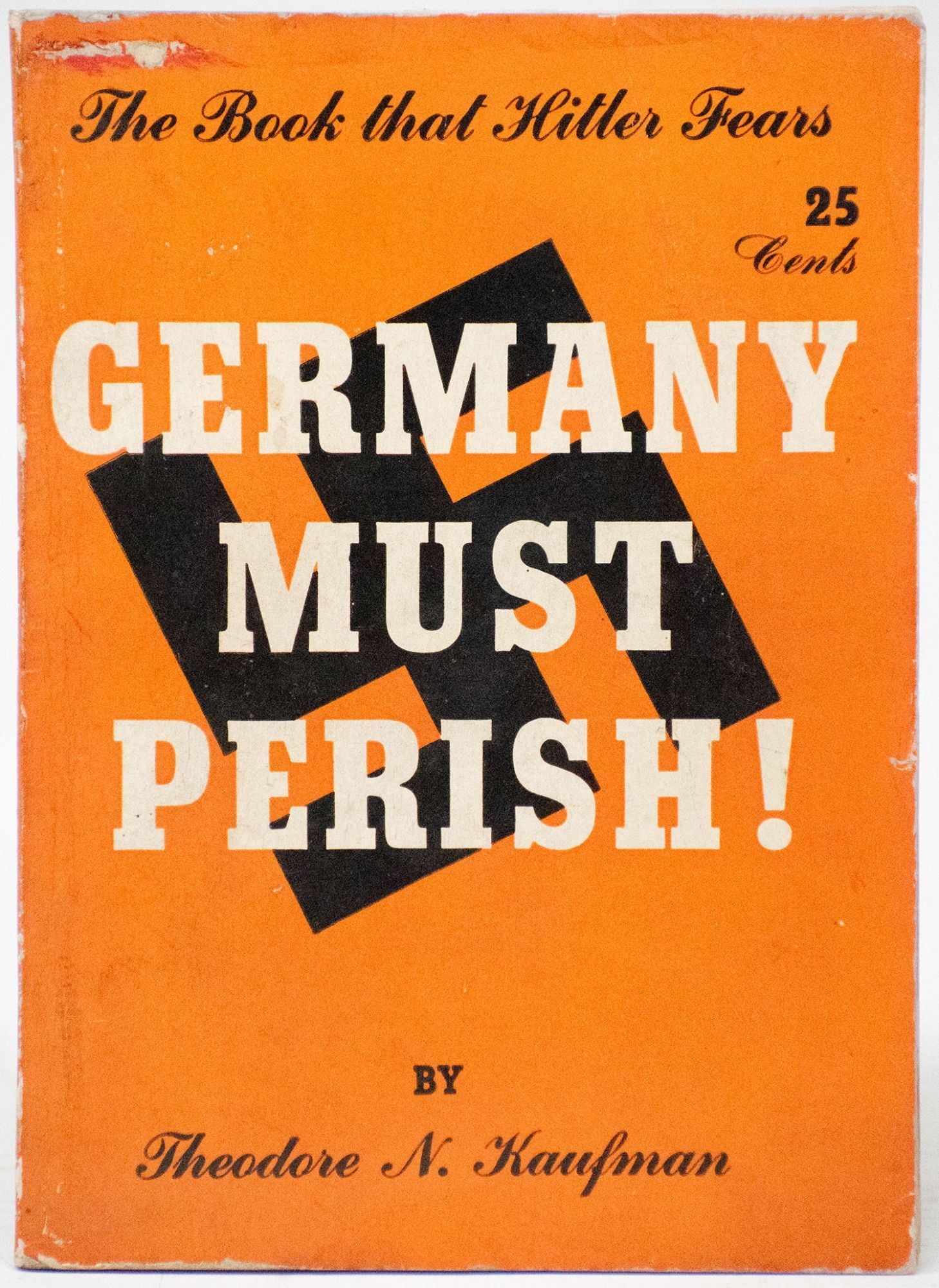
Publication of *Germany Must Perish!* by Theodore Kaufman On February 28, 1941, American author Theodore N. Kaufman self‑published a book titled *Germany Must Perish!* through ...
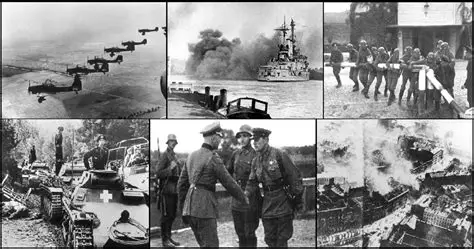
World War II Begins body { font-family: Arial, Helvetica, sans-serif; line-height: 1.6; margin: 40px; background-color: ...
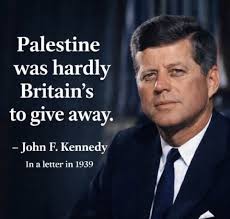
JFK Wrote in 1939 That Palestine Was Hardly Britain's to Give Away In July 1939, John F. Kennedy, then a 22-year-old Harvard student, visited Palestine during a trip arranged b...
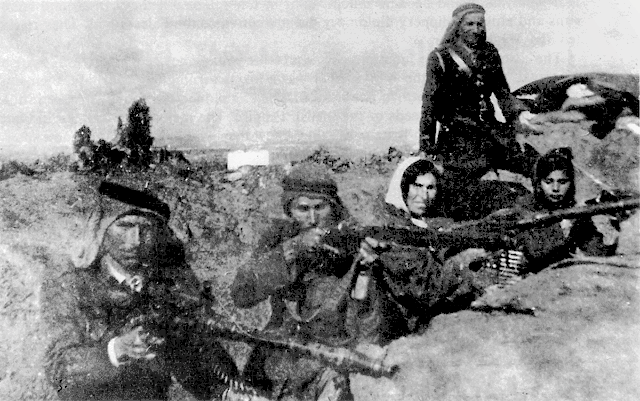
The Arab Revolt in Palestine was a nationalist uprising by Palestinian Arabs against British colonial rule and mass Jewish immigration under the British Mandate, which followed the 1917 B...
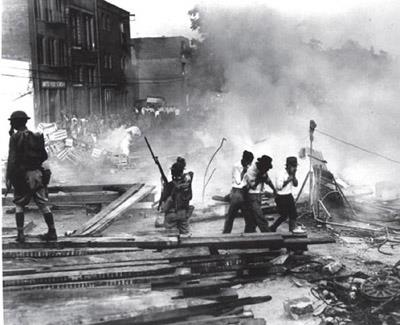
Bonus army removed from Washington In the spring and summer of 1932, approximately 17,000 to 25,000 World War I veterans, along with their families and supporters, assembled in Washingto...
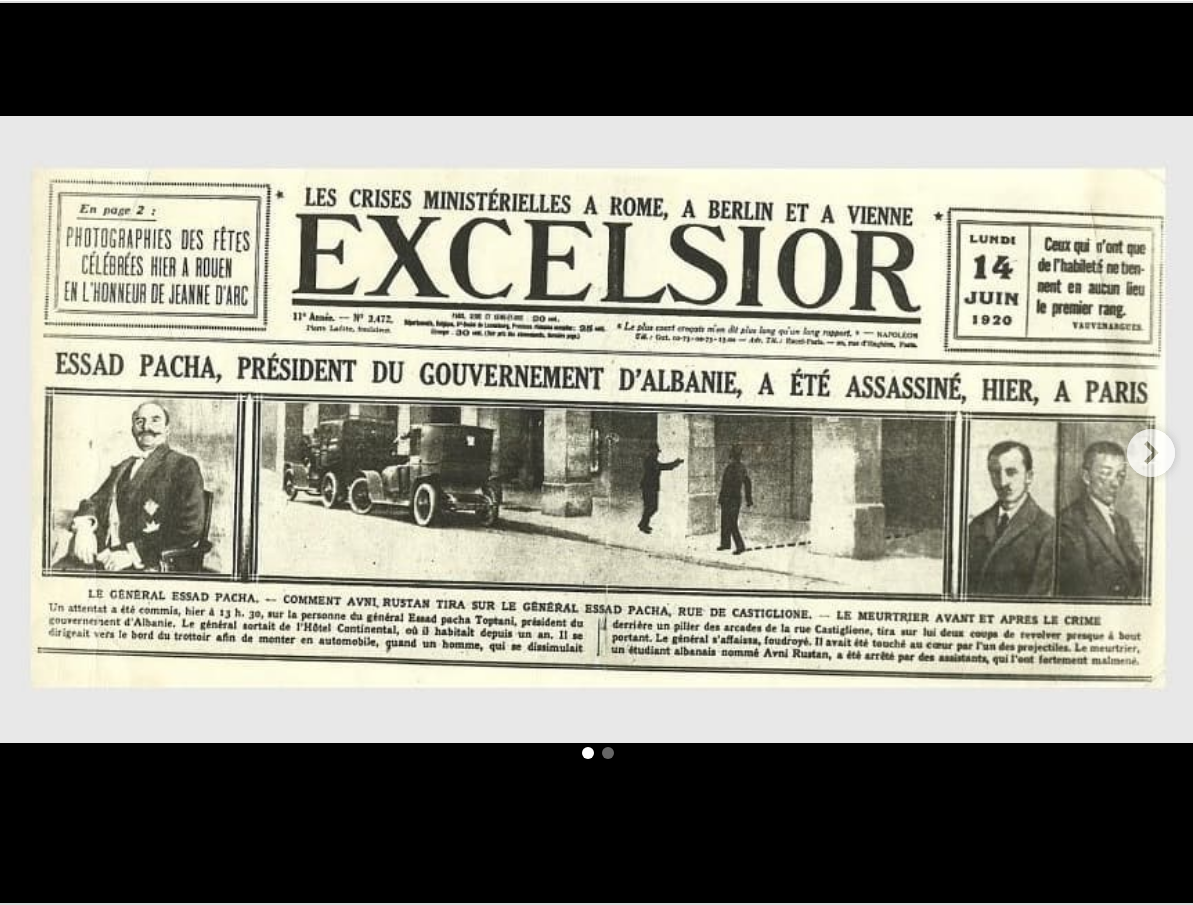
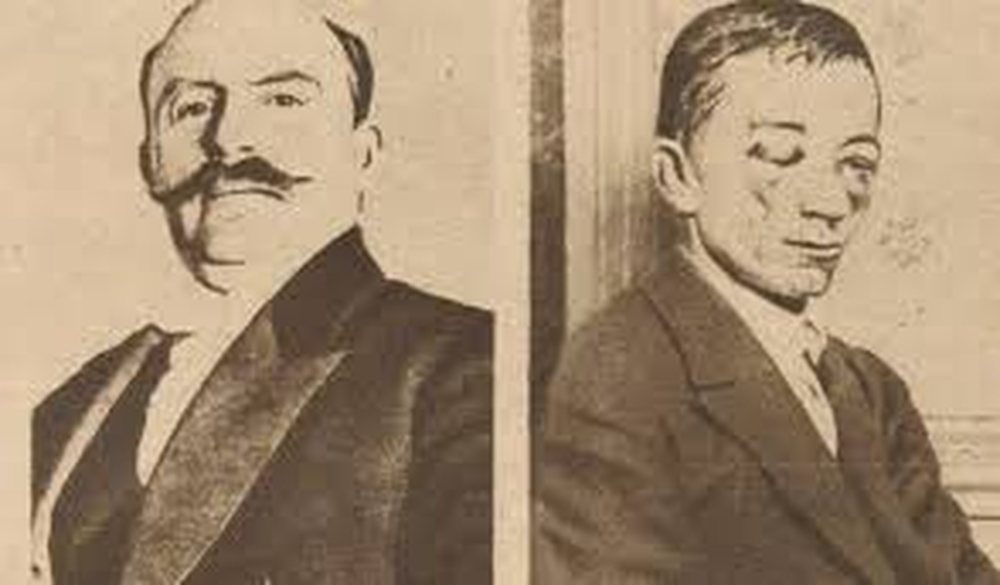
On June 17, 1920, Albanian nationalist Avni Rustemi traveled to Paris and assassinated Essad Pasha Toptani, a former Albanian politician and military leader. Essad Pasha was accused by na...
On June 13, 1920, Albanian political activist Avni Rustemi shot and killed Essad Pasha Toptani in Paris, France. Essad Pasha was an Albanian Ottoman-era political and military figure who ...
Pontic Greek Genocide On May 19, 1919, military operations intensified against Greek communities in the Pontus region along the Black Sea coast of the Ottoman Empire. The campaign formed...
Greek Genocide On May 19, 1919, Greek communities in the Pontus region of the Ottoman Empire faced intensified military operations during the final phase of systematic persecution that b...
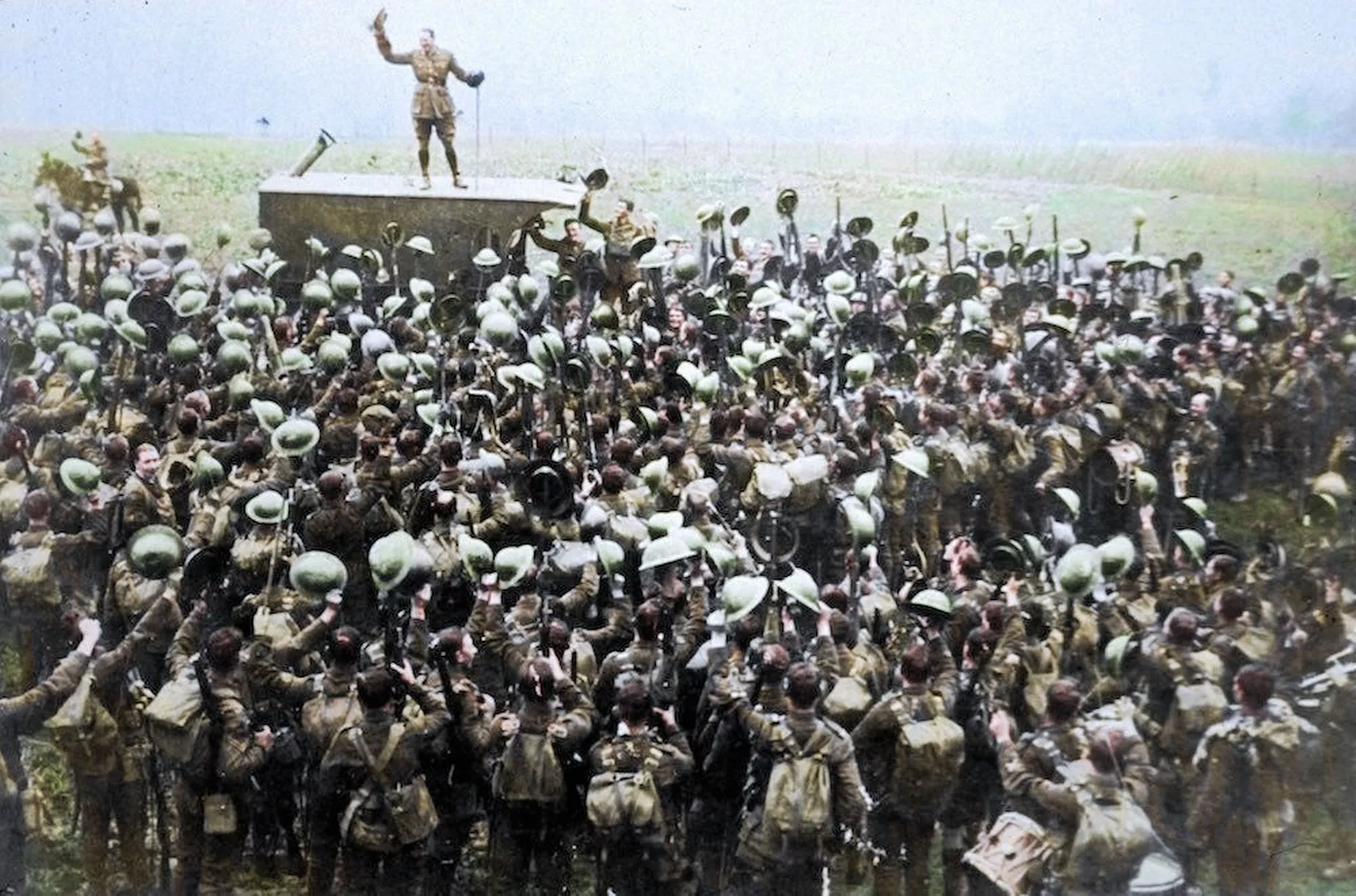
The armistice of November 11, 1918, marked the end of World War I. Germany agreed to cease hostilities with the Allies, bringing four years of devastating conflict to a close. This day is...
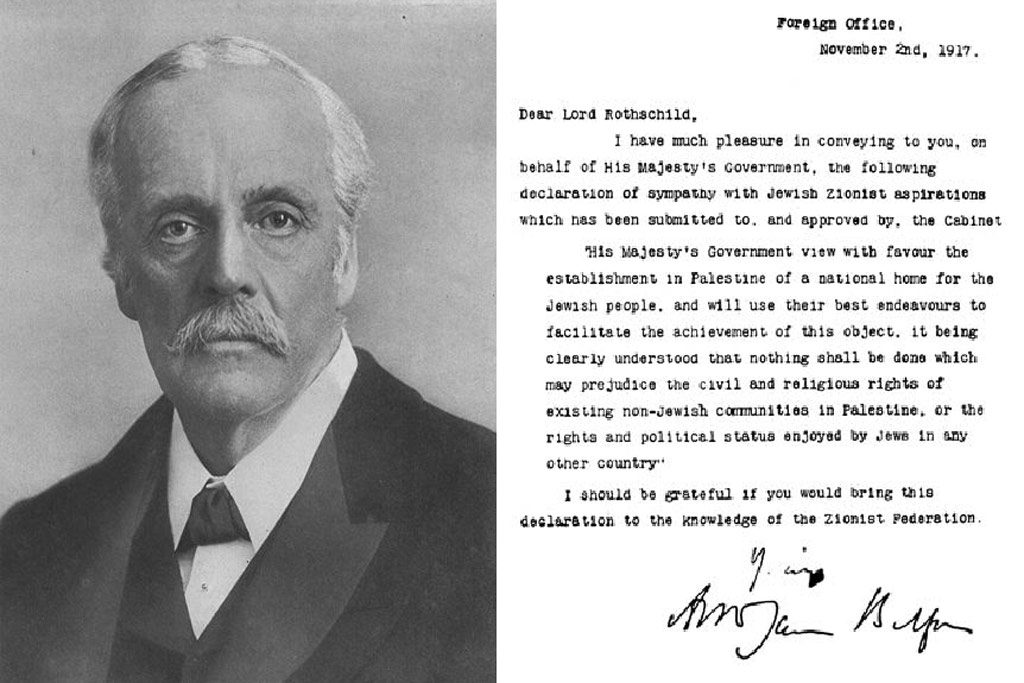
The Balfour Declaration was a public statement issued on November 2 1917 by the British government during World War I expressing support for the establishment of a national home for the J...
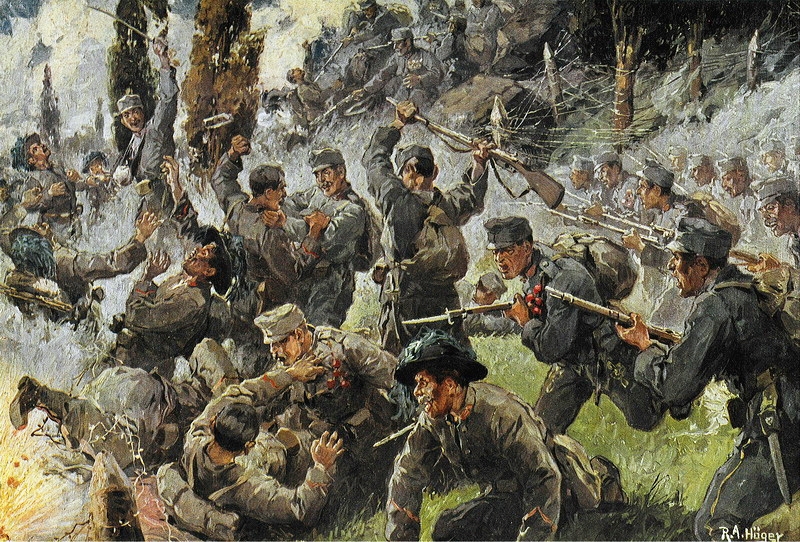
The Battles of the Isonzo were a series of twelve military engagements between the Kingdom of Italy and Austria-Hungary during World War I. They took place along the Isonzo River, on the ...
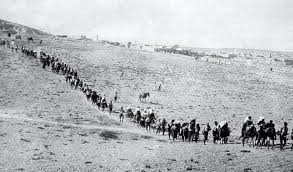
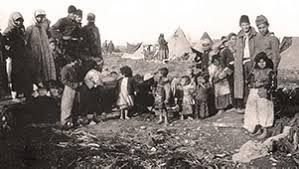
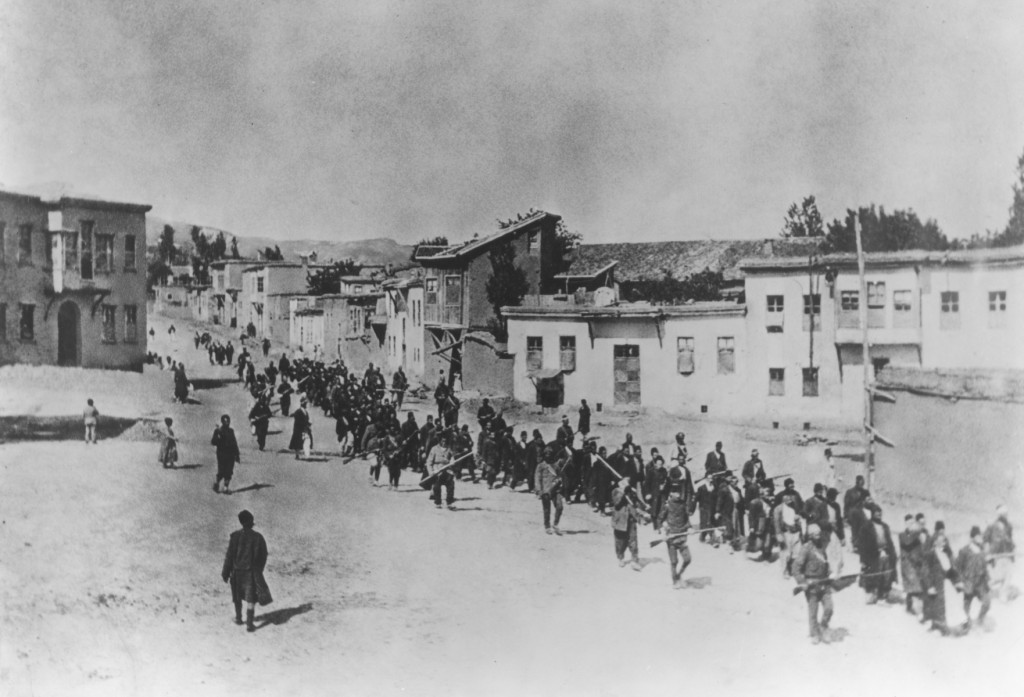
Armenian Genocide On April 24, 1915, Ottoman authorities arrested hundreds of Armenian intellectuals and community leaders in Constantinople. The arrests marked the beginning of a coordi...
Assyrian Genocide On January 1, 1915, systematic attacks against Assyrian communities began in the eastern provinces of the Ottoman Empire during World War I. Assyrians, a Christian mino...
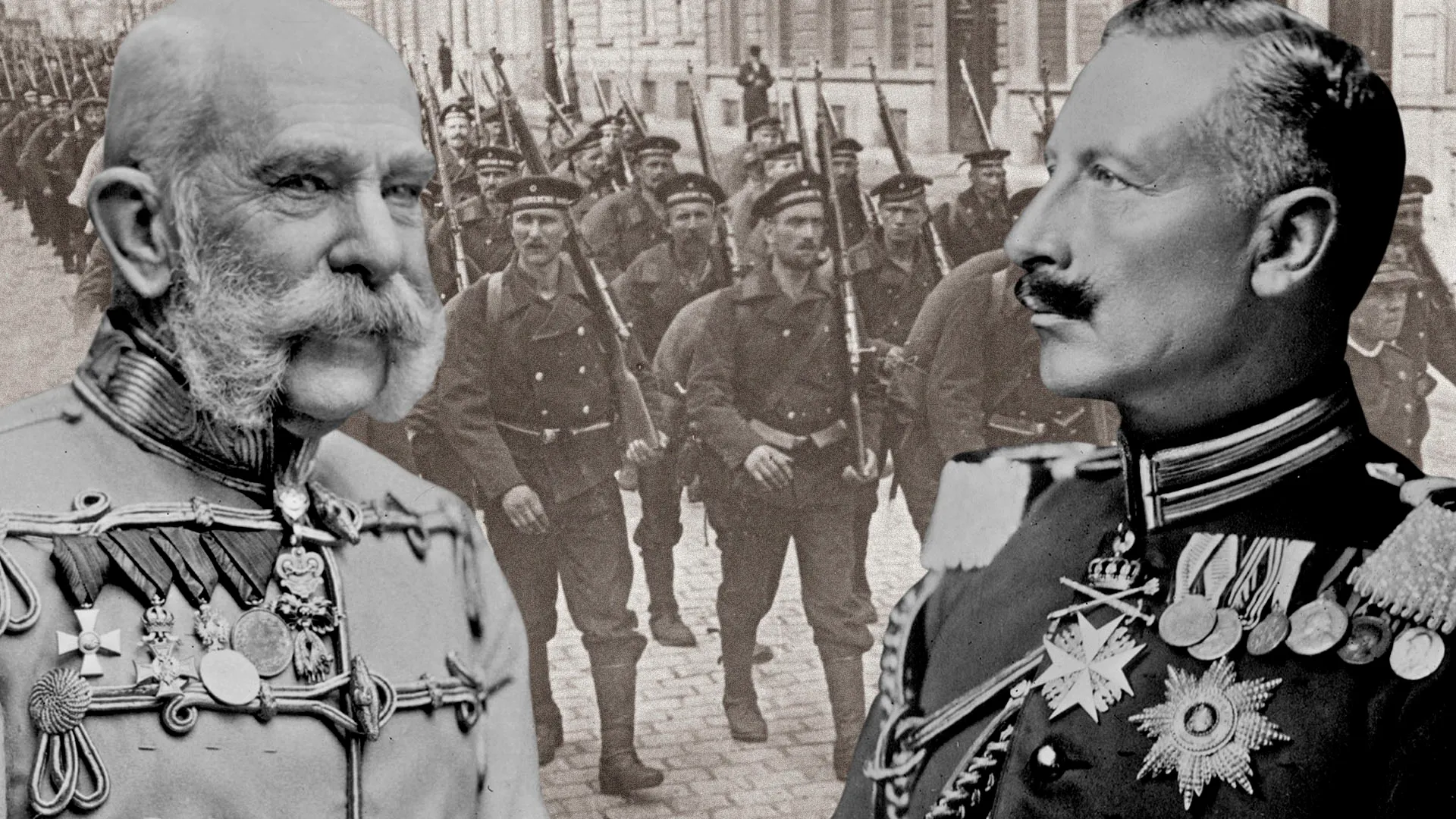
World War I, also known as the Great War, began when Austria-Hungary declared war on Serbia following the assassination of Archduke Franz Ferdinand. The conflict quickly escalated, drawin...
1913 – Foundations of the Modern World body { font-family: Arial, sans-serif; background-color: #f4f4f9; margin: 0; padding: 0; } .timeline-container { max-width: 900...
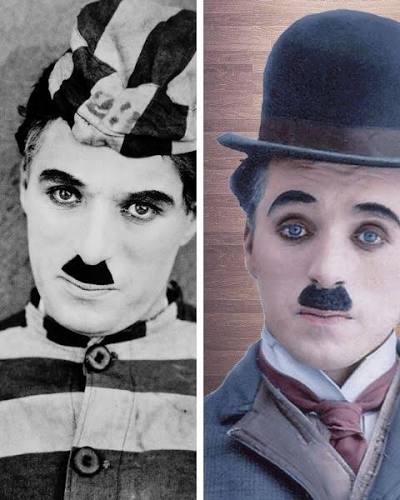
Charlie Chaplin was an English actor, filmmaker, composer, and producer who became one of the most prominent figures of twentieth-century cinema. His career included silent films, sound f...
11 December 1990 — Albania's communist leadership accepts the legalization of independent political parties. The decision effectively ends the political monopoly created after World War II.
1914–1918 — Austro-Hungarian, Italian, French, Serbian and other forces occupy different parts of Albania. The country largely loses unified central government during the conflict, and it...
Communist leader who dominates Albania from the end of World War II until his death in 1985.
24 January 1943 — At the Casablanca Conference, Roosevelt publicly declares that the Allies will seek the unconditional surrender of the Axis powers. The policy is intended to demonstrate...
30 September 1938 — Chamberlain and Daladier accept German acquisition of the Sudetenland in the hope of preserving peace. Their decisions reflect memories of World War I, uncertainty abo...
David Rockefeller joined Chase National Bank in 1946 after World War II and rose through its leadership. He became president of the bank in 1961 and chairman of the board and chief execut...
28 June 1919 — Versailles created genuine political grievances and became a powerful symbol in German nationalist politics. Yet there were many possible paths after 1919, including the re...
2 September 1945 — The defeat of Germany and Japan leaves the United States and Soviet Union as the dominant military powers. Soviet control across Eastern Europe, American economic stren...
1 September 1939 — German forces cross the Polish frontier and begin the war in Europe. Hitler expects Britain and France may still avoid a general conflict, but both powers declare war t...
14 October 1933 — Hitler announces Germany's withdrawal from the League of Nations and the World Disarmament Conference. The move rejects an important part of the diplomatic framework est...
Trace independence, the Balkan Wars, World War I, the Asia Minor catastrophe and later territorial settlements.
27 August 1928 — Germany, France, the United States and other states sign a treaty renouncing war as an instrument of national policy. The pact reflects genuine public desire to prevent a...
World War I divides supporters of King Constantine I and Prime Minister Eleftherios Venizelos over Greece's alignment.
28 June 1919 — Germany and the Allied powers sign the Treaty of Versailles. Germany loses territory, accepts military restrictions and becomes liable for reparations under a settlement wh...
8 December 1941 — The United States declares war on Japan one day after the attack on Pearl Harbor. President Franklin Roosevelt describes 7 December as a date that will live in infamy. A...
30 September 1938 — Munich becomes the defining symbol of appeasement, but policymakers in 1938 face memories of World War I, doubts about military readiness, fear of strategic bombing an...