Balfour Declaration
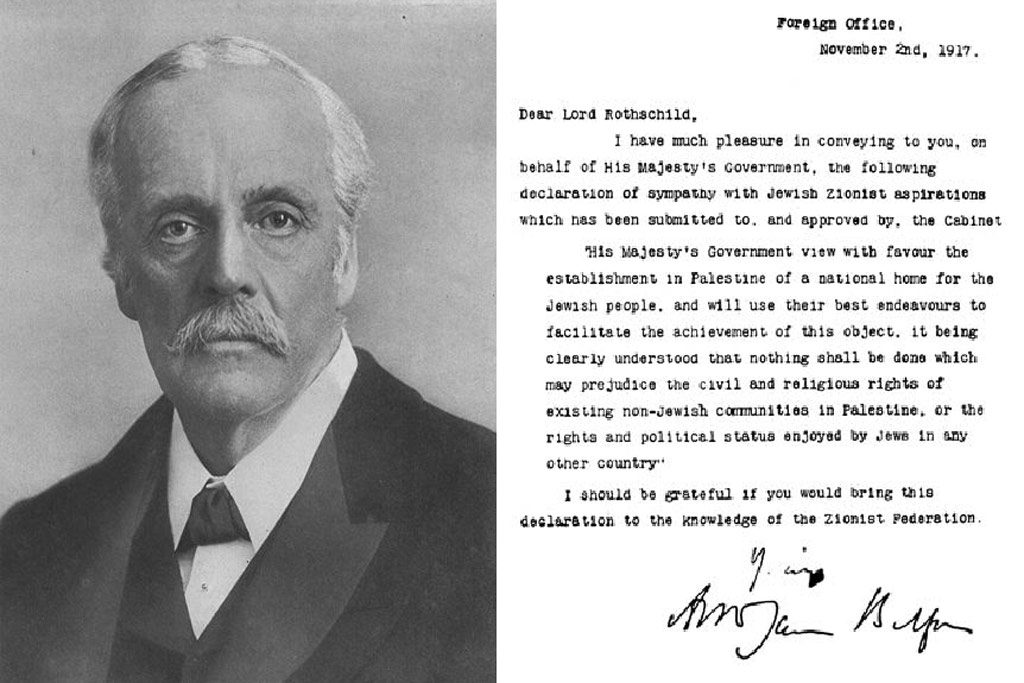
The Balfour Declaration was a public statement issued on November 2 1917 by the British government during World War I expressing support for the establishment of a national home for the J...
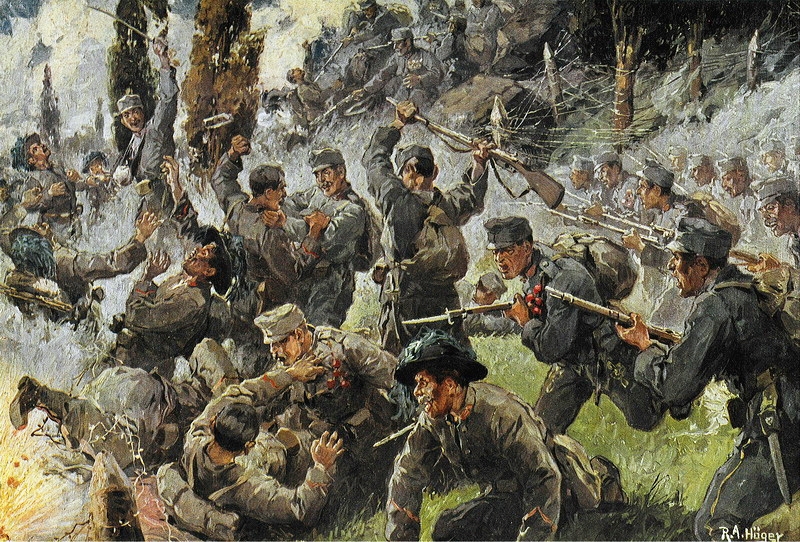
The Battles of the Isonzo were a series of twelve military engagements between the Kingdom of Italy and Austria-Hungary during World War I. They took place along the Isonzo River, on the ...
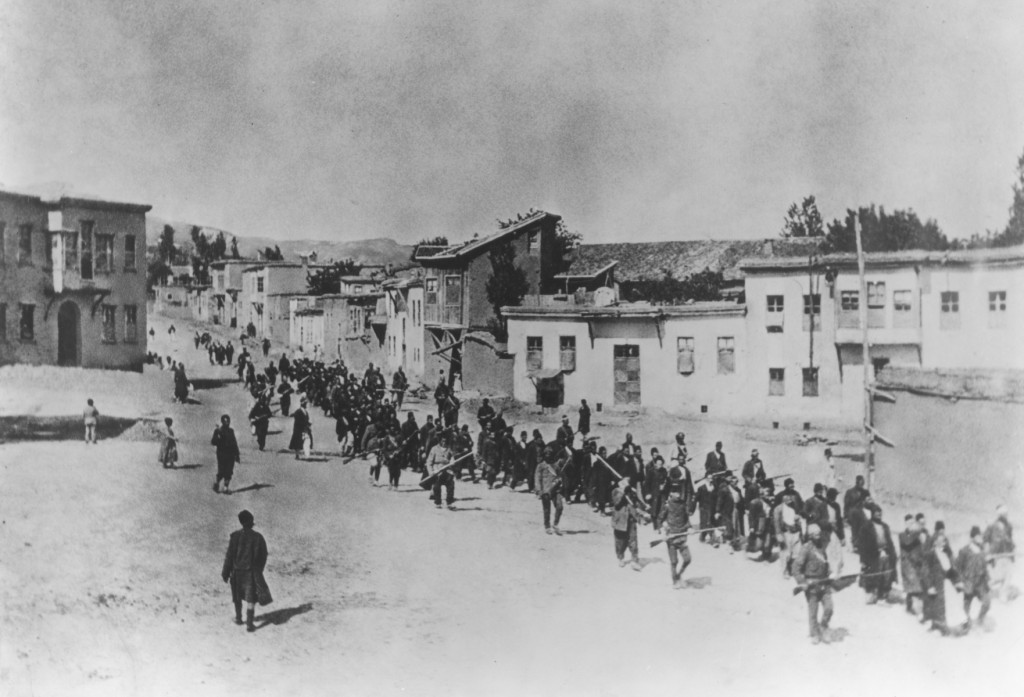
Armenian Genocide On April 24, 1915, Ottoman authorities arrested hundreds of Armenian intellectuals and community leaders in Constantinople. The arrests marked the beginning of a coordi...
Assyrian Genocide On January 1, 1915, systematic attacks against Assyrian communities began in the eastern provinces of the Ottoman Empire during World War I. Assyrians, a Christian mino...
In August 1913, Leo Frank, a Jewish factory superintendent at the National Pencil Company in Atlanta, Georgia, was tried and convicted for the murder of 13-year-old Mary Phagan. Phagan wa...
19 February 1915 — British and French naval forces begin major operations against the Ottoman defenses of the Dardanelles. The Allies hope to force the straits, threaten Constantinople an...
1915–1917 — Commanders increasingly seek to exhaust enemy manpower, artillery and industrial capacity faster than their own side is depleted. Verdun and the Somme become famous examples o...
1915–1918 — Casualties, inflation and shortages turn civilian morale into a strategic issue. Governments expand propaganda, censorship, rationing and welfare programs while labor movement...
1915–1918 — Consumption of artillery shells and other matériel massively exceeds prewar assumptions. Governments intervene increasingly in factories, labor, transport and strategic materi...
1915–1917 — Battlefield losses, inflation, food distribution failures and political distrust progressively weaken the Russian state. Confidence in Nicholas II collapses among elites as we...
1915–1918 naval leadership — Admiral Henning von Holtzendorff is a powerful advocate for unrestricted submarine warfare. In late 1916 he argues that U-boats can reduce British shipping su...
23 May 1915 — Italy declares war on Austria-Hungary after joining the Allied side through the secret Treaty of London. Italian leaders expect territorial gains along the Adriatic and Alpi...
1912–1915 — Austro-Hungarian Foreign Minister Leopold Berchtold becomes one of the central decision-makers in the July Crisis. After Sarajevo he increasingly favors a decisive confrontati...
7 May 1915 — German submarine U-20 torpedoes RMS Lusitania off the coast of Ireland. Nearly 1,200 people are killed, including more than one hundred Americans. The sinking produces intern...