US and Iran exchange strikes
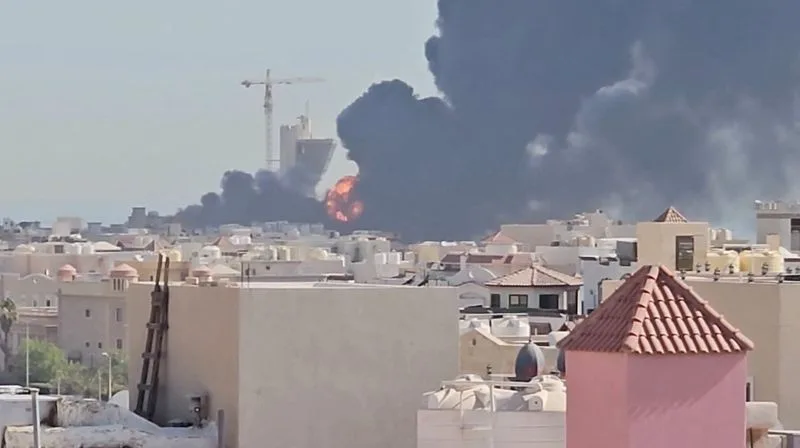
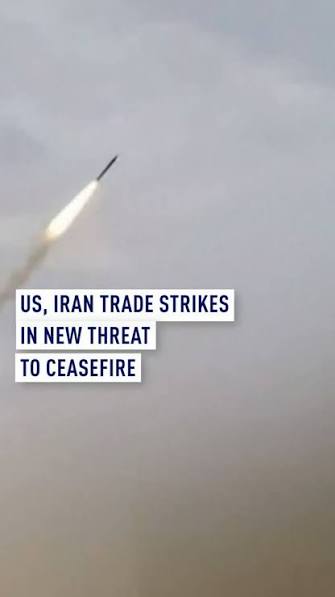
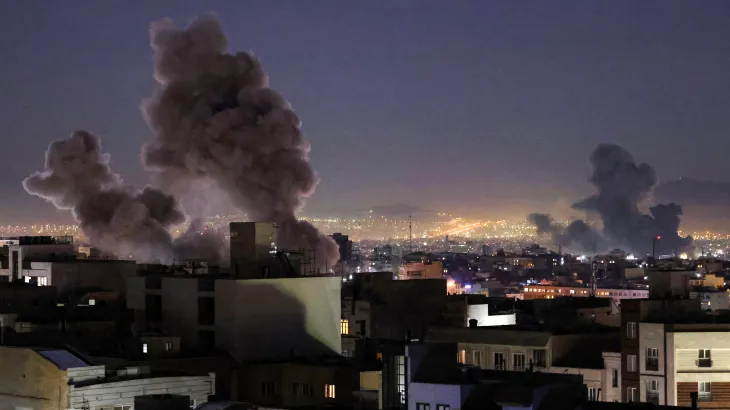
The United States and Iran exchanged their largest series of direct attacks since July on September 2, 2026, renewing concerns that the conflict between the two countries could expand acr...
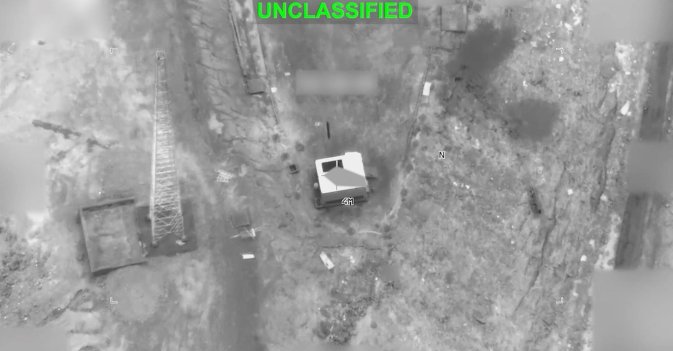
The United States launched a new series of military strikes against Iran on September 1, 2026, marking a major escalation after several weeks of reduced direct fighting. U.S. Central Comm...
The United States and Iran exchanged warnings on August 22, 2026, ahead of a planned announcement of additional U.S. economic sanctions against Iran and countries or companies involved in...
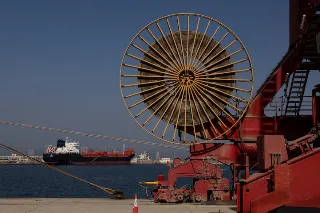
Saudi Aramco sold at least four million barrels of crude oil to Chinese refiners for loading from locations that do not require vessels to pass through the Strait of Hormuz, according to ...
Global oil prices rose sharply on August 10, 2026, as uncertainty continued over negotiations concerning the reopening of the Strait of Hormuz. Iran maintained that the United States must...
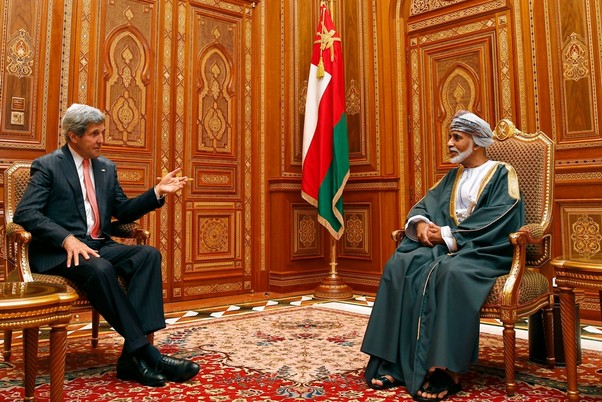
Iran said on August 9, 2026, that an agreement with Oman concerning shipping routes through the Strait of Hormuz was approaching completion. Iranian Foreign Minister Abbas Araqchi said th...
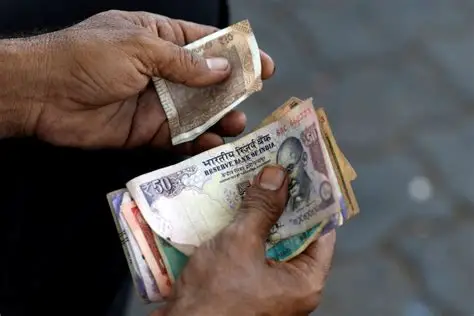
The Reserve Bank of India was believed to have intervened in the foreign exchange market on August 7, 2026, as the Indian rupee faced renewed pressure from rising global oil prices. Curre...
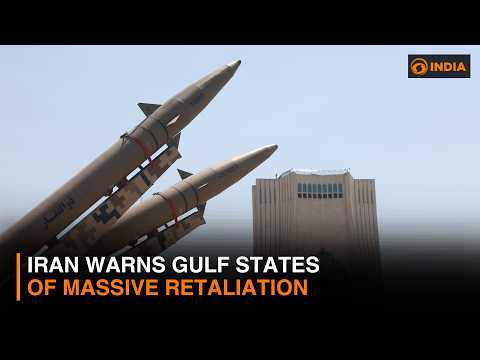
Iran warned Gulf states on August 5, 2026, that any new United States attack on Iranian territory could lead to retaliatory strikes against energy facilities and other critical infrastruc...
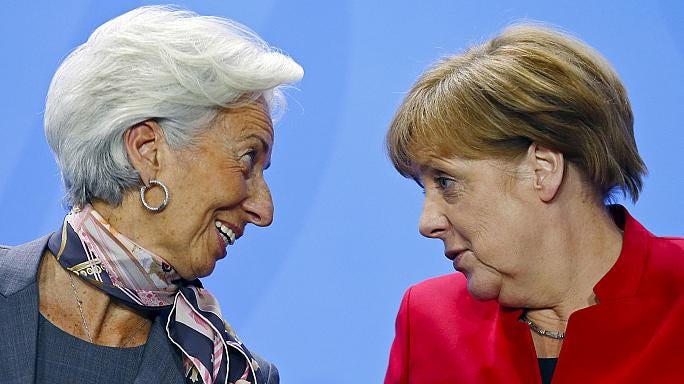
The International Monetary Fund said on June 22, 2026, that it was expanding financial support for several African countries affected by economic disruptions linked to conflict in the Mid...
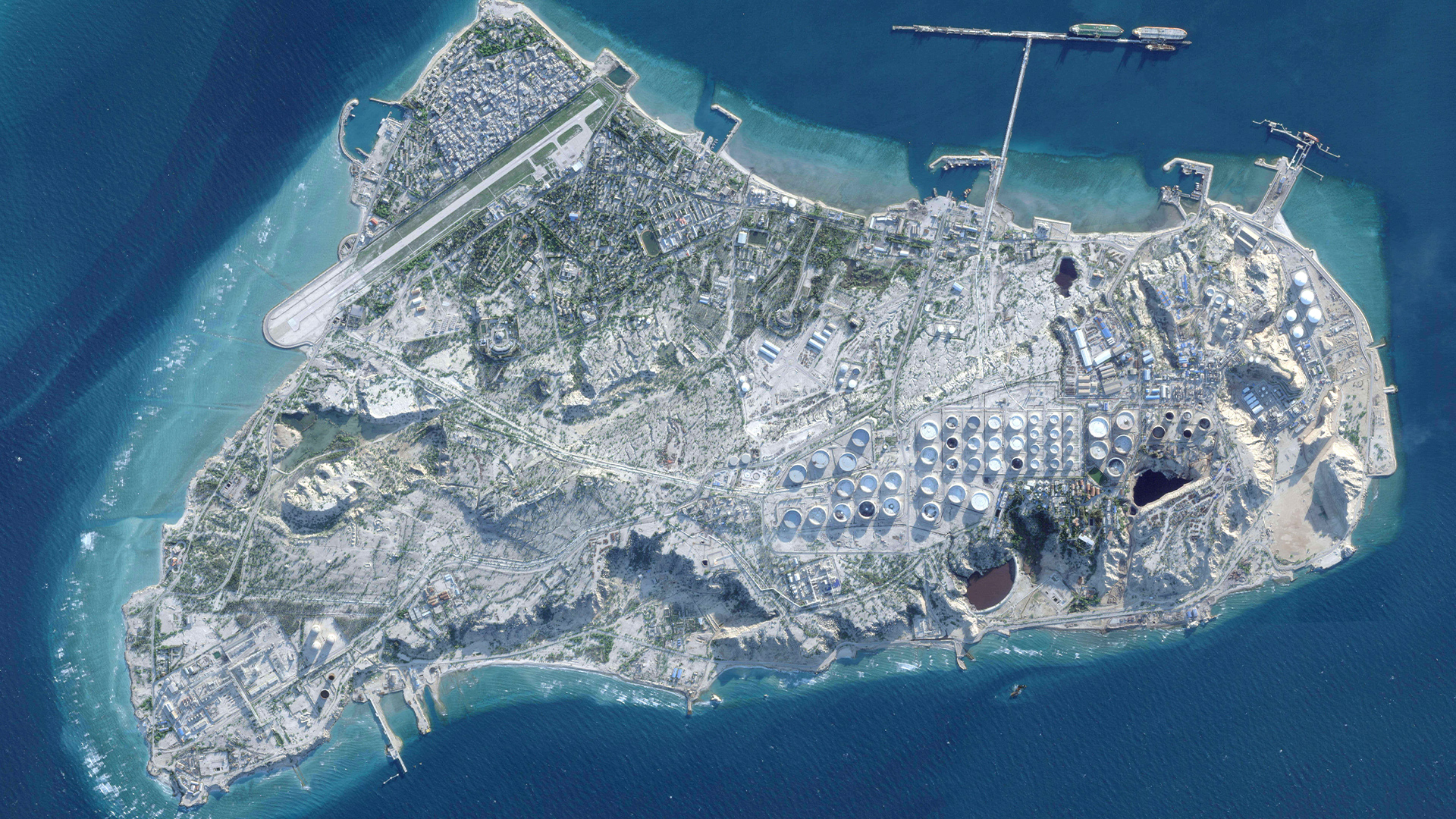
The United States government is reported to be considering actions related to Iran’s Kharg Island in the Persian Gulf, according to officials familiar with discussions on March 21, 2026. ...
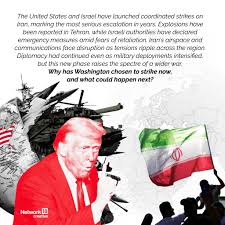
The United States and Israel launched coordinated military strikes against Iran on February 28, 2026. The operation targeted Iranian military facilities, missile capabilities, government ...
Iran Announces Live‑Fire Naval Drills Near U.S. Warships in Strait of Hormuz Iran’s Islamic Revolutionary Guard Corps (IRGC) announced a two‑day live‑fire naval exercise in the...
On January 15, 2026, tensions between the United States and Iran escalated following renewed threats from U.S. leadership and regional military repositioning. Iran temporarily closed port...
Trump Geographic Statement Gaffe On October 12, 2025, United States President Donald Trump made a statement to reporters aboard Air Force One during a flight from Saudi Arabia to Qatar. ...
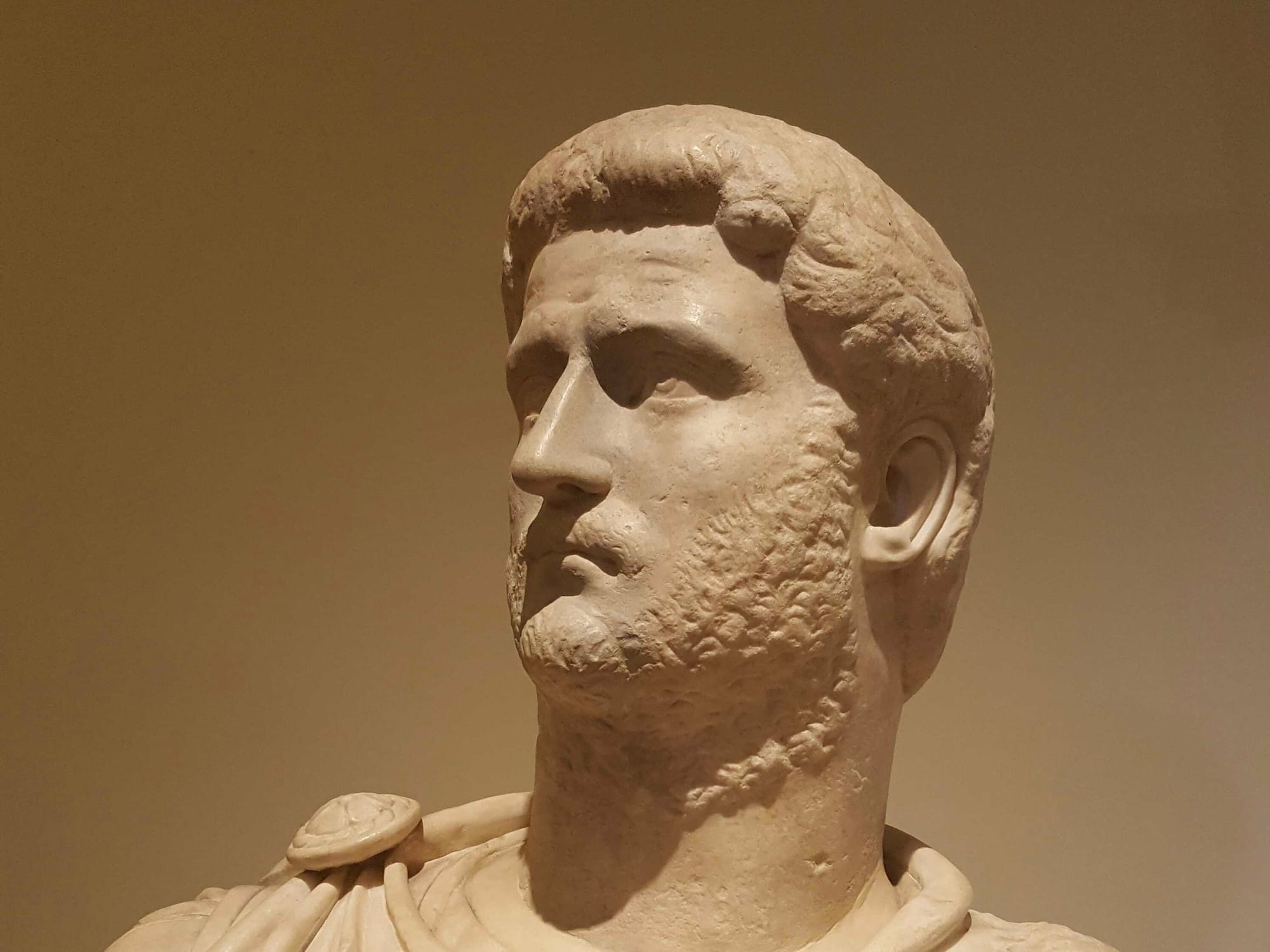
After the death of Emperor Carus during a campaign in Persia, his son Numerian became the new Roman Emperor. The accession was initially peaceful, with Numerian holding power alongside hi...
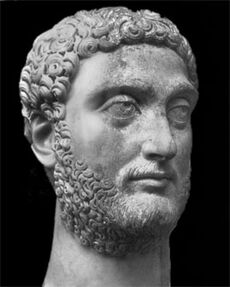
Emperor Carus, ruler of the Roman Empire, died during a military campaign in Mesopotamia. His death occurred while leading troops against the Sassanian Empire in a conflict over control o...
The Roman Emperor Carus launched a military campaign against the Sasanian Empire, targeting their capital, Ctesiphon. The campaign sought to counter Persian influence in the region and as...
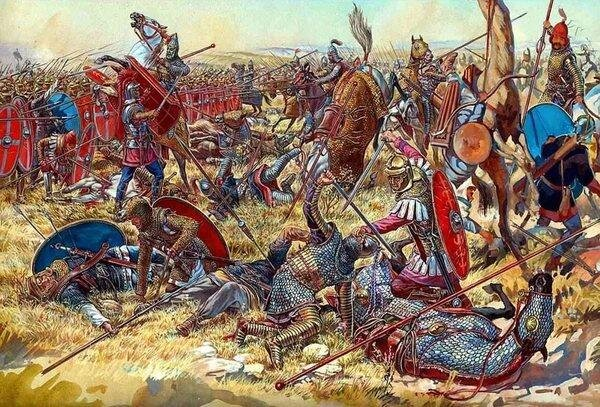
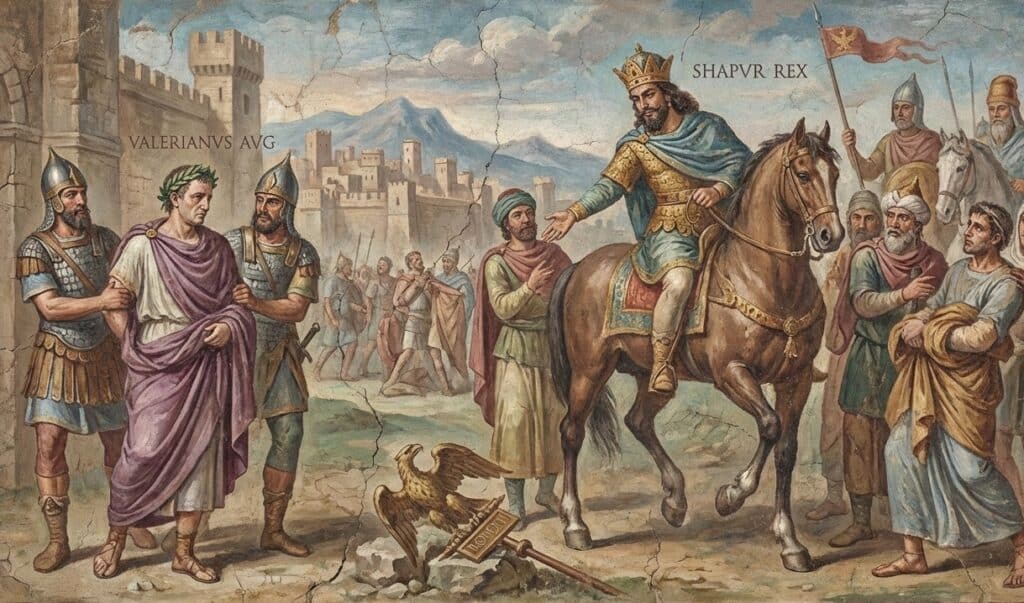
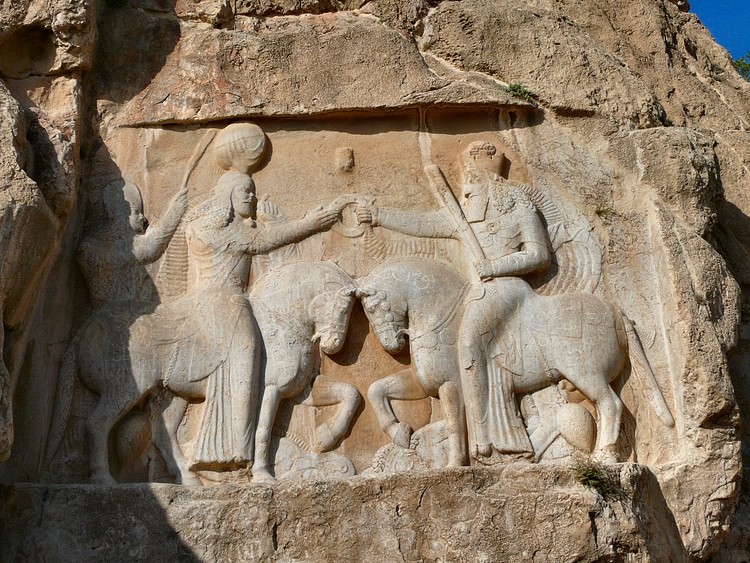
Roman Emperor Valerian was captured by the Sasanian Persian ruler Shapur I during the Battle of Edessa, a significant conflict between the Roman and Sasanian empires. This event marked th...
Roman Emperor Valerian launched a military campaign against the Sasanian Empire, aiming to assert Roman dominance over Persian territories. This campaign marks a significant conflict betw...
Odaenathus rose to power in Palmyra amid the crisis of the Roman Empire in the mid-3rd century. Following the capture of the Roman Emperor Valerian by the Persians, Palmyra emerged as a r...
Valerian was proclaimed Roman Emperor following the death of his predecessor Aemilianus. His accession marked a significant change in leadership during a period fraught with external thre...
Gallienus became Roman Emperor following the assassination of his father, Valerian. His accession marked the beginning of a co-rule, where he shared power with his father before Valerian ...
The Sasanian king Shapur I captured Antioch following his victorious campaigns against the Roman Empire. The fall of this major city marked a significant moment in Roman-Persian conflicts...
The Battle of Resaena was fought between Roman forces under Emperor Gordian III and the Sasanian Empire. This conflict marked a significant Roman attempt to regain lost territories in Mes...
The Crisis of the Third Century marked a period of severe instability within the Roman Empire beginning in 235 AD. This era saw widespread political chaos, military defeats, and economic ...
Emperor Severus Alexander launched a military campaign against the Sasanian Empire to counter their expansion in Mesopotamia. The Roman forces sought to reclaim lost territory and secure ...
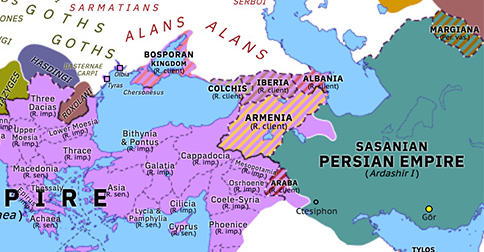
The fall of the Parthian Empire marked the rise of the Sasanian dynasty in ancient Persia. The decisive defeat of the last Parthian king by Ardashir I ended nearly five centuries of Arsac...
Ardashir I, the founder of the Sasanian Empire, defeated Artabanus IV, the last ruler of the Parthian Empire, at the battle near Hormozdgan. This victory marked the end of the Parthian dy...
The Sasanian Empire was founded by Ardashir I after he defeated the Parthian king Artabanus IV in battle. This victory marked the end of the Parthian dynasty and the rise of the Sasanian ...
The Roman forces led by Emperor Trajan launched a military campaign across Mesopotamia, culminating in the siege and capture of Seleucia. This event marked a significant point in Roman-Pe...
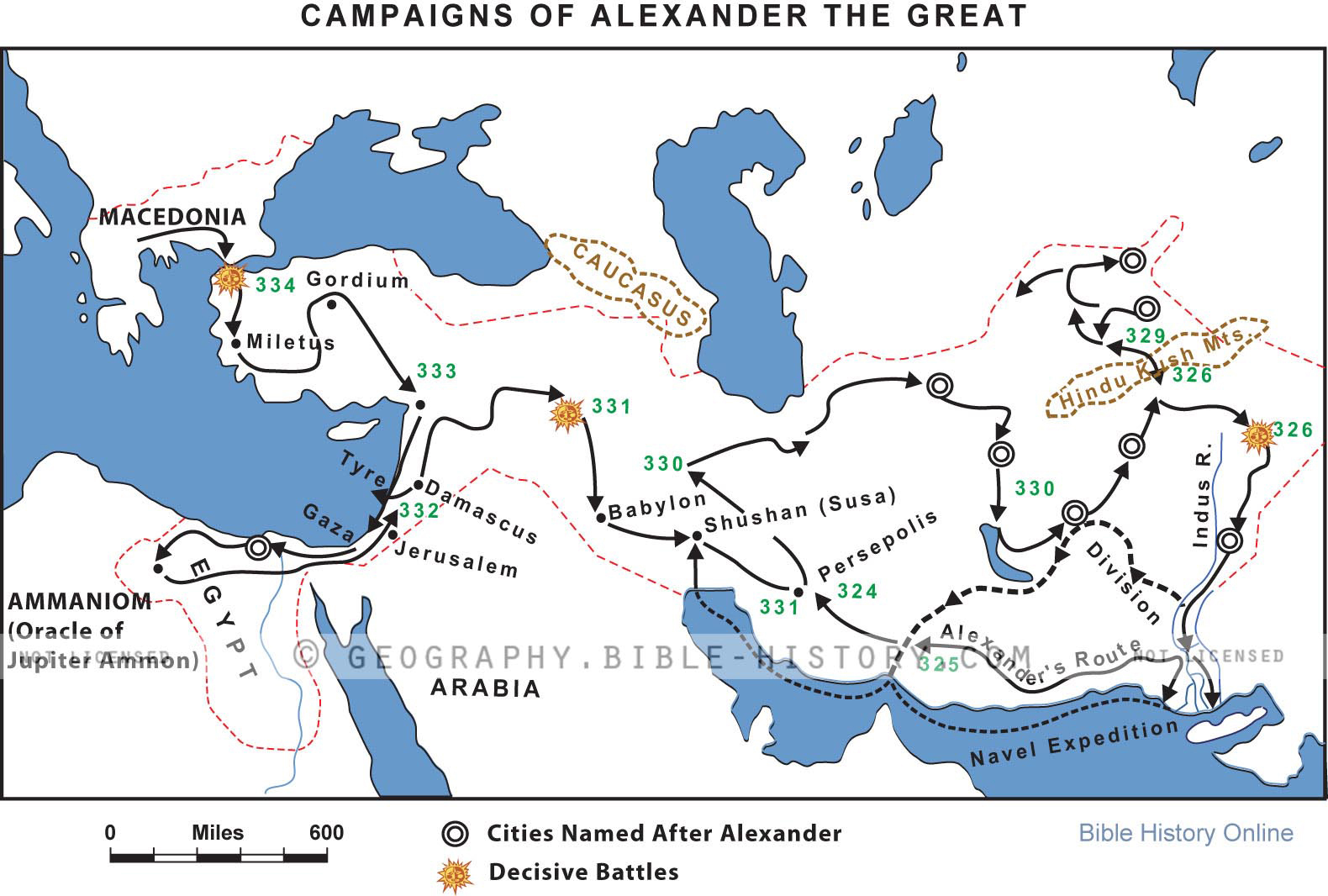
Alexander the Great Travels Through Palestine In October 332 B.C., during his campaign against the Persian Empire, Alexander III of Macedon, commonly known as Alexander the Great, passed...
332 BCE — Alexander enters Egypt during his campaign against the Persian Empire and is welcomed as its new ruler. He participates in Egyptian royal and religious traditions while integrat...
334–323 BCE — Alexander destroys the Persian Empire and campaigns as far as northwestern India.
480 BCE — Greek naval forces defeat the Persian fleet near Salamis.
490 BCE — Athenian-led forces defeat a Persian invasion army at Marathon.
525 BCE — Cambyses II of the Achaemenid Persian Empire defeats Pharaoh Psamtik III and incorporates Egypt into the Persian imperial system. Persian kings adopt pharaonic titles while gove...
c. 3100 BCE–2026 CE — Egypt has been governed by native pharaohs, Nubian kings, Persians, Macedonians, Romans, Byzantines, Arab caliphates, Fatimids, Ayyubids, Mamluks, Ottomans, Muhammad...