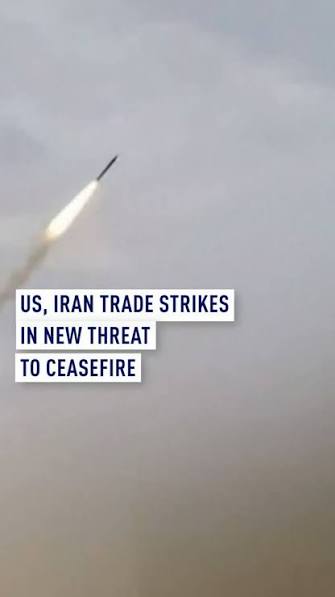
The United States and Iran exchanged warnings on August 22, 2026, ahead of a planned announcement of additional U.S. economic sanctions against Iran and countries or companies involved in significant trade with Tehran.
U.S. officials indicated that the new measures could affect Iran's international trading relationships, including commerce involving China. Iranian officials responded that additional economic pressure would not cause Iran to abandon its positions concerning the Strait of Hormuz, sanctions, or the continuing conflict with the United States.
The confrontation occurred while commercial traffic through the Strait of Hormuz remained substantially below levels recorded before the conflict began in February. Iran has maintained restrictions on navigation while the United States has used naval forces and economic measures in an effort to pressure Tehran.
The economic effects extend beyond Iran and the United States because China is Iran's largest oil customer and the Persian Gulf remains a major source of global petroleum and liquefied natural gas. Further sanctions could affect oil trading, shipping, financial transactions, insurance, and relations between Washington and Beijing.
The dispute represents another stage in the conflict that began with U.S. and Israeli strikes on Iran on February 28, 2026. Attempts to establish a permanent settlement have remained unresolved, with sanctions, maritime access, Iranian oil exports, military activity, and compensation among the principal areas of disagreement.