Saudi Aramco sold at least four million barrels of crude oil to Chinese refiners for loading from locations that do not require vessels to pass through the Strait of Hormuz, according to trade sources on August 20, 2026.
The transactions provide Chinese buyers with an alternative to loading crude from Saudi terminals inside the Persian Gulf. Shipping through Hormuz has remained disrupted by the conflict involving Iran and the United States, increasing logistical and security risks for tankers operating in the region.
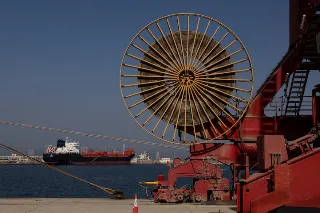
Saudi Arabia has infrastructure allowing some crude exports to bypass Hormuz. Oil can be transported across the country through pipelines to facilities on the Red Sea coast, reducing dependence on the narrow maritime passage between Iran and Oman.
China is one of Saudi Arabia's largest petroleum customers and is also the principal destination for Iranian crude exports. Restrictions affecting Iranian supply and Gulf shipping have increased the importance of alternative crude sources and transportation routes for Chinese refiners.
The transactions illustrate how the 2026 conflict has altered physical oil flows rather than affecting prices alone. Producers, refiners, tanker operators, and governments have increasingly adjusted routes, loading locations, inventories, and purchasing arrangements to reduce exposure to maritime chokepoints.