Sam Abu Haikal shooting
CNN reported on an incident that occurred in Hebron in the West Bank in which a 7-month-old Palestinian child, Sam Fahd Abu Haikal, was shot during an encounter involving Israeli soldiers...
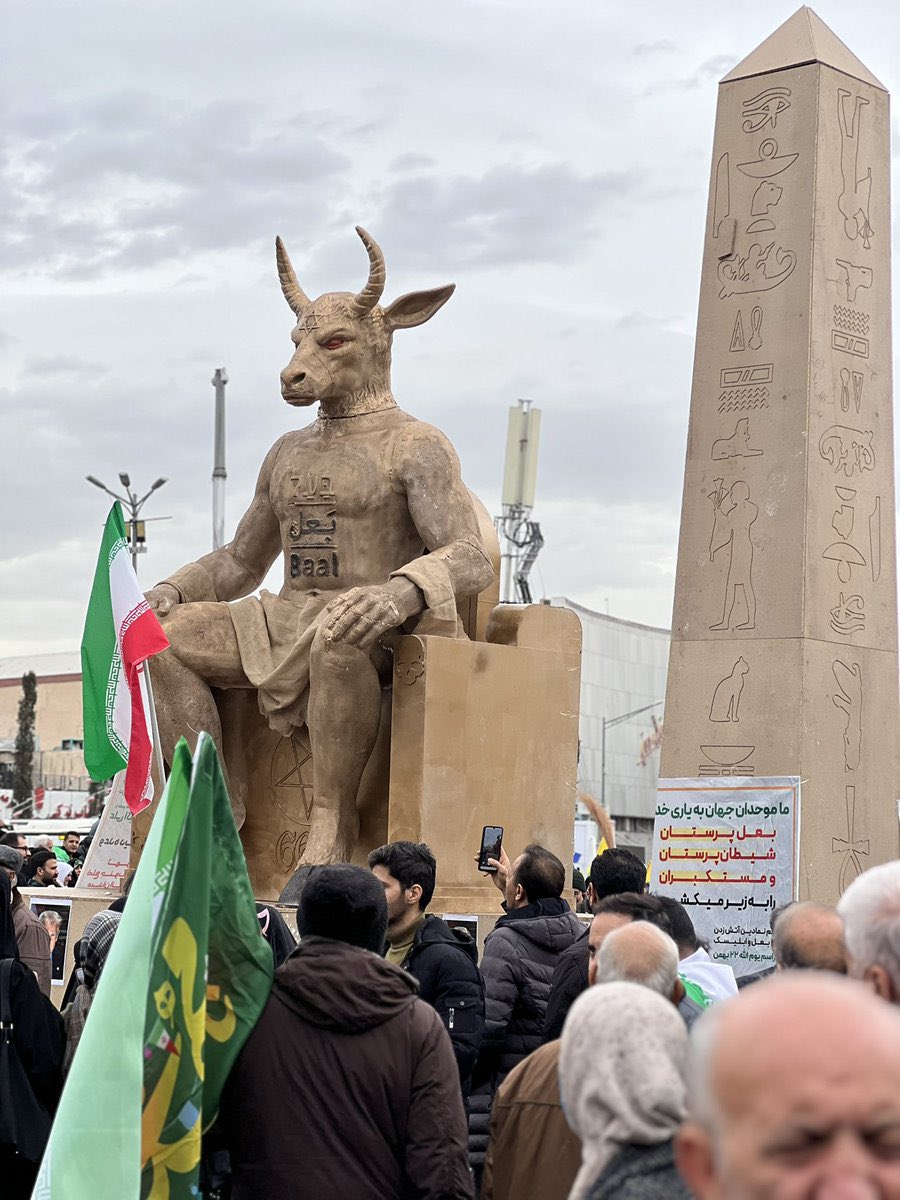
On February 11, 2026, state‑organised rallies marking the 47th anniversary of the 1979 Islamic Revolution in Iran featured demonstrators burning a large statue described as “Baal,” a figu...
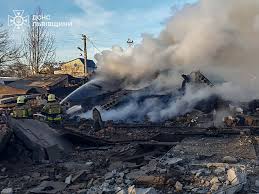
Russia Intensifies Strikes on Ukraine Energy Infrastructure On January 19, 2026, Ukrainian officials reported that Russian forces conducted a large drone strike against Ukraine’s energy ...
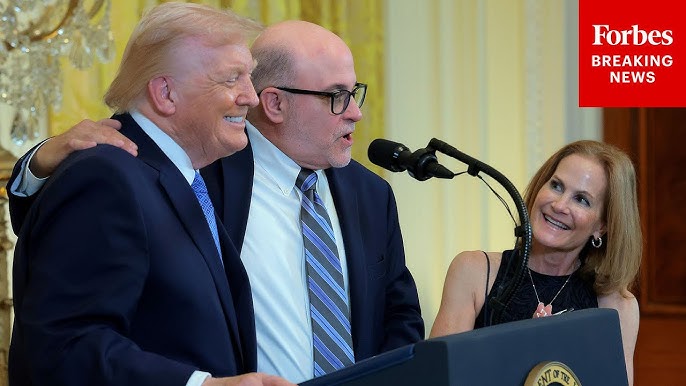
On December 16, 2025, at a White House Hanukkah celebration in Washington, conservative commentator Mark Levin called U.S. President Donald Trump “our first Jewish president,” remarking o...
From late January to mid‑February 2022, a large convoy of truck drivers and supporters known as the “Freedom Convoy” gathered in downtown Ottawa and at key border crossings to protest COV...
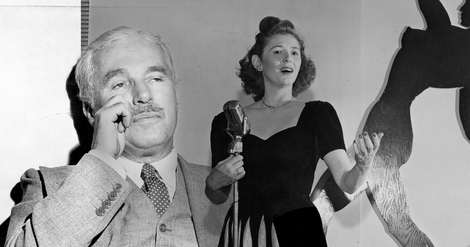
Joan Barry was an American actress who became involved with Charlie Chaplin during the early 1940s. Their relationship later resulted in a highly publicized paternity dispute and a crimin...
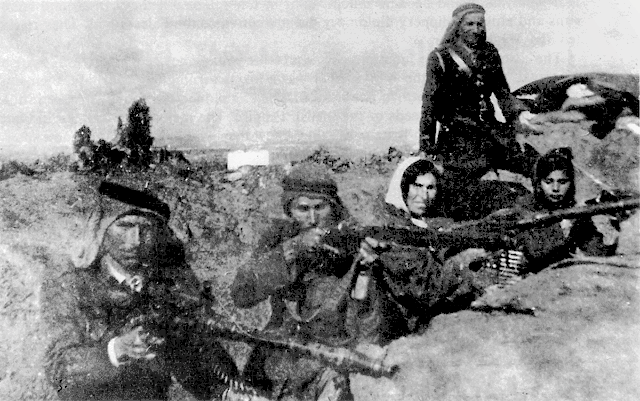
The Arab Revolt in Palestine was a nationalist uprising by Palestinian Arabs against British colonial rule and mass Jewish immigration under the British Mandate, which followed the 1917 B...
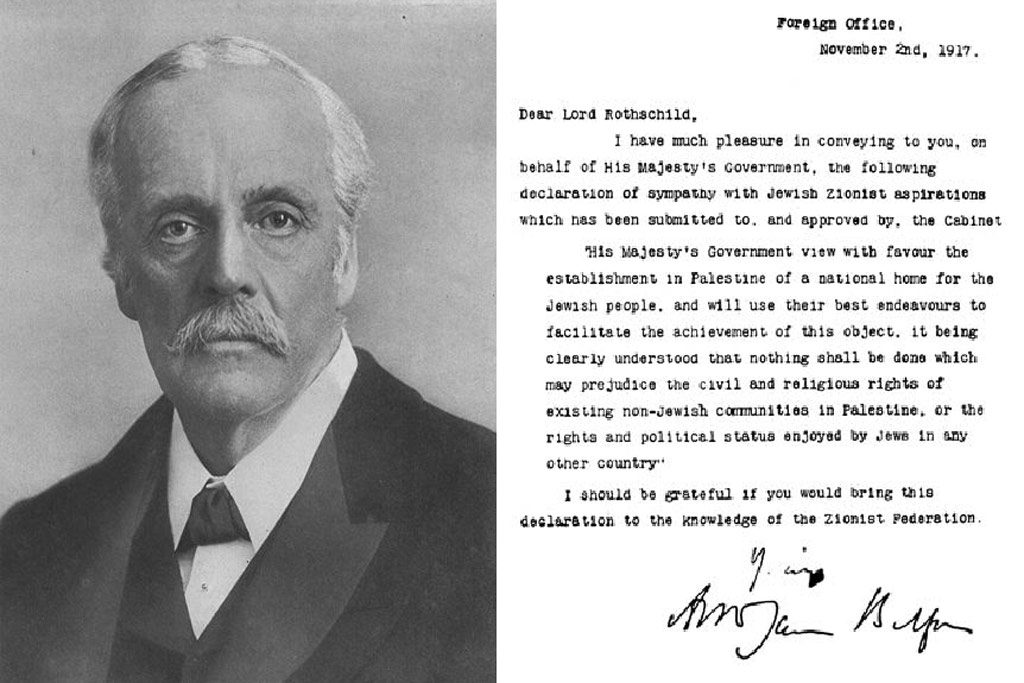
The Balfour Declaration was a public statement issued on November 2 1917 by the British government during World War I expressing support for the establishment of a national home for the J...
Charlie Chaplin was an English actor, filmmaker, composer, and producer who became one of the most prominent figures of twentieth-century cinema. His career included silent films, sound f...
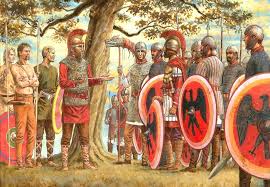
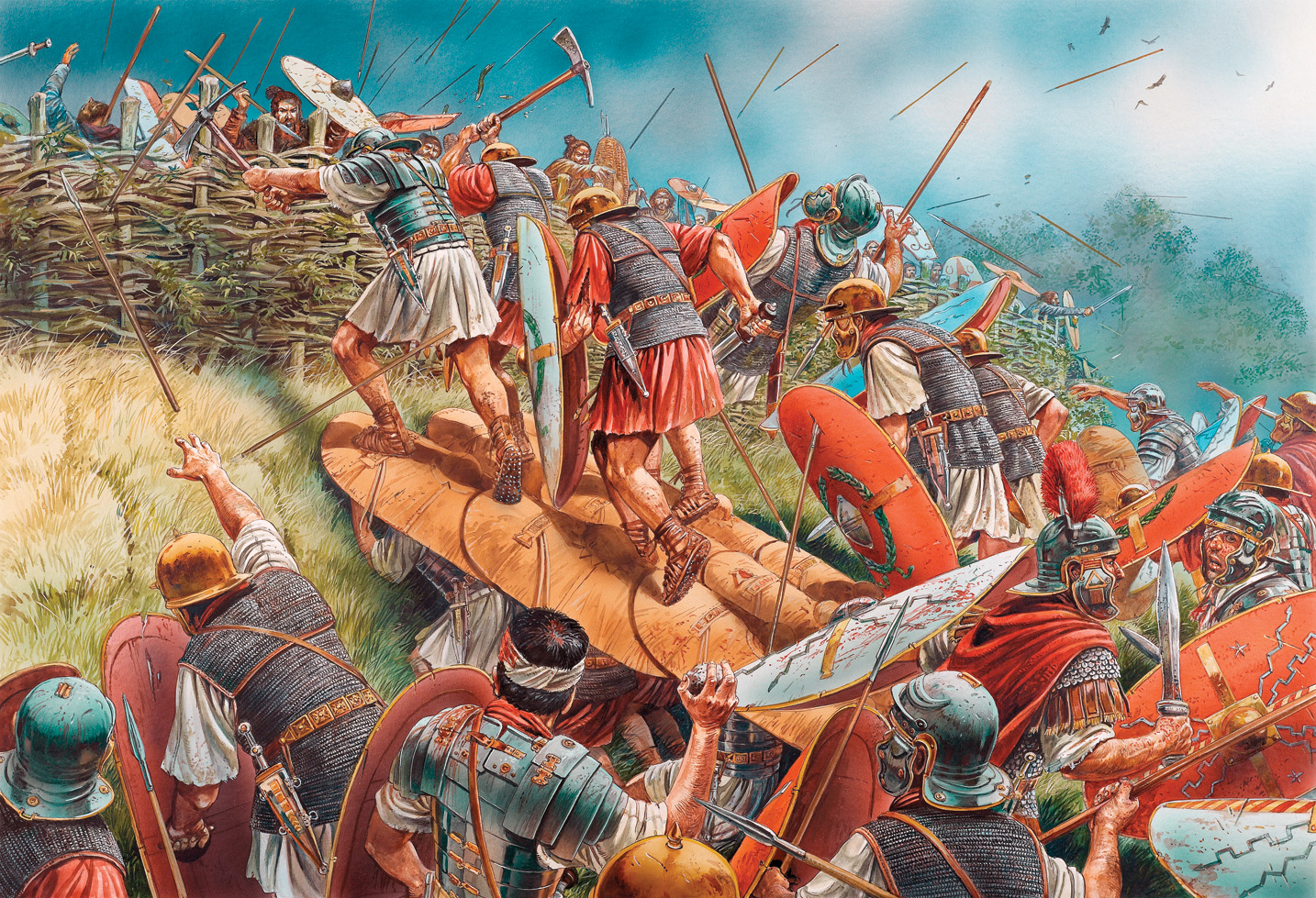
Roman Emperor Caracalla launched multiple military campaigns against the Alemanni tribes during his rule. These campaigns aimed to secure the empire’s northern frontiers amidst growing pr...
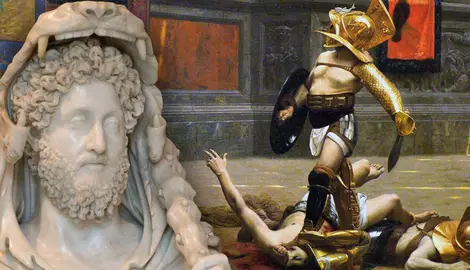
Commodus formally assumed the role of Roman Emperor following the death of his father Marcus Aurelius. His accession marked a significant transition from the era of the traditional adopti...
The Marcomannic Wars began as a series of conflicts between the Roman Empire and various Germanic tribes, including the Marcomanni, along the Danube frontier. The wars marked a significan...
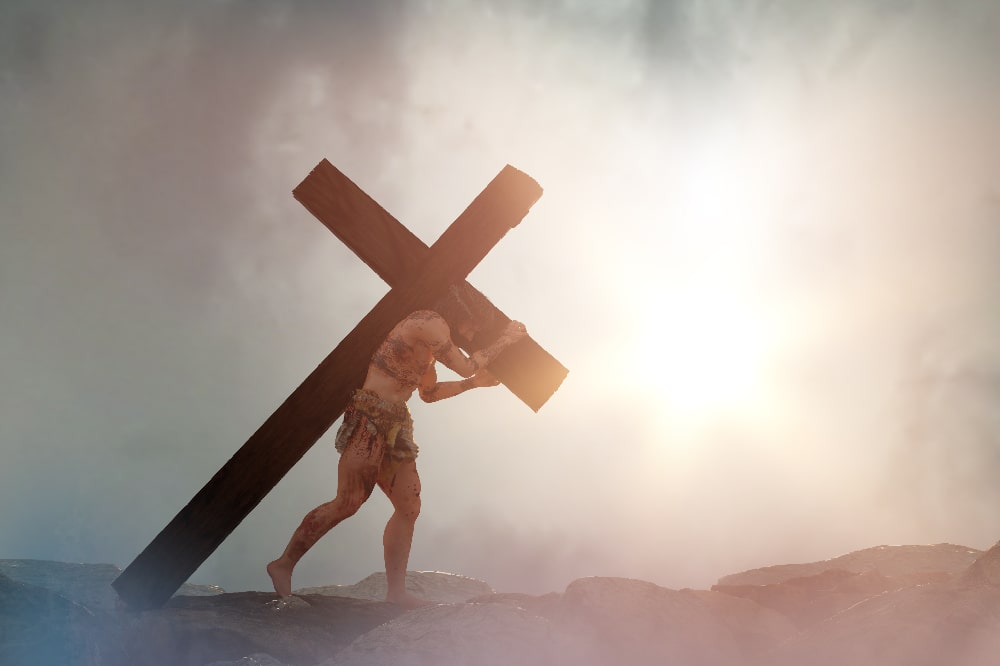
Jesus of Nazareth was executed by crucifixion under Roman governor Pontius Pilate in Jerusalem, during the period of Roman occupation of Judea. The event is documented in the canonical Go...
1914–1919 — Room 40 is the British Admiralty's cryptanalytic organization responsible for intercepting and decoding important German communications. Its intelligence contributes to Britis...
18 October 1936 — Hermann Göring receives sweeping authority over the Four Year Plan. The program aims to increase German self-sufficiency, expand synthetic fuel and rubber production and...
5 July 1914 — Austro-Hungarian envoy Alexander Hoyos receives powerful assurances in Berlin that Germany will support Vienna if it acts against Serbia, even if Russian intervention widens...
8 September 1926 — Germany enters the League of Nations as a permanent Council member. The move symbolizes the diplomatic normalization associated with Gustav Stresemann's foreign policy....
13 August 1923 — Stresemann becomes German chancellor during the Ruhr and inflation crisis and later serves as foreign minister. He ends passive resistance in the Ruhr, supports currency ...
18 October 1936 — Göring receives authority over the Four Year Plan, designed to prepare Germany's economy for war. He becomes one of the most powerful figures in the regime and later com...
1909–1917 — Bethmann Hollweg serves as German chancellor through the July Crisis and most of the first three years of war. He confirms Germany's strong support for Austria-Hungary and acc...
6 April 1917 — The United States declares war on Germany. Unrestricted submarine warfare is the immediate strategic cause, while the Zimmermann Telegram further intensifies anti-German op...
1914–6 April 1917 — American trade and finance become increasingly connected with the Allied economies, but German submarine warfare repeatedly challenges American maritime policy. The Zi...
16 January–1 March 1917 — German Foreign Secretary Arthur Zimmermann sends a coded proposal instructing Germany's representative to seek Mexican cooperation if the United States enters th...
1 March 1917 — American newspapers publish the German proposal known as the Zimmermann Telegram. The message suggests a German-Mexican alliance if the United States enters the war and rai...