Iran fighting lifts oil
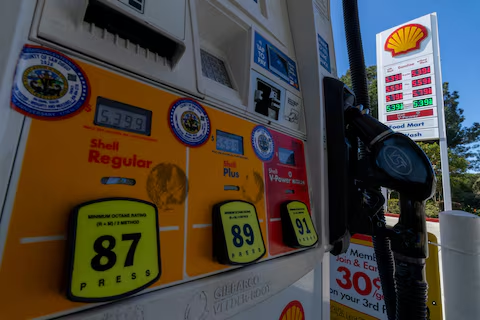
Oil prices rose by more than four dollars per barrel on September 1, 2026, after renewed military exchanges between the United States and Iran increased concerns about energy supplies fro...
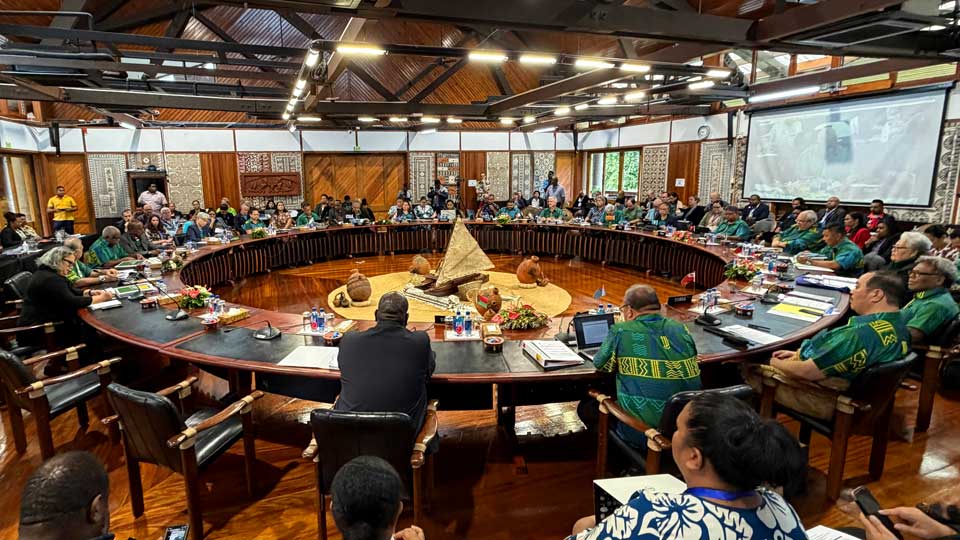
Foreign ministers and senior officials from Pacific Islands Forum countries failed to reach agreement on August 6, 2026, on a joint statement responding to China's recent ballistic missil...
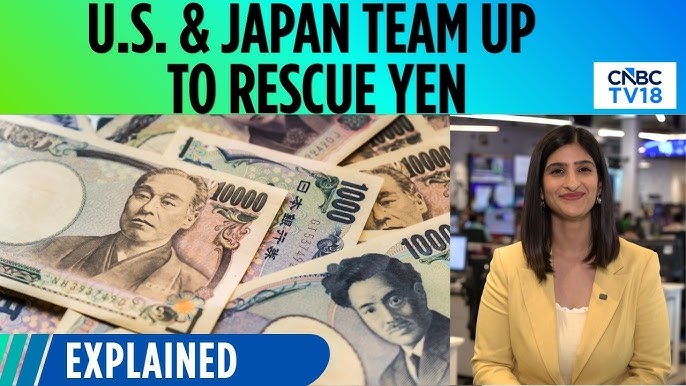
Japan and the United States conducted coordinated currency intervention on July 31, 2026, to support the Japanese yen after it fell to its weakest level in approximately four decades. The...
Japan expands state secrets law classification powers In February 2026, Japan’s government approved revisions to its State Secrecy Law that broaden the scope of information eli...
Event Timeline body { font-family: Arial, sans-serif; background-color: #f4f4f9; margin: 0; padding: 0; } .timeline-container { max-width: 900px; margin: 50px auto; p...
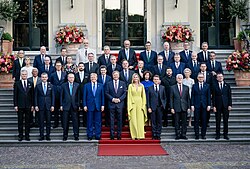
2025 NATO Summit in The Hague Focuses on Defence Spending and Strategic Cooperation The North Atlantic Treaty Organization (NATO) held its 2025 summit in The Hague, Netherlands, on June ...
Victory over Japan (VJ) Day marked Japan's formal surrender aboard the USS Missouri, ending World War II entirely. This day is remembered for the conclusion of one of the deadliest confli...
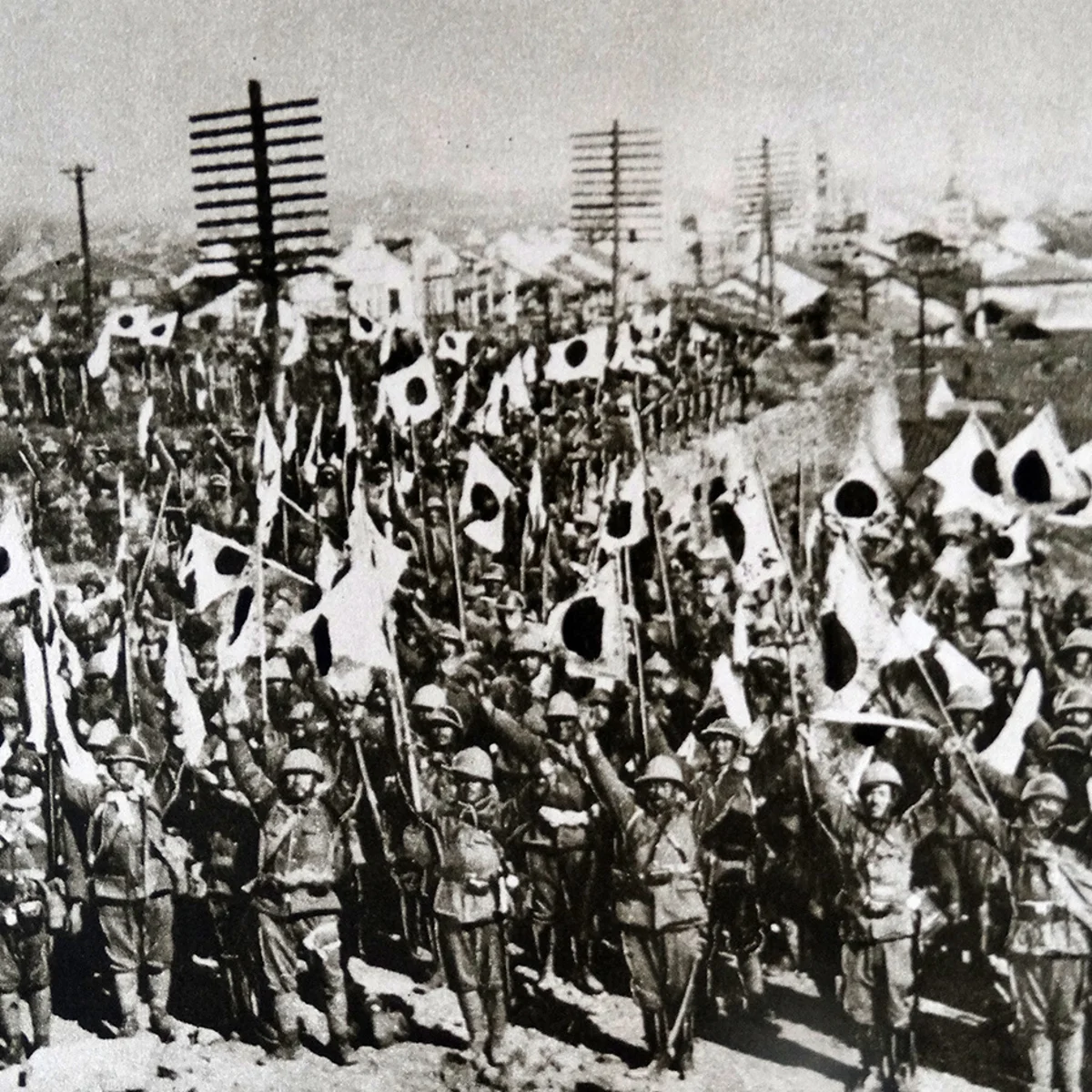
The Nanjing Massacre, also known as the Rape of Nanjing, occurred during the Second Sino-Japanese War after Japanese forces captured the city of Nanjing, then the capital of China, on Dec...
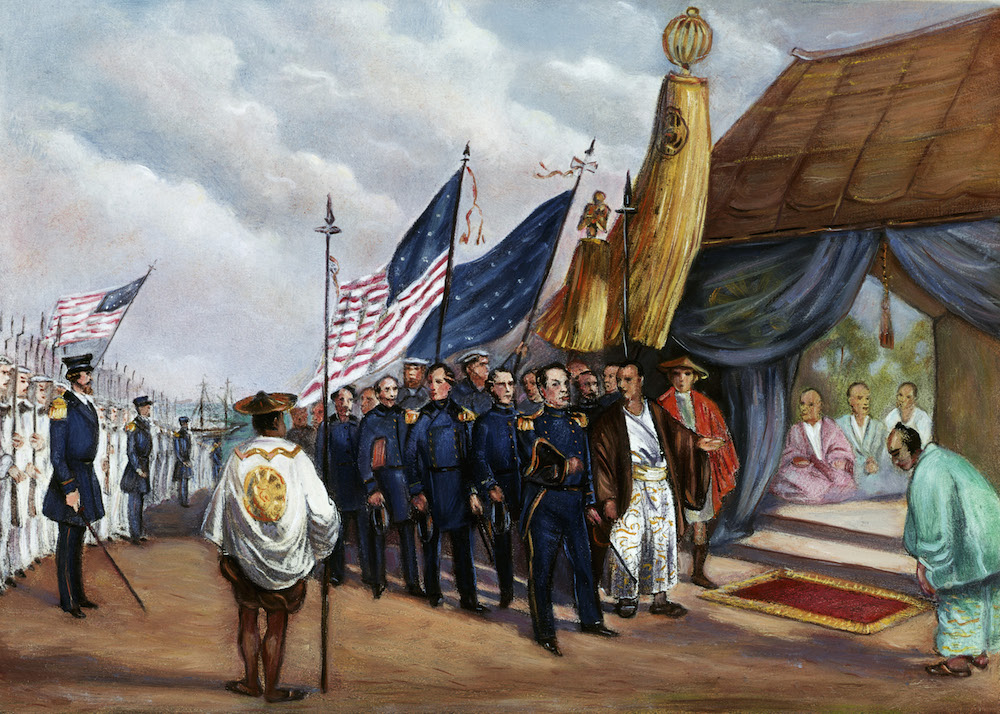
The Meiji Restoration transformed Japan by centralizing power under the emperor, modernizing the economy and military, and adopting Western political and industrial practices.
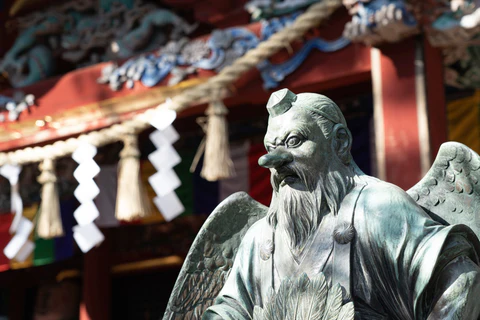
The Tengu are supernatural beings from Japanese mythology known for their association with mountains, forests, and spiritual power. They have been part of traditional folklore for centuri...
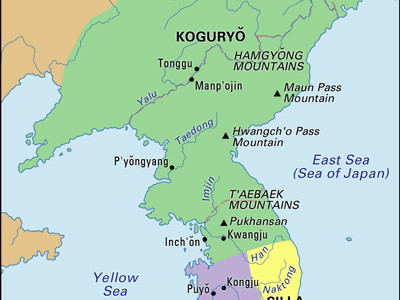
The Kingdom of Baekje experienced significant cultural and political growth during the mid-6th century. Its leadership established strong diplomatic ties with neighboring states, promotin...
27 May 1942 — American commanders possess increasingly strong intelligence that Japan intends to attack Midway. Cryptanalysts working against Japanese naval codes help identify the target...
1 January 1944 — By 1944 American submarines are destroying Japanese merchant shipping at a rate Japan cannot replace. Oil, food, raw materials and military supplies become increasingly d...
25 November 1936 — Germany and Japan sign an agreement publicly directed against the Communist International. Italy joins the following year. The pact reflects growing ideological alignme...
6 August 1945 — An American B-29 drops the uranium bomb Little Boy on Hiroshima. The explosion and fire destroy much of the city and kill tens of thousands of people immediately, with man...
9 August 1945 — The United States drops the plutonium bomb Fat Man on Nagasaki. Tens of thousands are killed immediately or in the following months. The attack occurs on the same day Sovi...
4 June 1942 — American carrier forces intercept a Japanese operation aimed at Midway Atoll. U.S. cryptanalytic intelligence allows Admiral Chester Nimitz to position carriers in advance. ...
2 September 1945 — The defeat of Germany and Japan leaves the United States and Soviet Union as the dominant military powers. Soviet control across Eastern Europe, American economic stren...
1926–1989 reign — Hirohito is emperor throughout Japan's expansion in China and the Pacific War. The exact nature of his political responsibility remains the subject of extensive historic...
7 July 1937 — Fighting near the Marco Polo Bridge escalates into a major war between Japan and China. Japanese forces capture major cities including Shanghai and Nanjing, but China does n...
11 December 1941 — Hitler declares war on the United States despite Germany not being automatically required by the Tripartite Pact to do so after Japan's attack. The United States declar...
U.S. president after Roosevelt's death. Truman inherited the Manhattan Project and authorized the wartime use of atomic bombs against Japan.
1940–1944 senior Japanese leadership — General Hideki Tojo becomes Japanese prime minister in October 1941 as negotiations with the United States approach collapse. He supports continued ...
15 August 1945 — Emperor Hirohito's recorded voice is broadcast to the Japanese population announcing acceptance of Allied surrender terms. The decision follows intense disagreement withi...
7 December 1941 — Japanese carrier aircraft strike the U.S. Pacific Fleet at Pearl Harbor in Hawaii. Japan seeks to cripple American naval power long enough to seize territories containin...
2 September 1945 — Japanese representatives sign the Instrument of Surrender aboard USS Missouri in Tokyo Bay. The ceremony formally ends the Second World War. Germany, Italy and Japan ha...
18 September 1931 — Japanese officers use the Mukden Incident as a pretext for military expansion into Manchuria. Japanese forces rapidly occupy the region and later establish the puppet ...
8 December 1941 — Almost simultaneously with Pearl Harbor, Japanese forces attack British, American and Dutch positions across East and Southeast Asia. Operations target the Philippines, ...
1937–1945 wartime expansion — Mitsubishi becomes one of Japan's most important industrial groups supporting naval construction, aircraft production, machinery and other military requireme...
17 July 1945 — Truman, Stalin and initially Churchill meet near Berlin after Germany's defeat. They discuss occupation policy, borders, reparations and the war against Japan. Churchill is...
Allied declaration calling for Japan's unconditional surrender and warning of devastating consequences if Japan refused.
14 September 1941 — Soviet intelligence agent Richard Sorge reports from Tokyo that Japan is unlikely to attack the Soviet Union in the immediate future. His reporting contributes to Sovi...
1 November 1941 — Soviet formations from eastern regions increasingly reinforce the Moscow front after intelligence reduces fears of an immediate Japanese attack from Manchuria. These tro...
9 August 1945 — Soviet forces launch a massive offensive against the Japanese Kwantung Army in Manchuria. The attack follows Soviet commitments made to the Western Allies and destroys Jap...
In 1973, David Rockefeller helped establish the Trilateral Commission, an international organization bringing together prominent figures from North America, Western Europe and Japan. The ...
During the 1970s the Trilateral Commission developed a network of senior figures from government, business, academia and other institutions across North America, Western Europe and Japan....
David Rockefeller established the Trilateral Commission in 1973 with the objective of encouraging cooperation among business leaders, academics and political figures from North America, W...
The Trilateral Commission was established in 1973 by David Rockefeller, bringing together political, business and academic figures from North America, Europe and Japan.
In 1973, David Rockefeller founded the Trilateral Commission, creating an international forum connecting senior figures from North America, Western Europe and Japan.
David Rockefeller helped found the Trilateral Commission in 1973. The organization was created as a forum intended to promote understanding and cooperation among North America, Western Eu...
The Trilateral Commission was founded in 1973 with David Rockefeller playing a leading role in its creation. The organization brought together influential figures from North America, West...
The Trilateral Commission was created to encourage cooperation and discussion among North America, Western Europe and Japan. Early discussions included economic, political, trade, financi...
27 September 1940 — Germany, Italy and Japan sign the Tripartite Pact. The agreement recognizes German and Italian leadership in a European order and Japanese leadership in a wider East A...
8 December 1941 — The United States declares war on Japan one day after the attack on Pearl Harbor. President Franklin Roosevelt describes 7 December as a date that will live in infamy. A...
26 July 1941 — Following Japan's movement into southern French Indochina, the United States freezes Japanese assets. British and Dutch measures follow, and Japanese access to imported oil...
8 May 1945 — Germany's unconditional military surrender takes effect, ending the major European fighting. Much of the continent lies physically devastated and millions of people are displ...
15 August 1945 — Japan's surrender followed Hiroshima, Soviet entry into the war, Nagasaki, severe economic strangulation and years of conventional military defeat. Historians continue de...
4 February 1945 — Franklin Roosevelt, Winston Churchill and Joseph Stalin meet in Crimea as Germany approaches defeat. They discuss occupation zones, Poland, postwar Germany, Soviet parti...