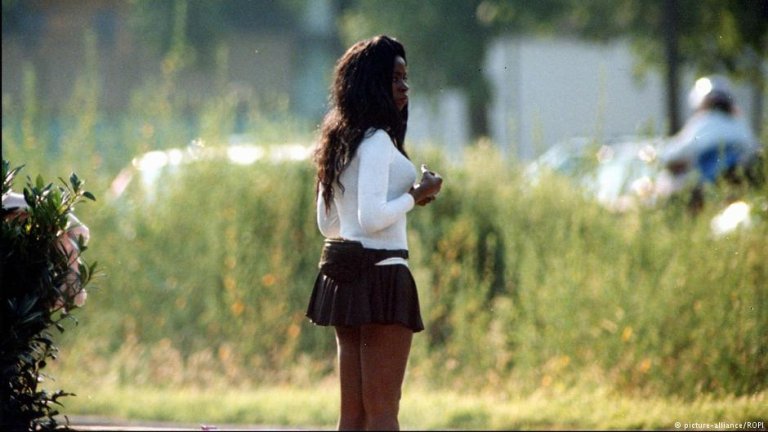
Israel uncovers trafficking network
Israeli authorities have investigated and prosecuted international human trafficking networks involving the recruitment of women from Brazil for sexual exploitation in Israel. Reported ca...
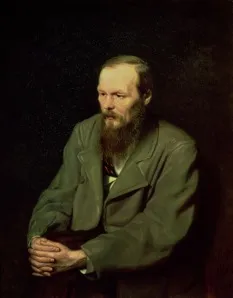
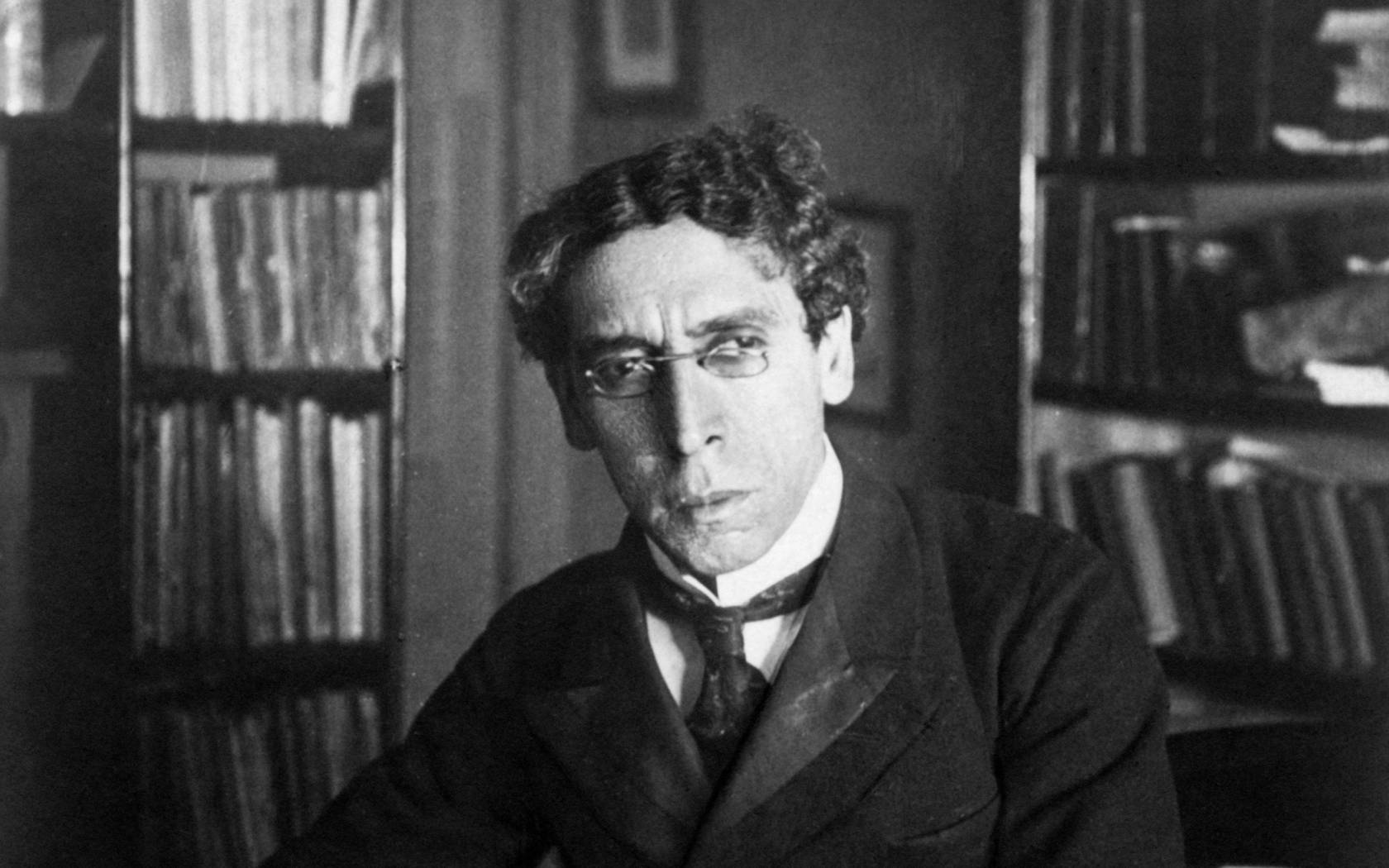
Fyodor Mikhailovich Dostoevsky (1821–1881) wrote several works in which some passages explicitly mention Jewish people. Below are exact original Russian excerpts from his writings where J...
Elon Musk’s grandfather Joshua Haldeman and the Technocracy movement On February 7, 2026, public records and historical sources show that Joshua N. Haldeman (1902–1974), the ma...
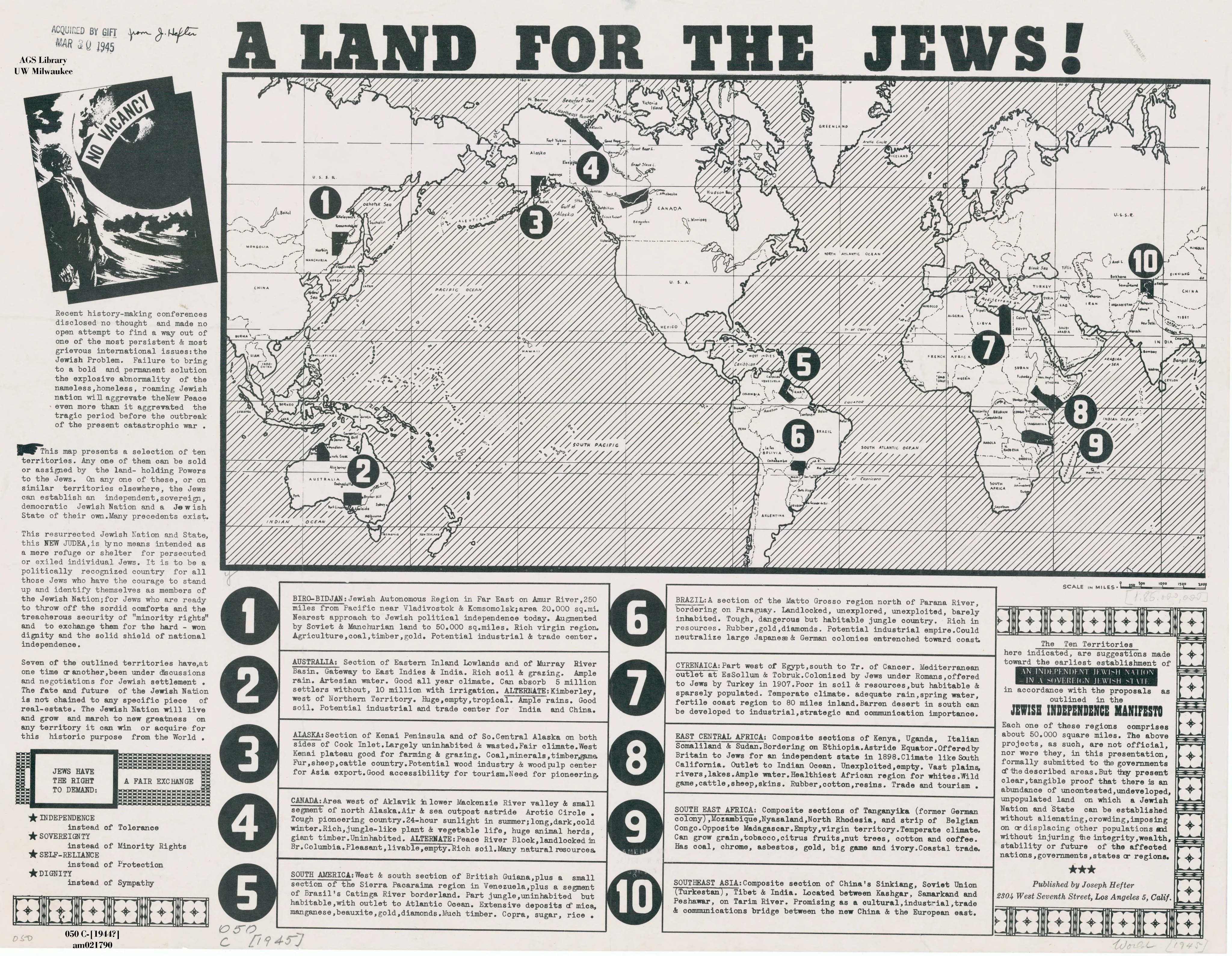
Proposed Jewish Settlements and Local Creation Myths body { font-family: Arial, sans-serif; background-color: #f4f4f9; margin: 0; padding: 0; } .timeline-container { ...
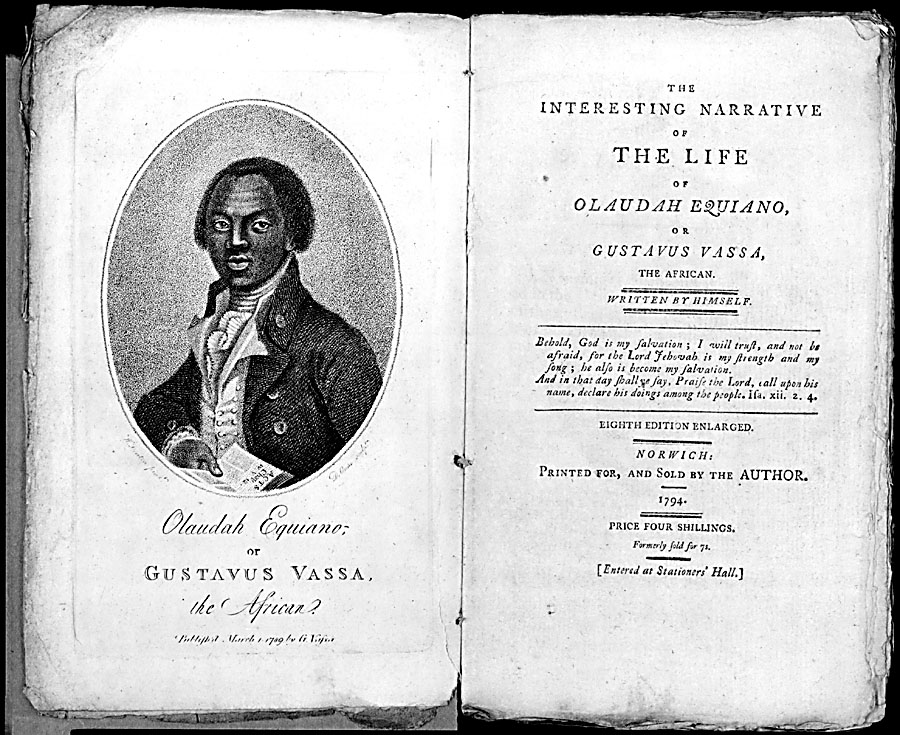
Free Black Slaveowners in the United States During the 19th Century In 1830, around 3,775 free Black individuals in the United States owned enslaved people.
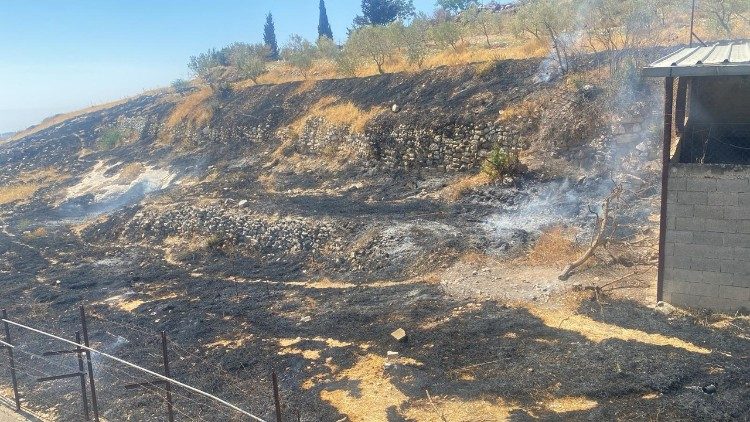
On July 7, 2025, Israeli settlers allegedly carried out an arson attack near the historic Church of St. George—one of the oldest Christian sites in the West Bank—and the adjacent cemetery...
Palestinian Holocaust The term “Palestinian Holocaust” has been used by activists and commentators to describe the cumulative impact of displacement, warfare, and territorial loss experi...
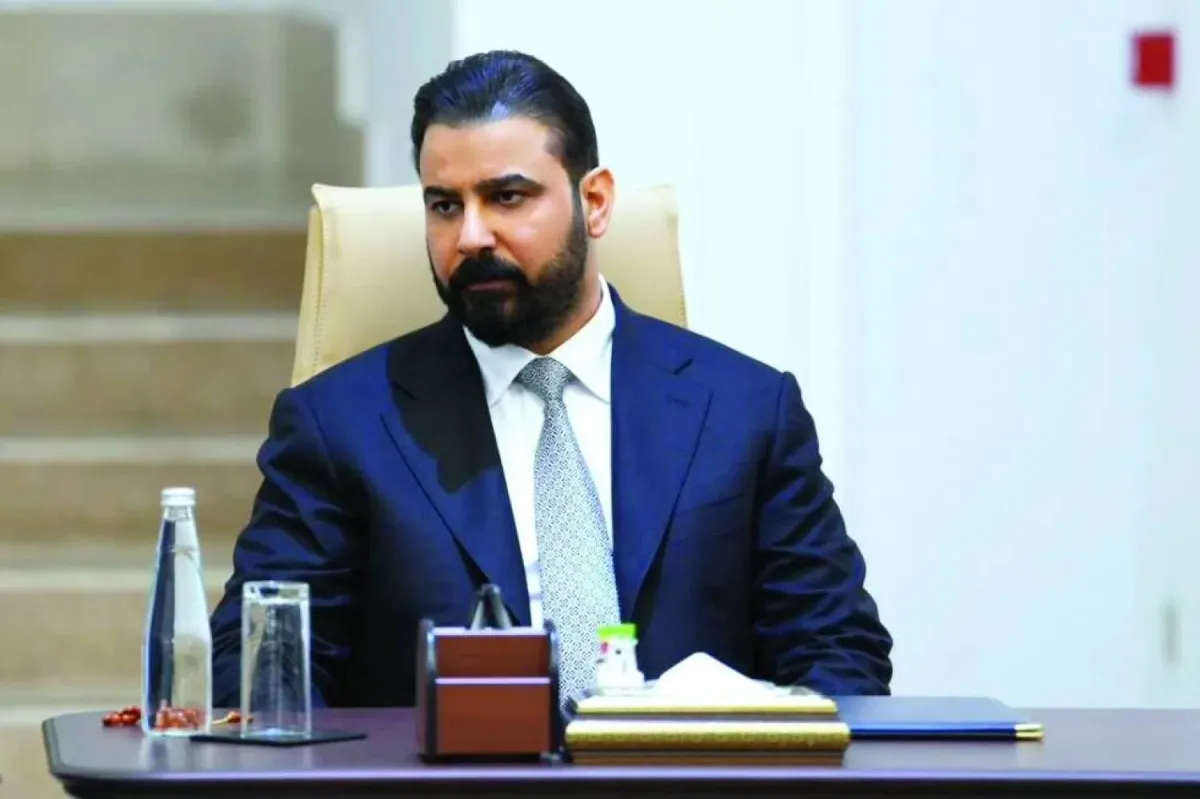
In late 2022, Iraqi authorities intensified investigations into one of the country's largest alleged corruption cases, involving the disappearance of billions of dollars from tax authorit...
Noel Ignatiev: author, historian, and critic of whiteness Noel Ignatiev: author, historian, and critic of whiteness Noel Ignatiev (/ɪɡˈnætiɛv/; born ...
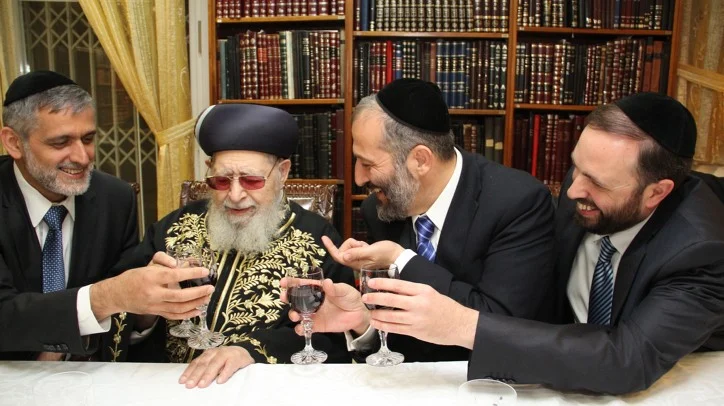
2010 sermon statements attributed to Rabbi Ovadia Yosef 2010 sermon statements attributed to Rabbi Ovadia Yosef on gentiles In 2010, Rabbi Ovadia Yos...
They hate white people “The goal of abolishing the White race is, on its face, so desirable that some may find it hard to believe th...
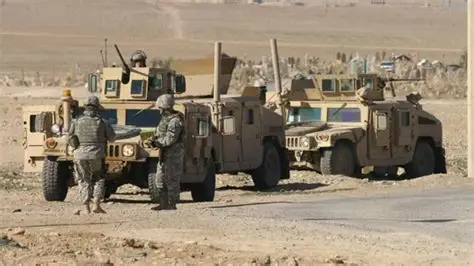
Background and Decision-Makers On March 20, 2003, the United States, the United Kingdom, and coalition allies launched a military invasion of Iraq. The primary justification presented...
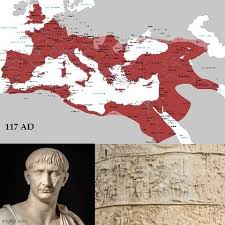
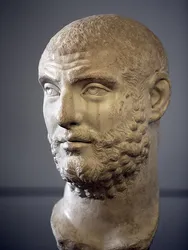
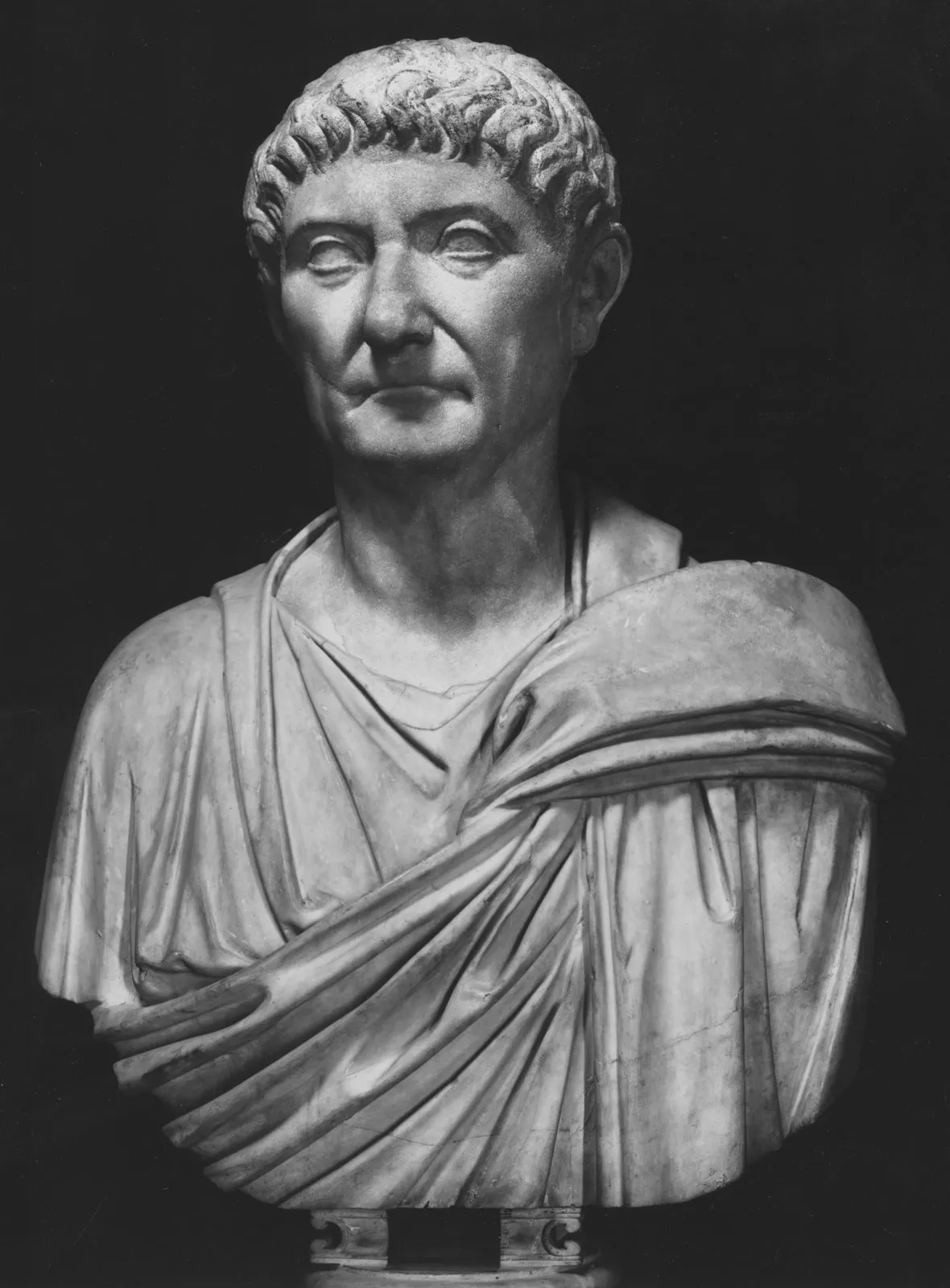
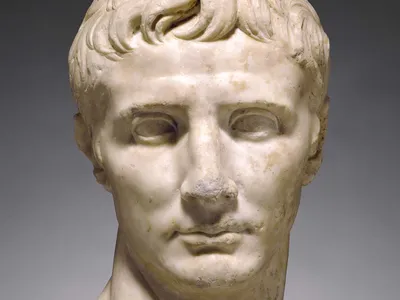
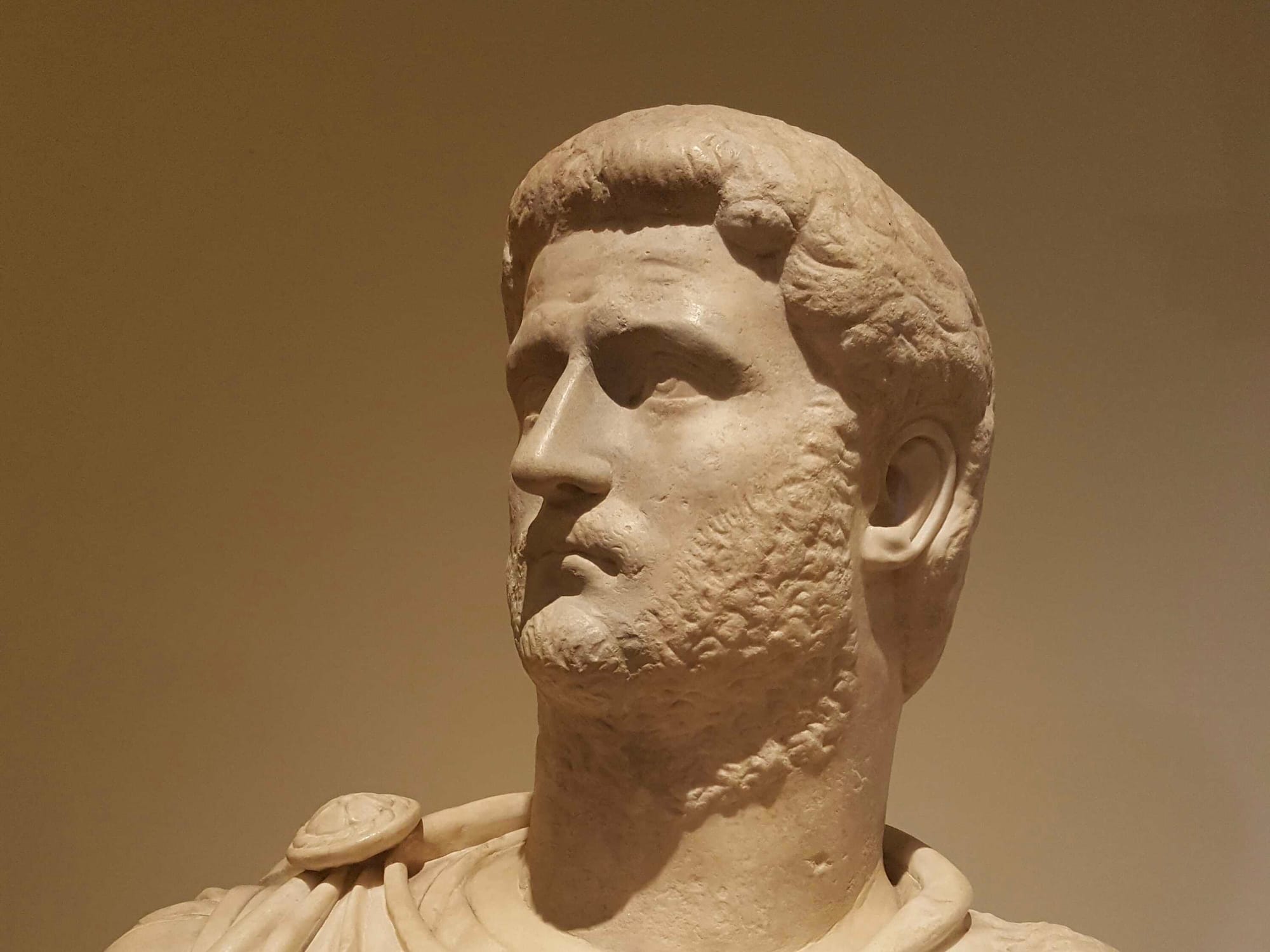
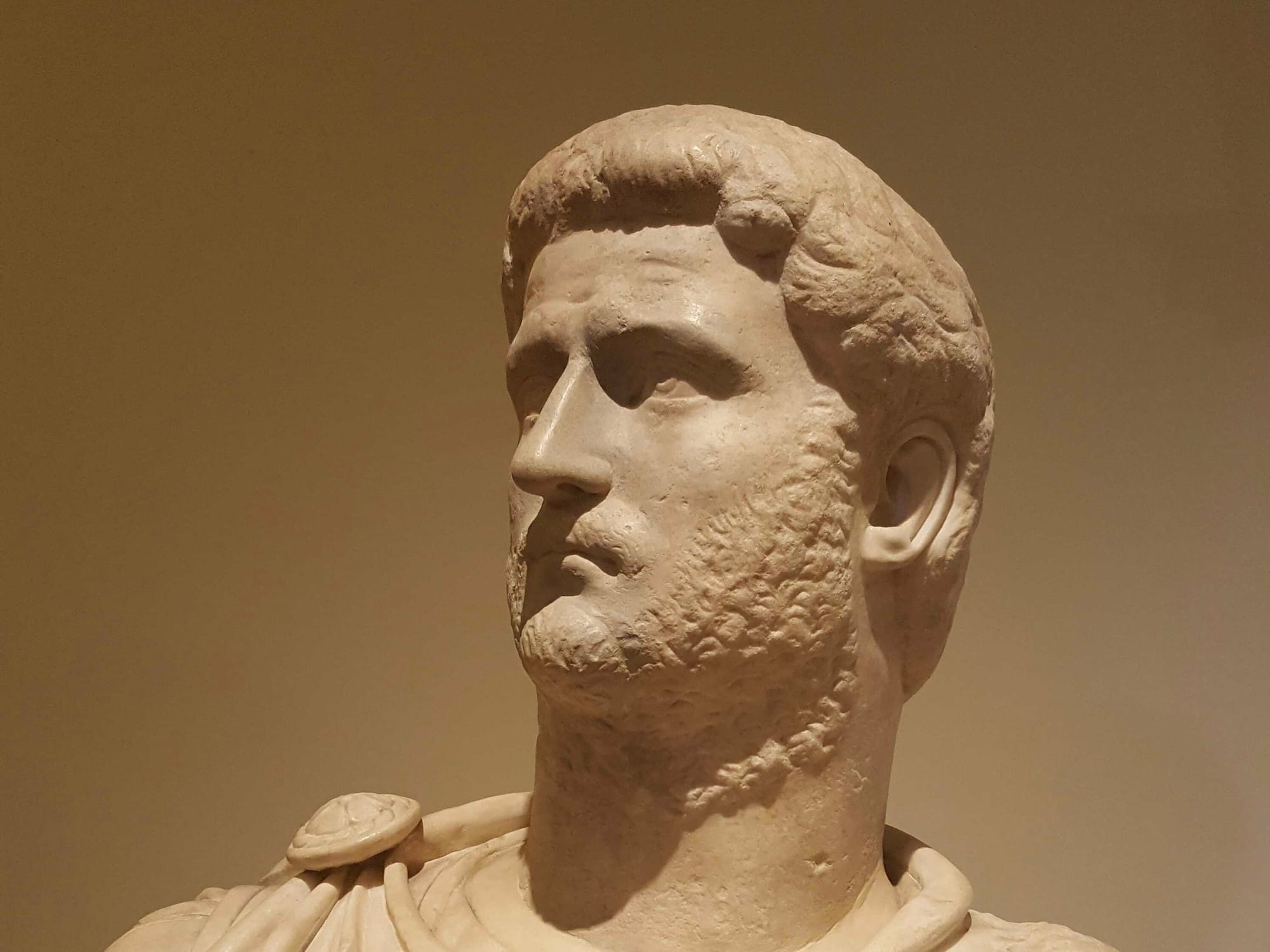
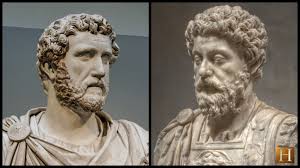
Trajan became Roman Emperor following the death of Domitian, marking a period of significant military expansion and administrative reform. His accession was recognized by the Senate, soli...
Christine Maxwell Co‑Founded Chiliad, Software Used in FBI Counterterrorism Data Warehouse Christine Yvonne Malina‑Maxwell was born on August 16, 1950, in Maisons‑Laffitte, France, and i...
Rennet is an enzyme used in cheesemaking to curdle milk and separate it into curds and whey. Traditionally, rennet was extracted from the stomachs of young calves, but today, most industr...
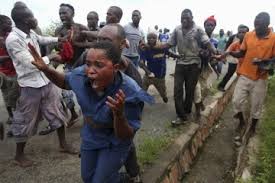
The Burundi Genocide of 1972 was a mass killing event targeting primarily the Hutu ethnic group by the Tutsi-dominated government.The violence began in April 1972 following a Hutu-led upr...
Susan Sontag. Critique of Western civilization and whiteness Susan Sontag Quote “The White race is the cancer of human history; it is the White race ...
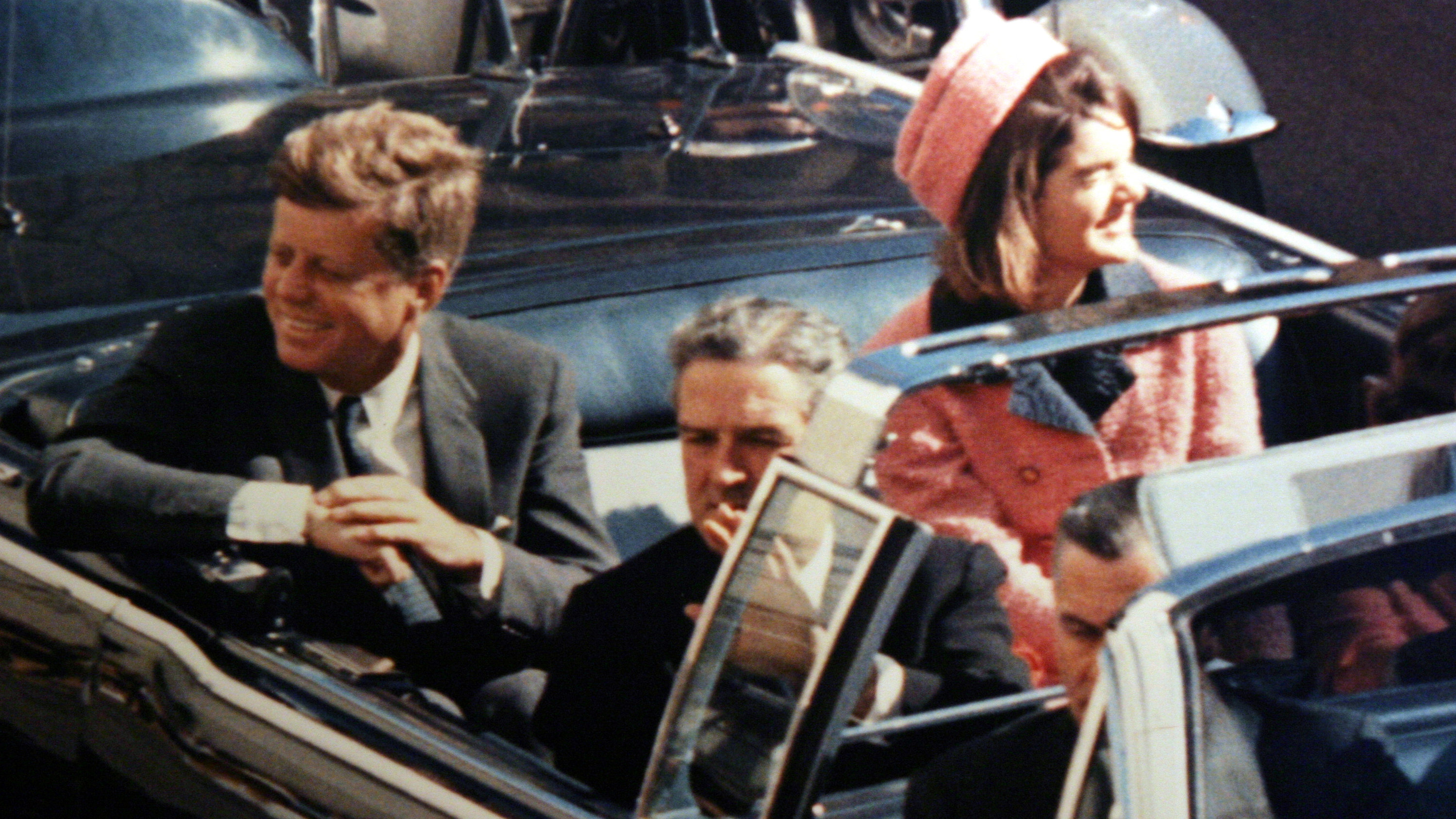
The assassination of John F. Kennedy, the 35th President of the United States, occurred on November 22, 1963, in Dallas, Texas. Kennedy was fatally shot while riding in a motorcade throug...
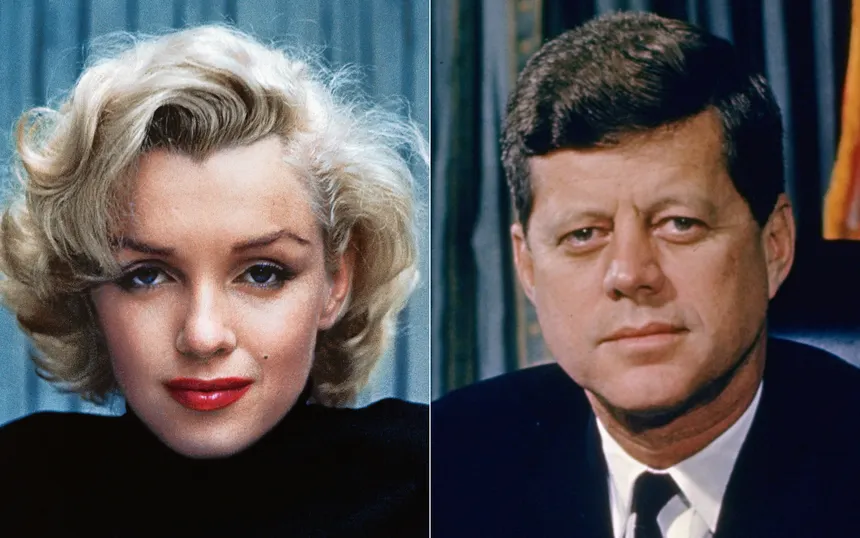
Marilyn Monroe (6 1 1926 – 8 5 1962) was a major Hollywood actress, signed to 20th Century Fox and MGM, with extensive ties to studio executives, publicists, and individuals later documen...
The birth control pill was developed in the mid-20th century as a result of combined efforts by scientists, doctors, activists, and funders. The idea of an oral contraceptive was strongly...
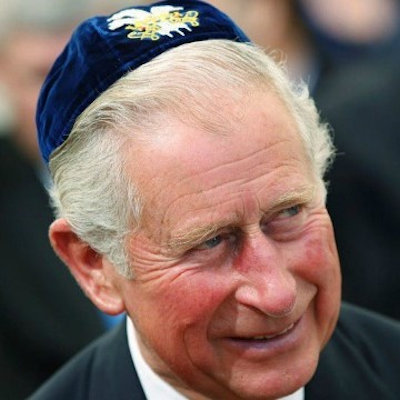
Allegations have circulated claiming that King Charles III was circumcised in December 1948 shortly after his birth at Buckingham Palace. The accounts state the procedure allegedly took p...
Victory over Japan (VJ) Day marked Japan's formal surrender aboard the USS Missouri, ending World War II entirely. This day is remembered for the conclusion of one of the deadliest confli...
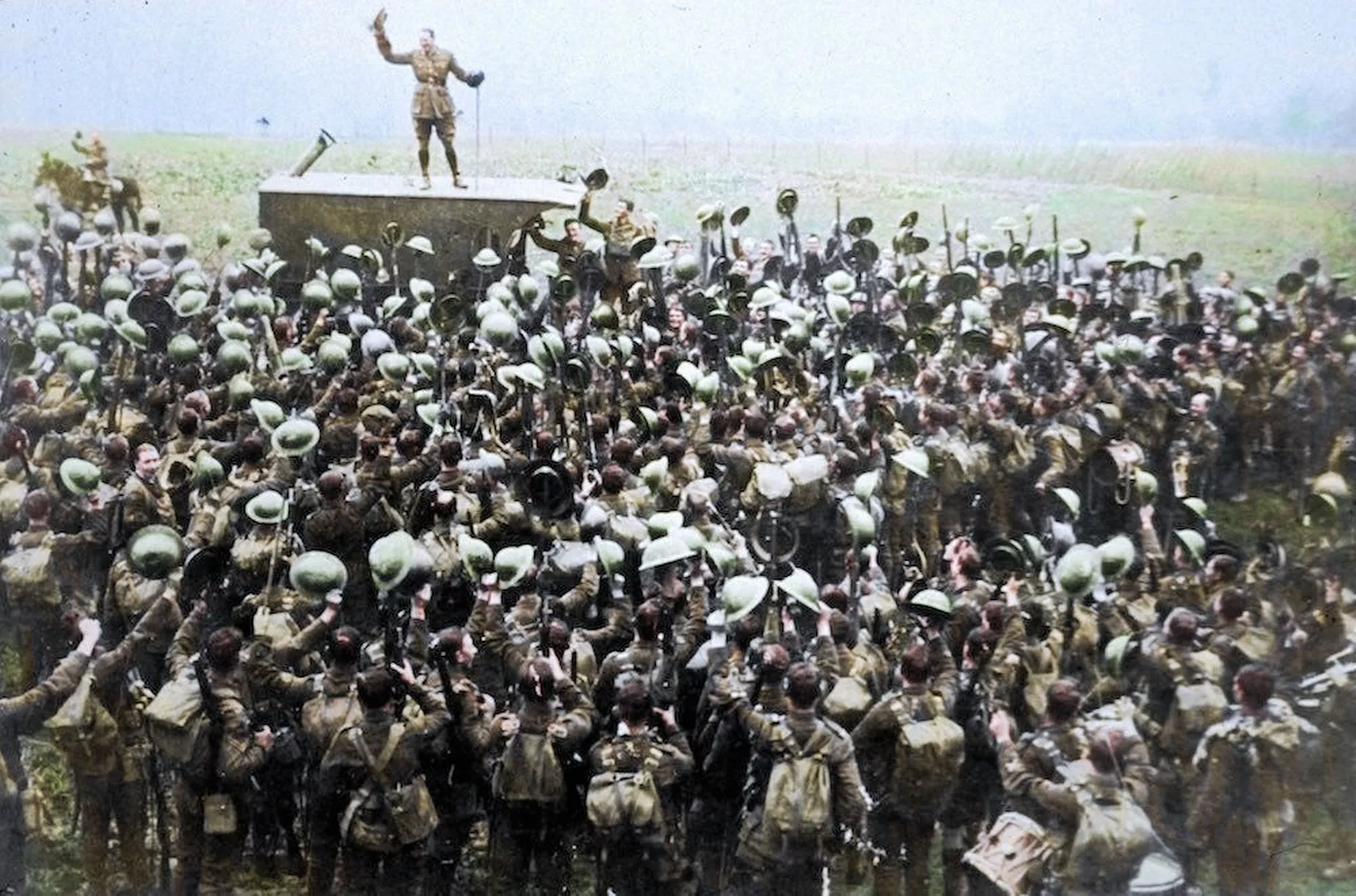
Victory in Europe (VE) Day marked the official surrender of Nazi Germany to the Allies, ending the war in Europe. Celebrations erupted across Europe and the United States, symbolizing hop...
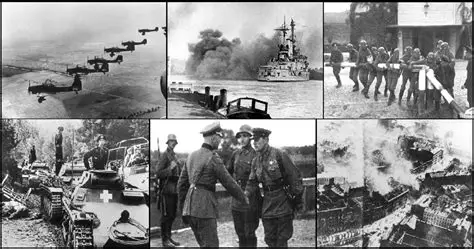
World War II Begins body { font-family: Arial, Helvetica, sans-serif; line-height: 1.6; margin: 40px; background-color: ...
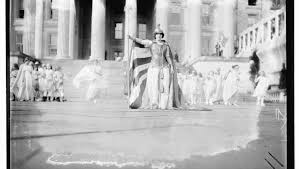
On July 3, 1933, the Jewish pageant “The Romance of a People” was performed at Soldier Field in Chicago as part of the Century of Progress World’s Fair. The pageant included thousands of ...
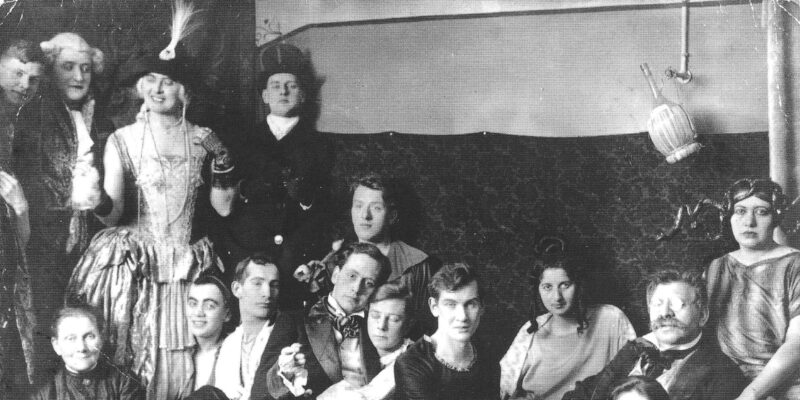
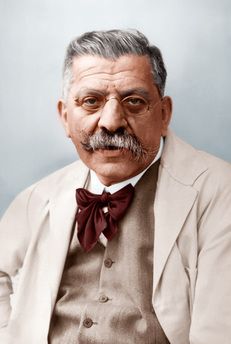
In early 20th century Germany, Berlin was a center for sexual reform and research. Dr. Magnus Hirschfeld (1868–1935), physician and sexologist, a German Jewish doctor, founded the Institu...
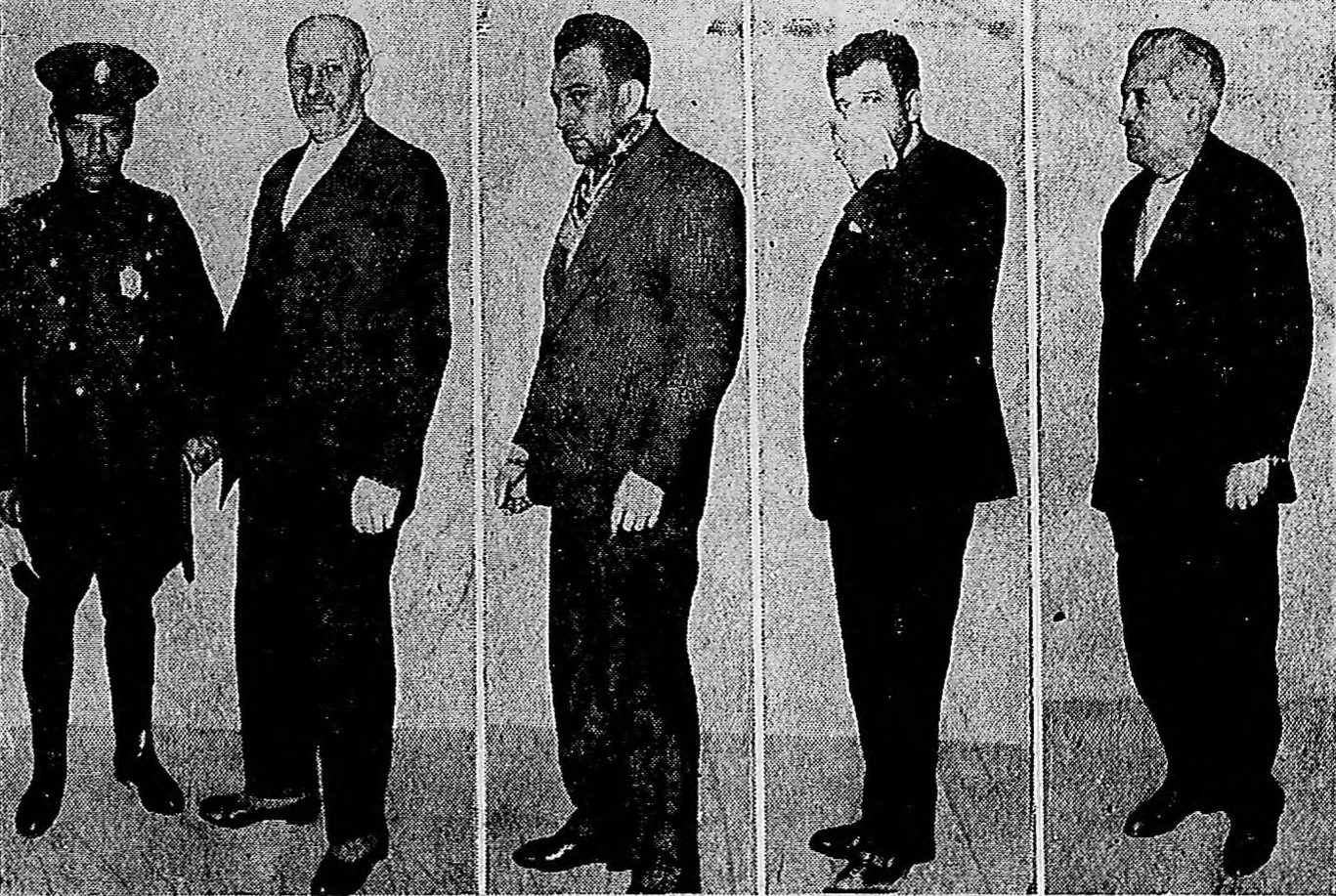
Zwi Migdal was a criminal organization active mainly in Argentina from the late 19th century until the 1930s. It was composed largely of Jewish immigrants from Eastern Europe The group ...
Zwi Migdal was a criminal organization formed by Jewish immigrants from Poland in the late 19th century. The group controlled extensive prostitution and human trafficking networks in Arge...
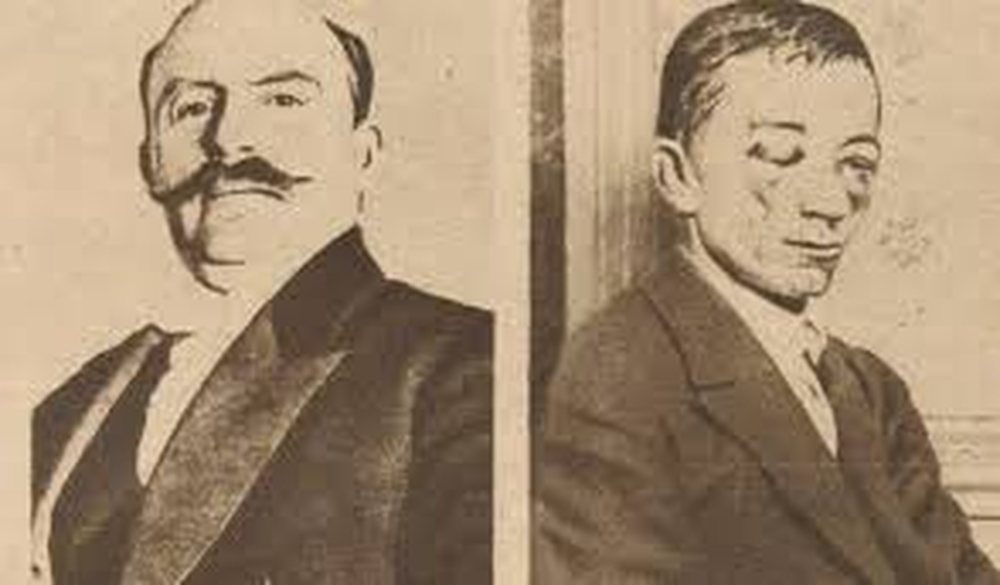
On June 13, 1920, Albanian political activist Avni Rustemi shot and killed Essad Pasha Toptani in Paris, France. Essad Pasha was an Albanian Ottoman-era political and military figure who ...
The armistice of November 11, 1918, marked the end of World War I. Germany agreed to cease hostilities with the Allies, bringing four years of devastating conflict to a close. This day is...
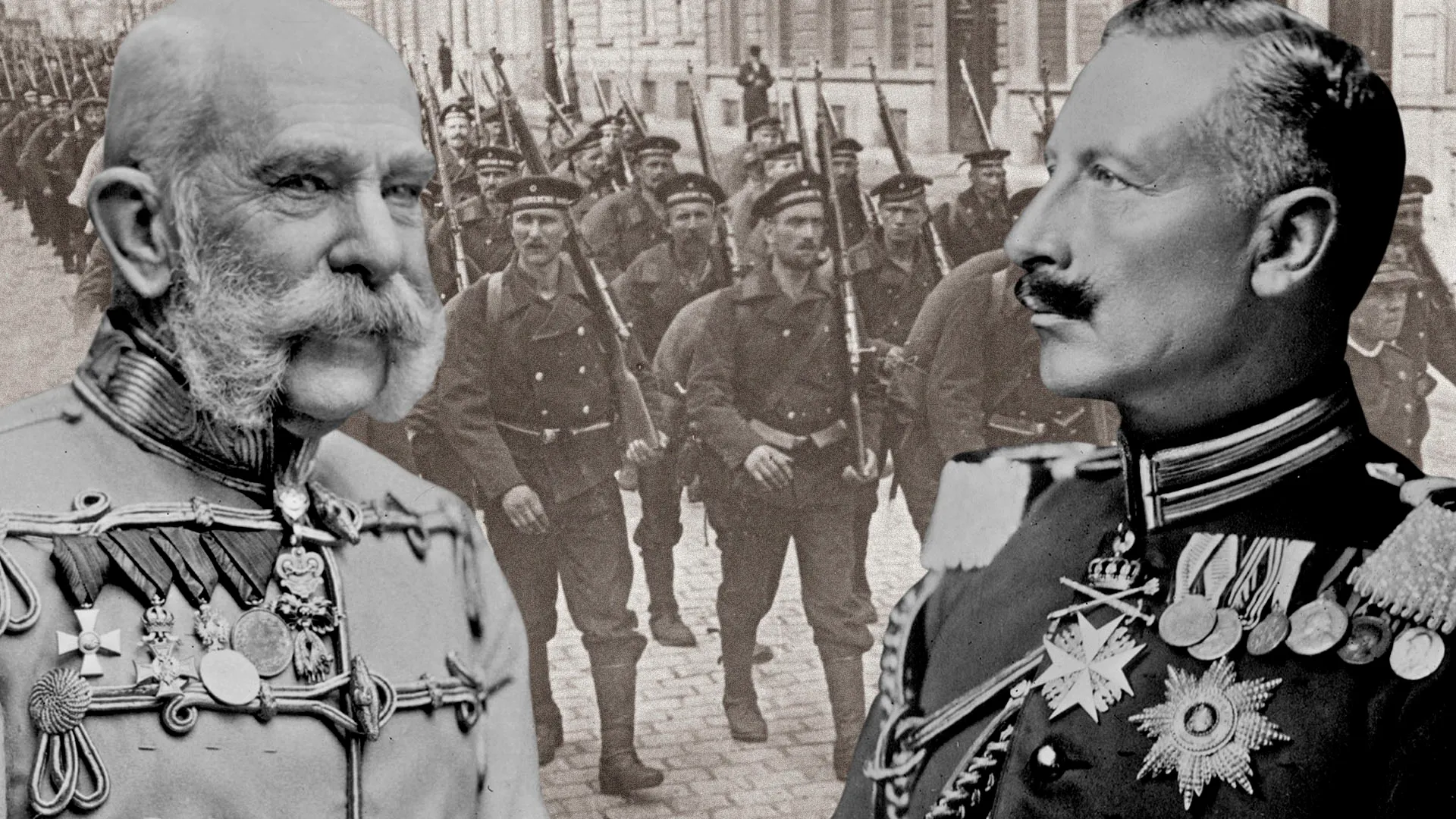
World War I, also known as the Great War, began when Austria-Hungary declared war on Serbia following the assassination of Archduke Franz Ferdinand. The conflict quickly escalated, drawin...
1913 – Foundations of the Modern World body { font-family: Arial, sans-serif; background-color: #f4f4f9; margin: 0; padding: 0; } .timeline-container { max-width: 900...
The Titanic sank on April 15, 1912, during its maiden voyage from Southampton to New York. Among the planned passengers was financier J.P. Morgan, head of the International Mercantile Mar...
In 1908, British-born Jewish writer and playwright **Israel Zangwill** published his play **“The Melting Pot”**, which popularized the phrase as a metaphor for American society. The term ...
The Wissenschaftlich-humanitäres Komitee, widely recognized as the first organization advocating for the rights of homosexual individuals, was established in Berlin in May 1897. The group...
Gaston Méry (10 31 1866 – 6 17 1909), a French journalist and playwright, is among the first documented figures to use the term “racisme” in French nationalist and antisemitic political w...
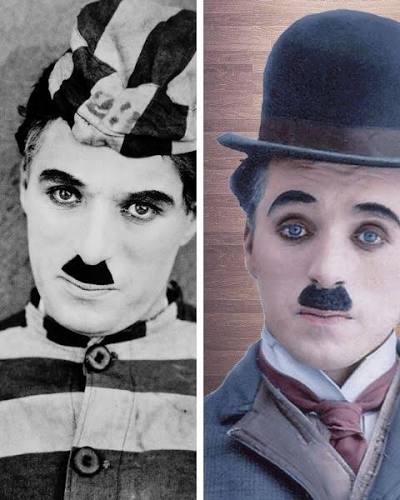
Charlie Chaplin was an English actor, filmmaker, composer, and producer who became one of the most prominent figures of twentieth-century cinema. His career included silent films, sound f...
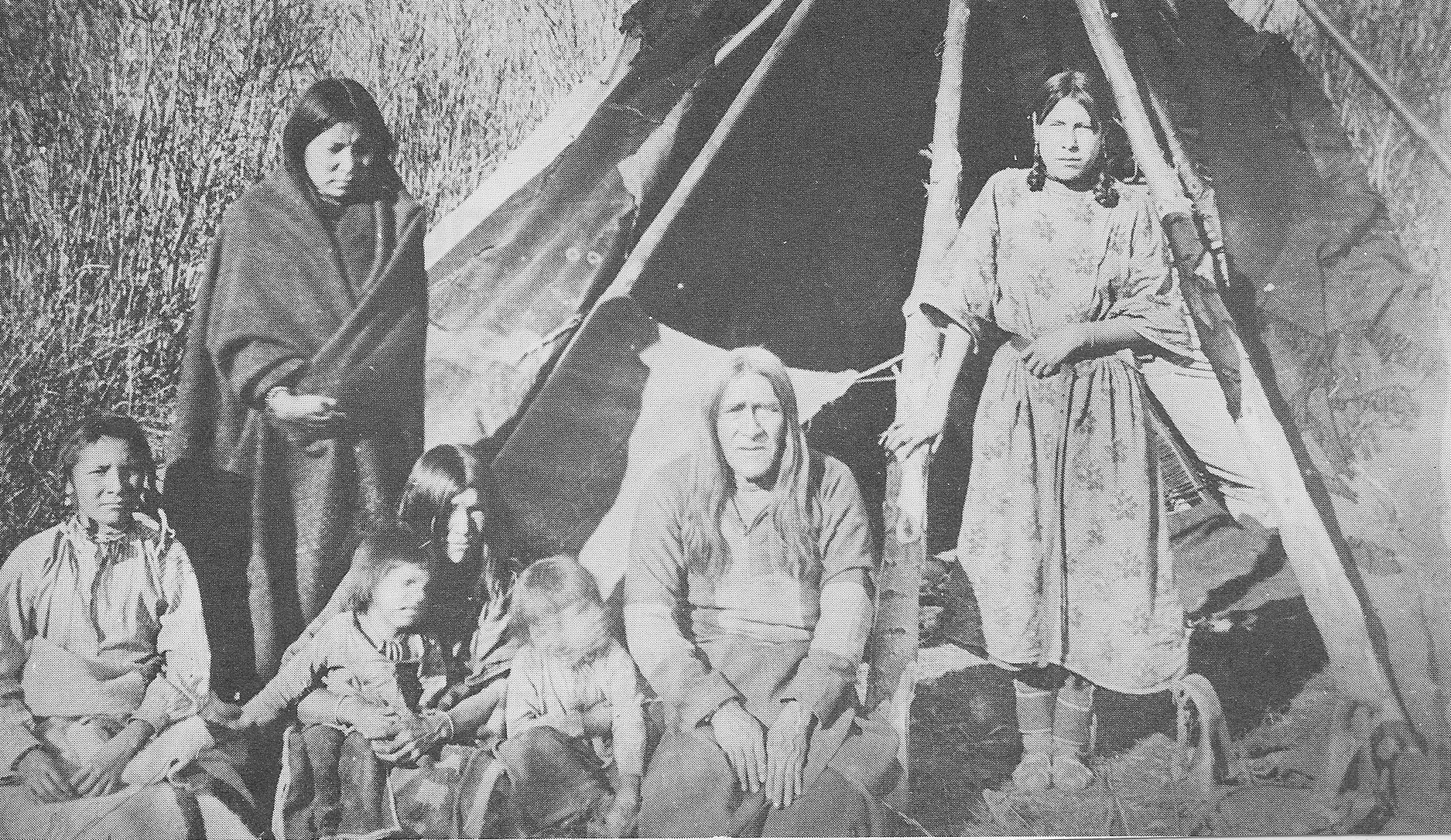
The California Native American genocide refers to the systematic destruction and mass killing of Indigenous peoples in California during the mid-19th century, primarily following the 1848...
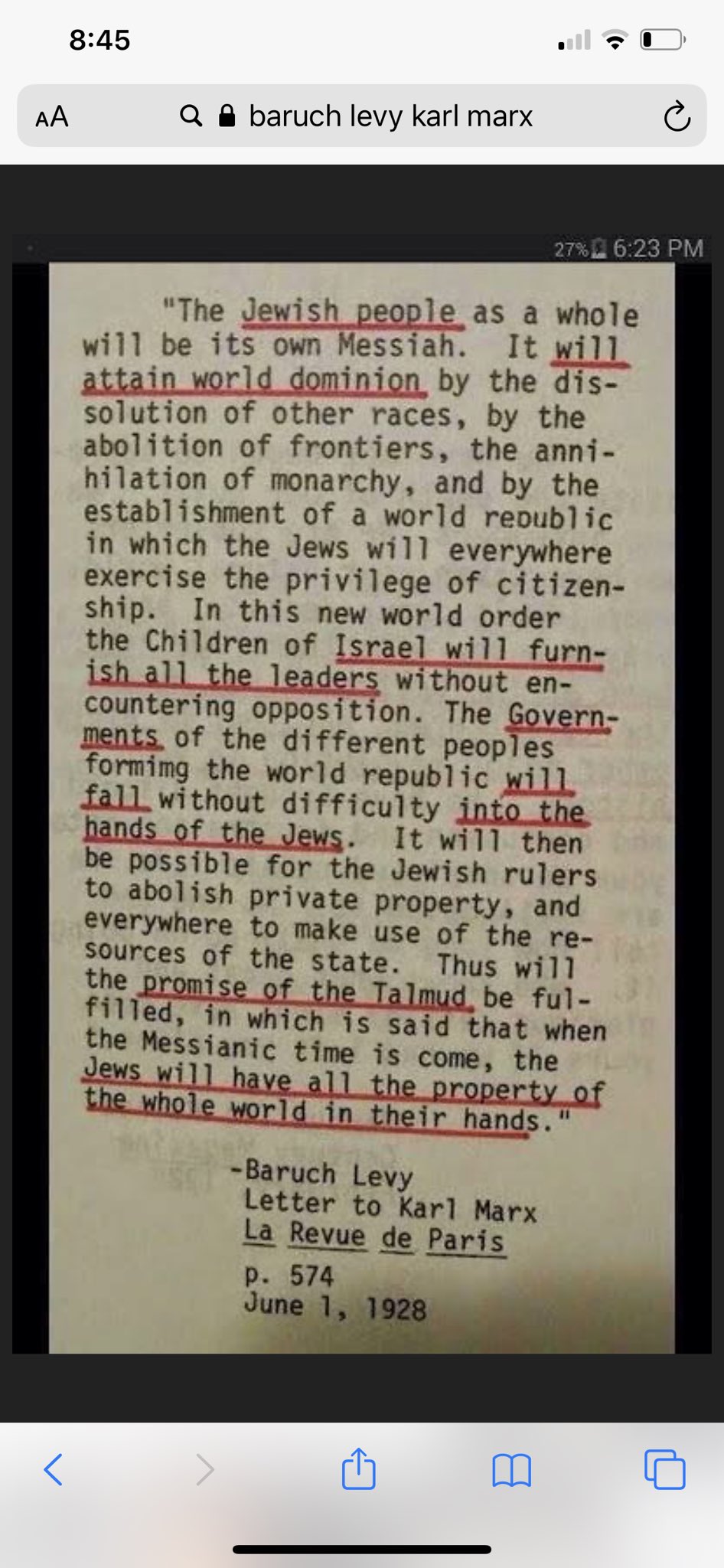
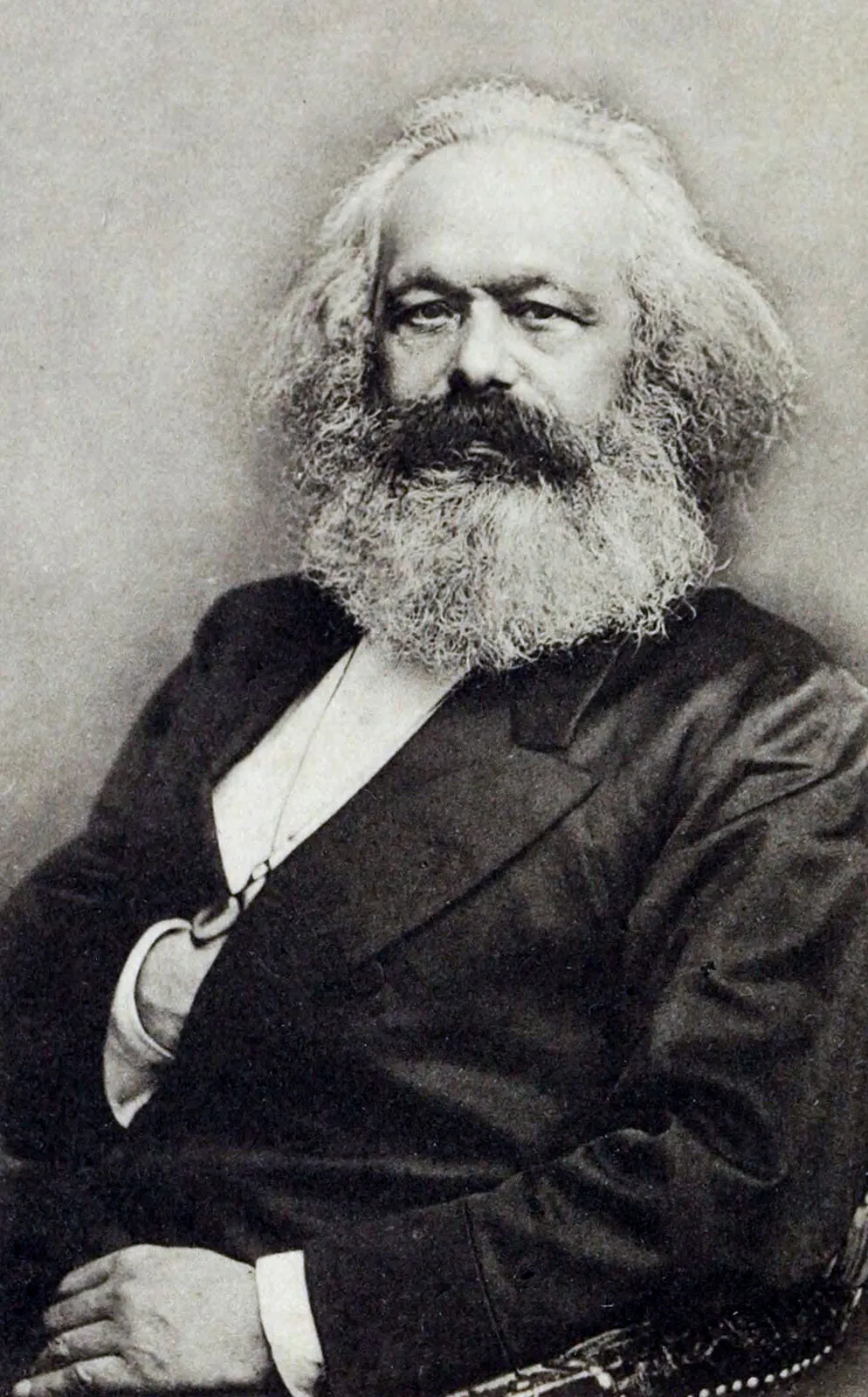
Baruch Levy letter to Karl Marx
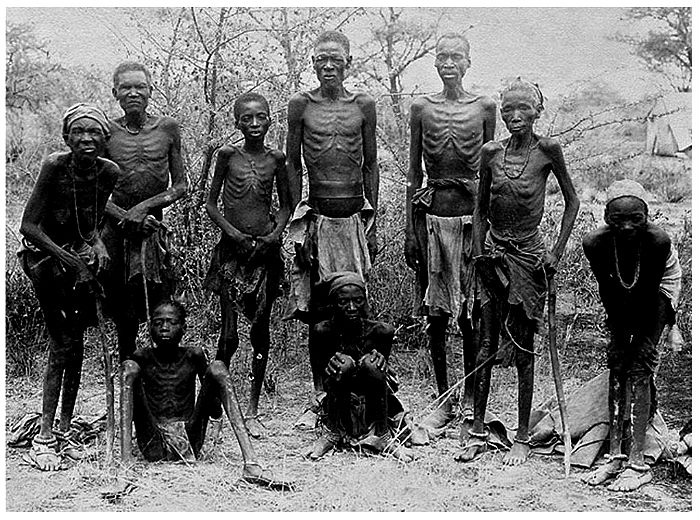
The Khoisan genocide refers to the systematic killings and displacement of the indigenous Khoisan peoples of Southern Africa during the 18th and 19th centuries. This genocide was primaril...
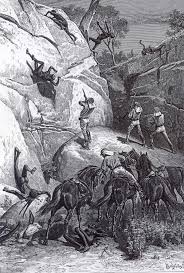
The Tasmanian Aboriginal Genocide refers to the systematic extermination and dispossession of the indigenous Tasmanian population by British colonists during the early 19th century. Follo...
Karl Marx was a German philosopher, economist, and political theorist born in Trier, Prussia, in 1818. His work contributed to the development of socialist and communist political theory ...
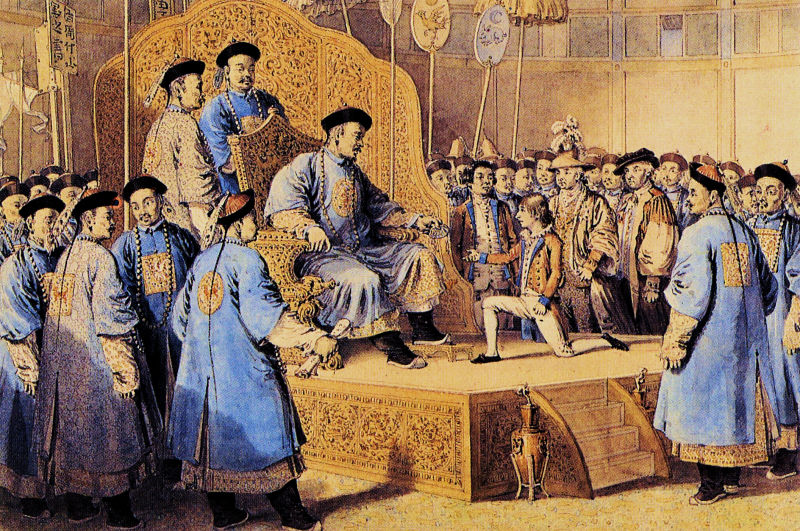
A diplomatic mission was sent from Washington to China to establish formal relations and discuss trade opportunities. The delegation aimed to enhance communication between the two growing...
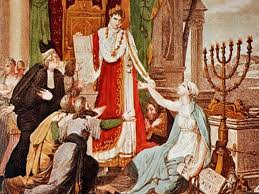
Emancipation of Jews in Russia under Catherine II In 1791, Empress Catherine II of Russia issued policies regulating the settlement and legal status of Jewish populations within the Russ...
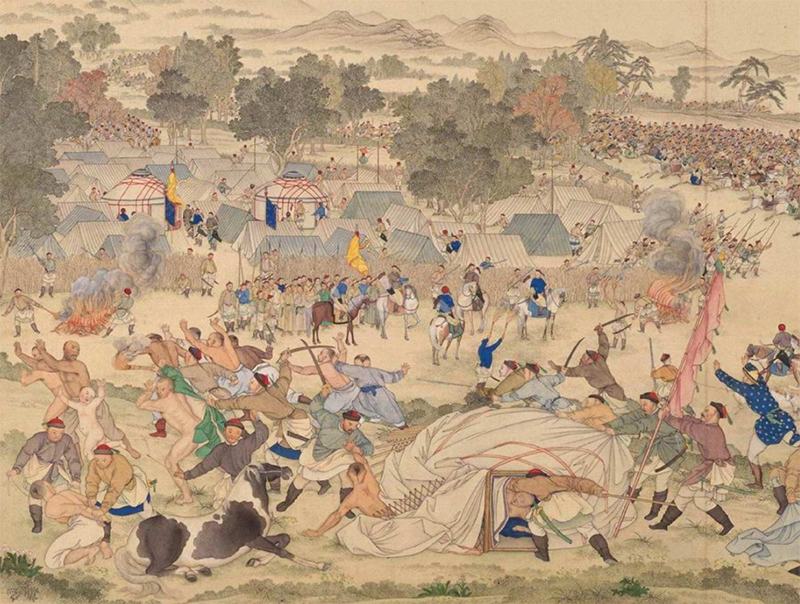
The Dzungar Genocide refers to the systematic destruction of the Dzungar people by the Qing dynasty during the mid-18th century.Between 1755 and 1758, the Qing government, led by the Qian...
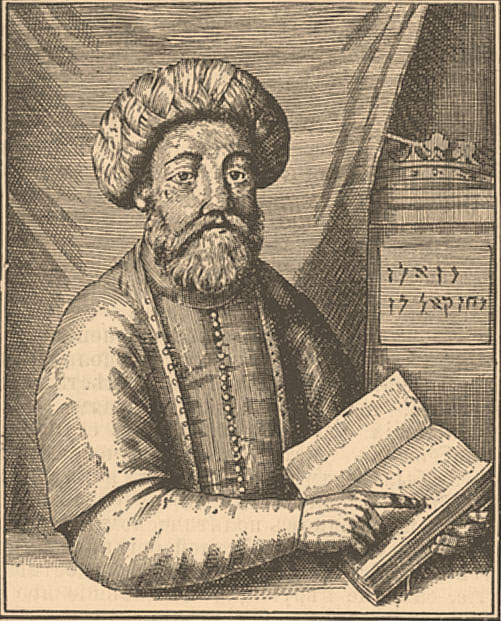
The Dönmeh were a religious community that emerged in the late 17th century within the Ottoman Empire, originating from followers of Sabbatai Zevi, a Jewish rabbi who declared himself the...
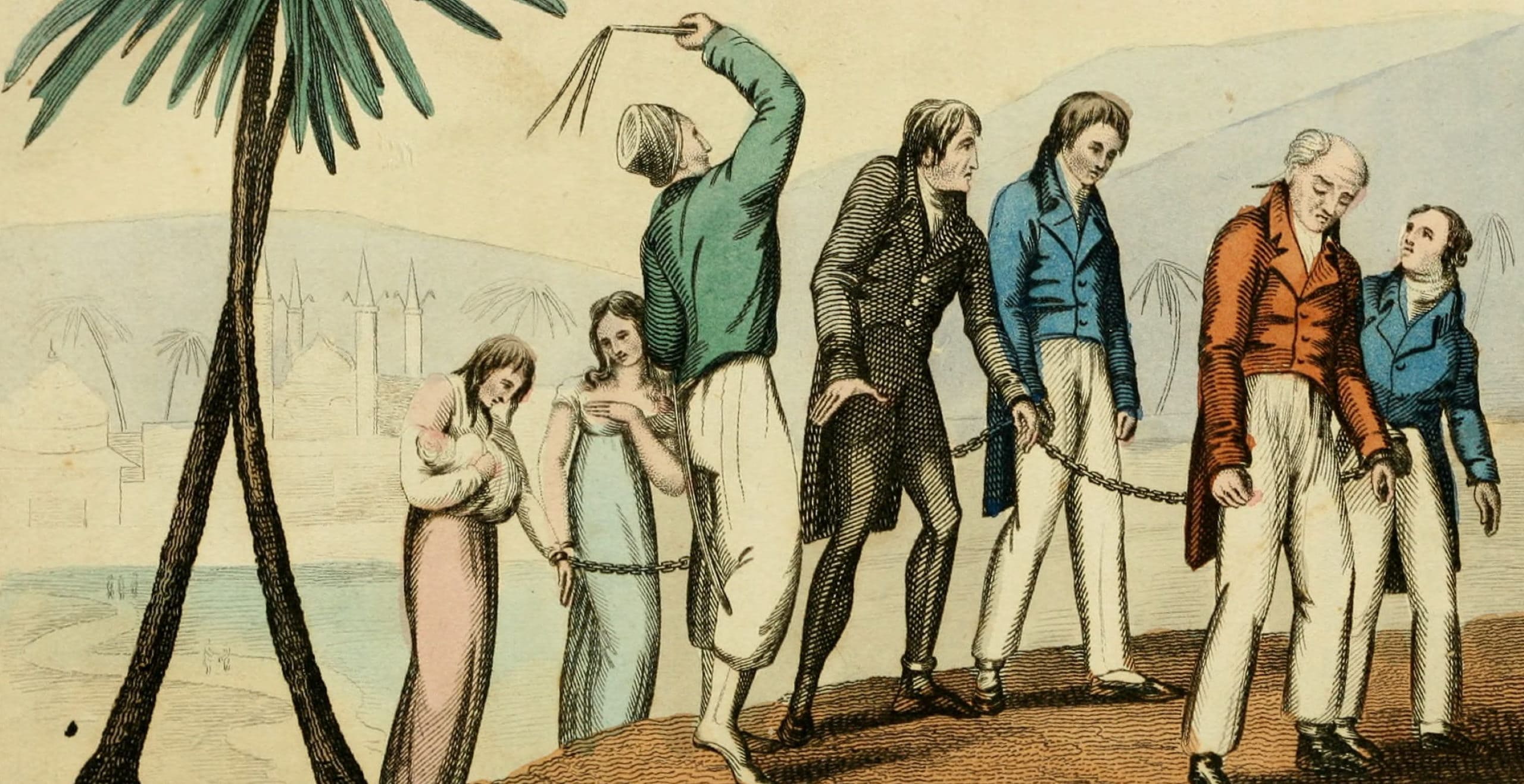
European Captives Sold Into Slavery By Barbary Pirates From the 16th to the 19th centuries, Barbary pirates operating from North Africa — including present-day Morocco, Algeria, ...
Expulsion of Jews from the Kingdom of Naples In 1540, Jewish communities in the Kingdom of Naples were expelled as the region came under the control of the Spanish crown and became subje...
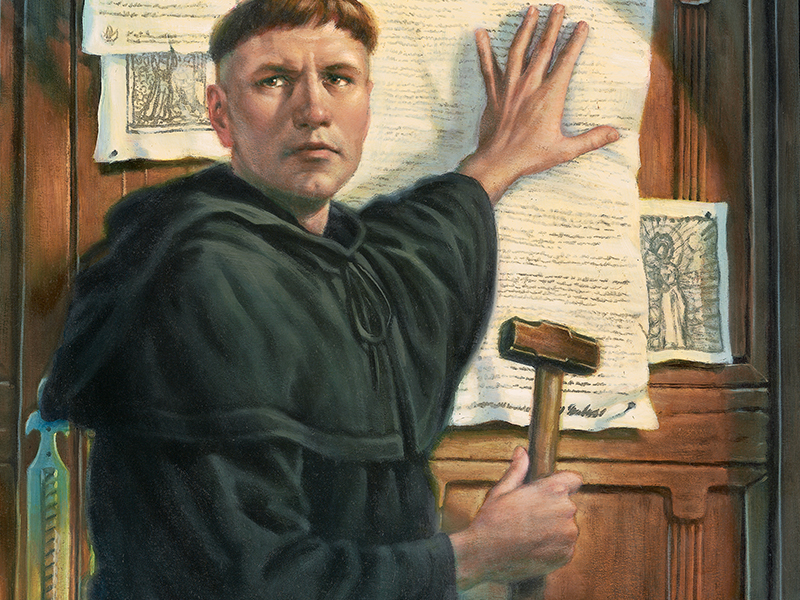
The Ninety-Five Theses body { font-family: Arial, Helvetica, sans-serif; line-height: 1.6; margin: 40px; background-colo...
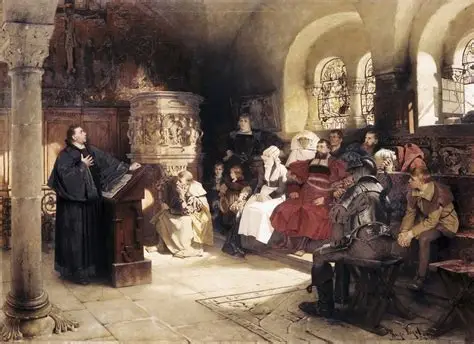
Martin Luther challenged Church practices by publishing his Ninety-Five Theses. The movement questioned papal authority and emphasized scripture and faith. This permanently altered Chri...
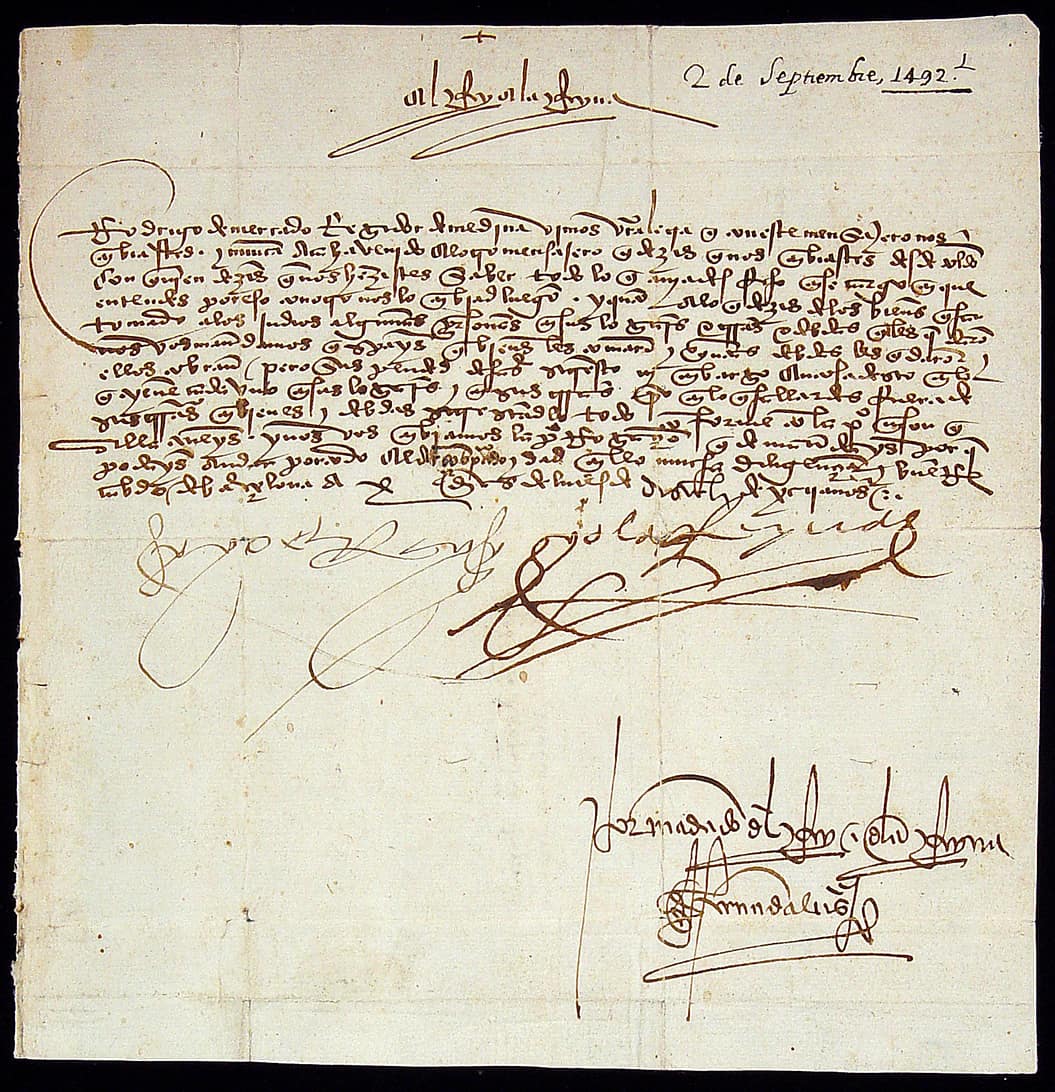
On March 31, 1492, the Catholic Monarchs of Spain, Isabella I of Castile and Ferdinand II of Aragon, issued the Alhambra Decree, ordering all Jews in Castile and Aragon to leave by July 3...
Expulsion of Jews from Speyer On October 15, 1435, the city council of Speyer, a city within the Holy Roman Empire, issued an expulsion order for all Jewish residents. The decree require...
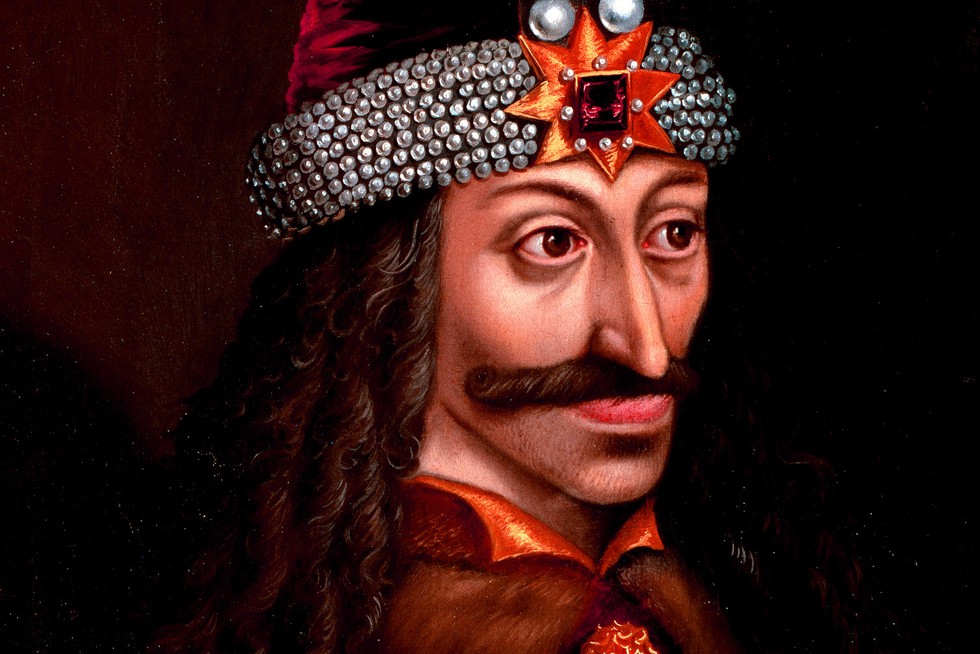
Vlad III Dracula, Prince of Wallachia Vlad III, also known as Vlad the Impaler or Dracula, was born in 1431 in Transylvania, part of the Kingdom of Hungary at the time. He beca...
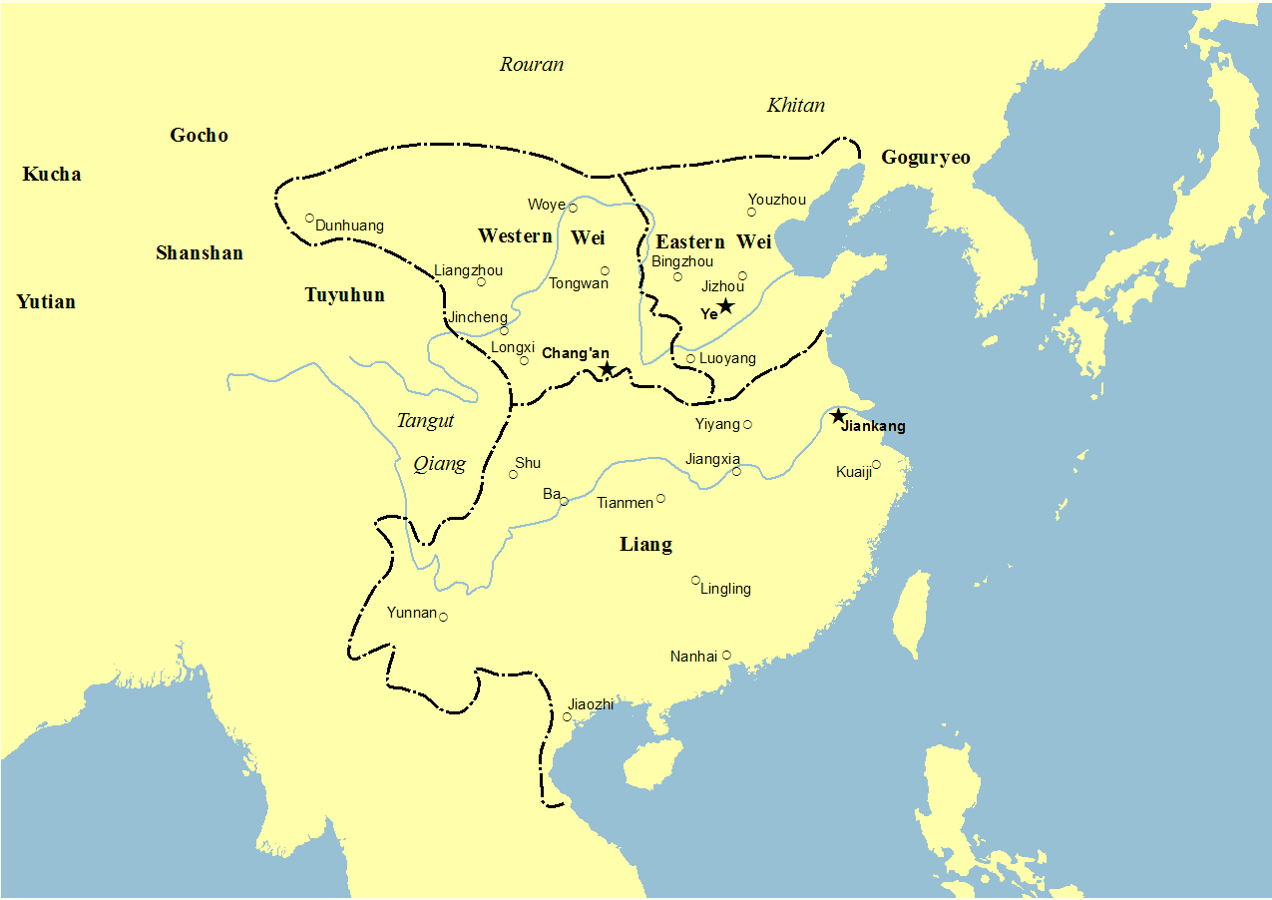
In early March 1371, Cham forces launched a significant raid on the Jiaozhi region of northern Vietnam. The attack targeted local settlements and disrupted the regional governance structu...
Expulsion of Jews from France On July 22, 1306, King Philip IV of France, also known as Philip the Fair, issued an edict expelling all Jews from the kingdom. The expulsion required Jewis...
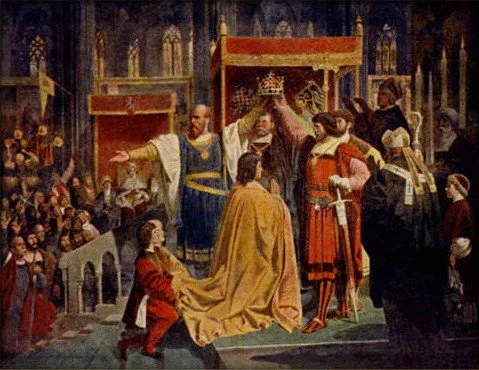
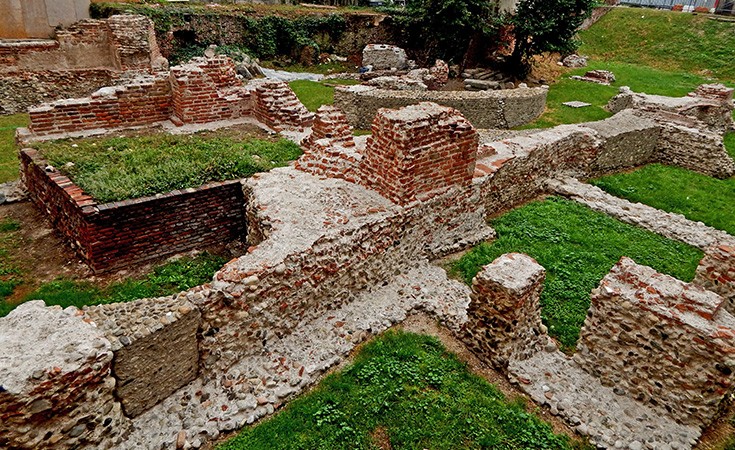
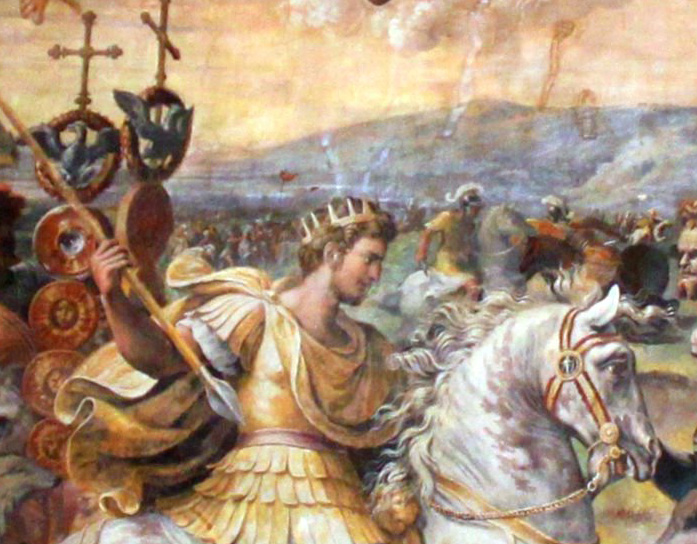
The imperial court transferred its seat to Milan, marking a significant shift in political power within the region. This relocation allowed closer control over northern Italian territorie...
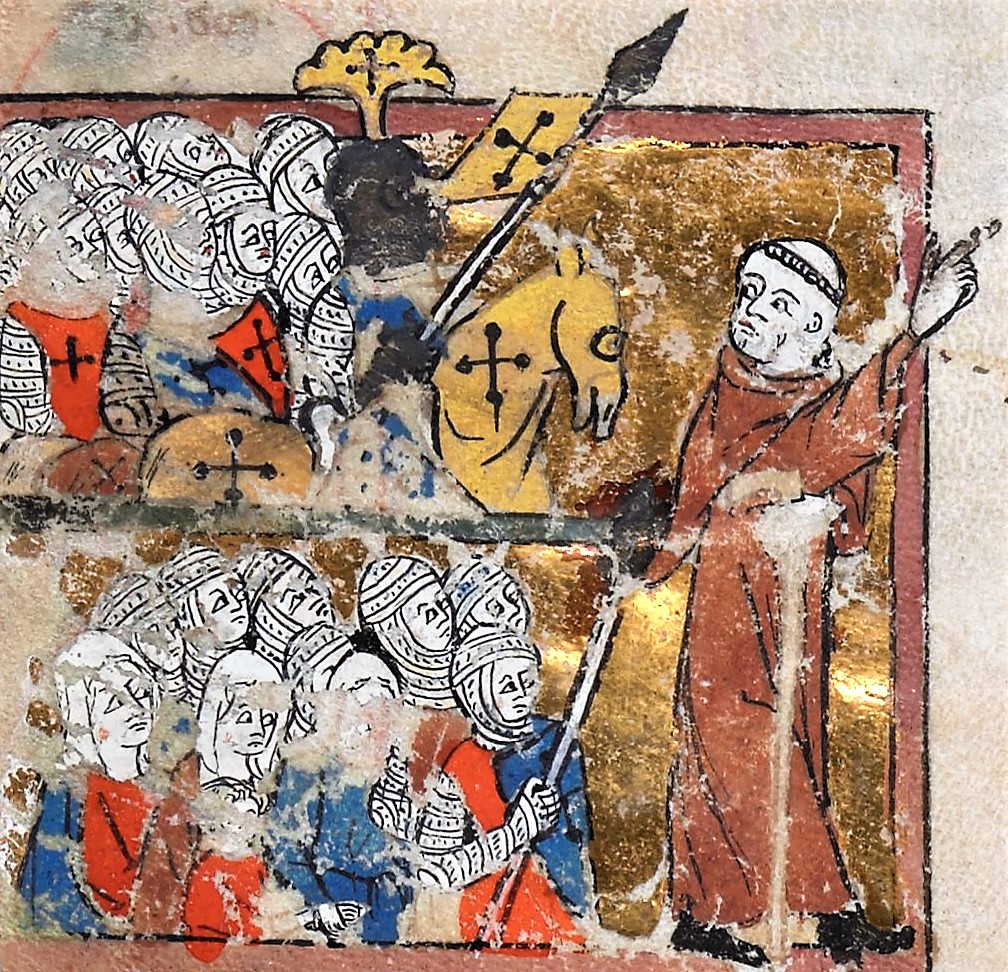
Origins And Objectives Of The Crusades The Crusades were a series of military campaigns initiated between 1095 and 1291, primarily aimed at capturing or defending territories i...
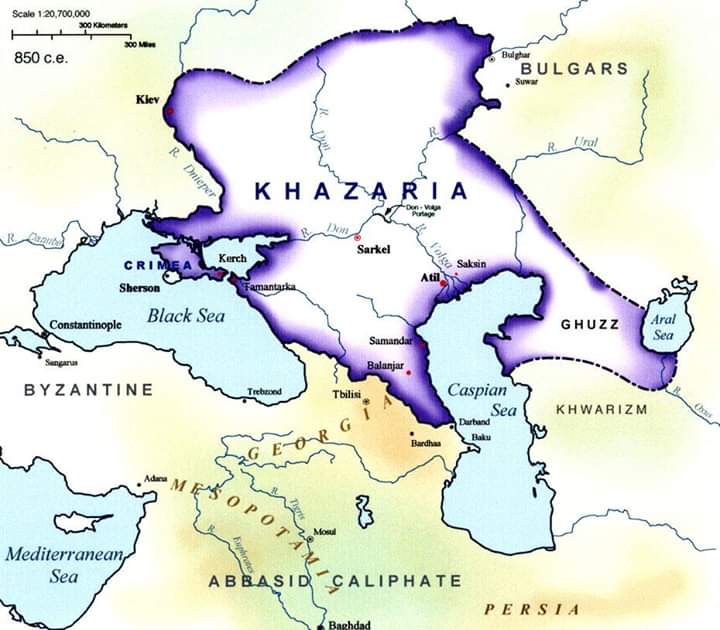
The Khazarian Empire: History, Territory, and Conversion to Judaism The Khazar Empire was a Turkic polity that emerged in the mid-seventh century and became a major regional po...
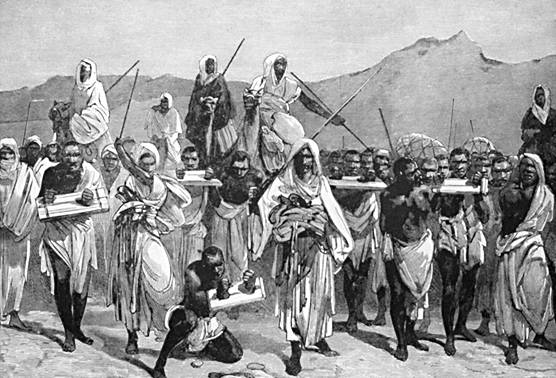
Trans‑Saharan Slave Trade The Trans‑Saharan slave trade began around the mid‑7th century following the Treaty of Baqt in 652 CE, which established formal relations between Arab r...
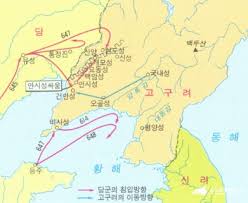
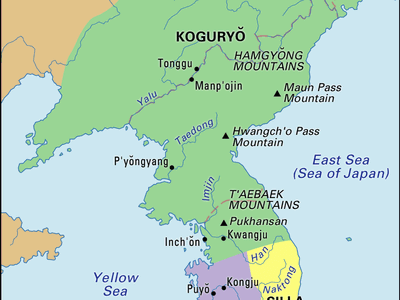
Goguryeo successfully repelled multiple invasions launched by the Tang dynasty of China during the 7th century. The capital fortress of Pyongyang became a critical defensive stronghold ag...
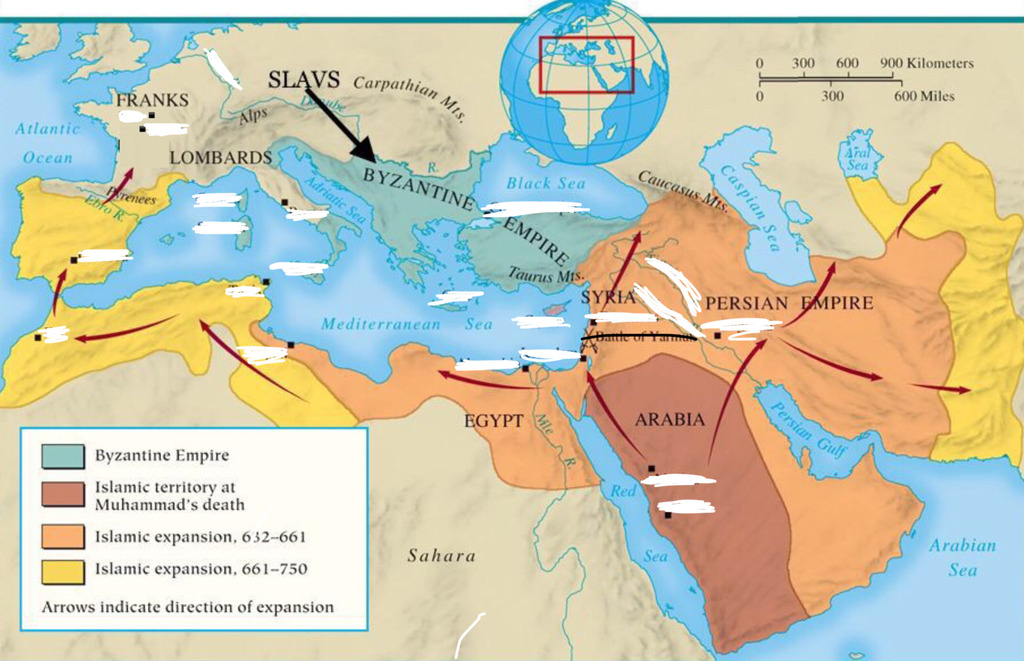
The Prophet Muhammad received the first revelation of the Quran. Islam rapidly spread across the Middle East, North Africa, and beyond. This reshaped religious, political, and cultural ...
The Chen dynasty, ruling southern China, sought to stabilize its domain amid persistent threats from northern dynasties. Efforts to fortify its borders and consolidate power marked this p...
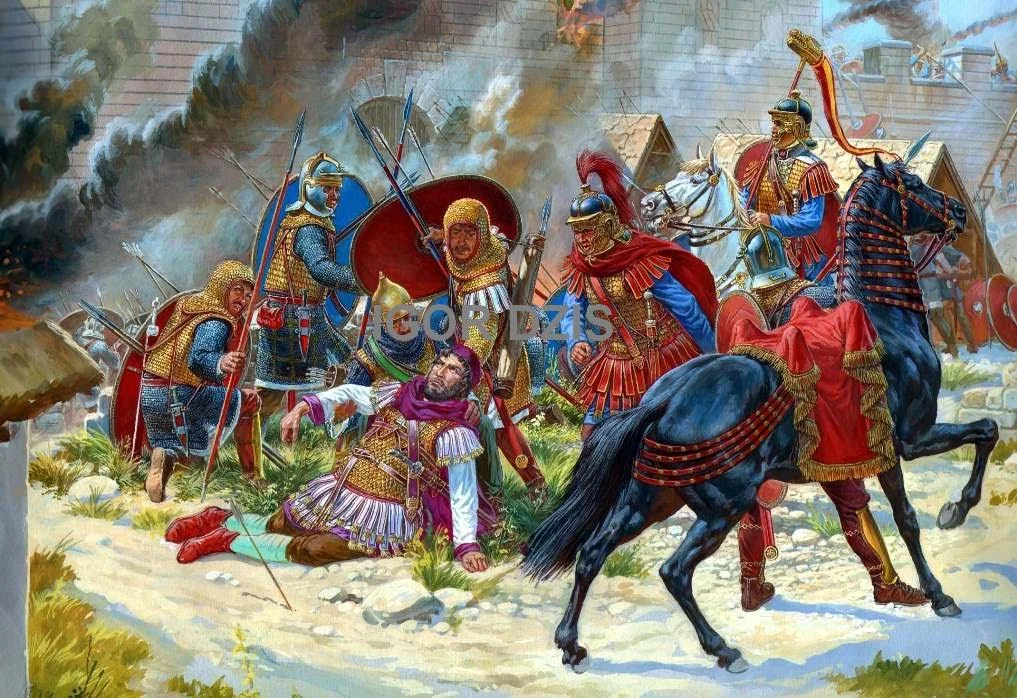
Jerome, a prominent Byzantine official during the Gothic War, was assassinated in the Imperial Palace at Ravenna. His death marked a significant turning point in the conflict between the ...
The Kingdom of Baekje experienced significant cultural and political growth during the mid-6th century. Its leadership established strong diplomatic ties with neighboring states, promotin...
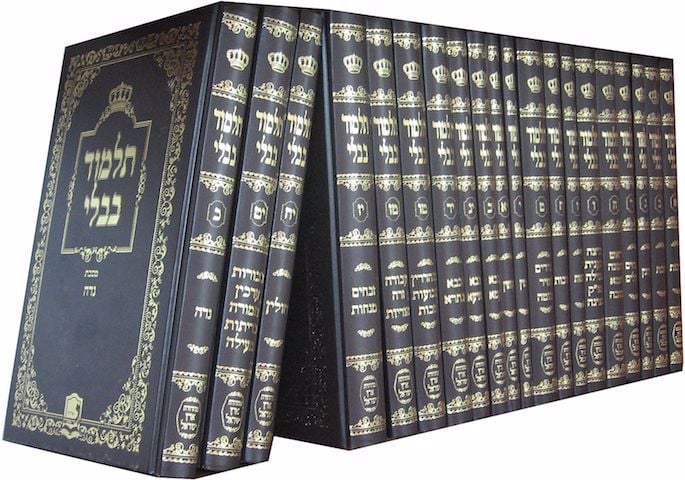
The compilation of the Babylonian Talmud marked a significant advancement in Jewish legal and theological scholarship. Completed around the 5th century CE, this work synthesized the discu...
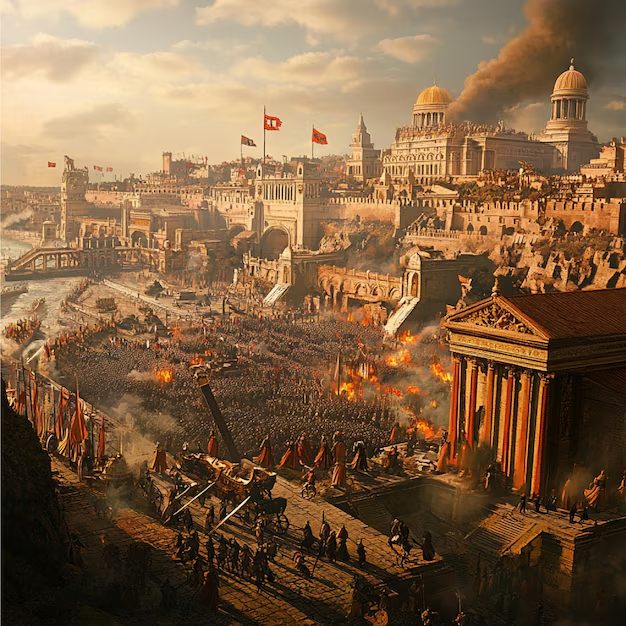
The last Western Roman emperor, Romulus Augustulus, was deposed. This event traditionally marks the end of ancient Rome and the beginning of the Middle Ages. Christian institutions beca...
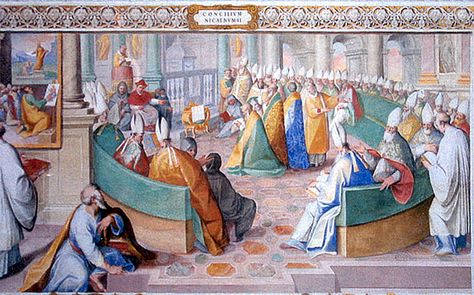
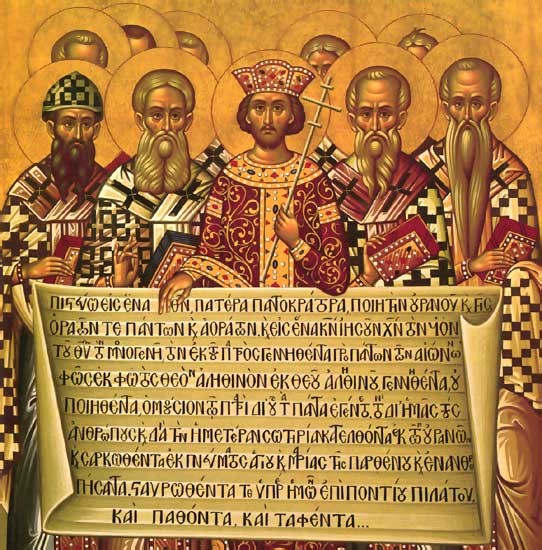
The Council of Nicaea was the first ecumenical council of the Christian Church. It established foundational doctrines, including the Nicene Creed. The council helped define orthodox Chr...
The Edict of Milan, issued in 313 CE by Roman emperors Constantine I and Licinius, granted religious tolerance throughout the Roman Empire. It ended the persecution of Christians and allo...
Emperor Constantine converted to Christianity after the Battle of the Milvian Bridge. His conversion led to the legalization of Christianity within the Roman Empire. This marked Christi...
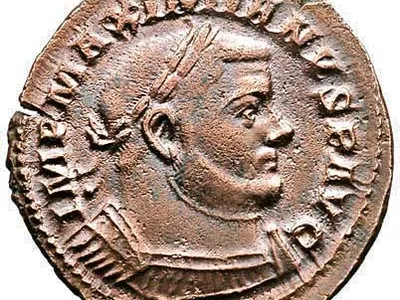
Maximian, co-emperor of the Roman Empire, formally abdicated his position alongside Diocletian. This marked a significant moment in the Tetrarchy system, a power-sharing arrangement invol...
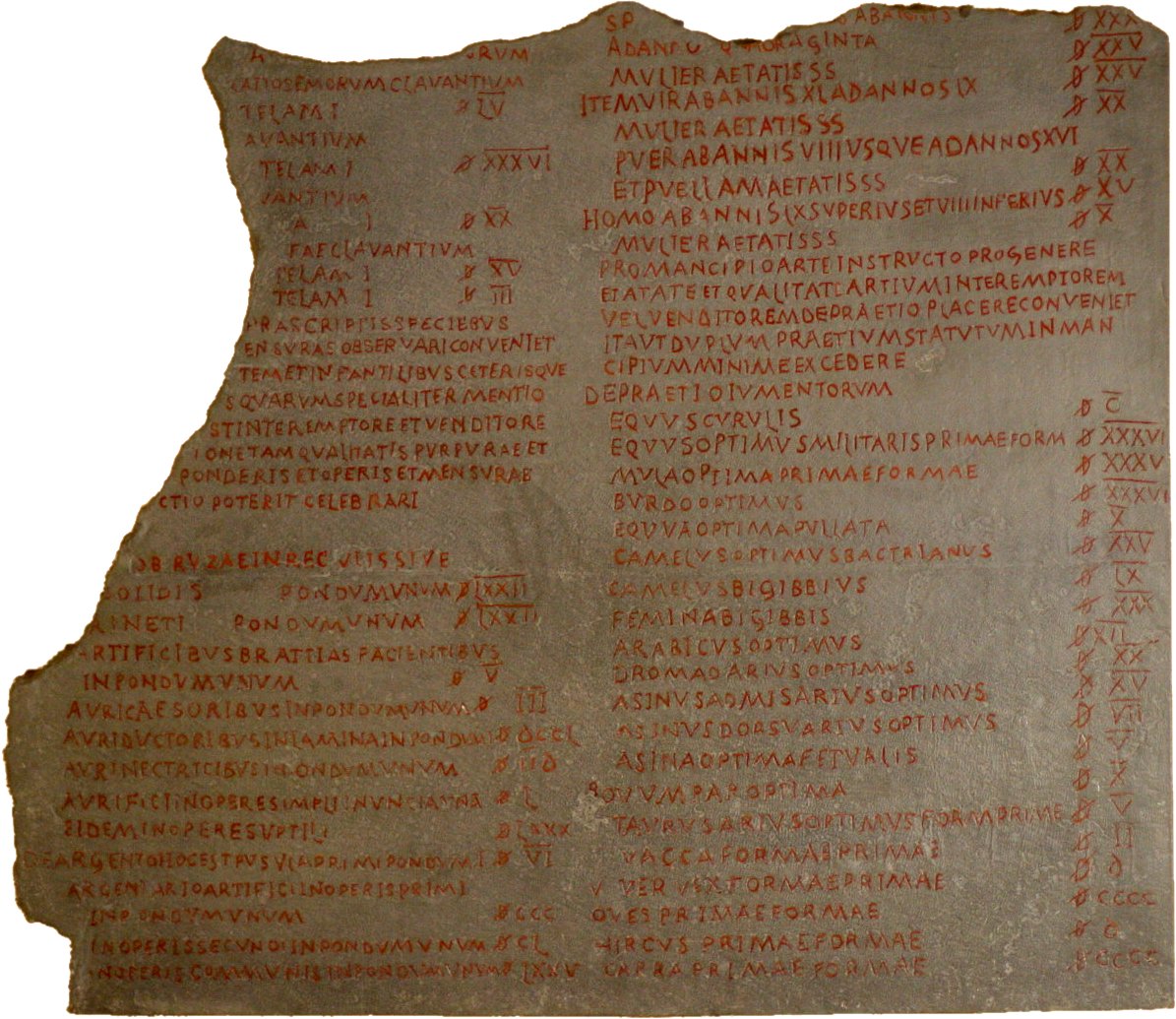
The Edict on Maximum Prices was promulgated under Emperor Diocletian in an effort to curb rampant inflation throughout the Roman Empire. The edict set maximum prices for over a thousand g...
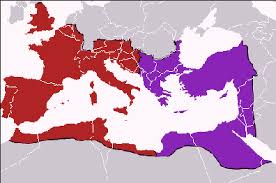
The Tetrarchy was established by Emperor Diocletian in 293 to address administrative and military challenges in the Roman Empire. This political system divided the empire into four parts,...
Carausius, a Roman naval commander, declared himself emperor in Britain and northern Gaul after seizing power around 286 CE. His revolt challenged the authority of the central Roman Empir...
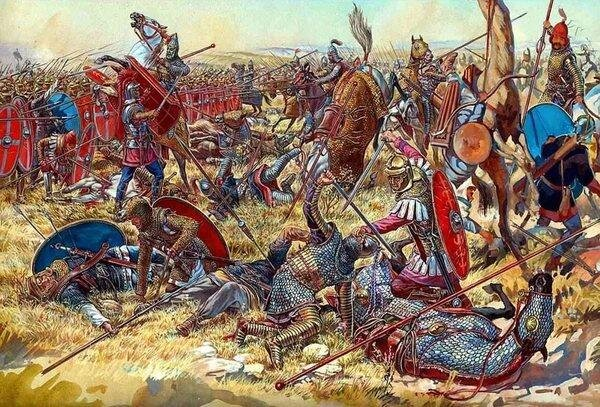
The Battle of the Margus was a significant confrontation between Emperor Carinus and his rival, Diocletian, near the Margus River in the Roman province of Moesia Superior. This battle mar...
The Battle of the Margus was a significant confrontation during the Roman civil wars, taking place near the city of Margus in the Roman province of Moesia. The conflict was fought between...
Emperor Carinus was killed in battle against the forces loyal to his rival, Diocletian, near the Margus River. The conflict marked the end of Carinus's brief reign and a turning point in ...
Roman Emperor Numerian died under suspicious circumstances while returning from a campaign in the East. His death was discovered by his troops near the region of Corduene.After his death,...
Diocletian was proclaimed emperor by his troops in Nicomedia following the death of Emperor Carus. His rise marked the end of a period of civil wars and instability in the Roman Empire.Di...
After the death of Emperor Carus during a campaign in Persia, his son Numerian became the new Roman Emperor. The accession was initially peaceful, with Numerian holding power alongside hi...
Carinus became Roman Emperor following the death of his father, Emperor Carus, in late March. His accession marked a period of internal instability as the empire faced multiple external t...
The Roman Emperor Carus launched a military campaign against the Sasanian Empire, targeting their capital, Ctesiphon. The campaign sought to counter Persian influence in the region and as...
Emperor Probus was assassinated by his own soldiers after numerous military campaigns to secure the Roman Empire's borders. His leadership was challenged internally despite his successes ...
Carus was proclaimed emperor of the Roman Empire shortly after the death of Emperor Probus. His accession marked a shift in imperial policy as he sought to stabilize the empire's borders ...
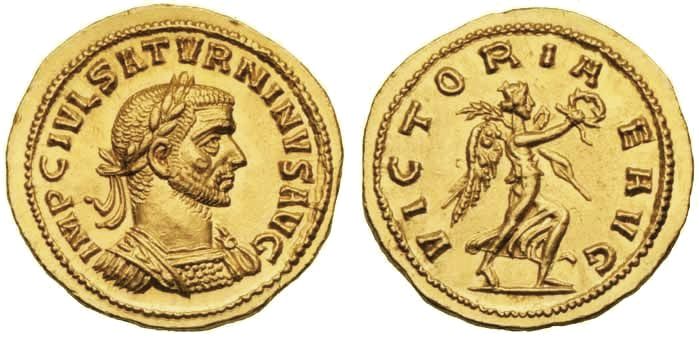
The revolt led by Lucius Antonius Saturninus was an important military uprising against Emperor Probus within the Roman Empire. It began in Moesia Superior, where Saturninus was stationed...
Emperor Probus led the Roman legions to repel multiple Germanic invasions along the Danube frontier. These incursions threatened the stability of the northern borders of the Roman Empire ...
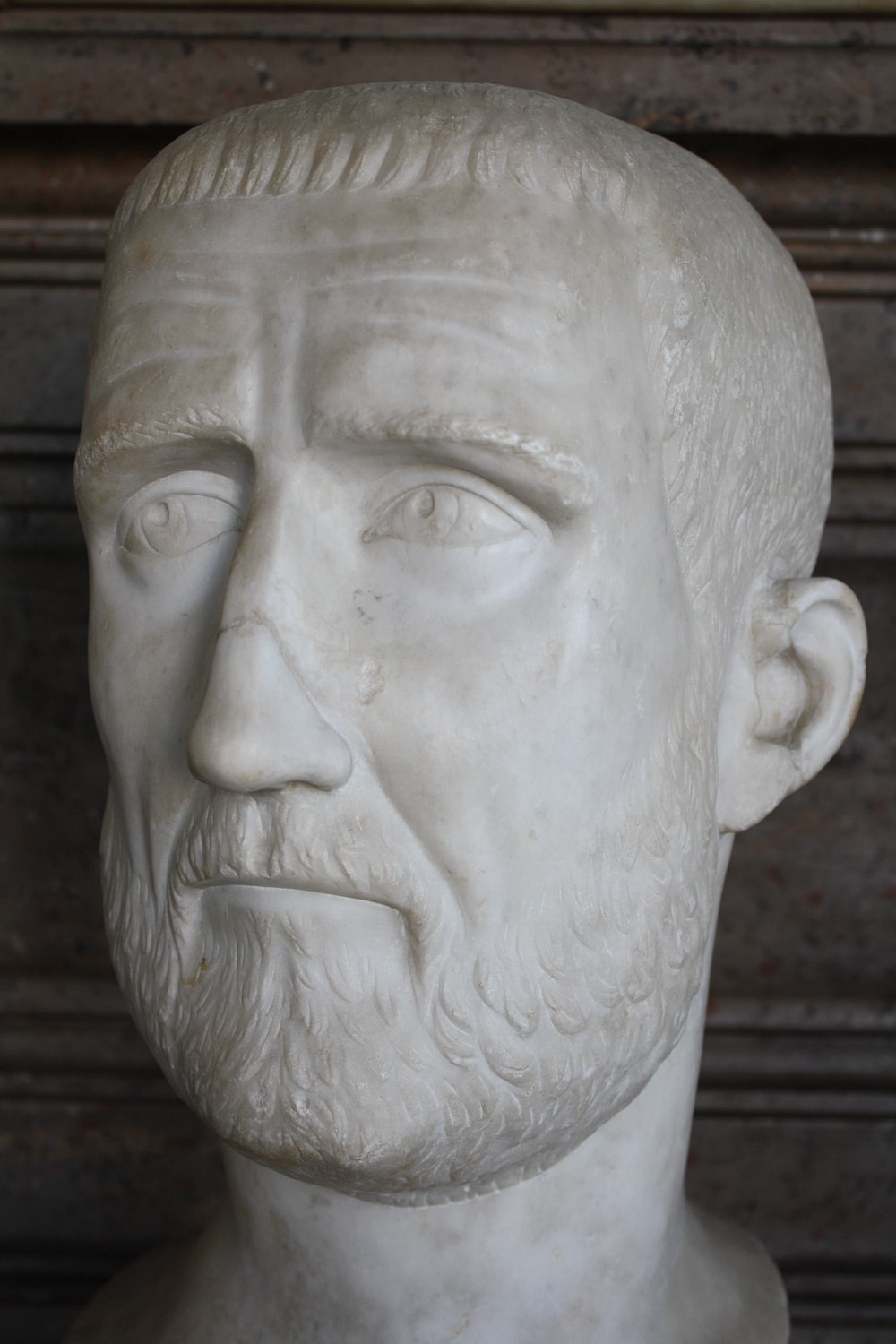
Marcus Aurelius Probus was proclaimed Roman Emperor by his troops in September 276 after the death of Emperor Florianus. His accession marked a period of efforts to restore stability with...
Emperor Aurelian, a prominent ruler of the Roman Empire known for his military prowess, was assassinated by his own soldiers in late September. The assassination occurred as the emperor p...
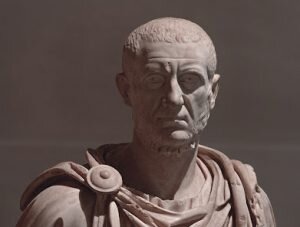
Tacitus was proclaimed Roman Emperor following the death of Emperor Aurelian. His ascension marked a brief but significant moment in the Crisis of the Third Century, reflecting ongoing in...
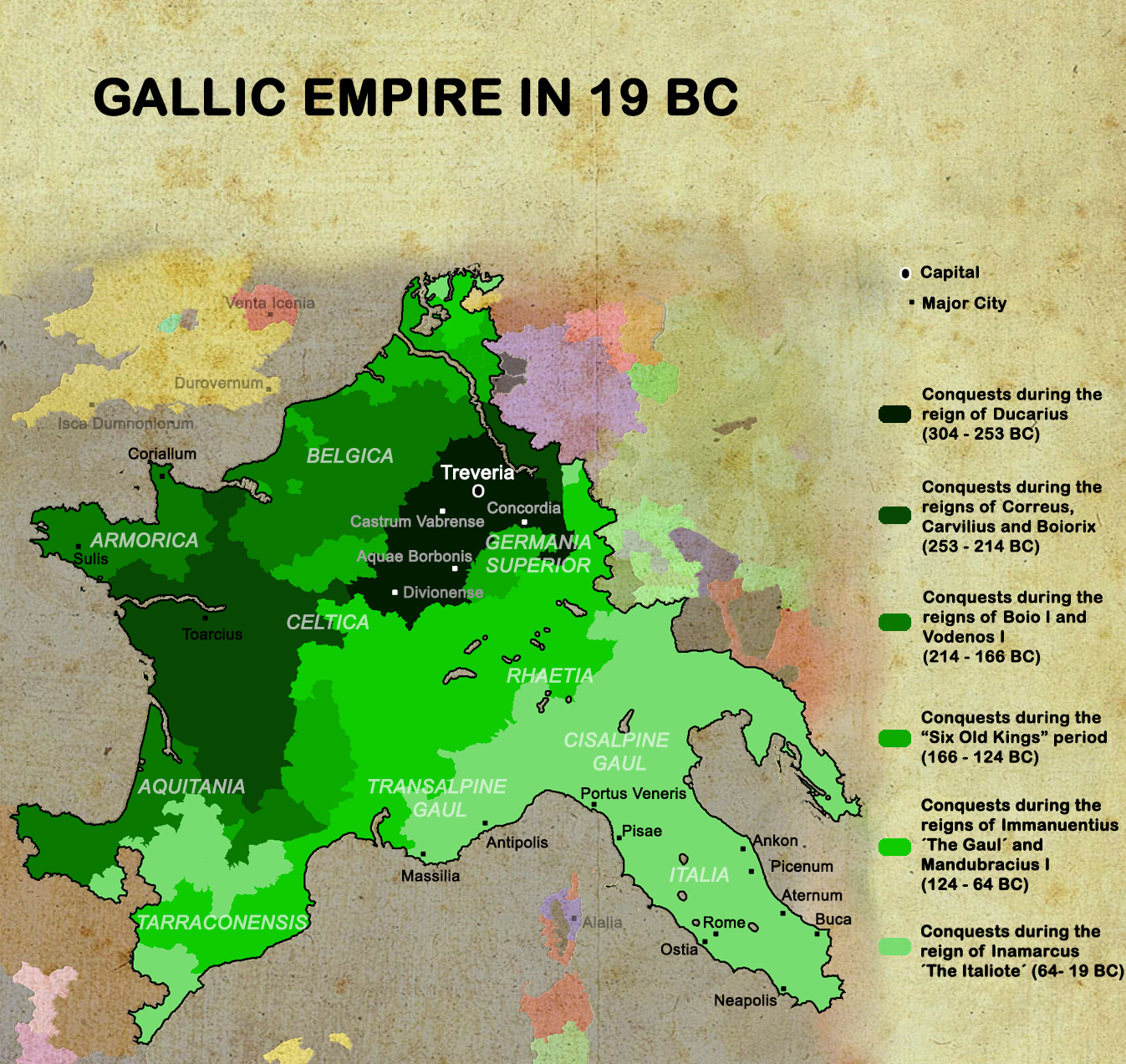
Emperor Aurelian successfully reunified the Roman Empire after a period of fragmentation and civil war. His military campaigns defeated breakaway states such as the Gallic Empire and the ...
In late September, Emperor Aurelian engaged and defeated the forces of the breakaway Gallic Empire near Châlons-en-Champagne. This victory effectively ended the secession of Gaul and rees...
The Battle of Châlons was fought between the forces of the Roman Emperor Aurelian and the Gallic usurper Tetricus. This conflict was a decisive engagement aimed at restoring Roman authori...
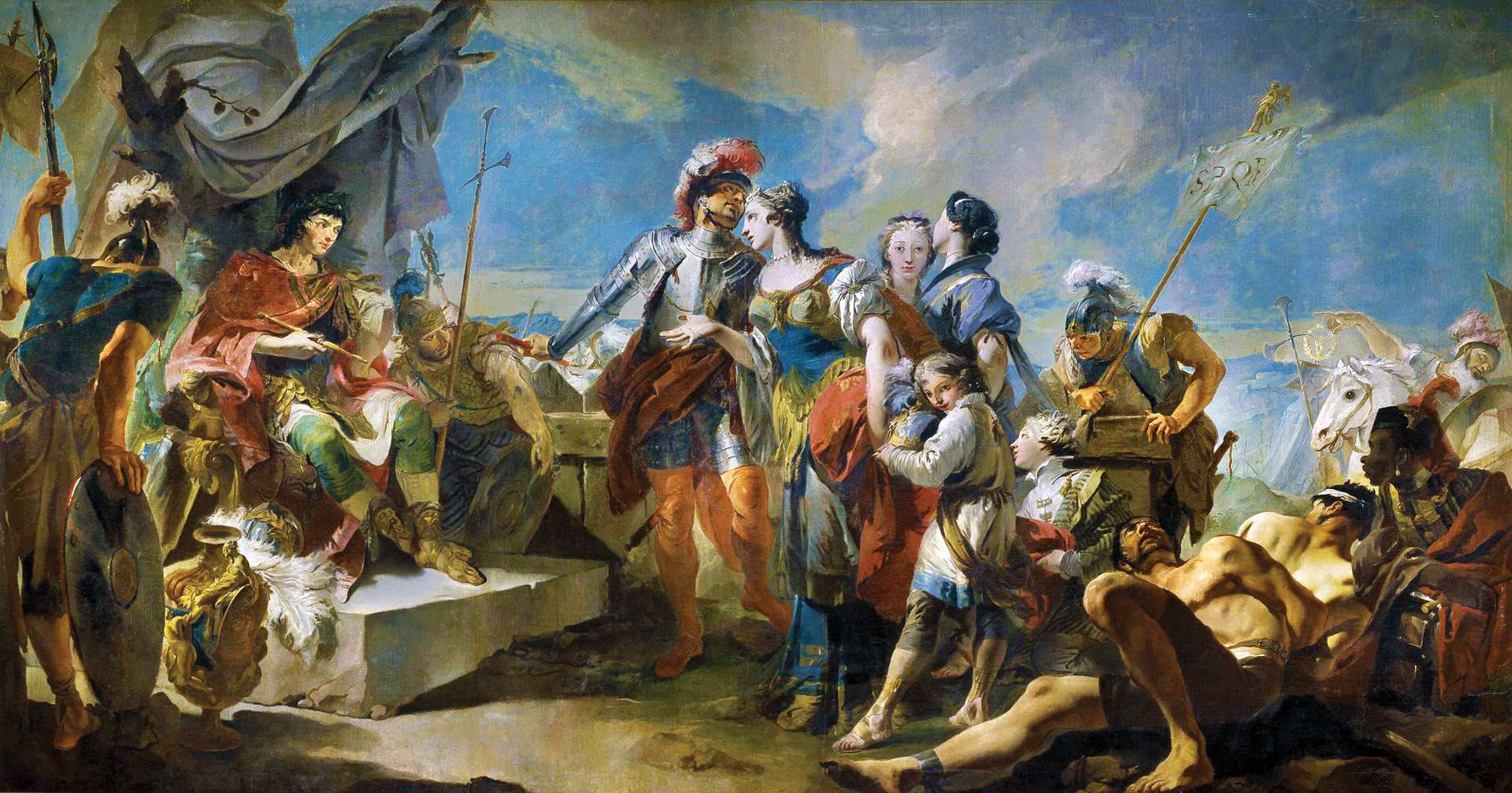
Emperor Aurelian mounted a decisive campaign against the breakaway Palmyrene Empire in 273, culminating in the defeat of Queen Zenobia's forces near Palmyra.This victory marked the reinte...
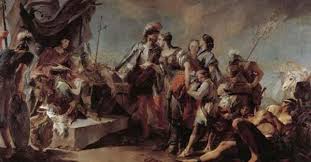
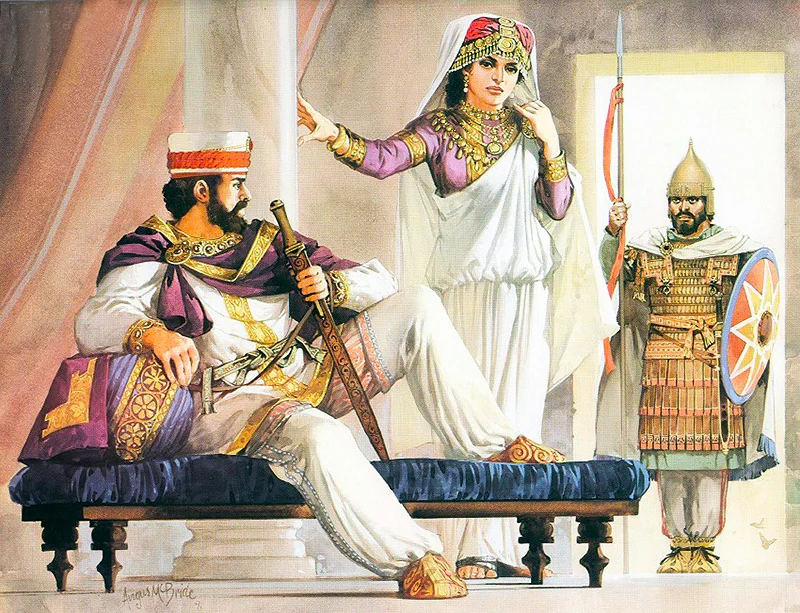
Queen Zenobia of Palmyra was captured following the Roman Emperor Aurelian's siege of her capital. Her defeat marked the end of the Palmyrene Empire's attempt to assert independence from ...
Roman Emperor Aurelian defeated the invading Juthungi tribe near the city of Placentia in northern Italy. This battle was a decisive moment in securing the Roman Empire's northern borders...
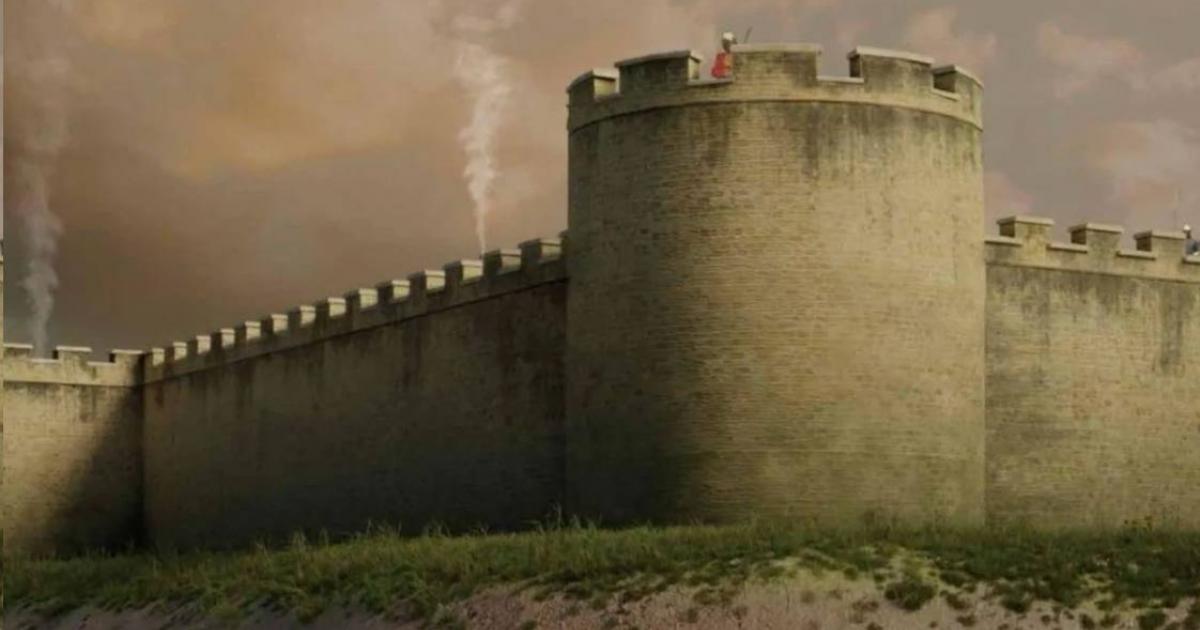
The construction of the Aurelian Walls began in response to increasing external threats faced by Rome in the third century. These defensive walls were commissioned by Emperor Aurelian to ...
Aurelian was proclaimed emperor by his troops following the death of Emperor Claudius Gothicus. His accession marked a significant turning point during the Crisis of the Third Century.He ...
Claudius II Gothicus, Roman Emperor known for military victories against Gothic tribes, died in Sirmium after a period of illness. His death marked a significant moment in the turbulent C...
The Battle of Naissus was a significant conflict fought near the ancient city of Naissus, now known as Niš, in the Nišava District. It occurred during the crisis of the Roman Empire and i...
Emperor Gallienus, ruler of the Roman Empire during a time of internal strife and external invasions, was assassinated by his own military officers during a siege. His death marked a crit...
Claudius II Gothicus became Roman Emperor following the death of his predecessor. His accession marked a shift during a turbulent period of frequent leadership changes in the empire.Known...
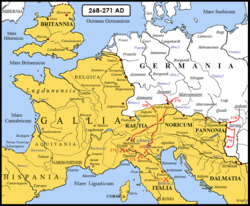
Postumus, a Roman commander, declared himself emperor of a breakaway realm in the western provinces known as the Gallic Empire. This realm comprised Gaul, Germania, Britannia, and Hispani...
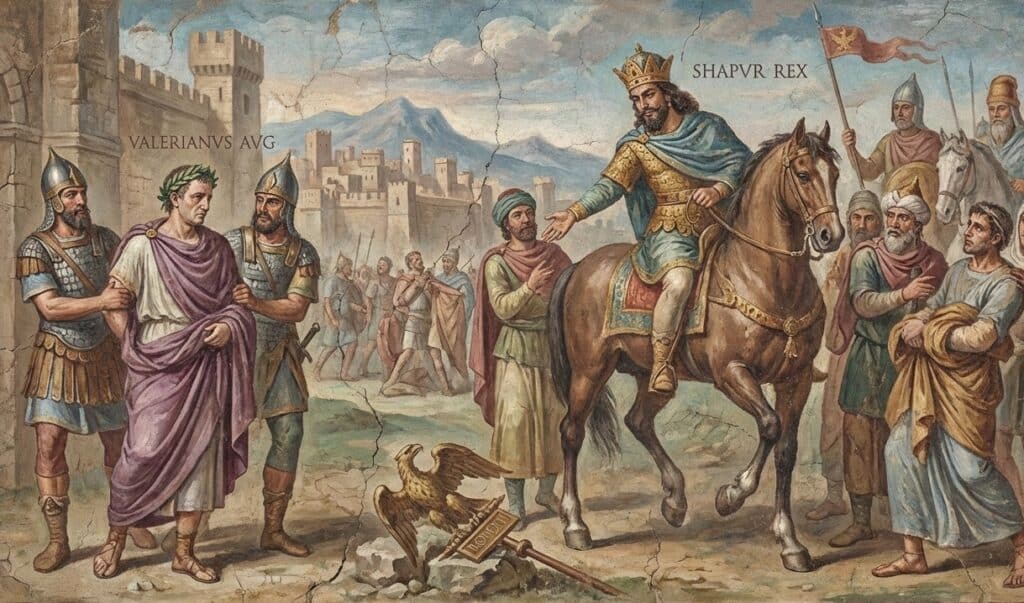
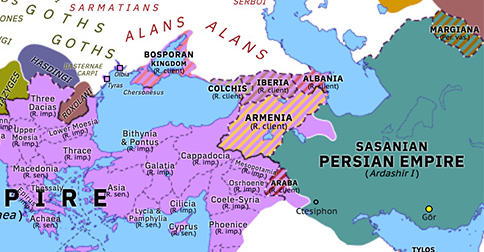
Roman Emperor Valerian was captured by the Sasanian Persian ruler Shapur I during the Battle of Edessa, a significant conflict between the Roman and Sasanian empires. This event marked th...
Roman Emperor Valerian launched a military campaign against the Sasanian Empire, aiming to assert Roman dominance over Persian territories. This campaign marks a significant conflict betw...
Odaenathus rose to power in Palmyra amid the crisis of the Roman Empire in the mid-3rd century. Following the capture of the Roman Emperor Valerian by the Persians, Palmyra emerged as a r...
Emperor Gallienus initiated a series of military reforms to address ongoing threats to the Roman Empire. These reforms aimed to improve the mobility and responsiveness of the Roman legion...
Valerian was proclaimed Roman Emperor following the death of his predecessor Aemilianus. His accession marked a significant change in leadership during a period fraught with external thre...
Aemilian, a Roman soldier and governor, seized power through a swift military revolt against Emperor Trebonianus Gallus. His accession marked a brief interruption in the Crisis of the Thi...
Gallienus became Roman Emperor following the assassination of his father, Valerian. His accession marked the beginning of a co-rule, where he shared power with his father before Valerian ...
The Sasanian king Shapur I captured Antioch following his victorious campaigns against the Roman Empire. The fall of this major city marked a significant moment in Roman-Persian conflicts...
The Battle of Resaena was fought between Roman forces under Emperor Gordian III and the Sasanian Empire. This conflict marked a significant Roman attempt to regain lost territories in Mes...
The revolt led by Gordian II was part of a larger uprising against the reigning emperor Maximinus Thrax. Gordian II, alongside his father Gordian I, was proclaimed emperor by the Roman Se...
Following the death of Emperor Maximinus Thrax, the Roman Senate appointed Pupienus and Balbinus as co-emperors to restore order within the Roman Empire. Their joint accession marked a ra...
The revolt of Gordian I was a significant uprising against the Roman Emperor Maximinus Thrax in 238, known as the Year of the Six Emperors. Senatorial opposition to Maximinus' harsh rule ...
Gordian III ascended to the Roman imperial throne following a period of political instability known as the Year of the Six Emperors. At the age of thirteen, he was declared emperor by the...
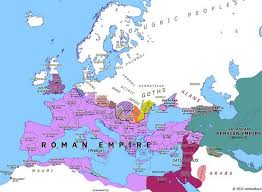
The Crisis of the Third Century marked a period of severe instability within the Roman Empire beginning in 235 AD. This era saw widespread political chaos, military defeats, and economic ...
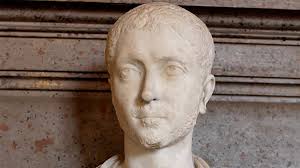
Severus Alexander, the last emperor of the Severan dynasty, was assassinated by his own soldiers in March of 235 CE near the city of Mutina along the Danube frontier. His death marked the...
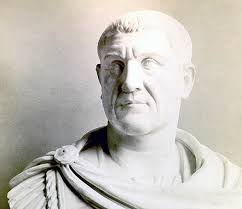
Maximinus Thrax, a Roman soldier of humble origins, was proclaimed emperor by his troops following the assassination of Severus Alexander. His accession marked the beginning of the Crisis...
Severus Alexander was proclaimed Roman Emperor following the assassination of Elagabalus. The Roman Senate officially endorsed his accession, marking a return to more traditional imperial...
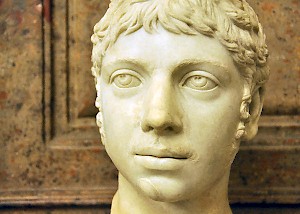
Emperor Elagabalus began implementing religious reforms centered on the worship of the Syrian sun god Elagabal. He elevated this deity above the traditional Roman gods, disrupting long-es...
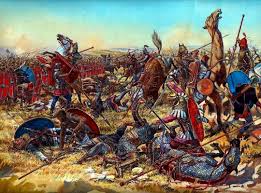
The Battle of Nisibis took place between the Roman forces led by Emperor Macrinus and the Parthian army. It was fought near the strategic city of Nisibis, a key stronghold controlling acc...
1920–present — Tirana is selected as the seat of government following the Congress of Lushnjë. Over the twentieth century it grows from a relatively small town into Albania's dominant pol...
1517–1798 CE — Egypt remains formally part of the Ottoman Empire for centuries while powerful local military households gain substantial autonomy. Agricultural taxes and Red Sea trade rem...
Powerful Illyrian ruler of the 4th century BCE who built a kingdom capable of challenging Macedonia.
5th century BCE — Athens becomes a major center of architecture, philosophy, drama and imperial power.
8th century BCE — Greeks adapt the Phoenician alphabet, adding letters for vowels.
18th century — Scholars spread new political, scientific and nationalist ideas through Greek-speaking communities.
By the 15th century, most of mainland Greece comes under Ottoman control, though some Venetian territories remain.
23 August 1939 — The German-Soviet pact is one of the most shocking diplomatic reversals of the twentieth century. Investigate failed Soviet-Western negotiations, Stalin's security calcul...