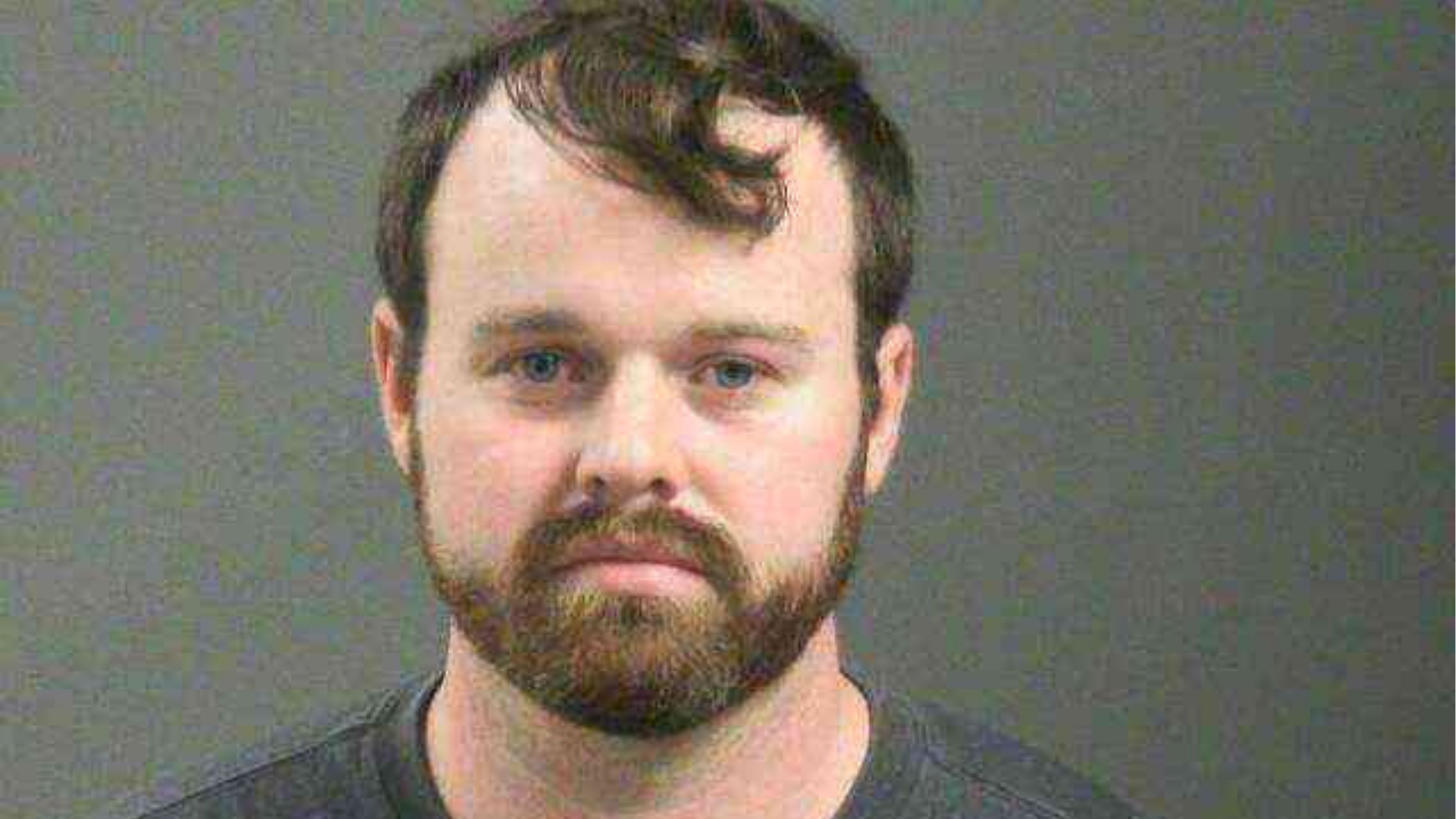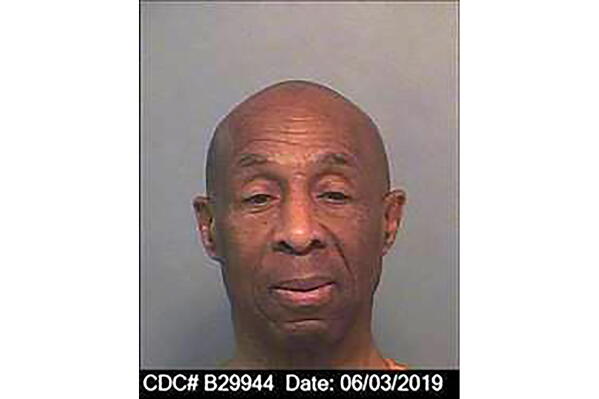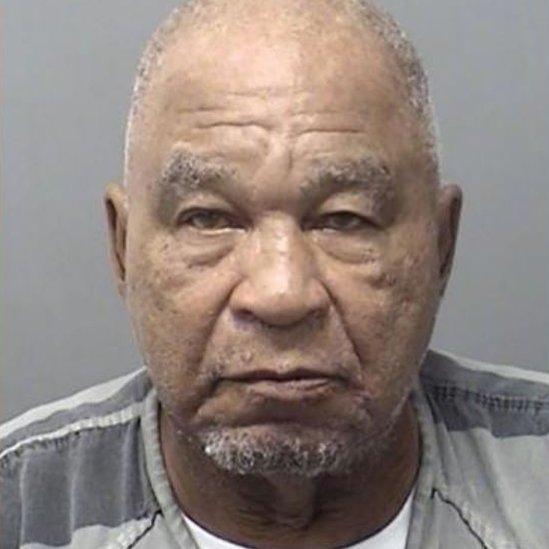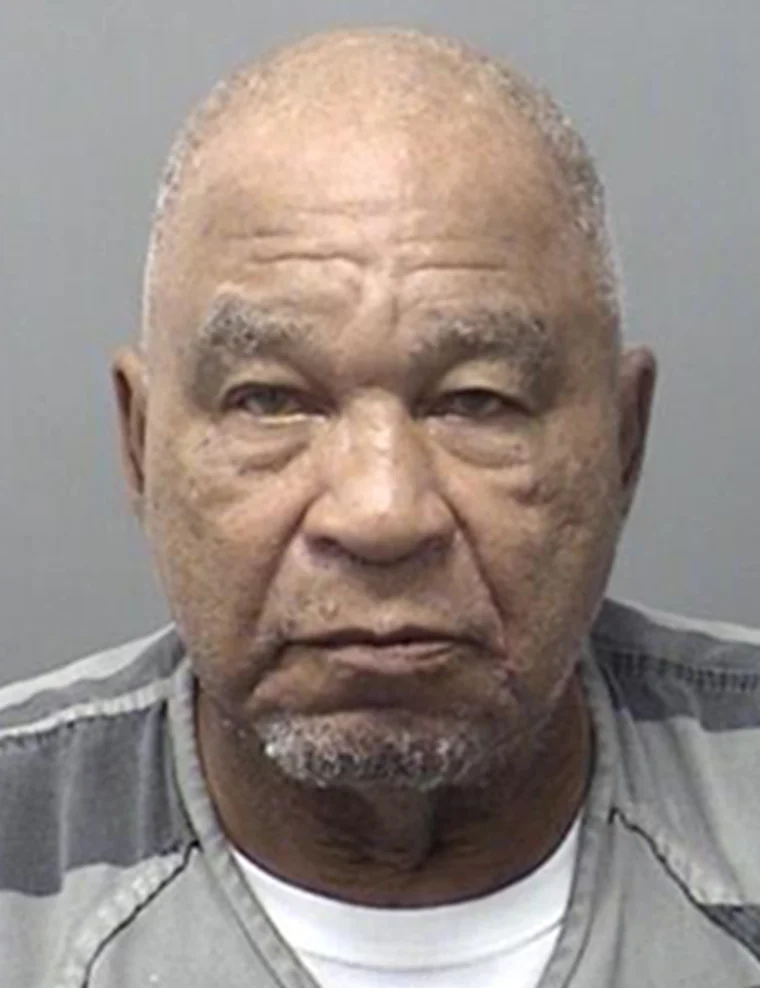
Samuel Little, born Samuel McDowell on June 7, 1940, in Reynolds, Georgia, was an American serial killer who was convicted of multiple murders and later confessed to dozens of additional killings. The Federal Bureau of Investigation identified him in 2019 as the most prolific serial killer in United States history based on the number of confirmed victims.
Little's criminal activity extended across several decades and numerous states. According to the FBI, he confessed to 93 murders that he said occurred between 1970 and 2005. FBI analysts reported that they considered his confessions credible and had confirmed 50 of them by October 2019, with additional cases still being investigated at that time.
Little's first known criminal convictions involved offenses including theft, fraud, assault, and other crimes. He spent periods in custody in different states but continued to move throughout the United States. His movements later became significant to investigators attempting to compare his confessions with unsolved homicide cases.
In September 2012, Little was arrested at a homeless shelter in Louisville, Kentucky. He was extradited to California, where authorities wanted him in connection with a narcotics offense. Investigators subsequently obtained DNA evidence connecting him to three unsolved murders in Los Angeles.
The three Los Angeles victims were Carol Alford, Audrey Nelson, and Guadalupe Apodaca. The killings occurred in 1987 and 1989. Little was prosecuted for the murders and convicted in 2014. He received three consecutive life sentences without the possibility of parole.
After his conviction, investigators continued examining Little's history. The FBI's Violent Criminal Apprehension Program, known as ViCAP, reviewed his background and identified similarities between his statements and unsolved homicide cases across the country.
Beginning in 2018, Texas Ranger James Holland and other investigators conducted extensive interviews with Little while he was incarcerated in Texas. During those interviews, Little provided accounts of killings in numerous states. He described locations, vehicles, circumstances surrounding encounters with victims, and physical characteristics of some victims. He also produced drawings of several women he said he had killed.
Little told investigators that he generally killed his victims by strangulation. The FBI reported that many of the women had died in circumstances that had originally been classified as drug overdoses, accidents, or deaths of undetermined cause. Some victims had not been identified, and some bodies had never been recovered.
Investigators faced difficulties in verifying the confessions because Little was frequently unable to provide precise dates. His accounts could nevertheless contain specific information about locations, vehicles, victims, and circumstances that investigators could compare with existing homicide records.
The FBI reported in October 2019 that Little had confessed to 93 murders and that 50 confessions had been confirmed. Subsequent investigations continued to examine additional cases associated with his statements. The FBI and Texas Rangers released information about unidentified victims and unsolved deaths in an effort to establish the identities of victims and corroborate additional confessions.
Little's known or alleged victims were located in numerous states, including California, Texas, Florida, Georgia, Mississippi, Louisiana, Ohio, Kentucky, Arkansas, Nevada, and others. His confirmed and suspected cases therefore involved a broad geographic area of the United States.
Little primarily targeted women who were frequently living in circumstances that made their disappearances or deaths more difficult to investigate. Some victims were involved in prostitution or struggled with drug addiction. Investigators later concluded that these circumstances contributed to difficulties in connecting individual deaths to a single offender.
In addition to the three California murders for which he received life sentences, Little was convicted in Texas of the 1994 murder of Denise Brothers and pleaded guilty to two murders in Ohio. These cases formed part of the broader effort to establish criminal responsibility for killings described in his confessions.
Little remained incarcerated in Texas during the final years of his life. He died on December 30, 2020, at the age of 80. At the time of his death, investigators were still working to identify victims and resolve additional cases associated with his confessions.
The FBI and Texas Rangers continued publishing information concerning unidentified victims connected to Little's statements after his death. In 2021, investigators released additional case profiles and requested public assistance concerning unsolved deaths and unidentified remains. More than 60 of Little's confessions had been definitively matched to victims through DNA evidence or extensive corroboration by that period.
Little's case remains significant to the investigation of historical unsolved homicides in the United States because his confessions provided investigators with information about killings spanning multiple decades and jurisdictions. The continuing review of those cases has involved federal, state, and local law enforcement agencies.