
Rennet: History, Production, and Use in Cheesemaking
Rennet is an enzyme used in cheesemaking to curdle milk and separate it into curds and whey. Traditionally, rennet was extracted from the stomachs of young calves, but...
Explore event →History does not happen in isolation. Explore world events across time, follow the connections between them, and investigate the threads that reveal how one event can lead to another.
TheTimeMap currently follows events across 95 countries and 268 years of history — building a connected archive designed for people who want to look beyond the headline.
We oppose antisemitism, racism, and dehumanization — everywhere.
When people stop feeling, injustice becomes easy.
Rennet is an enzyme used in cheesemaking to curdle milk and separate it into curds and whey. Traditionally, rennet was extracted from the stomachs of young calves, but...
Explore event →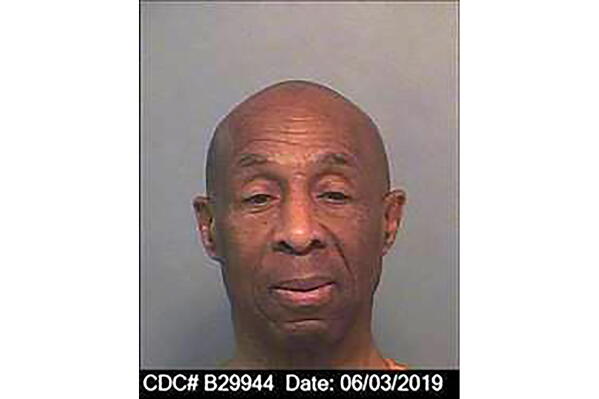
The Zebra murders were a series of killings and shootings committed in San Francisco between October 1973 and April 1974. The attacks resulted in 14 deaths and seven o...
Explore event →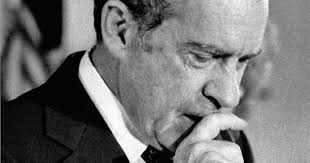
The Watergate Affair: Timeline, Operatives, And Unresolved Questions On June 17, 1972, five men were arrested inside the Democratic National Committee headquarters at...
Explore event →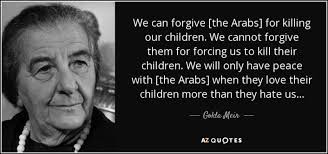
Attribution History of Golda Meir Quote on Children and Conflict Golda Meir served as Prime Minister of Israel from 1969 to 1974. A statement widely attribu...
Explore event →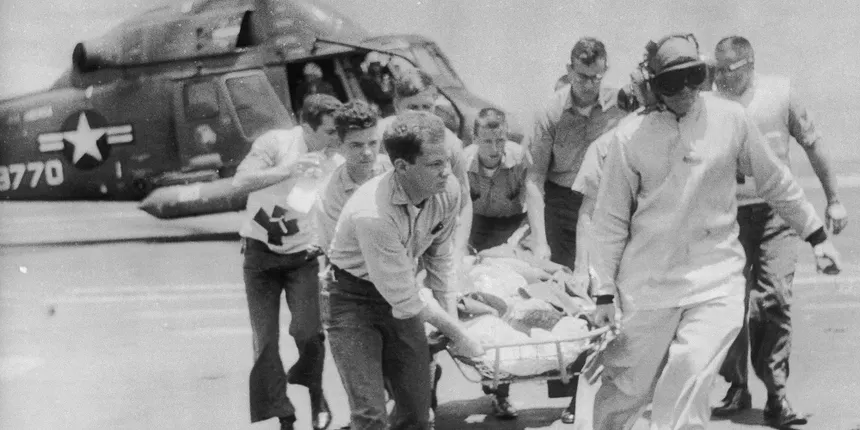
On June 8, 1967, during the Six-Day War, the United States Navy technical research ship USS Liberty (AGTR-5) was attacked in international waters of the eastern Medite...
Explore event →
Journalist Dorothy Kilgallen became one of the few reporters to directly question Jack Ruby during his 1964 trial for the killing of Lee Harvey Oswald. Kilgallen, a we...
Explore event →
The birth control pill was developed in the mid-20th century as a result of combined efforts by scientists, doctors, activists, and funders. The idea of an oral contra...
Explore event →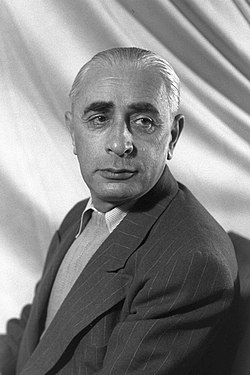
What it was The Lavon Affair, also known as Operation Susannah, was a failed Israeli covert operation in Egypt in 1954, carried out by Israeli military i...
Explore event →
Anton Szandor LaVey was born Howard Stanton Levey on April 11, 1930, in Chicago, Illinois, to Jewish parents. His father, Michael Joseph Levey, was of French-American...
Explore event →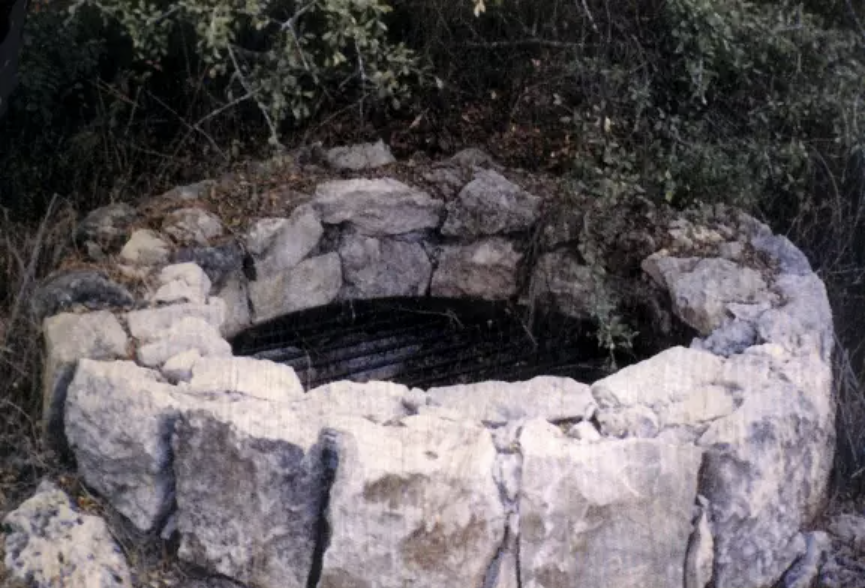
Operation Cast Thy Bread: Poisoning of Palestinian Wells In April 1948, during the Arab–Israeli War following the end of the British Mandate for Palestine, personnel ...
Explore event →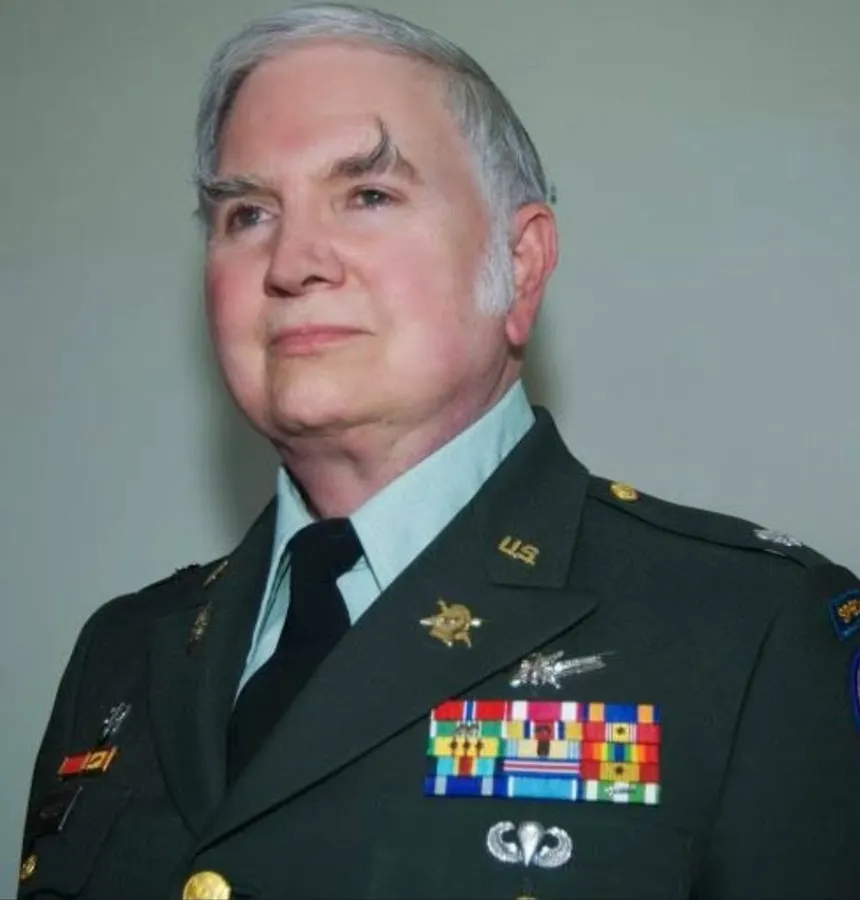
Michael A. Aquino Jr. (October 16, 1946 – September 1, 2019) was an American political scientist, military officer, and religious founder. He served as a specialist in...
Explore event →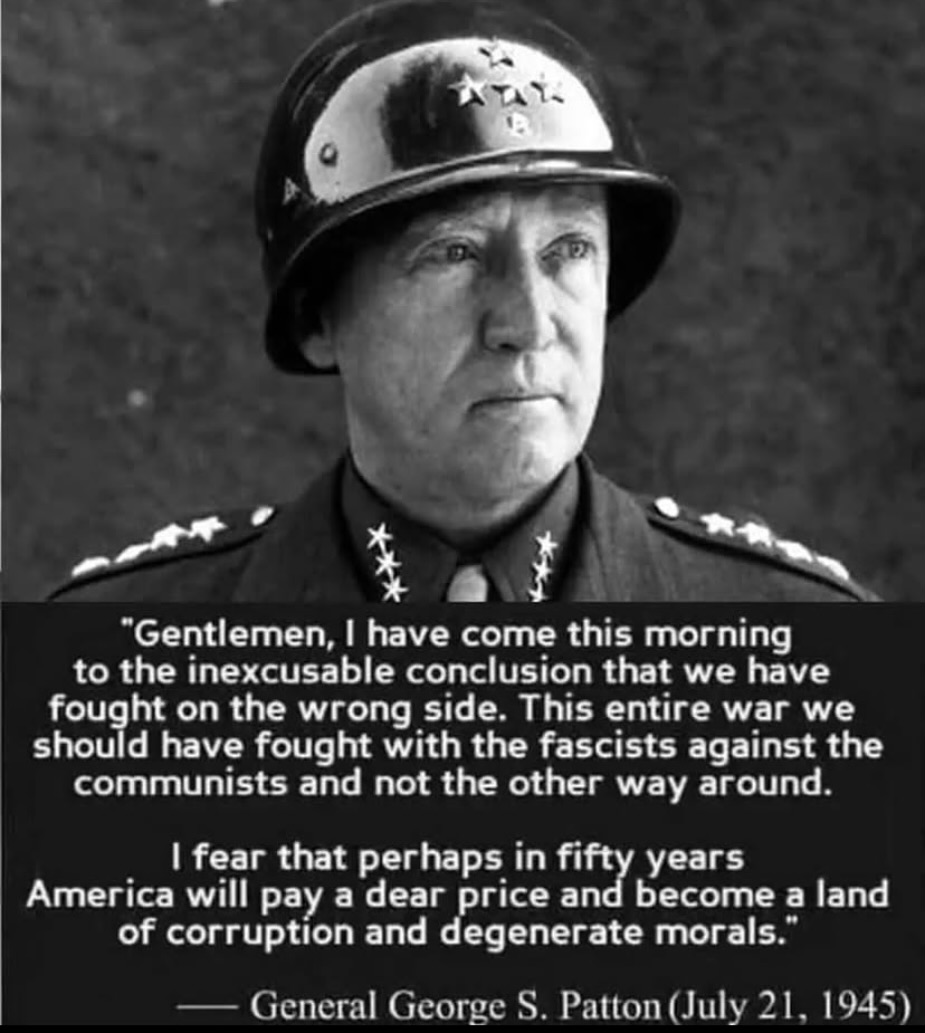
General George S. Patton, a senior U.S. Army officer in World War II, died on December 21, 1945, in Heidelberg, Germany, following injuries sustained in a car accident...
Explore event →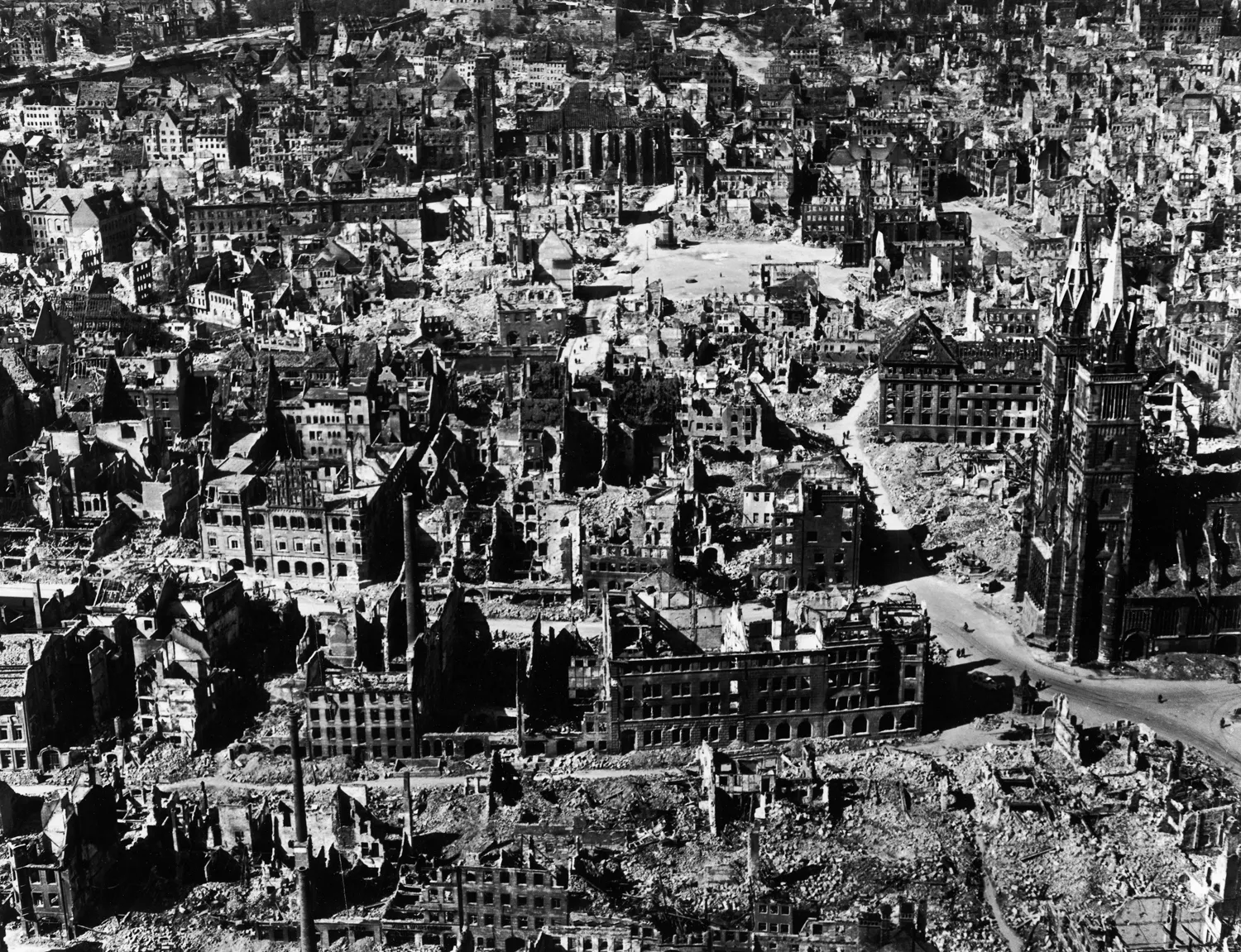
During World War II (1939–1945), the Allied forces of the United States and the United Kingdom carried out a widespread strategic bombing campaign against German citie...
Explore event →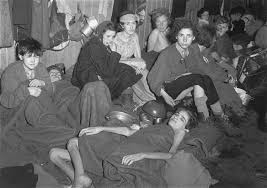
Typhus and Mortality in Nazi Concentration Camps Historical records from the International Committee of the Red Cross (ICRC), Nazi documentation, and post-w...
Explore event →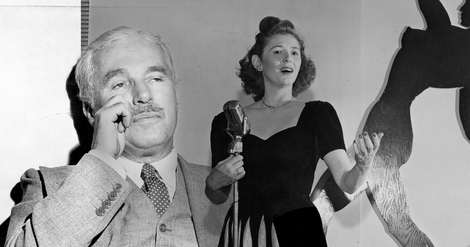
Joan Barry was an American actress who became involved with Charlie Chaplin during the early 1940s. Their relationship later resulted in a highly publicized paternity ...
Explore event →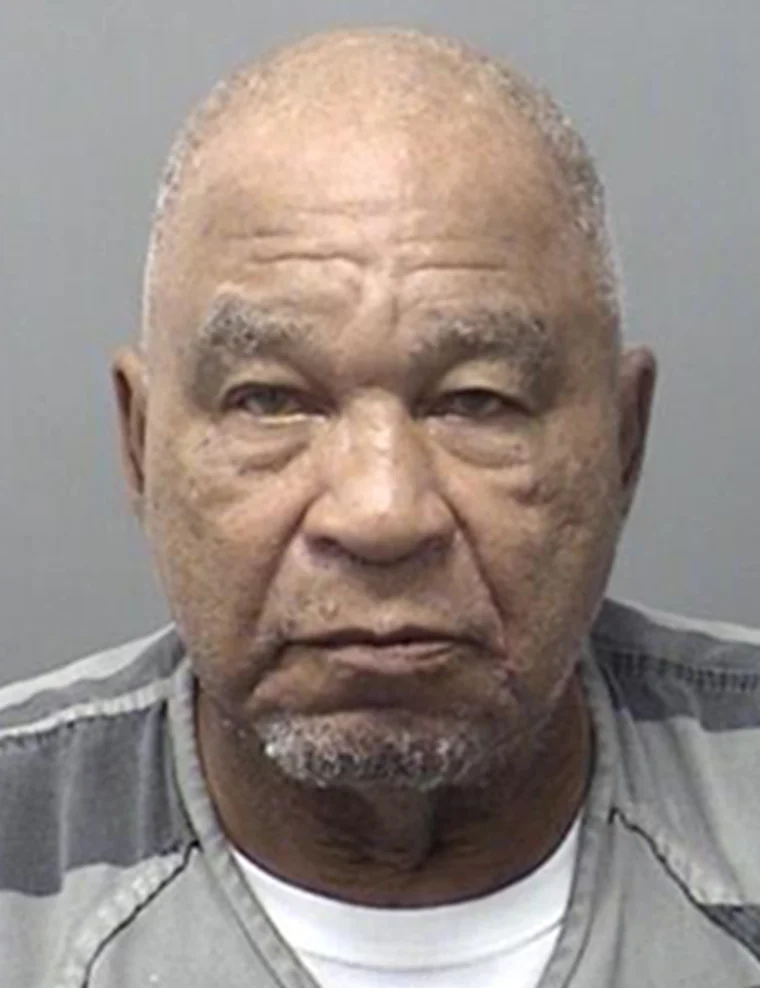
Samuel Little, born Samuel McDowell on June 7, 1940, in Reynolds, Georgia, was an American serial killer who was convicted of multiple murders and later confessed to d...
Explore event →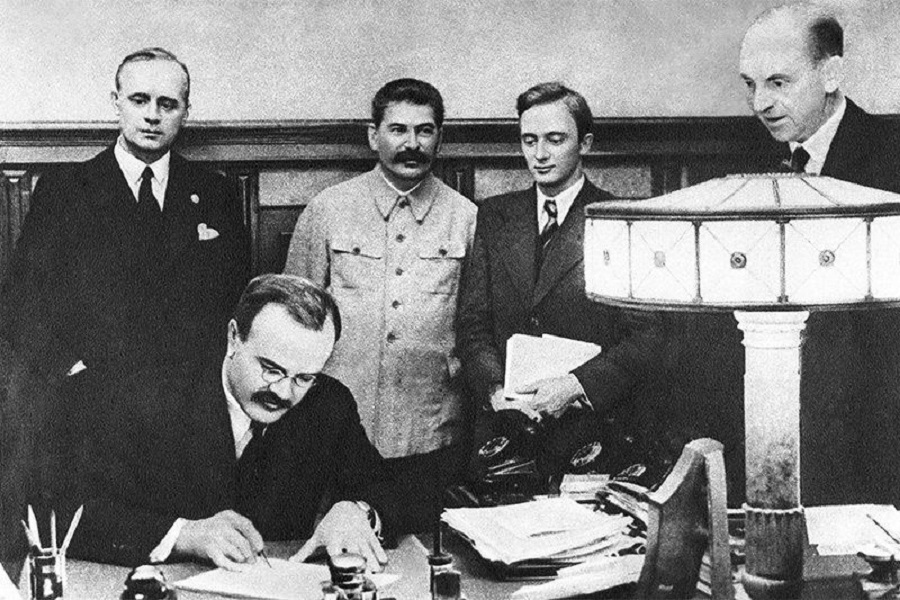
The German–Soviet Non-Aggression Pact And Its Secret Protocols On August 23, 1939, the governments of Germany and the Soviet Union signed a non-aggression t...
Explore event →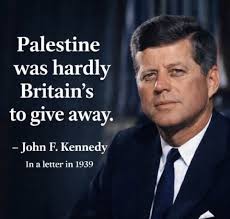
JFK Wrote in 1939 That Palestine Was Hardly Britain's to Give Away In July 1939, John F. Kennedy, then a 22-year-old Harvard student, visited Palestine duri...
Explore event →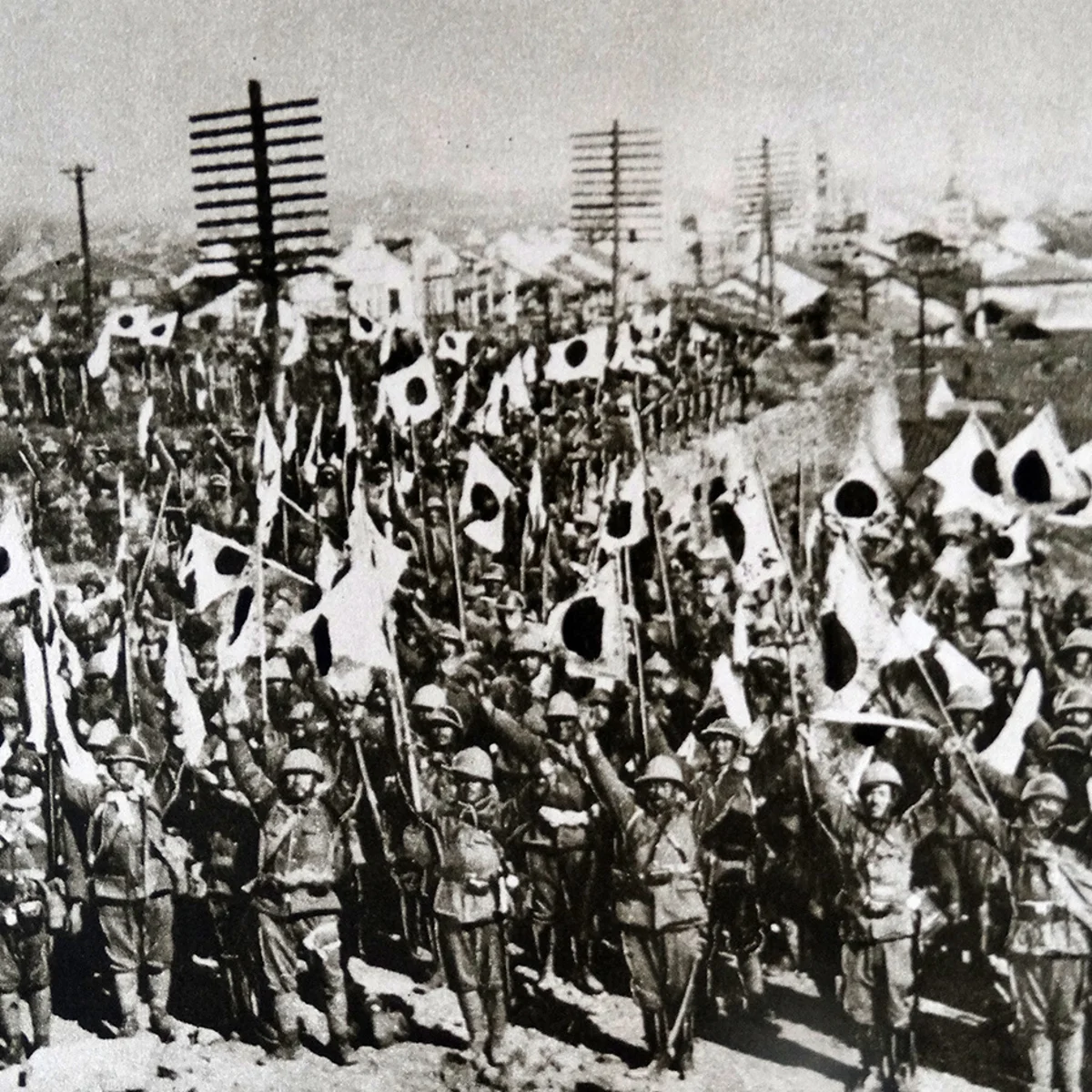
The Nanjing Massacre, also known as the Rape of Nanjing, occurred during the Second Sino-Japanese War after Japanese forces captured the city of Nanjing, then the capi...
Explore event →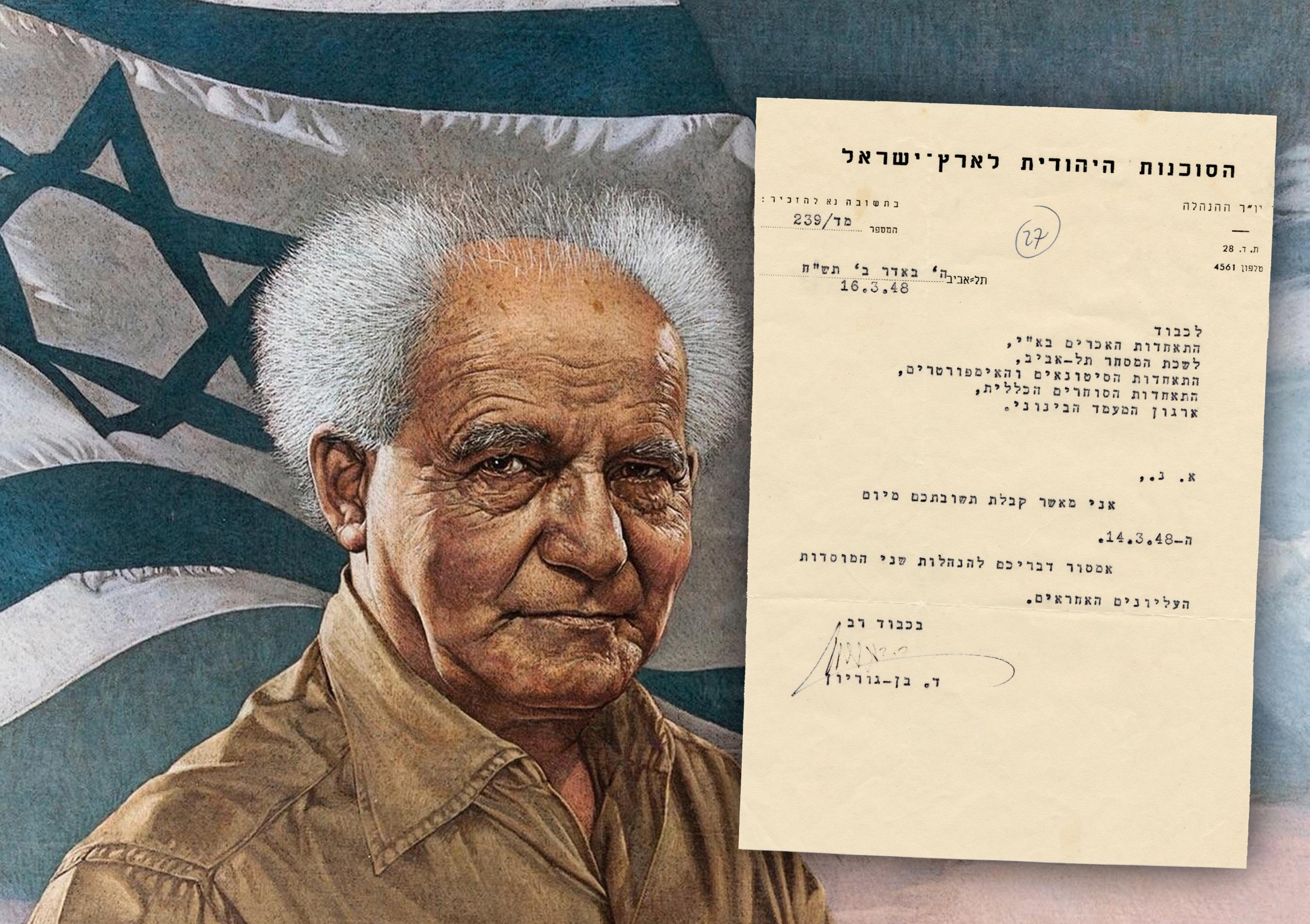
David Ben-Gurion Controversial Statements Record On October 5, 1937, David Ben-Gurion wrote a letter to his son Amos following the Peel Commission’s proposal to parti...
Explore event →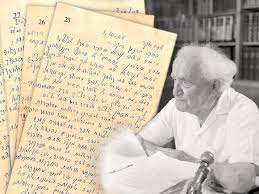
David Ben-Gurion 1937 Letter Controversy On October 5, 1937, David Ben-Gurion, then head of the Jewish Agency Executive, wrote a letter to his son Amos during the per...
Explore event →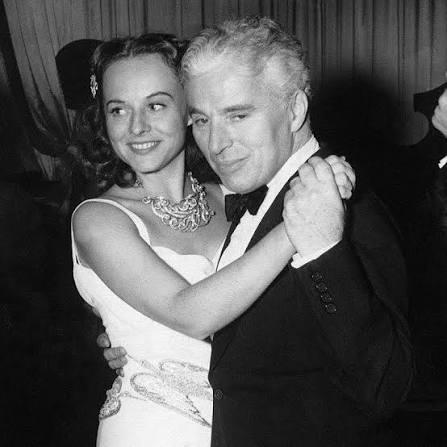
Charlie Chaplin and actress Paulette Goddard were associated romantically and professionally during the 1930s and early 1940s. Their relationship became particularly w...
Explore event →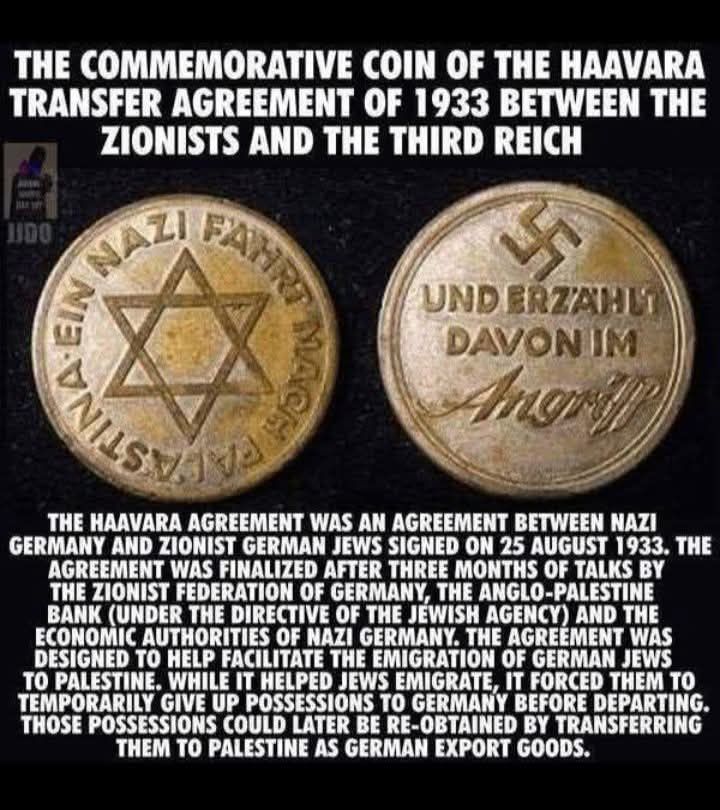
The Haavara (Transfer) Agreement was signed on August 25, 1933, between Nazi Germany and Zionist organizations, including the Jewish Agency. The agreement facilitated ...
Explore event →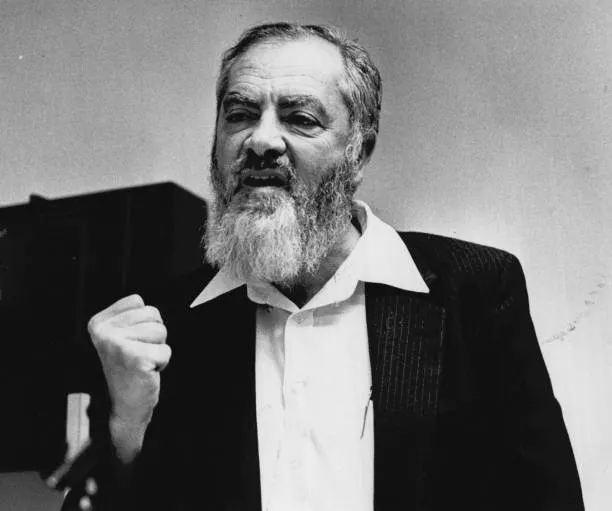
Meir David Kahane (August 4, 1932 – November 5, 1990) was an American-born Orthodox rabbi and political activist. He founded the Jewish Defense League (JDL) in 1968 to...
Explore event →
6 August 2015 — Egypt inaugurates a major expansion of the Suez Canal involving a new parallel channel along part of the route and widening of existing sections. The g...
Explore research
2014–2026 — Egypt remains the most populous country in the Arab world and one of the principal political centers of the eastern Mediterranean and Middle East. Cairo do...
Explore research
6–25 October 1973 — Egyptian and Syrian forces launch a surprise attack against Israeli positions. Egyptian troops successfully cross the Suez Canal and penetrate the ...
Explore research
1952–1970 — The Free Officers end the monarchy, reduce British influence, redistribute land and create a powerful developmental state. At the same time, political part...
Explore research
7 April 1939 — Italian forces invade Albania after King Zog rejects Mussolini's demands for greater Italian control. Zog flees the country and Albania is incorporated ...
Explore research
28 February 1922 — Britain formally ends its protectorate and recognizes Egypt as an independent sovereign state. Important issues remain under British control, includ...
Explore research
1922–1953 — Egypt operates as a constitutional monarchy shaped by constant competition among the palace, the Wafd Party and British power. Parliamentary government exi...
Explore research
January–June 1919 — Allied leaders negotiate borders, reparations, military restrictions, mandates and a new international organization. Wilson's language of self-dete...
Explore research
July–November 1918 — Allied forces increasingly coordinate artillery, infantry, tanks, aircraft, communications and logistics. Strategic coordination also improves und...
Explore research
21 March 1918 — Germany launches Operation Michael, the first of several major offensives designed to win the war in the west before American manpower becomes overwhel...
Explore research
6 April 1917–11 November 1918 — The United States begins converting its enormous economy and population into military power. Millions of men enter the draft system whi...
Explore research
1917–1918 — Woodrow Wilson increasingly presents American participation as part of a larger project to restructure international relations. His Fourteen Points call fo...
Explore research
December 1916–January 1917 — German naval and military leaders conclude that unrestricted submarine warfare may force Britain out of the war. They understand that the ...
Explore research
August 1916–October 1918 — Paul von Hindenburg and Erich Ludendorff become the dominant figures in Germany's Supreme Army Command. Their influence extends far beyond b...
Explore research
1915–1917 — Commanders increasingly seek to exhaust enemy manpower, artillery and industrial capacity faster than their own side is depleted. Verdun and the Somme beco...
Explore research
1915–1918 — Casualties, inflation and shortages turn civilian morale into a strategic issue. Governments expand propaganda, censorship, rationing and welfare programs ...
Explore research
1915–1918 — Consumption of artillery shells and other matériel massively exceeds prewar assumptions. Governments intervene increasingly in factories, labor, transport ...
Explore research
6 September 1914 — French and British forces begin the counteroffensive known as the First Battle of the Marne. The German advance toward Paris is halted and German ar...
Explore research
August–September 1914 — Germany concentrates major forces against France and advances through Belgium. The operational scheme derives from years of German planning ass...
Explore research
28 July–4 August 1914 — European armies activate enormous prearranged railway timetables to mobilize millions of soldiers. Military planners argue that delaying mobili...
Explore research
July 1914 — Russian leaders view Serbia as both a political partner and a test of Russian great-power credibility in the Balkans. Previous retreats in regional crises ...
Explore research
May–June 1914 — Members of the assassination conspiracy obtain pistols, bombs and assistance through contacts associated with Serbian nationalist and military-intellig...
Explore research
1914–1919 — The Royal Navy progressively restricts German access to food, fertilizer, metals, chemicals and overseas trade. Neutral shipping is increasingly subjected ...
Explore research
1914–1919 wartime role — Britain's navy protects imperial shipping routes, contains the German High Seas Fleet and implements the maritime blockade of the Central Powe...
Explore research