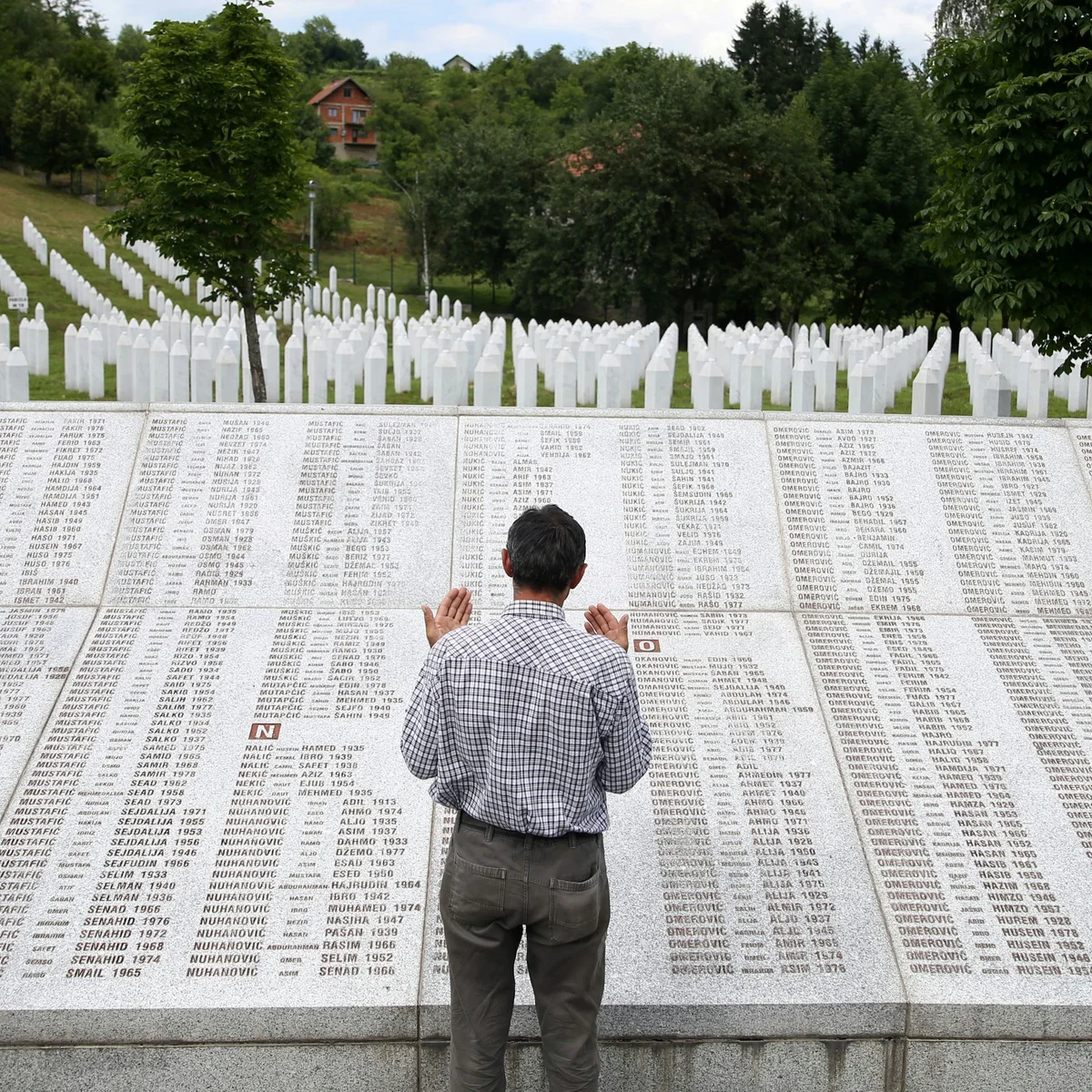
Srebrenica Genocide
Srebrenica Genocide On July 11, 1995, Bosnian Serb forces captured the town of Srebrenica in eastern Bosnia, a United Nations-declared “safe area.” The town was predo...
Explore event →History does not happen in isolation. Explore world events across time, follow the connections between them, and investigate the threads that reveal how one event can lead to another.
TheTimeMap currently follows events across 95 countries and 268 years of history — building a connected archive designed for people who want to look beyond the headline.
We oppose antisemitism, racism, and dehumanization — everywhere.
When people stop feeling, injustice becomes easy.
Srebrenica Genocide On July 11, 1995, Bosnian Serb forces captured the town of Srebrenica in eastern Bosnia, a United Nations-declared “safe area.” The town was predo...
Explore event →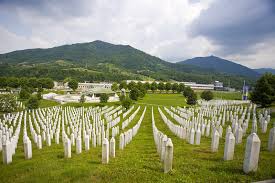
Bosnian Genocide On July 11, 1995, Bosnian Serb forces captured the town of Srebrenica in eastern Bosnia during the Bosnian War. The town had been declared a United N...
Explore event →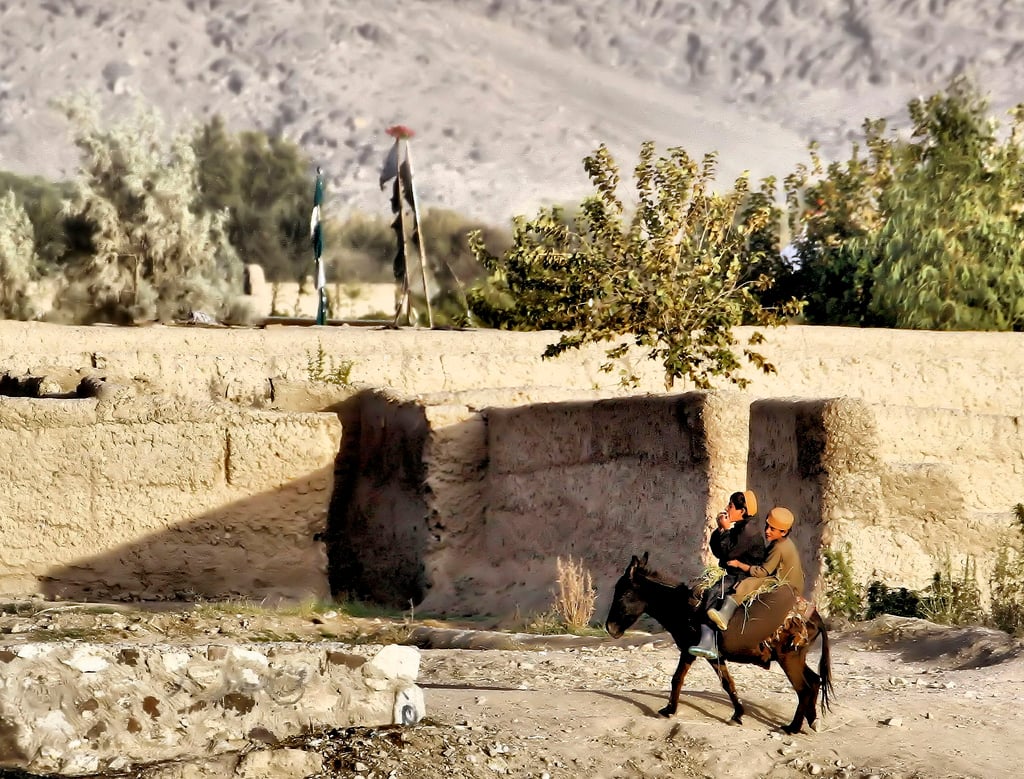
Anfal Genocide On February 23, 1988, the Iraqi government launched the Anfal campaign against Kurdish populations in northern Iraq during the final phase of the Iran–...
Explore event →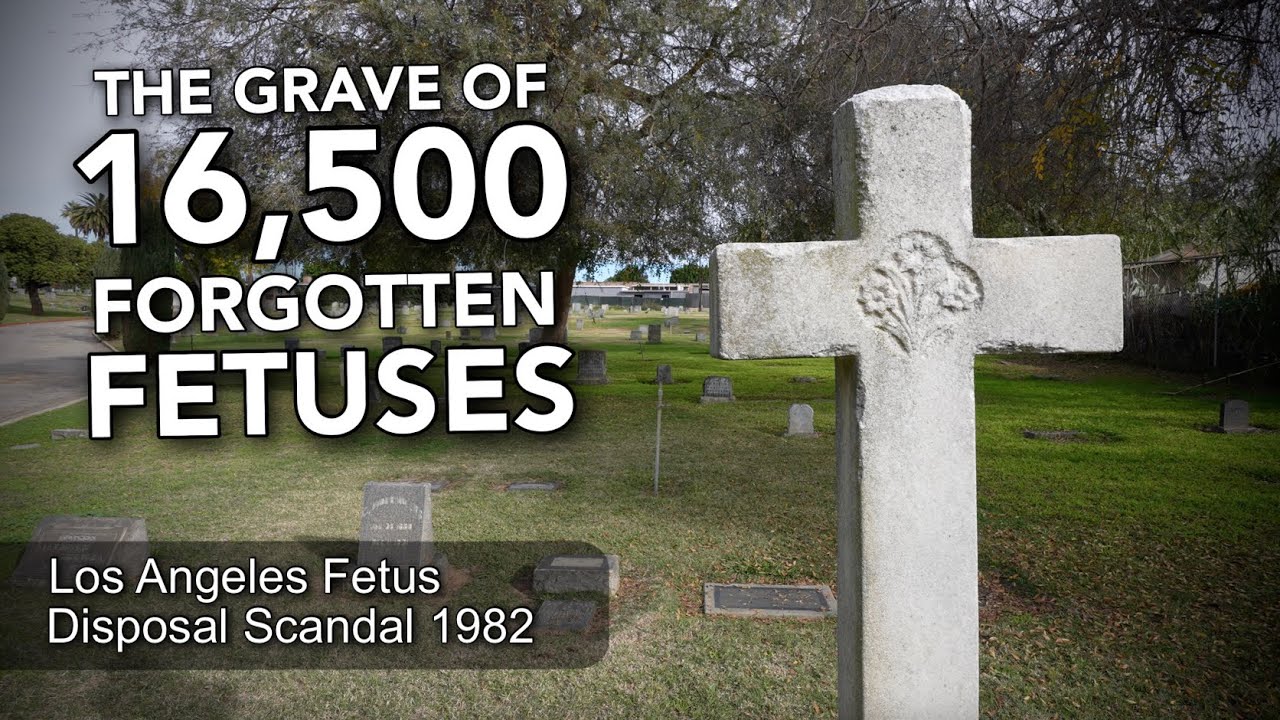
On February 4, 1982, authorities in Los Angeles County discovered thousands of preserved human fetuses inside a repossessed storage container connected to a defunct pa...
Explore event →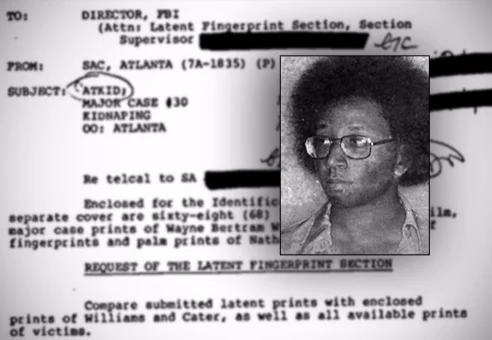
Wayne Bertram Williams is an American convicted murderer whose 1982 convictions became a central part of the investigation into a series of killings known as the Atlan...
Explore event →
The Zebra murders were a series of killings and shootings committed in San Francisco between October 1973 and April 1974. The attacks resulted in 14 deaths and seven o...
Explore event →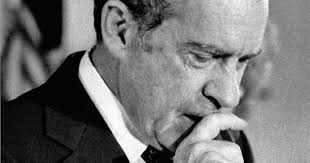
The Watergate Affair: Timeline, Operatives, And Unresolved Questions On June 17, 1972, five men were arrested inside the Democratic National Committee headquarters at...
Explore event →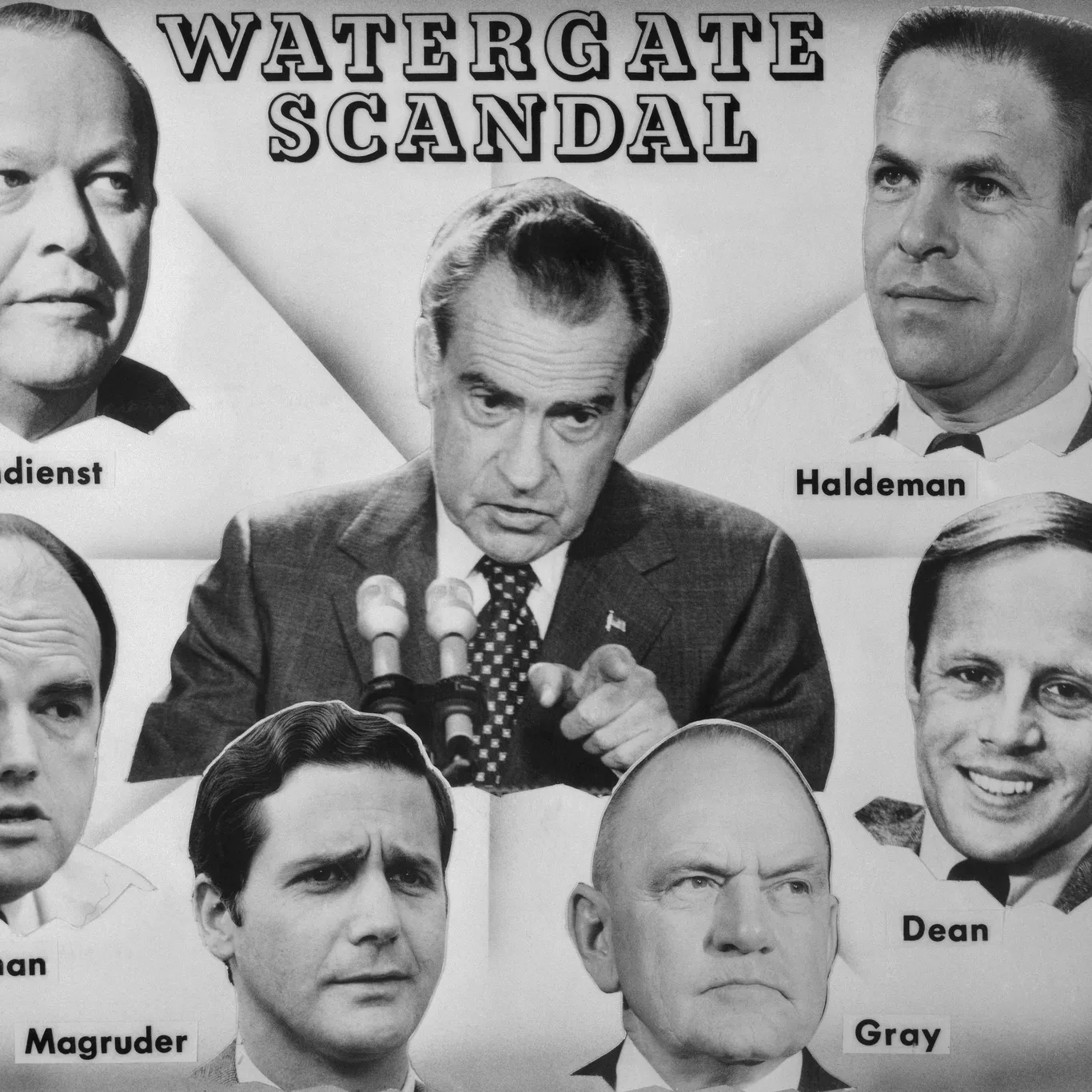
The Watergate Scandal From Break-In To Presidential Resignation On June 17, 1972, five men were arrested for breaking into the Democratic National Committee headquart...
Explore event →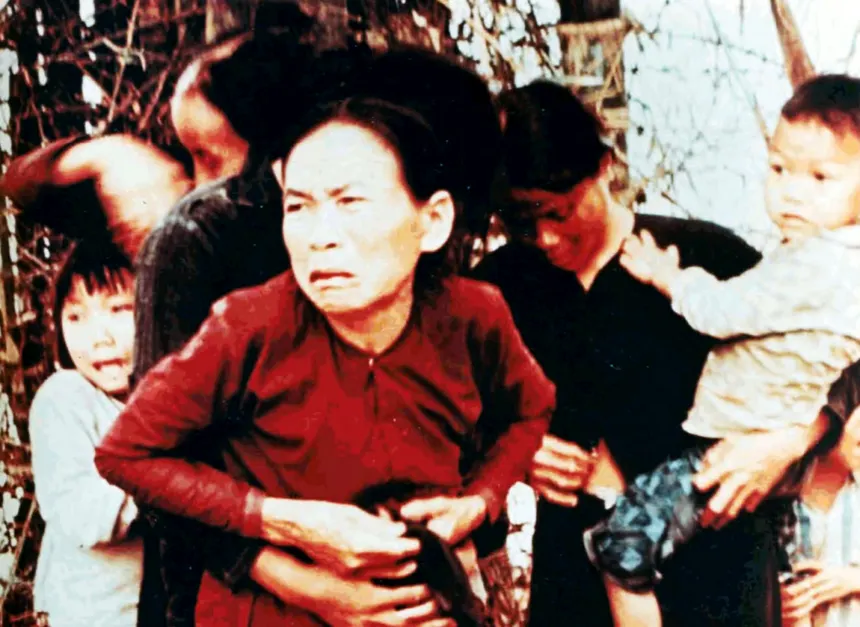
On March 16, 1968, U.S. Army soldiers from Charlie Company, 1st Battalion, 20th Infantry Regiment, 11th Brigade, Americal Division, carried out a mass killing of Vietn...
Explore event →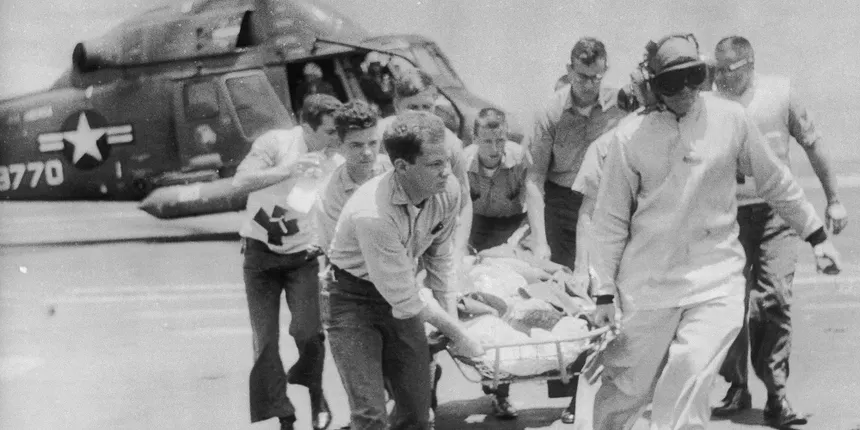
On June 8, 1967, during the Six-Day War, the United States Navy technical research ship USS Liberty (AGTR-5) was attacked in international waters of the eastern Medite...
Explore event →
Journalist Dorothy Kilgallen became one of the few reporters to directly question Jack Ruby during his 1964 trial for the killing of Lee Harvey Oswald. Kilgallen, a we...
Explore event →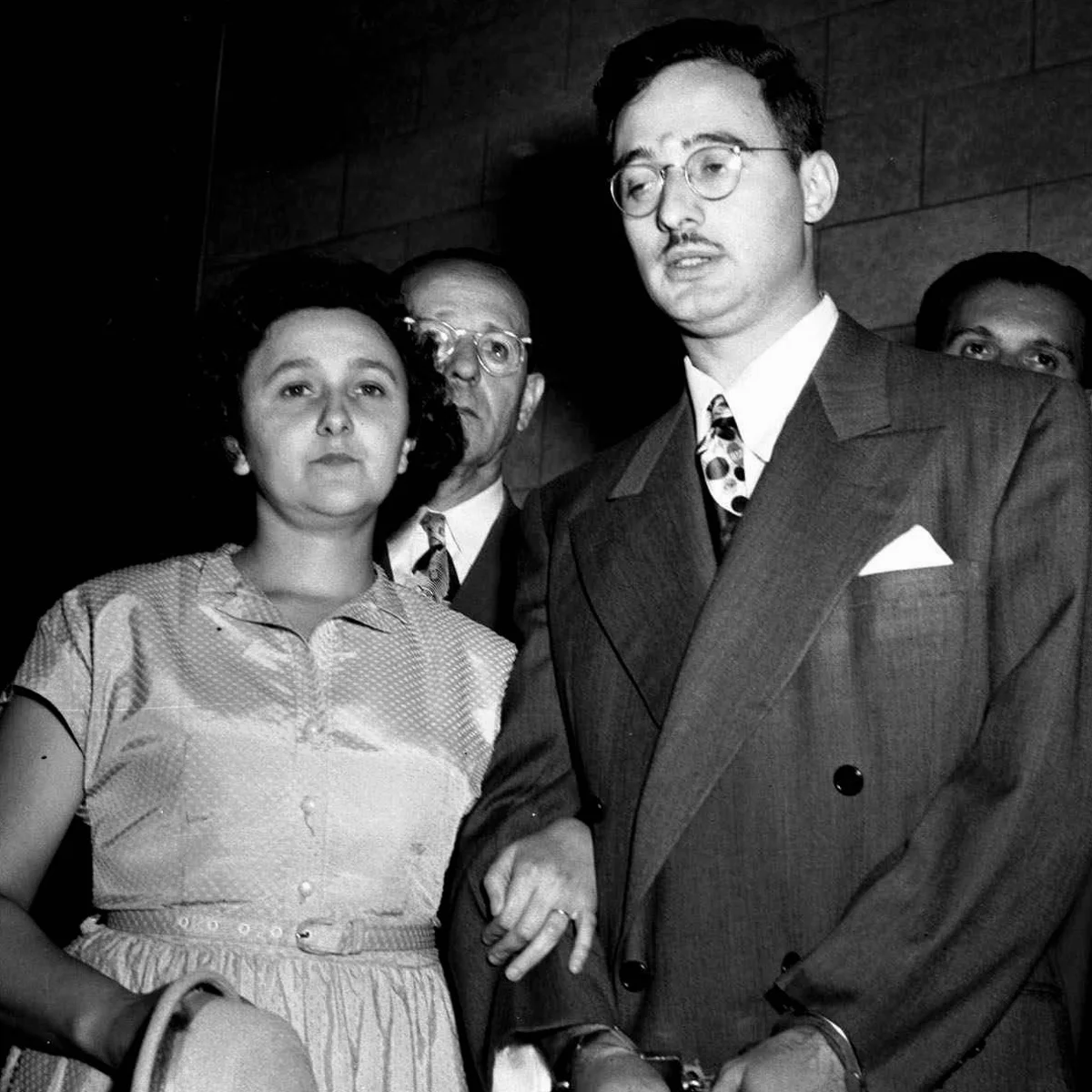
Julius and Ethel Rosenberg Executed for Espionage On June 19, 1953, Julius Rosenberg and Ethel Rosenberg were executed at Sing Sing Prison in Ossining, New York, afte...
Explore event →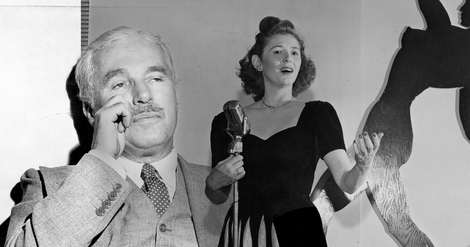
Joan Barry was an American actress who became involved with Charlie Chaplin during the early 1940s. Their relationship later resulted in a highly publicized paternity ...
Explore event →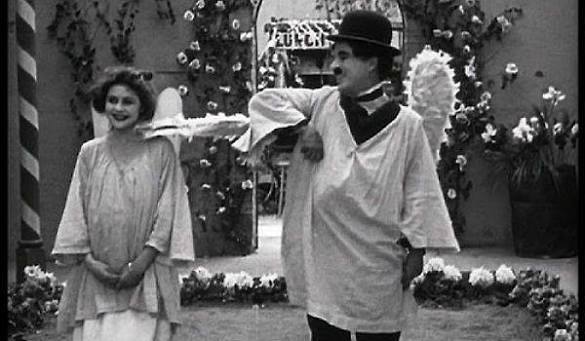
Charlie Chaplin married actress Lita Grey on November 25, 1924, in Empalme, Sonora, Mexico. Chaplin was 35 years old and Grey was 16. Their marriage followed a relatio...
Explore event →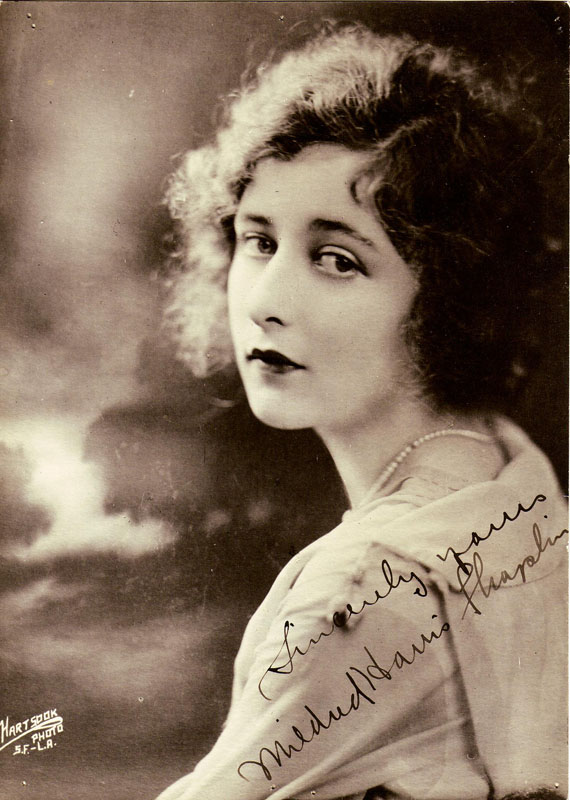
Charlie Chaplin married actress Mildred Harris on October 23, 1918, in Los Angeles. Chaplin was 29 years old and Harris was 16. Harris was already working as a film ac...
Explore event →
Charlie Chaplin was an English actor, filmmaker, composer, and producer who became one of the most prominent figures of twentieth-century cinema. His career included s...
Explore event →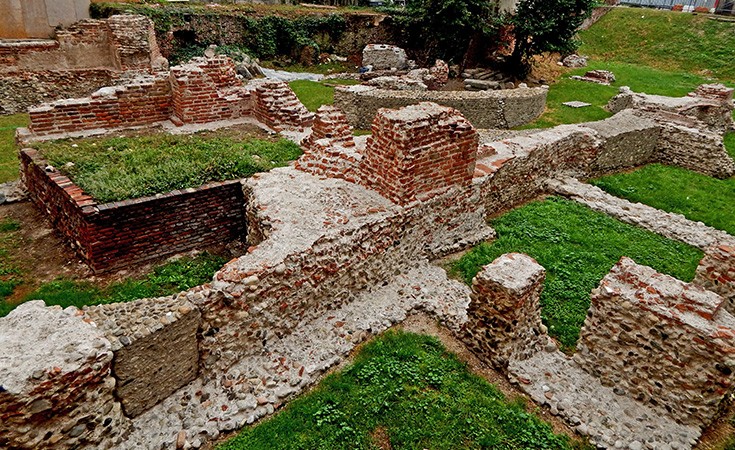
The imperial court transferred its seat to Milan, marking a significant shift in political power within the region. This relocation allowed closer control over norther...
Explore event →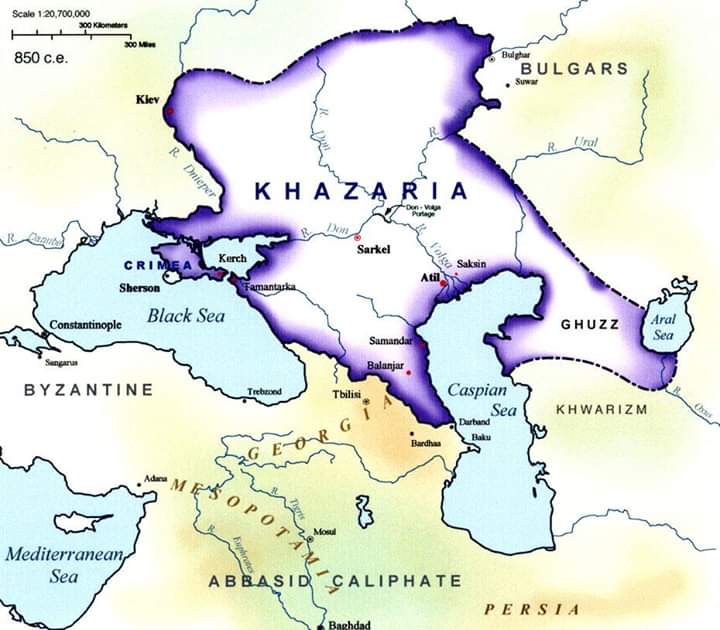
The Khazarian Empire: History, Territory, and Conversion to Judaism The Khazar Empire was a Turkic polity that emerged in the mid-seventh century and became...
Explore event →
During the classical period of Indian history, Sanskrit literature experienced a remarkable flourishing, often under the patronage of royal courts such as that of Ujja...
Explore event →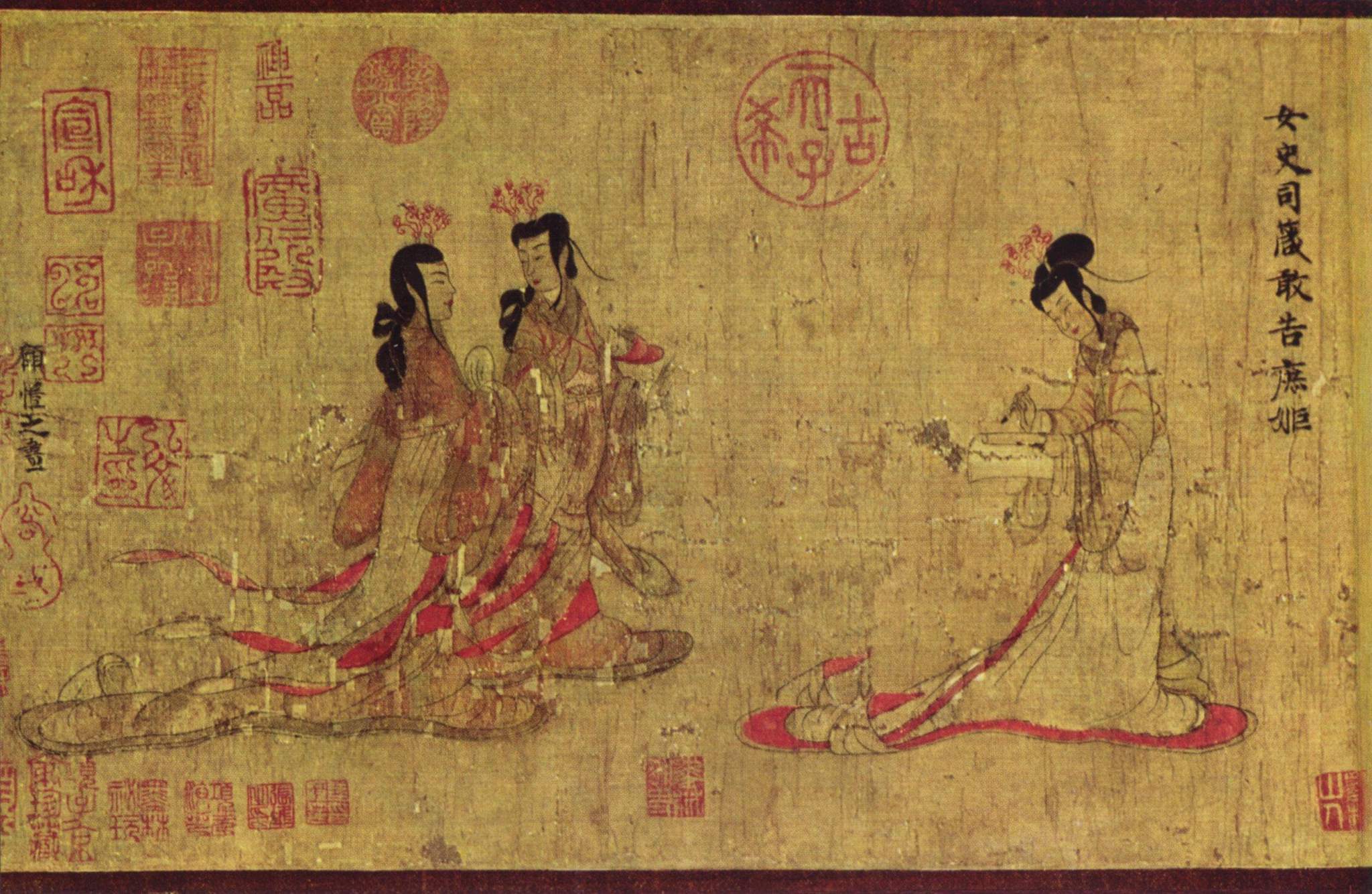
The Jin dynasty court experienced severe internal divisions fueled by rival factions vying for control after a series of military defeats. These conflicts weakened cen...
Explore event →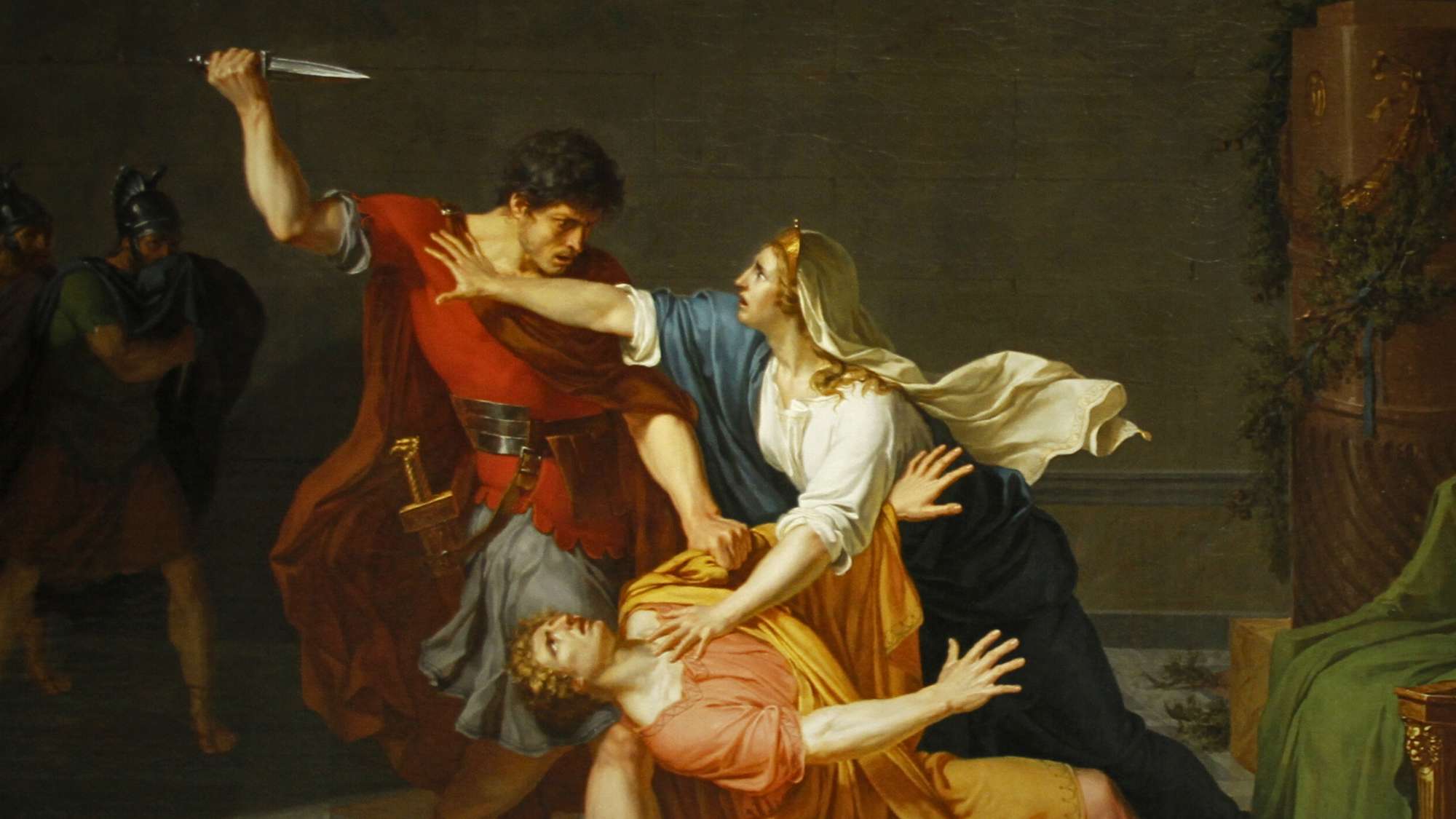
Domitian, the Roman Emperor, was assassinated on September 18th within his residence on the Palatine Hill in Rome. The conspiracy involved court officials and members ...
Explore event →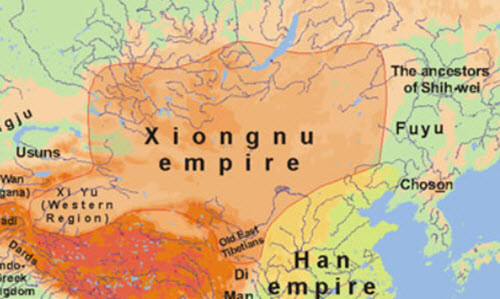
The Southern Xiongnu, a nomadic tribal confederation, migrated and settled within the borders of the Han dynasty during the first century. This movement was part of th...
Explore event →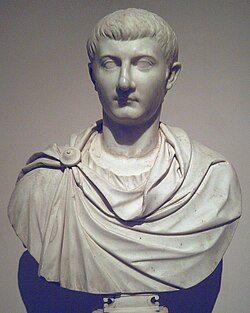
Lucius Aelius Sejanus, the powerful prefect of the Praetorian Guard, was arrested and executed after losing favor with Emperor Tiberius. His fall marked a dramatic shi...
Explore event →
1788–1822 — Ali Pasha controls Ioannina and expands his authority across Epirus, southern Albania and surrounding regions. His court becomes a major political center w...
Explore research
395 CE — After the death of Theodosius I, administration of the Roman Empire is divided between eastern and western courts. The territories of modern Albania remain pr...
Explore research
c. 1332–1323 BCE — Tutankhamun becomes king while still a child during the political aftermath of Akhenaten's religious revolution. His government restores traditional...
Explore research
c. 1479–1425 BCE — Thutmose III initially shares the throne during Hatshepsut's rule and later becomes one of Egypt's most successful military pharaohs. Repeated campa...
Explore research
c. 1550–1070 BCE — Egypt becomes one of the great imperial powers of the Late Bronze Age. Pharaohs campaign into Nubia and the Levant while wealth flows into enormous ...
Explore research
c. 2650 BCE — Djoser's Step Pyramid complex represents a revolutionary leap in monumental stone architecture. Traditionally associated with the official Imhotep, the p...
Explore research
c. 2686–2181 BCE — The Old Kingdom becomes the classic age of pyramid construction and highly centralized kingship. The royal court controls extensive agricultural res...
Explore research
c. 3100 BCE — Political consolidation produces a state extending across most of the Nile Valley and Delta. A royal court, taxation system, organized labor force and in...
Explore research