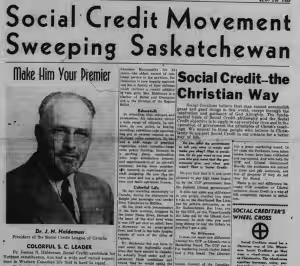
Elon Musk’s grandfather Joshua Haldeman and the Technocracy movement
Elon Musk’s grandfather Joshua Haldeman and the Technocracy movement On February 7, 2026, public records and historical sources show that Joshua N. Haldeman...
Explore event →History does not happen in isolation. Explore world events across time, follow the connections between them, and investigate the threads that reveal how one event can lead to another.
TheTimeMap currently follows events across 95 countries and 268 years of history — building a connected archive designed for people who want to look beyond the headline.
We oppose antisemitism, racism, and dehumanization — everywhere.
When people stop feeling, injustice becomes easy.
Elon Musk’s grandfather Joshua Haldeman and the Technocracy movement On February 7, 2026, public records and historical sources show that Joshua N. Haldeman...
Explore event →
Event Timeline body { font-family: Arial, sans-serif; background-color: #f4f4f9; margin: 0; padding: 0; } .timeline-container { max-width: 900px; ...
Explore event →
Noel Ignatiev: author, historian, and critic of whiteness Noel Ignatiev: author, historian, and critic of whiteness Noel Ignatiev...
Explore event →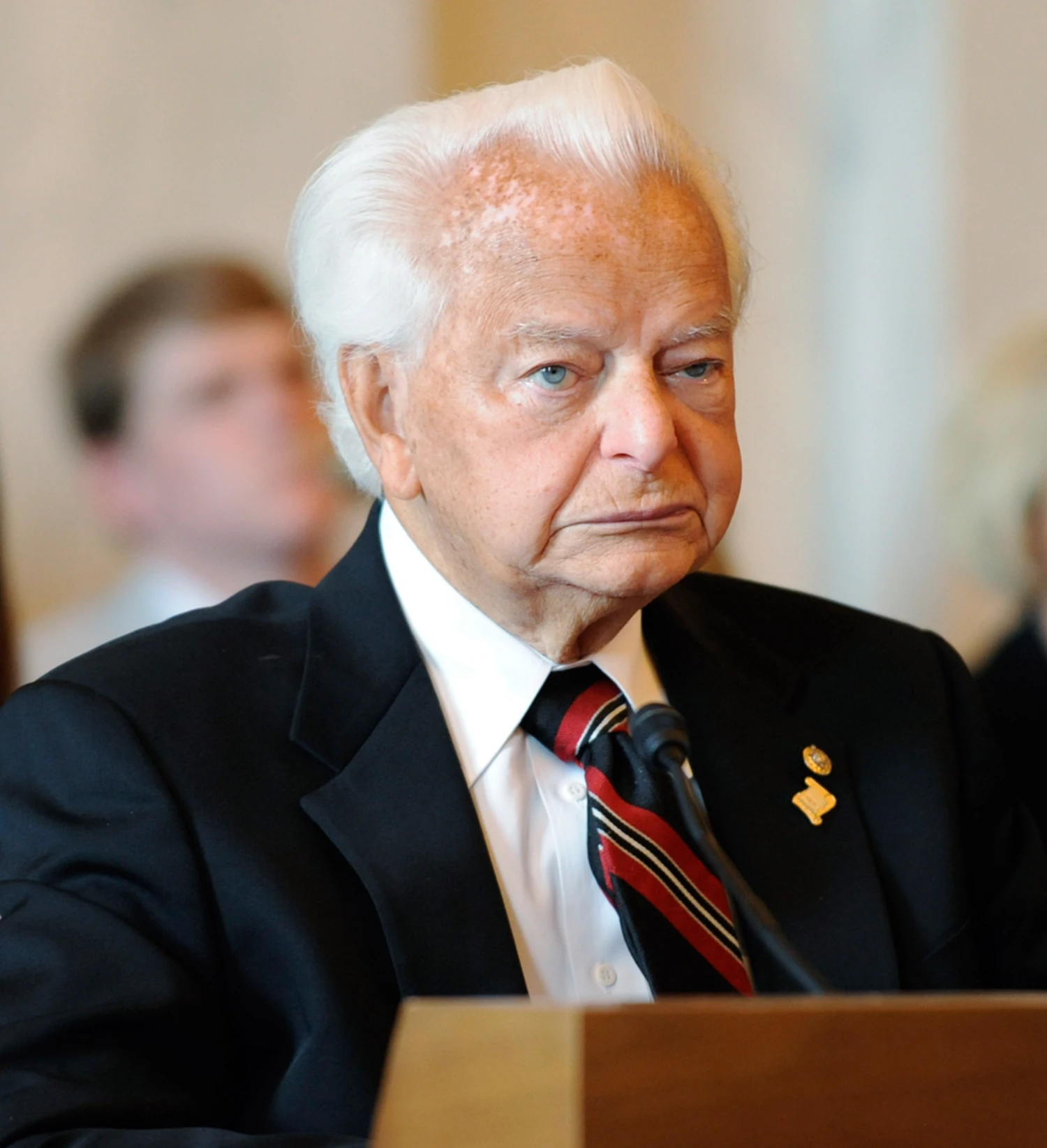
Senator Robert Byrd eulogy connections and affiliations Senator Robert Byrd, a longtime U.S. Senator from West Virginia, passed away on June 28, 2010. Byrd had a docu...
Explore event →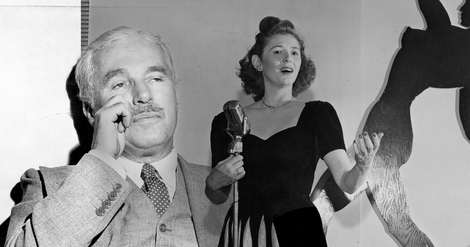
Joan Barry was an American actress who became involved with Charlie Chaplin during the early 1940s. Their relationship later resulted in a highly publicized paternity ...
Explore event →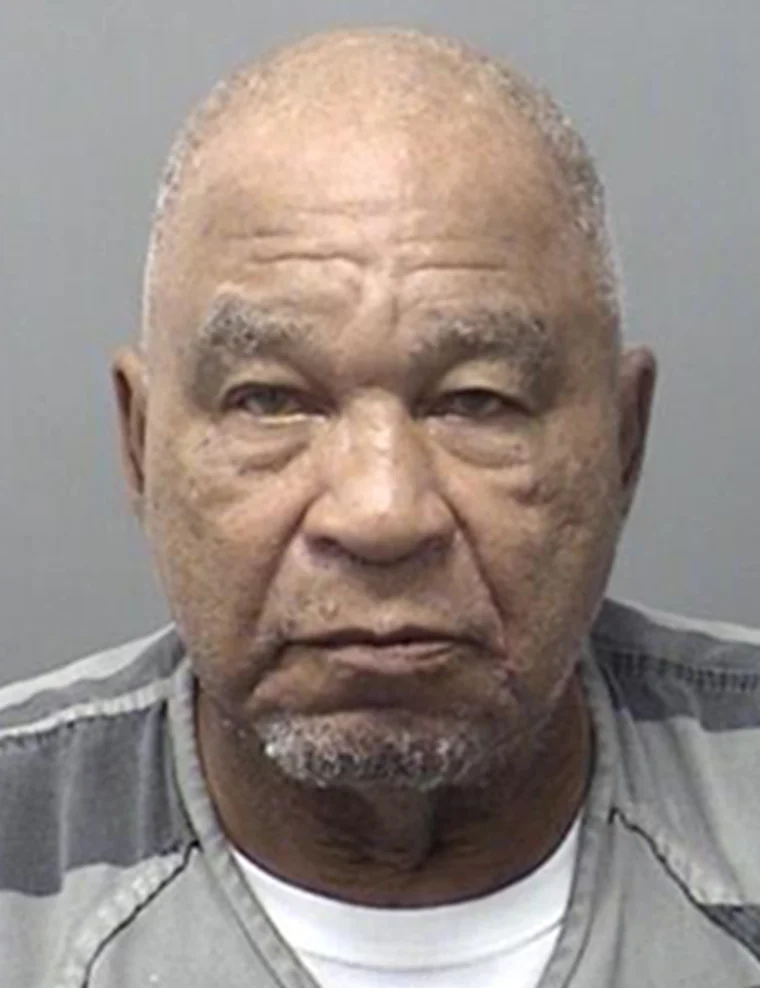
Samuel Little, born Samuel McDowell on June 7, 1940, in Reynolds, Georgia, was an American serial killer who was convicted of multiple murders and later confessed to d...
Explore event →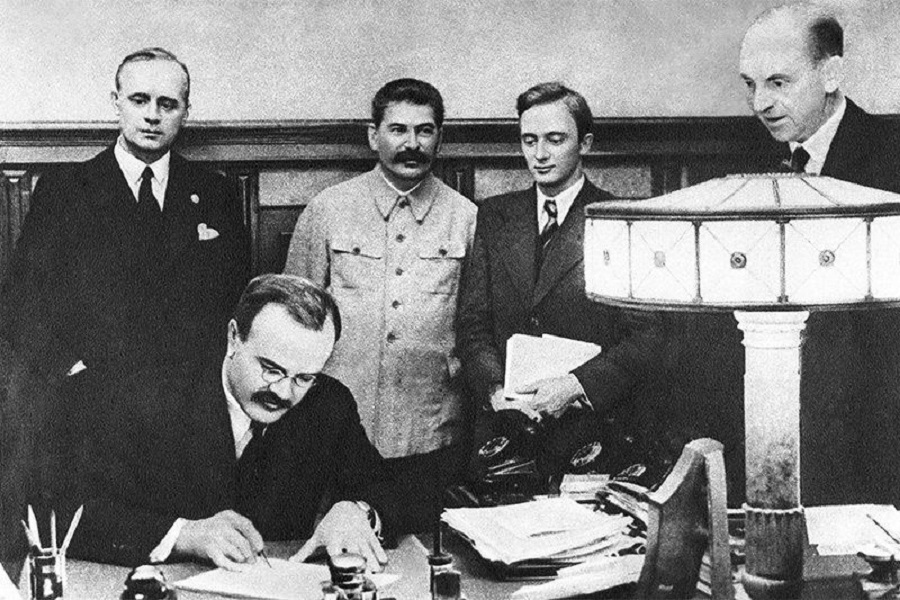
The German–Soviet Non-Aggression Pact And Its Secret Protocols On August 23, 1939, the governments of Germany and the Soviet Union signed a non-aggression t...
Explore event →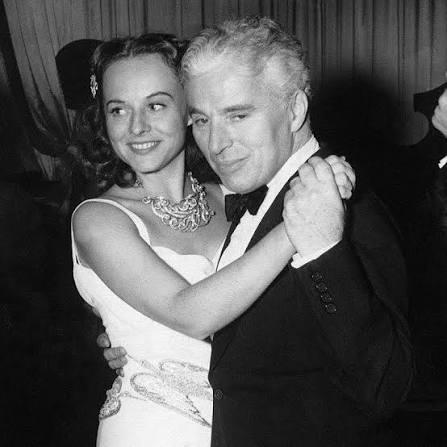
Charlie Chaplin and actress Paulette Goddard were associated romantically and professionally during the 1930s and early 1940s. Their relationship became particularly w...
Explore event →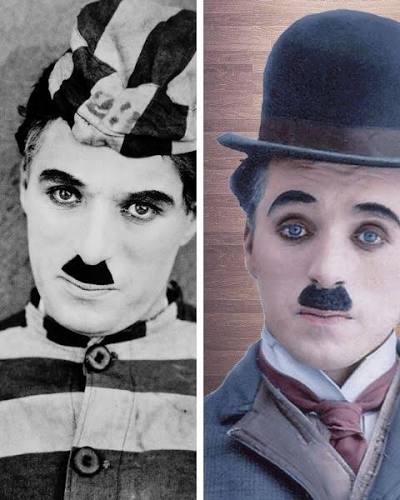
Charlie Chaplin was an English actor, filmmaker, composer, and producer who became one of the most prominent figures of twentieth-century cinema. His career included s...
Explore event →
10 July 1940 — The Luftwaffe begins the sustained air campaign conventionally identified as the Battle of Britain. Germany seeks air superiority as a prerequisite for ...
Explore research
10 July 1940 — Britain's defense during the Battle of Britain relies on more than fighter aircraft alone. Chain Home radar stations, ground observers, telephone commun...
Explore research
28 May 1940 — During the military crisis in France, Britain's War Cabinet continues debating whether Italian mediation might open negotiations with Germany. Winston Ch...
Explore research
26 May 1940 — Britain begins Operation Dynamo to evacuate Allied troops trapped around Dunkirk. Naval vessels, merchant ships and hundreds of smaller civilian craft pa...
Explore research
22 June 1940 — France signs an armistice with Germany after the collapse of organized resistance in much of the country. Germany occupies northern and western France w...
Explore research
13 May 1940 — German forces cross the Meuse near Sedan after concentrated air attacks and rapid engineering operations. Armored formations then move west toward the Ch...
Explore research
10 May 1940 — Germany invades the Netherlands, Belgium, Luxembourg and France. Allied armies move north into Belgium expecting the principal German attack there. Inste...
Explore research
9 April 1940 — Germany launches Operation Weserübung against Denmark and Norway. Denmark is overwhelmed rapidly, while fighting in Norway continues for weeks. Control ...
Explore research
1940–1944 senior Japanese leadership — General Hideki Tojo becomes Japanese prime minister in October 1941 as negotiations with the United States approach collapse. He...
Explore research
18 December 1940 — Hitler signs the directive ordering preparations for Operation Barbarossa. The document states that the German armed forces must be prepared to crus...
Explore research
28 October 1940 — Greece rejects an Italian ultimatum, commemorated today as Ohi Day.
Explore research
27 September 1940 — Germany, Italy and Japan sign the Tripartite Pact. The agreement recognizes German and Italian leadership in a European order and Japanese leadersh...
Explore research
10 May 1940–26 July 1945 — Churchill serves as British prime minister through nearly the entire European war. He strongly opposes negotiating a settlement with Hitler ...
Explore research