Moshe Feiglin Gaza remarks
Moshe Feiglin, an Israeli politician and former member of the Knesset, has advocated policies involving the displacement of Palestinians from the Gaza Strip. Feiglin is the founder and le...
On February 28, 2026, reports circulated showing Ukrainian military conscription officers detaining men in public areas as part of the country's ongoing mobilization during the war with R...
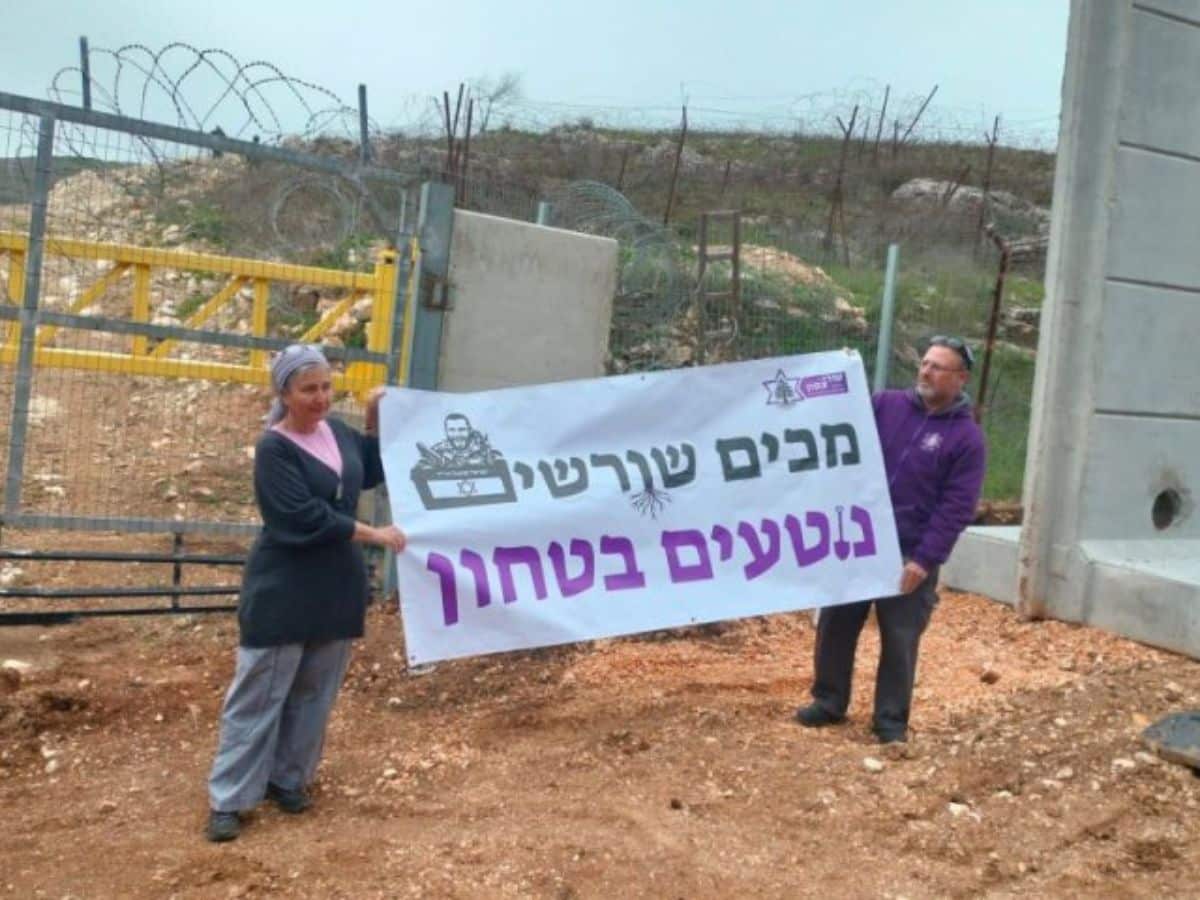
On February 12, 2026, the fragile calm along southern Lebanon’s border was shattered as extremist Israeli settlers planted olive and pine trees deep inside Lebanese territory. What may se...
Ukraine backs Pope’s Olympic truce call amid war with Russia On February 7, 2026, Ukraine’s government publicly supported a proposal by Pope Leo and Italy to establish a temporary ceasef...
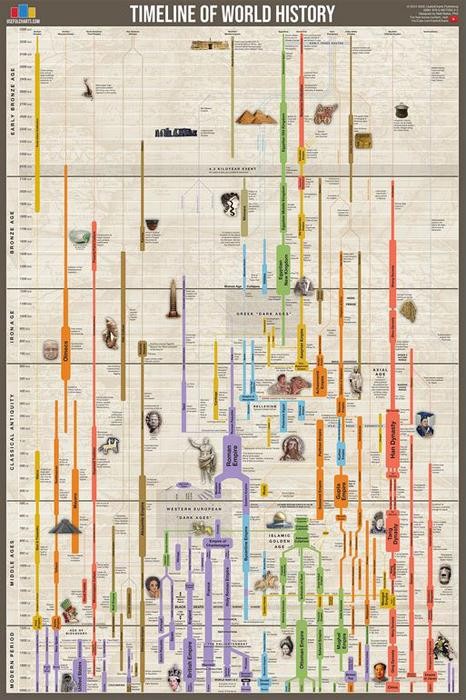
Event Timeline body { font-family: Arial, sans-serif; background-color: #f4f4f9; margin: 0; padding: 0; } .timeline-container { max-width: 900px; margin: 50px auto; p...
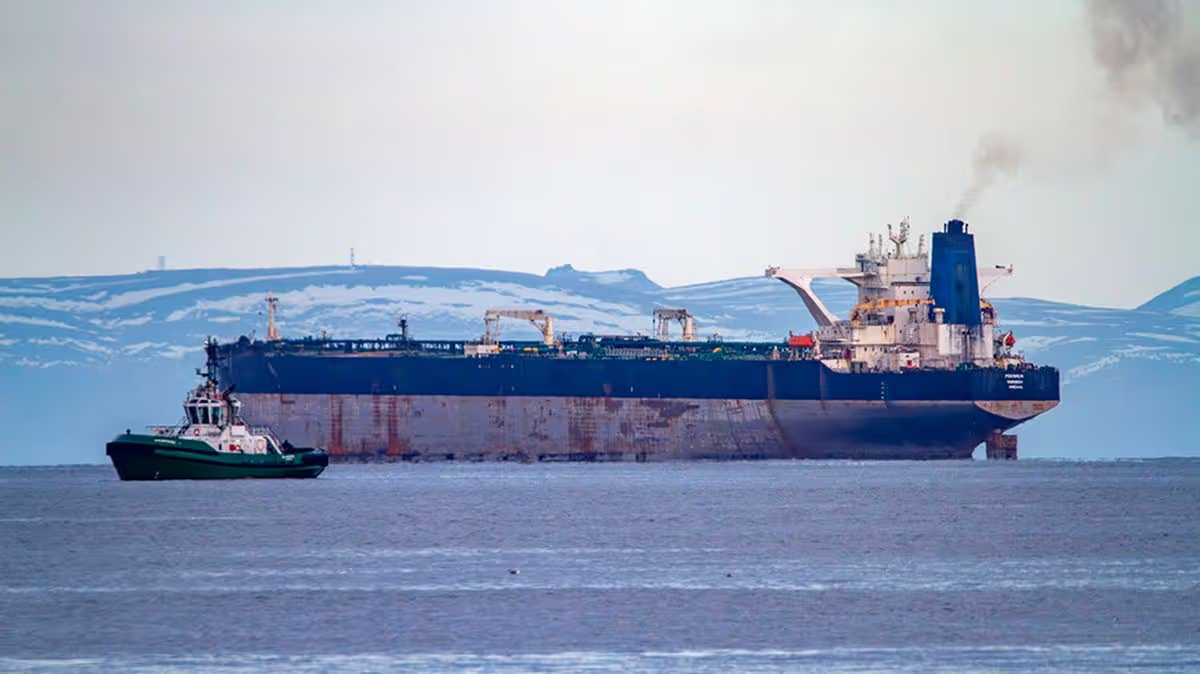
Seizure of the Marinera Oil Tanker and Transfer of Its Captain from Scottish Waters On 7 January 2026, the United States Coast Guard and U.S. military special forces intercepte...
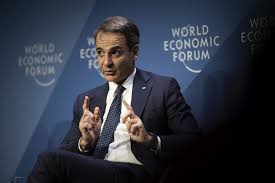
Leaders at the 56th annual World Economic Forum in Davos, Switzerland, engaged in high-level discussions on global security, economic growth, and geopolitical competition. The forum took ...
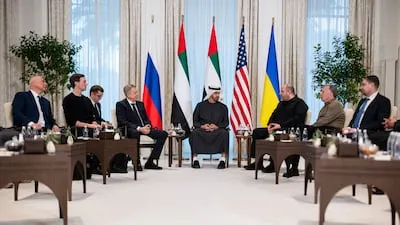
On January 25, 2026, Ukraine, Russia, and United States negotiators continued trilateral talks in Abu Dhabi aimed at negotiating terms to end the ongoing Russian invasion of Ukraine. Thou...
U.S. Forces Detain Venezuelan President Nicolás Maduro During Operation in Caracas On January 3, 2026, U.S. military forces conducted an operation in Caracas that resulted in the detenti...
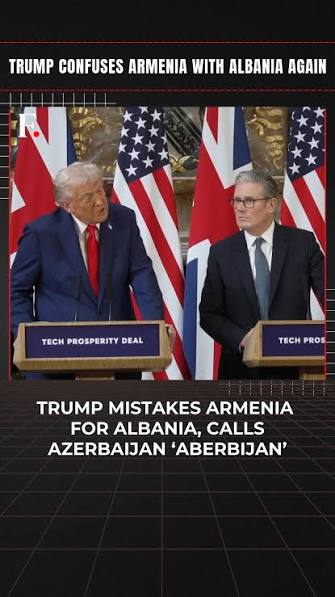
Trump Armenia–Albania Confusion Statement On August 8, 2025, United States President Donald Trump announced at the White House a peace agreement between Armenia and Azerbaijan aimed at r...
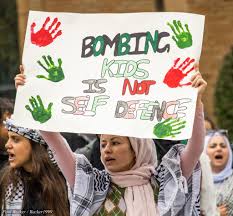
Palestinian Holocaust The term “Palestinian Holocaust” has been used by activists and commentators to describe the cumulative impact of displacement, warfare, and territorial loss experi...
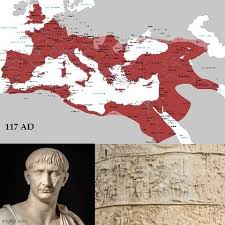
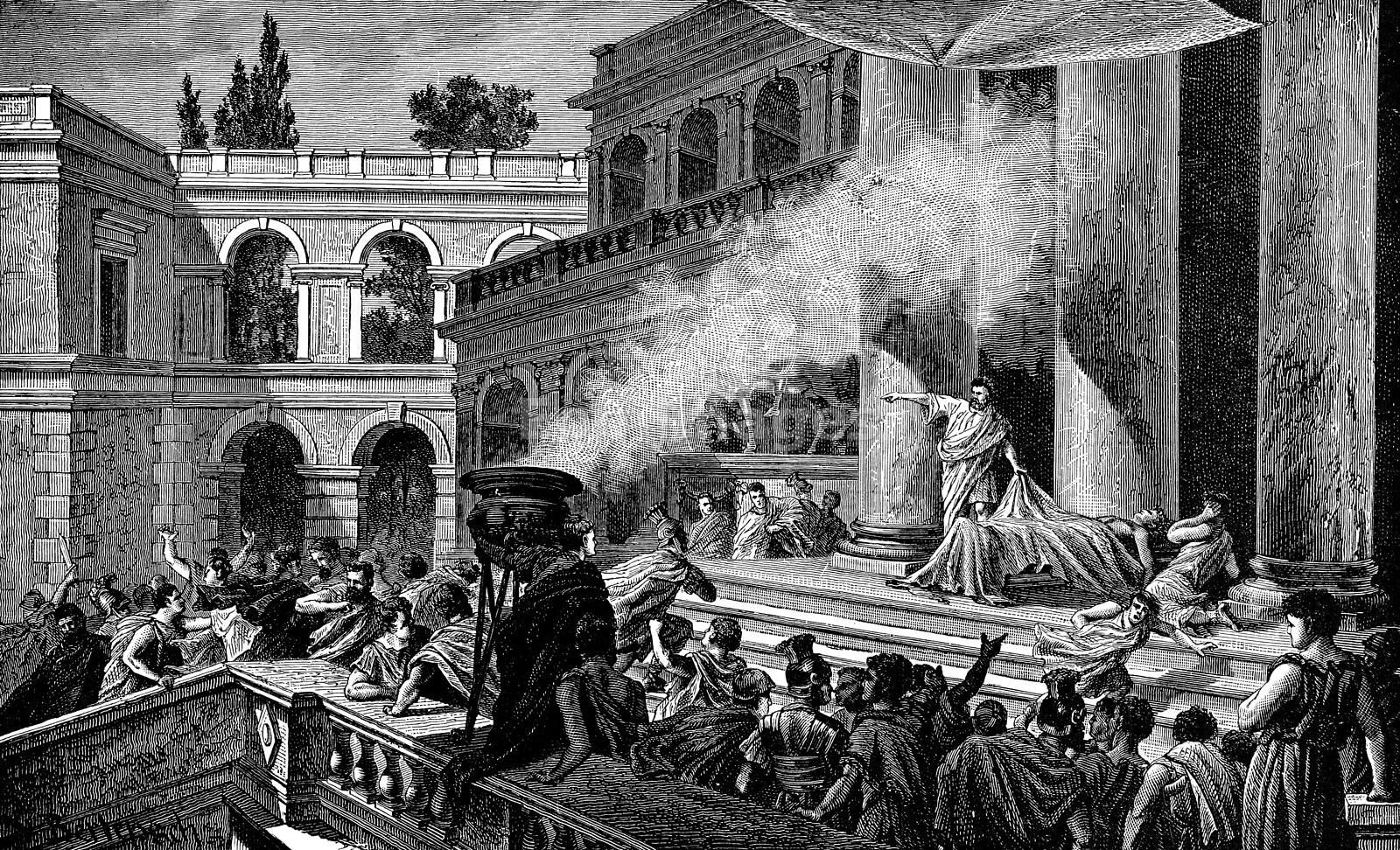
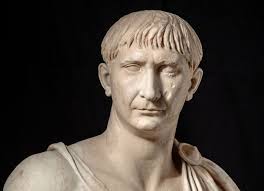
Trajan became Roman Emperor following the death of Domitian, marking a period of significant military expansion and administrative reform. His accession was recognized by the Senate, soli...
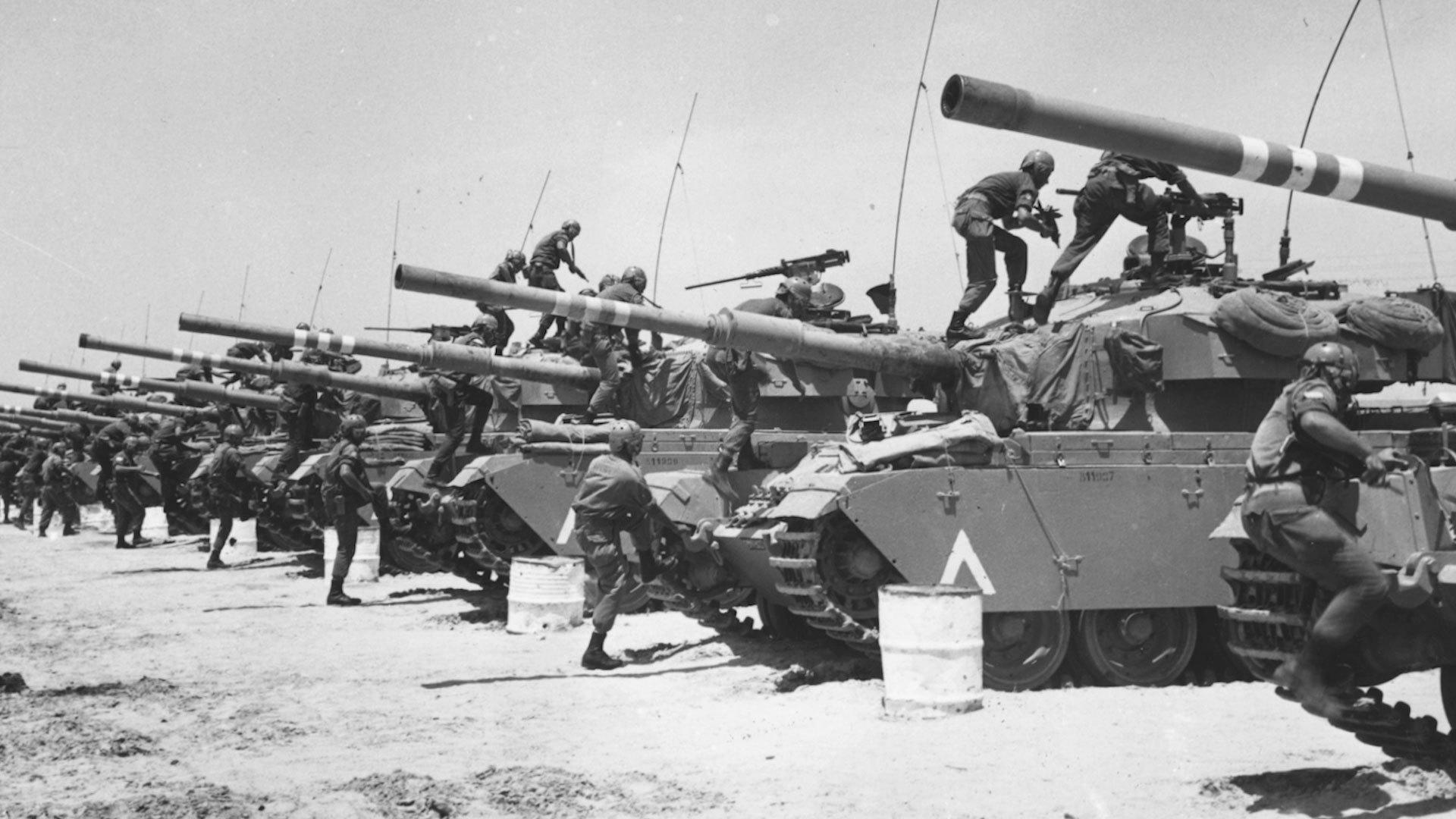
Event Overview On June 5, 1967, the Israel Defense Forces (IDF) launched coordinated air strikes against Egypt, Jordan, and Syria, marking the beginning of the Six-Day War. Details ...
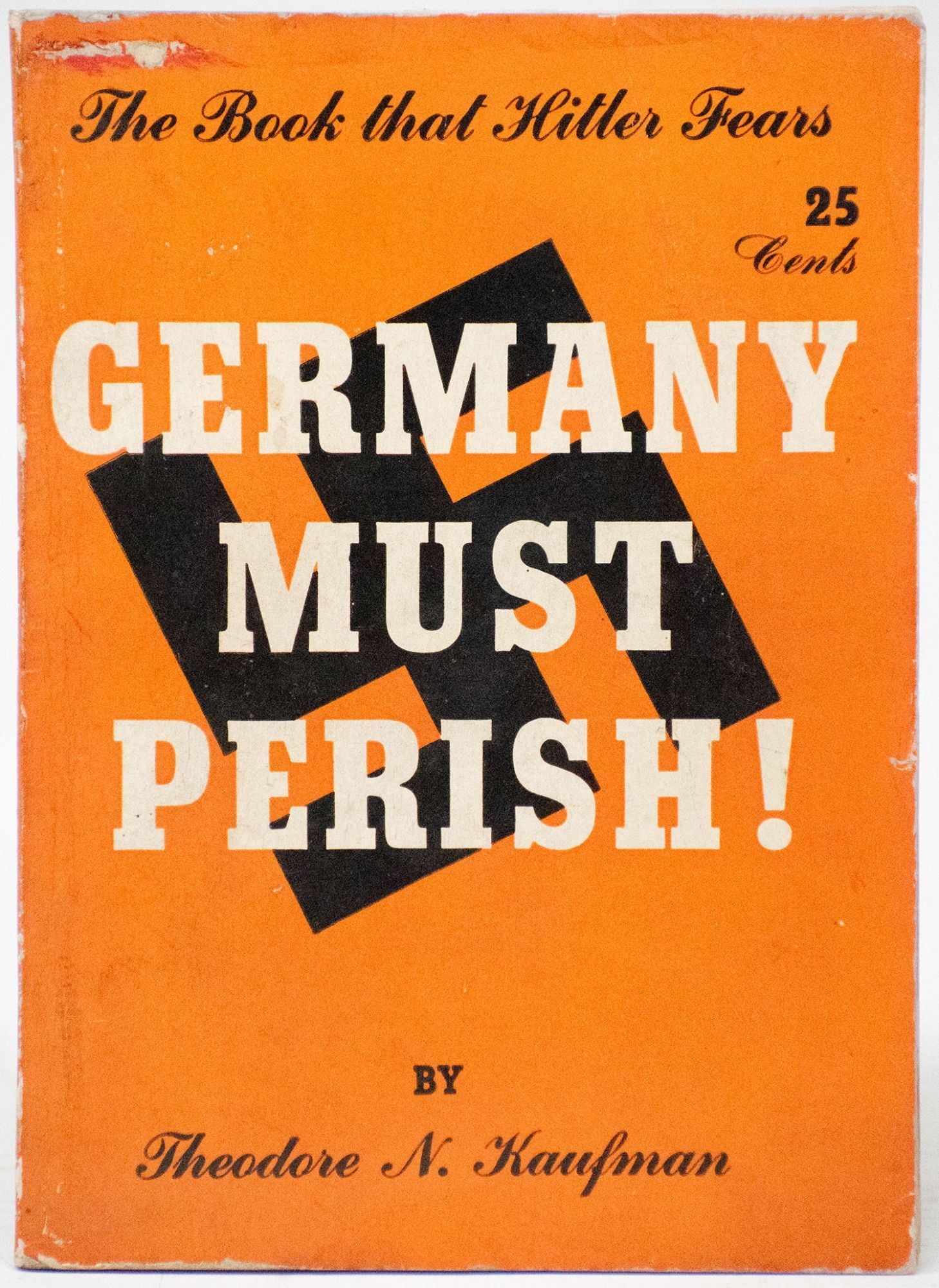
Publication of *Germany Must Perish!* by Theodore Kaufman On February 28, 1941, American author Theodore N. Kaufman self‑published a book titled *Germany Must Perish!* through ...
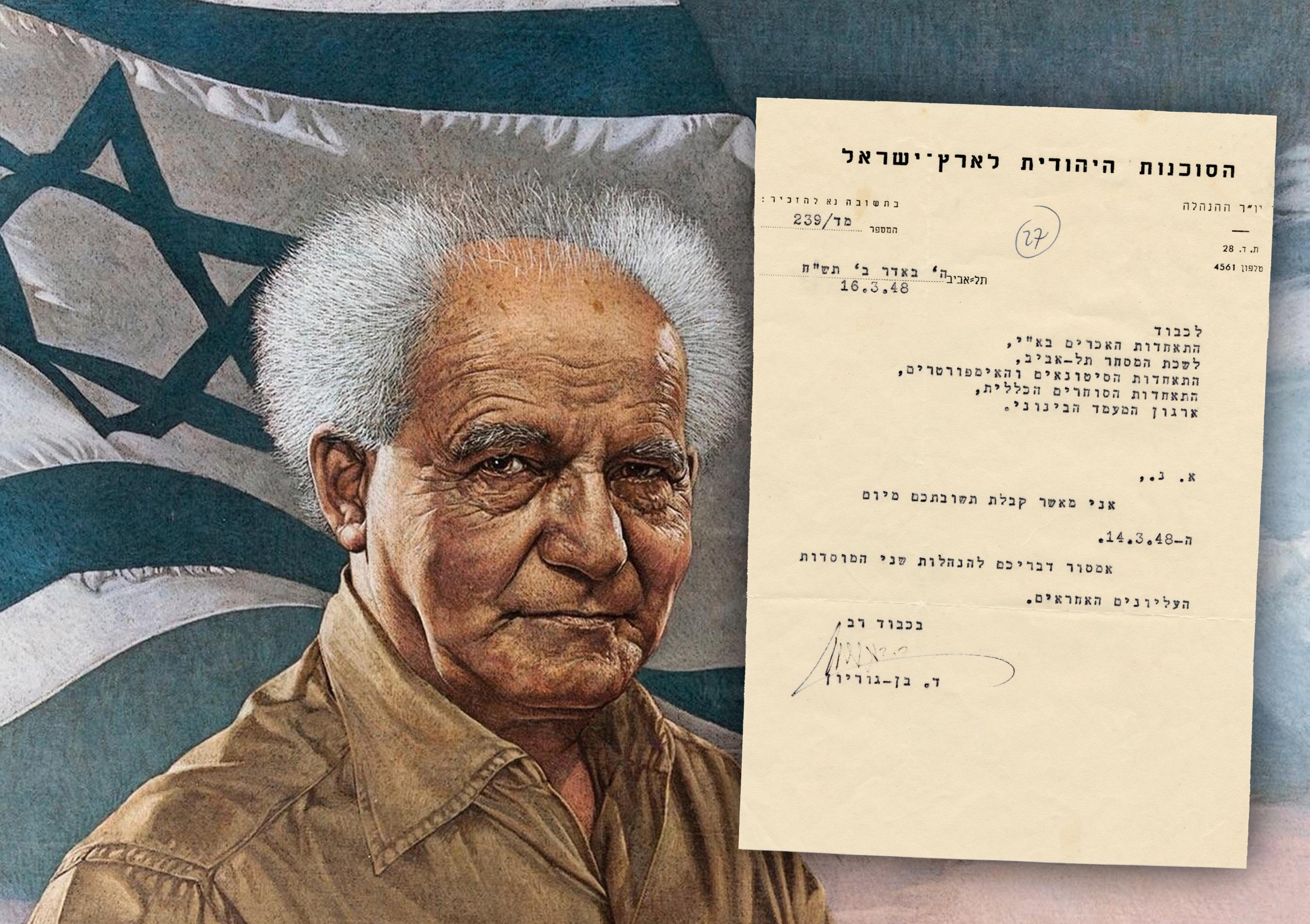
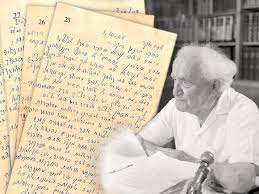
David Ben-Gurion Controversial Statements Record On October 5, 1937, David Ben-Gurion wrote a letter to his son Amos following the Peel Commission’s proposal to partition Mandatory Pales...
David Ben-Gurion 1937 Letter Controversy On October 5, 1937, David Ben-Gurion, then head of the Jewish Agency Executive, wrote a letter to his son Amos during the period following the Br...
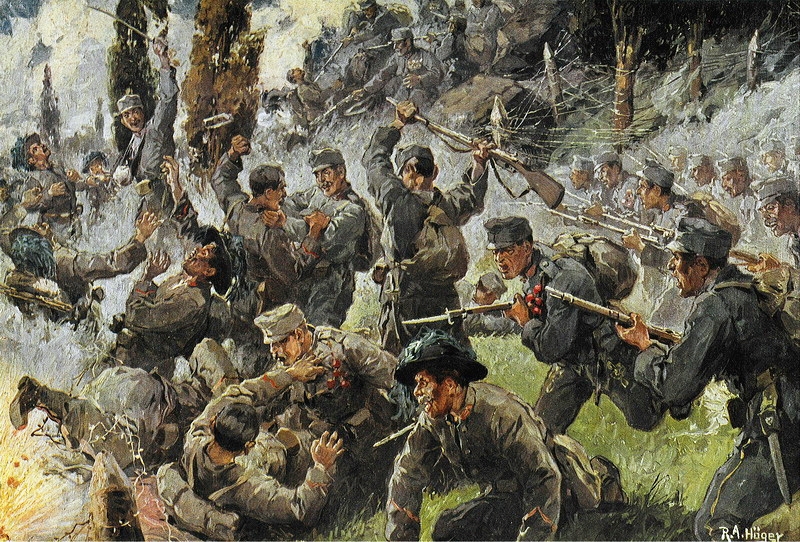
The Battles of the Isonzo were a series of twelve military engagements between the Kingdom of Italy and Austria-Hungary during World War I. They took place along the Isonzo River, on the ...
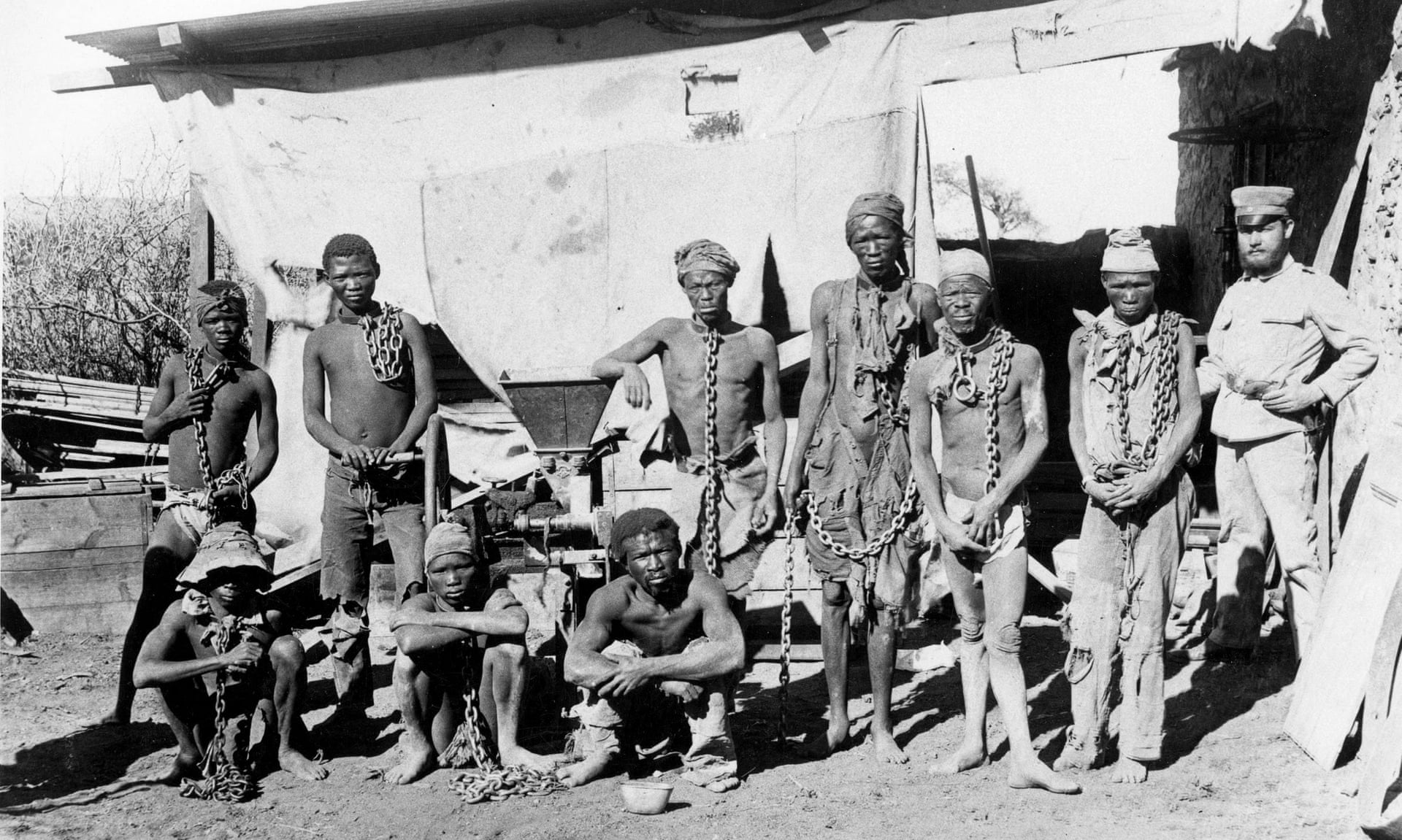
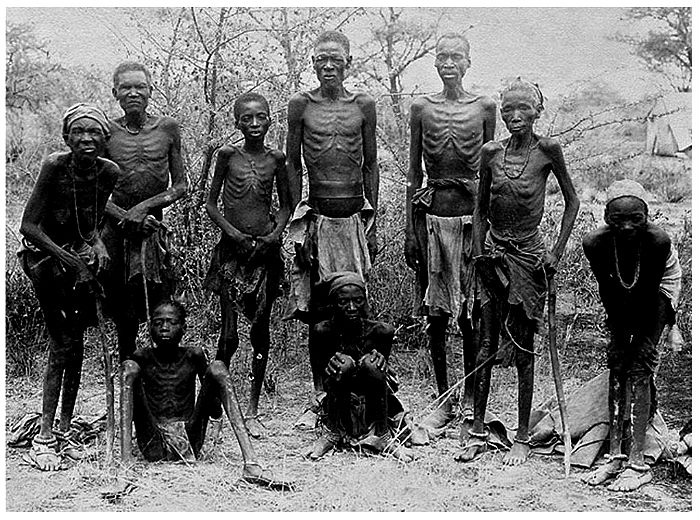
Herero And Nama Genocide On January 12, 1904, members of the Herero community initiated an armed uprising against German colonial authorities in German South West Africa, present-day Nam...
The Khoisan genocide refers to the systematic killings and displacement of the indigenous Khoisan peoples of Southern Africa during the 18th and 19th centuries. This genocide was primaril...
In early March 1371, Cham forces launched a significant raid on the Jiaozhi region of northern Vietnam. The attack targeted local settlements and disrupted the regional governance structu...
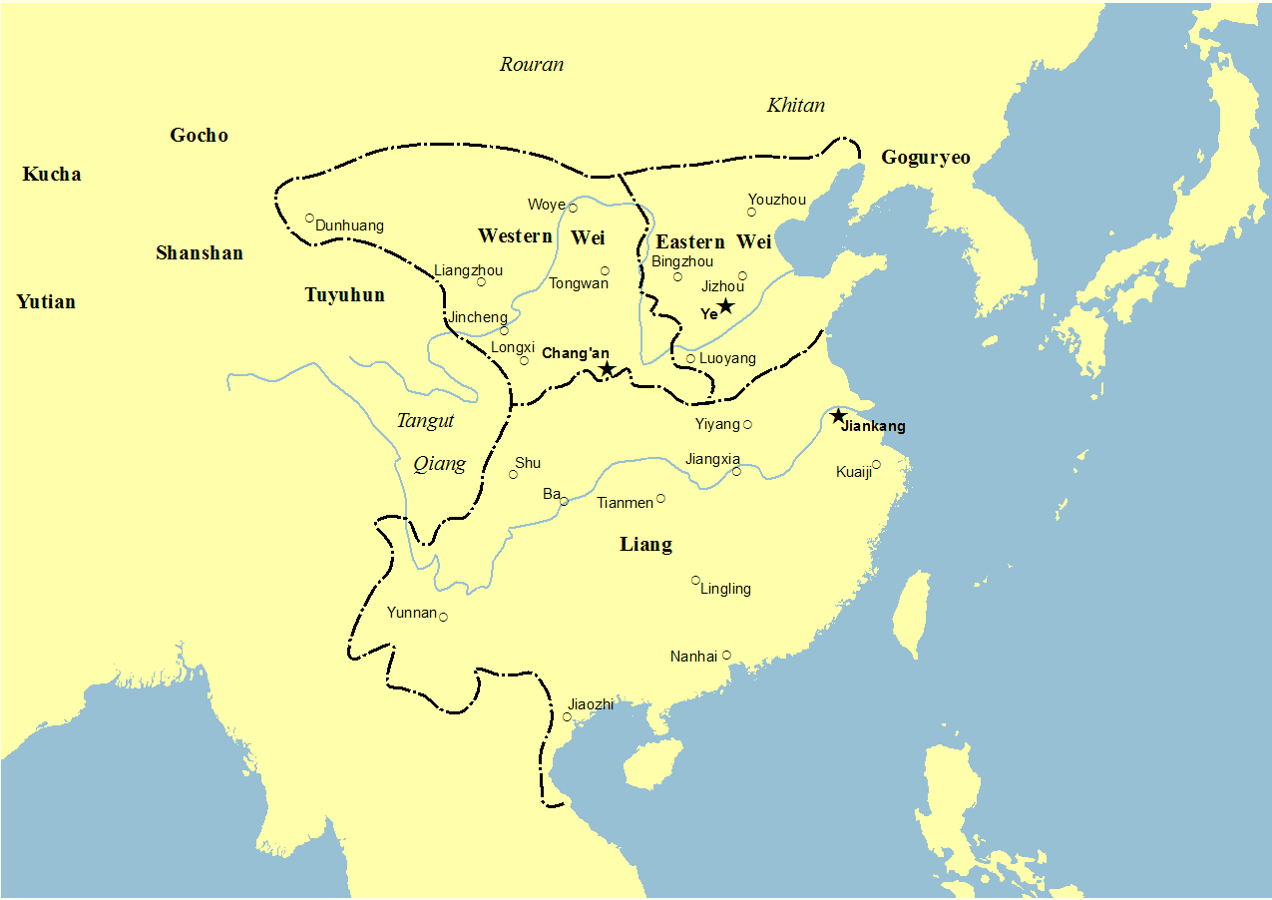
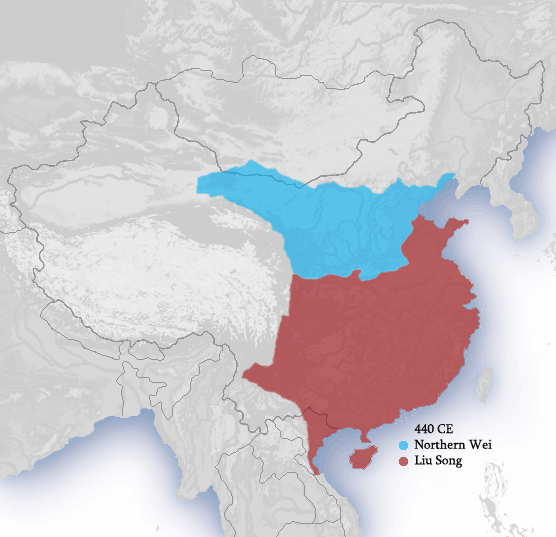
The Chen dynasty, ruling southern China, sought to stabilize its domain amid persistent threats from northern dynasties. Efforts to fortify its borders and consolidate power marked this p...
In late September, Emperor Aurelian engaged and defeated the forces of the breakaway Gallic Empire near Châlons-en-Champagne. This victory effectively ended the secession of Gaul and rees...
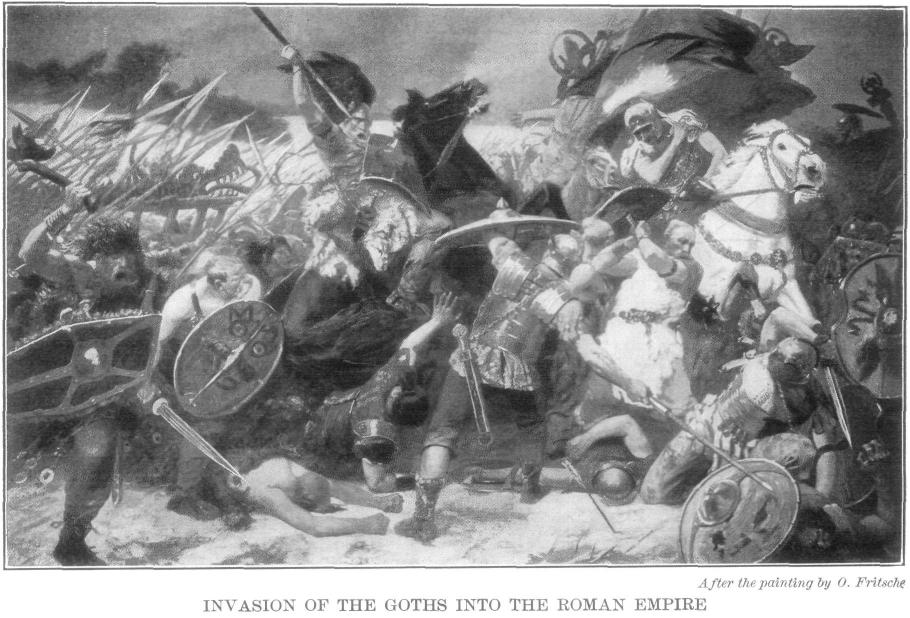
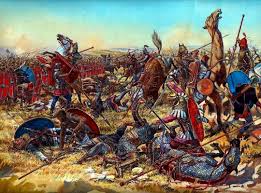
The Battle of Naissus was a significant conflict fought near the ancient city of Naissus, now known as Niš, in the Nišava District. It occurred during the crisis of the Roman Empire and i...
The Battle of Resaena was fought between Roman forces under Emperor Gordian III and the Sasanian Empire. This conflict marked a significant Roman attempt to regain lost territories in Mes...
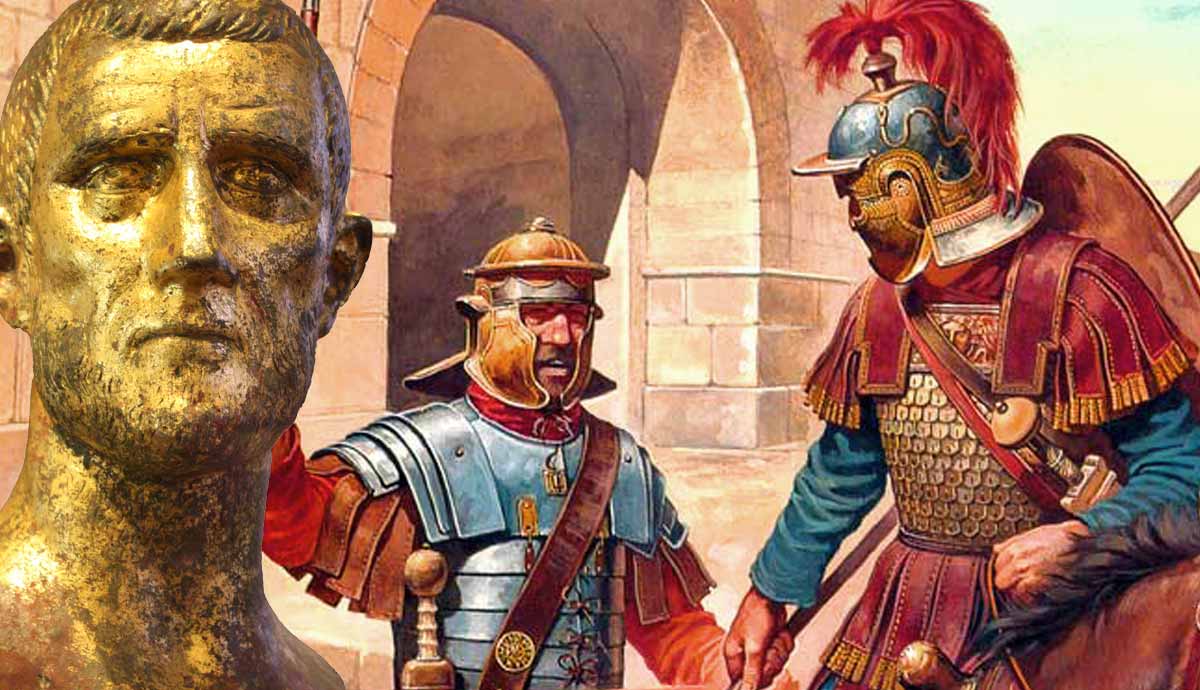
The Battle of Nisibis took place between the Roman forces led by Emperor Macrinus and the Parthian army. It was fought near the strategic city of Nisibis, a key stronghold controlling acc...
Roman Emperor Septimius Severus led a military campaign against the Parthian Empire, culminating in the siege and sack of Ctesiphon, the Parthian capital. This marked a significant assert...
The Roman Empire conducted a series of military campaigns across the Danube River to expand territorial control into regions inhabited by Dacian and Germanic tribes. These operations aime...
Trajan, one of Rome's most respected emperors known for his military conquests and extensive public works, died in the summer months during a campaign in Mesopotamia. His death marked the...
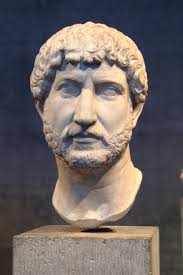
Following the death of Emperor Trajan, Hadrian chose to abandon the eastern conquests achieved during Trajan's campaigns. This strategic withdrawal aimed to consolidate the Roman Empire's...
The Roman forces led by Emperor Trajan launched a military campaign across Mesopotamia, culminating in the siege and capture of Seleucia. This event marked a significant point in Roman-Pe...
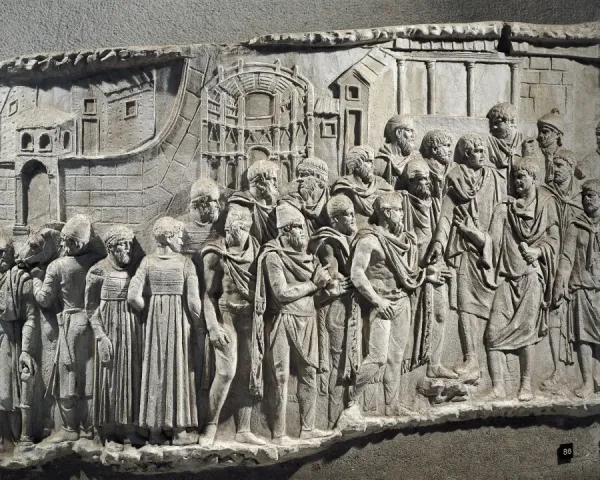
The Roman Empire completed the conquest and annexation of the kingdom of Dacia after a series of military campaigns led by Emperor Trajan. This marked the end of the Dacian Wars, culminat...
Ma Yuan was a prominent Han dynasty general who led campaigns in the southern regions of China to consolidate Han authority over the Nanyue Kingdom. His military expeditions were aimed at...
1917–1918 — Woodrow Wilson increasingly presents American participation as part of a larger project to restructure international relations. His Fourteen Points call for diplomatic reform,...
21 February 1916 — Germany launches a major offensive against the fortified Verdun region. French forces commit enormous manpower and artillery to prevent the fortress zone from falling. ...
1912–1913 — Trace the Balkan Wars, competing territorial claims and Great Power diplomacy that created modern Albania while leaving many Albanian-speaking populations beyond its borders.
10 June 1878 — Albanian political and religious leaders gather in Prizren as the Ottoman Empire faces defeat and territorial losses following the Russo-Turkish War. They fear that territo...
c. 1830–1912 — The Rilindja Kombëtare develops through writers, educators, political activists and diaspora networks. Albanian-language education and publishing become increasingly import...
c. 4000–3100 BCE — Powerful communities develop across Upper Egypt during the Naqada periods. Trade expands, elite burials become richer and political centers such as Hierakonpolis gain i...
14 August 1941 — Roosevelt and Churchill issue a statement of broad principles for the postwar world, including territorial restraint, economic cooperation and forms of self-government. T...
31 March 1939 — The British guarantee to Poland marks a major shift in policy after the occupation of Prague. Britain is no longer signaling willingness to negotiate every German territor...
28 June 1919 onward — The Treaty of Versailles becomes one of the most controversial diplomatic settlements in modern history. Reparations, territorial changes, military restrictions and ...
16 March 1935 — Hitler announces conscription and expansion of Germany's armed forces in open violation of Versailles restrictions. Germany has already been rearming secretly, but the ann...
15 March 1939 — German forces occupy Prague and dismantle what remains of Czechoslovakia. Bohemia and Moravia become a German protectorate while Slovakia becomes formally independent but ...
5 November 1937 — Hitler meets senior military and foreign-policy leaders and discusses Germany's need for territorial expansion. The surviving memorandum records Austria and Czechoslovak...
5 November 1937 — Adolf Hitler addresses senior military and foreign-policy leaders and discusses Germany's need for territorial expansion. The surviving memorandum records Hitler present...
Trace independence, the Balkan Wars, World War I, the Asia Minor catastrophe and later territorial settlements.
23 May 1915 — Italy declares war on Austria-Hungary after joining the Allied side through the secret Treaty of London. Italian leaders expect territorial gains along the Adriatic and Alpi...
1 December 1925 — Germany, France, Belgium, Britain and Italy sign agreements intended to stabilize Western Europe's postwar borders. Germany accepts its western frontiers, while Britain ...
23 August 1939 — Germany and the Soviet Union sign a non-aggression agreement. Secret protocols divide parts of Eastern Europe into German and Soviet spheres of influence. For Hitler the ...
23 August 1939 — Nazi Germany and the Soviet Union sign a non-aggression pact. Secret protocols divide parts of Eastern Europe into German and Soviet spheres of influence. Hitler reduces ...
30 September 1938 — Britain, France, Germany and Italy agree that Czechoslovakia must surrender the Sudetenland to Germany. British Prime Minister Neville Chamberlain hopes the agreement ...
30 September 1938 — Britain, France, Germany and Italy agree that Czechoslovakia must surrender the Sudetenland to Germany. Neville Chamberlain hopes satisfying Hitler's territorial claim...
1933–1945 ruling system — The Nazi Party becomes the political backbone of Hitler's dictatorship and penetrates government, education, propaganda, labor organizations and local administra...
22 June 1941 — Germany and its allies invade the Soviet Union along a vast front from the Baltic to the Black Sea. Hitler expects the Soviet state to collapse after a short campaign and a...
17 September 1939 — Soviet forces cross Poland's eastern frontier while the Polish state is already collapsing under German attack. The invasion follows the secret territorial arrangement...
28 June 1919 — Germany and the Allied powers sign the Treaty of Versailles exactly five years after Franz Ferdinand's assassination. Germany accepts territorial losses, military restricti...
Untitled5 November 1937 — During the Hossbach meeting, Hitler presents territorial expansion as necessary for Germany's strategic future. Austria and Czechoslovakia are discussed as poten...
Untitled23 August 1939 — After unsuccessful and distrustful negotiations involving Britain, France and the Soviet Union, Stalin accepts a non-aggression agreement with Germany. The decisi...
28 June 1919 — Many German political movements interpret Versailles as a dictated peace and focus particularly on territorial losses, reparations and the treaty's responsibility clause. M...
11 August 1919 — Germany adopts a democratic constitution establishing the Weimar Republic. The new political system combines parliamentary government with a powerful presidency and exten...
23 August 1939 — The German-Soviet pact is one of the most shocking diplomatic reversals of the twentieth century. Investigate failed Soviet-Western negotiations, Stalin's security calcul...