US and Iran exchange strikes
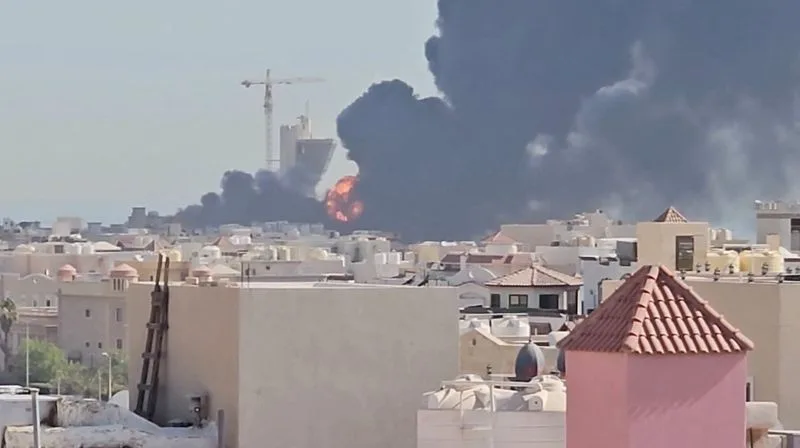
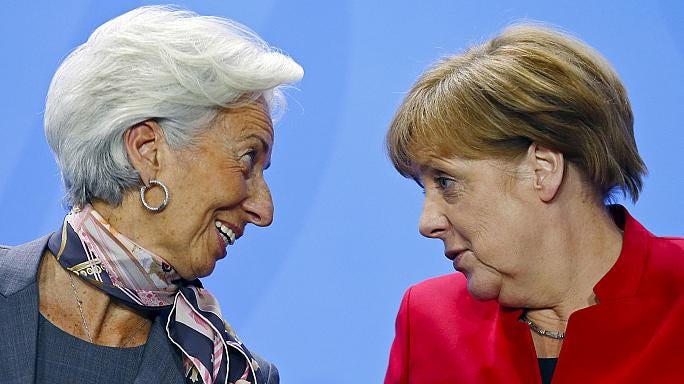
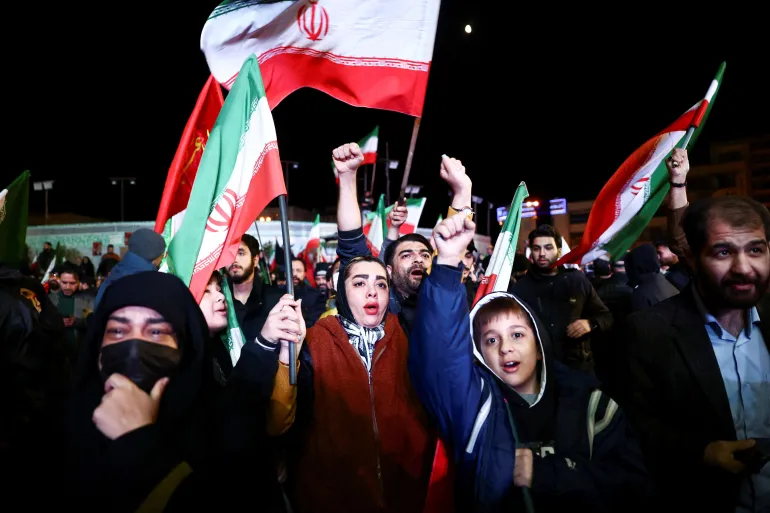
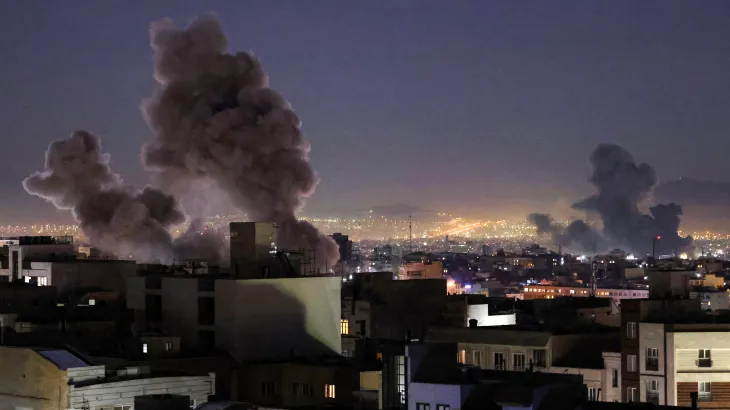
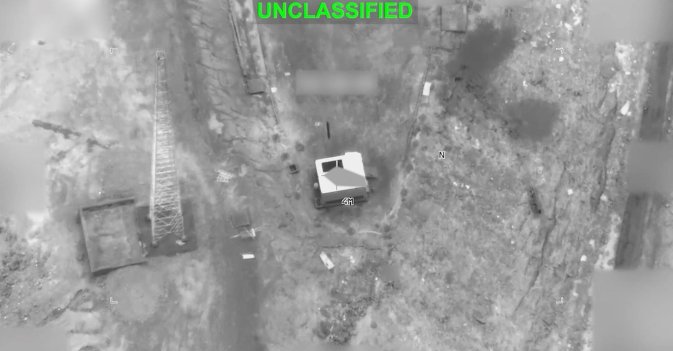
The United States and Iran exchanged their largest series of direct attacks since July on September 2, 2026, renewing concerns that the conflict between the two countries could expand acr...
The United States launched a new series of military strikes against Iran on September 1, 2026, marking a major escalation after several weeks of reduced direct fighting. U.S. Central Comm...
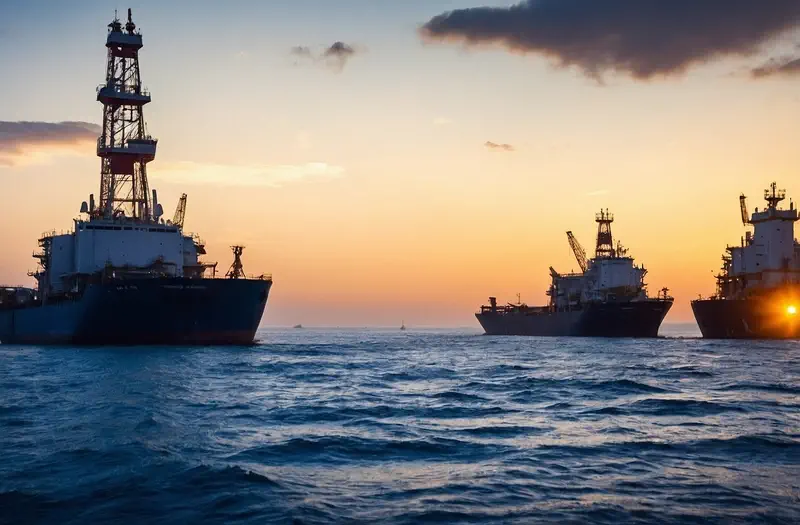
Global oil prices rose sharply on August 10, 2026, as uncertainty continued over negotiations concerning the reopening of the Strait of Hormuz. Iran maintained that the United States must...
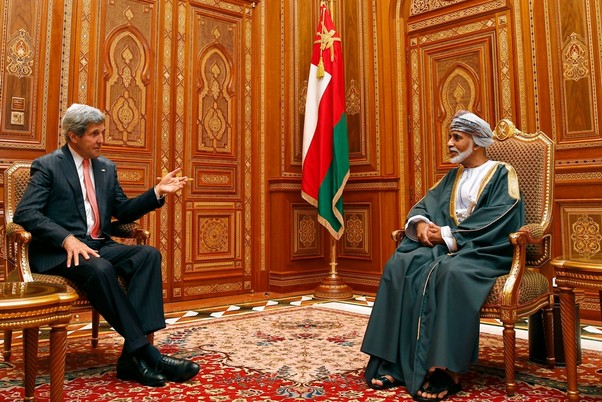
Iran said on August 9, 2026, that an agreement with Oman concerning shipping routes through the Strait of Hormuz was approaching completion. Iranian Foreign Minister Abbas Araqchi said th...
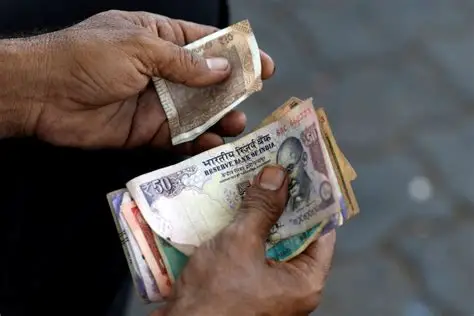
The Reserve Bank of India was believed to have intervened in the foreign exchange market on August 7, 2026, as the Indian rupee faced renewed pressure from rising global oil prices. Curre...
The International Monetary Fund said on June 22, 2026, that it was expanding financial support for several African countries affected by economic disruptions linked to conflict in the Mid...
The United States and Iran entered a two-week ceasefire on April 8, 2026, following more than five weeks of military conflict. U.S. President Donald Trump announced the agreement after me...
As of March 2026, Israeli authorities have been retaining the bodies of prisoners who die while serving sentences, holding them until the official sentence period is completed. This polic...
The United States and Israel launched coordinated military strikes against Iran on February 28, 2026. The operation targeted Iranian military facilities, missile capabilities, government ...
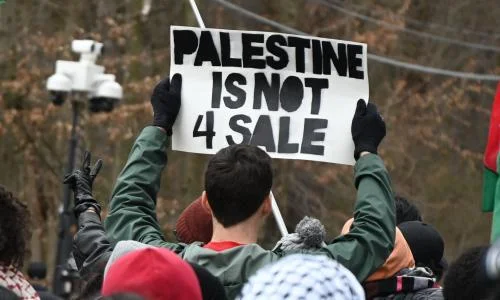
There is no real pause button for civilians in the West Bank and Gaza. The restrictions do not switch off at night. The fear does not fade with sunrise. Checkpoints, roadblocks, military ...
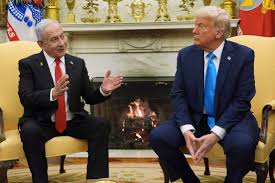
On February 12, 2026, U.S. President Donald Trump publicly demanded that Israeli President Isaac Herzog grant a pardon to Prime Minister Benjamin Netanyahu, thrusting himself into one of ...
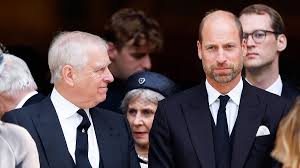
On February 9, 2026, Prince William and Princess Catherine broke their prolonged silence over revelations emerging from the U.S. Justice Department’s release of the so‑called “Epstein fil...
Iran Announces Live‑Fire Naval Drills Near U.S. Warships in Strait of Hormuz Iran’s Islamic Revolutionary Guard Corps (IRGC) announced a two‑day live‑fire naval exercise in the...
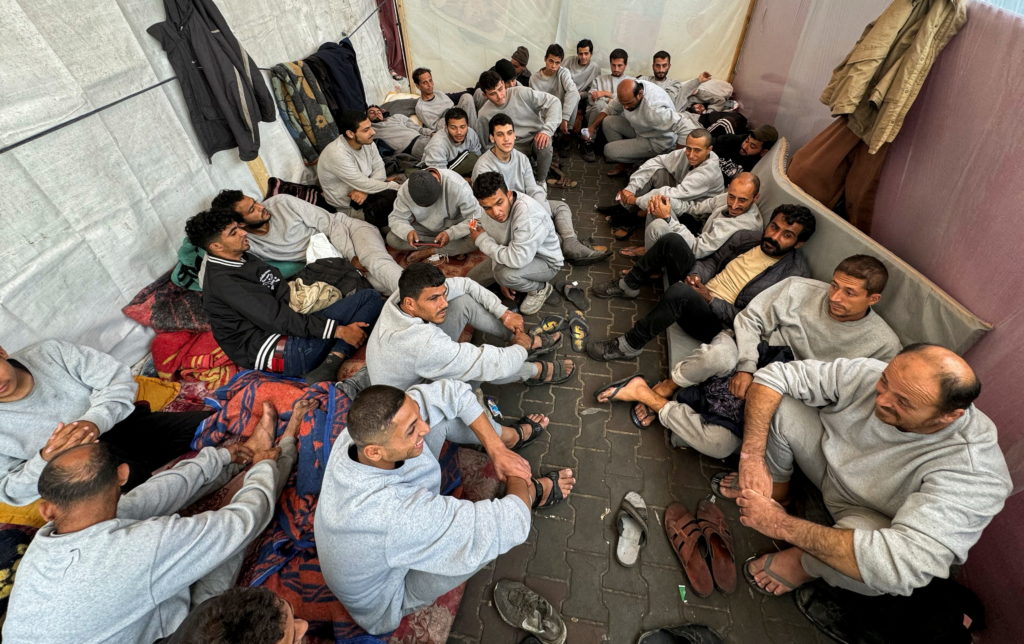
Palestinians Held in Israeli Prisons and Detention Facilities According to multiple human rights organisations and prisoner support groups, thousands of Palestinians are held i...
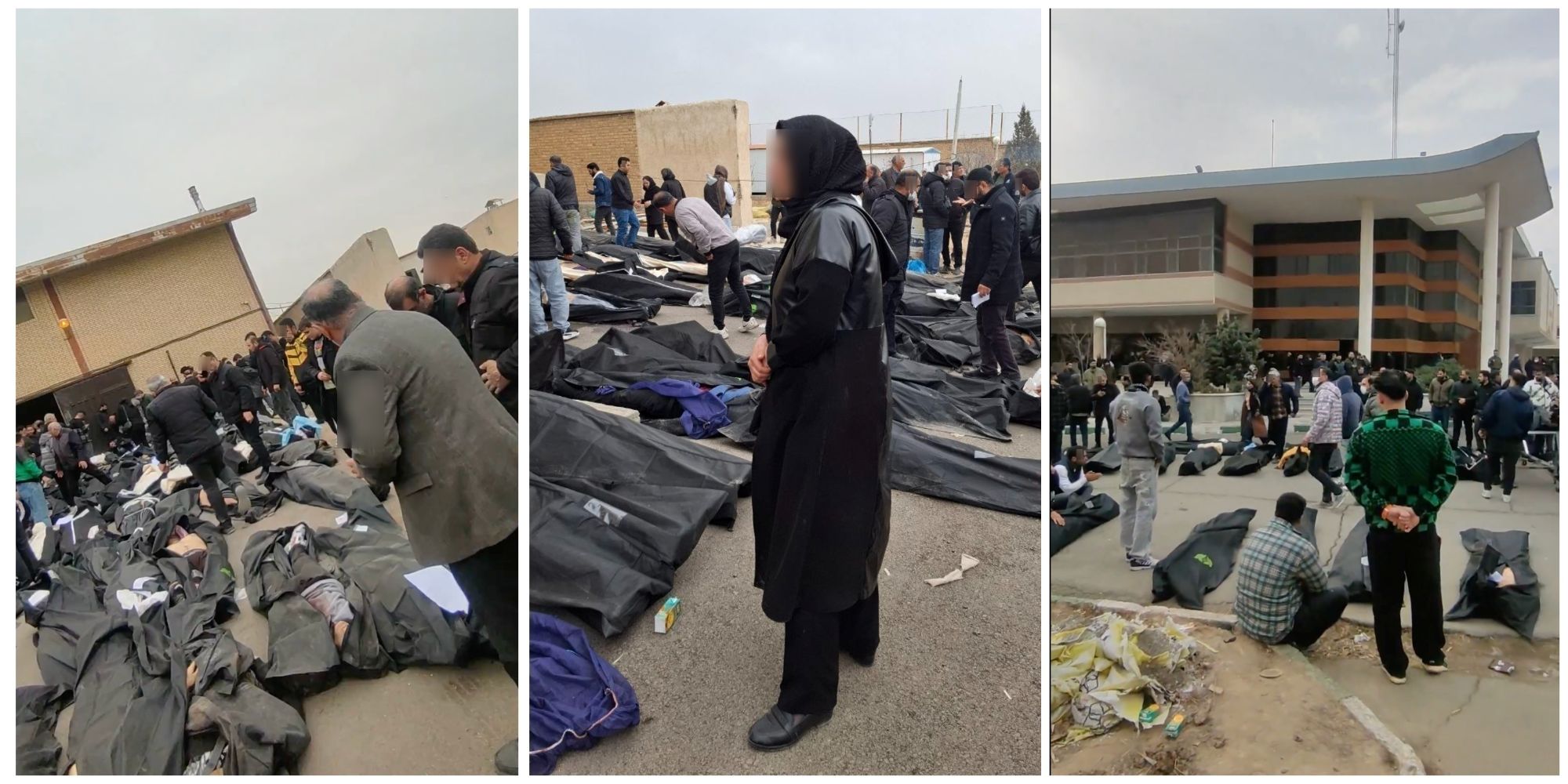
Iran Considers Lifting Internet Ban as Protest Death Toll Reported As of January 19 2026, Iran is debating a partial lifting of its nationwide internet blackout that was imposed during a...
US warns ICC member states against proceedings targeting Israel On July 10, 2025, the United States government issued warnings to member states of the International Criminal Court (ICC),...
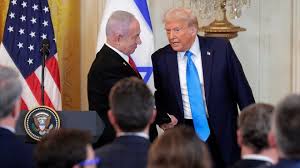
Netanyahu Meets Trump at Mar-a-Lago Following Inauguration Israeli Prime Minister Benjamin Netanyahu met with U.S. President Donald Trump at Mar-a-Lago in Florida on February 4, 2025. Th...
In early March 2024, several synagogues in the United States and Canada hosted real estate events where properties in the West Bank and East Jerusalem — areas internationally considered o...
Palestinian children are regularly arrested and detained by Israeli authorities, primarily for security-related offenses, but there is no separate prison exclusively for them. They are he...
Charlie Chaplin married actress Mildred Harris on October 23, 1918, in Los Angeles. Chaplin was 29 years old and Harris was 16. Harris was already working as a film actress when the relat...
1913 – Foundations of the Modern World body { font-family: Arial, sans-serif; background-color: #f4f4f9; margin: 0; padding: 0; } .timeline-container { max-width: 900...
Charlie Chaplin was an English actor, filmmaker, composer, and producer who became one of the most prominent figures of twentieth-century cinema. His career included silent films, sound f...
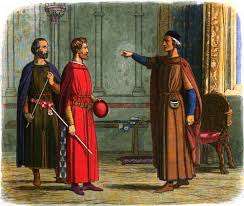
Expulsion of Jews from England On July 18, 1290, King Edward I issued the Edict of Expulsion, ordering all Jews to leave the Kingdom of England. The decree affected Jewish communities ac...
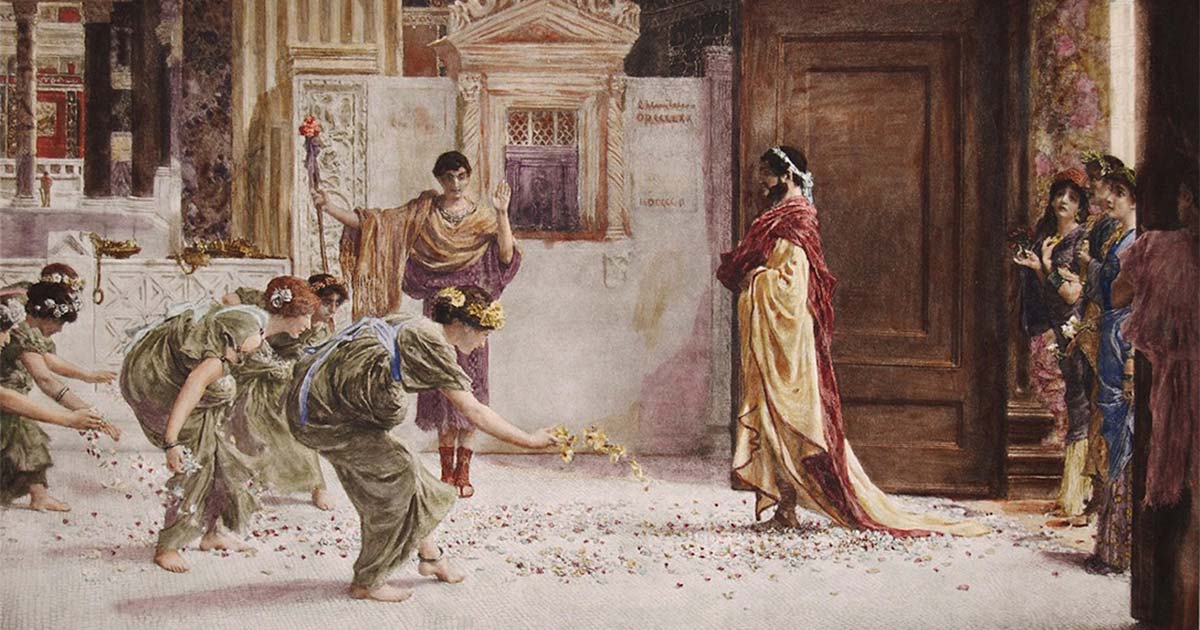
Elagabalus, also known as Varius Avitus Bassianus, was proclaimed Roman Emperor upon the death of Caracalla’s successor during the Severan dynasty. His accession marked a period of signif...
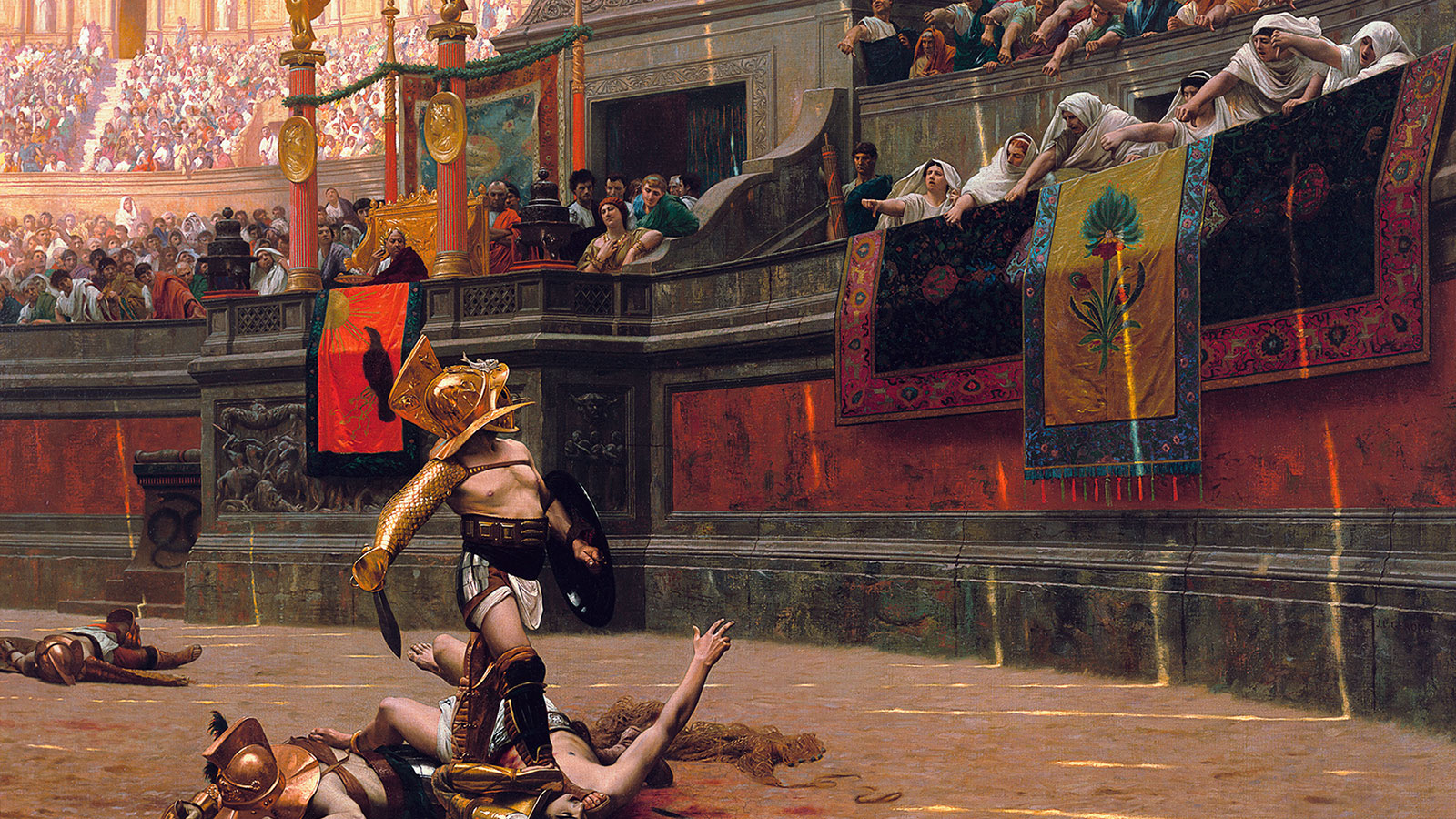
Emperor Commodus, known for his unconventional rule, famously participated in gladiatorial combats in Rome. Unlike previous emperors, he openly fought as a gladiator, staging public spect...
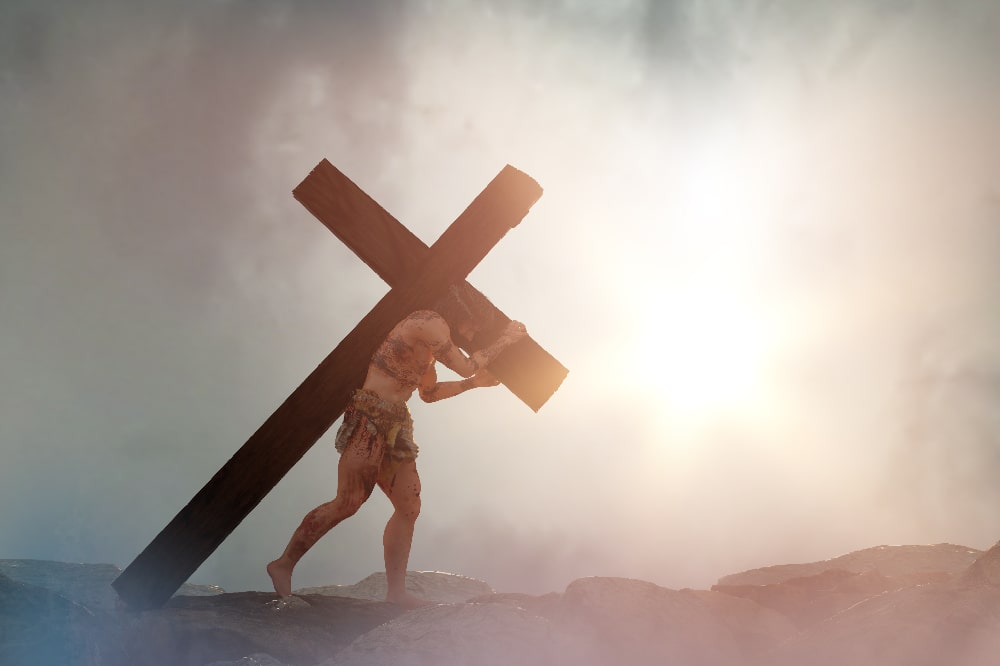
Jesus of Nazareth was executed by crucifixion under Roman governor Pontius Pilate in Jerusalem, during the period of Roman occupation of Judea. The event is documented in the canonical Go...
3 July 2013 — Following enormous demonstrations against President Morsi, the Egyptian military removes him from office and suspends the constitution. Supporters describe the intervention ...
January–August 1997 — The collapse of enormous fraudulent investment schemes wipes out the savings of hundreds of thousands of Albanians. Armed rebellion spreads, military arsenals are lo...
26 July–7 November 1956 — Nasser nationalizes the Suez Canal Company after Western governments withdraw support for the Aswan High Dam. Britain, France and Israel secretly coordinate a mi...
January–June 1919 — Allied leaders negotiate borders, reparations, military restrictions, mandates and a new international organization. Wilson's language of self-determination raises eno...
6 April 1917–11 November 1918 — The United States begins converting its enormous economy and population into military power. Millions of men enter the draft system while shipping, finance...
1 July 1916 — British and French forces open the Somme offensive after an enormous artillery preparation. The first day becomes the bloodiest single day in British military history. Fight...
21 February 1916 — Germany launches a major offensive against the fortified Verdun region. French forces commit enormous manpower and artillery to prevent the fortress zone from falling. ...
September–November 1914 — After the Marne, both sides repeatedly attempt to turn the other's flank. The maneuvering eventually reaches the North Sea and creates a largely continuous forti...
28 July–4 August 1914 — European armies activate enormous prearranged railway timetables to mobilize millions of soldiers. Military planners argue that delaying mobilization could allow a...
1914–1917 Allied purchasing and finance role — J.P. Morgan & Co. becomes a major financial and purchasing intermediary for Britain and France in the United States during American neutrali...
1914–1918 wartime production — Krupp is one of Germany's most important heavy industrial and armaments firms. The company supplies artillery, steel products and other military equipment r...
1914–1918 wartime production — British engineering and armaments company Vickers becomes an important supplier of guns, ammunition, ships and other military equipment during the war. Enor...
1914–1918 — Armaments companies, explosives producers and other industrial suppliers receive enormous wartime orders. Some businesses benefit heavily while others suffer from disruption a...
17 November 1869 — The Suez Canal officially opens, connecting the Mediterranean and Red Seas without requiring ships to sail around Africa. The canal transforms global shipping and makes...
18 October 1081 — Norman forces under Robert Guiscard defeat the Byzantine army of Emperor Alexios I Komnenos outside Dyrrhachium. The battle shows the Adriatic city's continuing strategi...
969 CE — Fatimid forces establish al-Qahira, Cairo, as a new royal and military city. The settlement grows beside older Fustat and eventually absorbs it into an enormous urban center. Cai...
30 BCE — Octavian captures Alexandria after the deaths of Antony and Cleopatra. Egypt becomes a Roman province under unusually close imperial supervision because of its enormous agricultu...
c. 1479–1425 BCE — Thutmose III initially shares the throne during Hatshepsut's rule and later becomes one of Egypt's most successful military pharaohs. Repeated campaigns extend Egyptian...
c. 1550–1070 BCE — Egypt becomes one of the great imperial powers of the Late Bronze Age. Pharaohs campaign into Nubia and the Levant while wealth flows into enormous temple complexes, ro...
c. 2650 BCE — Djoser's Step Pyramid complex represents a revolutionary leap in monumental stone architecture. Traditionally associated with the official Imhotep, the project begins as a m...
c. 2667–2648 BCE — Djoser rules during Egypt's Third Dynasty and is associated with one of the greatest architectural transformations in ancient history. His funerary complex at Saqqara r...
16 January 1942 — Roosevelt creates the War Production Board to coordinate conversion of the American economy to wartime needs. Automobile plants, steel mills, aircraft factories and ship...
27 January 1945 — Soviet troops reach the Auschwitz concentration and extermination complex in occupied Poland. They find thousands of surviving prisoners and extensive evidence of mass m...
23 August 1941 — German forces intensify operations that culminate in one of the largest encirclements in military history around Kyiv. Hitler diverts armored forces southward rather than...
12 July 1943 — Soviet and German armored formations clash near Prokhorovka during the Battle of Kursk. The battle later acquires legendary status as an enormous tank confrontation, though...
23 August 1942 — German forces begin the major assault phase against Stalingrad after intensive Luftwaffe bombing. The city's industrial and symbolic importance combines with its strategi...
28 June 1942 — Germany launches its major summer offensive toward southern Russia and the Caucasus. Hitler seeks the oil resources of the Caucasus and control of the Volga region. German ...
6 June 1944 — Allied forces land on the Normandy coast in Operation Overlord. American, British, Canadian and other Allied formations assault five principal beaches while airborne troops ...
1916–1922 as British prime minister — Lloyd George leads Britain during the final two years of the war and the peace conference. His government intensifies national economic mobilization ...
23 March 1933 — The Reichstag passes legislation allowing Hitler's cabinet to enact laws without normal parliamentary approval. Communist deputies are absent or imprisoned, and intimidati...
1 July 1944 — As German armies retreat through Belarus and Poland, infrastructure, villages and transport networks are frequently destroyed. Nazi occupation has already inflicted enormous...
2 February 1943 — The last major German formations inside Stalingrad surrender. Approximately one of Germany's most powerful field armies has been destroyed or captured. The defeat has en...
30 March 1930 — Heinrich Brüning becomes German chancellor as parliamentary government becomes increasingly unstable. Presidents and chancellors rely more heavily on Article 48 emergency ...
8 September 1926 — Germany enters the League of Nations as a permanent Council member. The move symbolizes the diplomatic normalization associated with Gustav Stresemann's foreign policy....
8 May 1945 — Germany's unconditional surrender ends the war in Europe. The Soviet Union has suffered enormous military and civilian losses but emerges as one of the world's two dominant p...
5 July 1943 — By Kursk, the Red Army has transformed from the force devastated in 1941 into an increasingly sophisticated military machine. Investigate industrial relocation, command refo...
1914–1918 wartime production — Krupp is one of Germany's most important heavy industrial and armaments firms. The company supplies artillery, steel products and other military equipment r...
6 November 1943 — Soviet forces recapture Kyiv from German occupation. The victory is strategically and symbolically important and accelerates the German retreat across Ukraine. The city ...
17 September 1942 — Brigadier General Leslie Groves is placed in charge of the Manhattan Project. He oversees enormous construction, procurement, secrecy and industrial coordination acros...
13 August 1942 — The U.S. Army formally establishes the Manhattan Engineer District, the administrative framework that becomes the Manhattan Project. Scientific laboratories and enormous ...
13 January 1945 — Soviet advances into East Prussia and Poland trigger enormous civilian flight. German authorities evacuate populations inconsistently and often too late. Refugees face w...
1933–1945 ruling system — The Nazi Party becomes the political backbone of Hitler's dictatorship and penetrates government, education, propaganda, labor organizations and local administra...
14 September 1930 — The Nazi electoral breakthrough reflects intensive use of rallies, posters, newspapers, aircraft tours, slogans and targeted political messaging. Nazi propaganda offer...
22 June 1944 — The Red Army launches a huge offensive against German Army Group Centre in Belarus. Soviet commanders use deception, enormous artillery concentrations, armored exploitation...
22 June 1941 — Germany and its allies invade the Soviet Union along an enormous front. Hitler seeks not only military victory but ideological destruction of Soviet communism, acquisition ...
22 June 1941 — Germany and its allies invade the Soviet Union along a vast front from the Baltic to the Black Sea. Hitler expects the Soviet state to collapse after a short campaign and a...
25 August 1944 — French and Allied forces complete the liberation of Paris after an uprising by resistance groups and the arrival of Free French troops. General Charles de Gaulle enters t...
7 March 1936 — Hitler's decision to remilitarize the Rhineland is a major gamble because German forces are not prepared for a serious military confrontation with France. The absence of mi...
16 April 1945 — The final offensive toward Berlin begins with one of the largest artillery concentrations of the war. Searchlights, artillery and armored formations support the assault ag...
24 June 1941 — Soviet authorities establish evacuation mechanisms to move factories, machinery and workers away from the advancing German armies. Thousands of industrial facilities are ev...
1933–1945 — Heinrich Himmler's SS develops from a Nazi Party formation into an enormous system involving policing, intelligence, racial policy, concentration camps, settlement programs an...
28 November 1943 — Roosevelt, Churchill and Stalin meet together for the first time. Stalin presses strongly for a second front in Western Europe, and the Western Allies confirm plans for...
Untitled1 May 1944 — Allied deception operations intensify before the Normandy invasion. False radio traffic, dummy formations, controlled double agents and the fictional First U.S. Army ...
16 March 1935 — German rearmament creates enormous military demand for steel, chemicals, vehicles, weapons and fuel substitutes. Industrial firms benefit from government contracts and pro...
8 February 1942 — Use the expansion of wartime production as the investigative anchor. Companies in Allied and Axis states received enormous military orders, while the Nazi economy additi...