US renews strikes on Iran
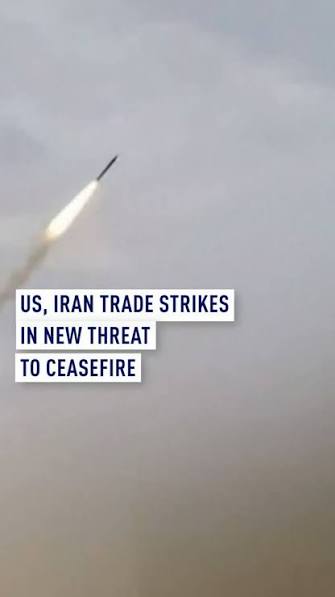
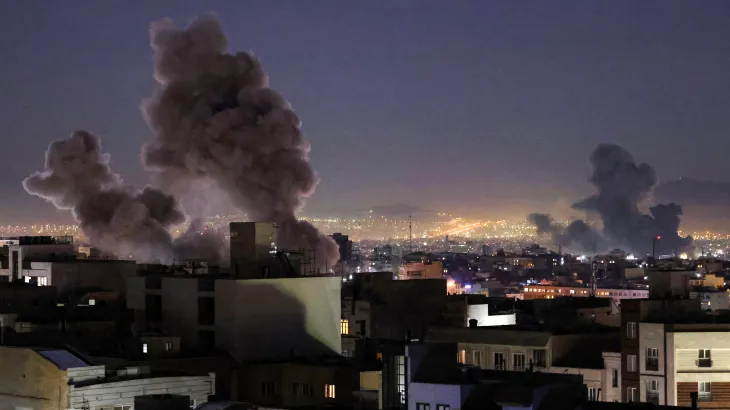
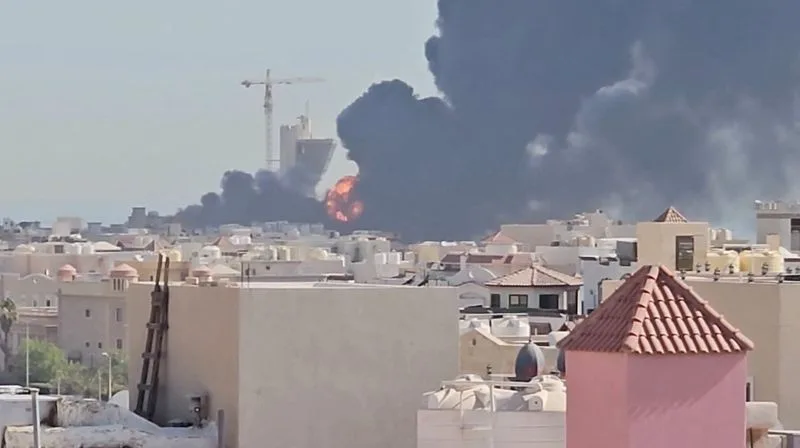
The United States launched a new series of military strikes against Iran on September 1, 2026, marking a major escalation after several weeks of reduced direct fighting. U.S. Central Comm...
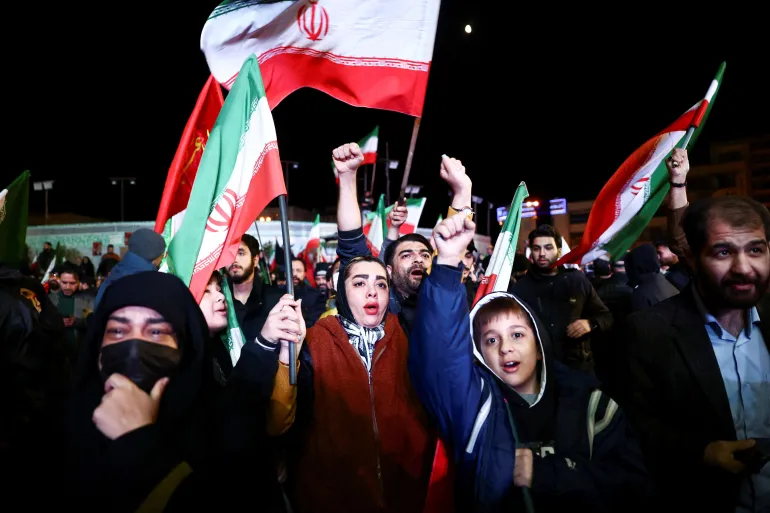
The United States and Iran exchanged warnings on August 22, 2026, ahead of a planned announcement of additional U.S. economic sanctions against Iran and countries or companies involved in...
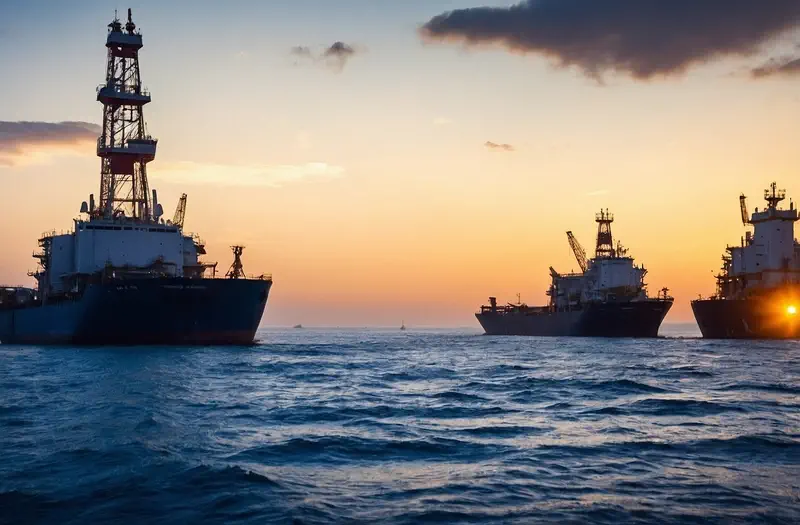
Global oil prices rose sharply on August 10, 2026, as uncertainty continued over negotiations concerning the reopening of the Strait of Hormuz. Iran maintained that the United States must...
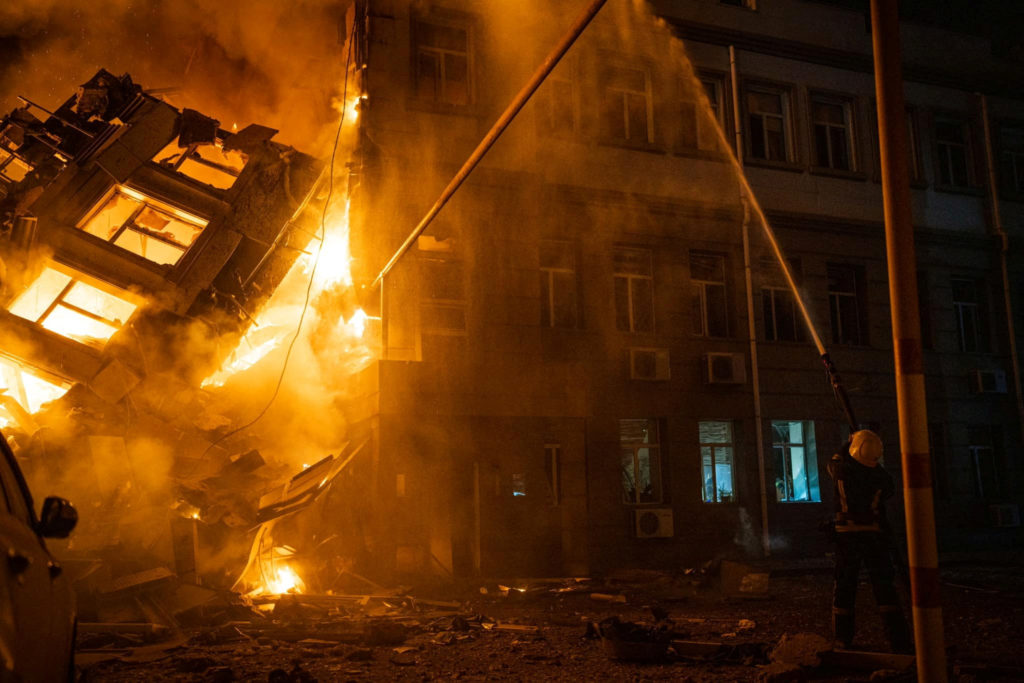
Russian forces carried out missile and drone attacks on Odesa and nearby port infrastructure on August 9, 2026. Ukrainian authorities reported damage to port facilities and other infrastr...
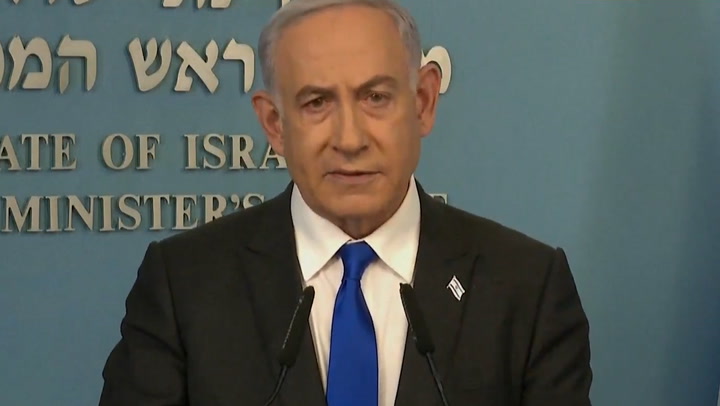
Israeli Prime Minister Benjamin Netanyahu said on August 9, 2026, that Israel would not withdraw its forces from the Gaza Strip until Hamas had been fully disarmed. His statement rejected...
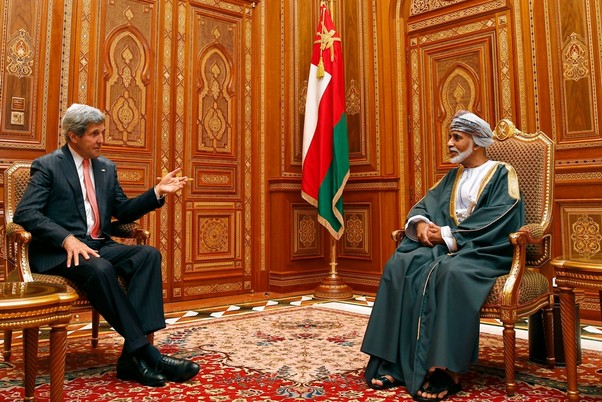
Iran said on August 9, 2026, that an agreement with Oman concerning shipping routes through the Strait of Hormuz was approaching completion. Iranian Foreign Minister Abbas Araqchi said th...
Moshe Feiglin, an Israeli politician and former member of the Knesset, has advocated policies involving the displacement of Palestinians from the Gaza Strip. Feiglin is the founder and le...
A flotilla of more than 50 civilian vessels organized by pro-Palestinian activists, including the Global Sumud Flotilla, attempted to reach the Gaza Strip in 2026 carrying humanitarian ai...
The United States and Iran entered a two-week ceasefire on April 8, 2026, following more than five weeks of military conflict. U.S. President Donald Trump announced the agreement after me...
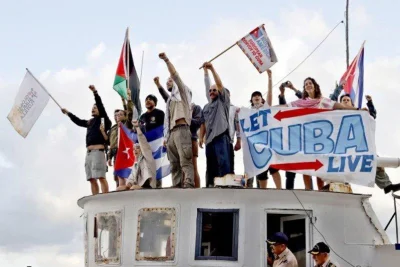
A humanitarian flotilla carrying aid to Cuba arrived in Havana on March 24, 2026, as part of an international initiative aimed at delivering supplies amid U.S. sanctions and a fuel blocka...
The United States and Israel launched coordinated military strikes against Iran on February 28, 2026. The operation targeted Iranian military facilities, missile capabilities, government ...
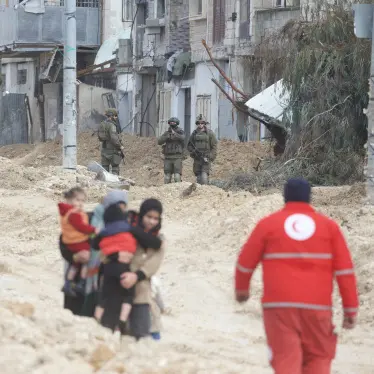
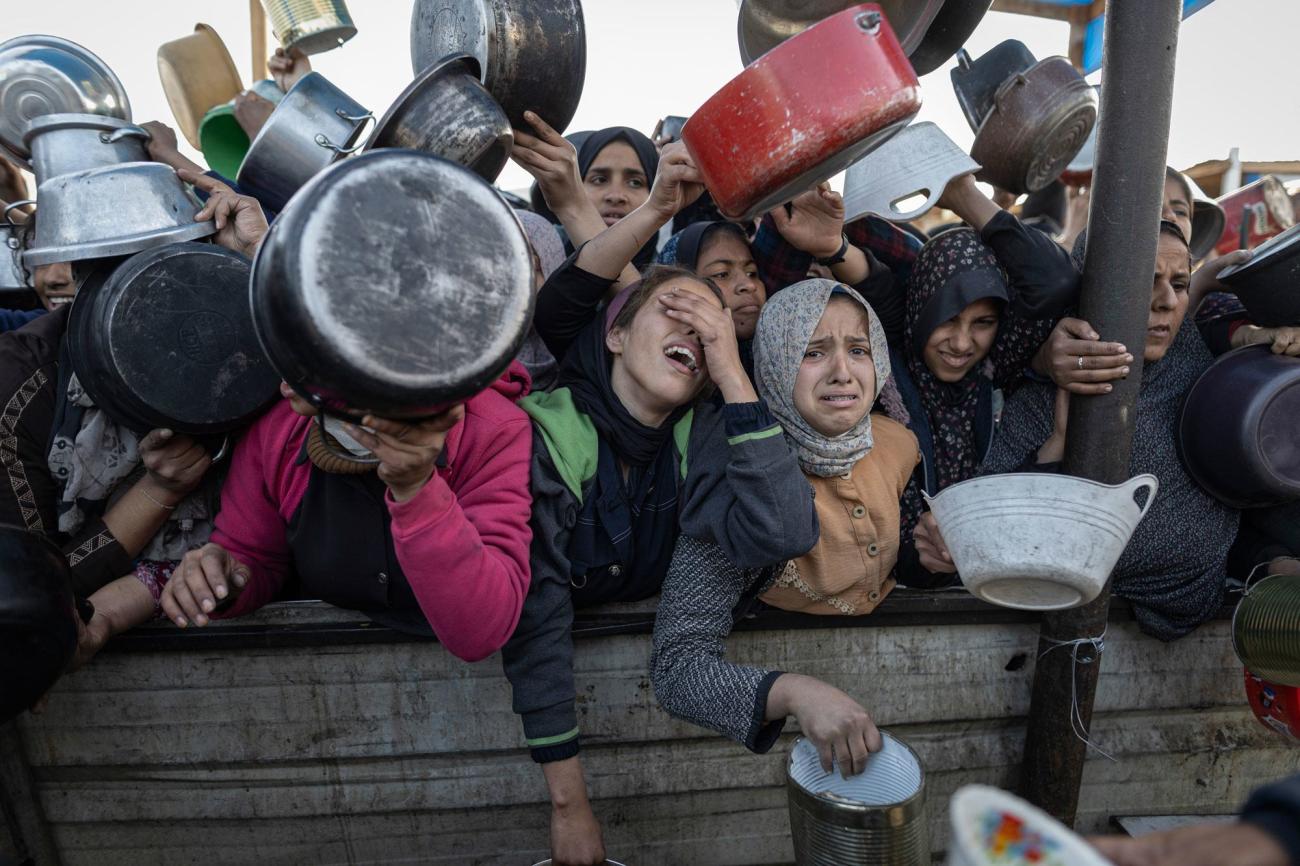
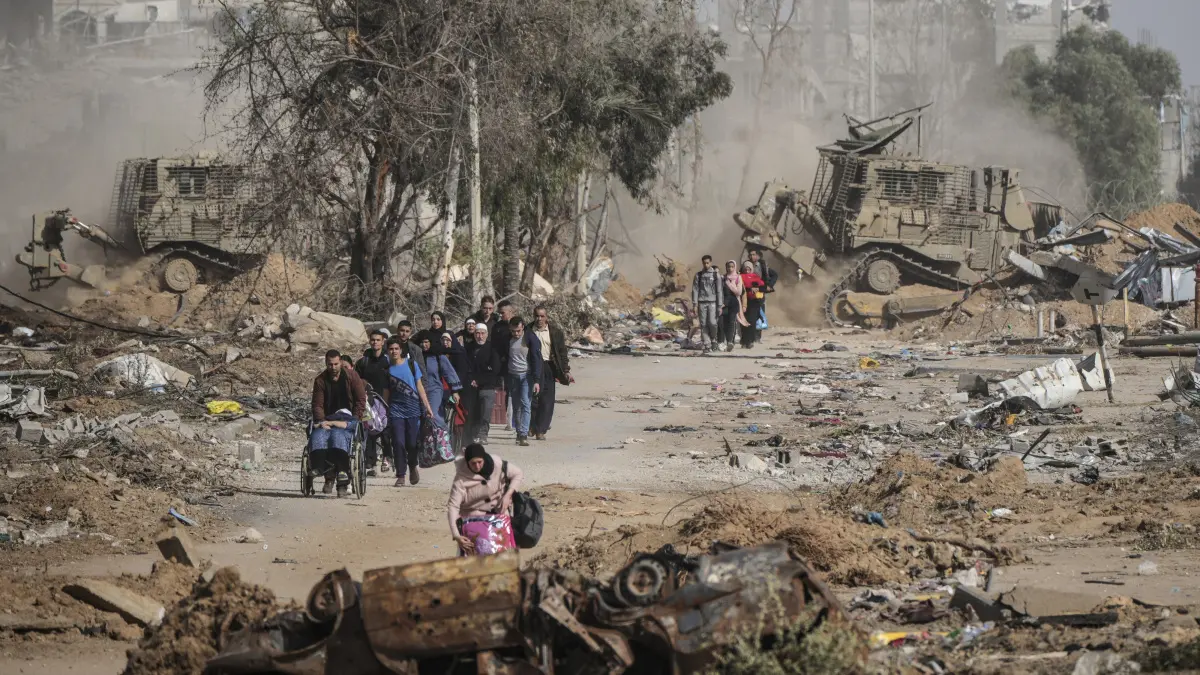
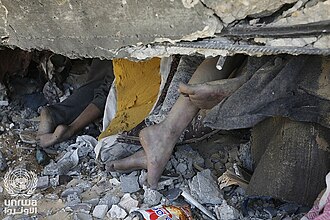
There is no real pause button for civilians in the West Bank and Gaza. The restrictions do not switch off at night. The fear does not fade with sunrise. Checkpoints, roadblocks, military ...
Palestinian civilians in the West Bank and Gaza have lived under Israeli military occupation for decades, facing severe restrictions on movement, access to healthcare, education, and basi...
Infrastructure Under Fire: Gaza’s Water Systems Since 1948 body { font-family: Arial, Helvetica, sans-serif; line-height: 1.6; margin: 40px; c...
IDF Blocks Palestinian Bedouins From Rebuilding Homes Burned By Settlers In early February 2026 the Israel Defense Forces issued orders preventing Palestinian Bedouin residents of the We...
French Judges Issue Arrest Warrants for French-Israeli Activists Over Complicity in Genocide French investigating judges in Paris have issued warrants for two French-Israeli na...
Palestinian Holocaust The term “Palestinian Holocaust” has been used by activists and commentators to describe the cumulative impact of displacement, warfare, and territorial loss experi...
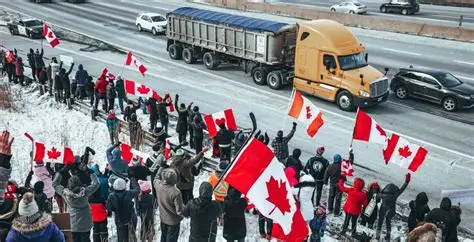
From late January to mid‑February 2022, a large convoy of truck drivers and supporters known as the “Freedom Convoy” gathered in downtown Ottawa and at key border crossings to protest COV...
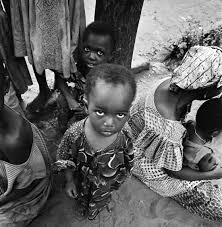
The Biafran mass killings occurred during the Nigerian Civil War, which lasted from 1967 to 1970. Following the secession of the southeastern provinces of Nigeria and the declaration of t...
1914–1919 — The Royal Navy progressively restricts German access to food, fertilizer, metals, chemicals and overseas trade. Neutral shipping is increasingly subjected to Allied controls. ...
1914–1919 wartime role — Britain's navy protects imperial shipping routes, contains the German High Seas Fleet and implements the maritime blockade of the Central Powers. Its strategic va...
Untitled1914–1918 — Industrial warfare requires food, coal, metals, chemicals, credit and shipping on unprecedented scales. Britain attempts to deny overseas resources to Germany through ...
1 January 1944 — By 1944 American submarines are destroying Japanese merchant shipping at a rate Japan cannot replace. Oil, food, raw materials and military supplies become increasingly d...
11 November 1918 — German representatives sign the armistice at Compiègne. Fighting ends on the Western Front at 11:00 a.m. Germany accepts evacuation requirements and surrender of substa...
31 May 1916 — Britain's Grand Fleet and Germany's High Seas Fleet clash in the North Sea in the largest naval battle of the war. Germany inflicts heavier tactical losses, but Britain reta...
8 September 1941 — German and Finnish advances isolate Leningrad from most overland supply routes. Hitler chooses not to storm the city immediately and instead expects starvation and bomb...
27 January 1944 — Soviet offensives drive German forces far enough from Leningrad to end the siege. The city has endured nearly nine hundred days of blockade, bombardment, starvation and ...
1917–1918 — Investigate Allied economic superiority, the blockade, American intervention, German losses during the Spring Offensive, improvements in Allied tactics, shortages inside Germa...