Intel launches equity raise
Intel announced plans on August 10, 2026, to raise approximately 15 billion dollars through the sale of additional shares as the semiconductor company continued financing its manufacturin...
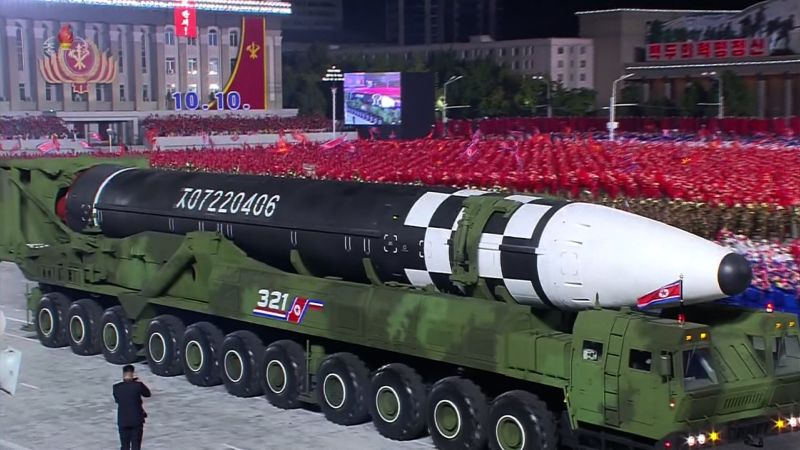
Ukraine's military intelligence reported on August 5, 2026, that North Korea had deployed a missile unit to Russia's Voronezh region to support Russian military operations against Ukraine...
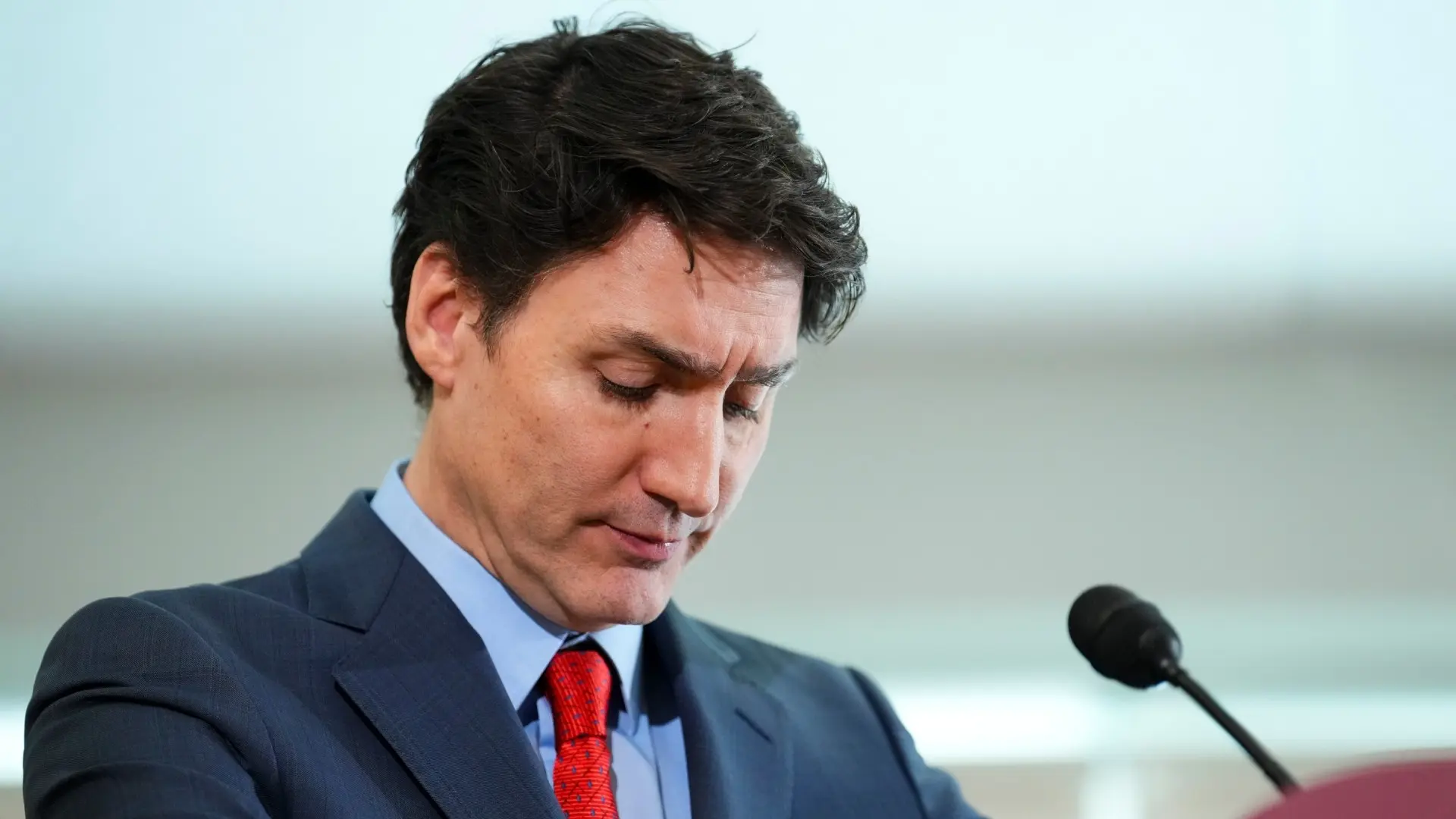
Major Canadian Political and Social Events Timeline body { font-family: Arial, sans-serif; background-color: #f4f4f9; margin: 0; padding: 0; } .timeline-container { m...
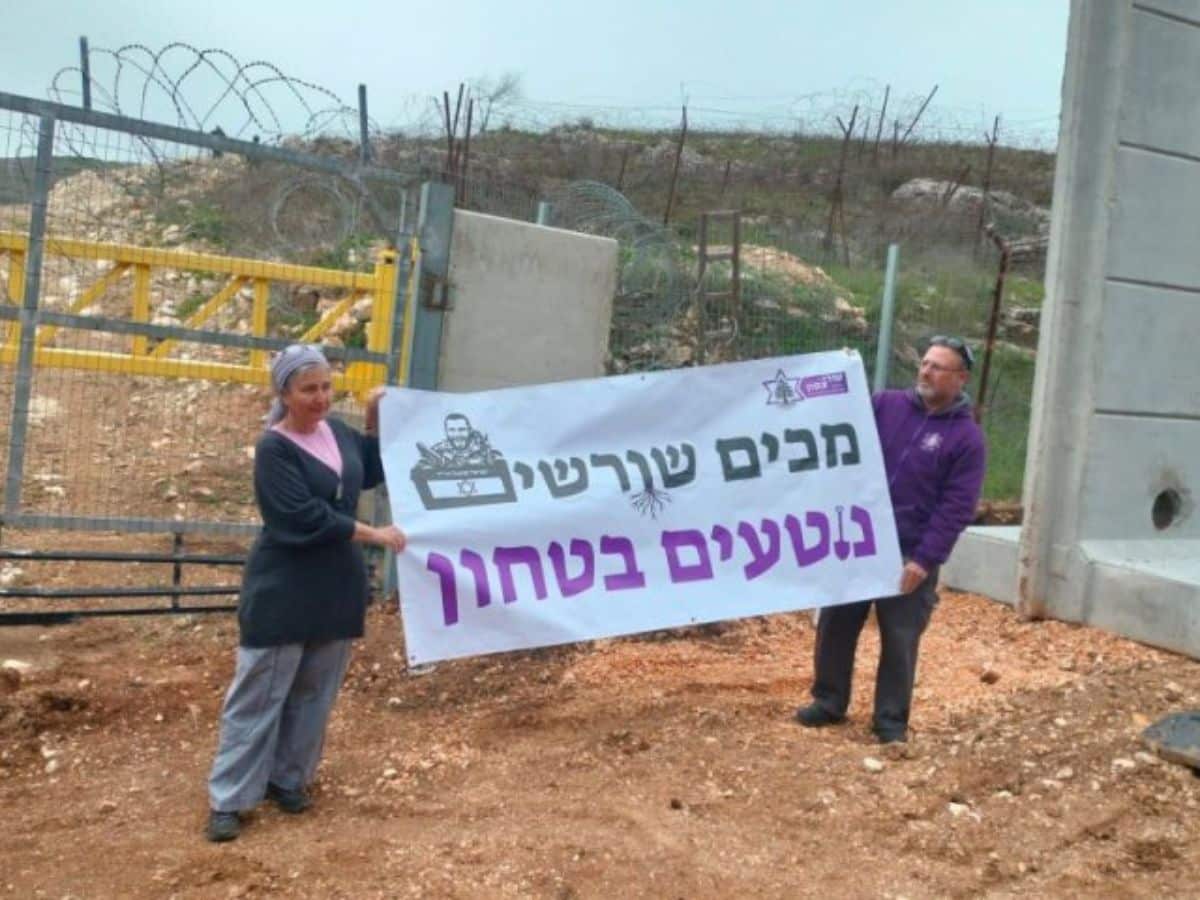
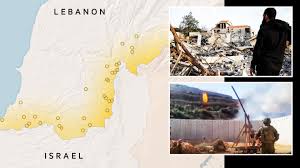
On February 12, 2026, the fragile calm along southern Lebanon’s border was shattered as extremist Israeli settlers planted olive and pine trees deep inside Lebanese territory. What may se...
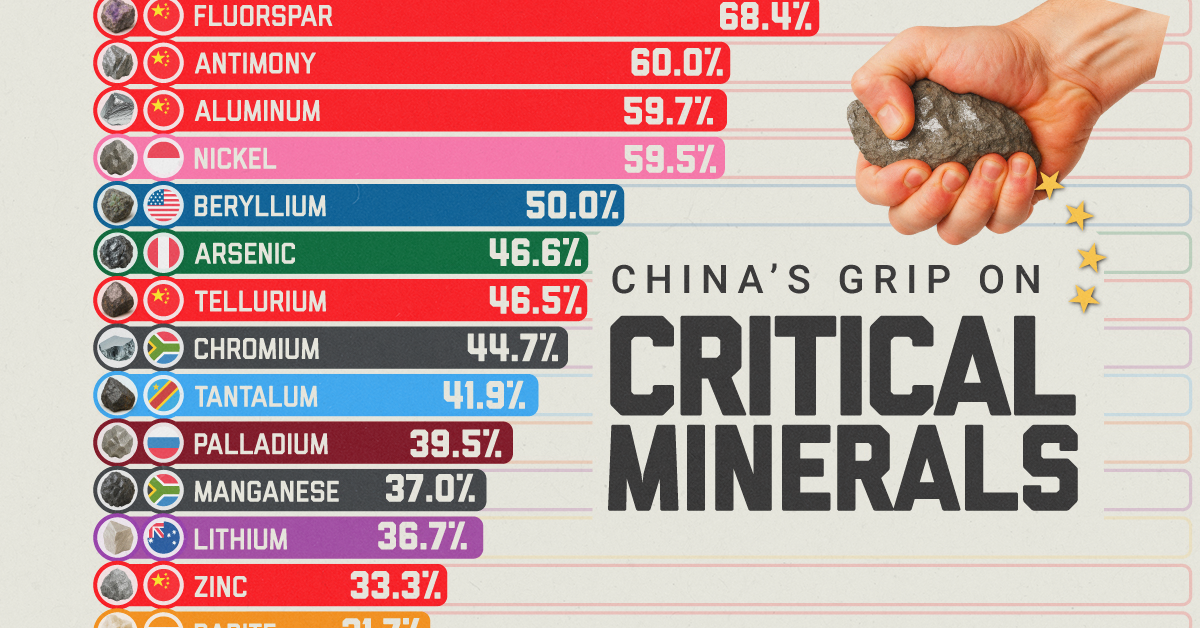
China expands state control over strategic mineral exports On February 23, 2026, the Chinese Ministry of Commerce announced new regulations strengthening state oversight of exp...
Germany faces hospital capacity strain amid physician shortages On February 19, 2026, German health authorities reported that hospitals across multiple federal states are exper...
Israel expands buffer zone operations along Lebanon border In mid-February 2026, the Israel Defense Forces announced an expansion of buffer zone operations along sections of th...
Christian Communities in the Middle East: Villages and Towns Timeline 523–2026 body { font-family: Arial, sans-serif; background-color: #f4f4f9; margin: 0; padding: 0; } .ti...
Event Timeline body { font-family: Arial, sans-serif; background-color: #f4f4f9; margin: 0; padding: 0; } .timeline-container { max-width: 900px; margin: 50px auto; p...
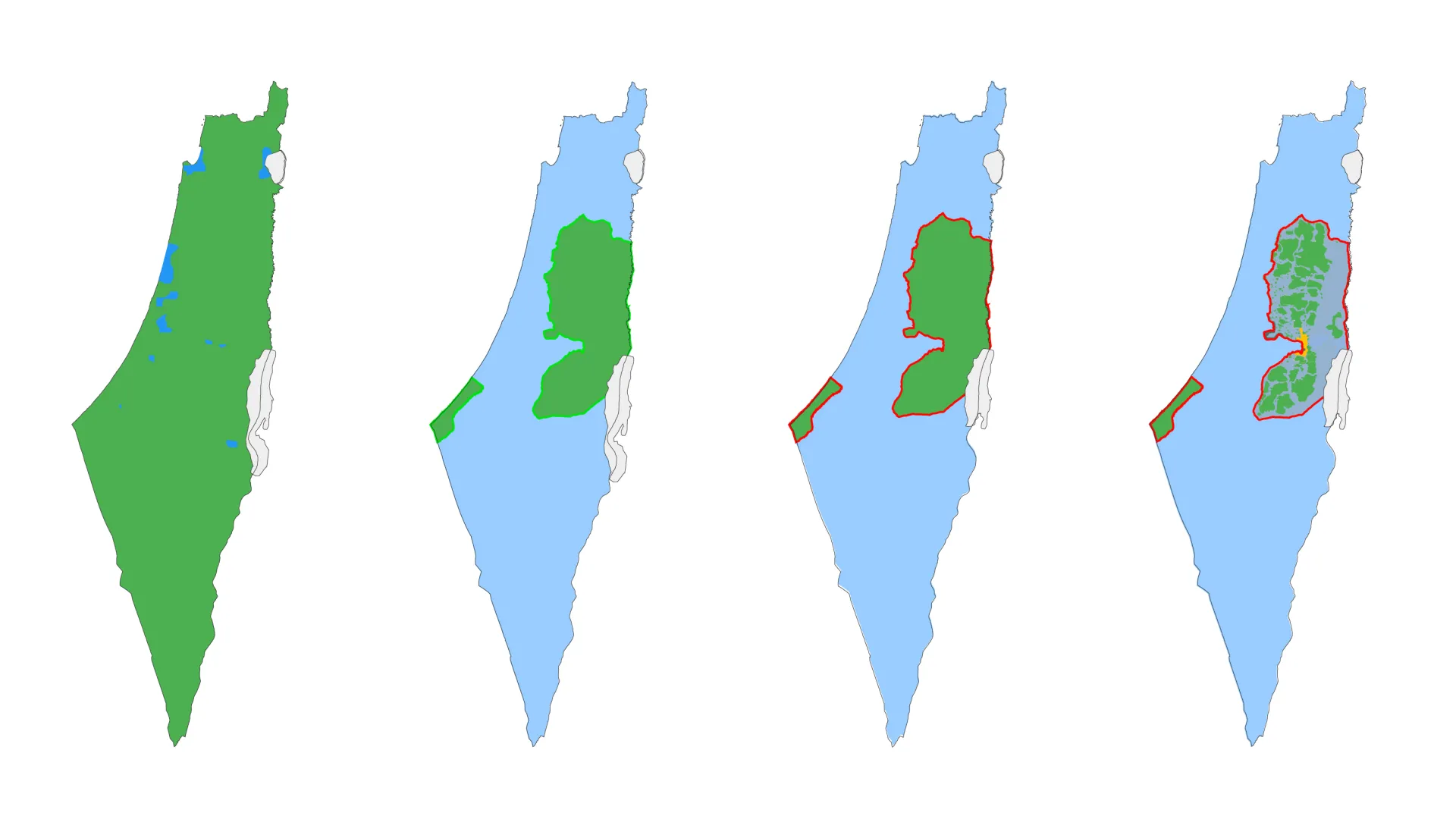
Israel's Occupation of Palestine: A Timeline body { font-family: Arial, sans-serif; background-color: #f4f4f9; margin: 0; padding: 0; } .timeline-container { max-widt...
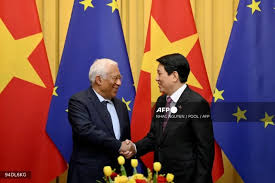
Vietnam and EU Elevate Diplomatic Relations Amid Strategic Realignment On January 29, 2026, Vietnam and the European Union officially upgraded their diplomatic relationship, an...
Sackler family dispute over responsibility for opioid crisis On February 15, 2024, legal filings and testimony related to bankruptcy proceedings involving Purdue Pharma revealed internal...
Palestinian Holocaust The term “Palestinian Holocaust” has been used by activists and commentators to describe the cumulative impact of displacement, warfare, and territorial loss experi...
BRICS Bloc Expands as New Members Join Amid Push to Reshape Global Order The BRICS group of emerging economies formally expanded on January 1, admitting new member states as pa...
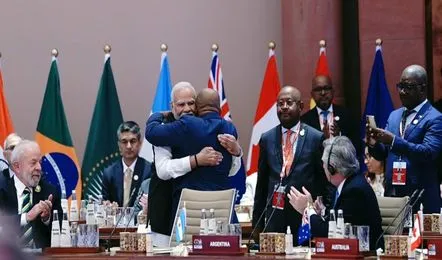
African Union Becomes Permanent Member of G20, Expanding Voice of Global South The African Union was formally admitted as a permanent member of the Group of Twenty (G20) during...
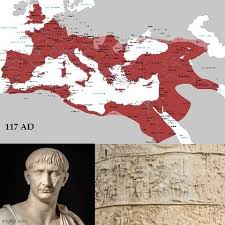
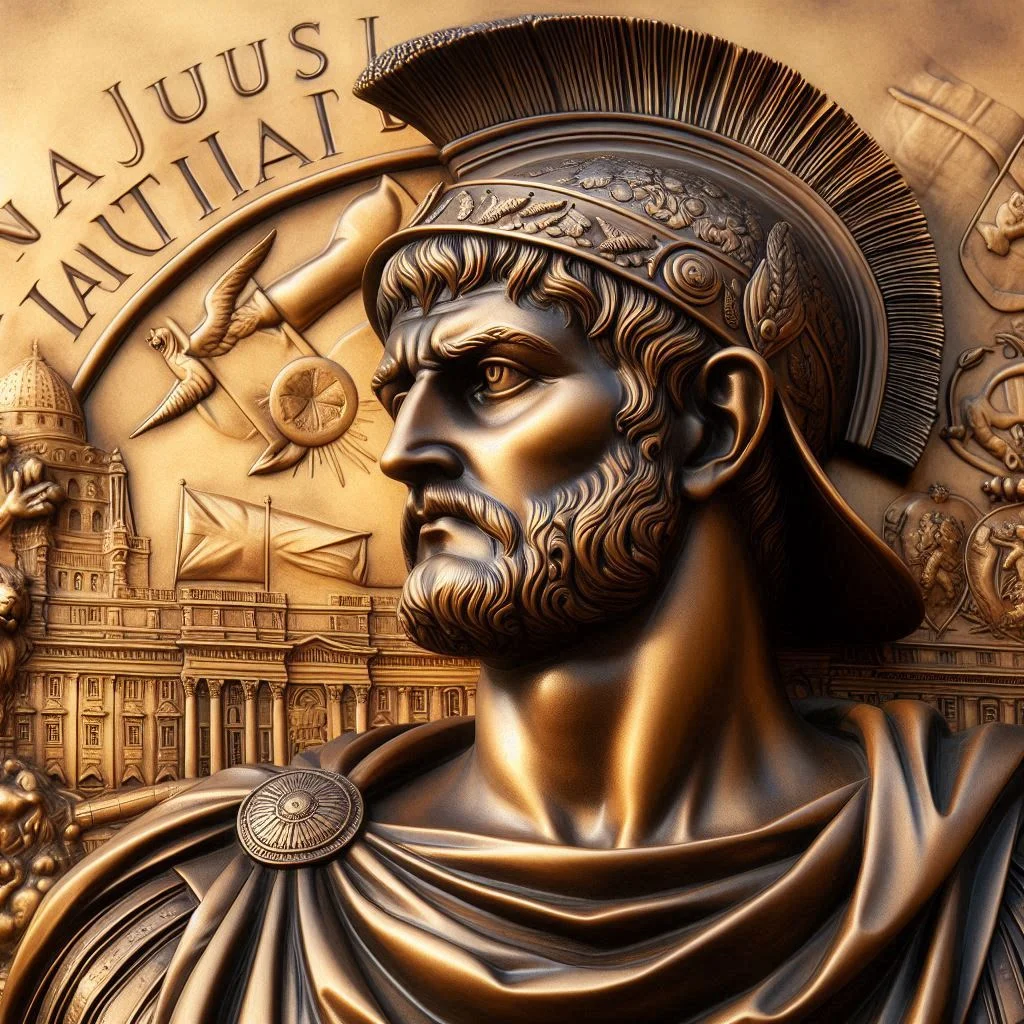
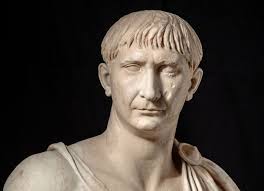
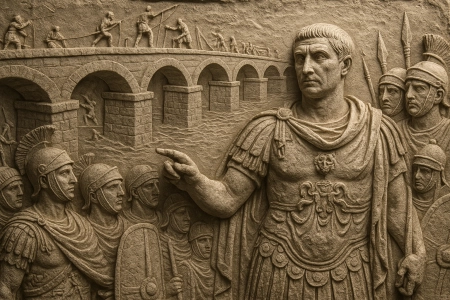
Trajan became Roman Emperor following the death of Domitian, marking a period of significant military expansion and administrative reform. His accession was recognized by the Senate, soli...
Gnaeus Julius Agricola was appointed governor of Roman Britain, replacing the previous administration. His governorship marked an era of military and administrative consolidation in the n...
David Ben-Gurion 1937 Letter Controversy On October 5, 1937, David Ben-Gurion, then head of the Jewish Agency Executive, wrote a letter to his son Amos during the period following the Br...
1913 – Foundations of the Modern World body { font-family: Arial, sans-serif; background-color: #f4f4f9; margin: 0; padding: 0; } .timeline-container { max-width: 900...
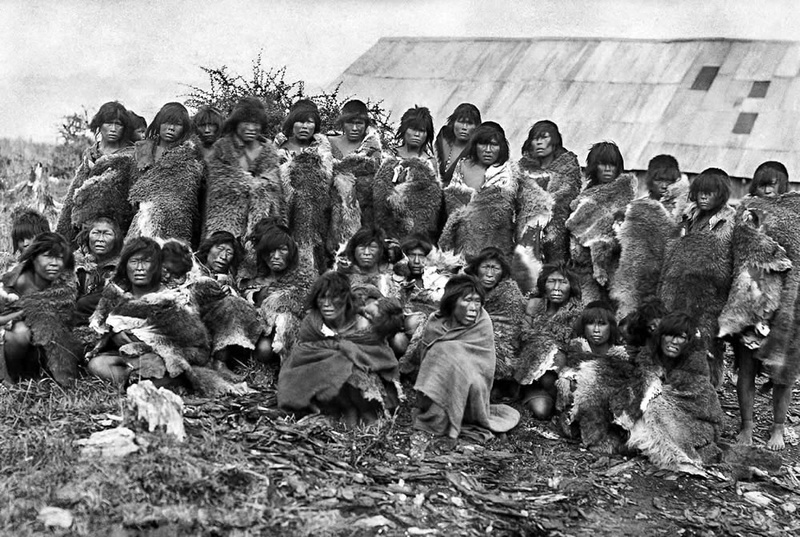
The Selk'nam genocide refers to the systematic extermination of the Selk'nam people, indigenous inhabitants of the Tierra del Fuego archipelago in Patagonia, during the late 19th and earl...
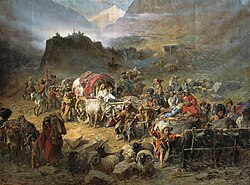
Circassian Genocide On May 21, 1864, the Russian Empire declared the end of the Caucasian War following the defeat of Circassian resistance in the northwest Caucasus. The conflict, which...
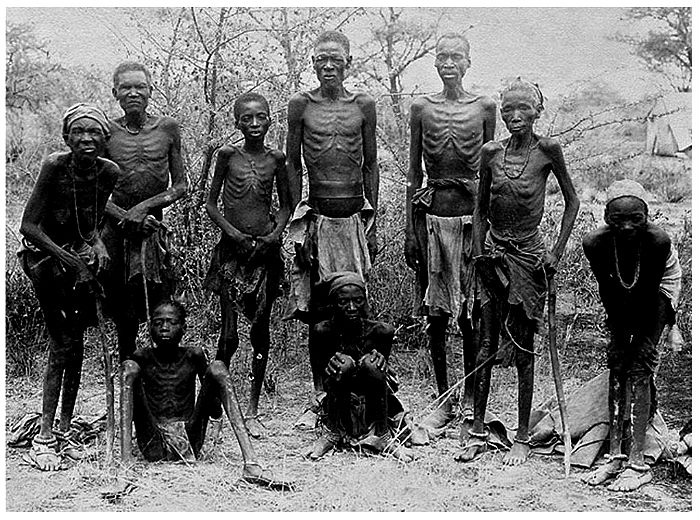
The Khoisan genocide refers to the systematic killings and displacement of the indigenous Khoisan peoples of Southern Africa during the 18th and 19th centuries. This genocide was primaril...
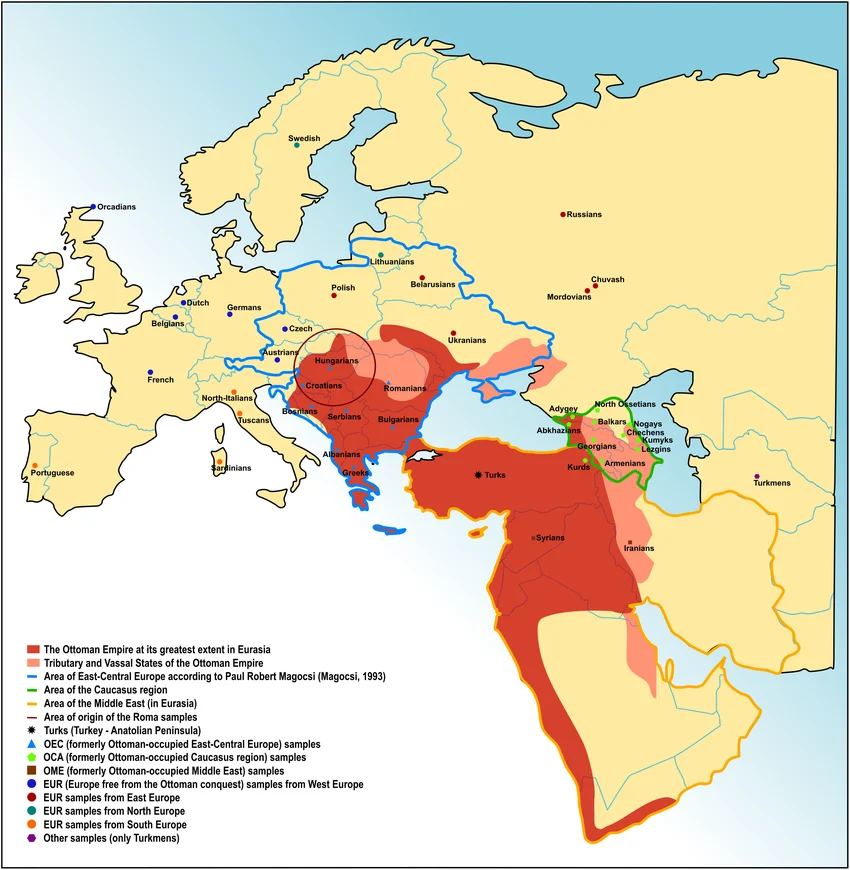
The Ottoman Empire expanded from a small Anatolian principality into one of the largest empires in history. Between the fourteenth and early twentieth centuries, Ottoman forces conquered ...
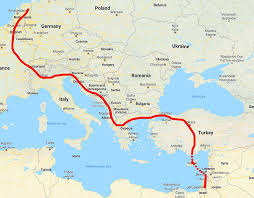
New pilgrimage routes to Jerusalem have been established, enhancing access for travelers and worshippers. These pathways enable smoother and safer journeys for pilgrims coming from variou...
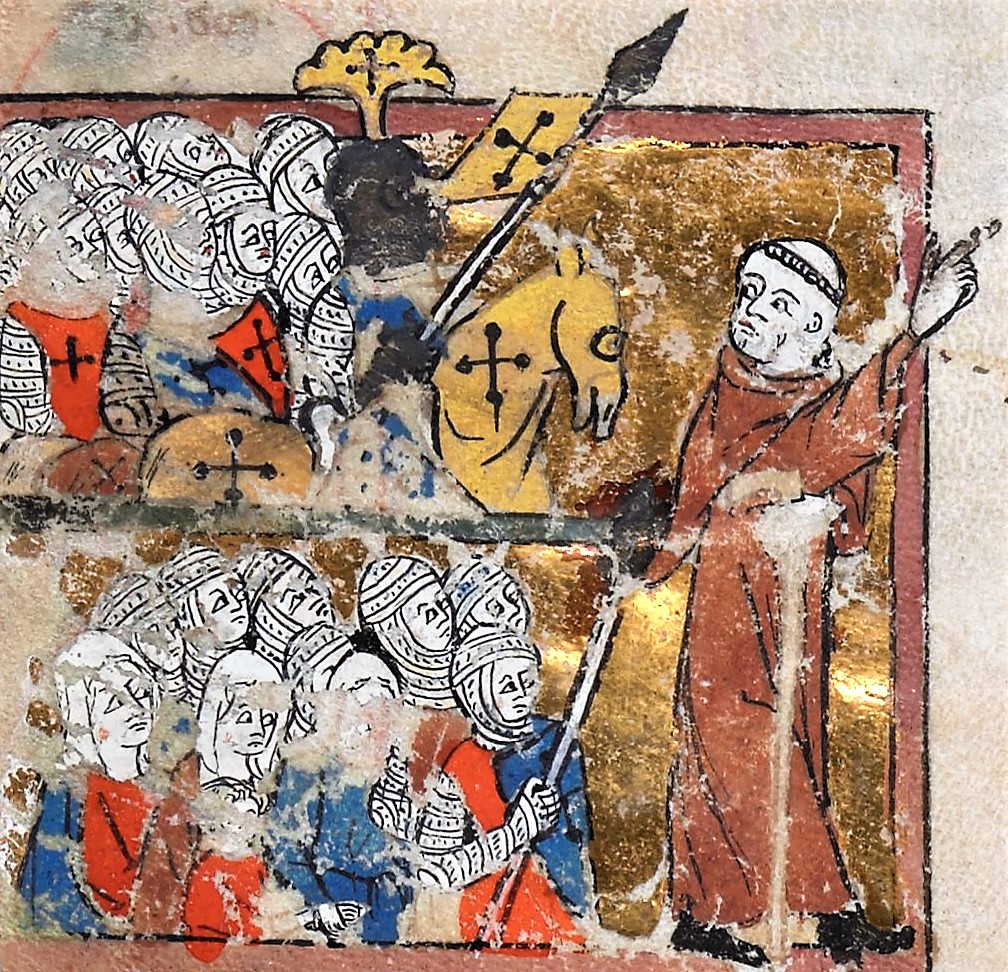
Origins And Objectives Of The Crusades The Crusades were a series of military campaigns initiated between 1095 and 1291, primarily aimed at capturing or defending territories i...
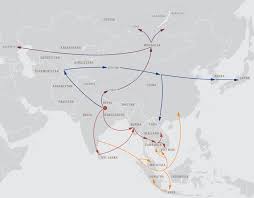
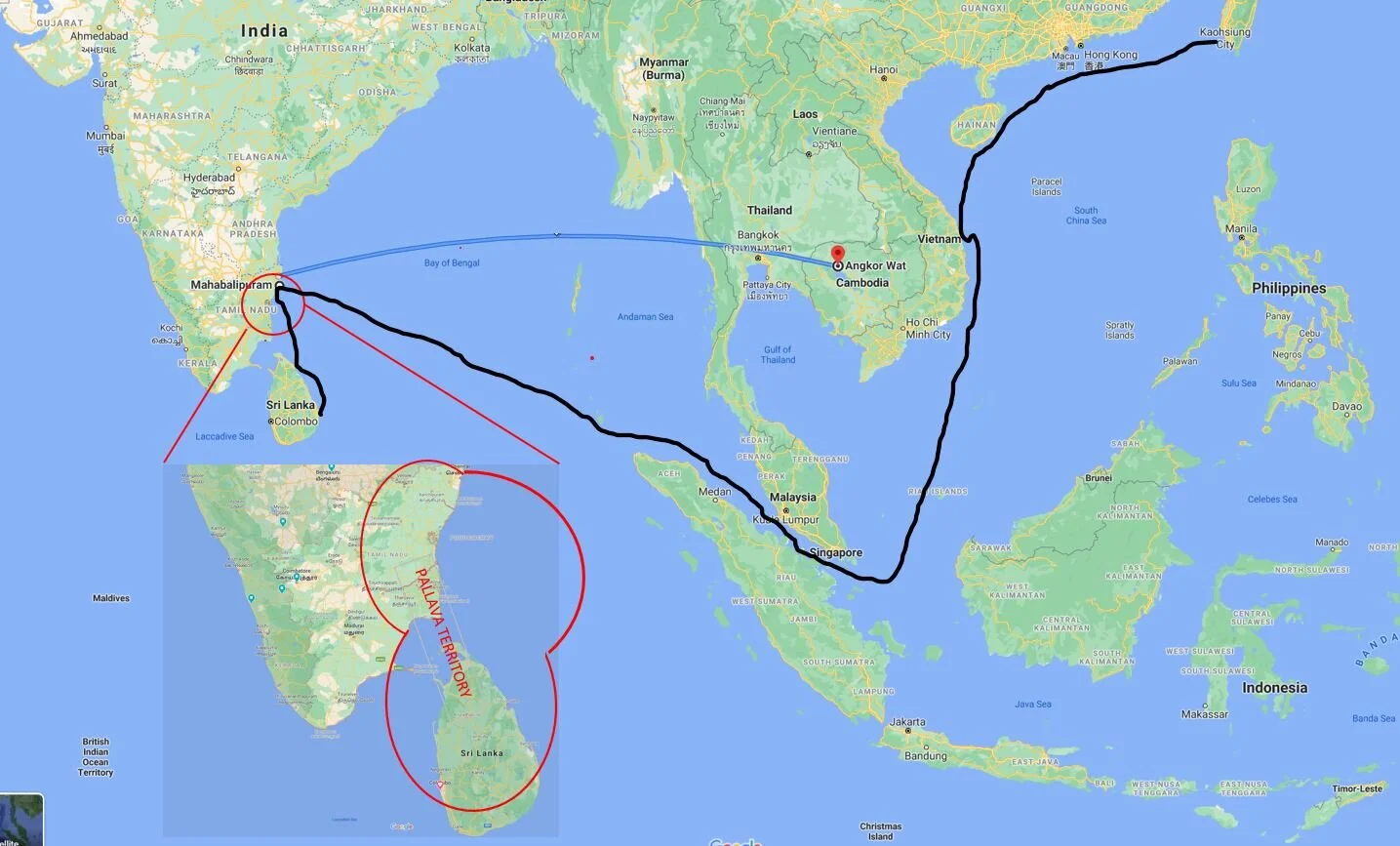
Indian cultural influence expanded significantly throughout Southeast Asia, notably through trade, religion, and political relations established by Indianized kingdoms.This influence is e...
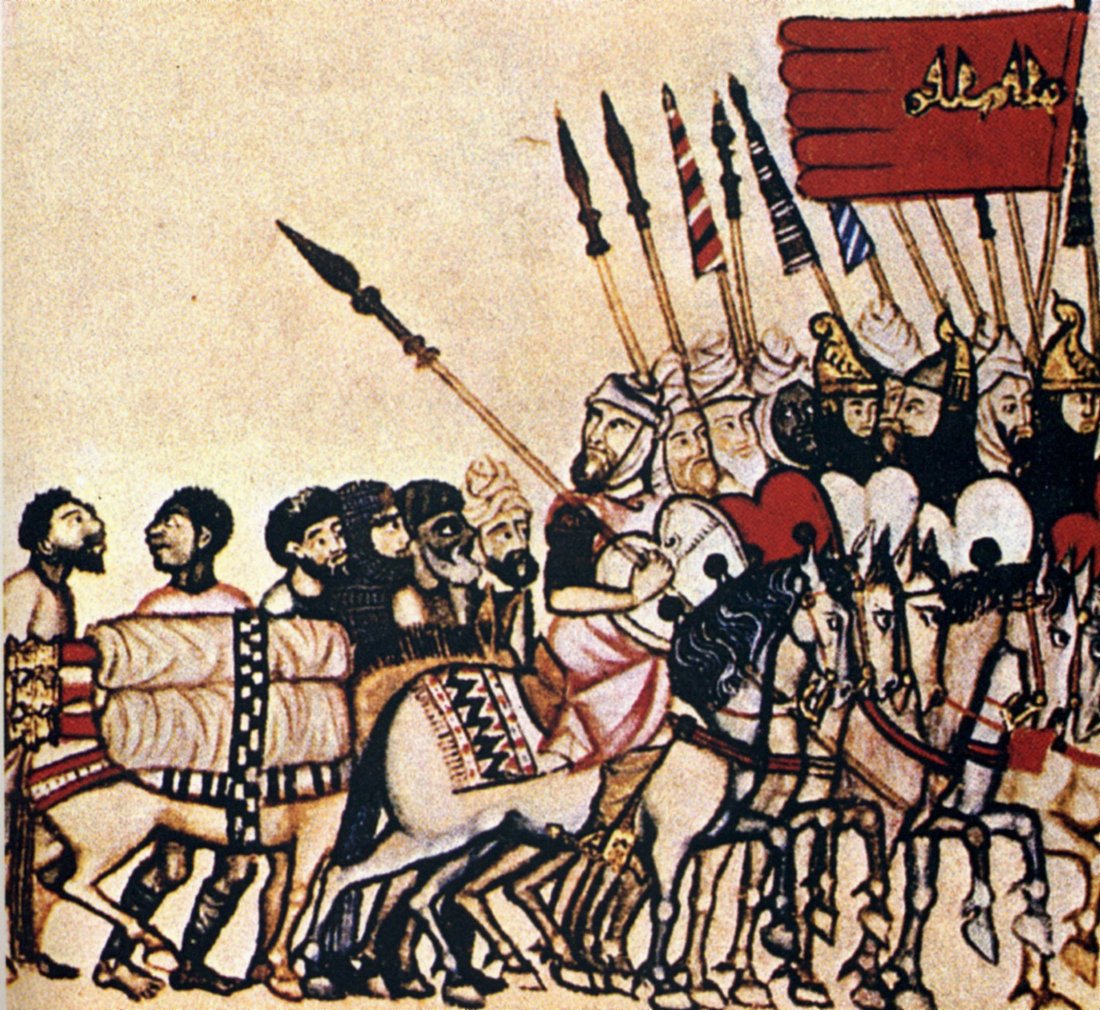
Moorish Invasion Of The Iberian Peninsula On April 30, 711, Umayyad forces led by the Berber commander Tariq ibn Ziyad crossed the Strait of Gibraltar from North Africa into th...
Translation activities of Buddhist sutras in Luoyang intensified under imperial patronage. Monks gathered at the White Horse Temple to facilitate the rendering of foreign scriptures into ...
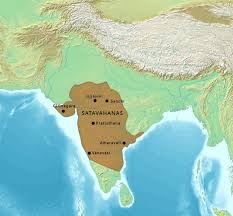
The Pallava dynasty emerged as a dominant power in South India during the early medieval period. Centered around the city of Kanchipuram, they established a strong political and military ...
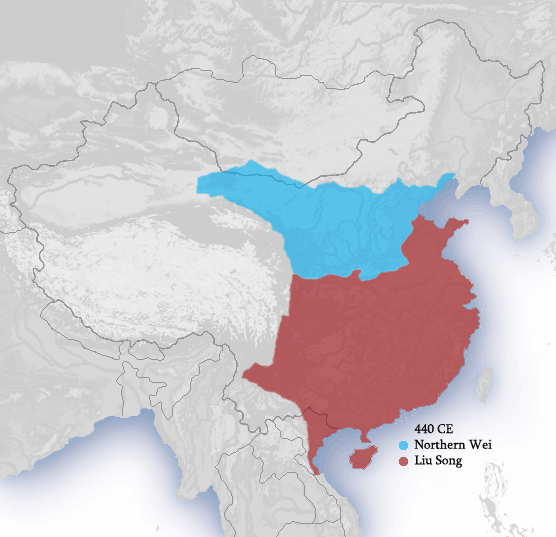
The Chen dynasty, ruling southern China, sought to stabilize its domain amid persistent threats from northern dynasties. Efforts to fortify its borders and consolidate power marked this p...
The Kingdom of Baekje experienced significant cultural and political growth during the mid-6th century. Its leadership established strong diplomatic ties with neighboring states, promotin...
The Frankish conquest of Aquitaine began as the Franks expanded their territory into the southwestern region of present-day France. Under the leadership of Clovis I and his successors, th...
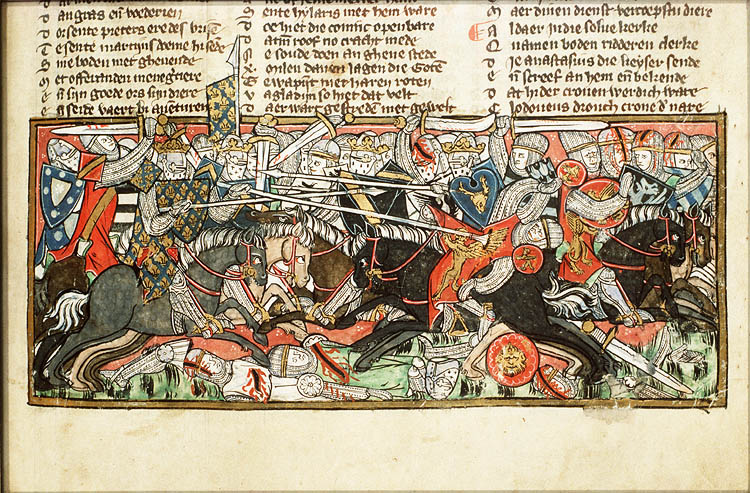
The Battle of Vouillé was fought between the Franks under Clovis I and the Visigoths led by Alaric II. This decisive battle occurred near Vouillé, resulting in a significant Frankish vict...
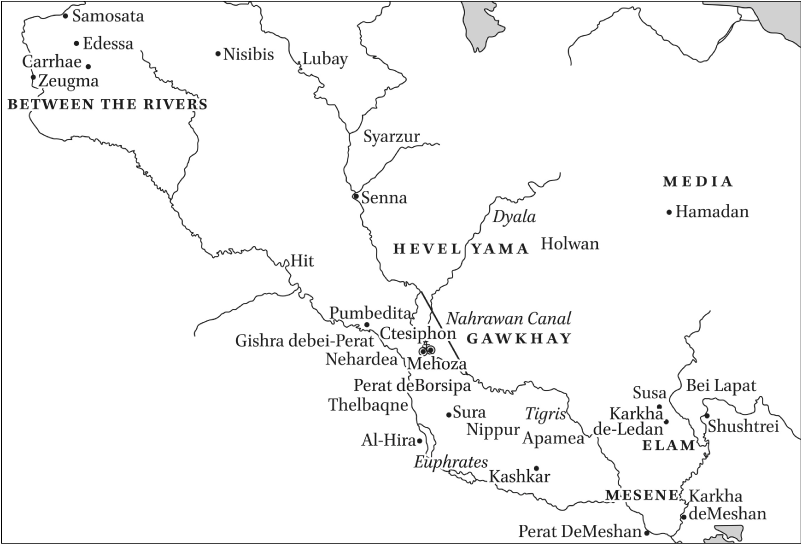
During the early centuries of the Common Era, Talmudic academies in Babylonia underwent significant expansion. These centers of Jewish learning became pivotal in the development and conso...
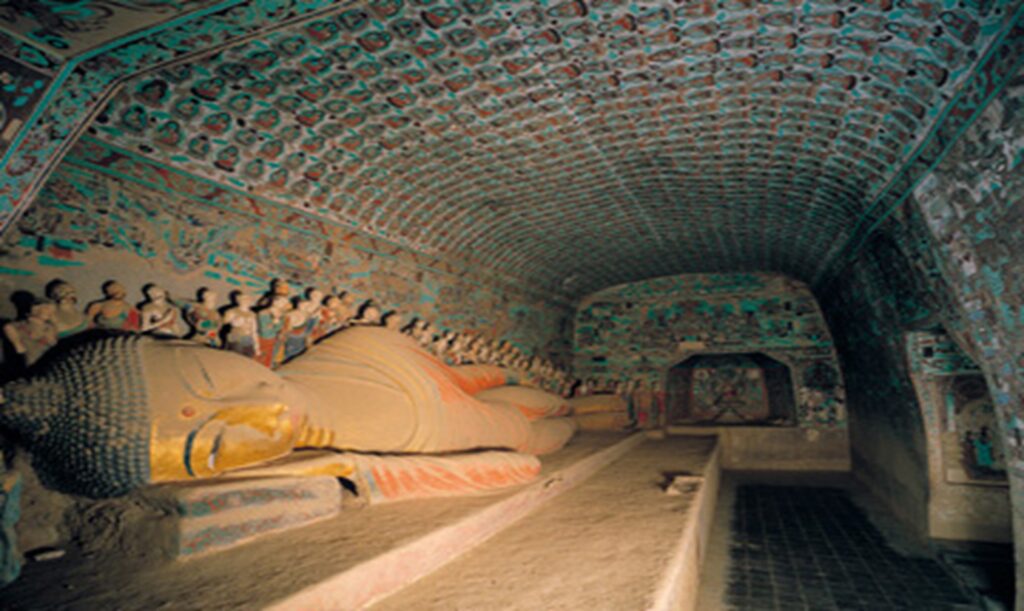
The Buddhist cave temples at Mogao near Dunhuang have undergone significant expansion. The site consists of a series of rock-cut grottoes featuring murals and statues representing Buddhis...
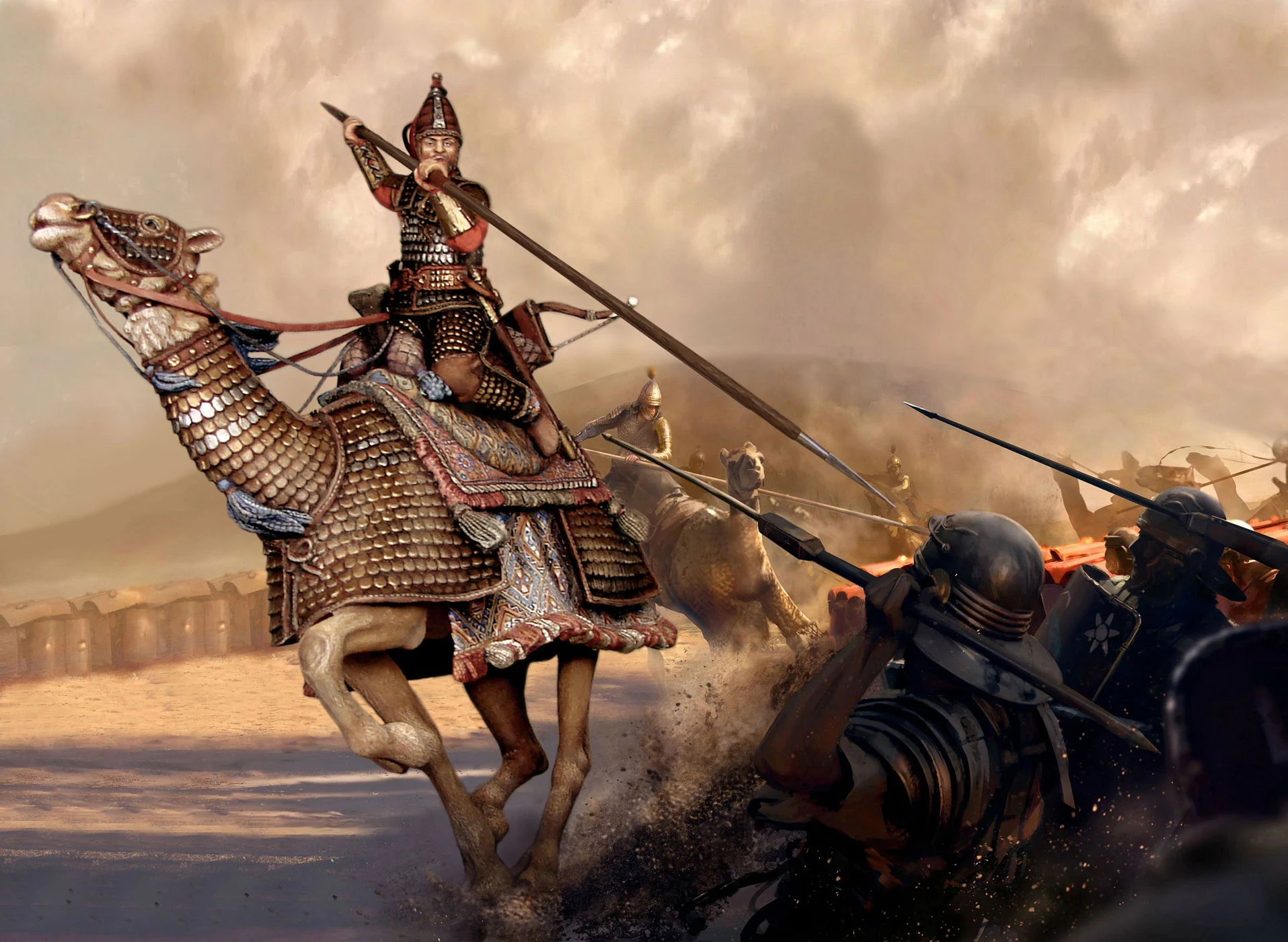
Emperor Severus Alexander launched a military campaign against the Sasanian Empire to counter their expansion in Mesopotamia. The Roman forces sought to reclaim lost territory and secure ...
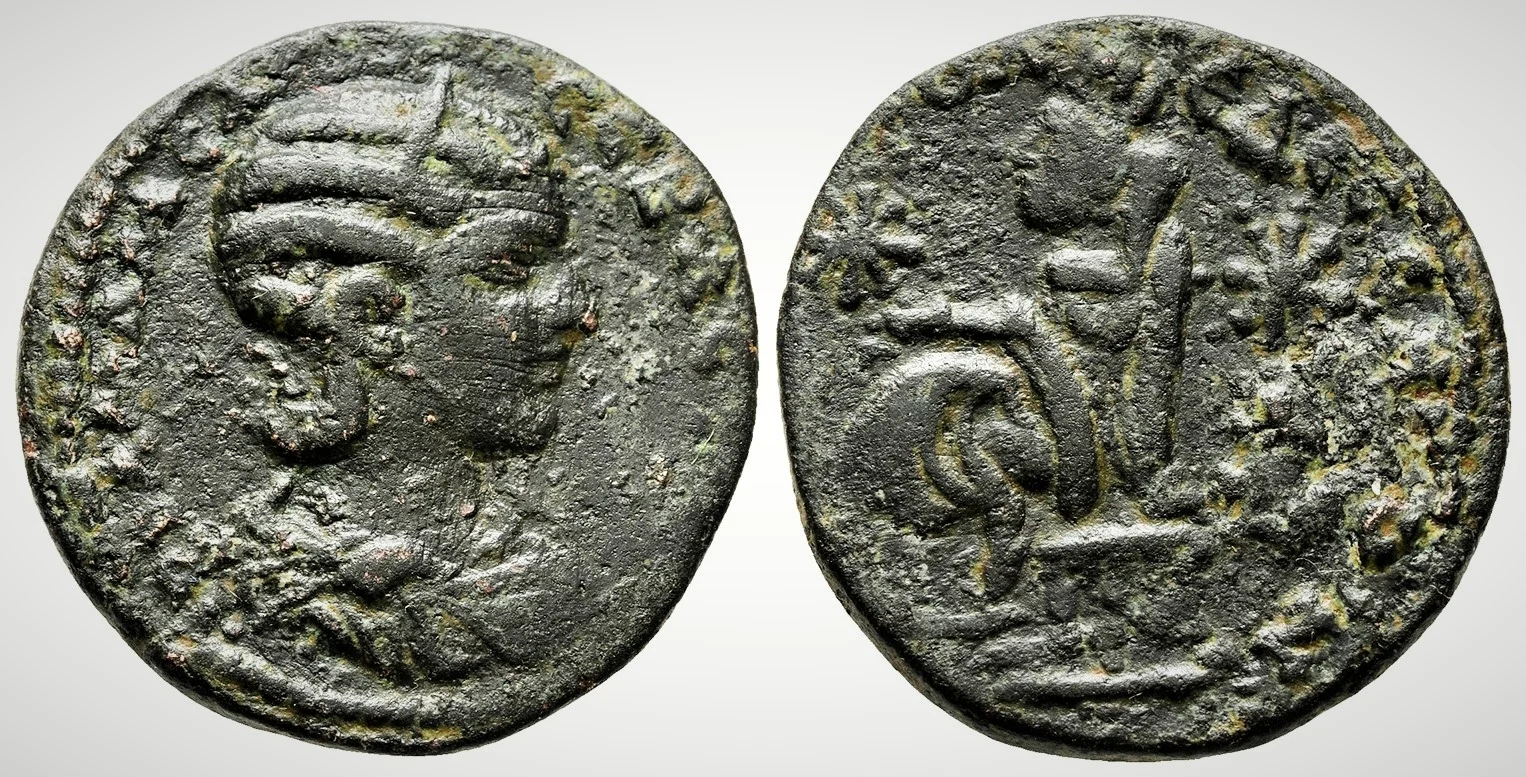
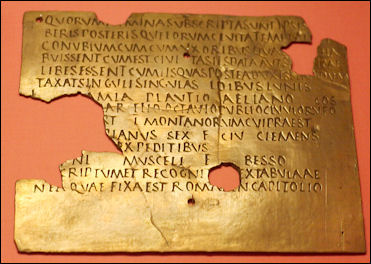
The Constitutio Antoniniana was an edict issued by Emperor Caracalla that granted Roman citizenship to nearly all free inhabitants of the Roman Empire. This decree marked a significant ex...
The Constitutio Antoniniana was an edict issued by Emperor Caracalla granting Roman citizenship to all free inhabitants of the Roman Empire. This decree dramatically expanded the rights a...
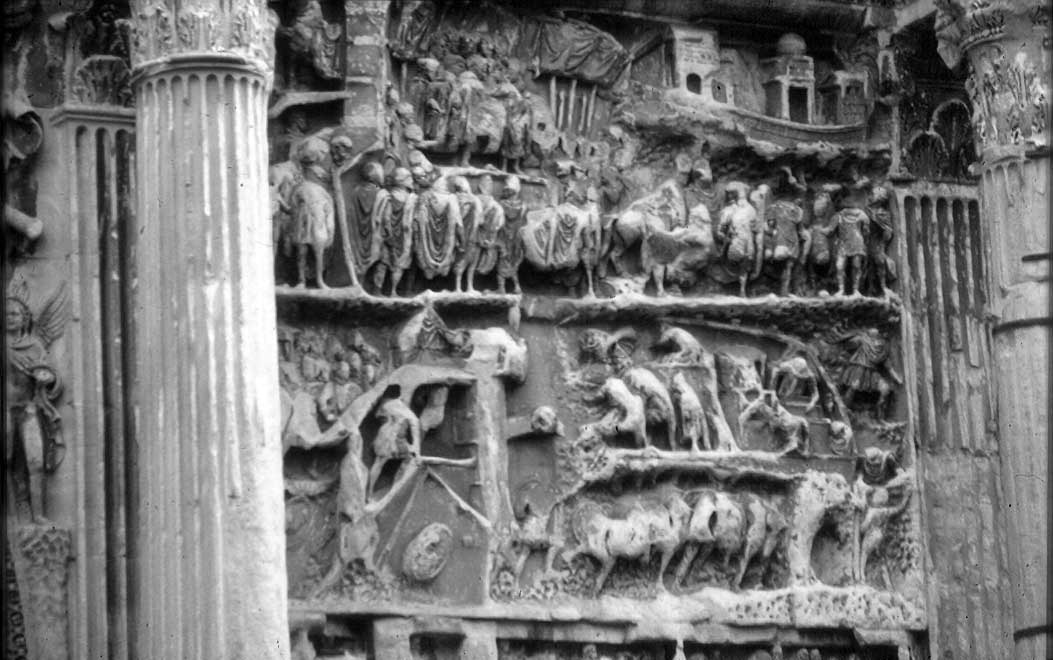
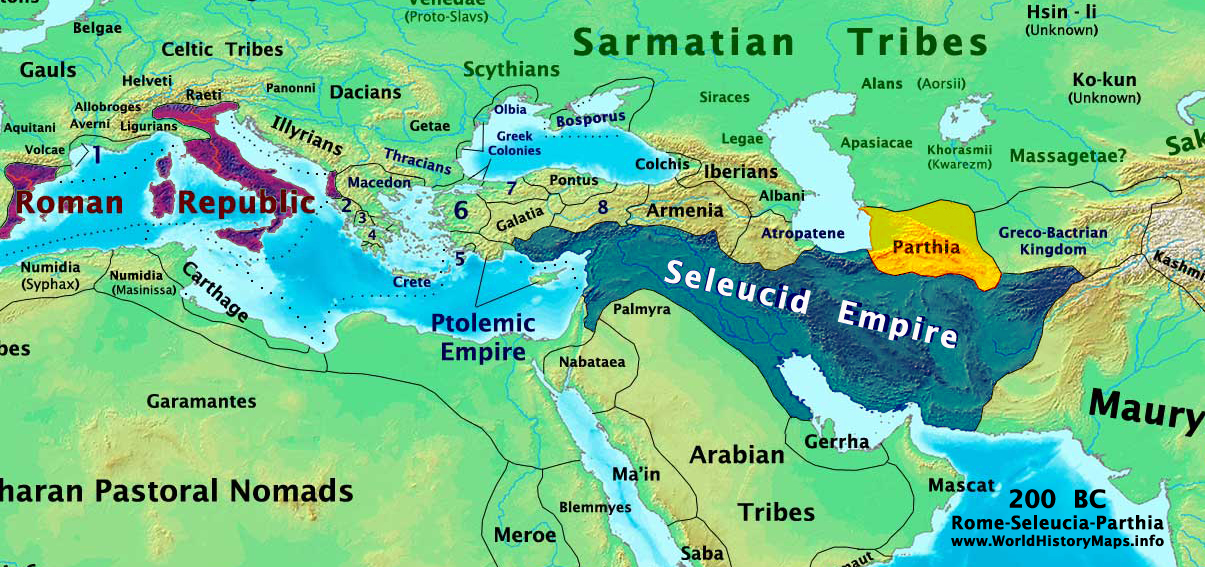
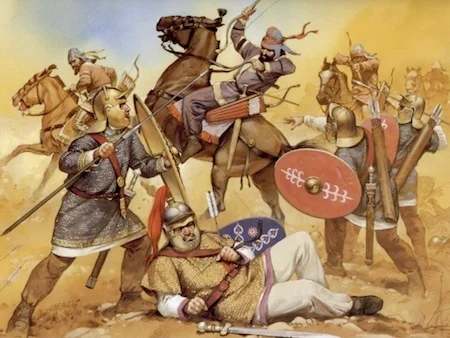
Roman Emperor Septimius Severus led a military campaign against the Parthian Empire, culminating in the siege and sack of Ctesiphon, the Parthian capital. This marked a significant assert...
The Severan campaign into Parthia marked a major Roman military effort in the East following the rise of Emperor Septimius Severus. The campaign began with a series of coordinated attacks...
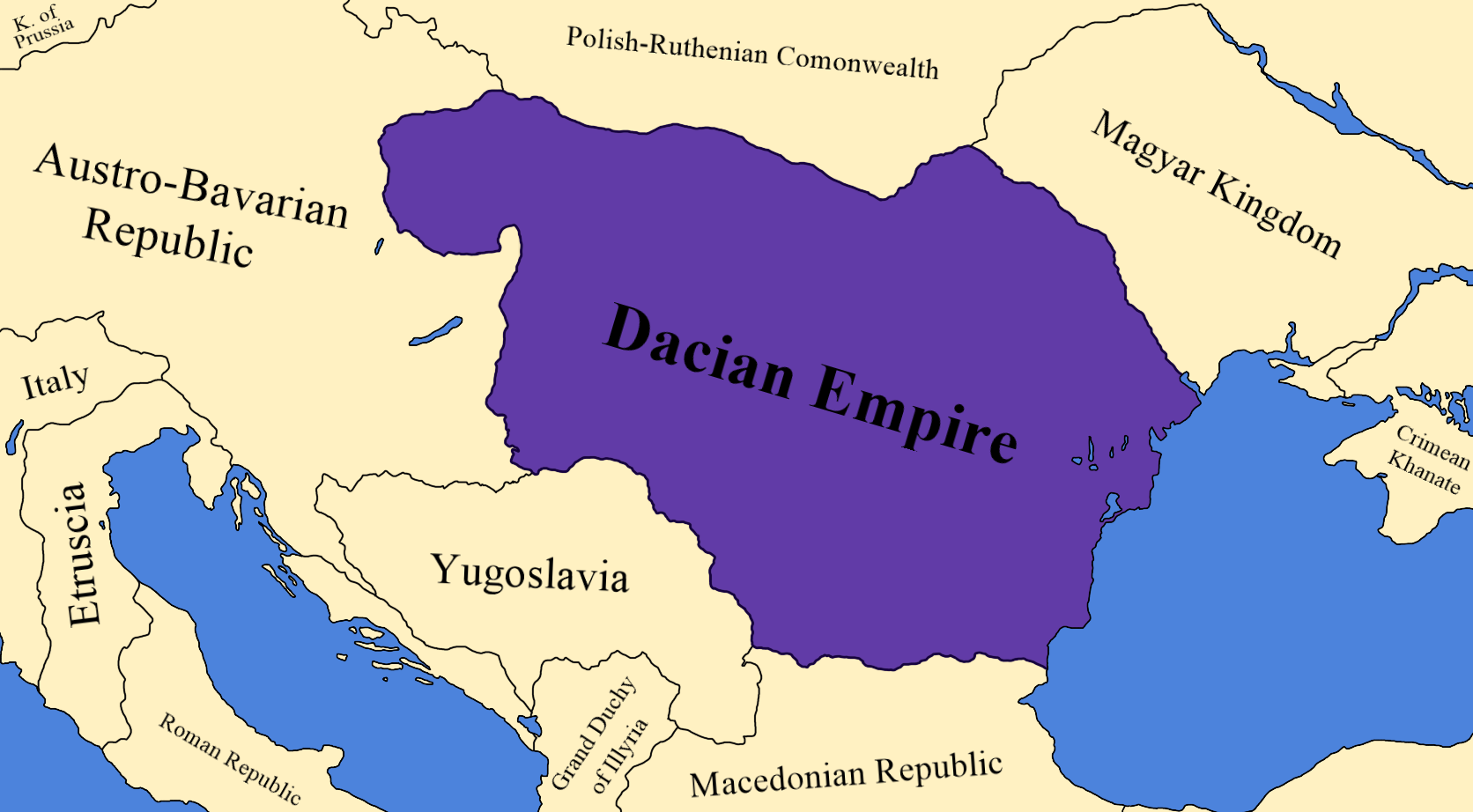
The Roman Empire conducted a series of military campaigns across the Danube River to expand territorial control into regions inhabited by Dacian and Germanic tribes. These operations aime...
The Roman forces under the command of Lucius Verus launched a major campaign against the Parthian Empire, culminating in the capture of their capital city, Ctesiphon. This marked a signif...
The Antonine Wall, built by the Romans to mark the northernmost boundary of their empire in Britain, was abandoned in the mid-2nd century AD.The Romans retreated south to the more secure ...
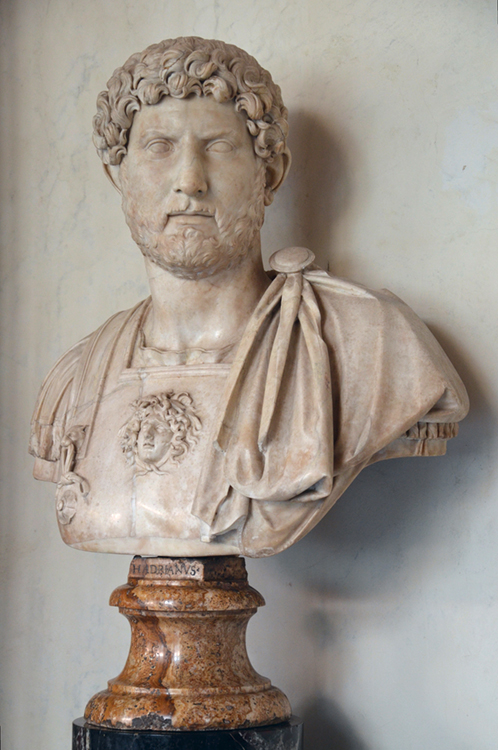
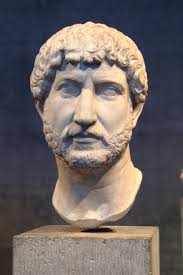
Emperor Hadrian, renowned for consolidating and fortifying the Roman Empire's frontiers, passed away at his villa near Rome. His death marked the end of a significant era during which he ...
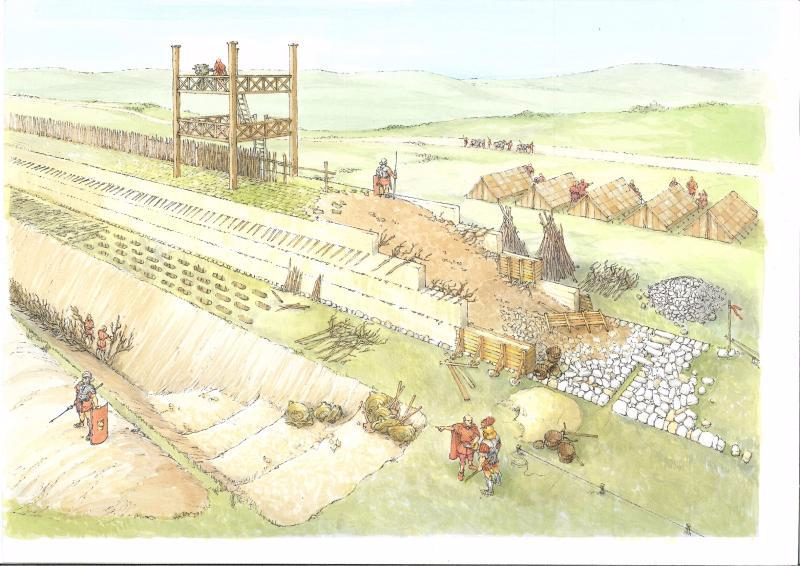
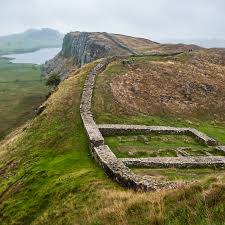
The Roman Empire initiated the construction of Hadrian's Wall to secure its northern boundary in Britannia. This extensive fortification marked the limit of Roman-controlled territory aga...
Trajan, one of Rome's most respected emperors known for his military conquests and extensive public works, died in the summer months during a campaign in Mesopotamia. His death marked the...
Following the death of Emperor Trajan, Hadrian chose to abandon the eastern conquests achieved during Trajan's campaigns. This strategic withdrawal aimed to consolidate the Roman Empire's...
The Roman Empire, under Emperor Trajan, successfully captured the city of Ctesiphon during his campaign against the Parthian Empire. This marked a significant moment as the Romans briefly...
Roman Emperor Trajan launched a military campaign into the Parthian Empire, aiming to expand Roman territory eastward. The campaign marked a major escalation of conflict between Rome and ...
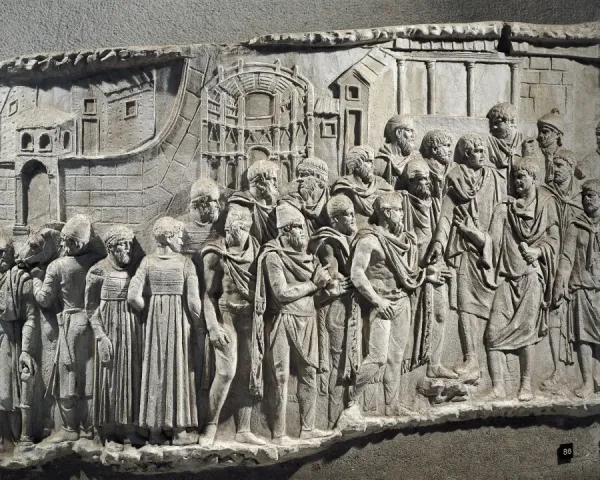
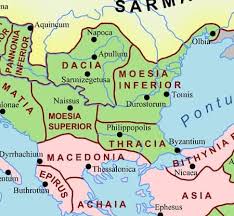
The Roman Empire completed the conquest and annexation of the kingdom of Dacia after a series of military campaigns led by Emperor Trajan. This marked the end of the Dacian Wars, culminat...
Decebalus, the last king of Dacia, died following the Roman conquest led by Emperor Trajan. His death marked the end of the Dacian Wars and the incorporation of Dacia into the Roman Empir...
The Fall of Sarmizegetusa marked the decisive Roman victory over the Dacians led by King Decebalus. In early August, Roman legions under Emperor Trajan besieged the Dacian capital, a fort...
After years of fierce conflict, Dacian King Decebalus ultimately surrendered to the Roman Emperor Trajan. This marked the end of the Dacian Wars, resulting in the annexation of Dacia as a...
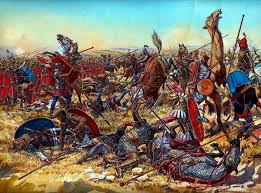
The Second Dacian War marks the renewed conflict between the Roman Empire and the Dacian Kingdom, led by King Decebalus. Roman Emperor Trajan launched a major military campaign aiming to ...
The Roman Emperor Trajan launched his first major military campaign against the Dacian Kingdom in early 101 CE. The war was initiated to subdue the powerful Dacian king Decebalus and to s...
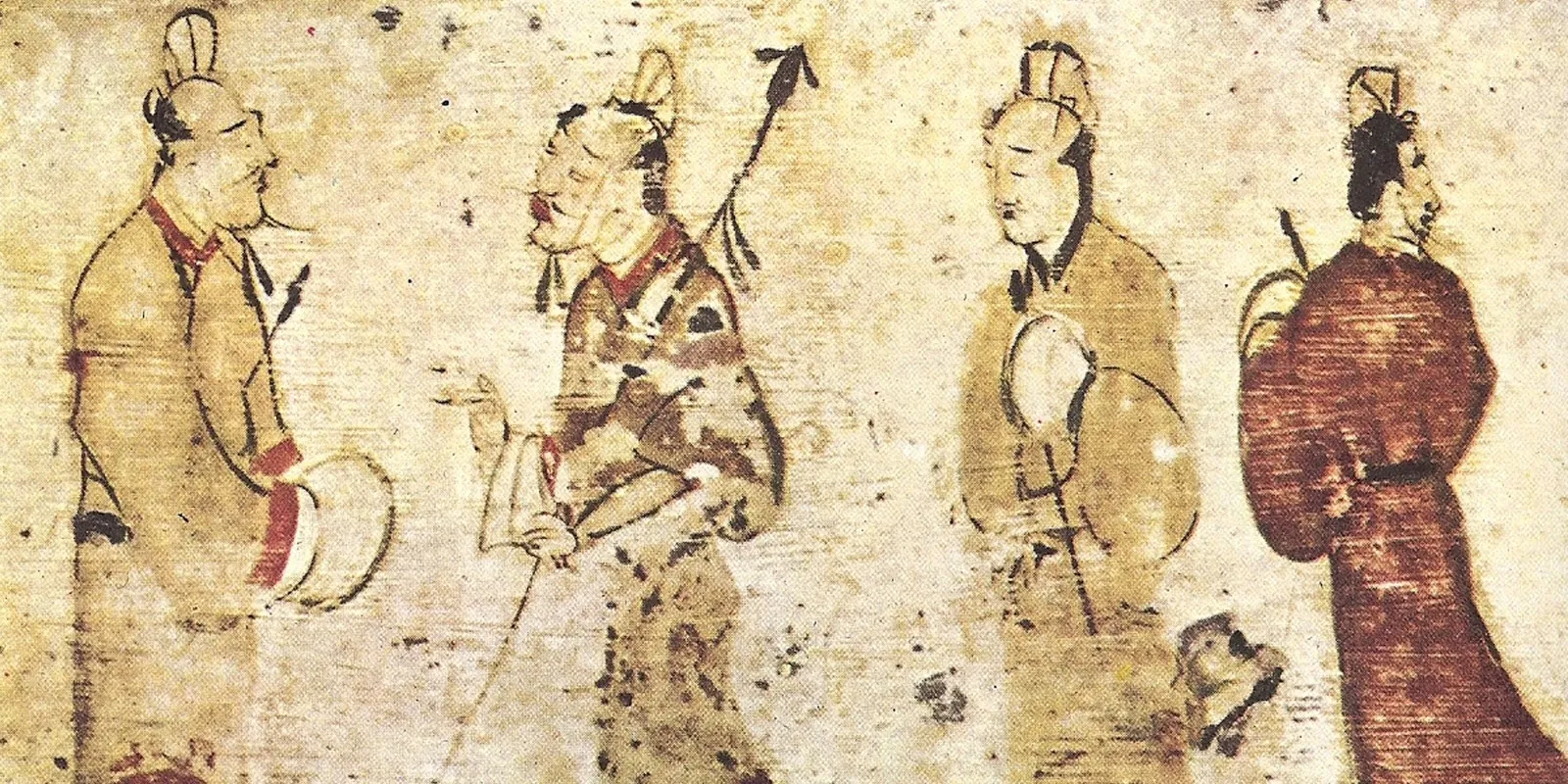
Dou Xian, a general of the Eastern Han dynasty, led a decisive campaign against the Northern Xiongnu. In a series of battles, Han forces overcame the nomadic confederation, forcing them i...
The Battle of Ikh Bayan was a critical conflict between the Mongol Empire and the allied forces of the Southern Song dynasty and their allies. Fought in mid-July, the battle marked a majo...
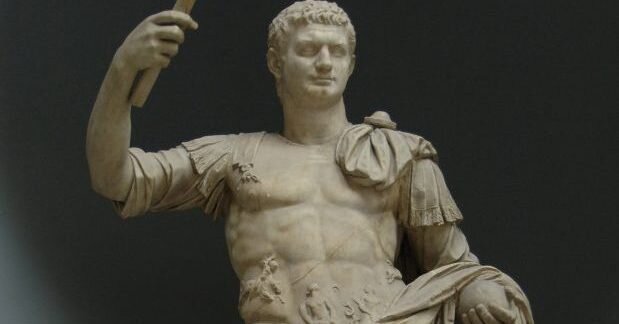
Following the death of Emperor Titus, Domitian, his younger brother, ascended to the throne of the Roman Empire. The accession occurred peacefully, marking the continuation of the Flavian...
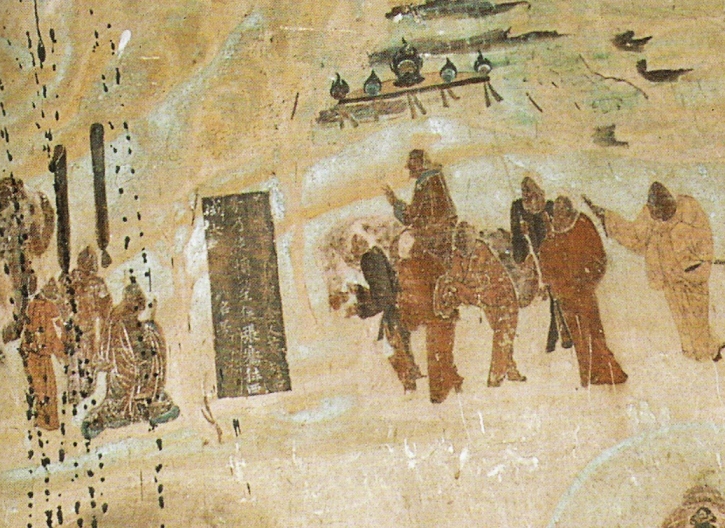
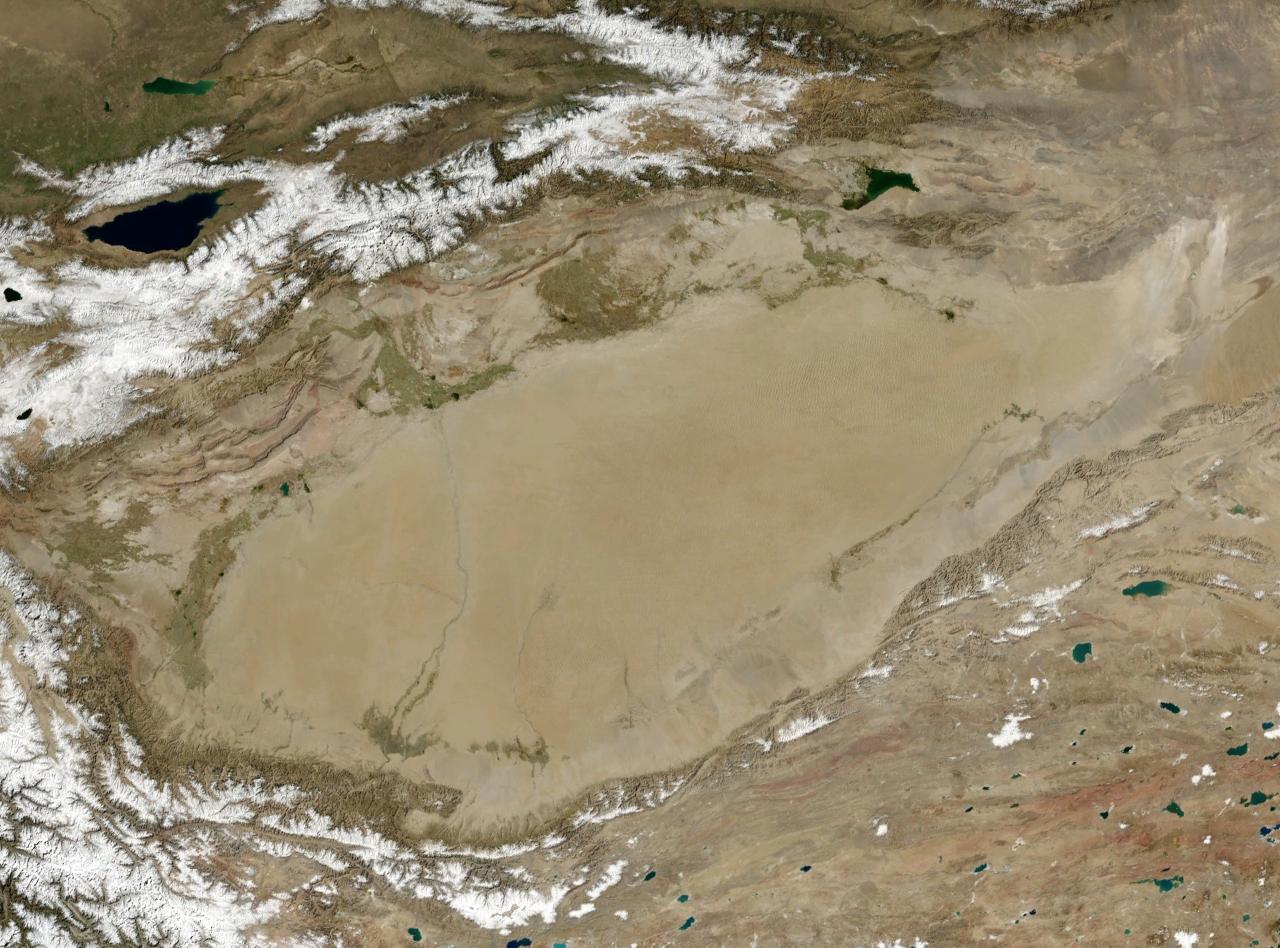
Ban Chao, a renowned Chinese general and explorer of the Eastern Han dynasty, led a significant military and diplomatic expedition to the Tarim Basin. His journey was instrumental in re-e...
Ban Chao, a general under the Han Dynasty, initiated a series of military campaigns to assert Chinese control over the Western Regions. These expeditions were aimed at securing trade rout...
Roman military campaigns against the Parthian Empire resumed under the rule of Emperor Nero, seeking to assert control over the eastern frontier. These efforts aimed to counter Parthian i...
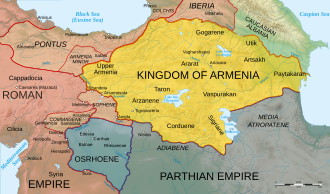
The Roman general Corbulo initiated a military campaign against the Armenian kingdom as part of Rome's efforts to expand influence in the East. This campaign marked the start of confronta...
The Russian Empire intensified its fortification efforts along the Amur River frontier, aiming to secure its eastern borders against potential threats. New forts were constructed to estab...
The Roman Emperor Claudius led the invasion of Britain, landing at the port near Richborough in southeastern England. This marked the beginning of the Roman conquest of the island, aiming...
Ma Yuan was a prominent Han dynasty general who led campaigns in the southern regions of China to consolidate Han authority over the Nanyue Kingdom. His military expeditions were aimed at...
The Han Dynasty moved its capital to Chang'an, marking a significant political and administrative shift during its early consolidation of power. This relocation established Chang'an as a ...
The Edomites, also known in later sources as Idumeans, were an ancient Semitic people who lived in the region south of Judea, historically associated with the descendants of Esau in bibli...
6 August 2015 — Egypt inaugurates a major expansion of the Suez Canal involving a new parallel channel along part of the route and widening of existing sections. The government presents t...
1914–1918 wartime production — Schneider is a major French heavy-industrial and armaments producer whose factories supply artillery and military material to the French war effort. Industr...
1908–1914 — Austria-Hungary faces growing nationalist pressures in the Balkans following the Bosnian annexation crisis and Serbia's expansion during the Balkan Wars. Serbian national ambi...
1904–1914 — Britain has no automatic obligation to enter every Franco-German conflict, but strategic cooperation with France has grown while German naval expansion generates anxiety. A Ge...
17 January 1468 — Gjergj Kastrioti Skanderbeg dies at Lezhë after more than two decades as the central figure of Albanian resistance to Ottoman expansion. His leadership had helped unite ...
2 March 1444 — Albanian nobles gather at Lezhë and form a military alliance under Skanderbeg's leadership. The League coordinates forces against Ottoman expansion while its member familie...
Albanian noble and military commander who led a prolonged resistance against Ottoman expansion.
15th–16th centuries — Waves of Albanian-speaking migrants settle in southern Italy and Sicily during the expansion of Ottoman rule. Their descendants, known as the Arbëresh, preserve dist...
229–228 BCE — Rome sends military forces across the Adriatic against Queen Teuta's kingdom. The war marks Rome's first major armed intervention on the eastern Adriatic coast and begins a ...
c. 2055–1650 BCE — Reunified Egypt experiences renewed royal authority, extensive building programs and military expansion into Nubia. Literature flourishes and Egyptian administration be...
c. 3300–3000 BCE — Later royal ideology presents unification as a foundational act, but archaeology points toward a longer process of competition, alliance and conquest among regional pow...
30 January 1933–30 April 1945 — Hitler rules Germany as dictator and becomes the central political authority behind Nazi expansion, racial policy and the decision to launch major wars of ...
3 September 1939 — Britain and France declare war on Germany after Hitler refuses demands to withdraw from Poland. Governments that spent much of the 1930s attempting to prevent another c...
31 March 1939 — Britain announces a guarantee of Polish independence following Germany's destruction of Czechoslovakia. France already has alliance commitments to Poland. The guarantee is...
Chase Manhattan Bank was a major U.S. financial institution led by David Rockefeller during a period of significant international expansion. The bank maintained international business rel...
8 May 1945 — Soviet armies finish the war occupying Poland, eastern Germany, Hungary, Romania, Bulgaria and much of Central and Eastern Europe. Investigate whether the emerging Soviet sph...
1926–1989 reign — Hirohito is emperor throughout Japan's expansion in China and the Pacific War. The exact nature of his political responsibility remains the subject of extensive historic...
16 March 1935 — Hitler announces conscription and expansion of Germany's armed forces in open violation of Versailles restrictions. Germany has already been rearming secretly, but the ann...
15 March 1939 — The occupation of the Czech lands gives Germany control over a major Central European industrial base, including important arms factories such as Škoda. Czech tanks, weapo...
15 March 1939 — German forces occupy Prague and dismantle what remains of Czechoslovakia. The move is politically important because it extends Nazi domination over territory that cannot b...
1940–1944 senior Japanese leadership — General Hideki Tojo becomes Japanese prime minister in October 1941 as negotiations with the United States approach collapse. He supports continued ...
5 November 1937 — Hitler meets senior military and foreign-policy leaders and discusses Germany's need for territorial expansion. The surviving memorandum records Austria and Czechoslovak...
5 November 1937 — Adolf Hitler addresses senior military and foreign-policy leaders and discusses Germany's need for territorial expansion. The surviving memorandum records Hitler present...
3 October 1935 — Fascist Italy invades Ethiopia from Eritrea and Italian Somaliland. Mussolini seeks imperial expansion, prestige and revenge for Italy's earlier defeat at Adwa. The Leagu...
18 September 1931 — Japanese officers use the Mukden Incident as a pretext for military expansion into Manchuria. Japanese forces rapidly occupy the region and later establish the puppet ...
1937–1945 wartime expansion — Mitsubishi becomes one of Japan's most important industrial groups supporting naval construction, aircraft production, machinery and other military requireme...
1933–1945 ruling system — The Nazi Party becomes the political backbone of Hitler's dictatorship and penetrates government, education, propaganda, labor organizations and local administra...
8 May 1945 — By the end of the war Soviet armies occupy large parts of Eastern and Central Europe. Stalin interprets political influence in this region as essential protection against fut...
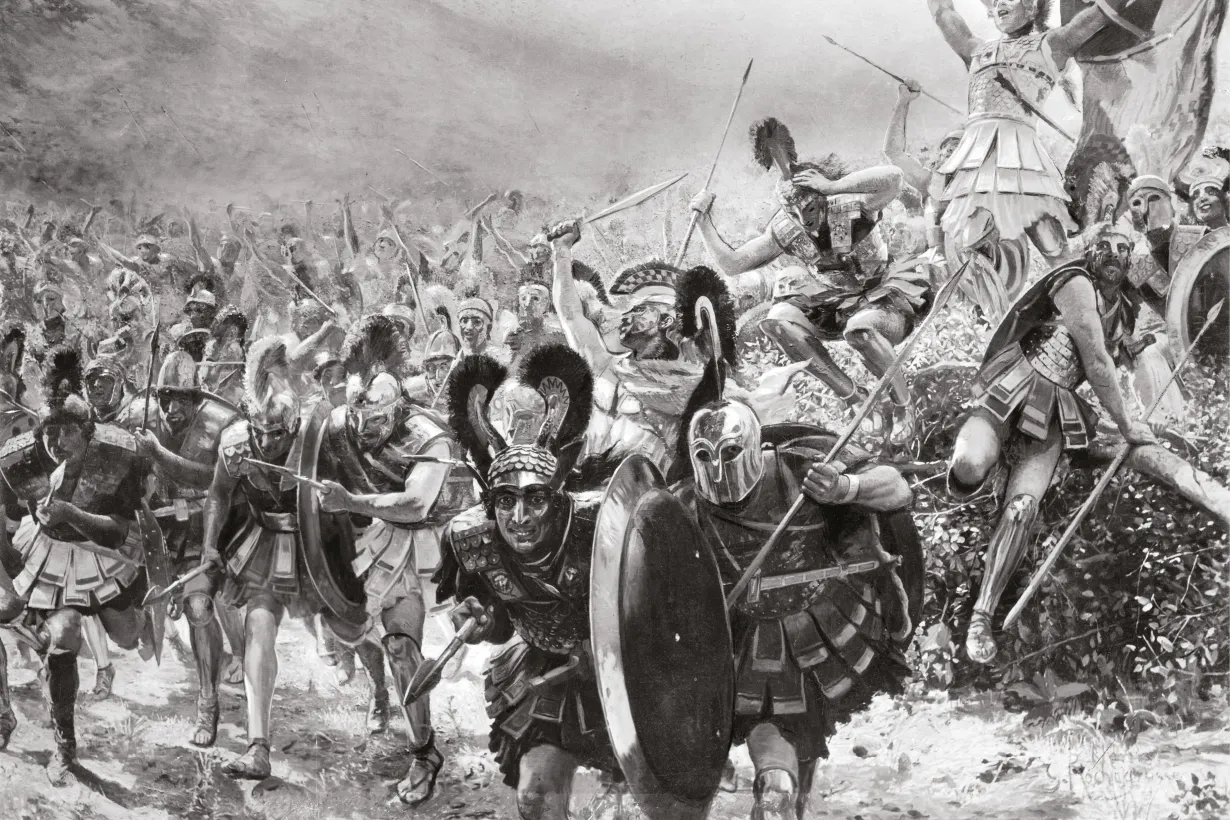
Repeated wars weaken the major poleis and create opportunities for Macedonian expansion.
26 July 1941 — Following Japan's movement into southern French Indochina, the United States freezes Japanese assets. British and Dutch measures follow, and Japanese access to imported oil...
Untitled5 November 1937 — During the Hossbach meeting, Hitler presents territorial expansion as necessary for Germany's strategic future. Austria and Czechoslovakia are discussed as poten...
16 March 1935 — German rearmament creates enormous military demand for steel, chemicals, vehicles, weapons and fuel substitutes. Industrial firms benefit from government contracts and pro...
8 February 1942 — Use the expansion of wartime production as the investigative anchor. Companies in Allied and Axis states received enormous military orders, while the Nazi economy additi...