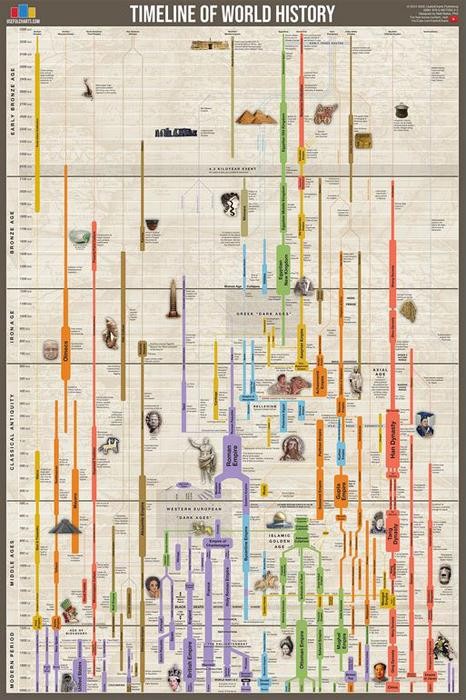
The Master Timeline
Event Timeline body { font-family: Arial, sans-serif; background-color: #f4f4f9; margin: 0; padding: 0; } .timeline-container { max-width: 900px; margin: 50px auto; p...
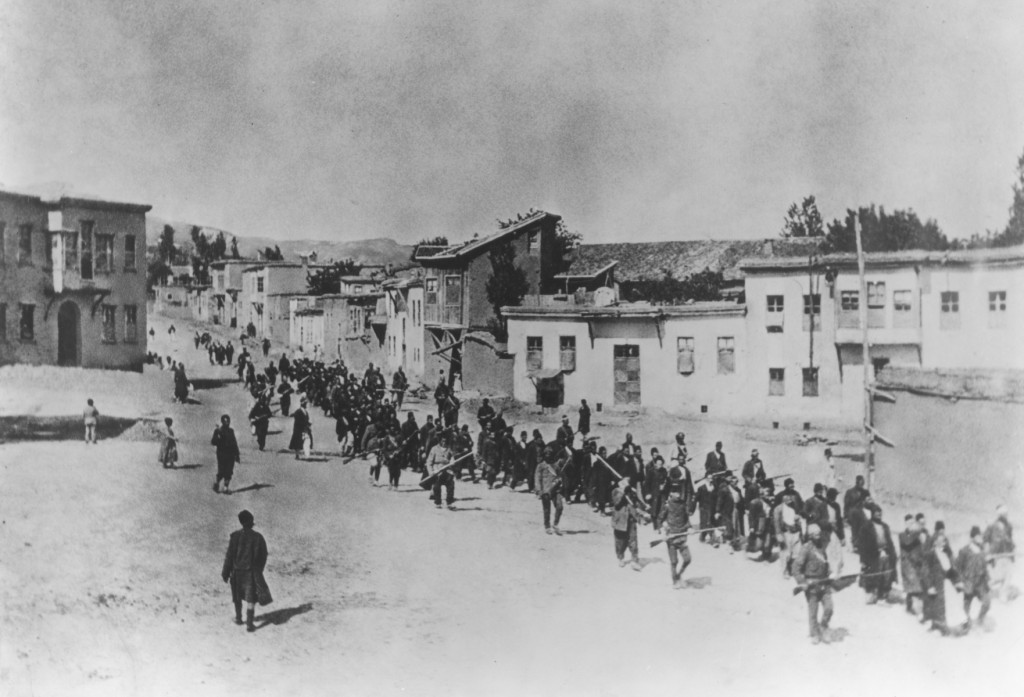
Armenian Genocide On April 24, 1915, Ottoman authorities arrested hundreds of Armenian intellectuals and community leaders in Constantinople. The arrests marked the beginning of a coordi...
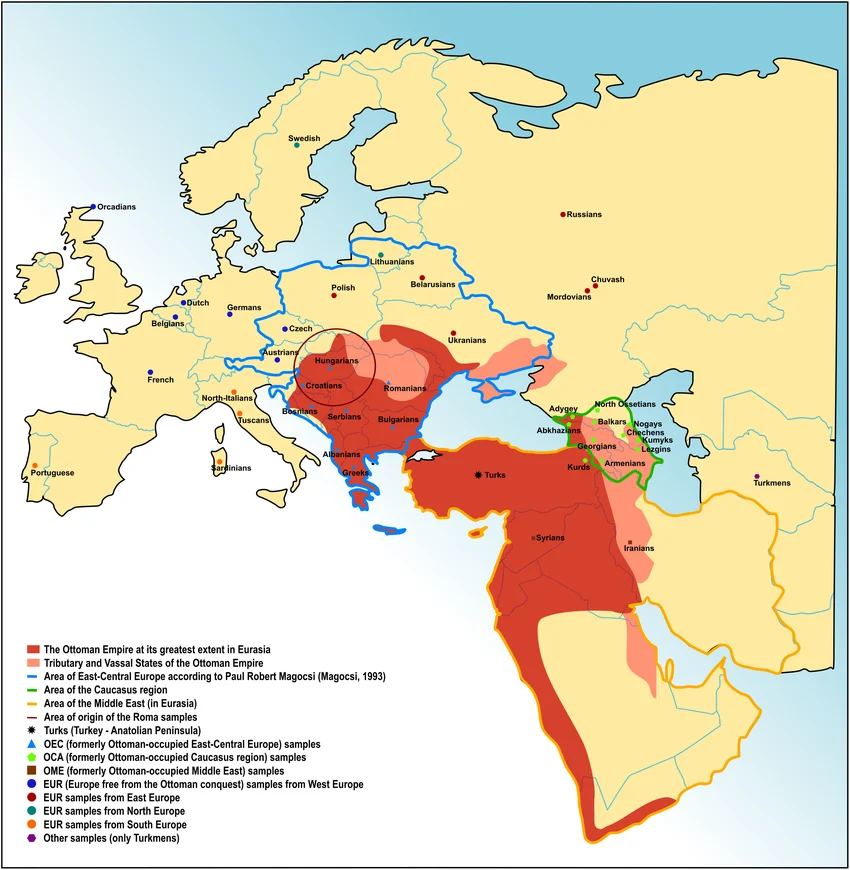
The Ottoman Empire expanded from a small Anatolian principality into one of the largest empires in history. Between the fourteenth and early twentieth centuries, Ottoman forces conquered ...
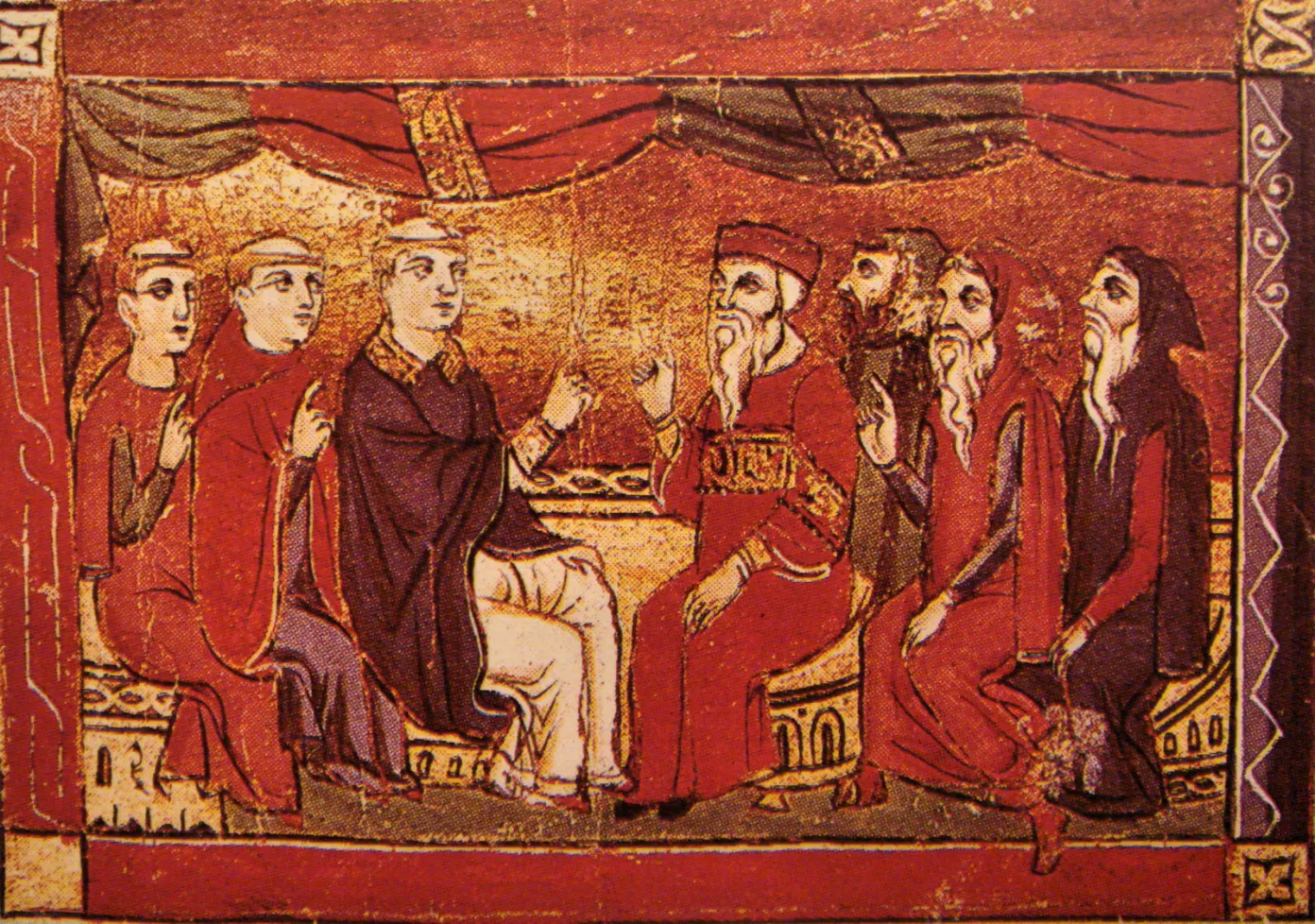
The Christian Church formally split into the Roman Catholic and Eastern Orthodox branches. Doctrinal, cultural, and political differences led to mutual excommunications. The division re...
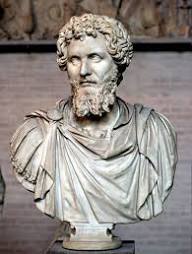
Paul the Jurist was a prominent legal scholar during the reign of Emperor Justinian I. He composed detailed legal opinions and commentaries that influenced the revision of Roman law.His w...
19 February 1915 — British and French naval forces begin major operations against the Ottoman defenses of the Dardanelles. The Allies hope to force the straits, threaten Constantinople an...
1204 — Constantinople is captured and Latin states are established across parts of Greece.
c. 800–1204 CE — Byzantium organizes the Adriatic region around Dyrrachium as a military and administrative theme. The city becomes essential for defending routes between the Adriatic and...
395–641 CE — Egypt becomes part of the eastern Roman Empire centered on Constantinople, later called Byzantine. Alexandria remains one of Christianity's major intellectual centers. Intens...
29 May 1453 — Ottoman forces capture Constantinople, ending the Byzantine Empire.