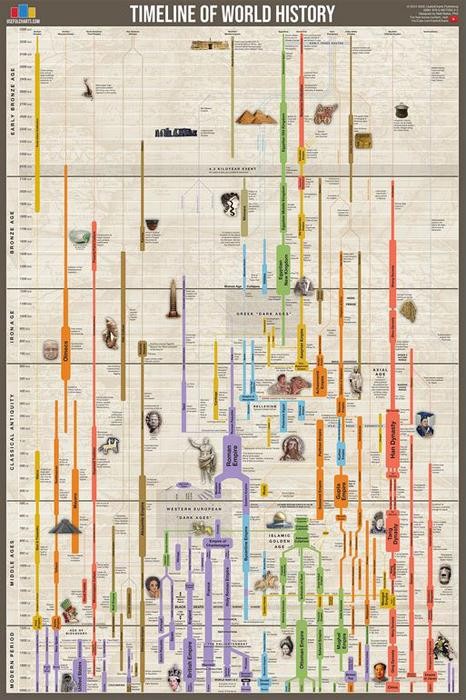
The Master Timeline
Event Timeline body { font-family: Arial, sans-serif; background-color: #f4f4f9; margin: 0; padding: 0; } .timeline-container { max-width: 900px; margin: 50px auto; p...
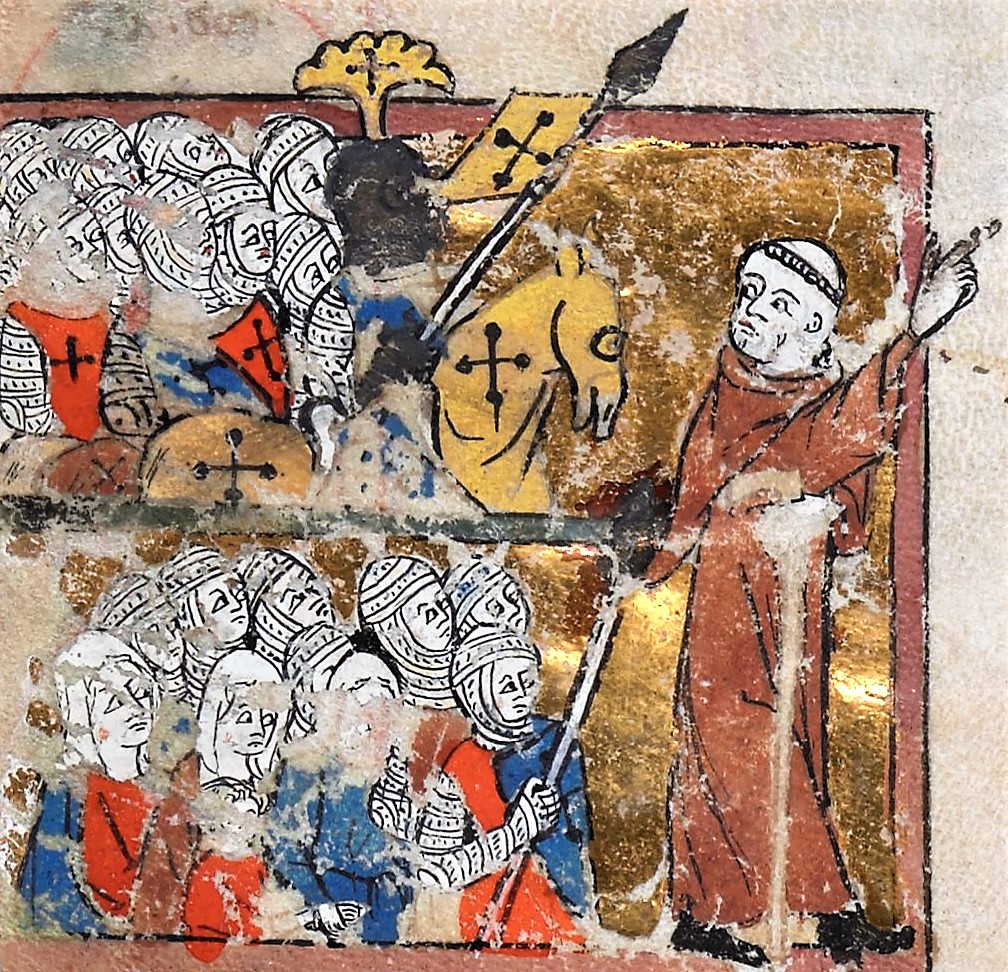
Origins And Objectives Of The Crusades The Crusades were a series of military campaigns initiated between 1095 and 1291, primarily aimed at capturing or defending territories i...
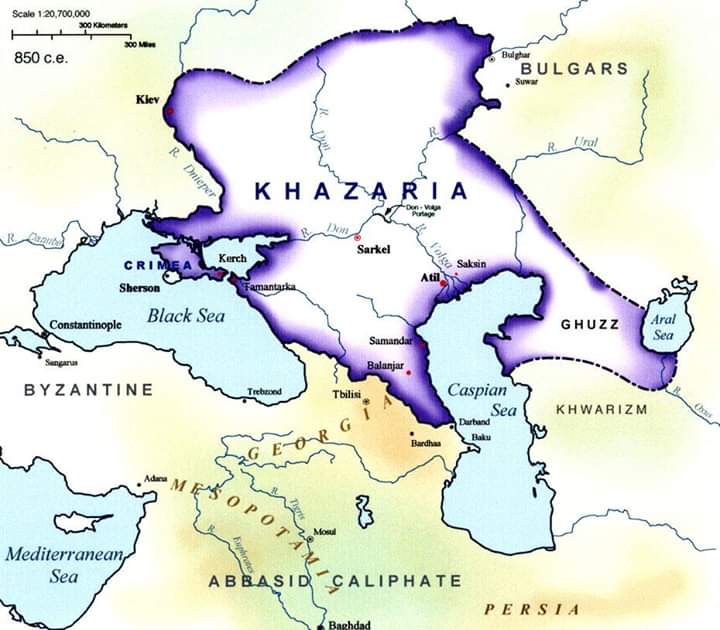
The Khazarian Empire: History, Territory, and Conversion to Judaism The Khazar Empire was a Turkic polity that emerged in the mid-seventh century and became a major regional po...
Sogdian merchants played a crucial role in expanding trade routes across Central Asia during the early medieval period. Centered in the city of Samarkand, they facilitated the exchange of...
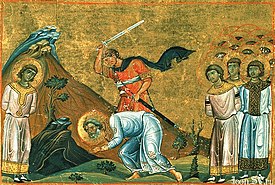
Jerome, a prominent Byzantine official during the Gothic War, was assassinated in the Imperial Palace at Ravenna. His death marked a significant turning point in the conflict between the ...
Najran Massacre 523 AD In 523 AD, the Himyarite king Yusuf Asar Dhu Nuwas, a Jewish ruler of the Himyarite Kingdom in present day Yemen, targeted the Christian population of Najr...
Paul the Jurist was a prominent legal scholar during the reign of Emperor Justinian I. He composed detailed legal opinions and commentaries that influenced the revision of Roman law.His w...
c. 1190–1255 — Arbanon emerges as the earliest known autonomous Albanian principality. Centered in north-central Albania, it operates between Byzantine, Serbian, Venetian and later Epirot...
18 October 1081 — Norman forces under Robert Guiscard defeat the Byzantine army of Emperor Alexios I Komnenos outside Dyrrhachium. The battle shows the Adriatic city's continuing strategi...
1079–1080 CE — Byzantine historian Michael Attaleiates uses terms generally interpreted as references to Albanians in the western Balkans. These medieval references are much closer lingui...
c. 800–1204 CE — Byzantium organizes the Adriatic region around Dyrrachium as a military and administrative theme. The city becomes essential for defending routes between the Adriatic and...
639–642 CE — Forces commanded by Amr ibn al-As invade Byzantine Egypt during the early Islamic conquests. Byzantine resistance collapses gradually, and Alexandria eventually passes under ...
c. 550–650 CE — Slavic-speaking groups settle widely across the Balkans during a period of weakened Byzantine frontier control. Settlement patterns, languages and political structures cha...
395–641 CE — Egypt becomes part of the eastern Roman Empire centered on Constantinople, later called Byzantine. Alexandria remains one of Christianity's major intellectual centers. Intens...
1st–4th centuries CE — Christianity spreads through the Roman Balkans and eventually becomes institutionally established. Bishoprics emerge in important cities including Dyrrachium. Chris...
c. 3100 BCE–2026 CE — Egypt has been governed by native pharaohs, Nubian kings, Persians, Macedonians, Romans, Byzantines, Arab caliphates, Fatimids, Ayyubids, Mamluks, Ottomans, Muhammad...
Over time Greek becomes dominant in the Byzantine state while Orthodox Christianity becomes central to identity.
29 May 1453 — Ottoman forces capture Constantinople, ending the Byzantine Empire.
395 CE — Greece remains within the eastern Roman Empire, later called Byzantine.
Trace language and cultural continuity while distinguishing ancient city-state identities from Byzantine and modern nationalism.