Balfour Declaration
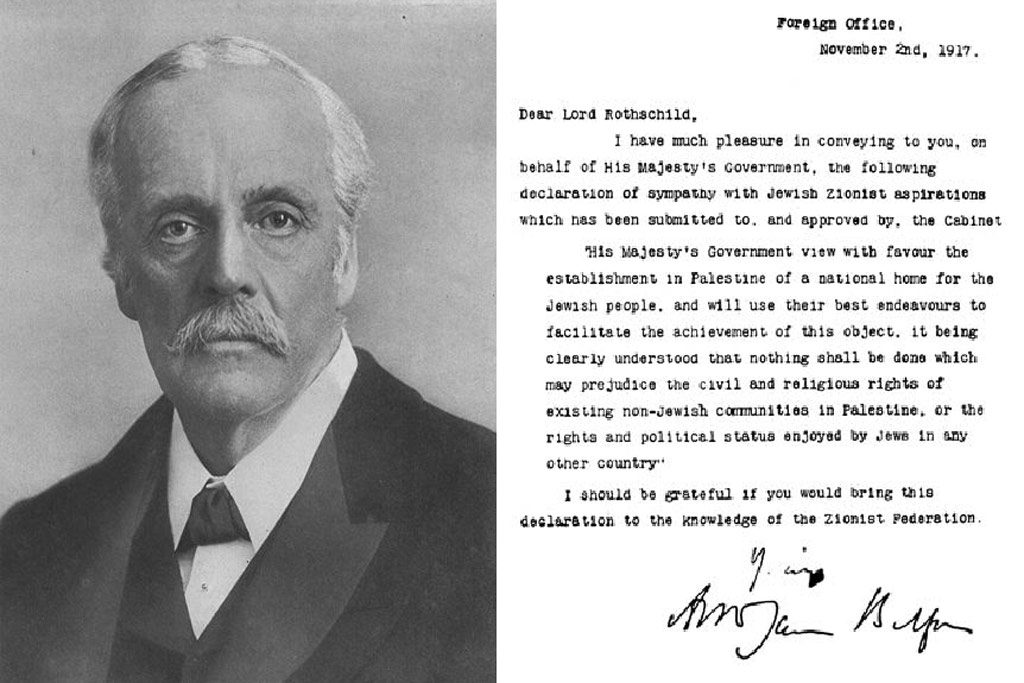
The Balfour Declaration was a public statement issued on November 2 1917 by the British government during World War I expressing support for the establishment of a national home for the J...
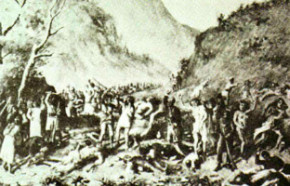
Assyrian Genocide On January 1, 1915, systematic attacks against Assyrian communities began in the eastern provinces of the Ottoman Empire during World War I. Assyrians, a Christian mino...
December 1916–January 1917 — German naval and military leaders conclude that unrestricted submarine warfare may force Britain out of the war. They understand that the policy may provoke A...
August 1916–October 1918 — Paul von Hindenburg and Erich Ludendorff become the dominant figures in Germany's Supreme Army Command. Their influence extends far beyond battlefield operation...
1 July 1916 — British and French forces open the Somme offensive after an enormous artillery preparation. The first day becomes the bloodiest single day in British military history. Fight...
4 June 1916 — Russian General Aleksei Brusilov launches a major offensive against Austria-Hungary. Innovative preparation and attacks across a broad front produce spectacular early breakt...
21 February 1916 — Germany launches a major offensive against the fortified Verdun region. French forces commit enormous manpower and artillery to prevent the fortress zone from falling. ...
1916–1918 — Governments expand control over labor, food, transportation, prices and industrial production. Women enter many sectors previously dominated by men. Colonial labor and soldier...
31 May 1916 — Britain's Grand Fleet and Germany's High Seas Fleet clash in the North Sea in the largest naval battle of the war. Germany inflicts heavier tactical losses, but Britain reta...
1916–1922 as British prime minister — Lloyd George leads Britain during the final two years of the war and the peace conference. His government intensifies national economic mobilization ...
1914–1916 as German Chief of General Staff — Falkenhayn takes command after the failure of Germany's initial western offensive. He increasingly concludes that Germany may not achieve a cl...
1915–1918 naval leadership — Admiral Henning von Holtzendorff is a powerful advocate for unrestricted submarine warfare. In late 1916 he argues that U-boats can reduce British shipping su...