Israeli National Security Minister Itamar Ben-Gvir published footage on August 18, 2026, showing construction of a facility intended to carry out executions by hanging. The footage showed Ben-Gvir standing near wooden and metal structures at a construction site. Israeli media photographs showed a bulldozer, cordoned-off areas, and construction activity near a prison.
Ben-Gvir said the project includes a death-row wing and a hanging facility for prisoners sentenced to death under Israel's new death penalty legislation. The planned complex also includes observation booths intended to allow relatives of people killed in attacks and members of bereaved families to observe executions.
Israel's Knesset passed the Death Penalty for Terrorists Law in March 2026 by a reported vote of 62 to 48. The legislation establishes capital punishment for specified cases involving Palestinians convicted of killing Israelis. The law provides for executions by hanging and permits an execution after a final judgment within a period specified by the legislation.
The legislation applies differently to Palestinians and Israeli citizens. Critics have argued that the law creates discriminatory treatment because its provisions concerning capital punishment apply to Palestinians convicted in the relevant legal system, while Jewish Israelis convicted of killing Palestinians are not subject to the same framework.
The legal organization Adalah is challenging the death penalty law before Israel's Supreme Court. According to Adalah, construction of the execution facilities is proceeding while the legal challenge remains pending. A Supreme Court hearing concerning the petition is scheduled for January 2027.
Adalah has argued that the legislation violates the right to life and other legal protections. The organization has also raised concerns about conditions experienced by Palestinian prisoners and detainees, including allegations of torture, abuse, starvation, and inadequate medical care.
The proposed observation booths have generated additional criticism from human rights organizations. Ben-Gvir's office said the booths would allow relatives of people killed to watch executions and described such arrangements as customary in a number of countries. Rights advocates have argued that permitting spectators to observe executions could turn the punishment of prisoners into a public event.
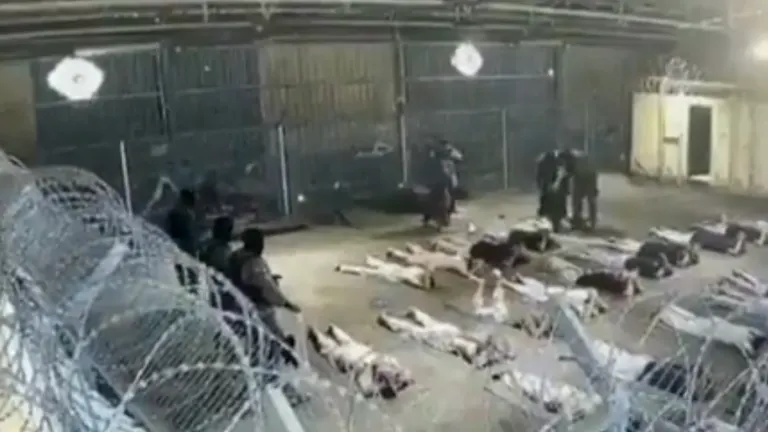
The construction announcement followed earlier reports concerning visits by groups of Israeli settlers to maximum-security Israeli prison facilities. Those reports stated that visitors were permitted to observe handcuffed Palestinian detainees. The reported prison visits and the planned execution viewing areas have both been discussed by rights organizations in connection with the treatment and public presentation of Palestinian prisoners.
Israeli and international critics have also raised concerns about the operation of Israeli military courts handling Palestinian cases. Reports cited conviction rates exceeding 95 percent and longstanding disputes concerning trial procedures and due process.
Ben-Gvir's announcement did not report that an execution had occurred at the facility. The reports concerned construction of the planned death-row and hanging facilities and did not establish a date for their first use.