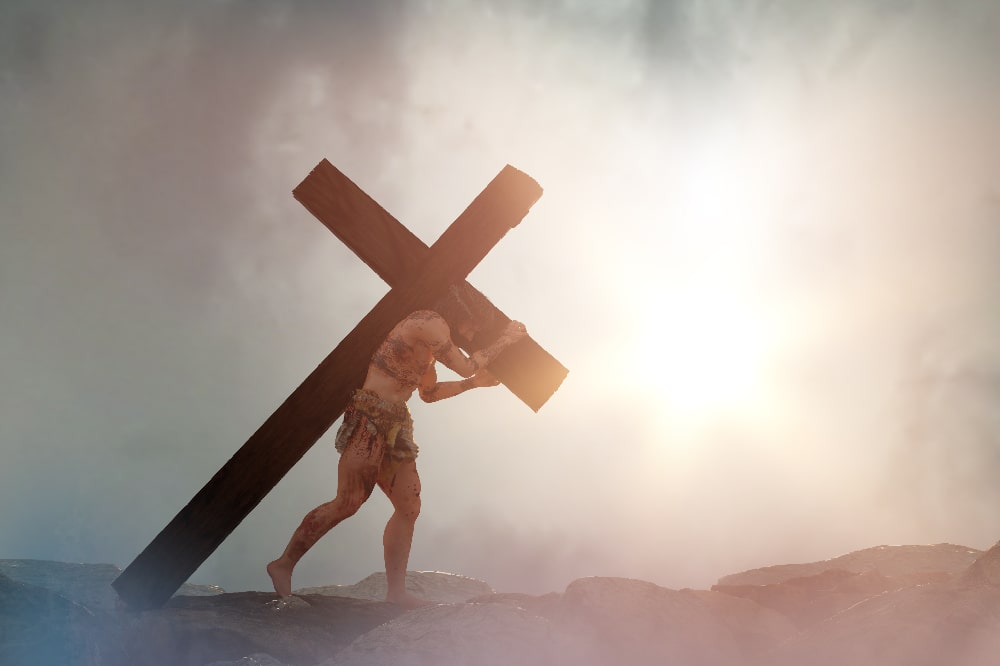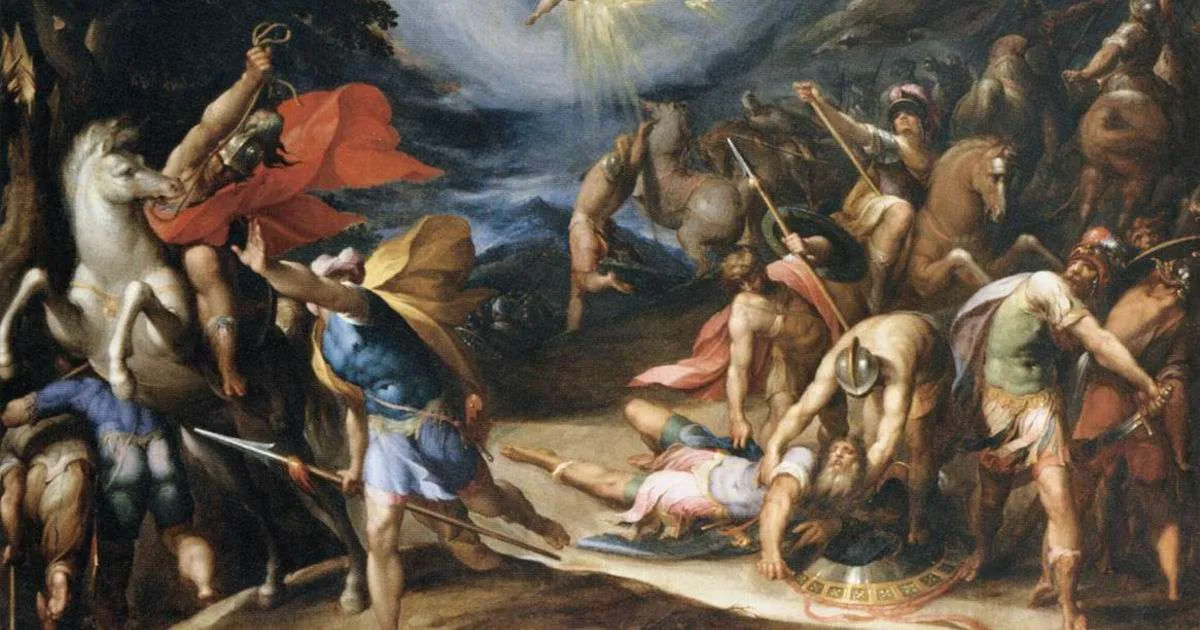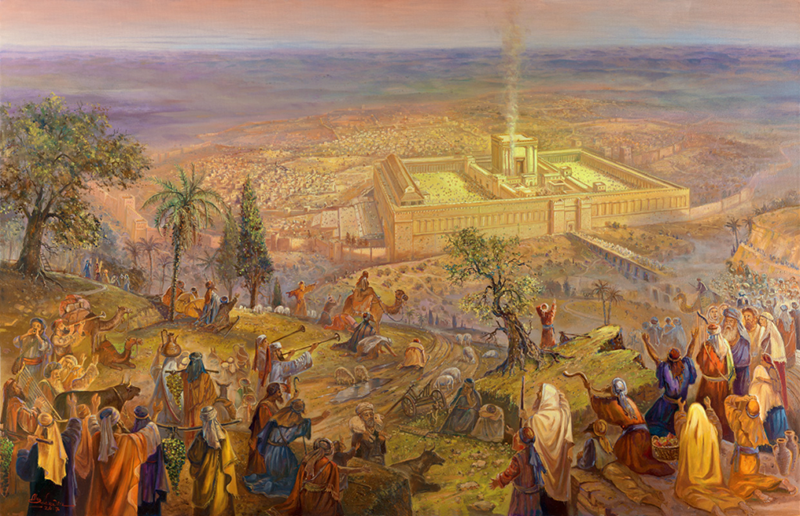
Israeli police block Palm Sunday
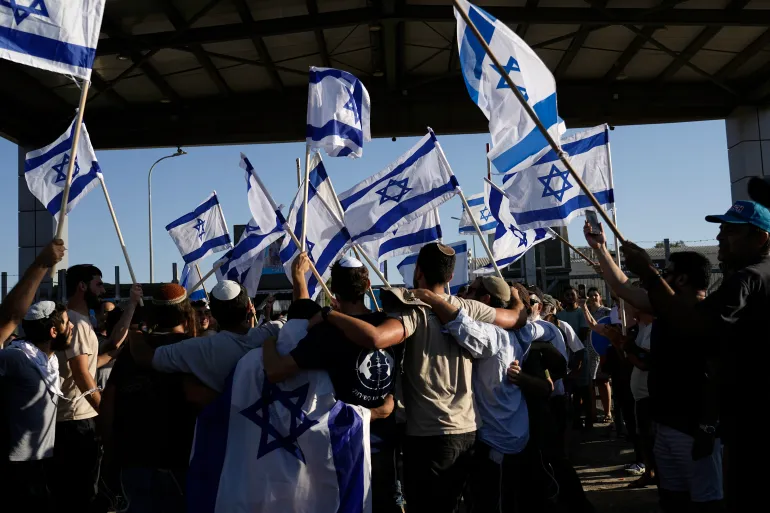
On March 29, 2026, Israeli police prevented senior Catholic leaders from entering the Church of the Holy Sepulchre in Jerusalem to celebrate Palm Sunday Mass. The Latin Patriarch of Jerus...
Explore event →History does not happen in isolation. Explore world events across time, follow the connections between them, and investigate the threads that reveal how one event can lead to another.
TheTimeMap currently follows events across 95 countries and 268 years of history — building a connected archive designed for people who want to look beyond the headline.
We oppose antisemitism, racism, and dehumanization — everywhere.
When people stop feeling, injustice becomes easy.
On March 29, 2026, Israeli police prevented senior Catholic leaders from entering the Church of the Holy Sepulchre in Jerusalem to celebrate Palm Sunday Mass. The Latin Patriarch of Jerus...
Explore event →
On March 2, 2026, a drone attack targeted the Ras Tanura oil refinery, owned and operated by Saudi Aramco, causing a limited fire that was quickly brought under control and prompting a te...
Explore event →
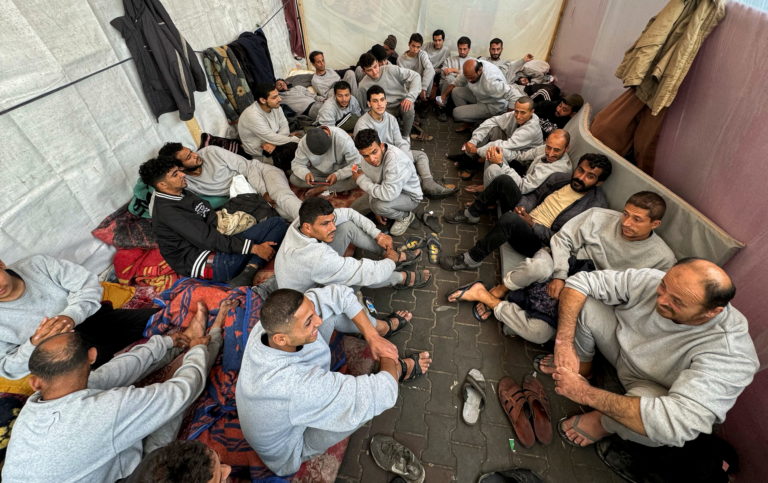
A number of Palestinians from the Gaza Strip and the West Bank have been held in Israeli detention facilities without formal charges or trial, including in an underground jail known as Ra...
Explore event →
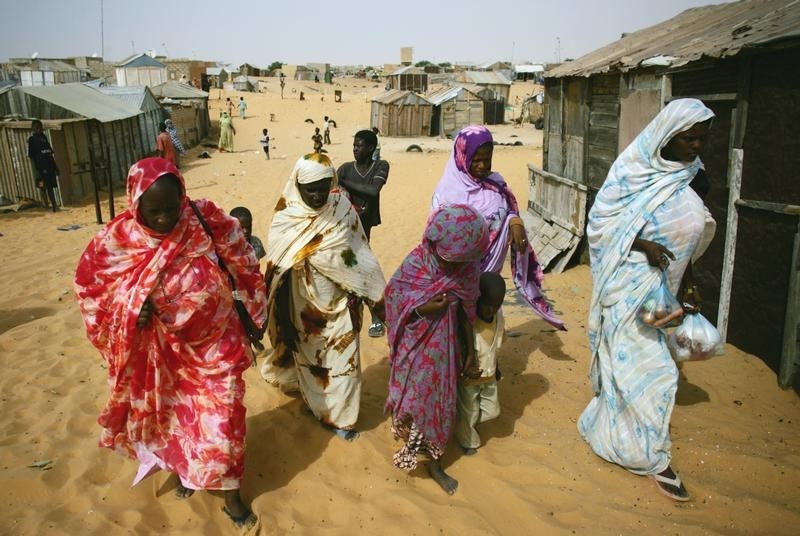
Mauritania was the last country in the world to abolish slavery, formally ending it by presidential decree in 1981 and later passing a law in 2007 that criminalized slave‑holding and rela...
Explore event →
Former Israeli prime minister Naftali Bennett said at a February 2026 conference that global popular approval of Israel is unlikely, stating, “They’re not going to love us. The aspiration...
Explore event →
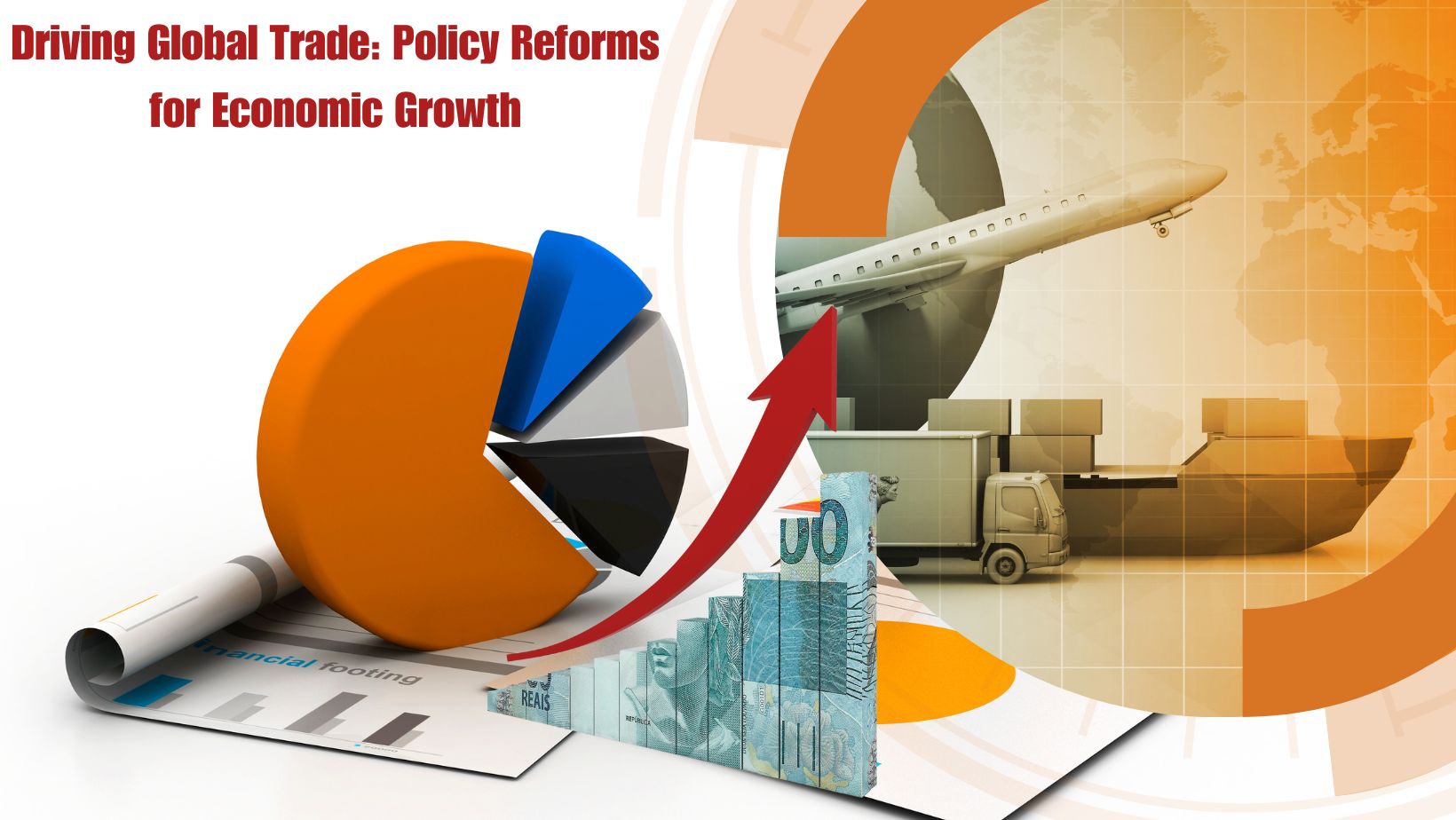
On February 15, 2026, global economic discussions continued to emphasize the need for reform of the World Trade Organization and international trade systems. Advocates argue that evolving...
Explore event →
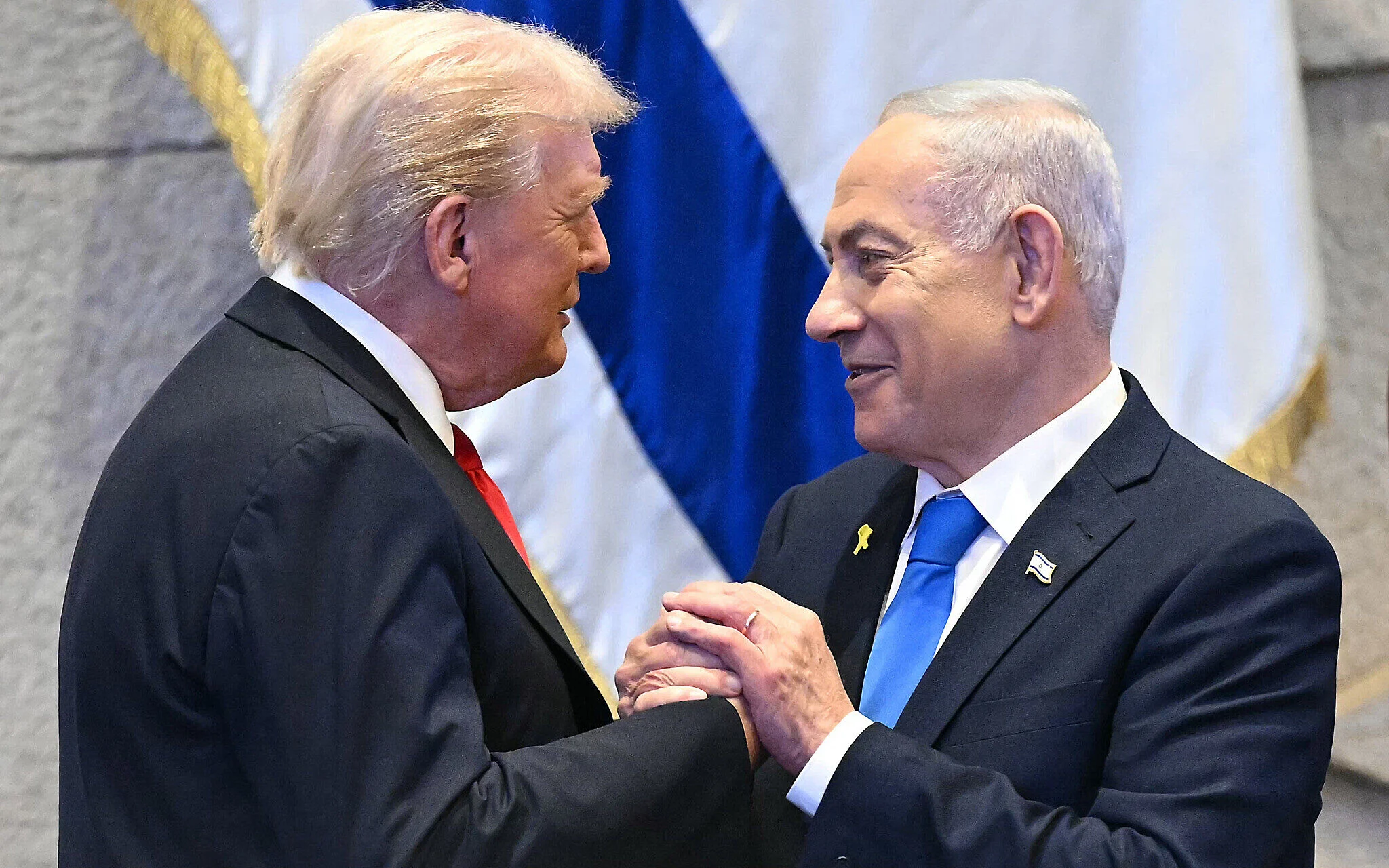
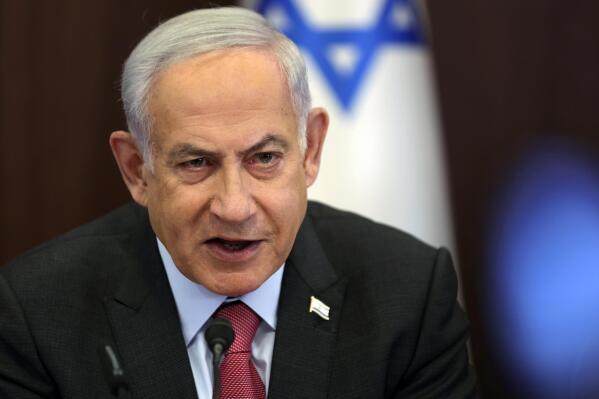
On February 12, 2026, U.S. President Donald Trump publicly demanded that Israeli President Isaac Herzog grant a pardon to Prime Minister Benjamin Netanyahu, thrusting himself into one of ...
Explore event →
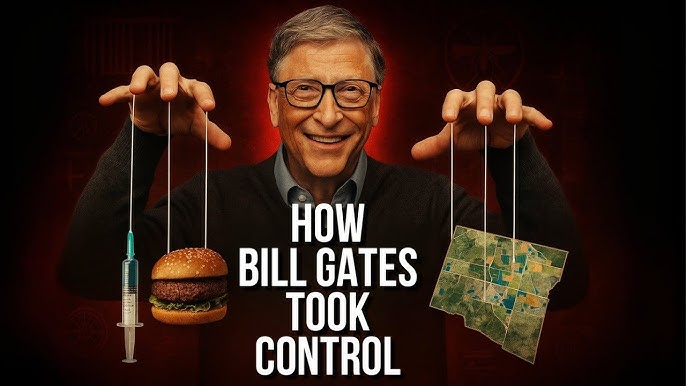
Bill Gates’ influence in global health, food supply, and population programs Bill Gates, co‑founder of Microsoft and a private philanthropist, has been a major funder of global...
Explore event →
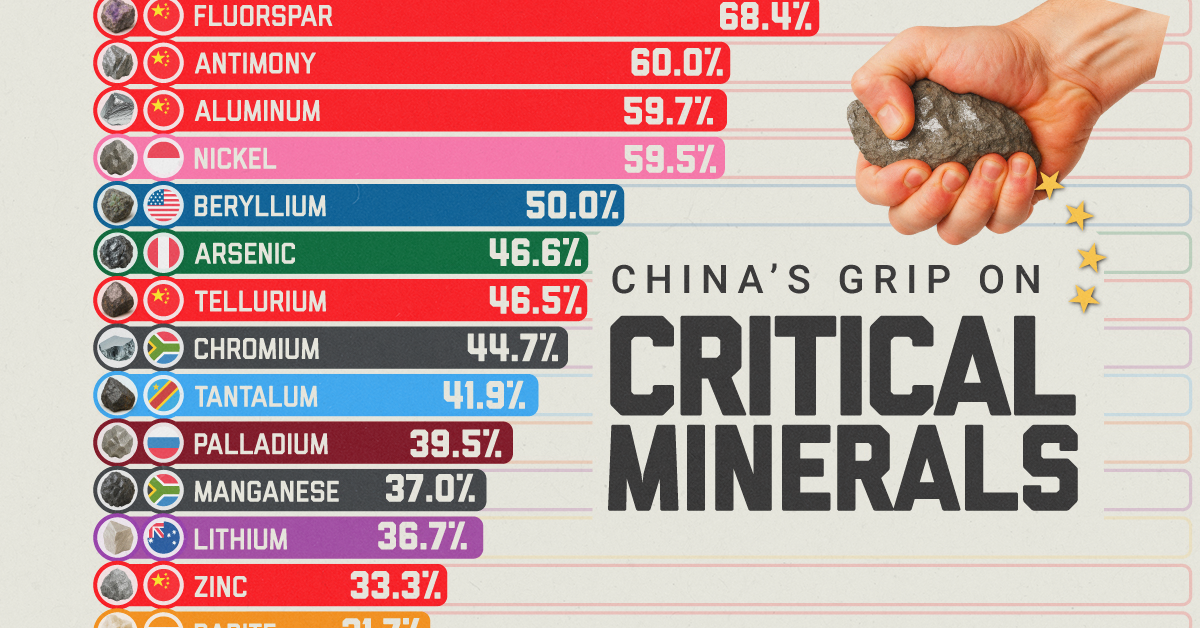
China expands state control over strategic mineral exports On February 23, 2026, the Chinese Ministry of Commerce announced new regulations strengthening state oversight of exp...
Explore event →
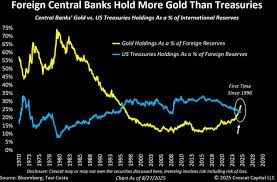
Central banks increase gold reserves at fastest pace in decades On February 22, 2026, the World Gold Council reported that central banks globally added gold to their reserves a...
Explore event →
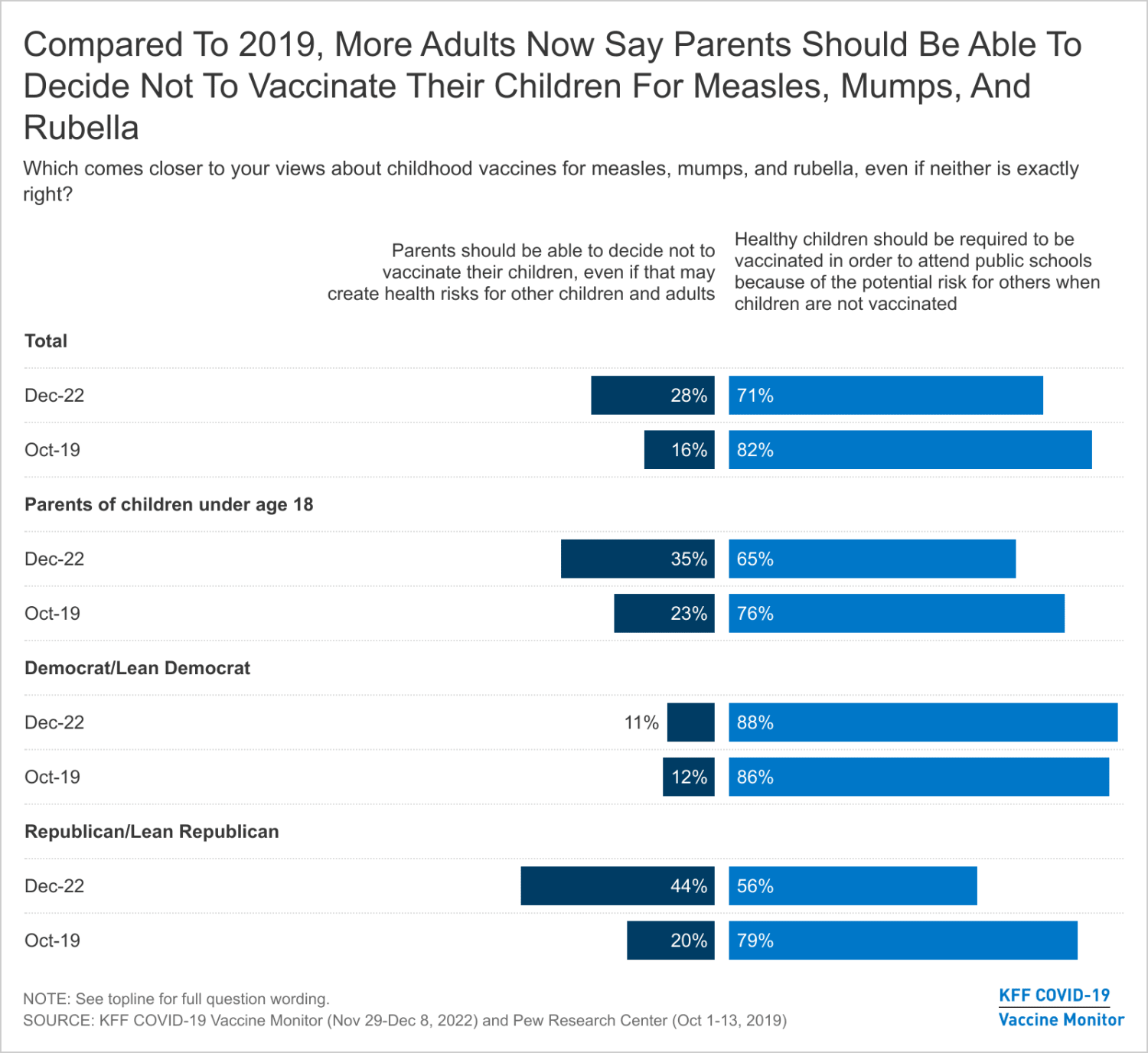
WHO warns of declining childhood vaccination rates On February 14, 2026, the World Health Organization issued a global alert regarding declining childhood vaccination rates. WH...
Explore event →
World Economic Forum investigates its CEO over Epstein links On February 5, 2026, the World Economic Forum (WEF) announced the launch of an independent investigation into its president a...
Explore event →
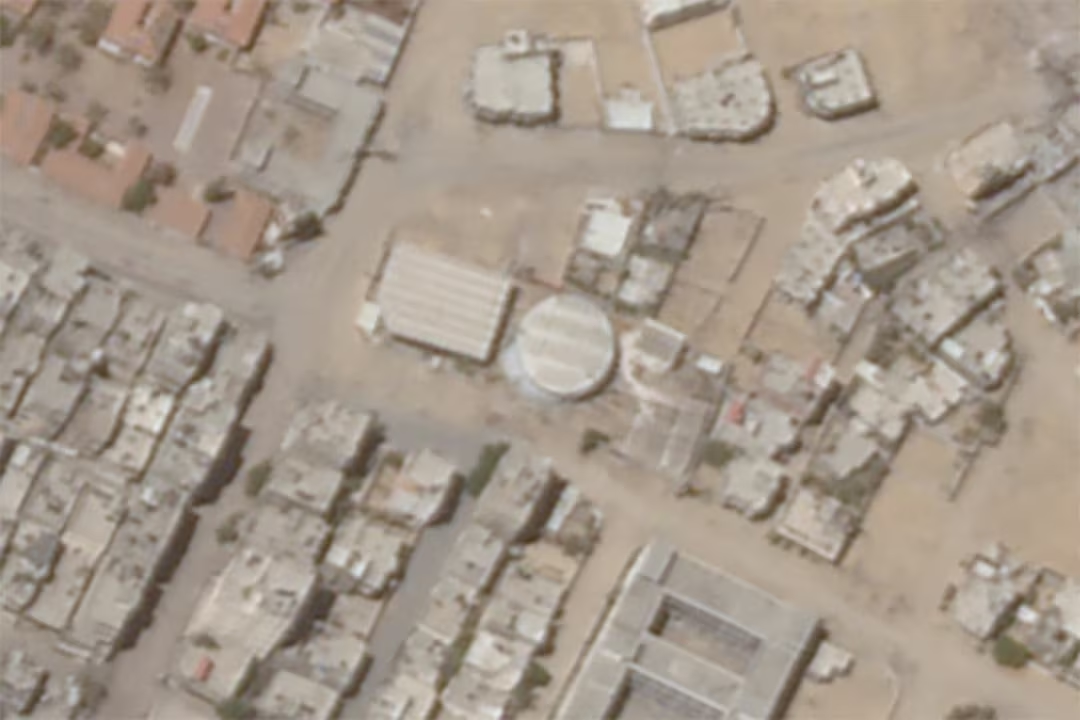
Infrastructure Under Fire: Gaza’s Water Systems Since 1948 body { font-family: Arial, Helvetica, sans-serif; line-height: 1.6; margin: 40px; c...
Explore event →
Event Timeline body { font-family: Arial, sans-serif; background-color: #f4f4f9; margin: 0; padding: 0; } .timeline-container { max-width: 900px; margin: 50px auto; p...
Explore event →
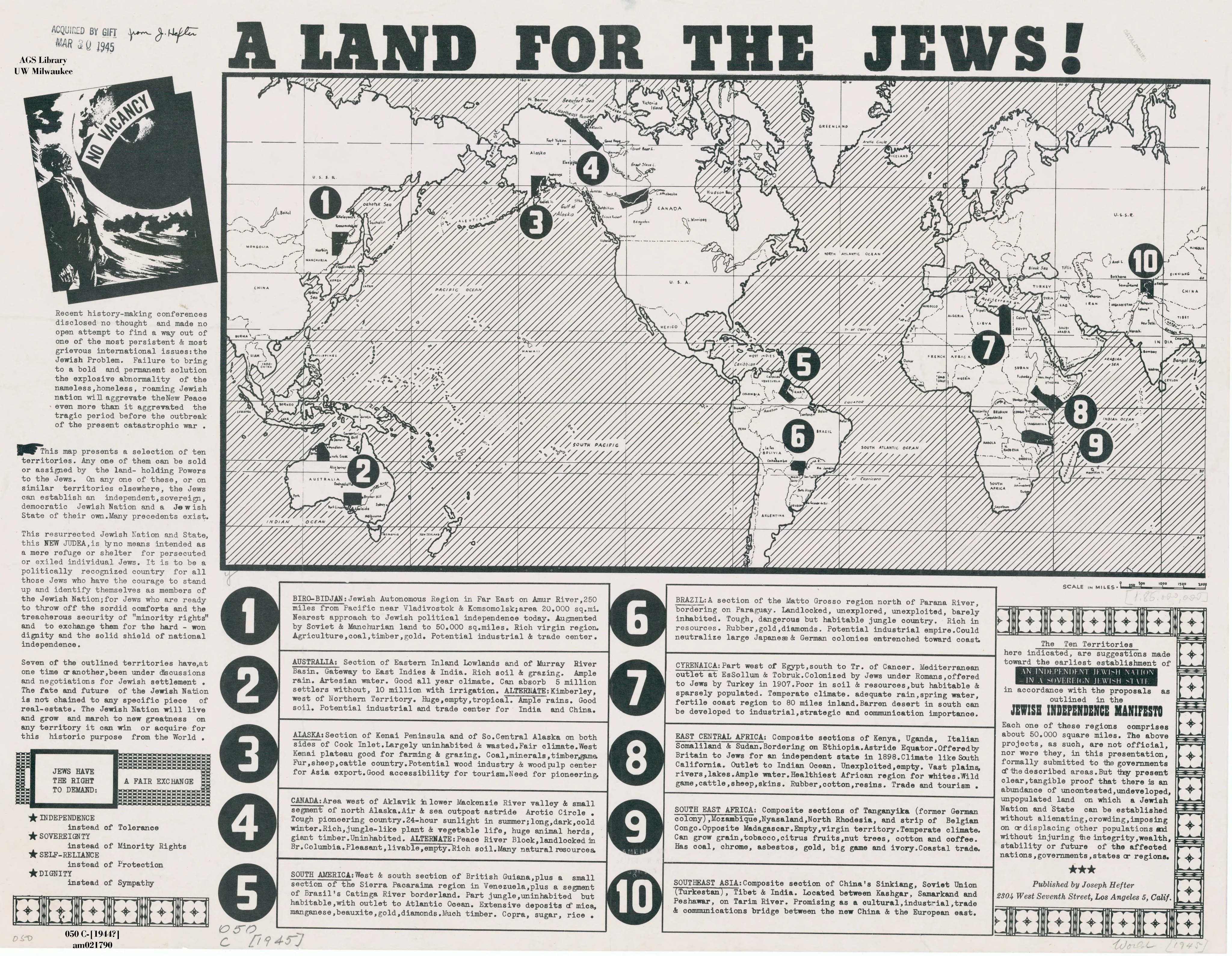
Proposed Jewish Settlements and Local Creation Myths body { font-family: Arial, sans-serif; background-color: #f4f4f9; margin: 0; padding: 0; } .timeline-container { ...
Explore event →
Iran Announces Live‑Fire Naval Drills Near U.S. Warships in Strait of Hormuz Iran’s Islamic Revolutionary Guard Corps (IRGC) announced a two‑day live‑fire naval exercise in the...
Explore event →
Growing Concerns Over Digital ID Programs Worldwide Digital identification programs, also known as digital IDs, are being implemented in countries around the world to streamlin...
Explore event →
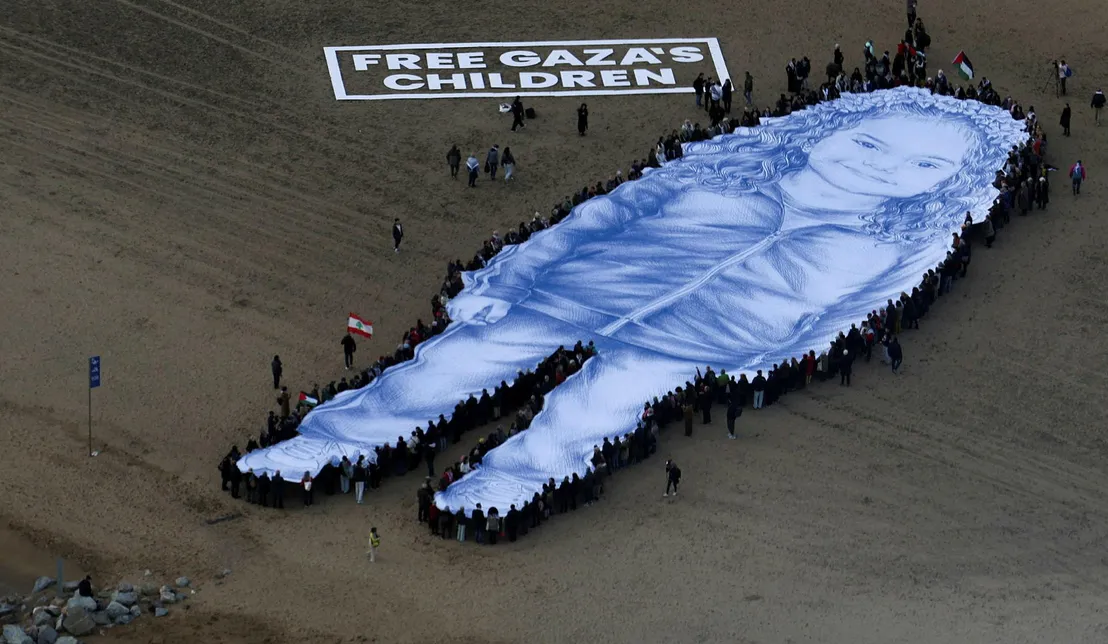
Humanitarian Reports Highlight Critical Conditions of Children in Palestine Humanitarian organisations and United Nations agencies have reported that many children in Palestini...
Explore event →
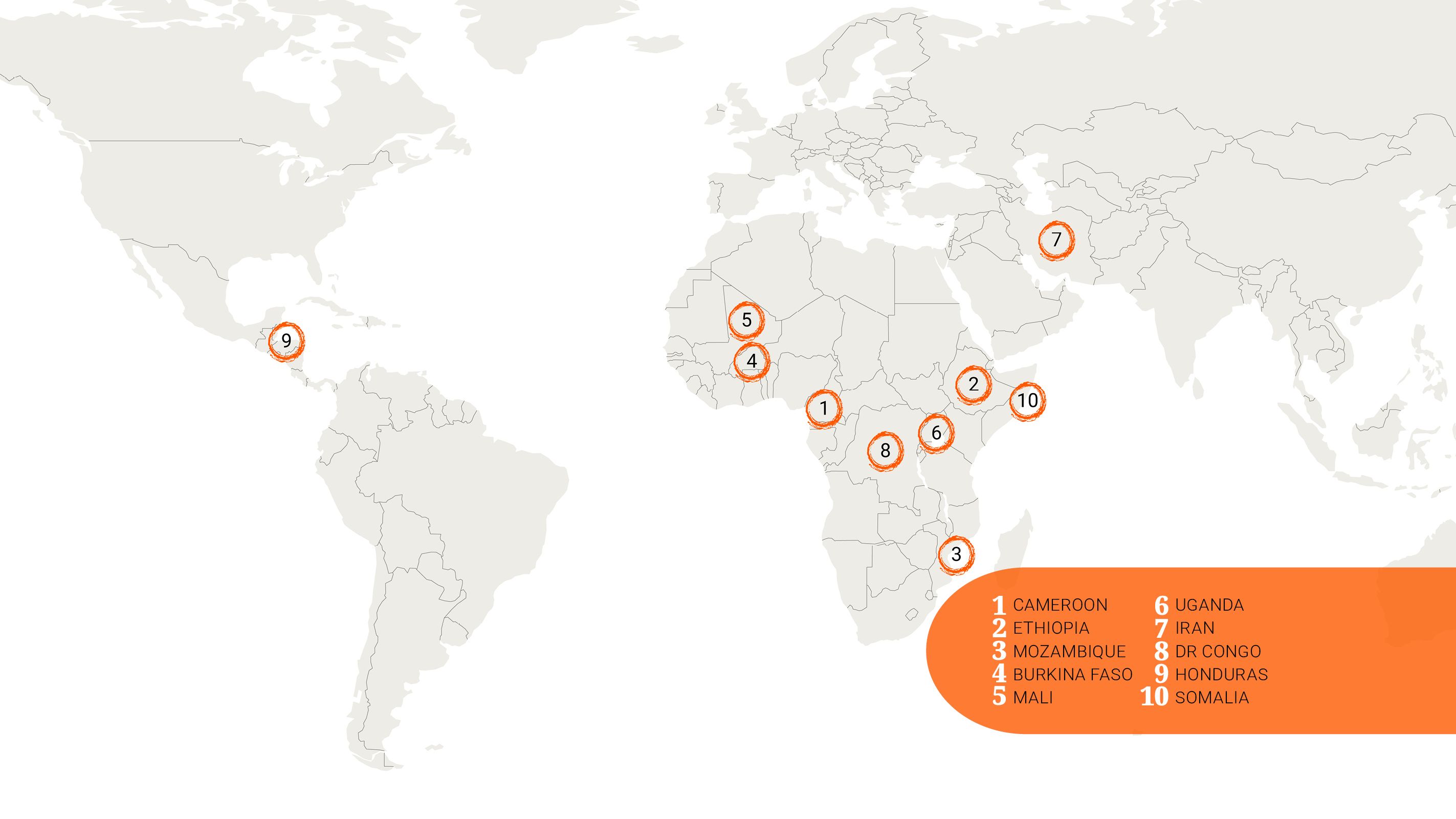
On January 28, 2026, the tenth annual CARE Crisis Report was published, identifying the ten most under‑reported humanitarian crises of 2025 worldwide. The report found that the Central Af...
Explore event →
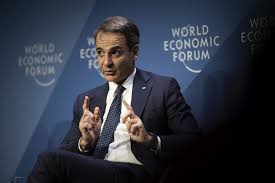
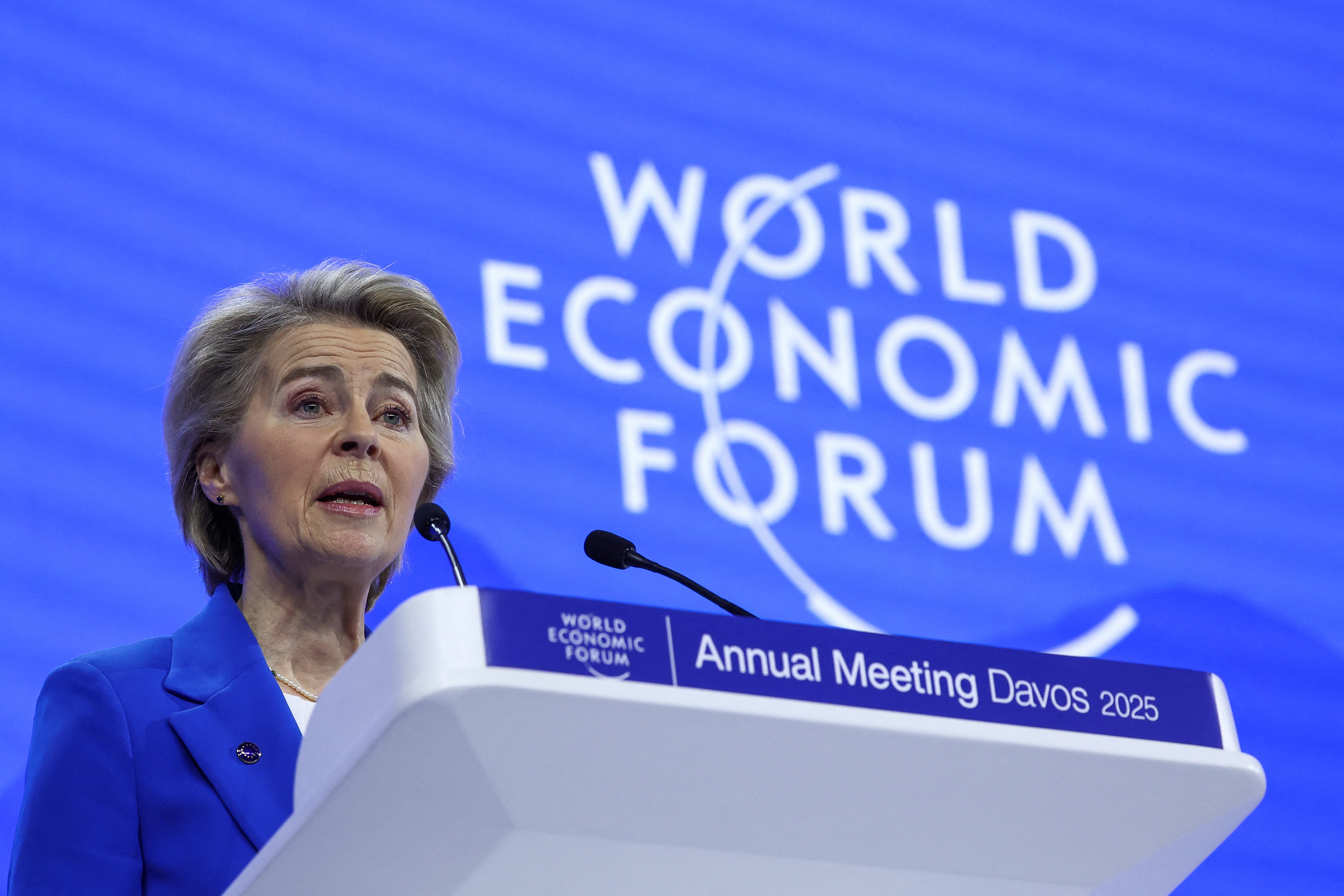
Leaders at the 56th annual World Economic Forum in Davos, Switzerland, engaged in high-level discussions on global security, economic growth, and geopolitical competition. The forum took ...
Explore event →
On January 26, 2026, the 56th World Economic Forum in Davos, Switzerland concluded after a week of sessions involving global political and business leaders. The forum featured discussions...
Explore event →
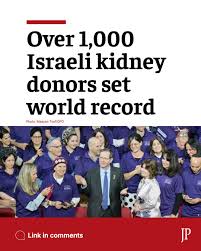
On January 24, 2026, Guinness World Records recognized an event in Jerusalem that marked more than 2,000 living kidney donations facilitated by the Israeli nonprofit organization Matnat C...
Explore event →
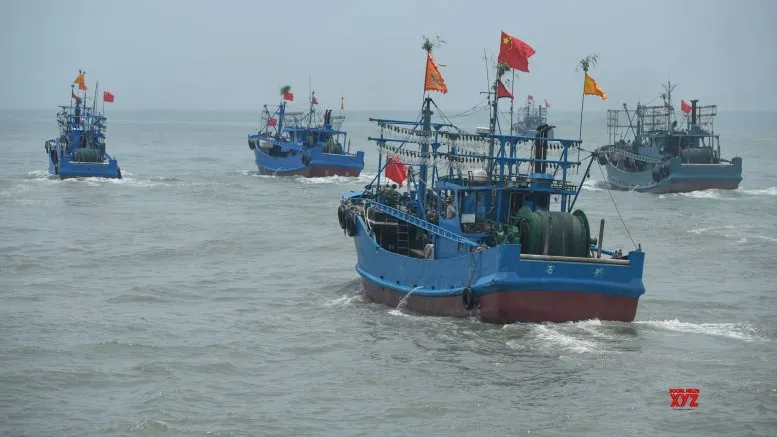
On January 23, 2026, U.S. lawmakers released an investigation accusing China of being the world’s largest perpetrator of illegal, unreported, and unregulated (IUU) fishing. The report was...
Explore event →
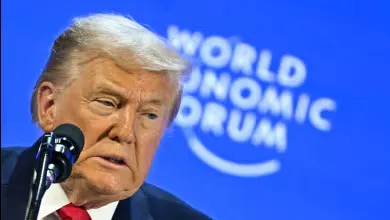
Speaking at the World Economic Forum in Davos, U.S. President Donald Trump stated that the United States would not use military force in relation to Greenland and outlined a framework for...
Explore event →
U.S. President Donald Trump posted a series of messages on his Truth Social platform in which he shared private texts from French President Emmanuel Macron and the NATO Secretary‑General ...
Explore event →
Political tensions intensified today at the World Economic Forum in Davos as disagreements between the United States and several European nations dominated discussions. Controversial stat...
Explore event →
European Officials Reject U.S. Tariff Blackmail and Push for Unity European finance ministers from Germany and France publicly rejected U.S. tariff threats as “blackmail” amid rising ten...
Explore event →
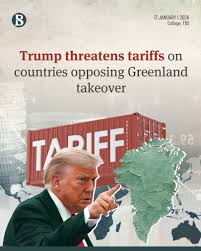
Trump Links Greenland Push to Nobel Snub, EU Considers Retaliatory Tariffs On January 19, 2026, U.S. President Donald Trump linked his campaign to assert control over Greenland to his fa...
Explore event →
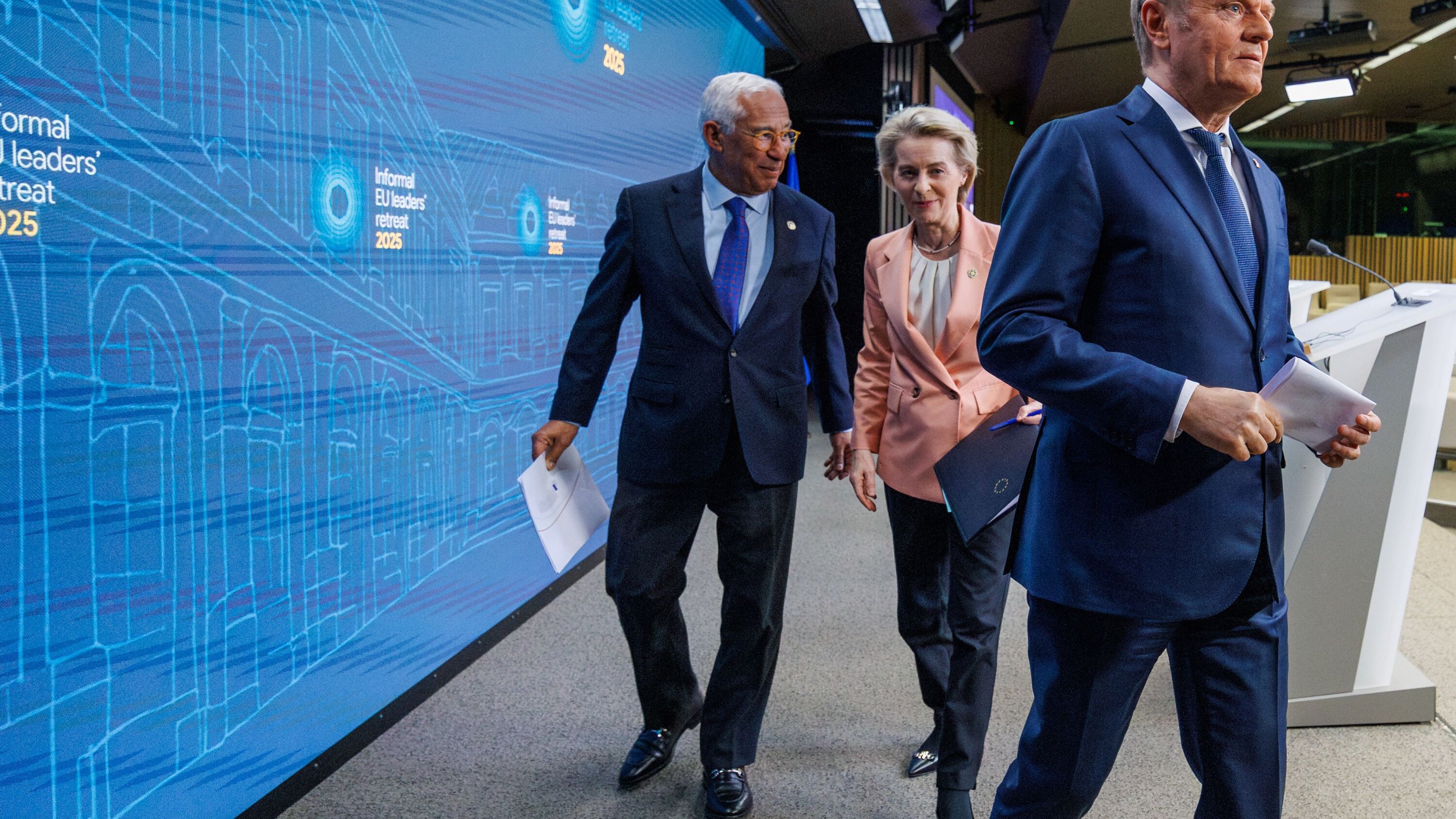
On January 17, 2026, European Union capitals prepared a package of tariffs and market restrictions worth up to 93 billion euros aimed at the United States in response to President Donald ...
Explore event →
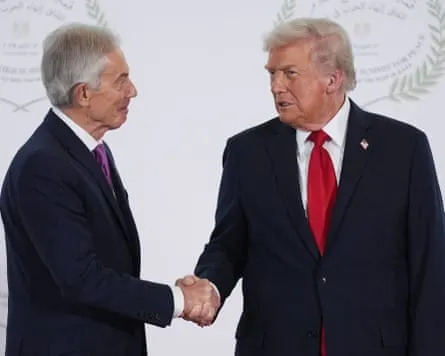
Board of Peace for Gaza Date: Ongoing as of January 2026 Description: The Board of Peace is a U.S.-led international body announced by President Donald Trump to oversee governance,...
Explore event →
The United Nations Secretary-General’s annual report on conflict-related sexual violence included Israel in its annex listing parties identified as having credible information indicating ...
Explore event →
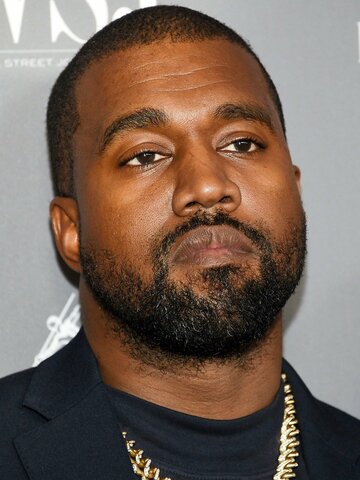
American artist Kanye West, also known as Ye, released a song titled “Heil Hitler” on May 8, 2025, which generated widespread international criticism. The track included references to Naz...
Explore event →
Increased Censorship on TikTok After Sale to Larry Ellison: What You Need to Know TikTok, one of the most popular social media platforms worldwide, has been under intense scrutiny due to...
Explore event →
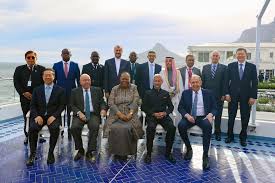
BRICS Bloc Expands as New Members Join Amid Push to Reshape Global Order The BRICS group of emerging economies formally expanded on January 1, admitting new member states as pa...
Explore event →
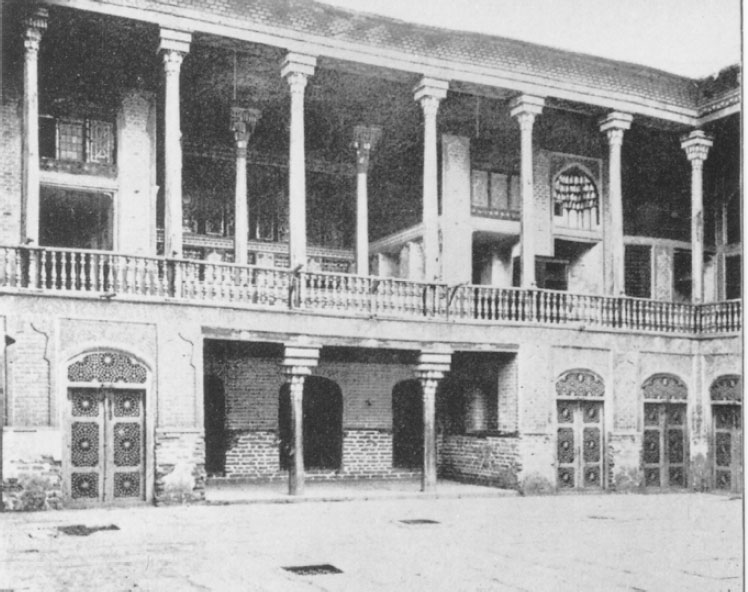
In Three Worlds, Shlaim states that he has uncovered what he describes as “undeniable proof of Zionist involvement” in the bombings of Jewish targets in Baghdad between 1950 and 1951. He...
Explore event →
Reports circulating online have drawn widespread attention to a legislative proposal in Israel that would place restrictions on certain forms of religious proselytizing, including the sha...
Explore event →
Klaus Schwab hosted a conversation with Henry Kissinger at the World Economic Forum Annual Meeting in Davos in 2022. Schwab discussed his earlier meeting with Kissinger at Harvard and Kis...
Explore published research →
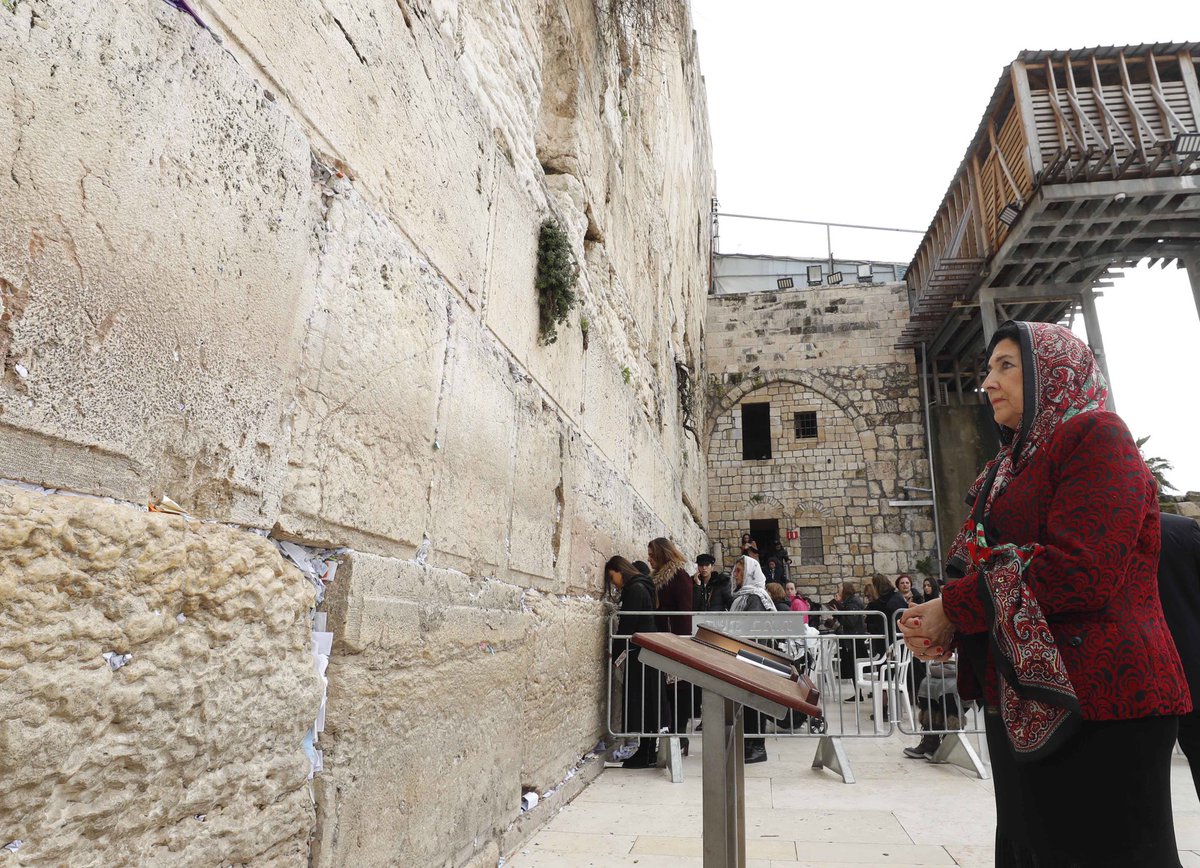
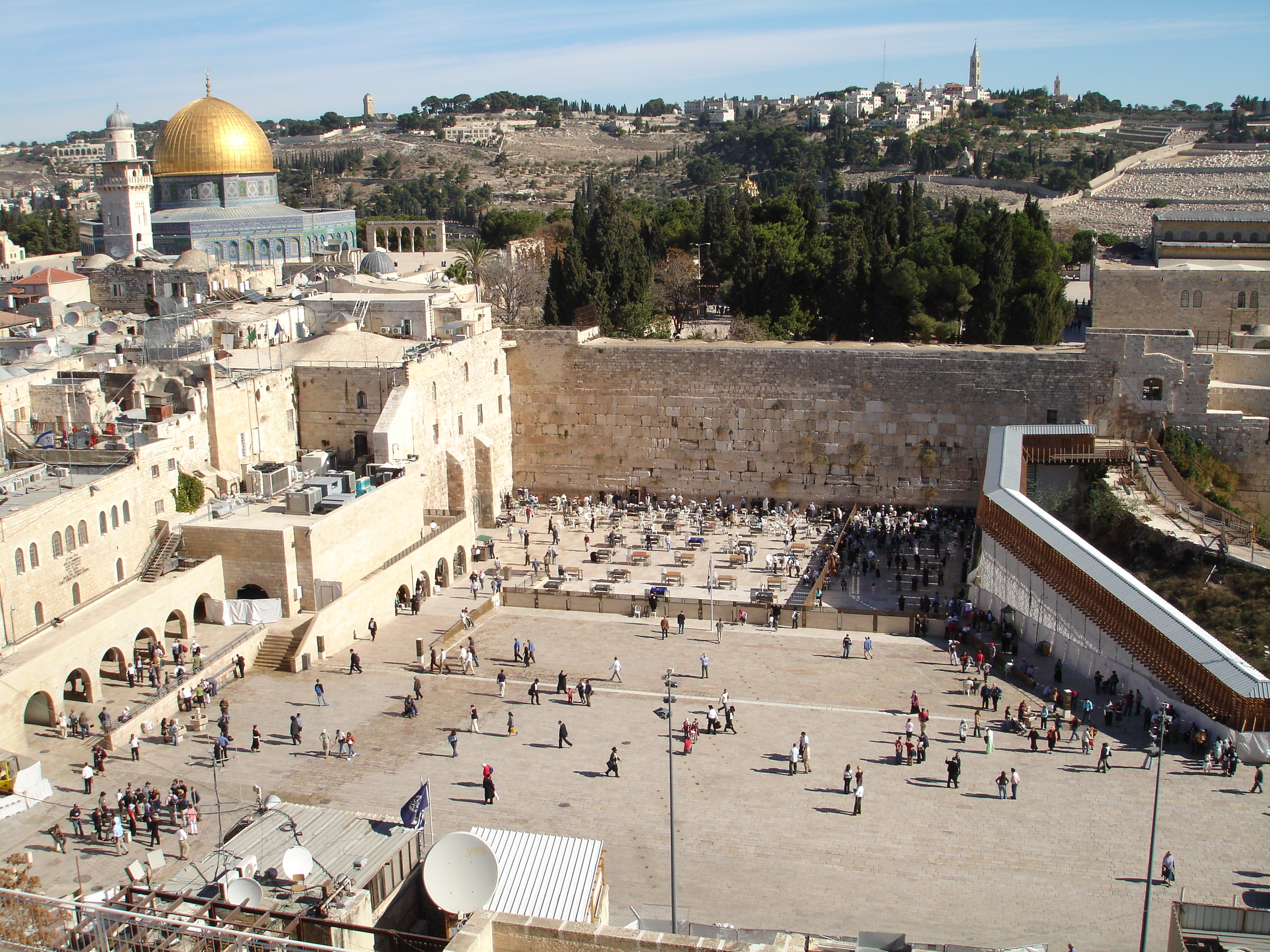
On June 17, 2020, President Salome Zourabichvili of Georgia visited the Western Wall in Jerusalem. Her visit was part of the World Holocaust Forum events commemorating the 75th anniversar...
Explore event →
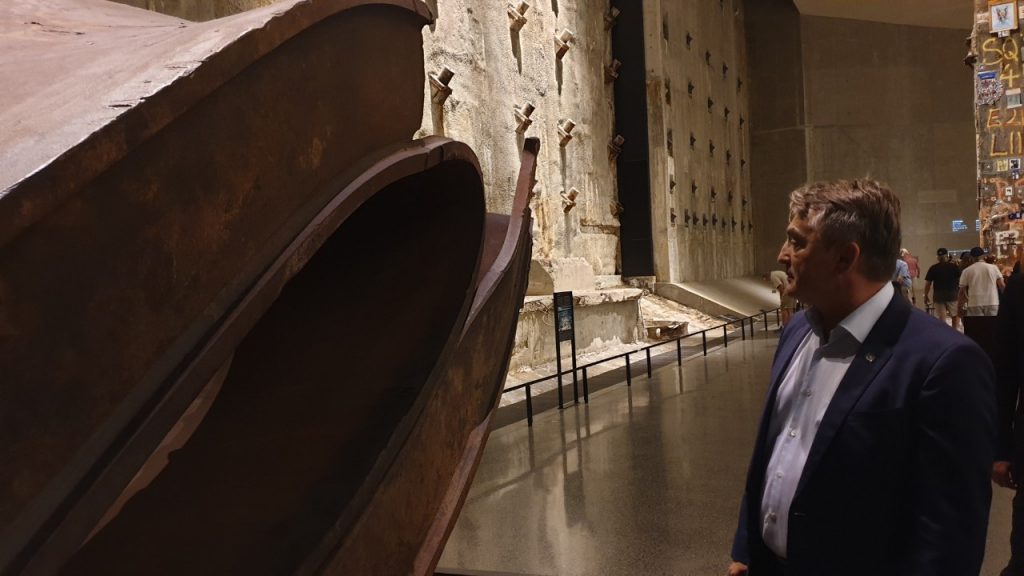
On June 17, 2020, President Željko Komšić of Bosnia and Herzegovina visited the Western Wall in Jerusalem. The visit took place during the World Holocaust Forum commemorating the 75th ann...
Explore event →
On June 17, 2020, President Guðni Th. Jóhannesson of Iceland visited the Western Wall in Jerusalem. The visit took place during an international gathering of heads of state attending the ...
Explore event →
On April 9, 2020, the World Economic Forum (WEF) published an article titled “Lockdown is the world’s biggest psychological experiment – and we will pay the price,” examining the mental h...
Explore event →
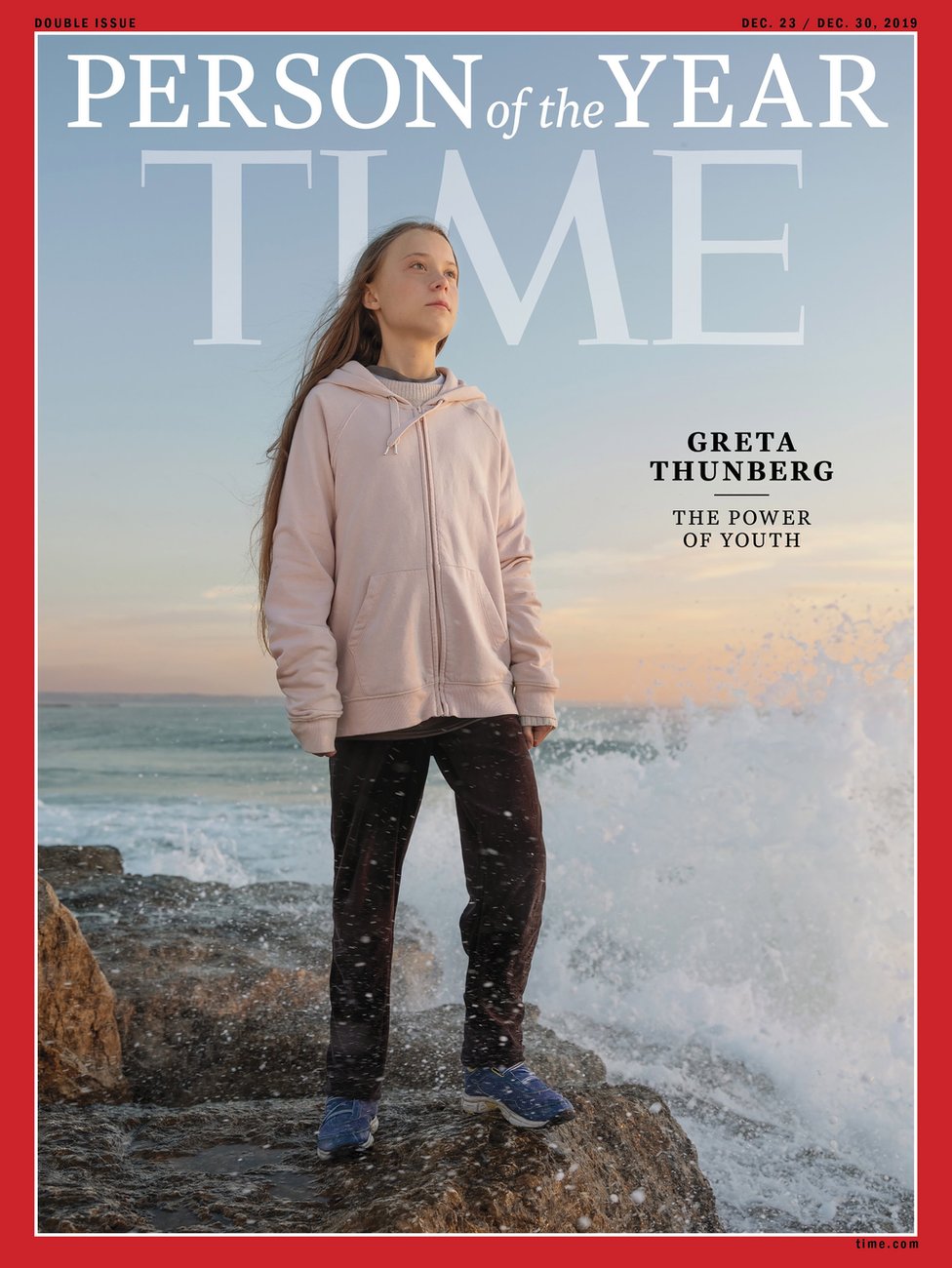
Time magazine named Swedish climate activist Greta Thunberg as its Person of the Year on December 11, 2019. She was recognized for her global environmental activism and influence on clima...
Explore event →
The COVID-19 pandemic is a global outbreak of the coronavirus SARS-CoV-2, first identified in Wuhan, China, in late 2019. The World Health Organization (WHO) was notified on December 31, ...
Explore event →
Harvey Weinstein, an American film producer and co-founder of Miramax and The Weinstein Company, was arrested on October 10, 2017, in New York following numerous allegations of sexual har...
Explore event →
Israeli and Jewish aid groups support migrant and refugee assistance in Europe On September 5, 2015, IsraAID, an Israeli non-governmental organization founded in 2001 to provide disaster...
Explore event →
On August 11, 2014, beloved actor and comedian Robin Williams was found dead at his home in Paradise Cay, California, at the age of 63. Authorities confirmed that the cause of death was s...
Explore event →
2014–2026 — Egypt remains the most populous country in the Arab world and one of the principal political centers of the eastern Mediterranean and Middle East. Cairo dominates political an...
Explore published research →
2010 sermon statements attributed to Rabbi Ovadia Yosef 2010 sermon statements attributed to Rabbi Ovadia Yosef on gentiles In 2010, Rabbi Ovadia Yos...
Explore event →
They hate white people “The goal of abolishing the White race is, on its face, so desirable that some may find it hard to believe th...
Explore event →
Michael Jackson, the “King of Pop,” died on June 25, 2009, at the age of 50 in Los Angeles, California, from acute propofol and benzodiazepine intoxication administered by his personal ph...
Explore event →
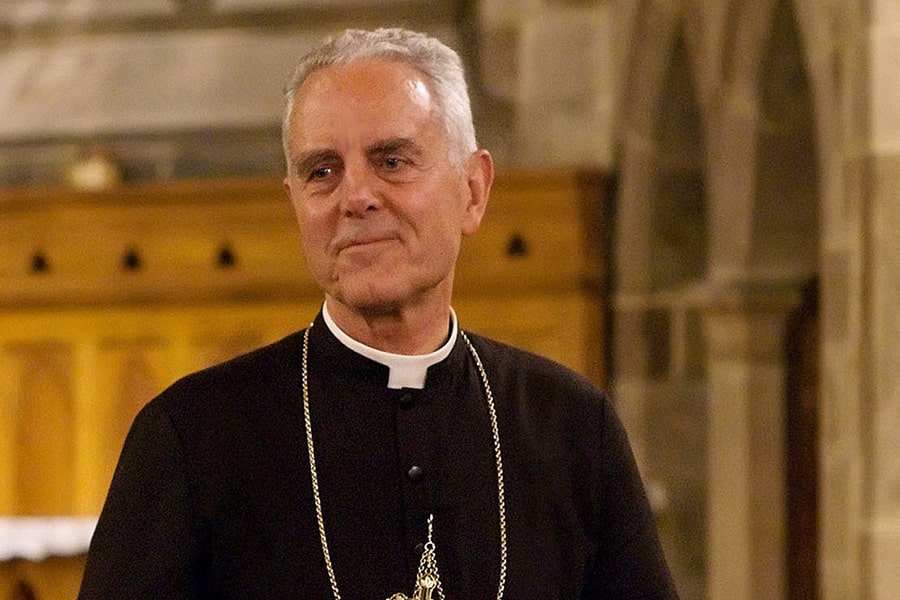
Richard Williamson was a British traditionalist Catholic bishop who became widely known for his involvement in controversies related to the Catholic Church and his public statements about...
Explore event →
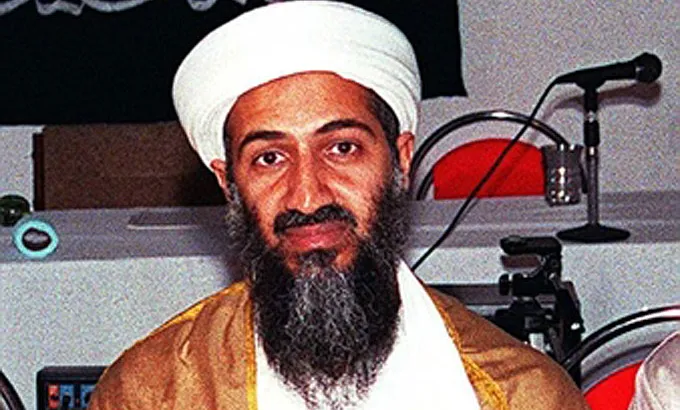
Osama Bin Laden, the founder of al-Qaeda, did not formally claim responsibility for the September 11, 2001 attacks on the United States. The attacks involved the hijacking of four commerc...
Explore event →
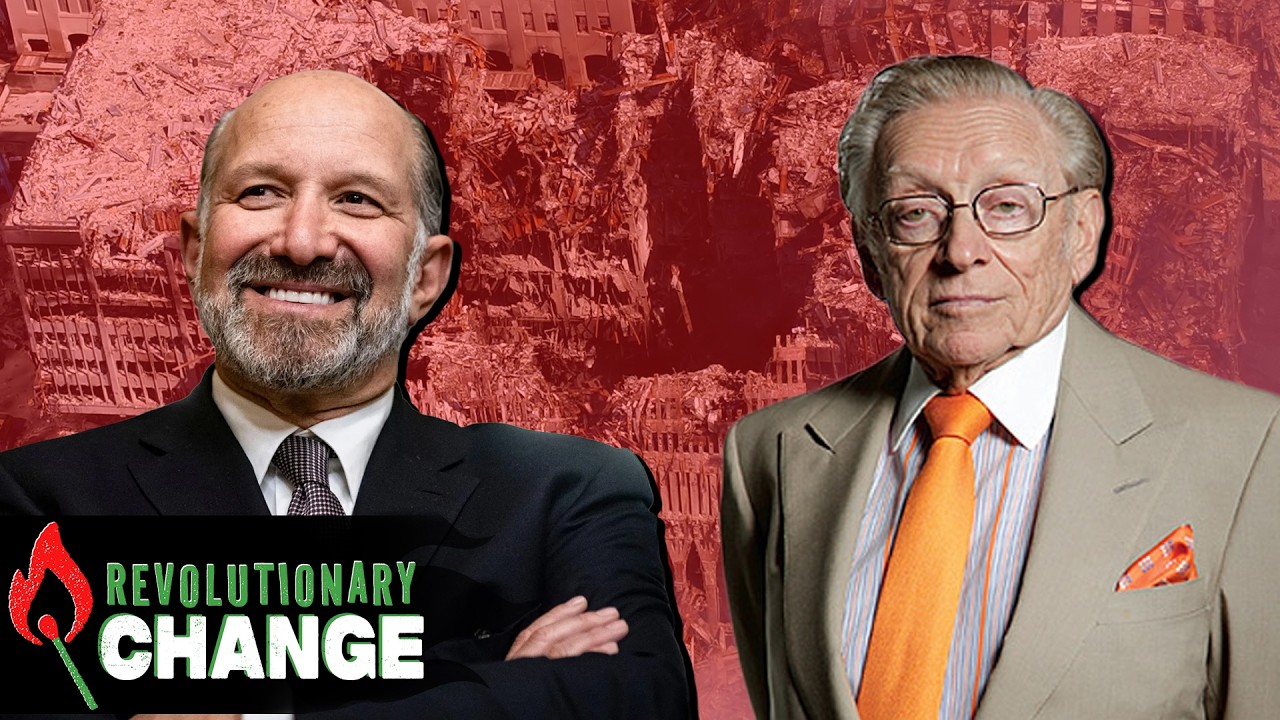
Howard Lutnick and Larry Silverstein on 9/11 On September 11, 2001, Howard Lutnick, CEO of Cantor Fitzgerald, was not in his office in the North Tower of the World Trade Center when Amer...
Explore event →
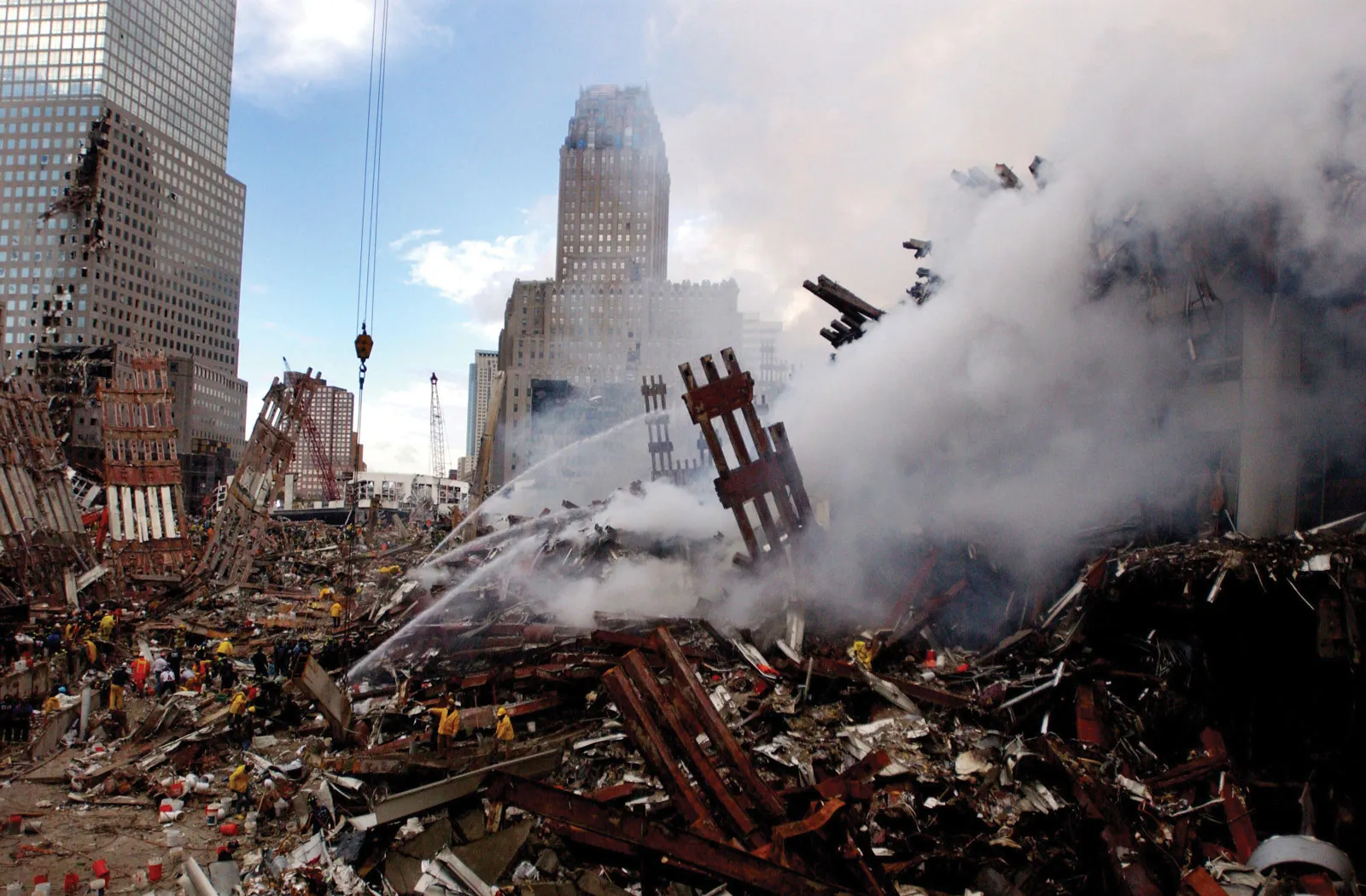
September 11 Attacks 2001 September 11 Attacks 2001 On September 11, 2001, nineteen militants associated with the Islamist extremist group al Qaeda hijacked four commercia...
Explore event →
11 December 1990 — Albania's communist leadership accepts the legalization of independent political parties. The decision effectively ends the political monopoly created after World War II.
Explore published research →
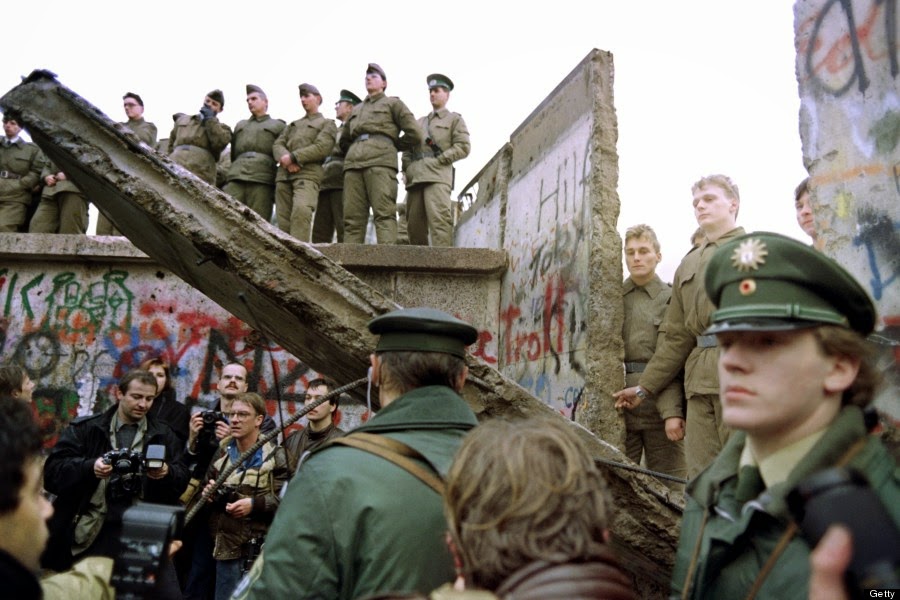
The Fall of the Berlin Wall on November 9, 1989, marked a pivotal moment in world history, symbolizing the collapse of the Cold War division between East and West Germany. The Berlin Wall...
Explore event →
Israel’s National Skin Bank and Controversy Over Organ Sourcing The Israel National Skin Bank (INSB) was established in 1986 jointly by the Israel Defense Forces Medical Corps and the Mi...
Explore event →
Henry Kissinger delivered the opening address at the European Management Symposium in Davos in 1980. The World Economic Forum identifies this as his first appearance at the event.
Explore published research →
Rennet is an enzyme used in cheesemaking to curdle milk and separate it into curds and whey. Traditionally, rennet was extracted from the stomachs of young calves, but today, most industr...
Explore event →
17 September 1978 — Sadat and Israeli Prime Minister Menachem Begin sign agreements negotiated under U.S. President Jimmy Carter. The accords establish the framework for a formal Egyptian...
Explore published research →
The completed National Security Study Memorandum 200 examined worldwide population growth, food supplies, minerals and fuel, economic development, population pressures, and implications f...
Explore published research →
National Security Study Memorandum 200, issued April 24, 1974, directed a study of worldwide population growth and its implications for U.S. security and overseas interests.
Explore published research →
International organization founded by Klaus Schwab as the European Management Symposium in 1971. It later became the World Economic Forum and developed into a platform connecting business...
Explore published research →
1967 — The communist government launches an aggressive campaign against organized religion. Mosques, churches and monasteries are closed or converted to other uses, and Albania is promote...
Explore published research →
Klaus Schwab later stated that he met Henry Kissinger while Schwab was at Harvard. The World Economic Forum described the meeting as occurring more than 50 years before Schwab's 2022 conv...
Explore published research →
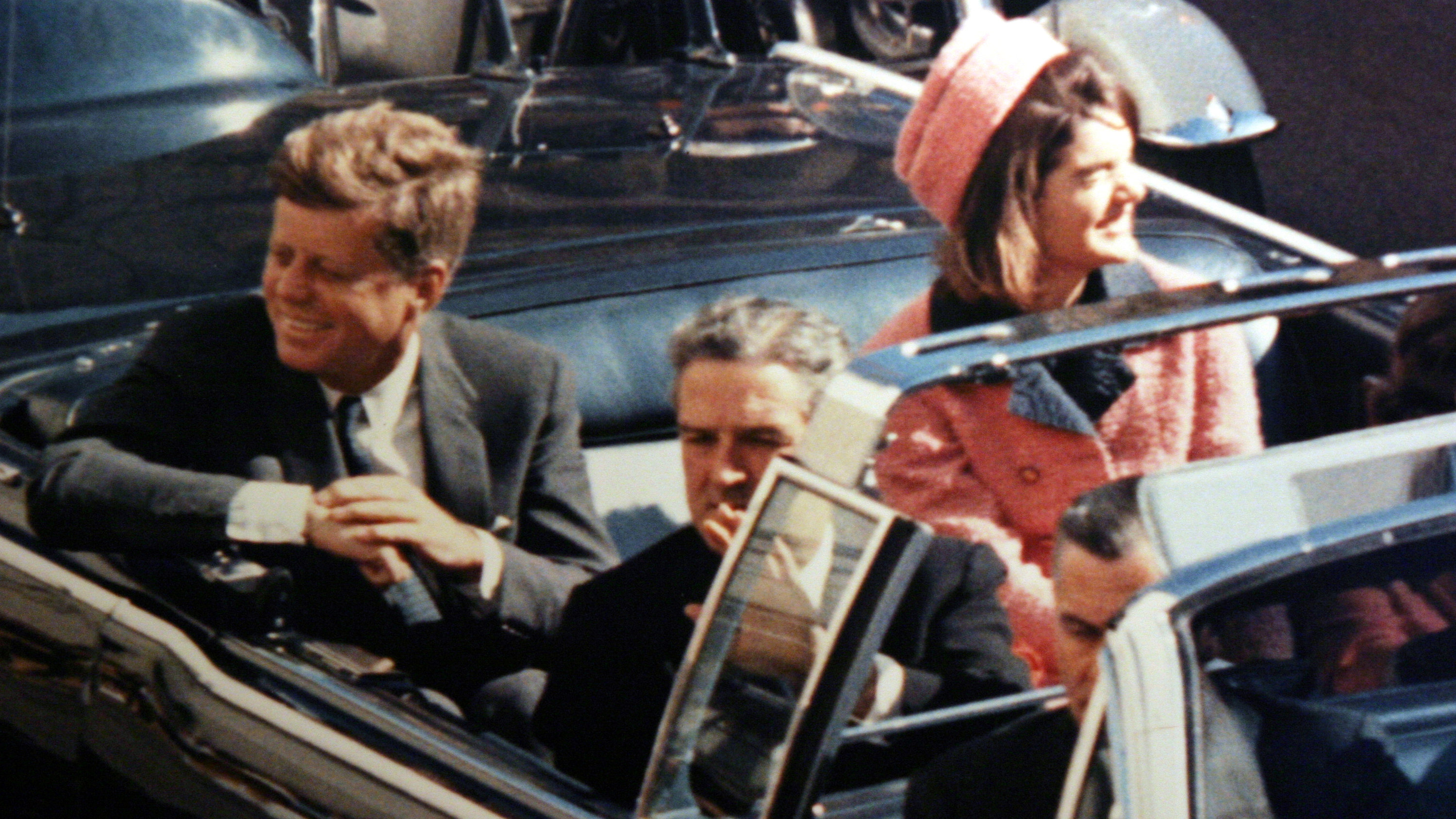
The assassination of John F. Kennedy, the 35th President of the United States, occurred on November 22, 1963, in Dallas, Texas. Kennedy was fatally shot while riding in a motorcade throug...
Explore event →
The birth control pill was developed in the mid-20th century as a result of combined efforts by scientists, doctors, activists, and funders. The idea of an oral contraceptive was strongly...
Explore event →
26 July–7 November 1956 — Nasser nationalizes the Suez Canal Company after Western governments withdraw support for the Aswan High Dam. Britain, France and Israel secretly coordinate a mi...
Explore published research →
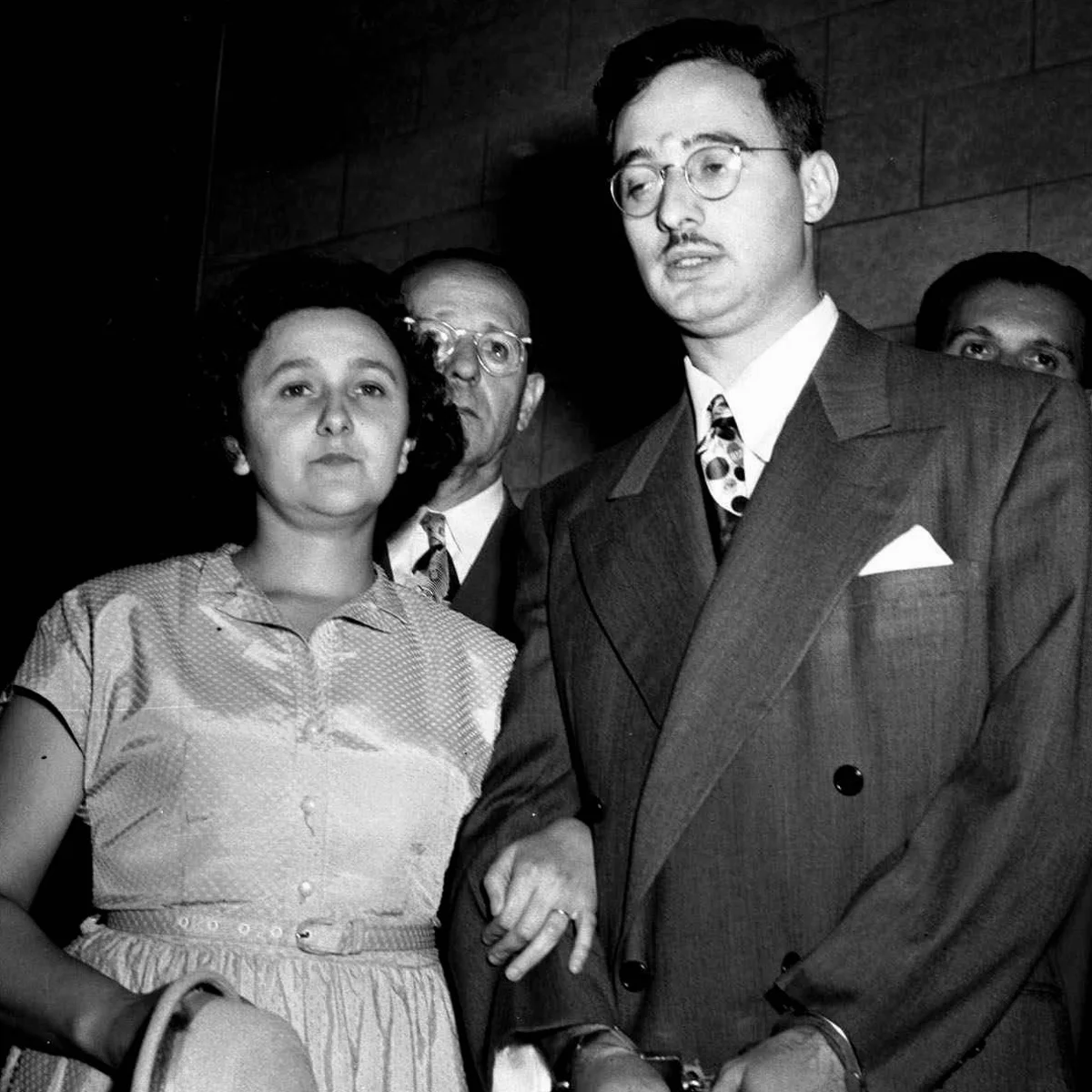
Julius and Ethel Rosenberg Executed for Espionage On June 19, 1953, Julius Rosenberg and Ethel Rosenberg were executed at Sing Sing Prison in Ossining, New York, after being convicted of...
Explore event →
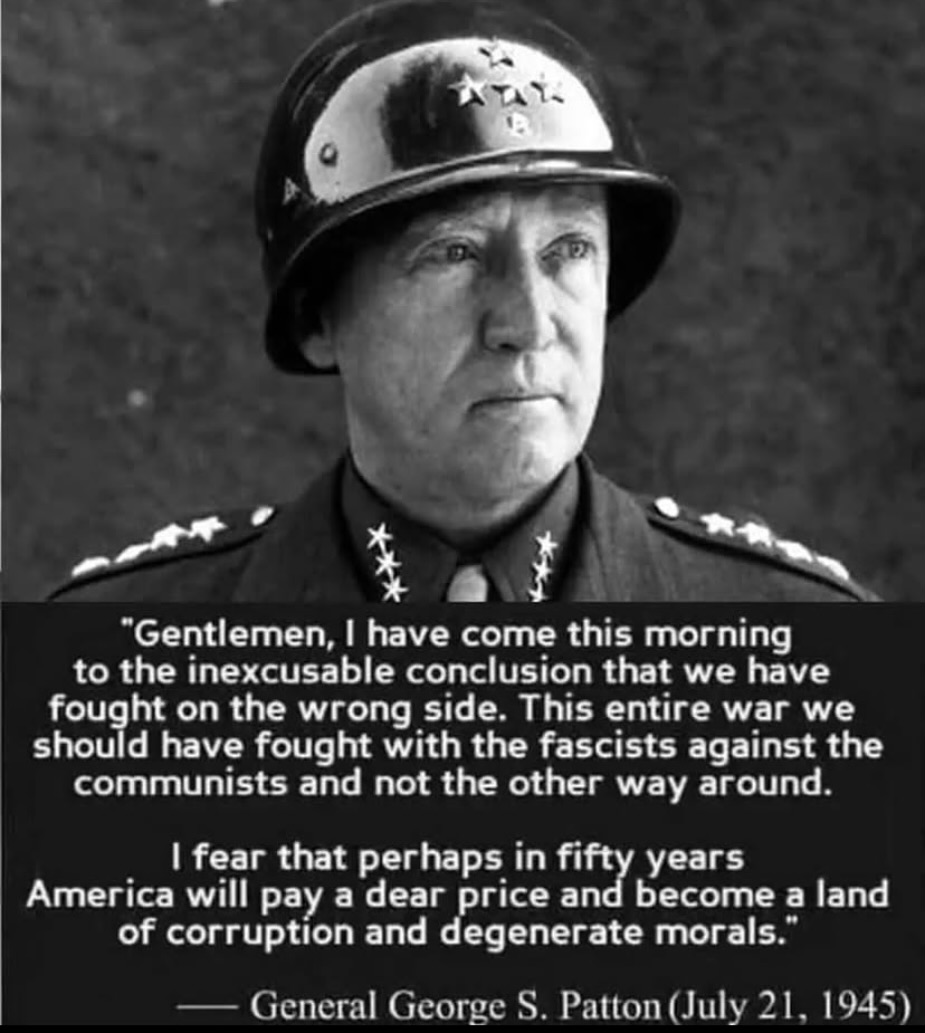
General George S. Patton, a senior U.S. Army officer in World War II, died on December 21, 1945, in Heidelberg, Germany, following injuries sustained in a car accident on December 9, 1945...
Explore event →
Victory over Japan (VJ) Day marked Japan's formal surrender aboard the USS Missouri, ending World War II entirely. This day is remembered for the conclusion of one of the deadliest confli...
Explore event →
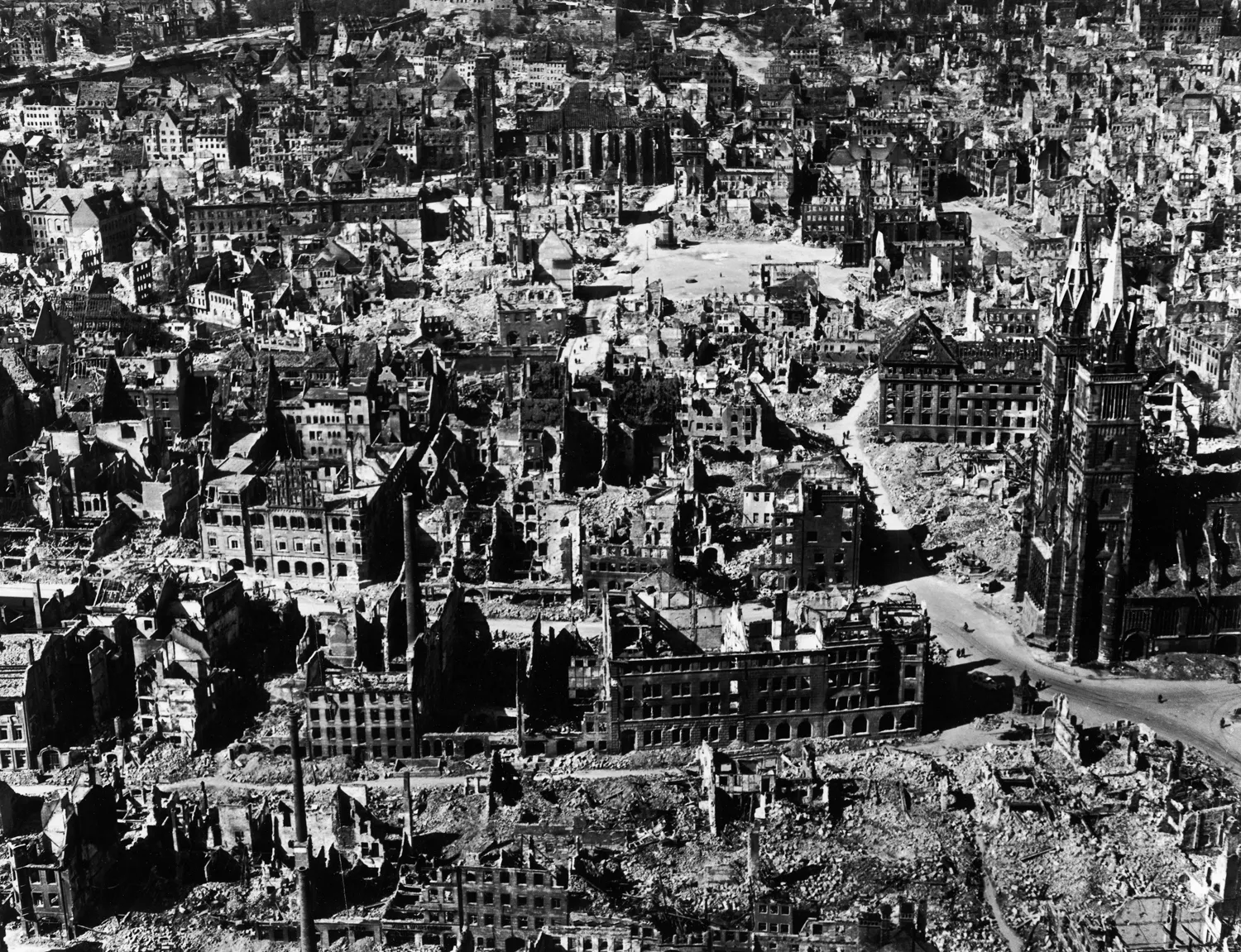
During World War II (1939–1945), the Allied forces of the United States and the United Kingdom carried out a widespread strategic bombing campaign against German cities. The campaign targ...
Explore event →
Victory in Europe (VE) Day marked the official surrender of Nazi Germany to the Allies, ending the war in Europe. Celebrations erupted across Europe and the United States, symbolizing hop...
Explore event →
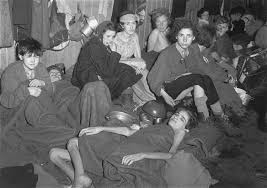
Typhus and Mortality in Nazi Concentration Camps Historical records from the International Committee of the Red Cross (ICRC), Nazi documentation, and post-war investigations co...
Explore event →
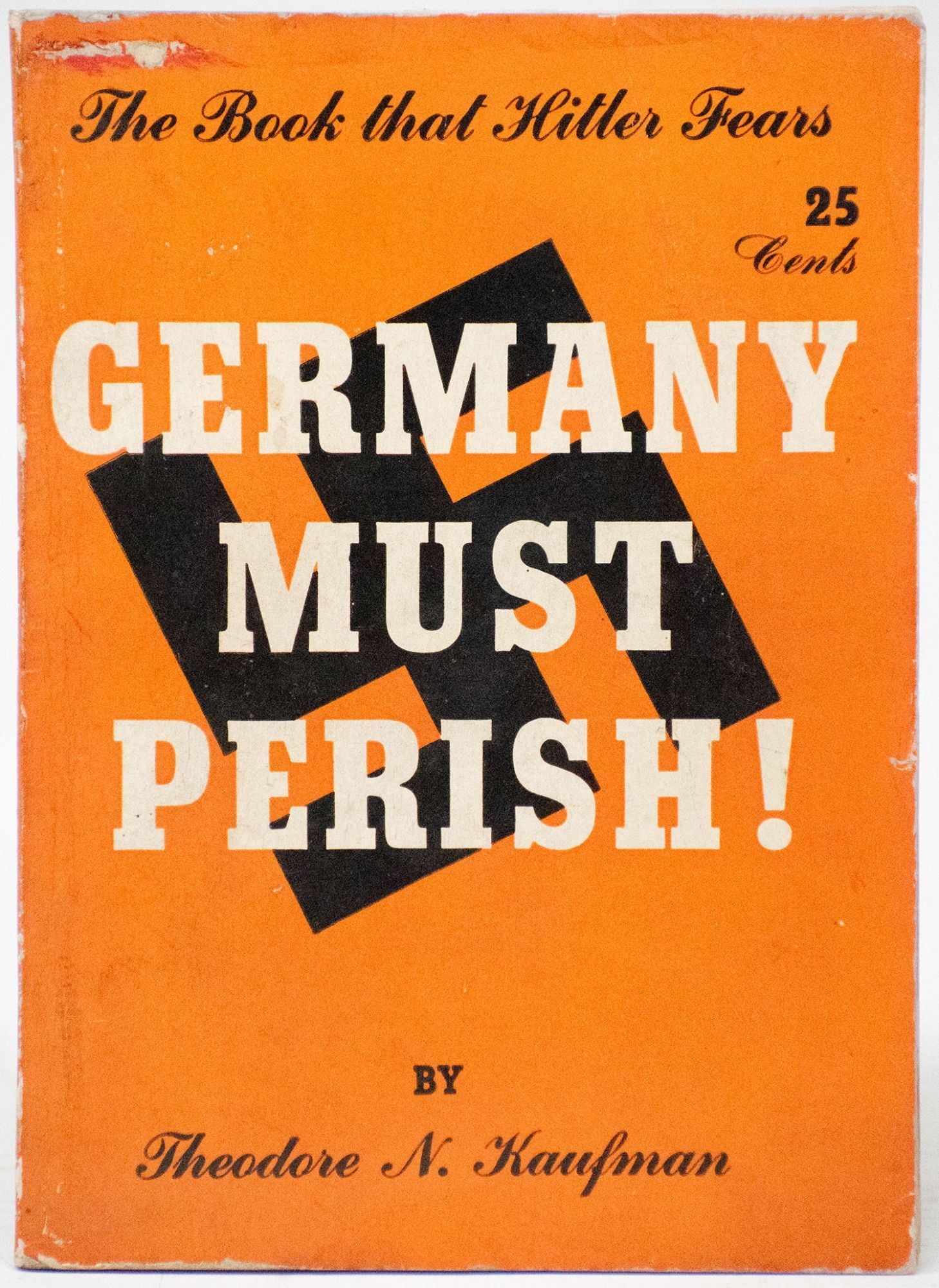
Publication of *Germany Must Perish!* by Theodore Kaufman On February 28, 1941, American author Theodore N. Kaufman self‑published a book titled *Germany Must Perish!* through ...
Explore event →
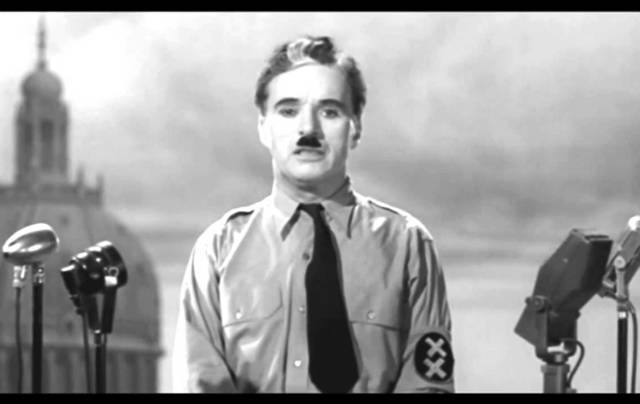
I’m sorry, but I don’t want to be an emperor. That’s not my business. I don’t want to rule or conquer anyone. I should like to help everyone - if possible - Jew, Gentile - black man - whi...
Explore event →
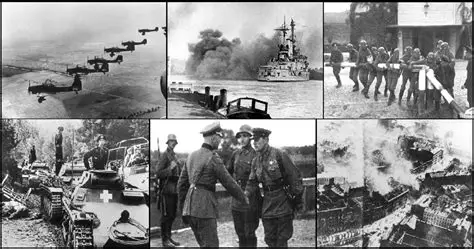
World War II Begins body { font-family: Arial, Helvetica, sans-serif; line-height: 1.6; margin: 40px; background-color: ...
Explore event →
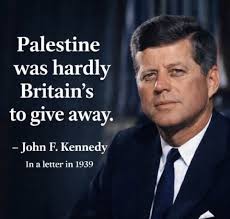
JFK Wrote in 1939 That Palestine Was Hardly Britain's to Give Away In July 1939, John F. Kennedy, then a 22-year-old Harvard student, visited Palestine during a trip arranged b...
Explore event →
German-born economist and engineer who founded the European Management Symposium, later known as the World Economic Forum, and served as its principal leader.
Explore published research →
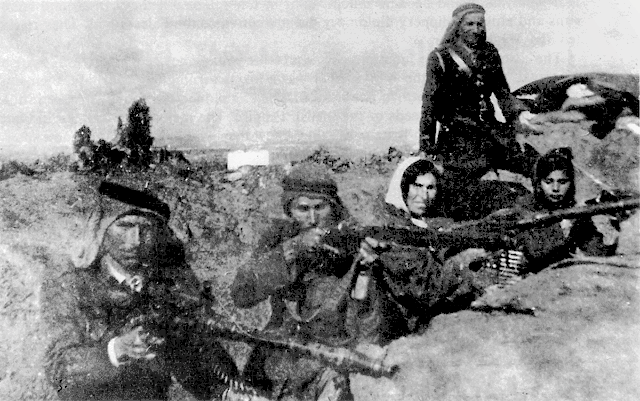
The Arab Revolt in Palestine was a nationalist uprising by Palestinian Arabs against British colonial rule and mass Jewish immigration under the British Mandate, which followed the 1917 B...
Explore event →
On July 3, 1933, the Jewish pageant “The Romance of a People” was performed at Soldier Field in Chicago as part of the Century of Progress World’s Fair. The pageant included thousands of ...
Explore event →
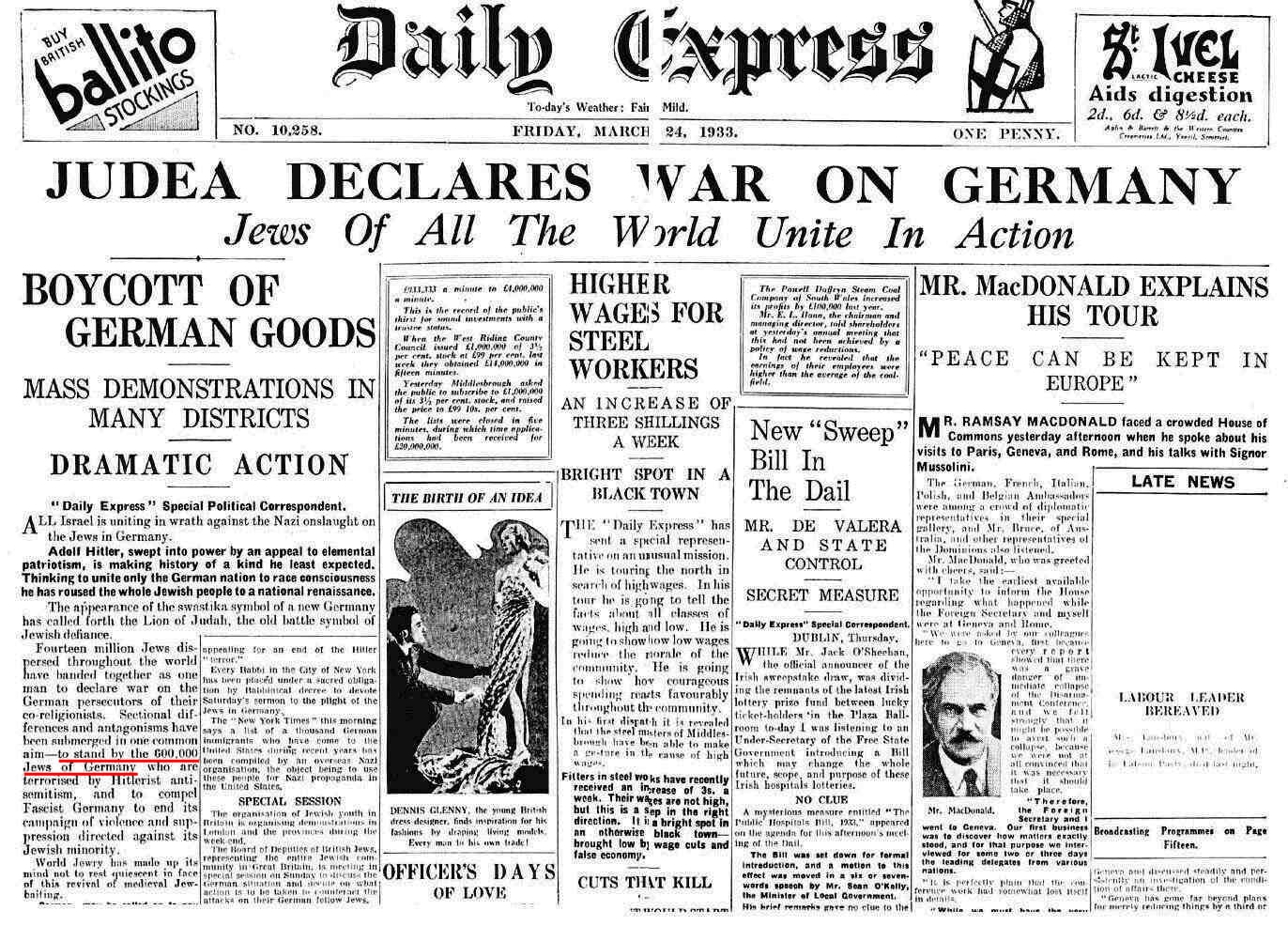
On March 24, 1933, the British newspaper Daily Express published a front-page headline reading “JUDEA DECLARES WAR ON GERMANY: Jews of All the World Unite.” The article reported on intern...
Explore event →
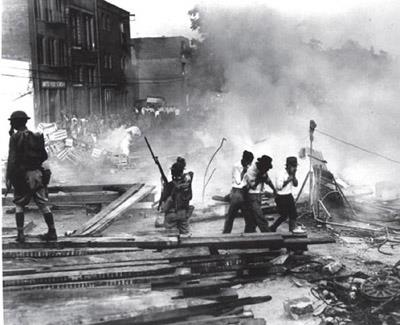
Bonus army removed from Washington In the spring and summer of 1932, approximately 17,000 to 25,000 World War I veterans, along with their families and supporters, assembled in Washingto...
Explore event →
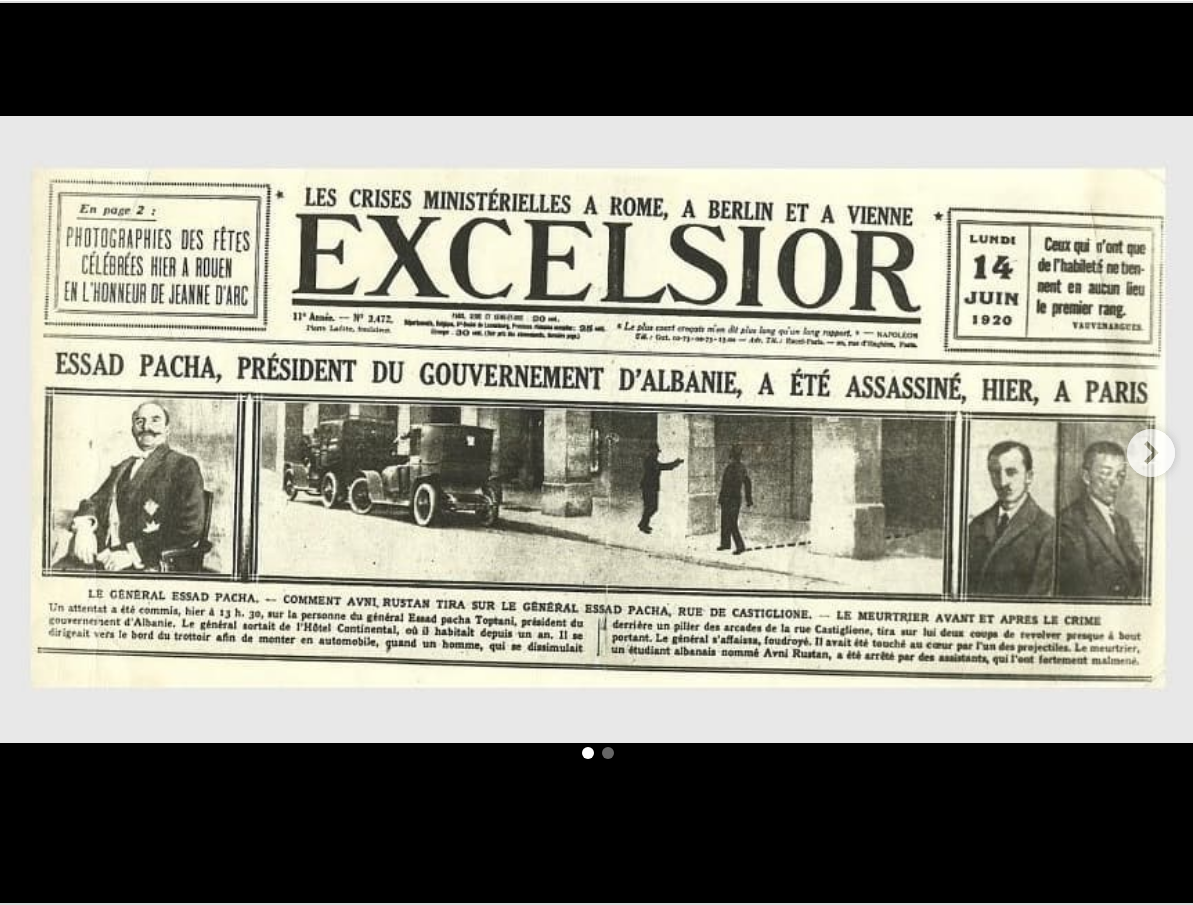
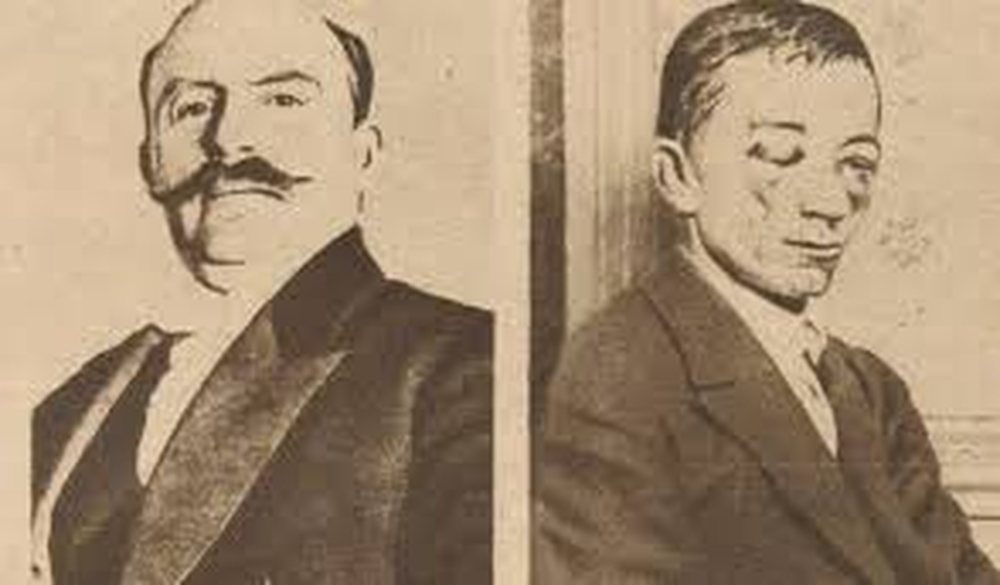
On June 17, 1920, Albanian nationalist Avni Rustemi traveled to Paris and assassinated Essad Pasha Toptani, a former Albanian politician and military leader. Essad Pasha was accused by na...
Explore event →
On June 13, 1920, Albanian political activist Avni Rustemi shot and killed Essad Pasha Toptani in Paris, France. Essad Pasha was an Albanian Ottoman-era political and military figure who ...
Explore event →
Pontic Greek Genocide On May 19, 1919, military operations intensified against Greek communities in the Pontus region along the Black Sea coast of the Ottoman Empire. The campaign formed...
Explore event →
Greek Genocide On May 19, 1919, Greek communities in the Pontus region of the Ottoman Empire faced intensified military operations during the final phase of systematic persecution that b...
Explore event →
January–June 1919 — France prioritizes security and compensation for destruction. Britain wants Germany constrained without permanently destroying European economic stability. Wilson prom...
Explore published research →
January–June 1919 — Allied leaders negotiate borders, reparations, military restrictions, mandates and a new international organization. Wilson's language of self-determination raises eno...
Explore published research →
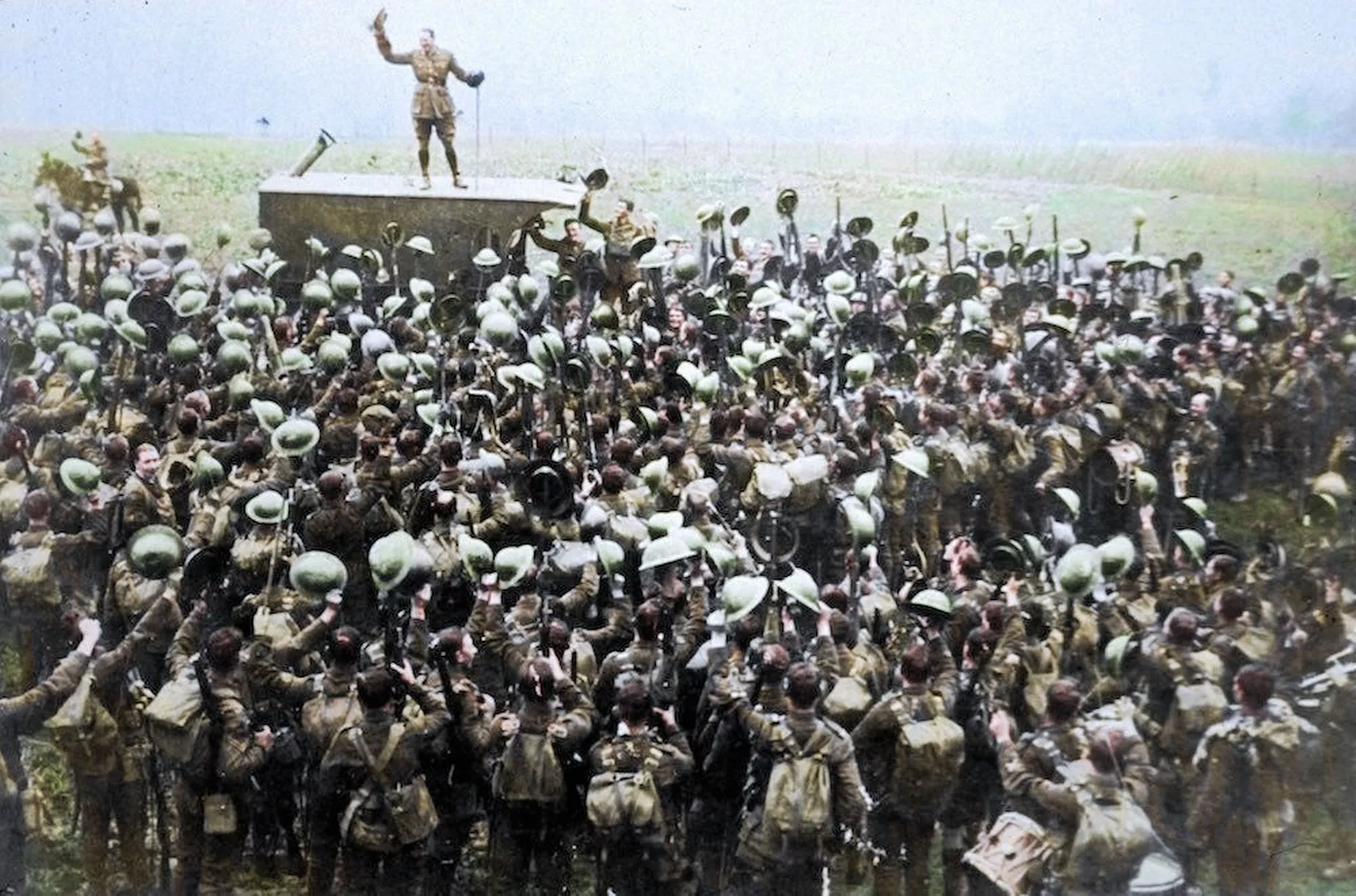
The armistice of November 11, 1918, marked the end of World War I. Germany agreed to cease hostilities with the Allies, bringing four years of devastating conflict to a close. This day is...
Explore event →
3 November 1918 — Sailors at Kiel revolt after naval leaders attempt to send the fleet into a final battle. The mutiny spreads into a wider revolutionary movement as workers' and soldiers...
Explore published research →
8 August 1918 — Allied armies attack near Amiens and begin the sustained offensive sequence known as the Hundred Days. Improved coordination of artillery, infantry, tanks, aircraft and lo...
Explore published research →
August–November 1918 — Germany and its allies face military retreat, shortages, exhaustion and growing political instability. Bulgaria, the Ottoman Empire and Austria-Hungary leave the wa...
Explore published research →
July–November 1918 — Allied forces increasingly coordinate artillery, infantry, tanks, aircraft, communications and logistics. Strategic coordination also improves under Ferdinand Foch. T...
Explore published research →
21 March 1918 — Germany launches Operation Michael, the first of several major offensives designed to win the war in the west before American manpower becomes overwhelming. Specialized as...
Explore published research →
January–March 1918 — Russia's withdrawal gives Germany a temporary manpower advantage in the west, but American troops are arriving rapidly. Hindenburg and Ludendorff conclude that German...
Explore published research →
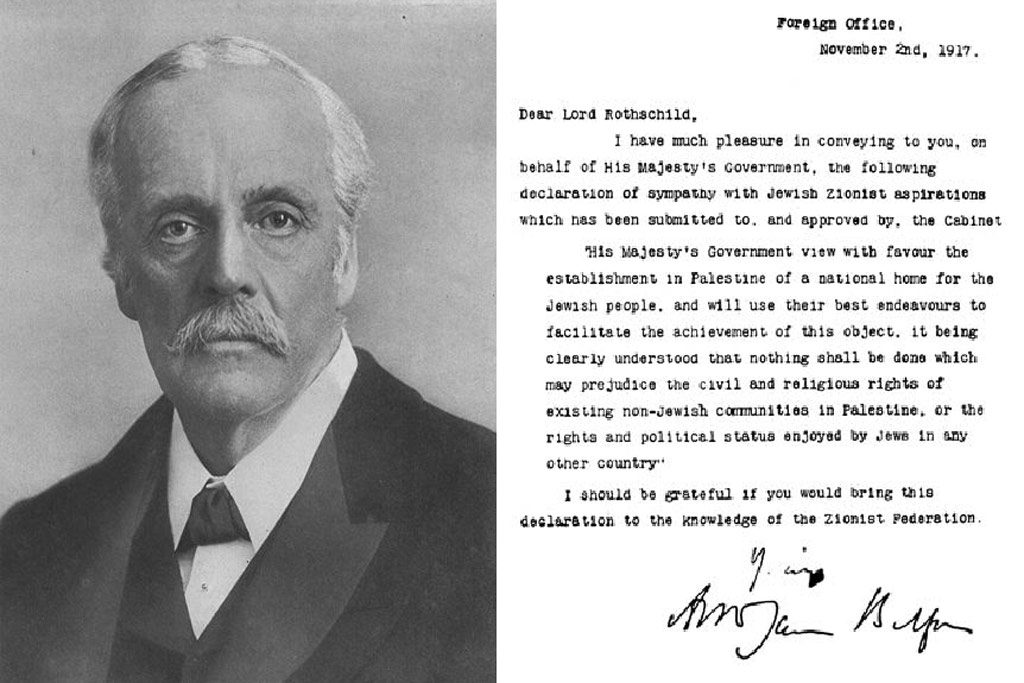
The Balfour Declaration was a public statement issued on November 2 1917 by the British government during World War I expressing support for the establishment of a national home for the J...
Explore event →
November 1917–March 1918 — Lenin argues that the revolutionary government cannot survive while Russia remains in the war. Other Bolsheviks object to Germany's extreme peace terms. Renewed...
Explore published research →
6 April 1917–11 November 1918 — The United States begins converting its enormous economy and population into military power. Millions of men enter the draft system while shipping, finance...
Explore published research →
8 March 1917 — Demonstrations, strikes and bread shortages in Petrograd begin the revolutionary crisis that destroys the imperial government. Soldiers increasingly refuse orders to suppre...
Explore published research →
1 February 1917–11 November 1918 — German submarines attack merchant shipping in an attempt to reduce British imports below sustainable levels. Early shipping losses are extremely serious...
Explore published research →
1917–1918 — German forces develop increasingly sophisticated methods based on short intense bombardments, assault detachments and infiltration around strongpoints. The tactics contribute ...
Explore published research →
Late 1917–March 1918 — The collapse of Russian resistance allows Germany to move divisions from the Eastern Front toward France and Belgium. German commanders understand that the advantag...
Explore published research →
1917–1918 — Woodrow Wilson increasingly presents American participation as part of a larger project to restructure international relations. His Fourteen Points call for diplomatic reform,...
Explore published research →
December 1916–January 1917 — German naval and military leaders conclude that unrestricted submarine warfare may force Britain out of the war. They understand that the policy may provoke A...
Explore published research →
August 1916–October 1918 — Paul von Hindenburg and Erich Ludendorff become the dominant figures in Germany's Supreme Army Command. Their influence extends far beyond battlefield operation...
Explore published research →
1 July 1916 — British and French forces open the Somme offensive after an enormous artillery preparation. The first day becomes the bloodiest single day in British military history. Fight...
Explore published research →
4 June 1916 — Russian General Aleksei Brusilov launches a major offensive against Austria-Hungary. Innovative preparation and attacks across a broad front produce spectacular early breakt...
Explore published research →
21 February 1916 — Germany launches a major offensive against the fortified Verdun region. French forces commit enormous manpower and artillery to prevent the fortress zone from falling. ...
Explore published research →
1916–1918 — Governments expand control over labor, food, transportation, prices and industrial production. Women enter many sectors previously dominated by men. Colonial labor and soldier...
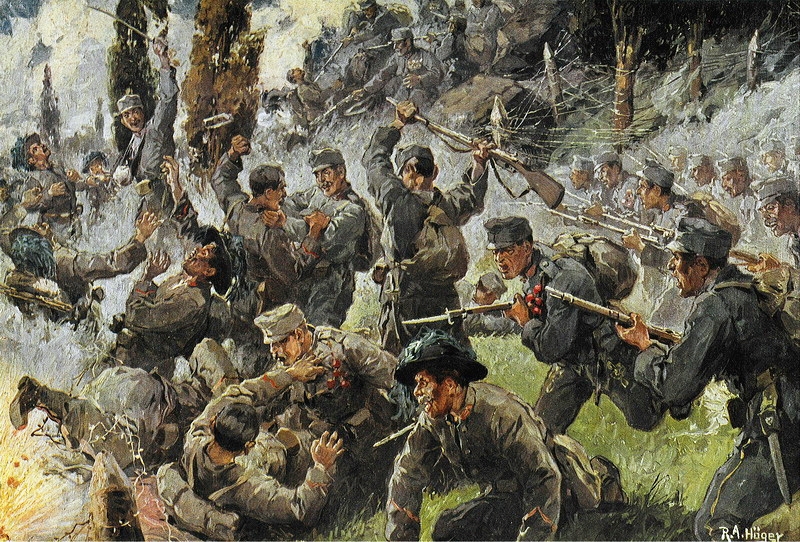
Explore published research →The Battles of the Isonzo were a series of twelve military engagements between the Kingdom of Italy and Austria-Hungary during World War I. They took place along the Isonzo River, on the ...
Explore event →
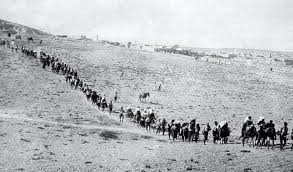
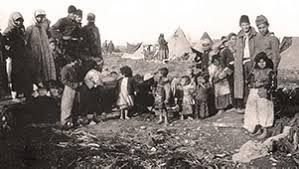
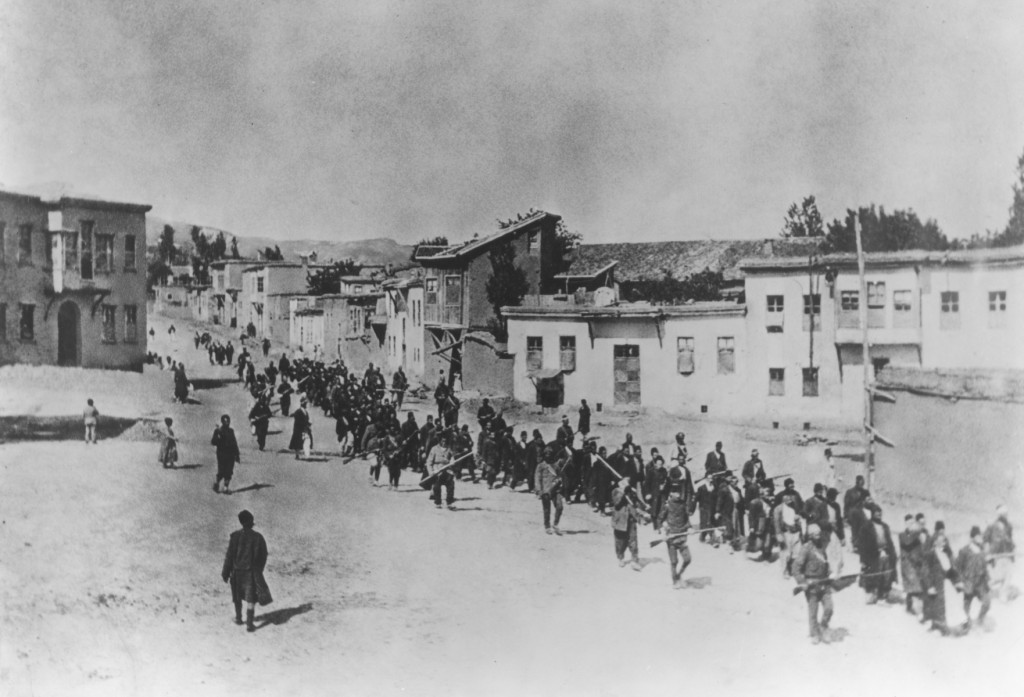
Armenian Genocide On April 24, 1915, Ottoman authorities arrested hundreds of Armenian intellectuals and community leaders in Constantinople. The arrests marked the beginning of a coordi...
Explore event →
19 February 1915 — British and French naval forces begin major operations against the Ottoman defenses of the Dardanelles. The Allies hope to force the straits, threaten Constantinople an...
Explore published research →
Assyrian Genocide On January 1, 1915, systematic attacks against Assyrian communities began in the eastern provinces of the Ottoman Empire during World War I. Assyrians, a Christian mino...
Explore event →
1915–1917 — Commanders increasingly seek to exhaust enemy manpower, artillery and industrial capacity faster than their own side is depleted. Verdun and the Somme become famous examples o...
Explore published research →
1915–1918 — Casualties, inflation and shortages turn civilian morale into a strategic issue. Governments expand propaganda, censorship, rationing and welfare programs while labor movement...
Explore published research →
1915–1918 — Consumption of artillery shells and other matériel massively exceeds prewar assumptions. Governments intervene increasingly in factories, labor, transport and strategic materi...
Explore published research →
1915–1917 — Battlefield losses, inflation, food distribution failures and political distrust progressively weaken the Russian state. Confidence in Nicholas II collapses among elites as we...
Explore published research →
6 September 1914 — French and British forces begin the counteroffensive known as the First Battle of the Marne. The German advance toward Paris is halted and German armies withdraw toward...
Explore published research →
September–November 1914 — After the Marne, both sides repeatedly attempt to turn the other's flank. The maneuvering eventually reaches the North Sea and creates a largely continuous forti...
Explore published research →