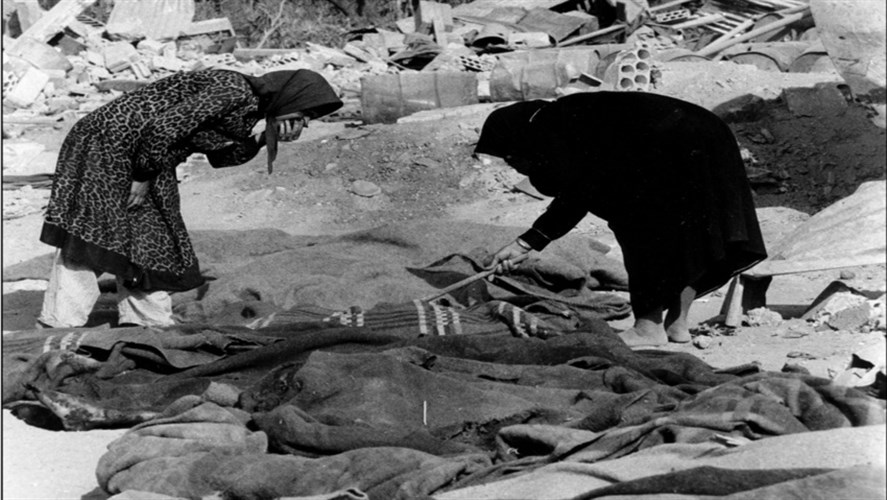
Sabra and Shatila Massacre Overview
The Sabra and Shatila massacre took place between September 16 and 18, 1982, in the Sabra neighborhood and the adjacent Shatila refugee camp in Beirut, Lebanon. The ma...
Explore event →History does not happen in isolation. Explore world events across time, follow the connections between them, and investigate the threads that reveal how one event can lead to another.
TheTimeMap currently follows events across 95 countries and 268 years of history — building a connected archive designed for people who want to look beyond the headline.
We oppose antisemitism, racism, and dehumanization — everywhere.
When people stop feeling, injustice becomes easy.
The Sabra and Shatila massacre took place between September 16 and 18, 1982, in the Sabra neighborhood and the adjacent Shatila refugee camp in Beirut, Lebanon. The ma...
Explore event →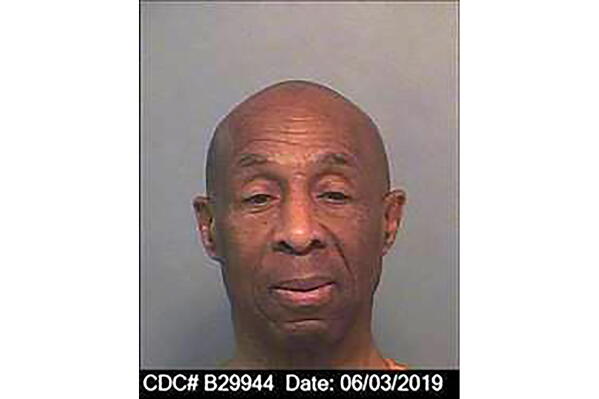
The Zebra murders were a series of killings and shootings committed in San Francisco between October 1973 and April 1974. The attacks resulted in 14 deaths and seven o...
Explore event →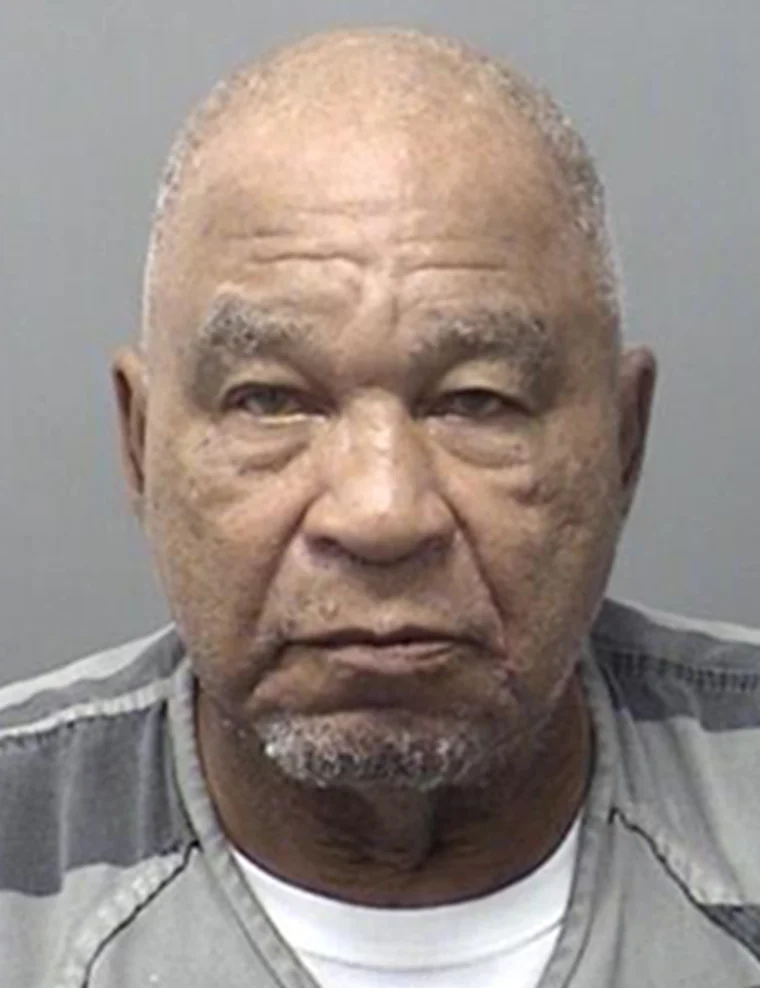
Samuel Little, born Samuel McDowell on June 7, 1940, in Reynolds, Georgia, was an American serial killer who was convicted of multiple murders and later confessed to d...
Explore event →
1914–1918 — Armaments companies, explosives producers and other industrial suppliers receive enormous wartime orders. Some businesses benefit heavily while others suff...
Explore research
1926–1989 reign — Hirohito is emperor throughout Japan's expansion in China and the Pacific War. The exact nature of his political responsibility remains the subject o...
Explore research
29 September 1918 — Germany's Supreme Army Command concludes that the military situation has become unsustainable and urges political leaders to seek an armistice. The...
Explore research
3 January 1925 — After the crisis surrounding the murder of socialist politician Giacomo Matteotti, Mussolini publicly assumes political responsibility and moves decis...
Explore research
27 February 1933 — Germany's parliament building burns in Berlin. The Nazi government uses the crisis to portray communism as an immediate revolutionary threat. Presid...
Explore research
28 June 1919 — Germany and the Allied powers sign the Treaty of Versailles exactly five years after Franz Ferdinand's assassination. Germany accepts territorial losses...
Explore research
28 June 1919 — Many German political movements interpret Versailles as a dictated peace and focus particularly on territorial losses, reparations and the treaty's resp...
Explore research
8 February 1942 — Use the expansion of wartime production as the investigative anchor. Companies in Allied and Axis states received enormous military orders, while the...
Explore research