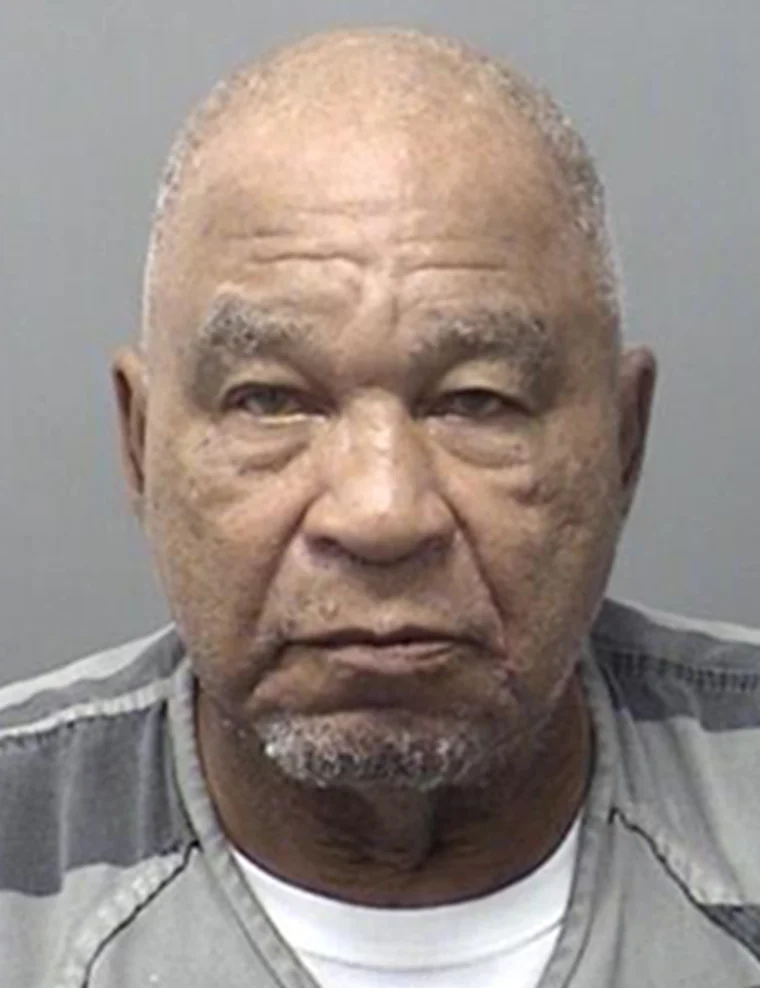
Samuel Little murder investigation
Samuel Little, born Samuel McDowell on June 7, 1940, in Reynolds, Georgia, was an American serial killer who was convicted of multiple murders and later confessed to d...
Explore event →History does not happen in isolation. Explore world events across time, follow the connections between them, and investigate the threads that reveal how one event can lead to another.
TheTimeMap currently follows events across 95 countries and 268 years of history — building a connected archive designed for people who want to look beyond the headline.
We oppose antisemitism, racism, and dehumanization — everywhere.
When people stop feeling, injustice becomes easy.
Samuel Little, born Samuel McDowell on June 7, 1940, in Reynolds, Georgia, was an American serial killer who was convicted of multiple murders and later confessed to d...
Explore event →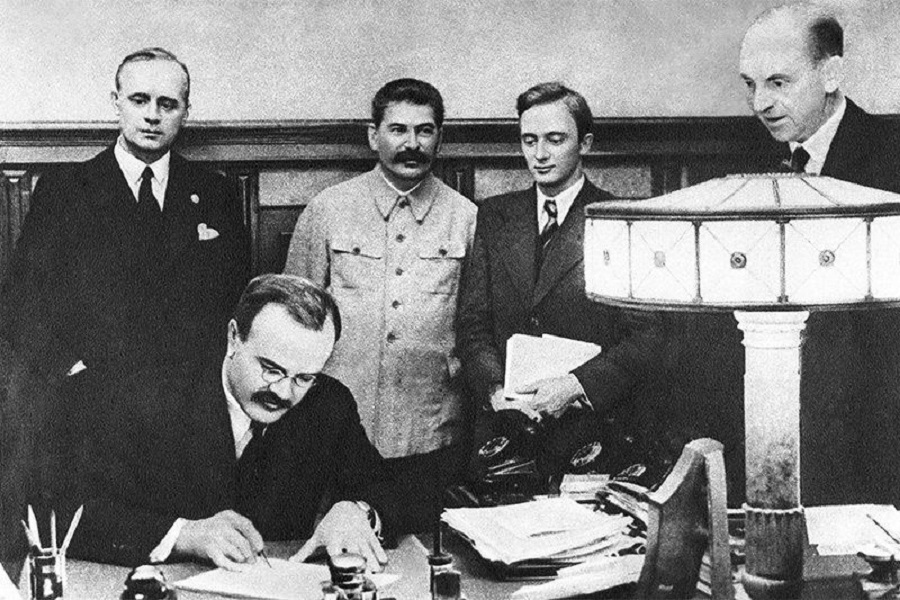
The German–Soviet Non-Aggression Pact And Its Secret Protocols On August 23, 1939, the governments of Germany and the Soviet Union signed a non-aggression t...
Explore event →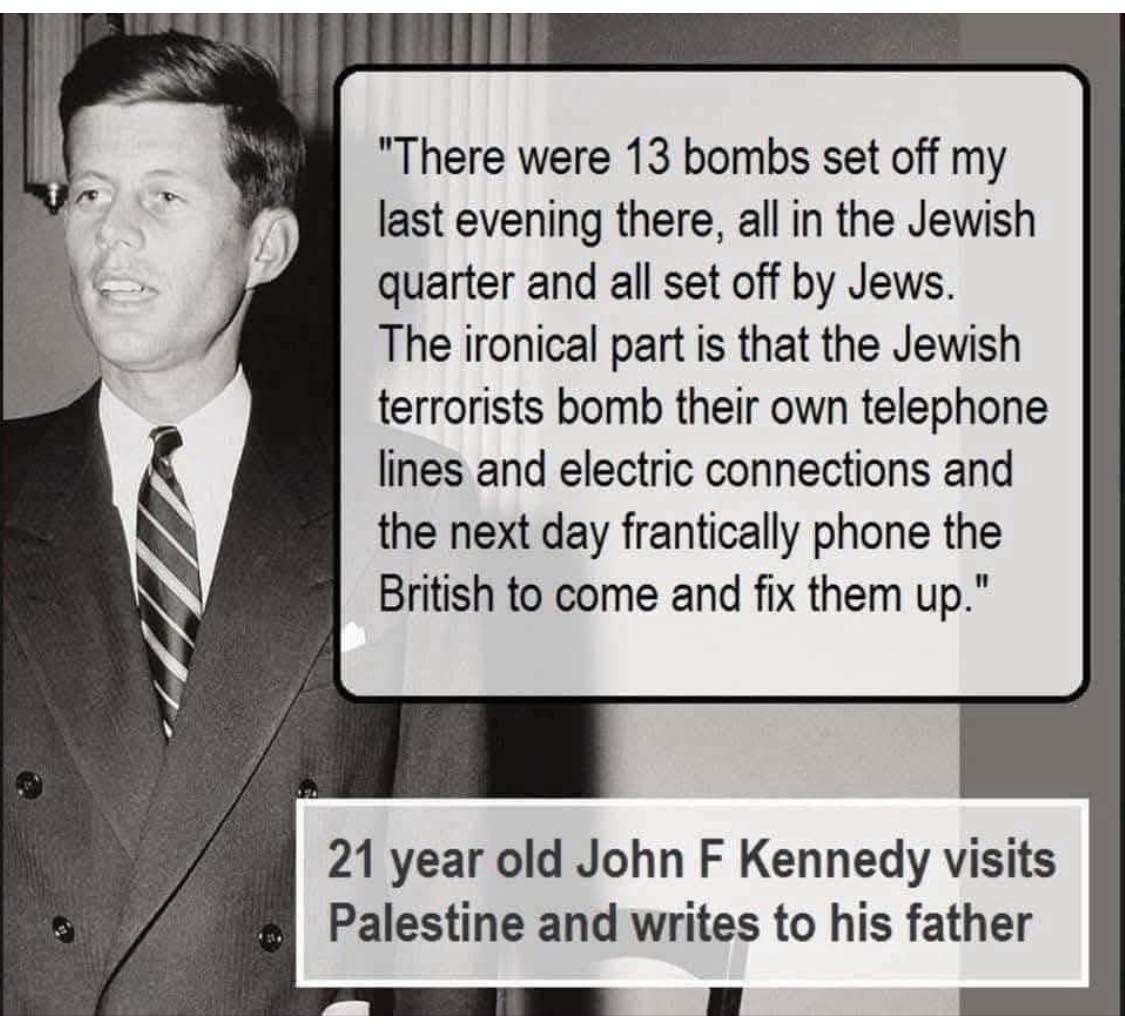
JFK: The Letter Mentions That 13 Bombs Went Off in Jerusalem on His Last Night There, Which He Attributed to Jewish Terrorists (Likely the Irgun Militia) Attempting to...
Explore event →
JFK Wrote in 1939 That Palestine Was Hardly Britain's to Give Away In July 1939, John F. Kennedy, then a 22-year-old Harvard student, visited Palestine duri...
Explore event →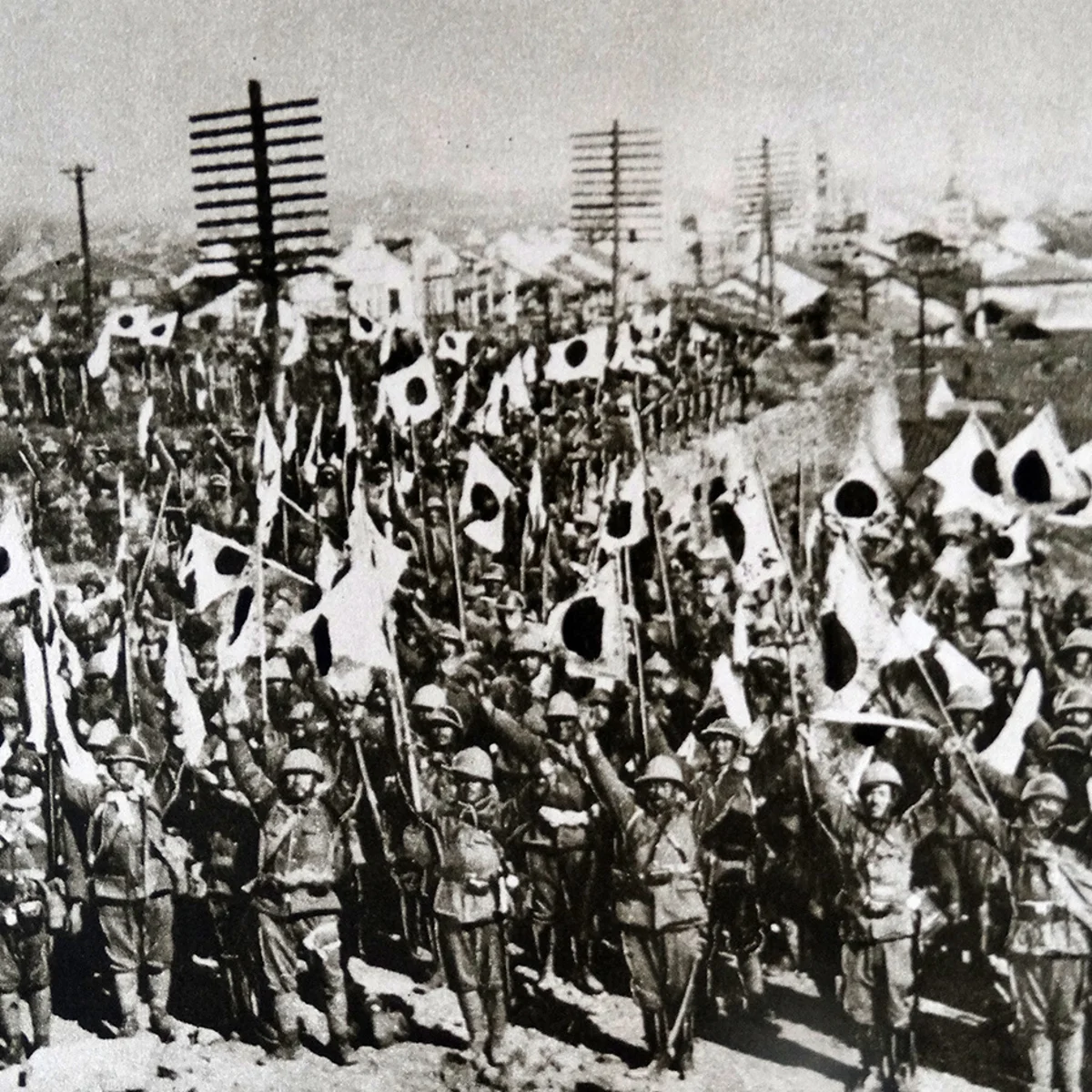
The Nanjing Massacre, also known as the Rape of Nanjing, occurred during the Second Sino-Japanese War after Japanese forces captured the city of Nanjing, then the capi...
Explore event →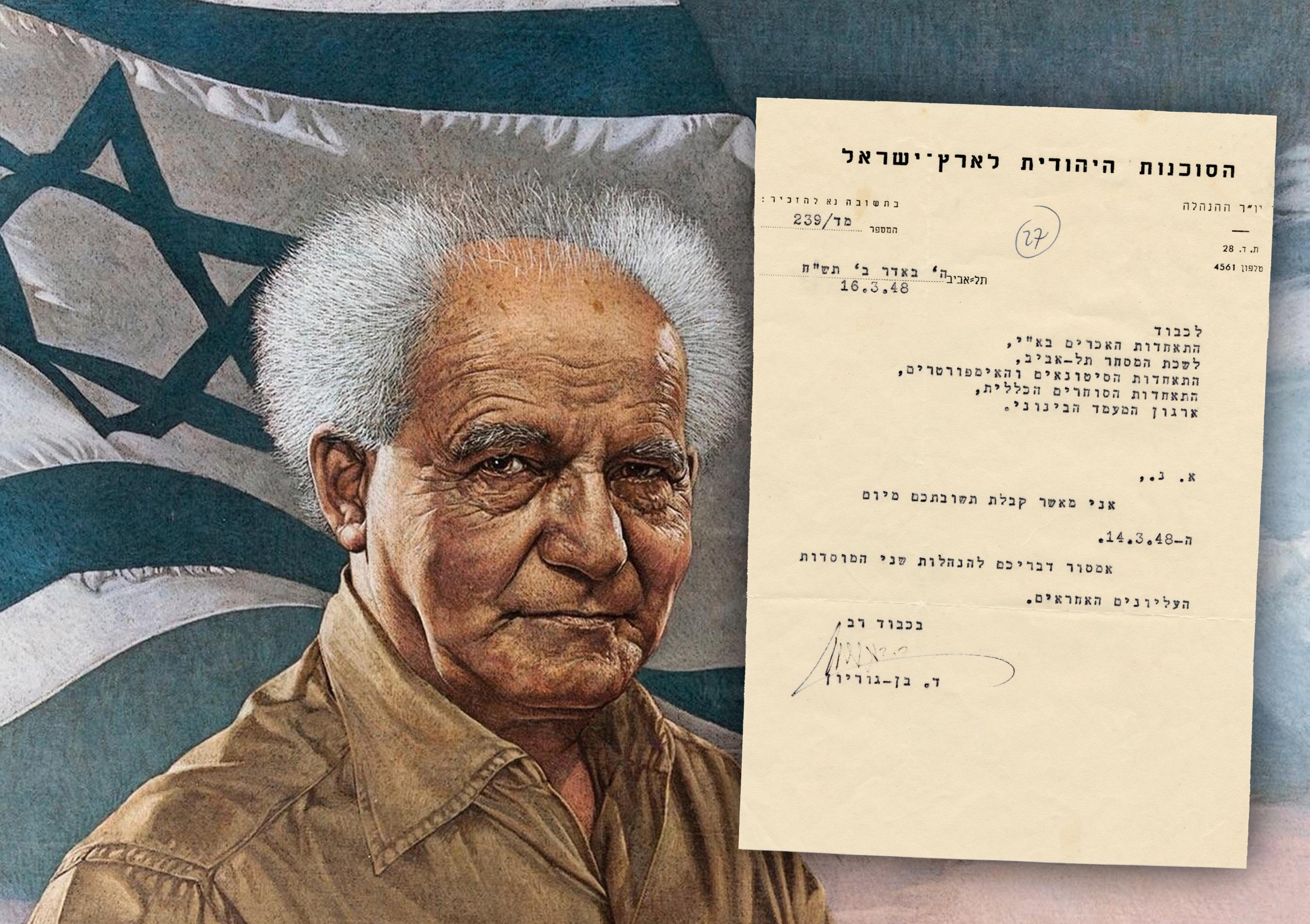
David Ben-Gurion Controversial Statements Record On October 5, 1937, David Ben-Gurion wrote a letter to his son Amos following the Peel Commission’s proposal to parti...
Explore event →
David Ben-Gurion 1937 Letter Controversy On October 5, 1937, David Ben-Gurion, then head of the Jewish Agency Executive, wrote a letter to his son Amos during the per...
Explore event →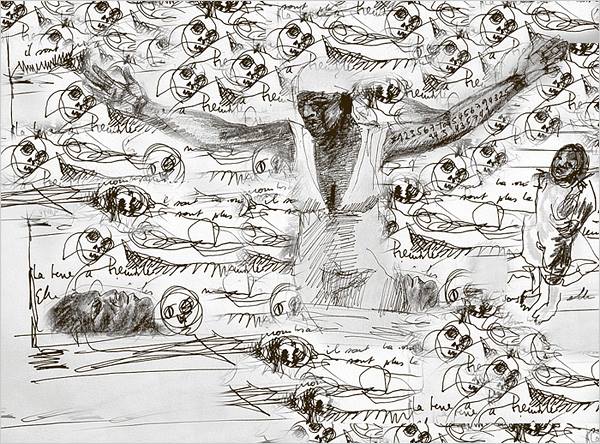
The Haitian Parsley Massacre, also known as the 1937 Parsley Massacre or the Haitian Massacre, was a mass killing carried out by the Dominican Army under the orders of...
Explore event →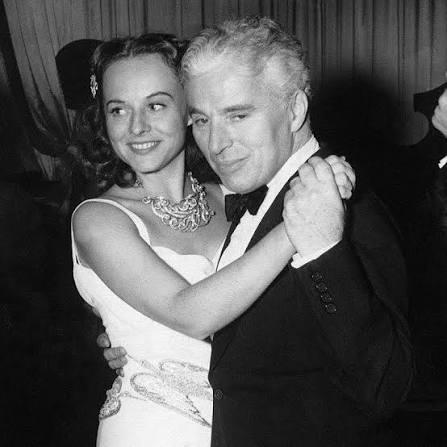
Charlie Chaplin and actress Paulette Goddard were associated romantically and professionally during the 1930s and early 1940s. Their relationship became particularly w...
Explore event →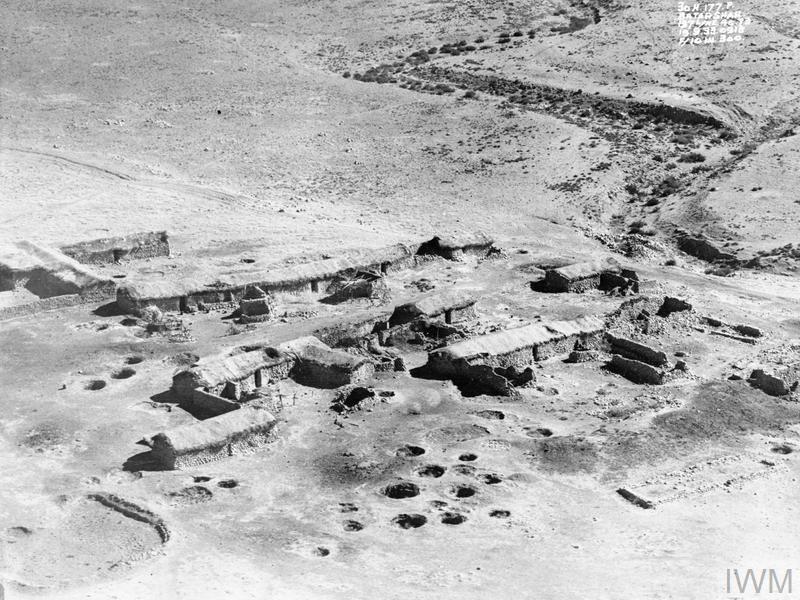
Simele Massacre On August 7, 1933, units of the Iraqi Army entered the town of Simele in northern Iraq during a military campaign targeting Assyrian communities. Tens...
Explore event →
On July 3, 1933, the Jewish pageant “The Romance of a People” was performed at Soldier Field in Chicago as part of the Century of Progress World’s Fair. The pageant in...
Explore event →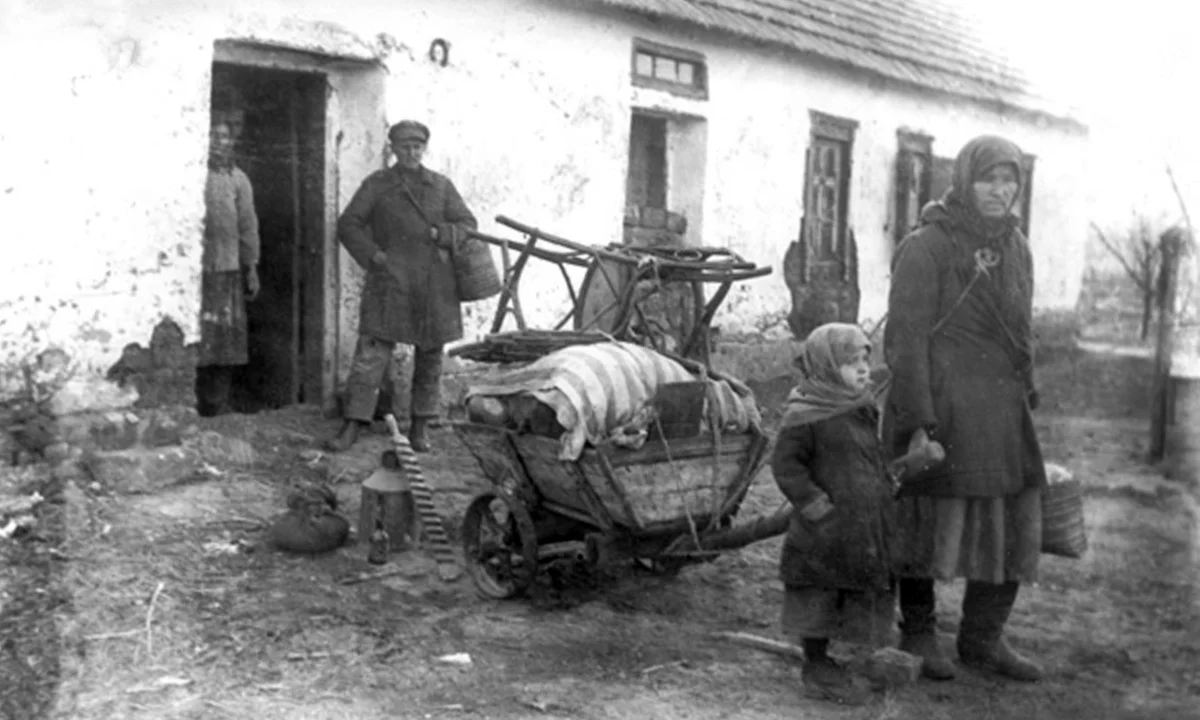
Soviet-Era Famines Under Bolshevik Rule Between 1930 and 1933, a series of mass famines occurred across the Soviet Union following Bolshevik policies of for...
Explore event →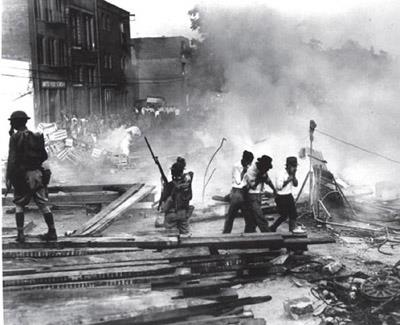
Bonus army removed from Washington In the spring and summer of 1932, approximately 17,000 to 25,000 World War I veterans, along with their families and supporters, as...
Explore event →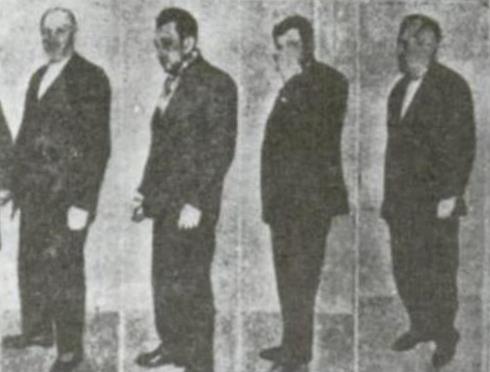
Zwi Migdal was a criminal organization active mainly in Argentina from the late 19th century until the 1930s. It was composed largely of Jewish immigrants from Easter...
Explore event →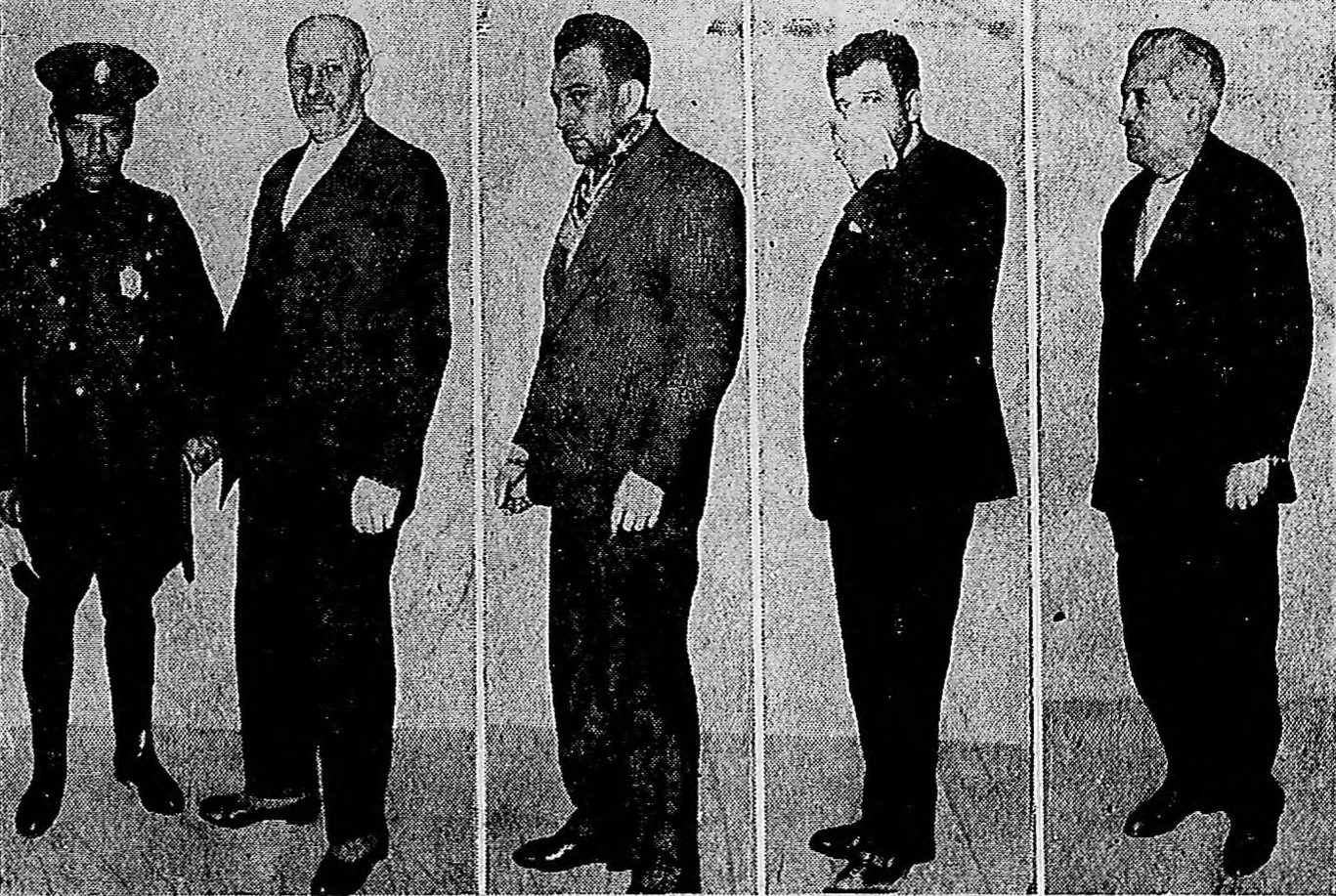
Zwi Migdal was a criminal organization formed by Jewish immigrants from Poland in the late 19th century. The group controlled extensive prostitution and human traffick...
Explore event →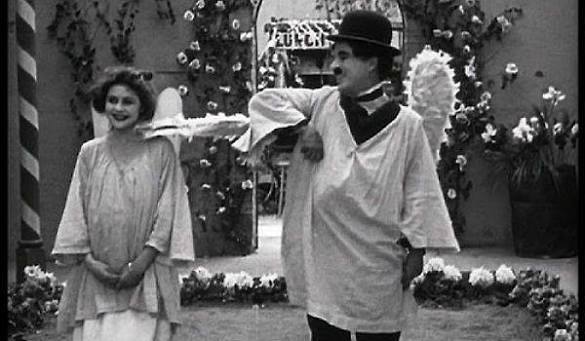
Charlie Chaplin married actress Lita Grey on November 25, 1924, in Empalme, Sonora, Mexico. Chaplin was 35 years old and Grey was 16. Their marriage followed a relatio...
Explore event →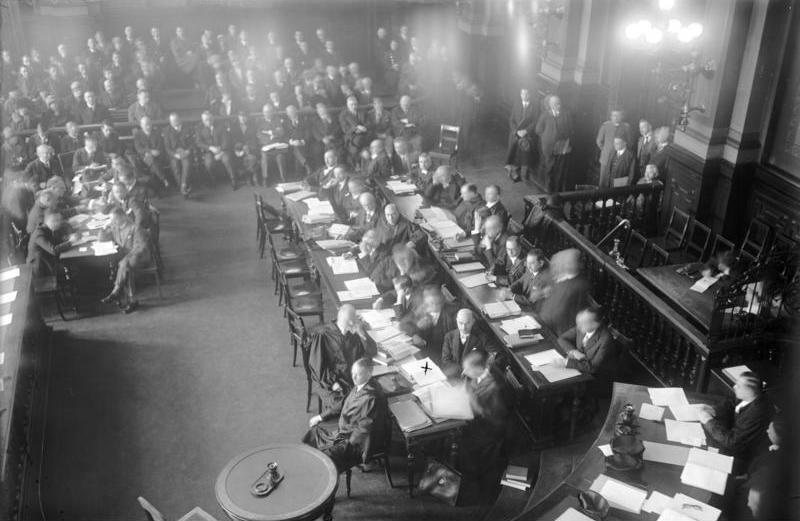
In the 1920s, businessman Julius Barmat, who was Jewish, became involved in a political corruption scandal in the Weimar Republic. The affair implicated government off...
Explore event →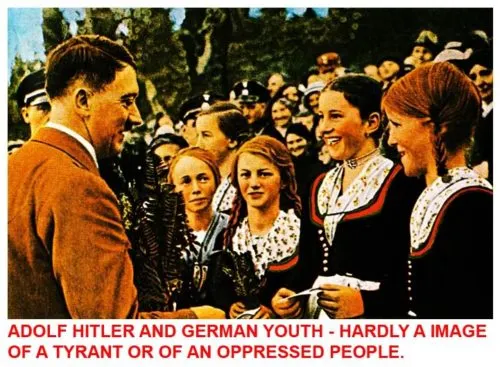
Before Hitler rose to power, major banks and financiers profited from high interest rates in Germany. During the Weimar Republic, government bonds often carried 6-10% ...
Explore event →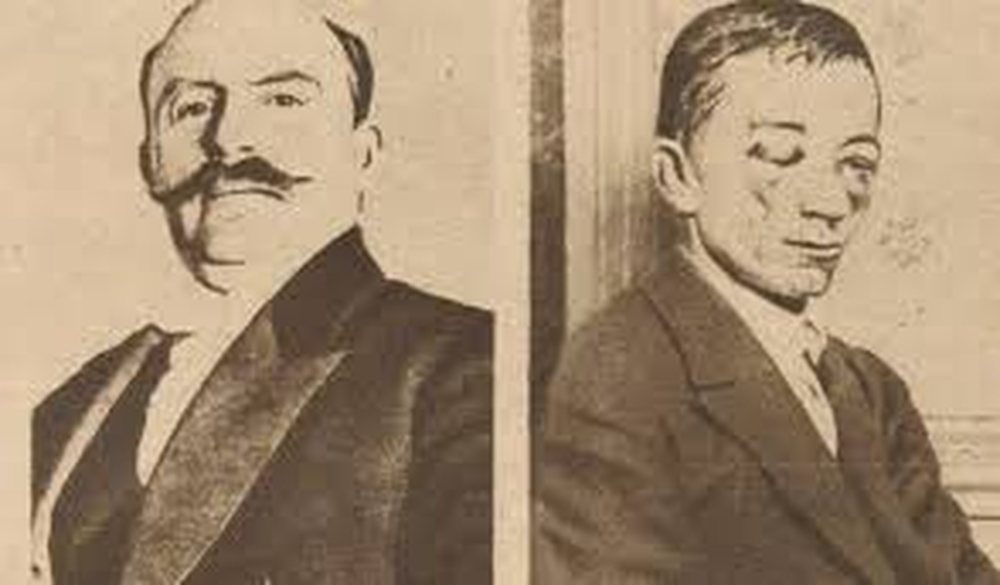
On June 13, 1920, Albanian political activist Avni Rustemi shot and killed Essad Pasha Toptani in Paris, France. Essad Pasha was an Albanian Ottoman-era political and ...
Explore event →
Pontic Greek Genocide On May 19, 1919, military operations intensified against Greek communities in the Pontus region along the Black Sea coast of the Ottoman Empire....
Explore event →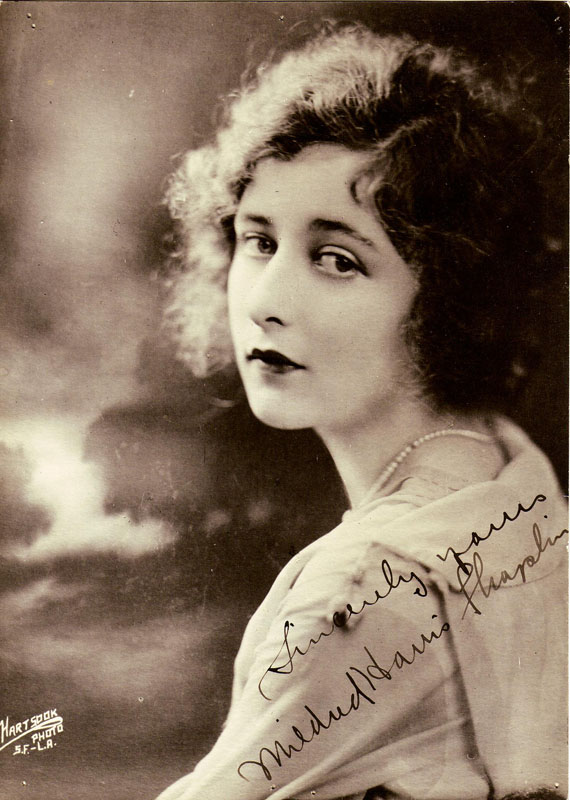
Charlie Chaplin married actress Mildred Harris on October 23, 1918, in Los Angeles. Chaplin was 29 years old and Harris was 16. Harris was already working as a film ac...
Explore event →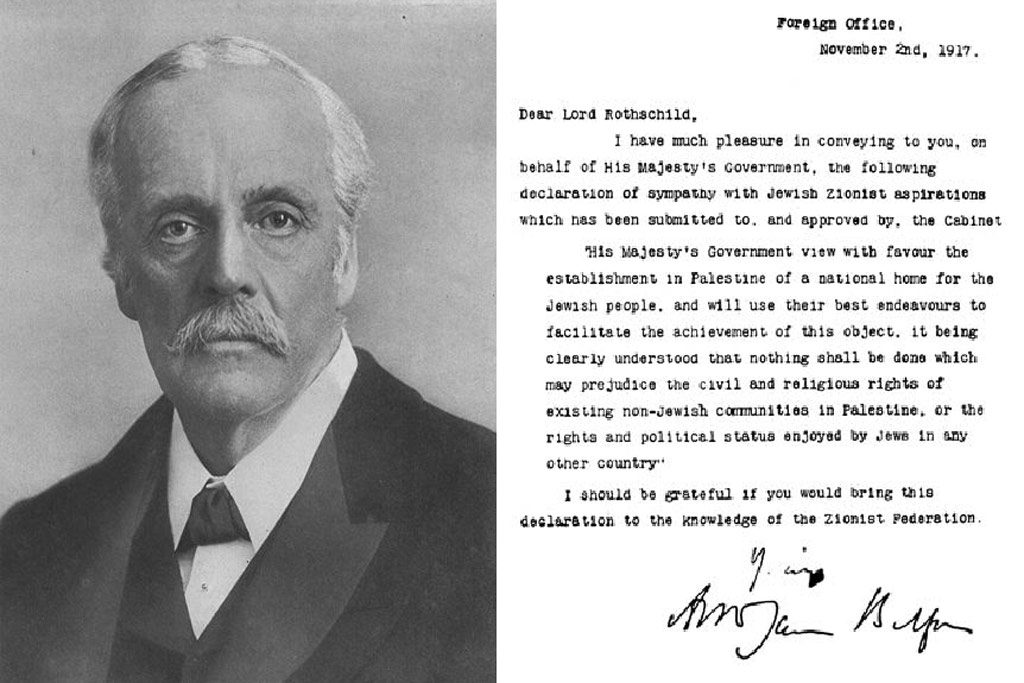
The Balfour Declaration was a public statement issued on November 2 1917 by the British government during World War I expressing support for the establishment of a nat...
Explore event →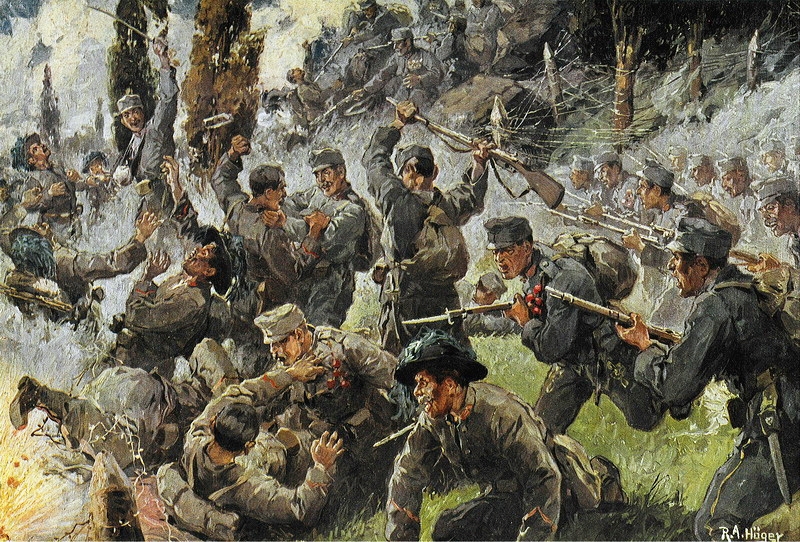
The Battles of the Isonzo were a series of twelve military engagements between the Kingdom of Italy and Austria-Hungary during World War I. They took place along the I...
Explore event →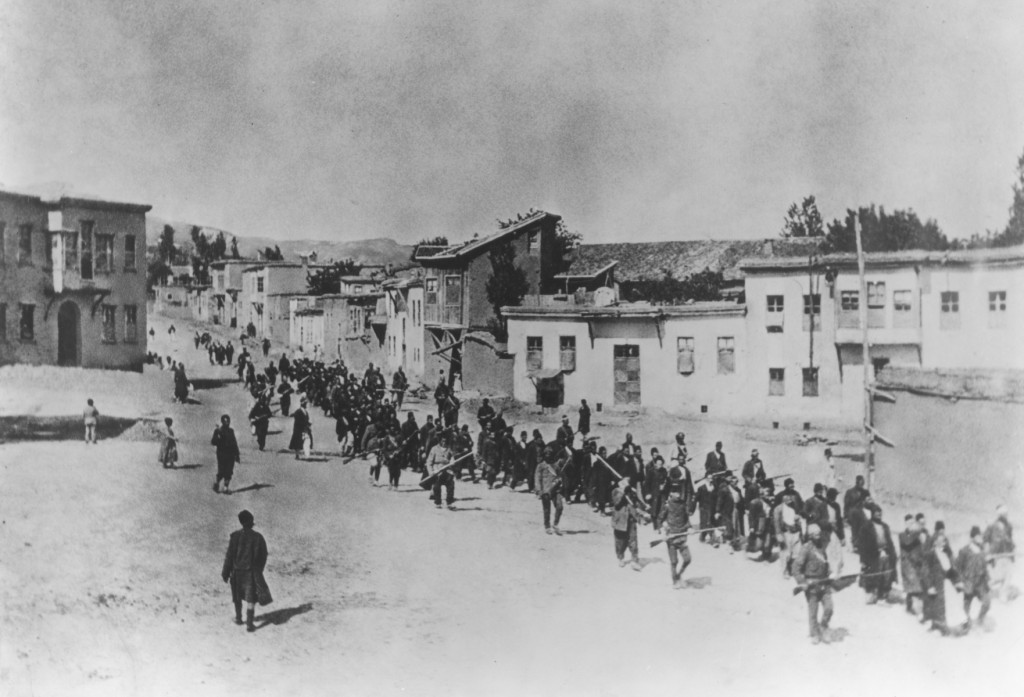
Armenian Genocide On April 24, 1915, Ottoman authorities arrested hundreds of Armenian intellectuals and community leaders in Constantinople. The arrests marked the b...
Explore event →
11 February 2011 — Vice President Omar Suleiman announces that Hosni Mubarak has stepped down and transferred authority to the Supreme Council of the Armed Forces. Cel...
Explore research
25 January–11 February 2011 — Mass demonstrations erupt against police brutality, corruption, economic frustration and authoritarian government. Cairo's Tahrir Square ...
Explore research
1998–1999 — War in neighboring Kosovo becomes a major national and humanitarian issue for Albania. Hundreds of thousands of Kosovo Albanian refugees cross into Albania...
Explore research
January–August 1997 — The collapse of enormous fraudulent investment schemes wipes out the savings of hundreds of thousands of Albanians. Armed rebellion spreads, mili...
Explore research
1990–1998 — Investigate economic collapse, weak institutions, mass migration, political confrontation, pyramid schemes and the rebuilding of Albanian state authority.
Explore research
23 July 1952 — Egyptian military officers overthrow King Farouk's government. The movement is driven by dissatisfaction with corruption, political inequality, British ...
Explore research
31 January 1925 — Albania formally becomes a republic with Ahmet Zogu as president. Zogu uses the presidency to consolidate central authority after years of political ...
Explore research
March–April 1919 — Mass demonstrations, strikes and civil unrest erupt after British authorities exile nationalist leader Saad Zaghloul and other members of the Wafd m...
Explore research
January–June 1919 — France prioritizes security and compensation for destruction. Britain wants Germany constrained without permanently destroying European economic st...
Explore research
3 November 1918 — Sailors at Kiel revolt after naval leaders attempt to send the fleet into a final battle. The mutiny spreads into a wider revolutionary movement as w...
Explore research
8 March 1917 — Demonstrations, strikes and bread shortages in Petrograd begin the revolutionary crisis that destroys the imperial government. Soldiers increasingly ref...
Explore research
1917–1918 — Woodrow Wilson increasingly presents American participation as part of a larger project to restructure international relations. His Fourteen Points call fo...
Explore research
21 February 1916 — Germany launches a major offensive against the fortified Verdun region. French forces commit enormous manpower and artillery to prevent the fortress...
Explore research
1915–1918 — Consumption of artillery shells and other matériel massively exceeds prewar assumptions. Governments intervene increasingly in factories, labor, transport ...
Explore research
1914–1918 wartime production — Schneider is a major French heavy-industrial and armaments producer whose factories supply artillery and military material to the French...
Explore research
29 July 1913 — The Great Powers recognize an independent Albanian principality. The borders they establish leave substantial Albanian-speaking populations outside the ...
Explore research
January–August 1912 — Albanian insurgents launch a major revolt against Ottoman authority. Rebel forces eventually enter Skopje and force the Ottoman government to acc...
Explore research
1912–1913 — Trace the Balkan Wars, competing territorial claims and Great Power diplomacy that created modern Albania while leaving many Albanian-speaking populations ...
Explore research
1908–1914 — Austria-Hungary faces growing nationalist pressures in the Balkans following the Bosnian annexation crisis and Serbia's expansion during the Balkan Wars. S...
Explore research
10 June 1878 — Albanian political and religious leaders gather in Prizren as the Ottoman Empire faces defeat and territorial losses following the Russo-Turkish War. Th...
Explore research
c. 1830–1912 — The Rilindja Kombëtare develops through writers, educators, political activists and diaspora networks. Albanian-language education and publishing become...
Explore research
1788–1822 — Ali Pasha controls Ioannina and expands his authority across Epirus, southern Albania and surrounding regions. His court becomes a major political center w...
Explore research
1757–1831 — The Bushati family builds a powerful semi-autonomous political center around Shkodër while formally remaining within the Ottoman Empire. At its height, Bus...
Explore research
1517–1798 CE — Egypt remains formally part of the Ottoman Empire for centuries while powerful local military households gain substantial autonomy. Agricultural taxes a...
Explore research