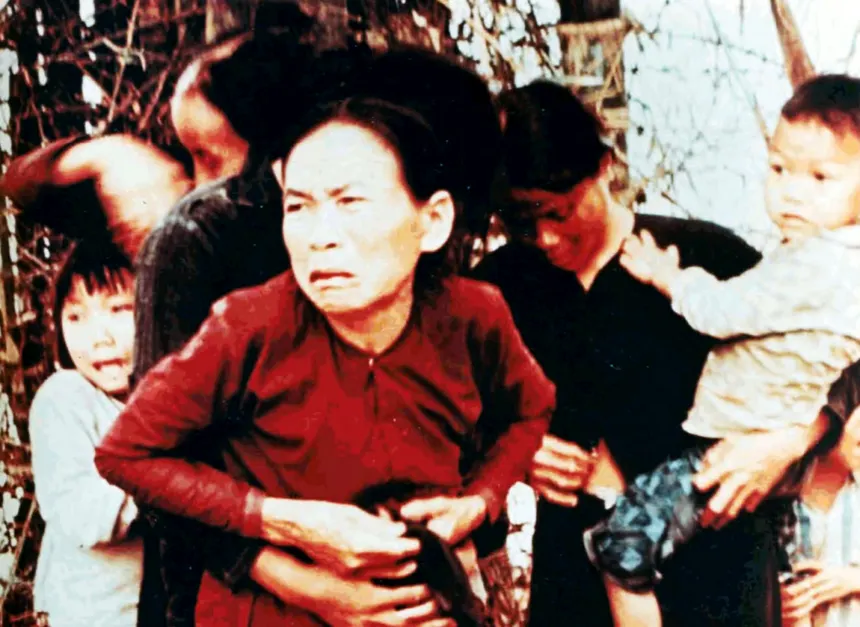
My Lai Massacre
On March 16, 1968, U.S. Army soldiers from Charlie Company, 1st Battalion, 20th Infantry Regiment, 11th Brigade, Americal Division, carried out a mass killing of Vietn...
Explore event →History does not happen in isolation. Explore world events across time, follow the connections between them, and investigate the threads that reveal how one event can lead to another.
TheTimeMap currently follows events across 95 countries and 268 years of history — building a connected archive designed for people who want to look beyond the headline.
We oppose antisemitism, racism, and dehumanization — everywhere.
When people stop feeling, injustice becomes easy.
On March 16, 1968, U.S. Army soldiers from Charlie Company, 1st Battalion, 20th Infantry Regiment, 11th Brigade, Americal Division, carried out a mass killing of Vietn...
Explore event →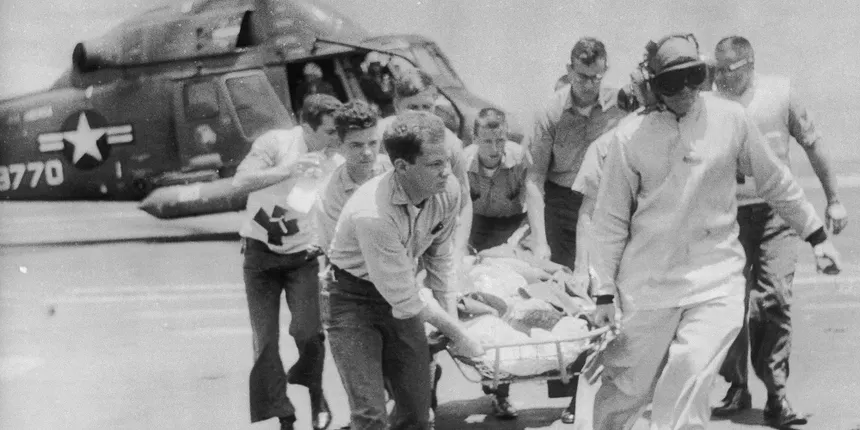
On June 8, 1967, during the Six-Day War, the United States Navy technical research ship USS Liberty (AGTR-5) was attacked in international waters of the eastern Medite...
Explore event →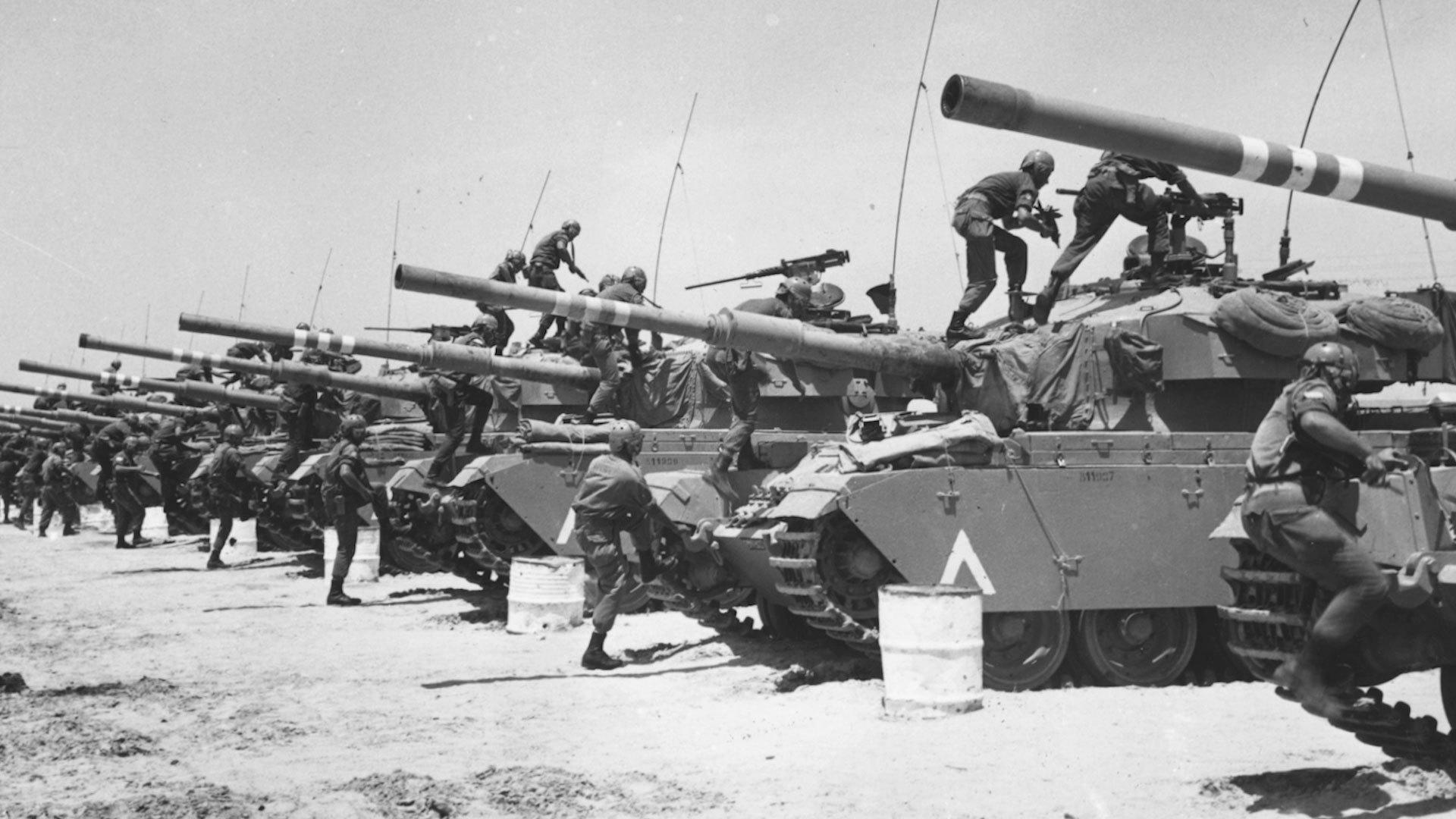
Event Overview On June 5, 1967, the Israel Defense Forces (IDF) launched coordinated air strikes against Egypt, Jordan, and Syria, marking the beginning of the Six-Da...
Explore event →
The Biafran mass killings occurred during the Nigerian Civil War, which lasted from 1967 to 1970. Following the secession of the southeastern provinces of Nigeria and ...
Explore event →
Journalist Dorothy Kilgallen became one of the few reporters to directly question Jack Ruby during his 1964 trial for the killing of Lee Harvey Oswald. Kilgallen, a we...
Explore event →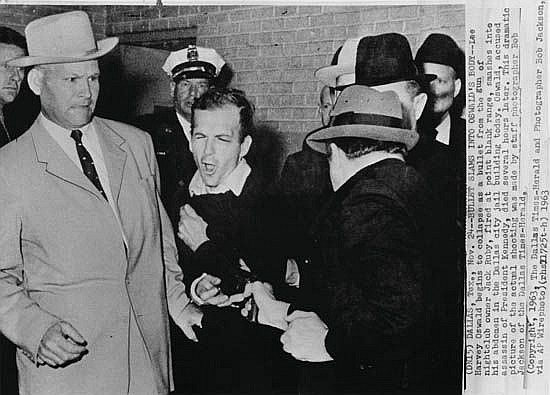
On November 24, 1963, Jack Ruby, a Jewish-American nightclub owner in Dallas, Texas, shot and killed Lee Harvey Oswald, the accused assassin of U.S. President John F. ...
Explore event →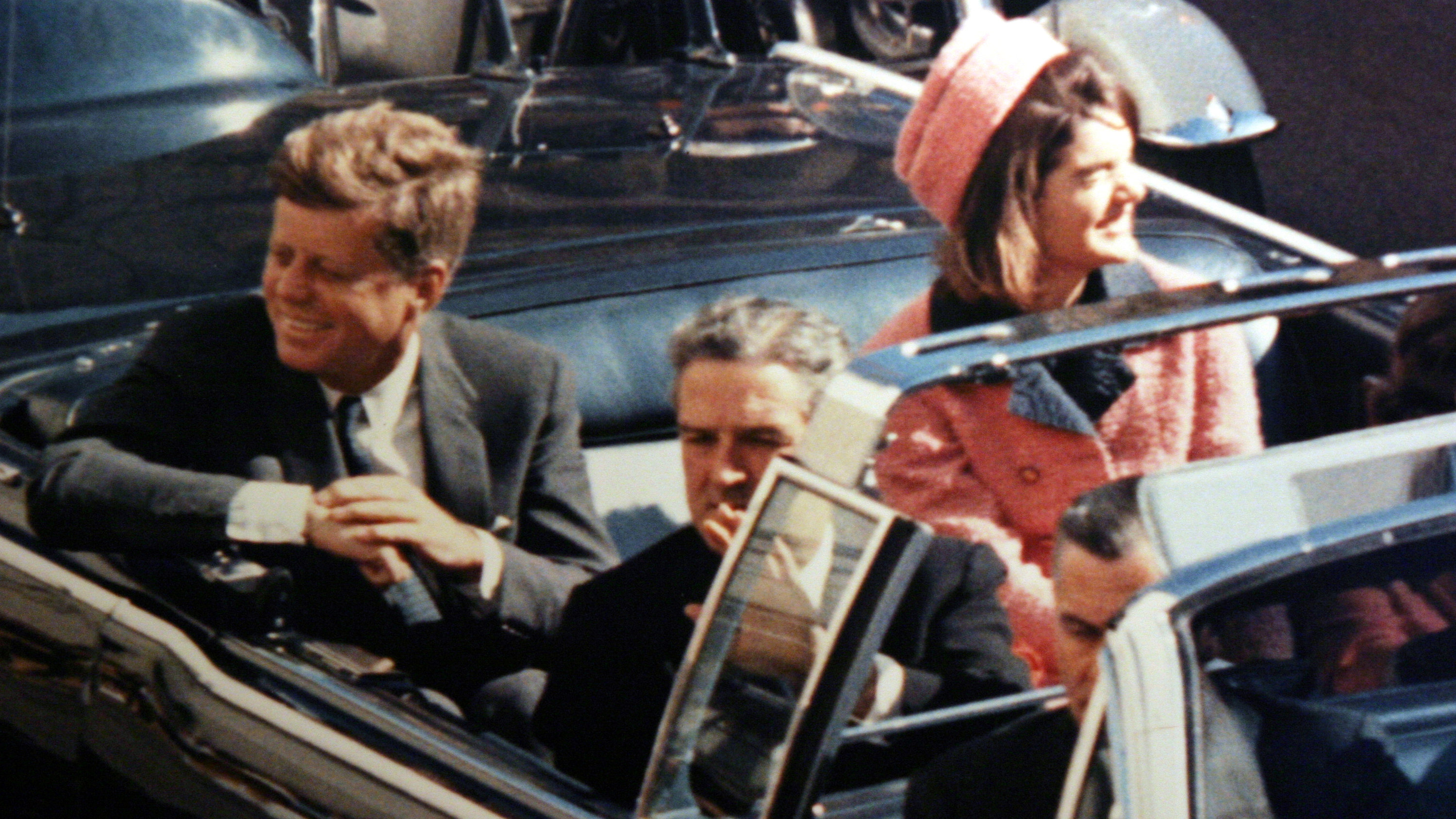
The assassination of John F. Kennedy, the 35th President of the United States, occurred on November 22, 1963, in Dallas, Texas. Kennedy was fatally shot while riding i...
Explore event →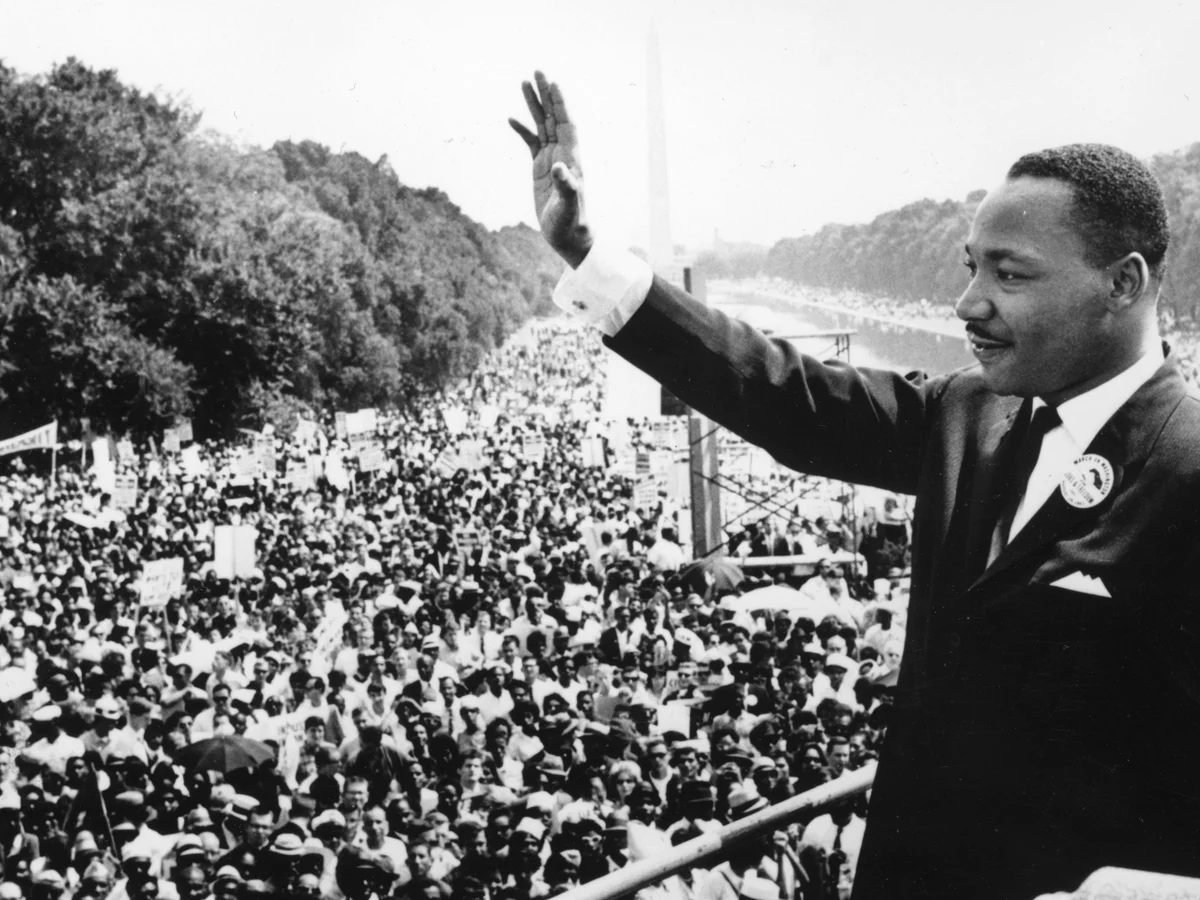
Martin Luther King Jr. delivered his “I Have a Dream” speech during the March on Washington, advocating for racial equality, civil rights, and nonviolent protest in th...
Explore event →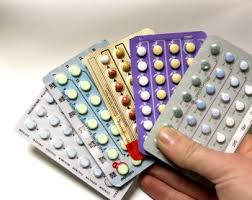
The birth control pill was developed in the mid-20th century as a result of combined efforts by scientists, doctors, activists, and funders. The idea of an oral contra...
Explore event →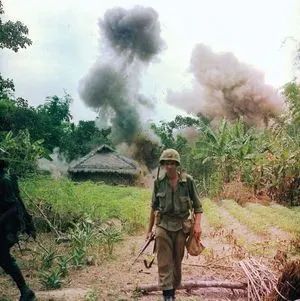
The Vietnam War was a prolonged armed conflict fought primarily between North Vietnam, led by the Communist Party under Ho Chi Minh, and South Vietnam, supported by th...
Explore event →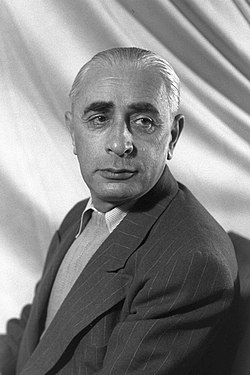
What it was The Lavon Affair, also known as Operation Susannah, was a failed Israeli covert operation in Egypt in 1954, carried out by Israeli military i...
Explore event →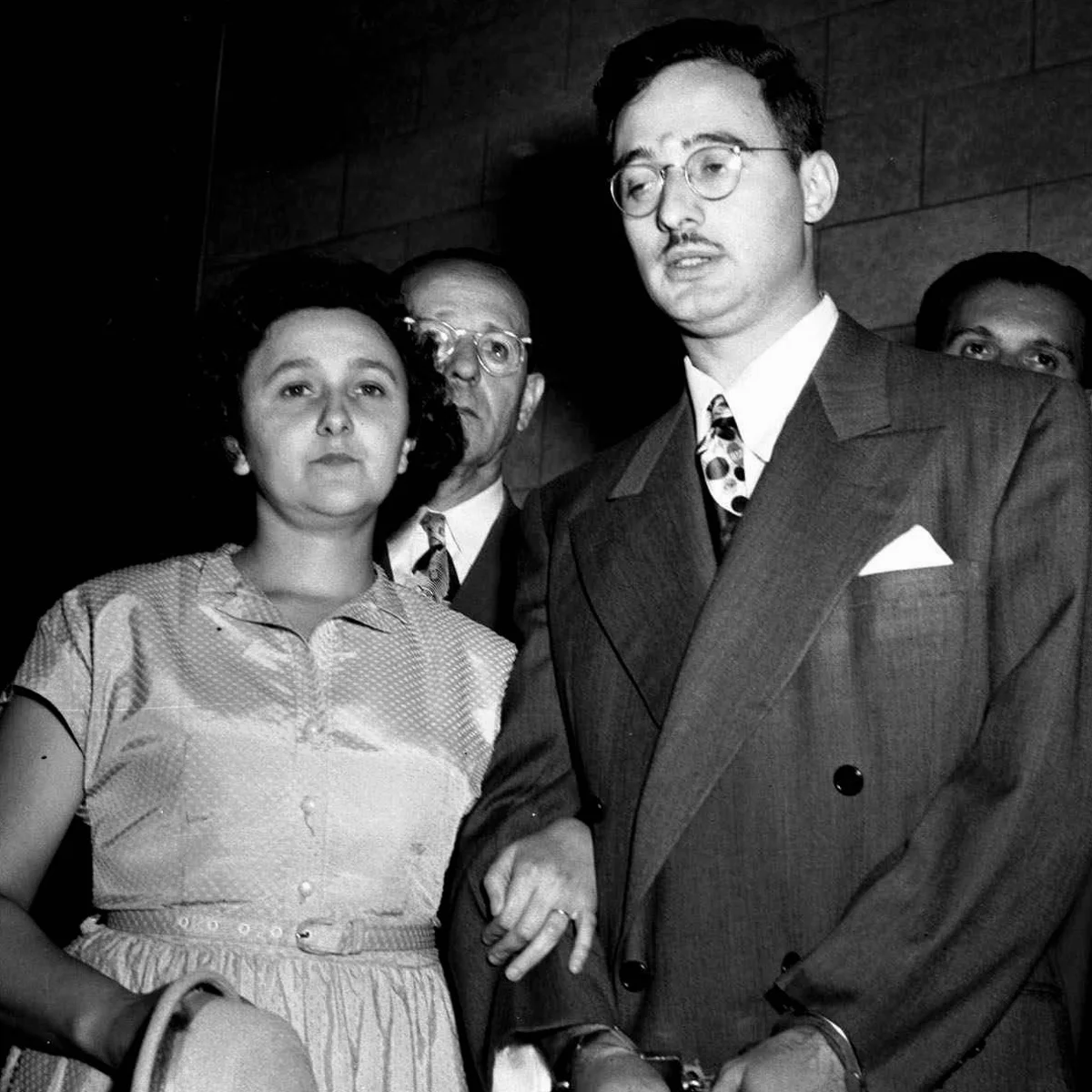
Julius and Ethel Rosenberg Executed for Espionage On June 19, 1953, Julius Rosenberg and Ethel Rosenberg were executed at Sing Sing Prison in Ossining, New York, afte...
Explore event →
Mexican actress Maria Félix said she ate human meat during a 1951 Morocco banquet During the filming of the movie *La Corona Negra* in Morocco in 1951, Mexican film a...
Explore event →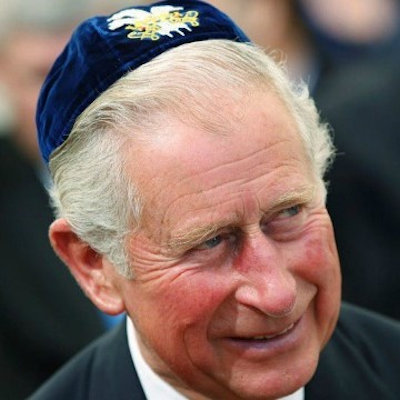
Allegations have circulated claiming that King Charles III was circumcised in December 1948 shortly after his birth at Buckingham Palace. The accounts state the proced...
Explore event →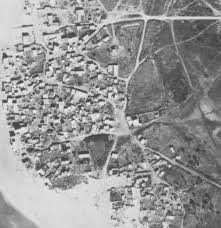
1948 Tantura Killings The events at the Palestinian village of Tantura occurred during the **1948 Palestine war**, when forces of the Haganah, specifically ...
Explore event →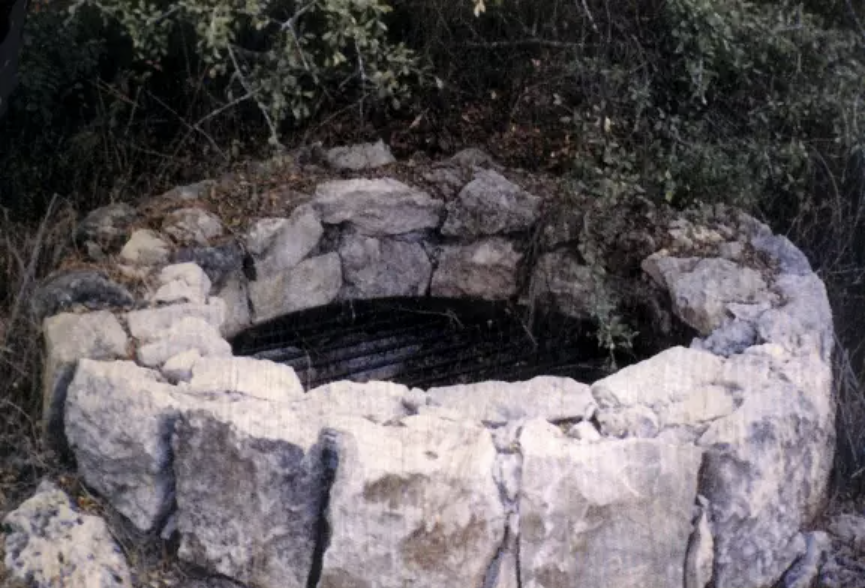
Operation Cast Thy Bread: Poisoning of Palestinian Wells In April 1948, during the Arab–Israeli War following the end of the British Mandate for Palestine, personnel ...
Explore event →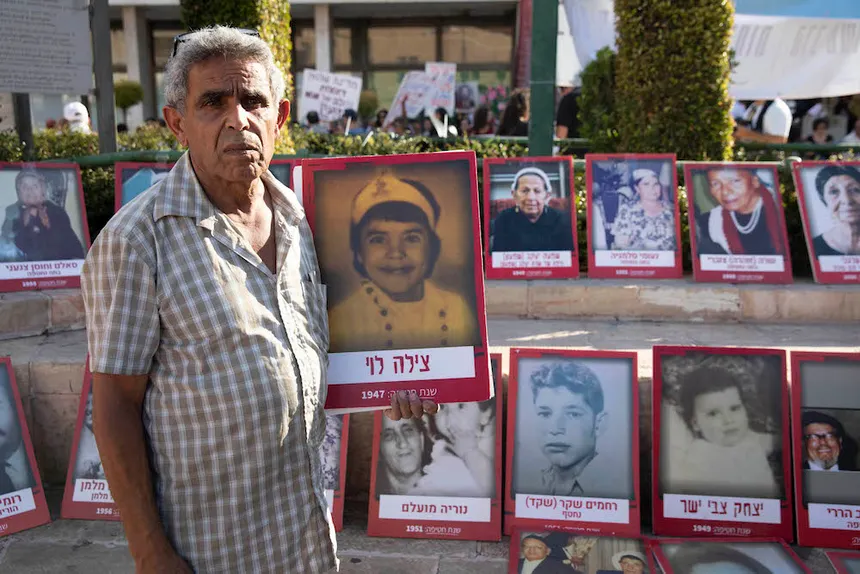
The Yemenite Children Affair refers to a long-running controversy in Israel between 1948 and 1954, involving the disappearance of mainly Yemenite Jewish infants and to...
Explore event →.jpg)
The Nakba refers to the mass displacement and dispossession of Palestinians that occurred between 1947 and 1949 during the collapse of the British Mandate for Palestin...
Explore event →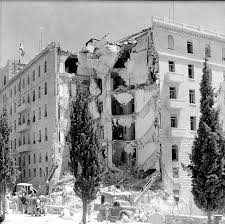
On July 22, 1946, the King David Hotel in Jerusalem, which housed the administrative headquarters of the British Mandate authorities in Palestine, was bombed. The a...
Explore event →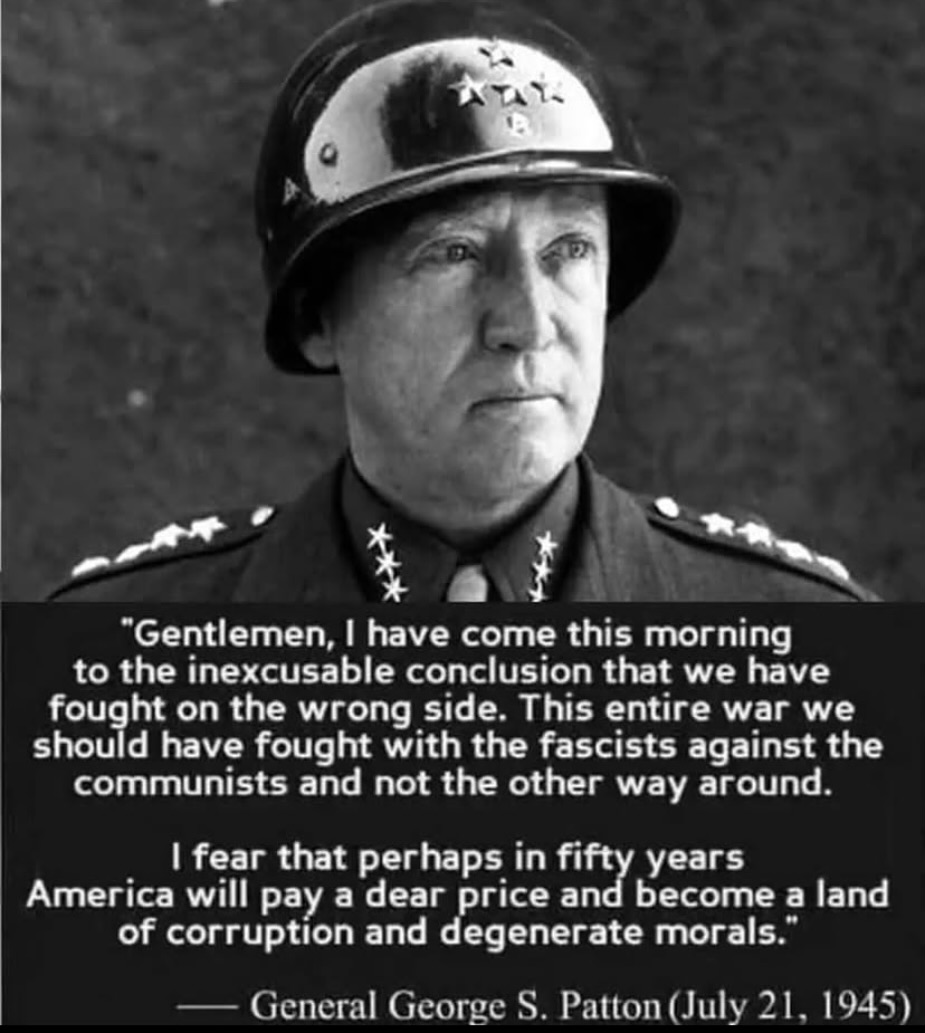
General George S. Patton, a senior U.S. Army officer in World War II, died on December 21, 1945, in Heidelberg, Germany, following injuries sustained in a car accident...
Explore event →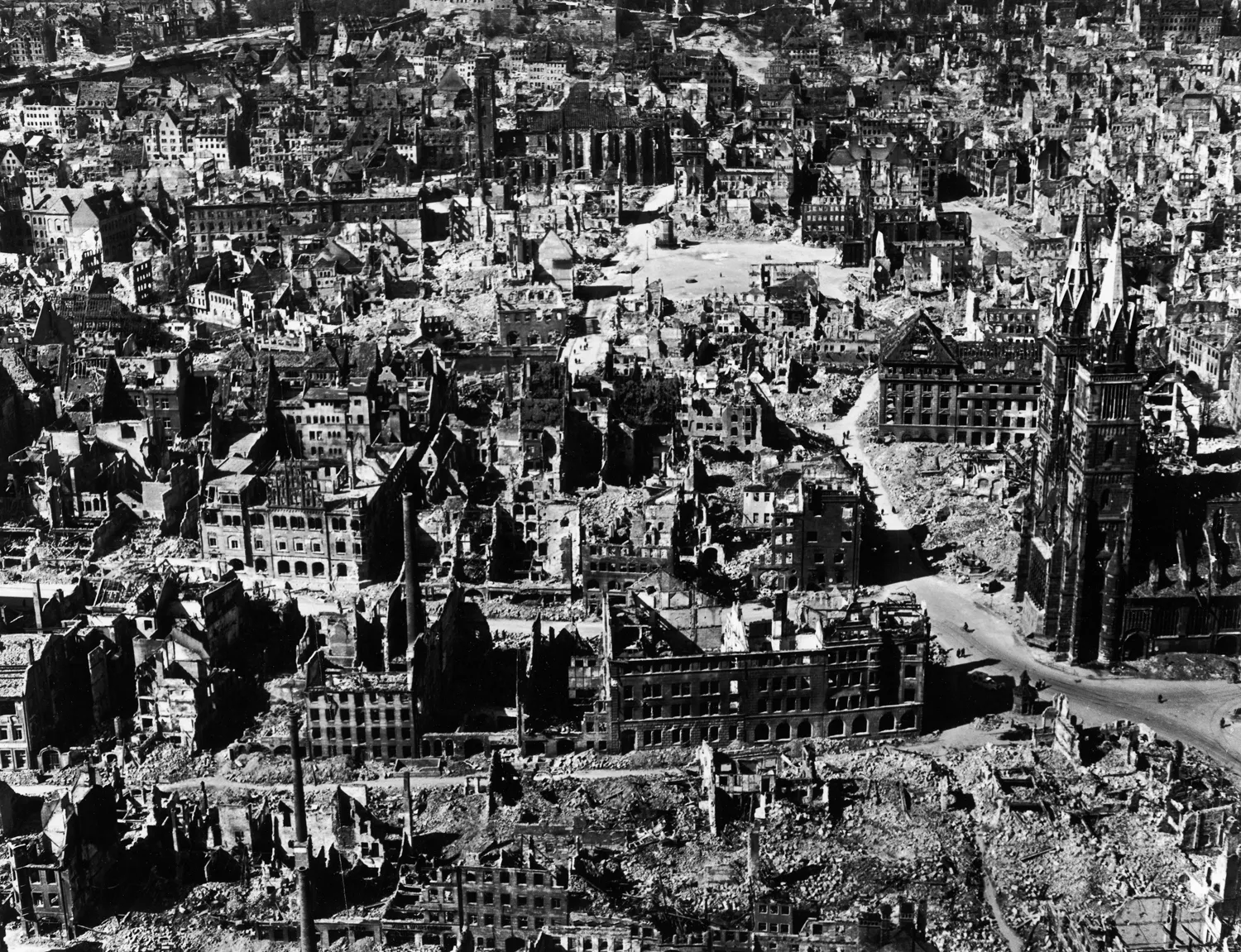
During World War II (1939–1945), the Allied forces of the United States and the United Kingdom carried out a widespread strategic bombing campaign against German citie...
Explore event →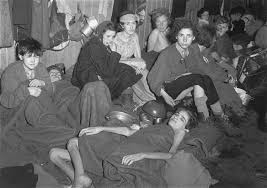
Typhus and Mortality in Nazi Concentration Camps Historical records from the International Committee of the Red Cross (ICRC), Nazi documentation, and post-w...
Explore event →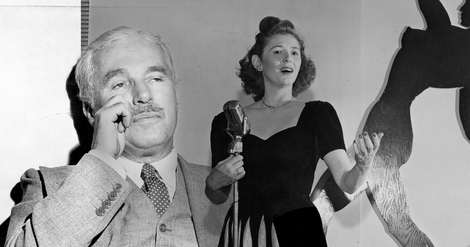
Joan Barry was an American actress who became involved with Charlie Chaplin during the early 1940s. Their relationship later resulted in a highly publicized paternity ...
Explore event →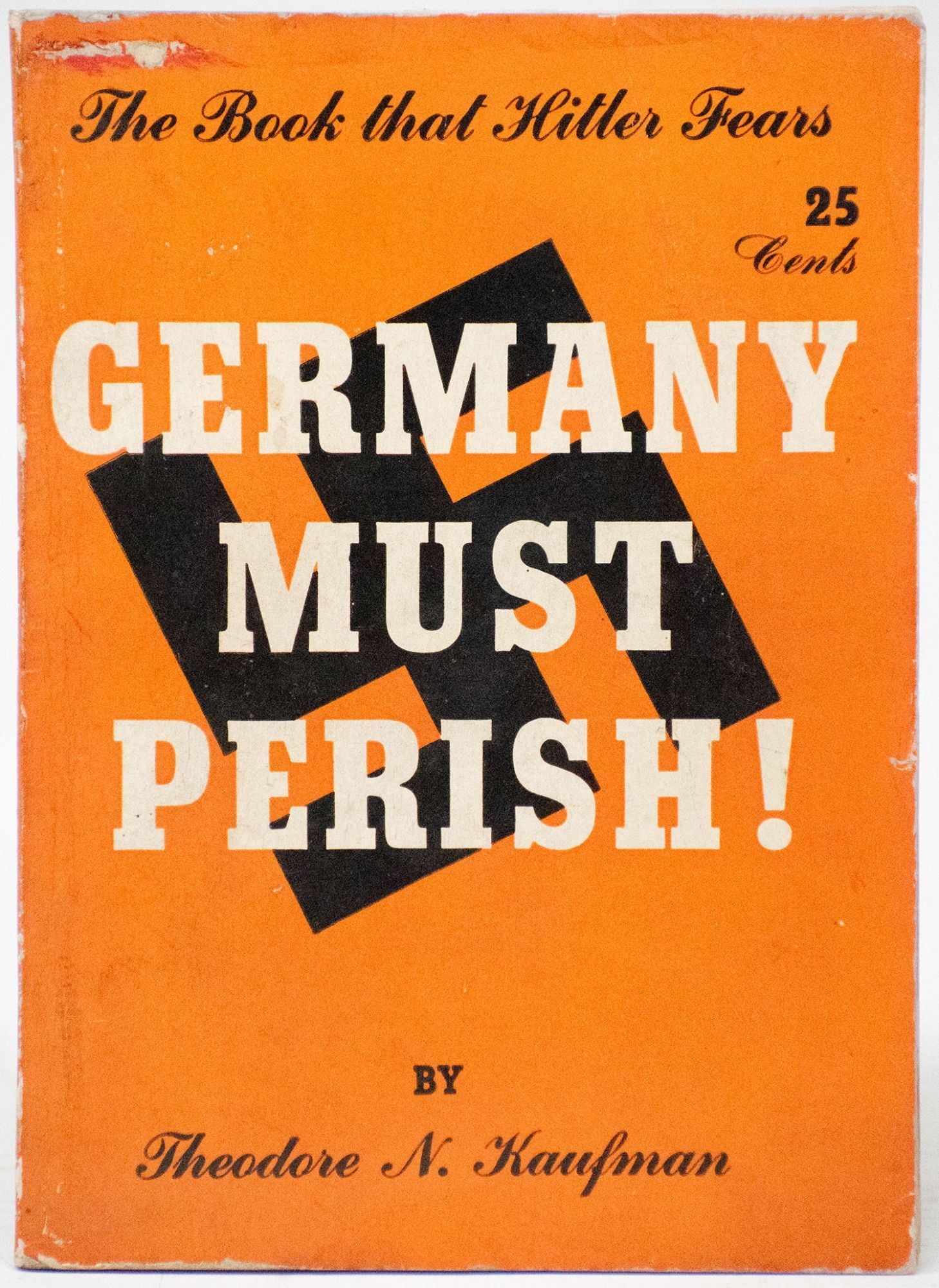
Publication of *Germany Must Perish!* by Theodore Kaufman On February 28, 1941, American author Theodore N. Kaufman self‑published a book titled *Germany Mu...
Explore event →
11 February 2011 — Vice President Omar Suleiman announces that Hosni Mubarak has stepped down and transferred authority to the Supreme Council of the Armed Forces. Cel...
Explore research
25 January–11 February 2011 — Mass demonstrations erupt against police brutality, corruption, economic frustration and authoritarian government. Cairo's Tahrir Square ...
Explore research
1998–1999 — War in neighboring Kosovo becomes a major national and humanitarian issue for Albania. Hundreds of thousands of Kosovo Albanian refugees cross into Albania...
Explore research
January–August 1997 — The collapse of enormous fraudulent investment schemes wipes out the savings of hundreds of thousands of Albanians. Armed rebellion spreads, mili...
Explore research
1990–1998 — Investigate economic collapse, weak institutions, mass migration, political confrontation, pyramid schemes and the rebuilding of Albanian state authority.
Explore research
23 July 1952 — Egyptian military officers overthrow King Farouk's government. The movement is driven by dissatisfaction with corruption, political inequality, British ...
Explore research
31 January 1925 — Albania formally becomes a republic with Ahmet Zogu as president. Zogu uses the presidency to consolidate central authority after years of political ...
Explore research
March–April 1919 — Mass demonstrations, strikes and civil unrest erupt after British authorities exile nationalist leader Saad Zaghloul and other members of the Wafd m...
Explore research
January–June 1919 — France prioritizes security and compensation for destruction. Britain wants Germany constrained without permanently destroying European economic st...
Explore research
3 November 1918 — Sailors at Kiel revolt after naval leaders attempt to send the fleet into a final battle. The mutiny spreads into a wider revolutionary movement as w...
Explore research
8 March 1917 — Demonstrations, strikes and bread shortages in Petrograd begin the revolutionary crisis that destroys the imperial government. Soldiers increasingly ref...
Explore research
1917–1918 — Woodrow Wilson increasingly presents American participation as part of a larger project to restructure international relations. His Fourteen Points call fo...
Explore research
21 February 1916 — Germany launches a major offensive against the fortified Verdun region. French forces commit enormous manpower and artillery to prevent the fortress...
Explore research
1915–1918 — Consumption of artillery shells and other matériel massively exceeds prewar assumptions. Governments intervene increasingly in factories, labor, transport ...
Explore research
1914–1918 wartime production — Schneider is a major French heavy-industrial and armaments producer whose factories supply artillery and military material to the French...
Explore research
29 July 1913 — The Great Powers recognize an independent Albanian principality. The borders they establish leave substantial Albanian-speaking populations outside the ...
Explore research
January–August 1912 — Albanian insurgents launch a major revolt against Ottoman authority. Rebel forces eventually enter Skopje and force the Ottoman government to acc...
Explore research
1912–1913 — Trace the Balkan Wars, competing territorial claims and Great Power diplomacy that created modern Albania while leaving many Albanian-speaking populations ...
Explore research
1908–1914 — Austria-Hungary faces growing nationalist pressures in the Balkans following the Bosnian annexation crisis and Serbia's expansion during the Balkan Wars. S...
Explore research
10 June 1878 — Albanian political and religious leaders gather in Prizren as the Ottoman Empire faces defeat and territorial losses following the Russo-Turkish War. Th...
Explore research
c. 1830–1912 — The Rilindja Kombëtare develops through writers, educators, political activists and diaspora networks. Albanian-language education and publishing become...
Explore research
1788–1822 — Ali Pasha controls Ioannina and expands his authority across Epirus, southern Albania and surrounding regions. His court becomes a major political center w...
Explore research
1757–1831 — The Bushati family builds a powerful semi-autonomous political center around Shkodër while formally remaining within the Ottoman Empire. At its height, Bus...
Explore research
1517–1798 CE — Egypt remains formally part of the Ottoman Empire for centuries while powerful local military households gain substantial autonomy. Agricultural taxes a...
Explore research