Russia strikes Odesa infrastructure
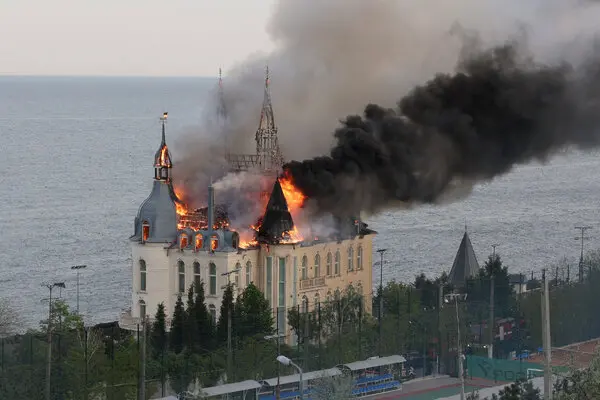
Russian forces attacked port and export infrastructure in Ukraine's Odesa region during the night leading into September 1, 2026, according to Ukrainian authorities. Ukrainian Presiden...
Explore event →History does not happen in isolation. Explore world events across time, follow the connections between them, and investigate the threads that reveal how one event can lead to another.
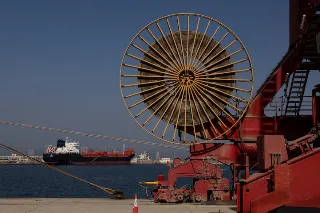
TheTimeMap currently follows events across 95 countries and 268 years of history — building a connected archive designed for people who want to look beyond the headline.
We oppose antisemitism, racism, and dehumanization — everywhere.
When people stop feeling, injustice becomes easy.
Russian forces attacked port and export infrastructure in Ukraine's Odesa region during the night leading into September 1, 2026, according to Ukrainian authorities. Ukrainian Presiden...
Explore event →
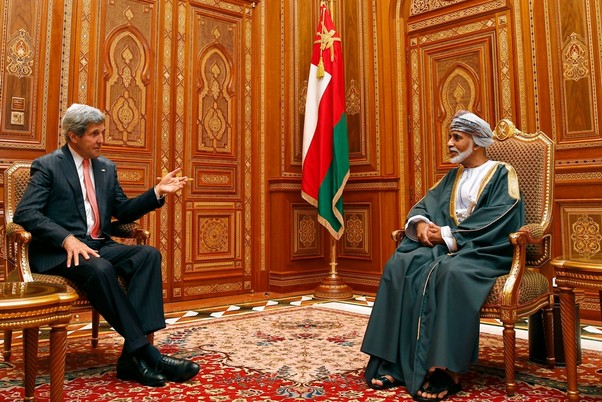
Saudi Aramco sold at least four million barrels of crude oil to Chinese refiners for loading from locations that do not require vessels to pass through the Strait of Hormuz, according to ...
Explore event →
Iran said on August 9, 2026, that an agreement with Oman concerning shipping routes through the Strait of Hormuz was approaching completion. Iranian Foreign Minister Abbas Araqchi said th...
Explore event →
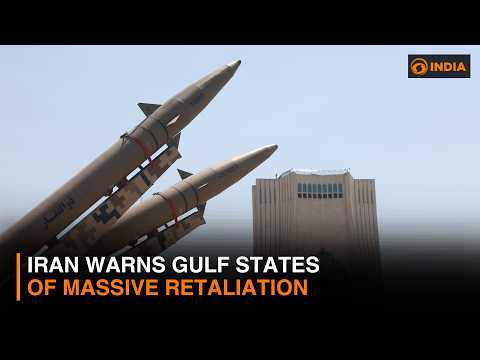
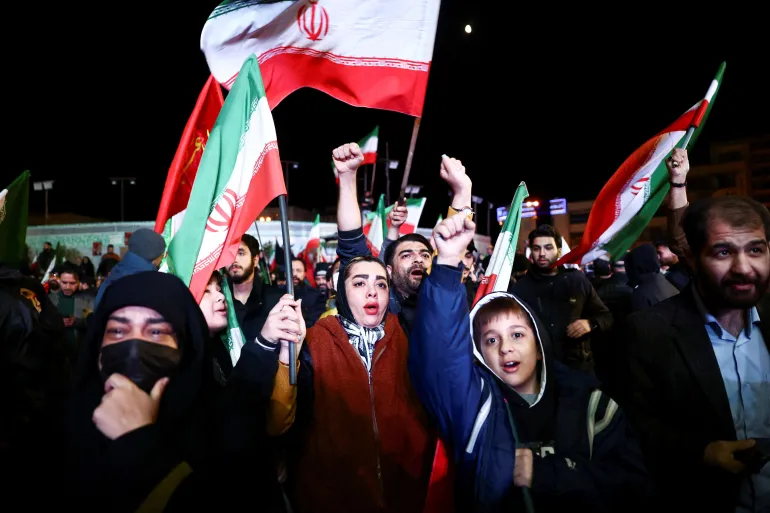
Iran warned Gulf states on August 5, 2026, that any new United States attack on Iranian territory could lead to retaliatory strikes against energy facilities and other critical infrastruc...
Explore event →
The United States and Iran entered a two-week ceasefire on April 8, 2026, following more than five weeks of military conflict. U.S. President Donald Trump announced the agreement after me...
Explore event →
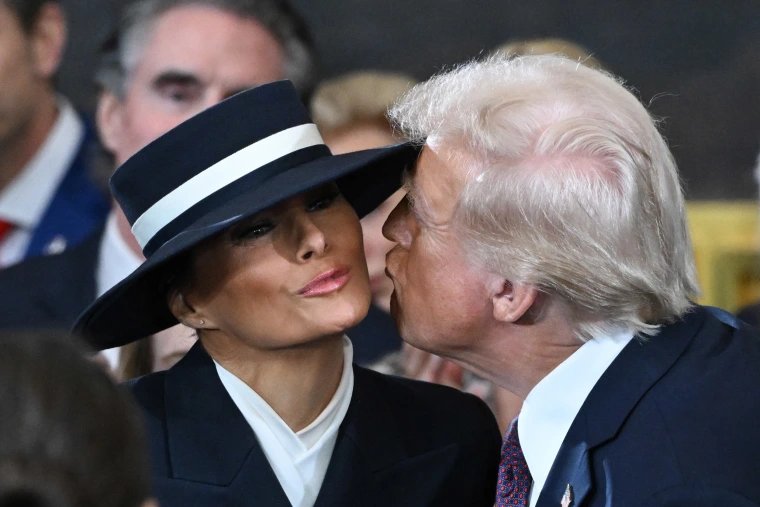
Donald Trump has been married three times, first to Ivana Trump in 1977, then to Marla Maples in 1993, and finally to Melania Knauss in 2005. His marriages and relationships have been acc...
Explore event →
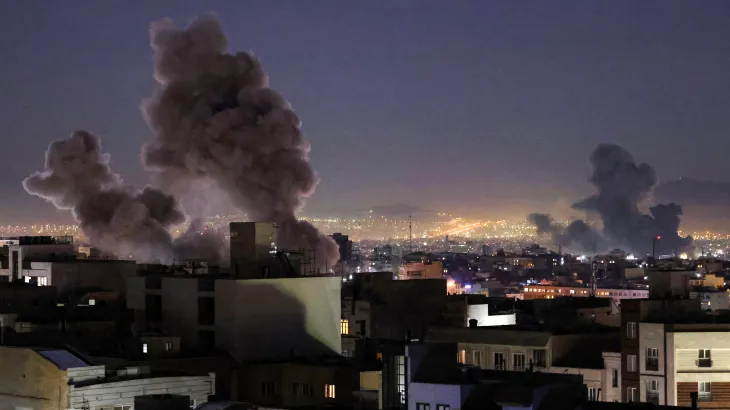
The United States and Israel launched coordinated military strikes against Iran on February 28, 2026. The operation targeted Iranian military facilities, missile capabilities, government ...
Explore event →
On February 16, 2026, hotel magnate Thomas Pritzker announced he will retire as executive chairman of Hyatt Hotels Corporation, effective immediately, after details of his affiliation wit...
Explore event →
Alexander Lamar Banks Jr. attacked family outside Lansing On February 13, 2026, 21‑year‑old Alexander Lamar Banks Jr. was arrested in Delta Township, near Lansing, Michigan, after allege...
Explore event →
On February 12, 2026, Israeli military forces opened fire in parts of the Gaza Strip despite an existing ceasefire, resulting in new casualties among Palestinian civilians. Medical source...
Explore event →
Netanyahu Meets Trump in Washington to Discuss Iran Talks On February 11, 2026, Israeli Prime Minister Benjamin Netanyahu met with U.S. President Donald Trump in Washington, D....
Explore event →
Israeli military drones strike bicyclists in Gaza killing two Palestinians On February 10, 2026, two Palestinian men riding bicycles in eastern Deir al‑Balah in the Gaza Strip ...
Explore event →
New Developments in Roman Polanski Allegations Roman Polanski, the French-Polish film director, has faced renewed attention in 2026 regarding historical allegations of sexual assault. Mu...
Explore event →
On February 6, 2026, authorities in Jefferson County, Florida, arrested Keagan Bohlinger, a former Monticello police officer, on multiple counts of possession of child pornography. The Je...
Explore event →
Expiration of the New START Nuclear Arms Control Treaty and Diplomacy with Iran On February 5, 2026, the last remaining nuclear arms control treaty between the United States and Russia, ...
Explore event →
Brett Ratner (born March 28, 1969) is an American film director and producer known for commercial films such as the Rush Hour franchise and for directing the documentary Melania: 20 Days ...
Explore event →
Christian Communities in the Middle East: Villages and Towns Timeline 523–2026 body { font-family: Arial, sans-serif; background-color: #f4f4f9; margin: 0; padding: 0; } .ti...
Explore event →
Event Timeline body { font-family: Arial, sans-serif; background-color: #f4f4f9; margin: 0; padding: 0; } .timeline-container { max-width: 900px; margin: 50px auto; p...
Explore event →
Iran Announces Live‑Fire Naval Drills Near U.S. Warships in Strait of Hormuz Iran’s Islamic Revolutionary Guard Corps (IRGC) announced a two‑day live‑fire naval exercise in the...
Explore event →
A district court in central Israel convicted a 22-year-old Israel Defense Forces reservist of dozens of sexual offenses in what prosecutors described as an unprecedented large-scale onlin...
Explore event →
On January 21, 2026, Israeli military strikes in the Gaza Strip killed at least 11 Palestinians, including two 13‑year‑old boys, three journalists, and a woman, according to hospital offi...
Explore event →
israeli army fire kills 2 palestinians, wounds 18 in ceasefire violations in gaza israeli army fire kills 2 palestinians, wounds 18 in ceasefire violations in gaza date: january 3, 20...
Explore event →
On December 10, 2025, federal prison officials informed a U.S. District Court in New York that former Abercrombie & Fitch chief executive officer Mike Jeffries is now competent to stand t...
Explore event →
On November 21, 2025, Representative Marjorie Taylor Greene, a Republican congresswoman from Georgia known for her outspoken views, announced she will resign from the U.S. House of Repres...
Explore event →
Romanian Survivors File Lawsuits Against Harvest Christian Fellowship and Pastor Greg Laurie In September 2025, multiple Romanian men filed federal civil lawsuits in the United...
Explore event →
Allentown Noose Incident Allegedly Planted by City Worker (USA, 2025) In June 2025, a female city employee in Allentown, Pennsylvania, reported discovering a noose hanging at h...
Explore event →
An Israeli woman has been arrested after police alleged she hid the death of her 93-year-old mother in order to continue receiving financial benefits. Authorities say the elderly woman, a...
Explore event →
Ivana Trump, the first wife of former United States President Donald Trump, died on July 14, 2022, at the age of 73 in New York City. Authorities reported that she died after sustaining i...
Explore event →
Germanicus, a prominent Roman general and heir apparent, died under suspicious circumstances in Antioch. His death sparked rumors of poisoning and political intrigue involving high-rankin...
Explore event →
Ofek Buchris Pleads Guilty To Sexual Offenses In Israeli Military Court On January 17, 2017, Brigadier General (res.) **Ofek Buchris**, a former officer in the Israel Defense F...
Explore event →
In the United States District Court for the District of New Jersey, multiple Orthodox Jewish rabbis were prosecuted in connection with a federal case involving efforts to obtain religious...
Explore event →
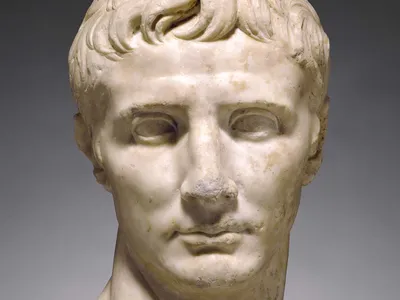
Augustus, the first Roman emperor, died in Nola after a reign that transformed the Roman Republic into the Roman Empire. His death marked the end of an era and initiated the succession of...
Explore event →
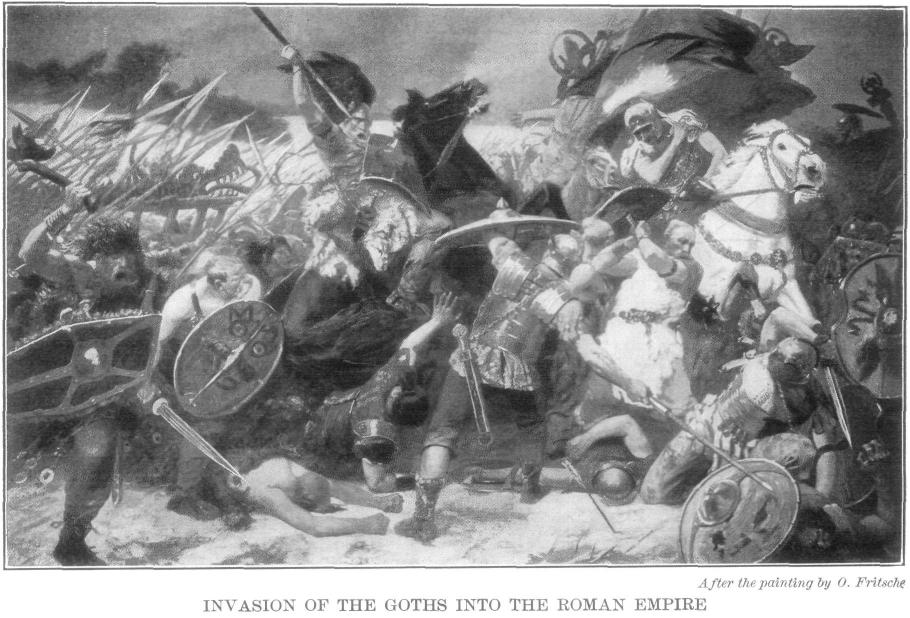
Germanicus led several military campaigns into Germania to avenge the Roman defeat in the Teutoburg Forest. His forces engaged in battles against various Germanic tribes in the region wes...
Explore event →
Hollywood producer Arnon Milchan publicly acknowledged that he spent years working for Israeli intelligence in a capacity that included acquiring military equipment and technology for his...
Explore event →
2010 sermon statements attributed to Rabbi Ovadia Yosef 2010 sermon statements attributed to Rabbi Ovadia Yosef on gentiles In 2010, Rabbi Ovadia Yos...
Explore event →
They hate white people “The goal of abolishing the White race is, on its face, so desirable that some may find it hard to believe th...
Explore event →
Gabriela Rico Jiménez’s Viral 2009 Incident and Disappearance On the evening of August 3, 2009, 21‑year‑old Gabriela Rico Jiménez was filmed in a distressed state outside the F...
Explore event →
Asia Bibi, also known as Aasiya Noreen, is a Pakistani Christian woman whose prosecution under Pakistan's blasphemy laws became an internationally recognized legal and religious controver...
Explore event →
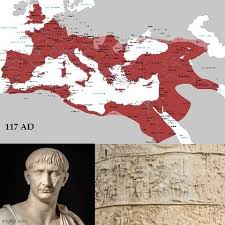
Trajan became Roman Emperor following the death of Domitian, marking a period of significant military expansion and administrative reform. His accession was recognized by the Senate, soli...
Explore event →
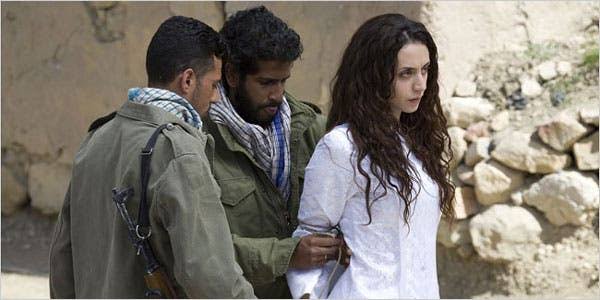
Soraya Manutchehri was a 35-year-old Iranian woman who, according to accounts published by French-Iranian journalist Freidoune Sahebjam, was stoned to death in the village of Kuhpayeh on ...
Explore event →
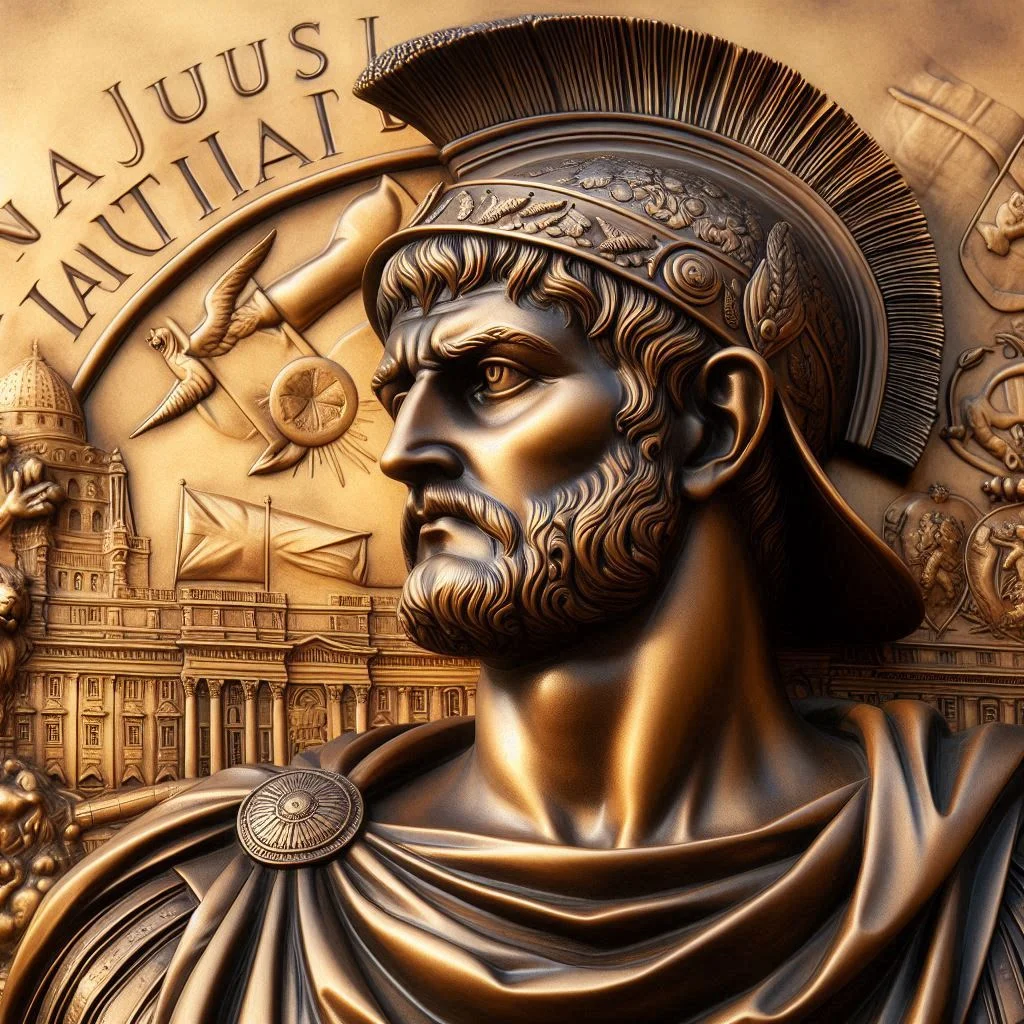
Gnaeus Julius Agricola was appointed governor of Roman Britain, replacing the previous administration. His governorship marked an era of military and administrative consolidation in the n...
Explore event →
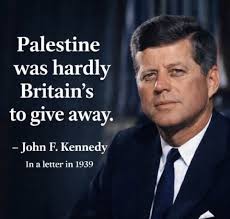
JFK Wrote in 1939 That Palestine Was Hardly Britain's to Give Away In July 1939, John F. Kennedy, then a 22-year-old Harvard student, visited Palestine during a trip arranged b...
Explore event →
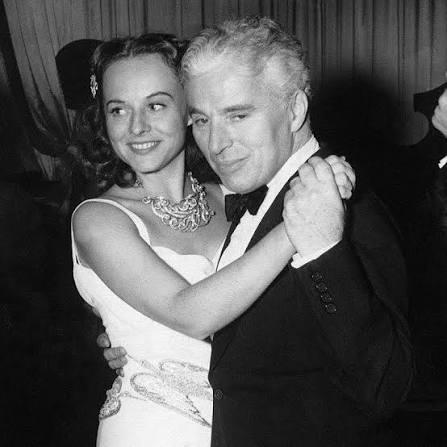
Charlie Chaplin and actress Paulette Goddard were associated romantically and professionally during the 1930s and early 1940s. Their relationship became particularly well known through Go...
Explore event →
On July 3, 1933, the Jewish pageant “The Romance of a People” was performed at Soldier Field in Chicago as part of the Century of Progress World’s Fair. The pageant included thousands of ...
Explore event →
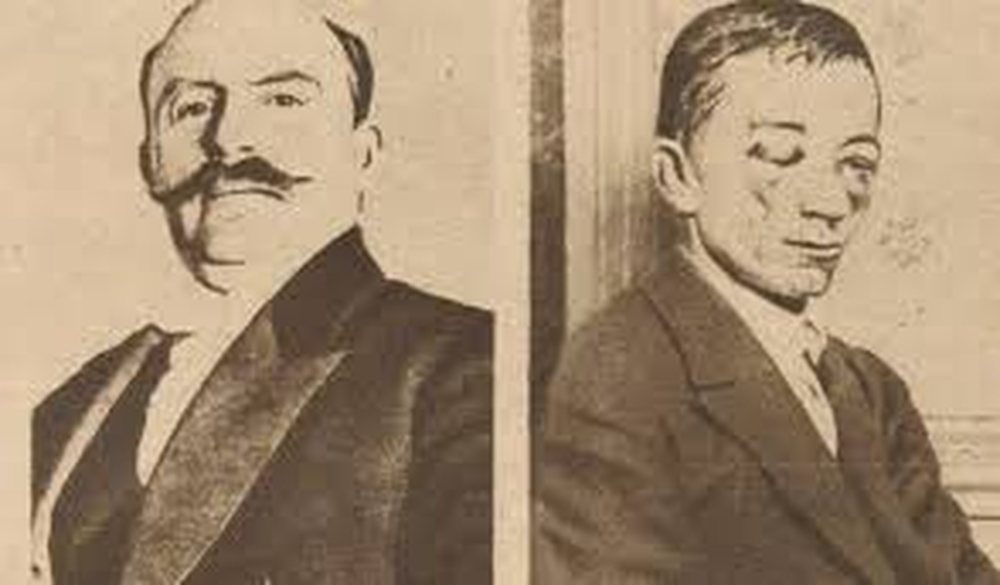
On June 13, 1920, Albanian political activist Avni Rustemi shot and killed Essad Pasha Toptani in Paris, France. Essad Pasha was an Albanian Ottoman-era political and military figure who ...
Explore event →
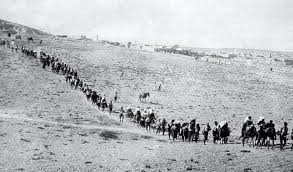
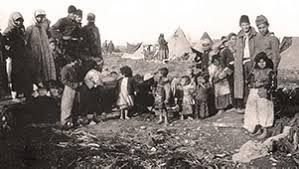
Pontic Greek Genocide On May 19, 1919, military operations intensified against Greek communities in the Pontus region along the Black Sea coast of the Ottoman Empire. The campaign formed...
Explore event →
Greek Genocide On May 19, 1919, Greek communities in the Pontus region of the Ottoman Empire faced intensified military operations during the final phase of systematic persecution that b...
Explore event →
August–November 1918 — Germany and its allies face military retreat, shortages, exhaustion and growing political instability. Bulgaria, the Ottoman Empire and Austria-Hungary leave the wa...
Explore published research →
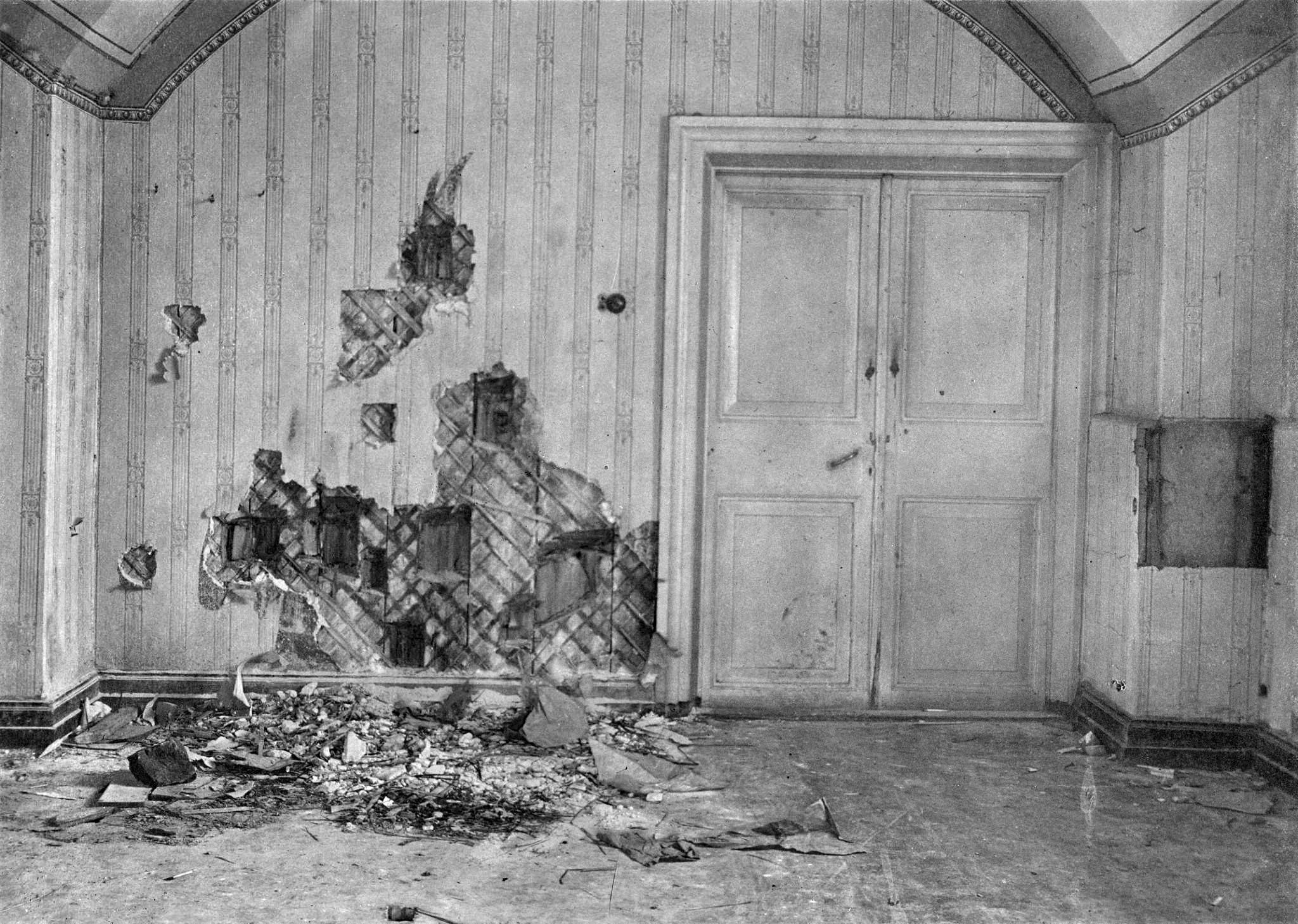
Murder of the Romanovs On July 17, 1918, the last Russian Emperor, Nicholas II, along with his wife Alexandra, their five children, and four loyal attendants, were executed by Bolshevik ...
Explore event →
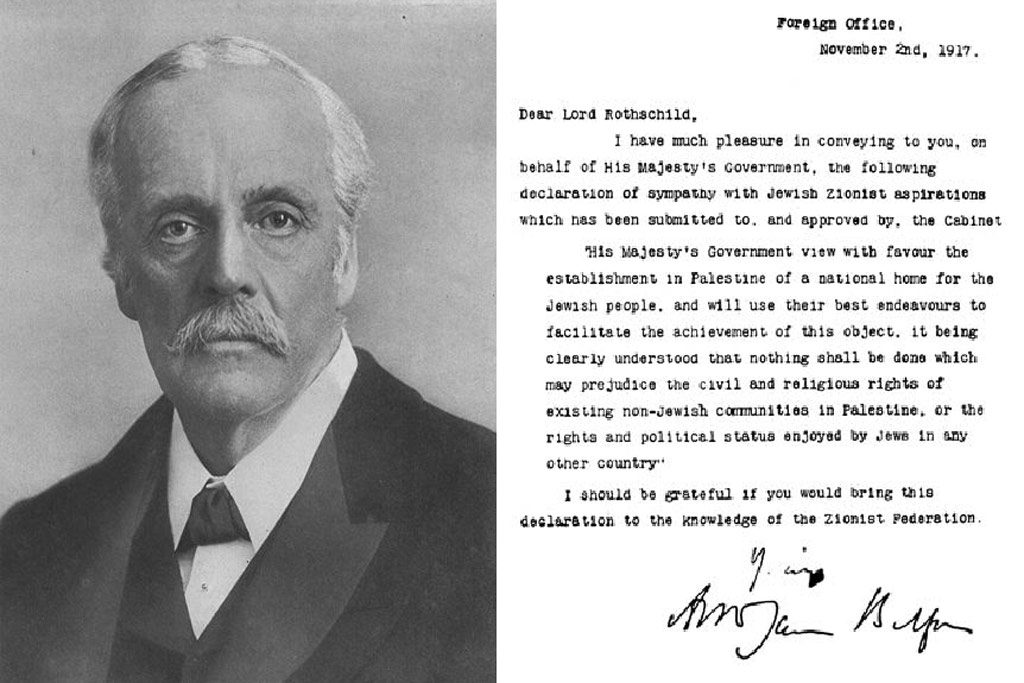
The Balfour Declaration was a public statement issued on November 2 1917 by the British government during World War I expressing support for the establishment of a national home for the J...
Explore event →
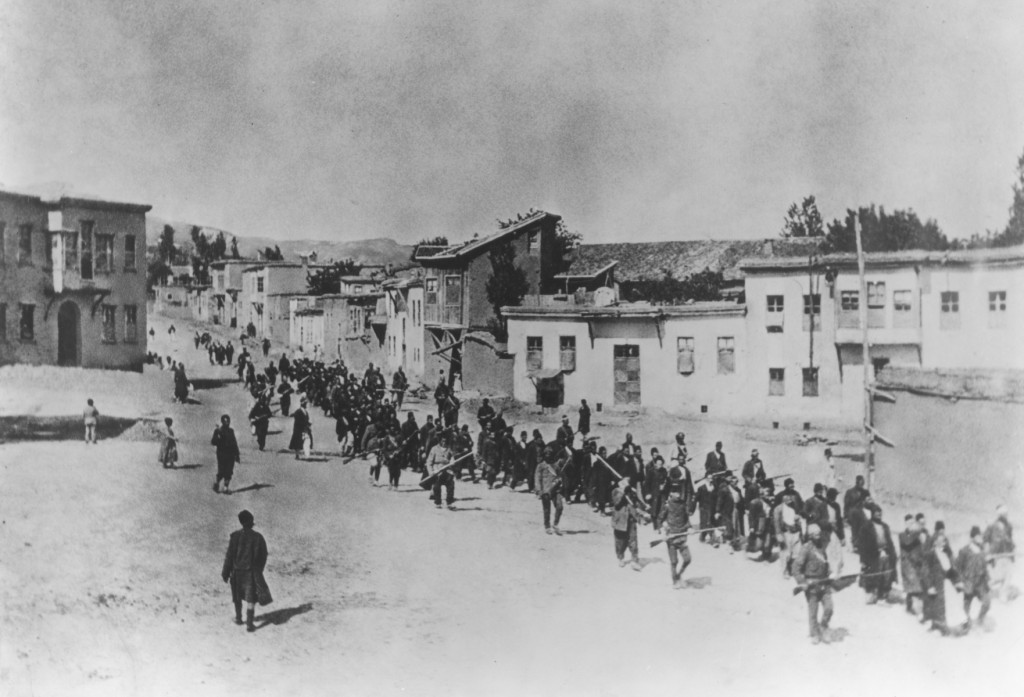
Armenian Genocide On April 24, 1915, Ottoman authorities arrested hundreds of Armenian intellectuals and community leaders in Constantinople. The arrests marked the beginning of a coordi...
Explore event →
19 February 1915 — British and French naval forces begin major operations against the Ottoman defenses of the Dardanelles. The Allies hope to force the straits, threaten Constantinople an...
Explore published research →
Assyrian Genocide On January 1, 1915, systematic attacks against Assyrian communities began in the eastern provinces of the Ottoman Empire during World War I. Assyrians, a Christian mino...
Explore event →
28 November 1912 — Delegates meeting at Vlorë proclaim Albania independent from the Ottoman Empire during the First Balkan War. Ismail Qemali leads the provisional government. Independenc...
Explore published research →
January–August 1912 — Albanian insurgents launch a major revolt against Ottoman authority. Rebel forces eventually enter Skopje and force the Ottoman government to accept substantial conc...
Explore published research →
1882 — British forces intervene during the Urabi Revolt and occupy Egypt. The country formally remains connected to the Ottoman Empire for decades, but British officials exercise decisive...
Explore published research →
1881 — Most of Thessaly and part of Epirus are transferred from Ottoman rule to Greece.
Explore published research →
10 June 1878 — Albanian political and religious leaders gather in Prizren as the Ottoman Empire faces defeat and territorial losses following the Russo-Turkish War. They fear that territo...
Explore published research →
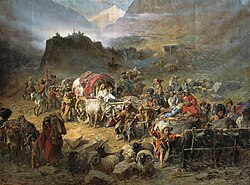
Circassian Genocide On May 21, 1864, the Russian Empire declared the end of the Caucasian War following the defeat of Circassian resistance in the northwest Caucasus. The conflict, which...
Explore event →
Theodor Herzl (May 2, 1860 – July 3, 1904) was an Austro‑Hungarian journalist, playwright, and writer who is considered a founder of modern political Zionism. Herzl promoted the idea of a...
Explore event →
1805–1848 CE — Muhammad Ali becomes Ottoman governor of Egypt but builds a virtually hereditary state under his family's control. He creates a new army, expands state agriculture, develop...
Explore published research →
1757–1831 — The Bushati family builds a powerful semi-autonomous political center around Shkodër while formally remaining within the Ottoman Empire. At its height, Bushati authority stret...
Explore published research →
Powerful Ottoman-Albanian ruler who builds an effectively autonomous state centered on Ioannina.
Explore published research →
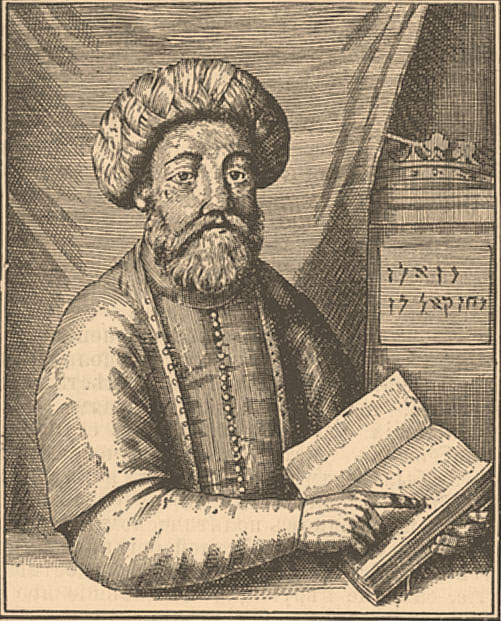
The Dönmeh were a religious community that emerged in the late 17th century within the Ottoman Empire, originating from followers of Sabbatai Zevi, a Jewish rabbi who declared himself the...
Explore event →
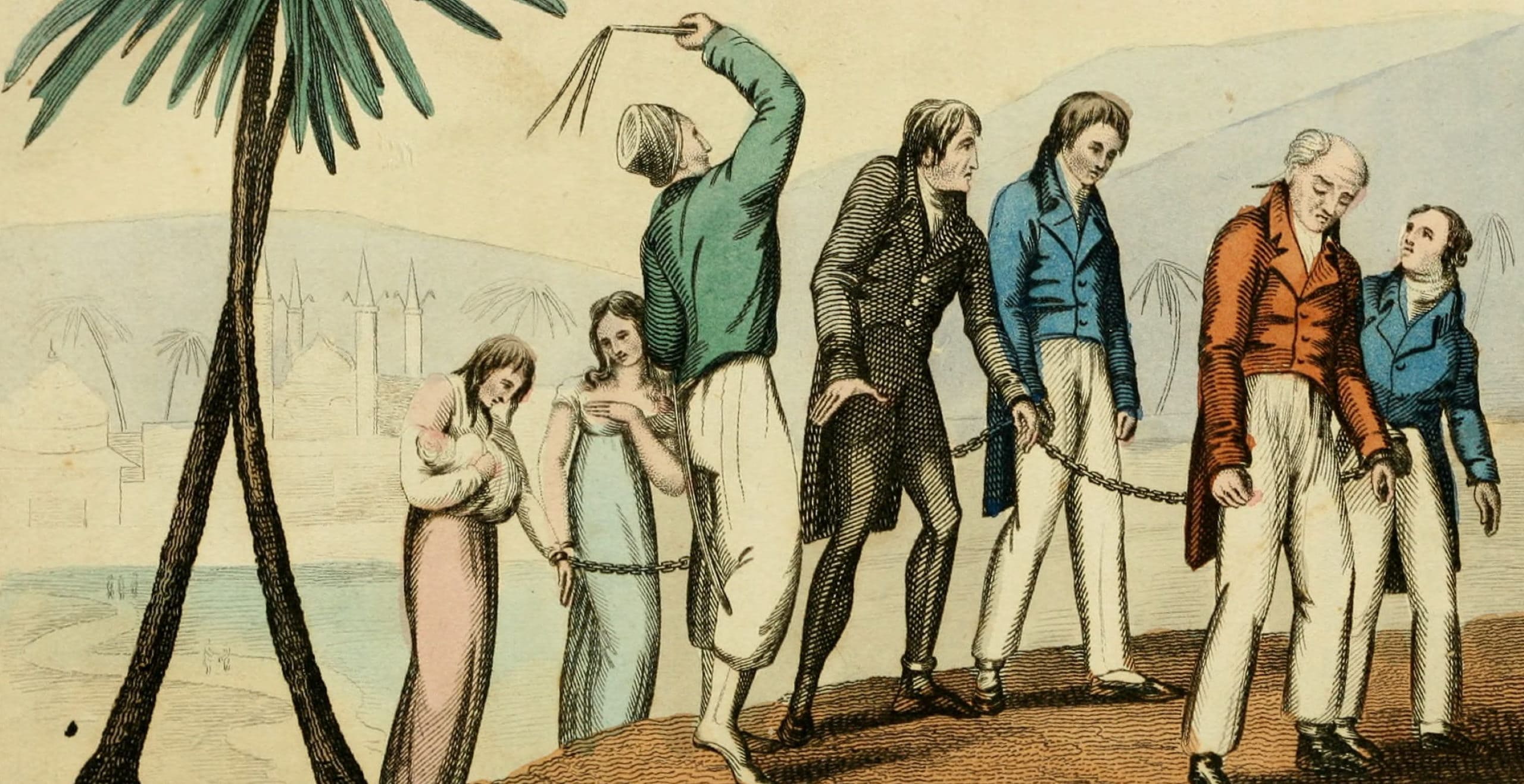
European Captives Sold Into Slavery By Barbary Pirates From the 16th to the 19th centuries, Barbary pirates operating from North Africa — including present-day Morocco, Algeria, ...
Explore event →
Expulsion of Jews from the Kingdom of Naples In 1540, Jewish communities in the Kingdom of Naples were expelled as the region came under the control of the Spanish crown and became subje...
Explore event →
1517–1798 CE — Egypt remains formally part of the Ottoman Empire for centuries while powerful local military households gain substantial autonomy. Agricultural taxes and Red Sea trade rem...
Explore published research →
1517 CE — Ottoman Sultan Selim I defeats the Mamluk Sultanate and incorporates Egypt into the Ottoman Empire. Cairo loses its status as the capital of an independent regional empire but r...
Explore published research →
16th–18th centuries — Islam spreads substantially among Albanian populations under Ottoman rule. Conversion varies greatly by region and period. Catholic communities remain especially imp...
Explore published research →
Expulsion of Jews from Portugal On December 5, 1497, King Manuel I of Portugal issued an edict requiring all Jews to either convert to Christianity or leave the kingdom. Unlike the Spani...
Explore event →
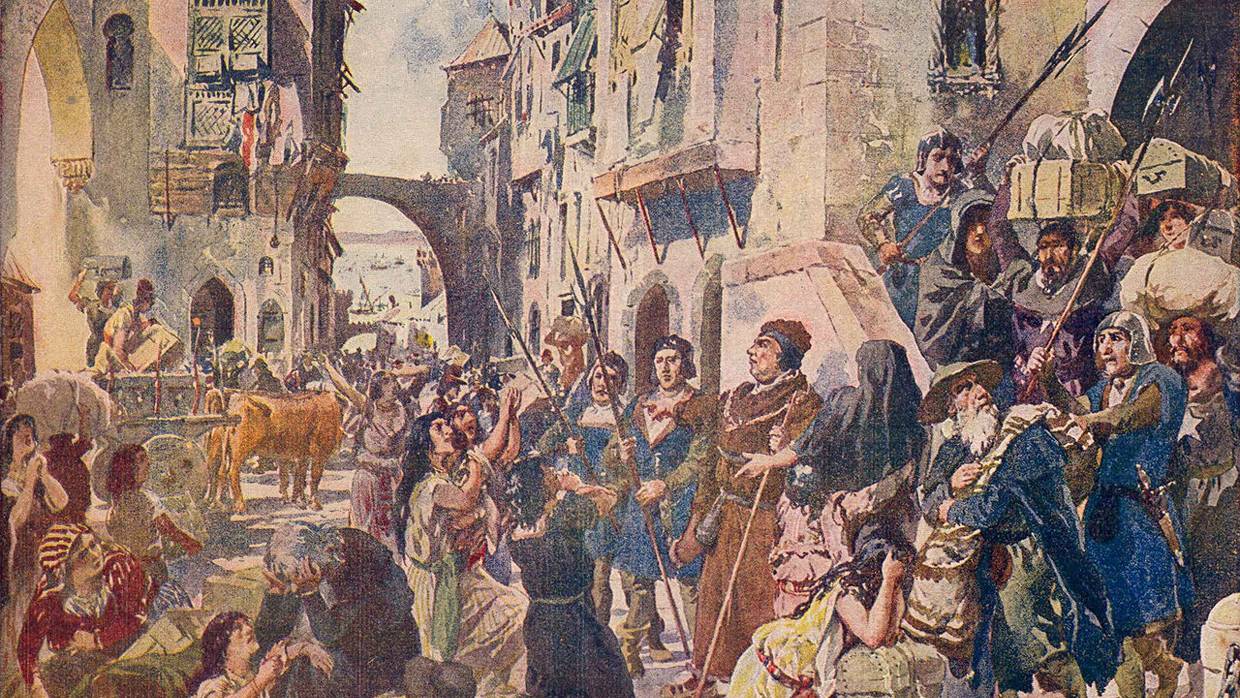
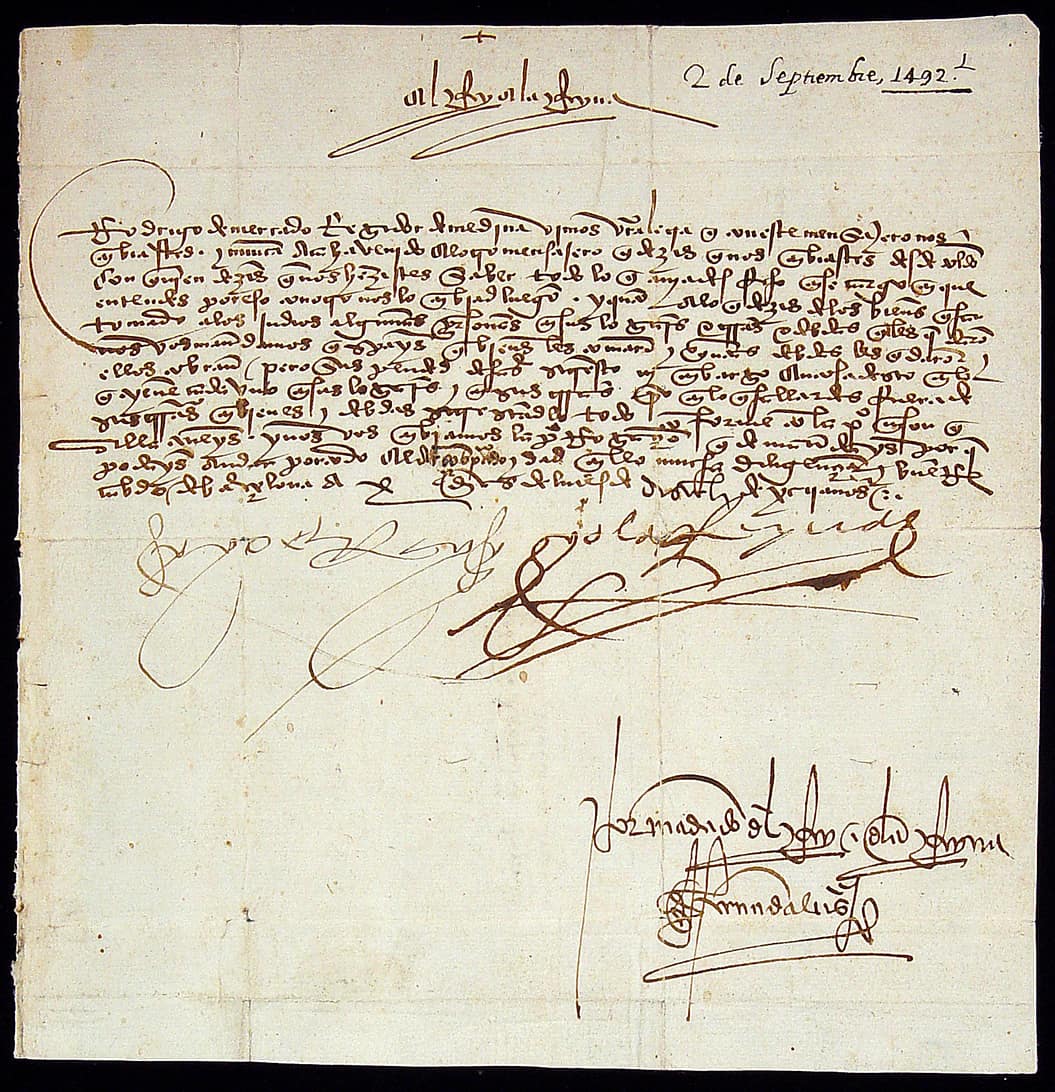
On March 31, 1492, the Catholic Monarchs of Spain, Isabella I of Castile and Ferdinand II of Aragon, issued the Alhambra Decree, ordering all Jews in Castile and Aragon to leave by July 3...
Explore event →
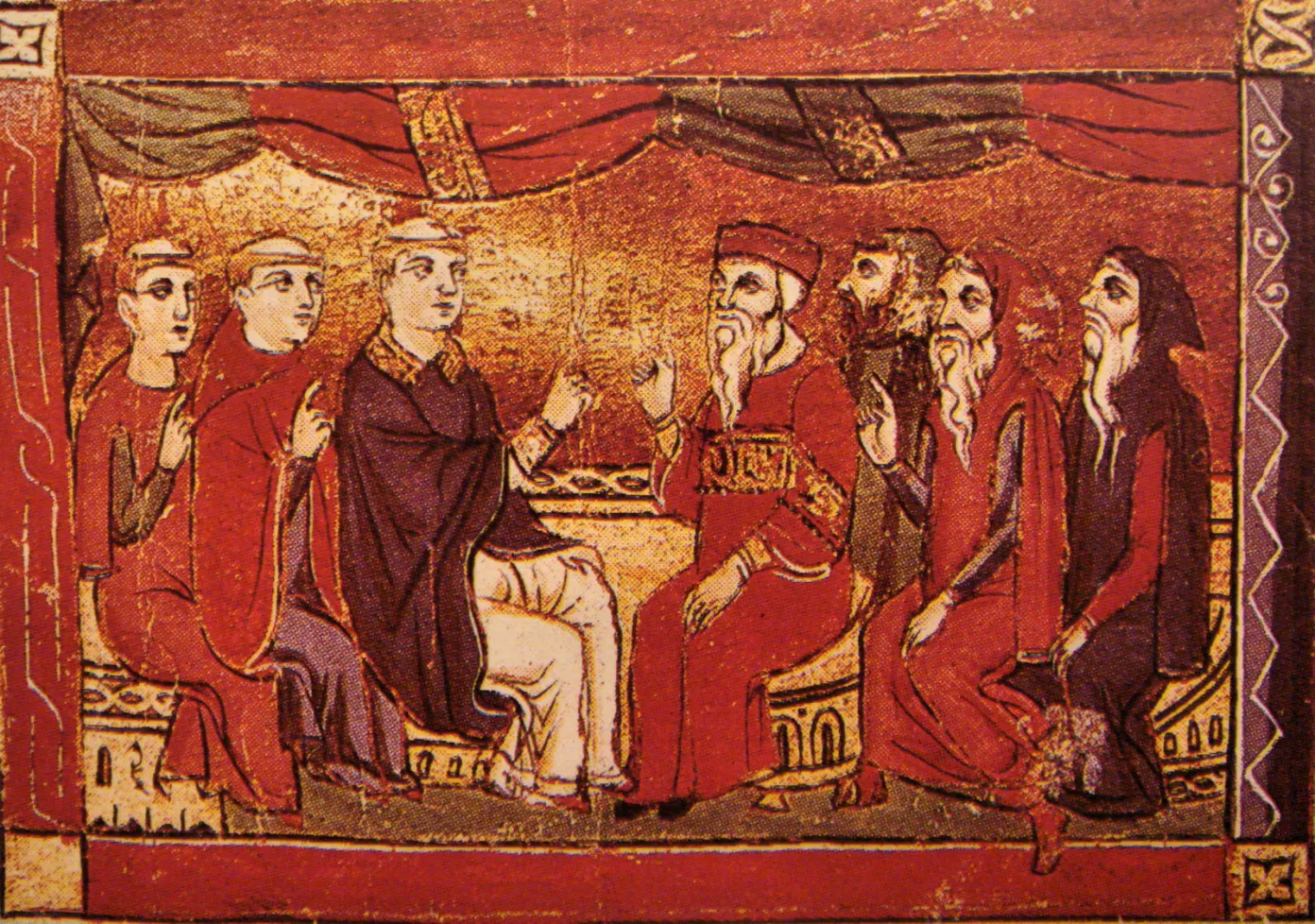
The Tome of Leo was issued as a formal declaration by Pope Leo I articulating the doctrinal position of the Church concerning the divine and human natures of Christ. This document was ins...
Explore event →
c. 1479–1912 — Most Albanian-inhabited territories remain within the Ottoman Empire for more than four centuries. Albanian elites participate extensively in Ottoman military and administr...
Explore published research →
1479 — After prolonged Ottoman pressure and a major siege, Venice agrees to surrender Shkodër to the Ottoman Empire. Ottoman control across most Albanian territories becomes increasingly ...
Explore published research →
17 January 1468 — Gjergj Kastrioti Skanderbeg dies at Lezhë after more than two decades as the central figure of Albanian resistance to Ottoman expansion. His leadership had helped unite ...
Explore published research →
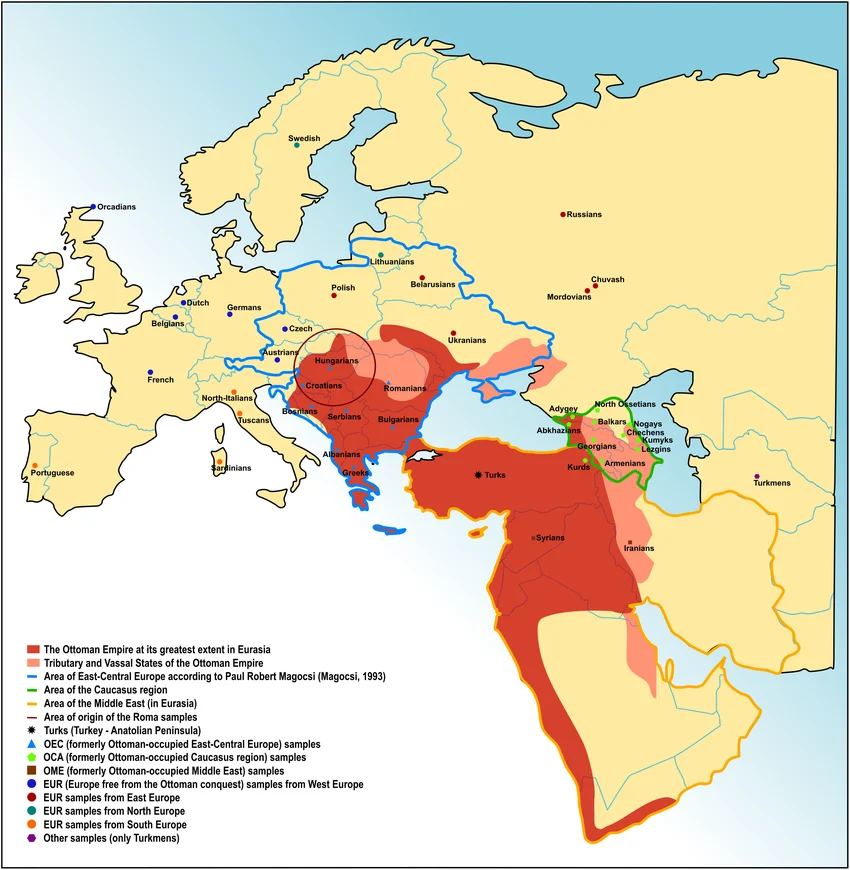
The Ottoman Empire expanded from a small Anatolian principality into one of the largest empires in history. Between the fourteenth and early twentieth centuries, Ottoman forces conquered ...
Explore event →
1450 — A major Ottoman army besieges Krujë, Skanderbeg's principal stronghold. The defenders hold the fortress, delivering one of the most famous victories of the Albanian resistance.
Explore published research →
2 March 1444 — Albanian nobles gather at Lezhë and form a military alliance under Skanderbeg's leadership. The League coordinates forces against Ottoman expansion while its member familie...
Explore published research →
Expulsion of Jews from Speyer On October 15, 1435, the city council of Speyer, a city within the Holy Roman Empire, issued an expulsion order for all Jewish residents. The decree require...
Explore event →
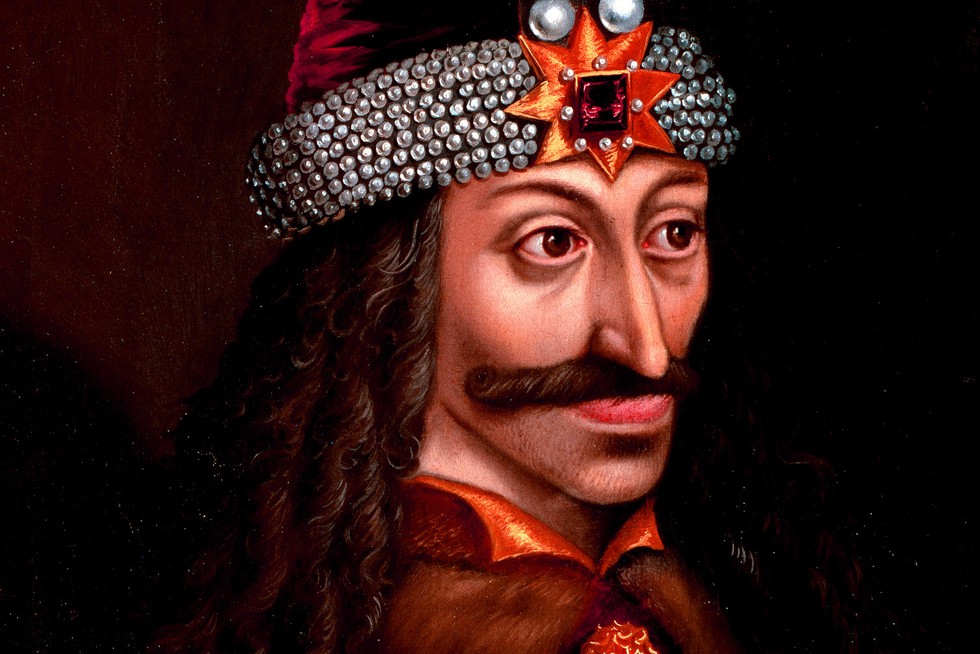
Vlad III Dracula, Prince of Wallachia Vlad III, also known as Vlad the Impaler or Dracula, was born in 1431 in Transylvania, part of the Kingdom of Hungary at the time. He beca...
Explore event →
Albanian noble and military commander who led a prolonged resistance against Ottoman expansion.
Explore published research →
15th–16th centuries — Waves of Albanian-speaking migrants settle in southern Italy and Sicily during the expansion of Ottoman rule. Their descendants, known as the Arbëresh, preserve dist...
Explore published research →
18 September 1385 — Ottoman forces defeat Balša II near the lower Vjosa. The battle demonstrates the growing ability of the Ottoman state to intervene directly in Albanian political strug...
Explore published research →
c. 1355–1444 — Families including the Thopia, Muzaka, Balsha, Dukagjini and Kastrioti control competing territories. Albania is politically fragmented rather than unified, while Venice an...
Explore published research →
The Christian Church formally split into the Roman Catholic and Eastern Orthodox branches. Doctrinal, cultural, and political differences led to mutual excommunications. The division re...
Explore event →
641 CE — Muslim authorities establish Fustat near the old Roman fortress of Babylon on the Nile. The city becomes the administrative center of Islamic Egypt and develops into a major comm...
Explore published research →
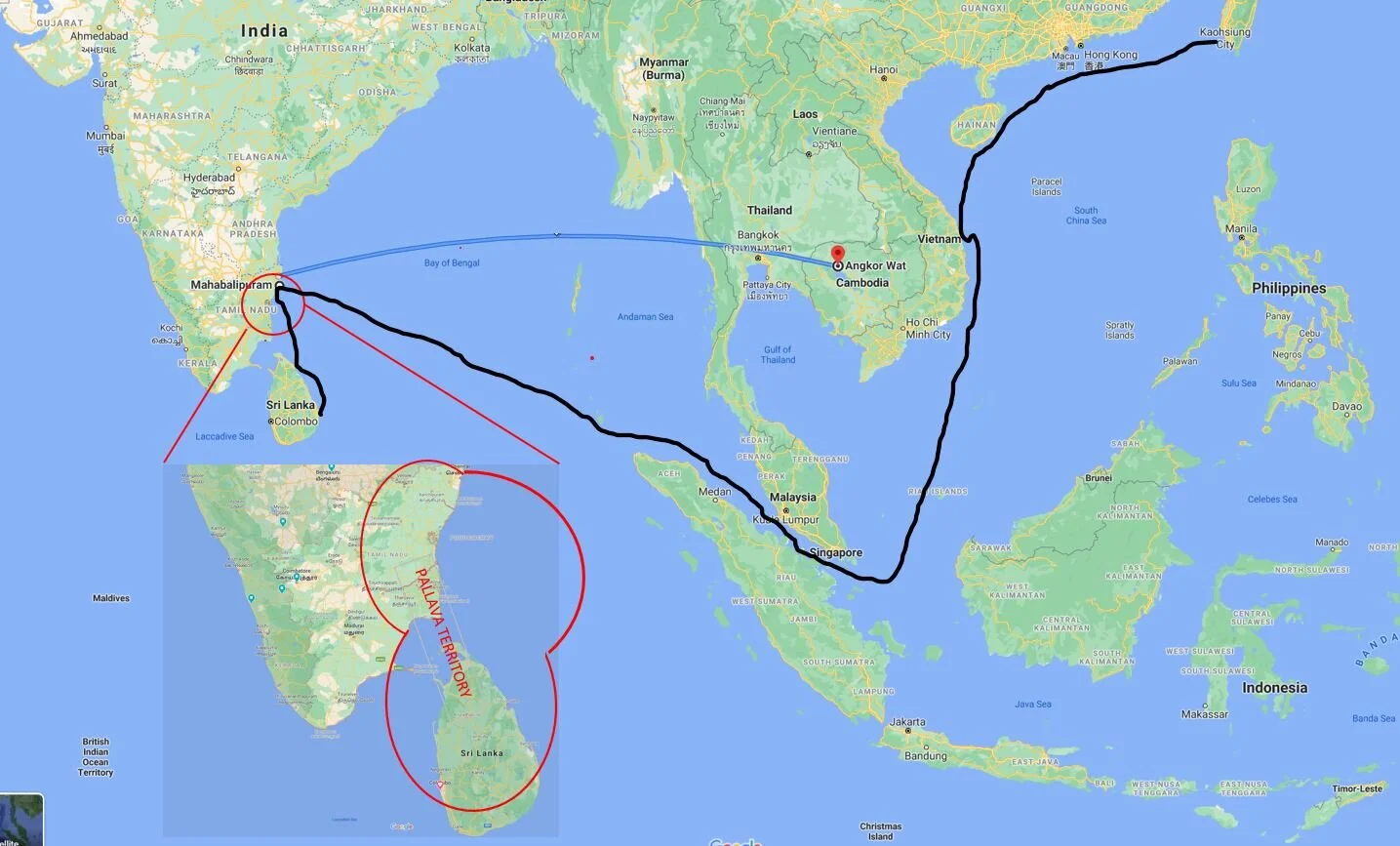
The Pallava dynasty emerged as a dominant power in South India during the early medieval period. Centered around the city of Kanchipuram, they established a strong political and military ...
Explore event →
The last Western Roman emperor, Romulus Augustulus, was deposed. This event traditionally marks the end of ancient Rome and the beginning of the Middle Ages. Christian institutions beca...
Explore event →
395–641 CE — Egypt becomes part of the eastern Roman Empire centered on Constantinople, later called Byzantine. Alexandria remains one of Christianity's major intellectual centers. Intens...
Explore published research →
395 CE — After the death of Theodosius I, administration of the Roman Empire is divided between eastern and western courts. The territories of modern Albania remain primarily within the e...
Explore published research →
The resurrection of Jesus Christ marks a central event in Christian belief, symbolizing his victory over death. Following his crucifixion, accounts describe Jesus rising from the dead on ...
Explore event →
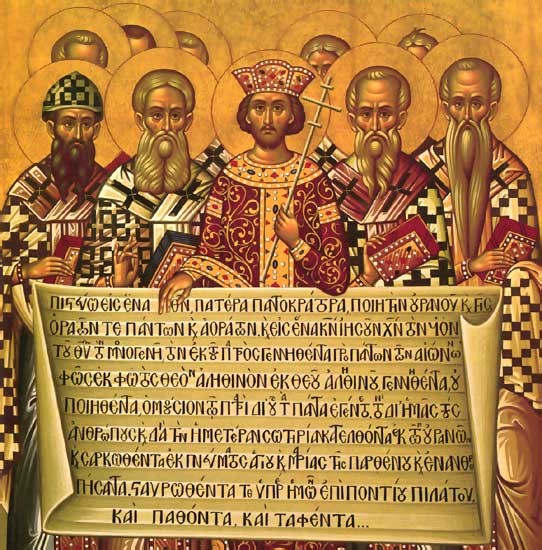
The Edict of Milan, issued in 313 CE by Roman emperors Constantine I and Licinius, granted religious tolerance throughout the Roman Empire. It ended the persecution of Christians and allo...
Explore event →
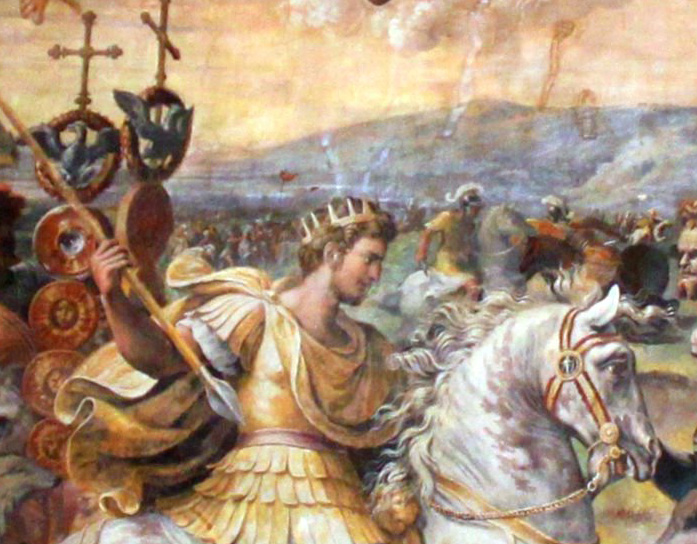
Emperor Constantine converted to Christianity after the Battle of the Milvian Bridge. His conversion led to the legalization of Christianity within the Roman Empire. This marked Christi...
Explore event →
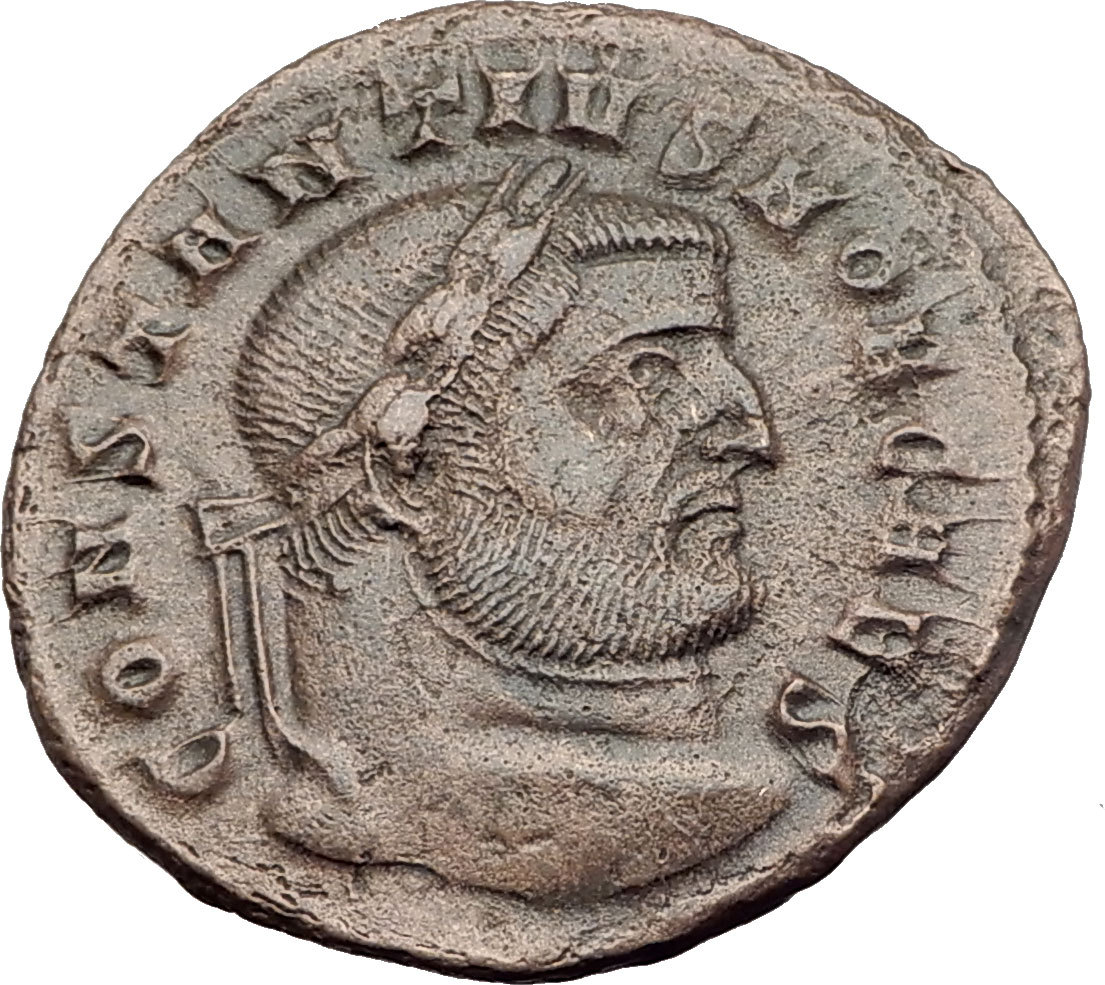
Constantius Chlorus was elevated to the rank of Augustus on May 1st, 305, following the abdication of the previous Tetrarchs, Diocletian and Maximian. This event marked a significant tran...
Explore event →
Maximian, co-emperor of the Roman Empire, formally abdicated his position alongside Diocletian. This marked a significant moment in the Tetrarchy system, a power-sharing arrangement invol...
Explore event →
Emperor Diocletian formally abdicated the throne, marking a rare voluntary withdrawal from power by a Roman emperor. This significant event occurred as part of the Tetrarchy system he had...
Explore event →
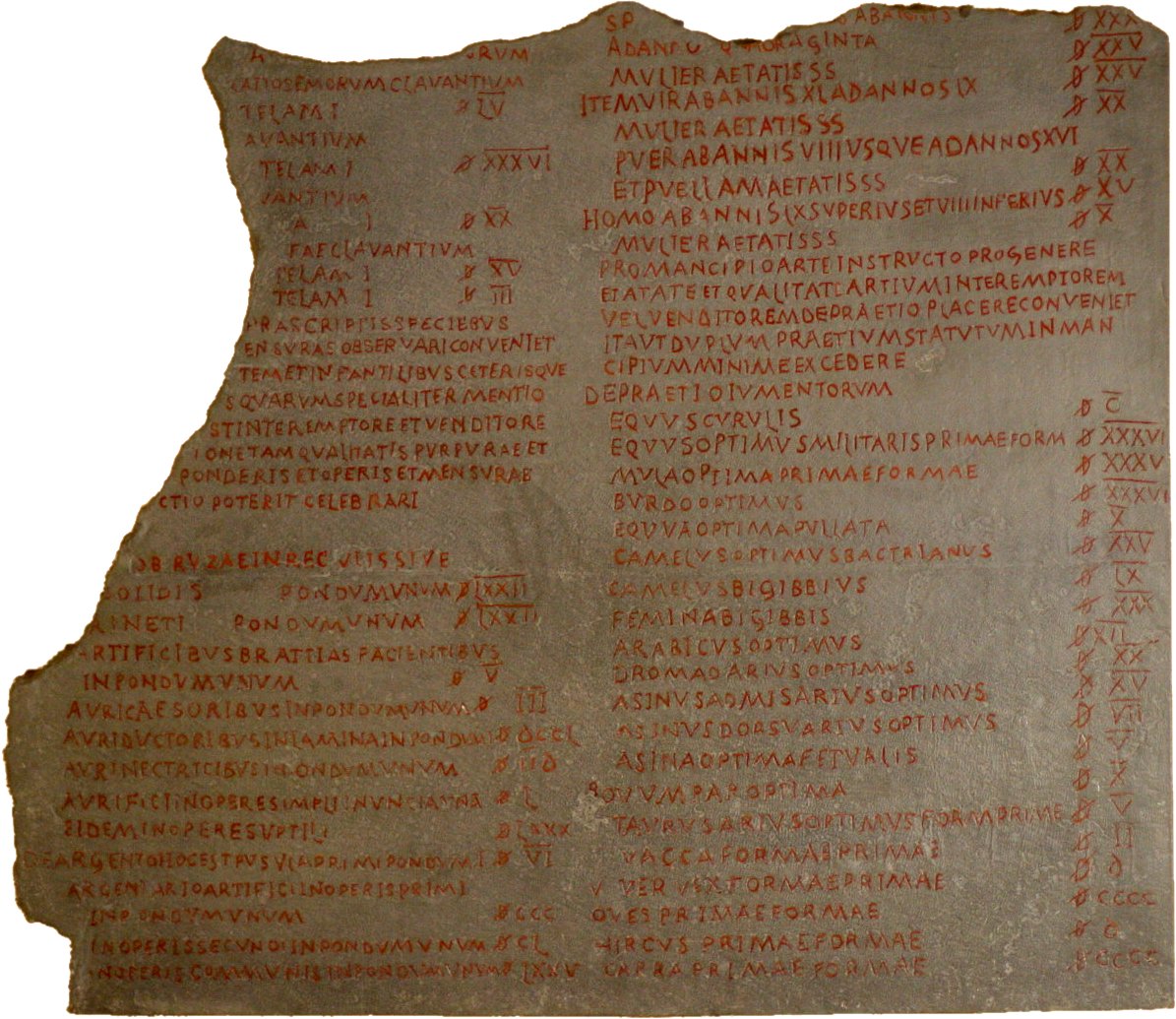
The Edict on Maximum Prices was promulgated under Emperor Diocletian in an effort to curb rampant inflation throughout the Roman Empire. The edict set maximum prices for over a thousand g...
Explore event →
Galerius was appointed Caesar by Emperor Diocletian as part of the tetrarchy reform intended to stabilize and govern the Roman Empire more effectively. His promotion marked a key moment i...
Explore event →
Constantius Chlorus was appointed Caesar by Emperor Diocletian as part of the Tetrarchy system to stabilize and govern the Roman Empire more effectively. This appointment marked the begin...
Explore event →
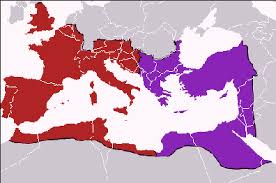
The Tetrarchy was established by Emperor Diocletian in 293 to address administrative and military challenges in the Roman Empire. This political system divided the empire into four parts,...
Explore event →
In April, the Roman Emperor Diocletian appointed Maximian as Augustus, elevating him to co-emperor status to help manage the vast Roman Empire. This move was part of a broader strategy to...
Explore event →
In April 286, the Roman Emperor Diocletian appointed Maximian as Caesar, marking a significant development in imperial governance. This act was meant to strengthen the administration and ...
Explore event →
Carausius, a Roman naval commander, declared himself emperor in Britain and northern Gaul after seizing power around 286 CE. His revolt challenged the authority of the central Roman Empir...
Explore event →
The Battle of the Margus was a significant confrontation between Emperor Carinus and his rival, Diocletian, near the Margus River in the Roman province of Moesia Superior. This battle mar...
Explore event →
The Battle of the Margus was a significant confrontation during the Roman civil wars, taking place near the city of Margus in the Roman province of Moesia. The conflict was fought between...
Explore event →
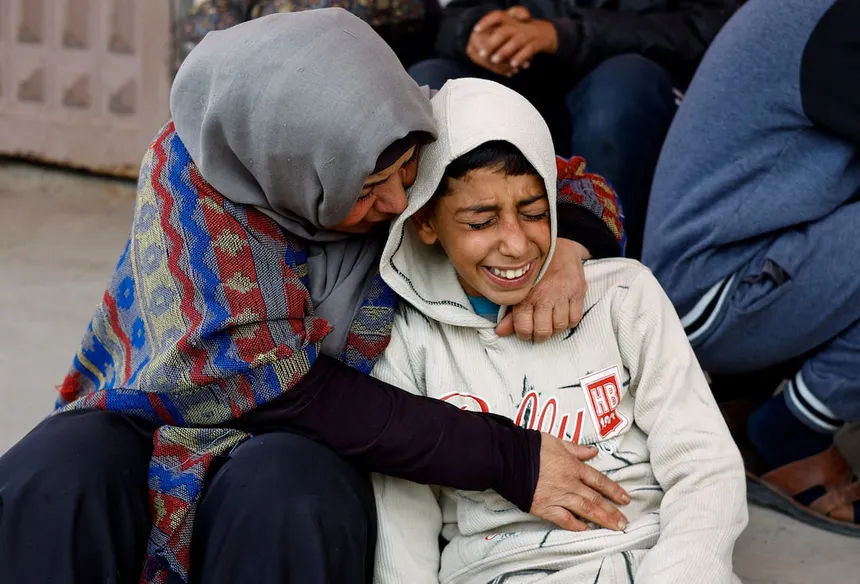
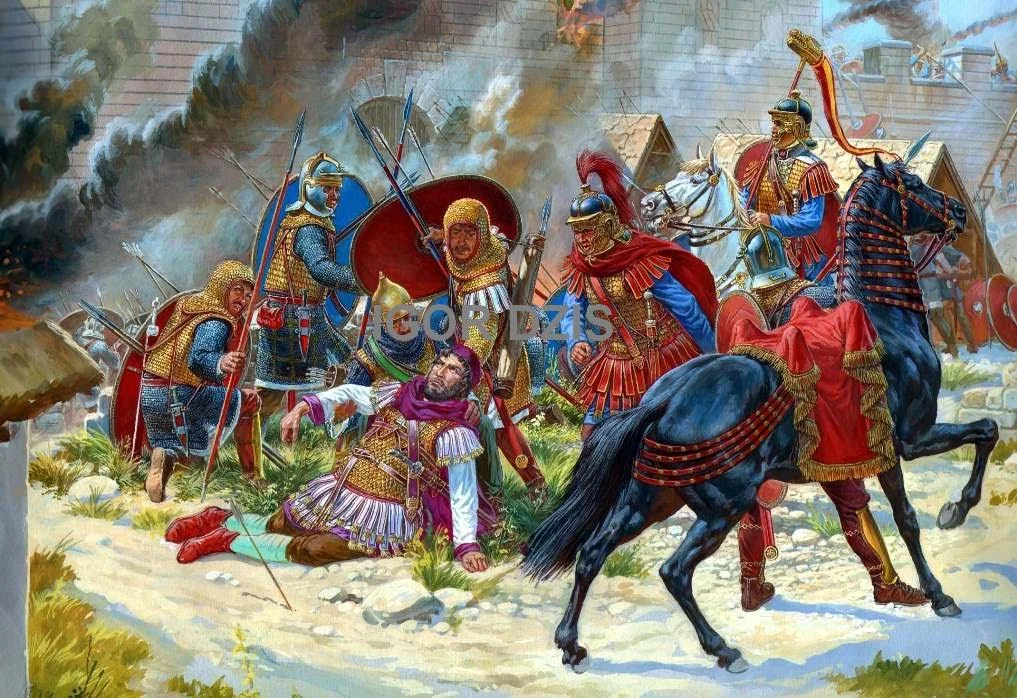
Emperor Carinus was killed in battle against the forces loyal to his rival, Diocletian, near the Margus River. The conflict marked the end of Carinus's brief reign and a turning point in ...
Explore event →

The Battle of the Margus was a significant confrontation between the Roman emperors Carinus and Diocletian. The battle took place near the Margus River, in the region of Mačva, which is i...
Explore event →

Roman Emperor Numerian died under suspicious circumstances while returning from a campaign in the East. His death was discovered by his troops near the region of Corduene.After his death,...
Explore event →

Diocletian was proclaimed emperor by his troops in Nicomedia following the death of Emperor Carus. His rise marked the end of a period of civil wars and instability in the Roman Empire.Di...
Explore event →

After the death of Emperor Carus during a campaign in Persia, his son Numerian became the new Roman Emperor. The accession was initially peaceful, with Numerian holding power alongside hi...
Explore event →

Emperor Carus, ruler of the Roman Empire, died during a military campaign in Mesopotamia. His death occurred while leading troops against the Sassanian Empire in a conflict over control o...
Explore event →
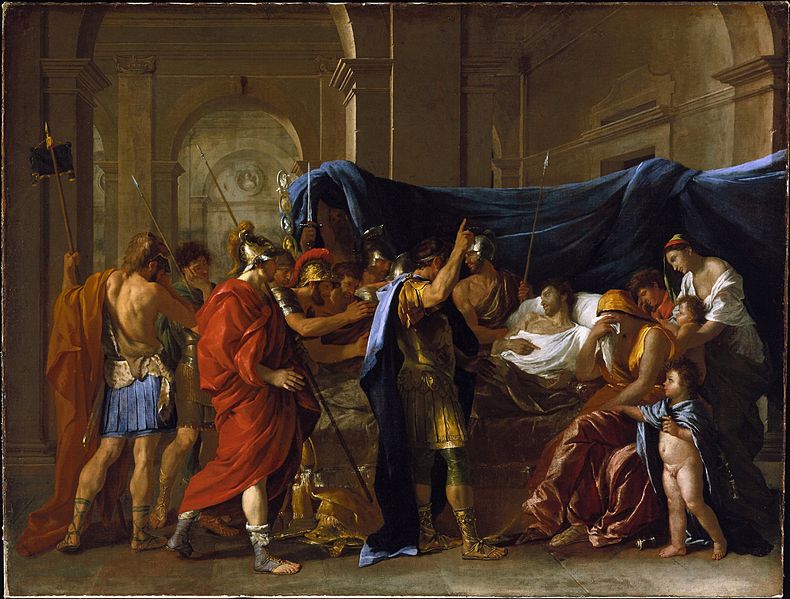
Carinus became Roman Emperor following the death of his father, Emperor Carus, in late March. His accession marked a period of internal instability as the empire faced multiple external t...
Explore event →

The Roman Emperor Carus launched a military campaign against the Sasanian Empire, targeting their capital, Ctesiphon. The campaign sought to counter Persian influence in the region and as...
Explore event →

Emperor Probus was assassinated by his own soldiers after numerous military campaigns to secure the Roman Empire's borders. His leadership was challenged internally despite his successes ...
Explore event →
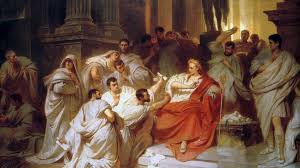
Carus was proclaimed emperor of the Roman Empire shortly after the death of Emperor Probus. His accession marked a shift in imperial policy as he sought to stabilize the empire's borders ...
Explore event →
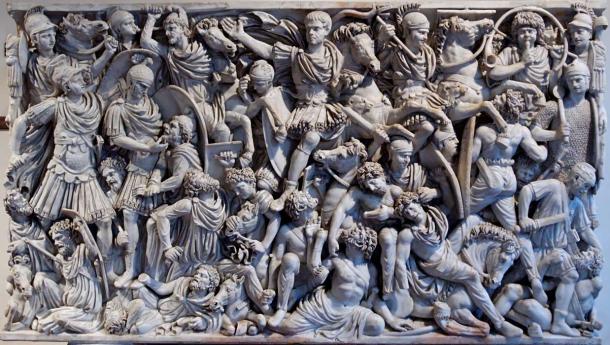
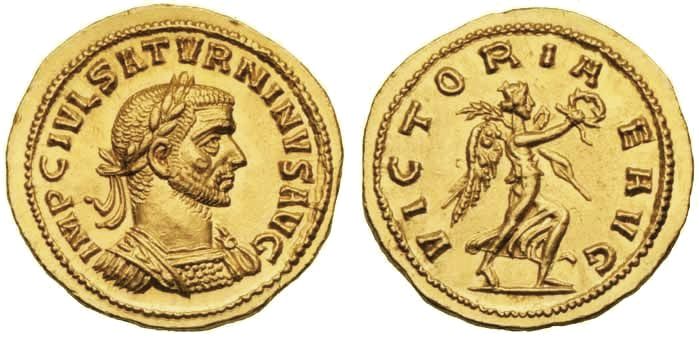
The revolt led by Lucius Antonius Saturninus was an important military uprising against Emperor Probus within the Roman Empire. It began in Moesia Superior, where Saturninus was stationed...
Explore event →
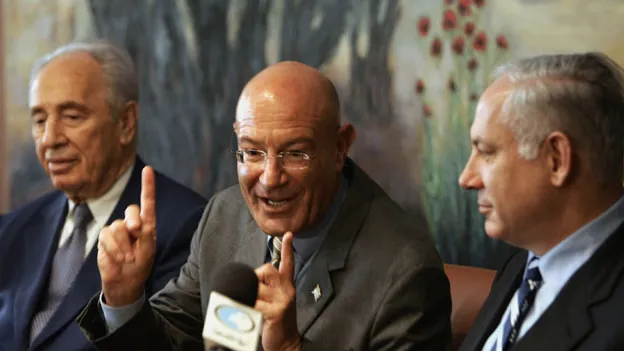
Emperor Probus led the Roman legions to repel multiple Germanic invasions along the Danube frontier. These incursions threatened the stability of the northern borders of the Roman Empire ...
Explore event →

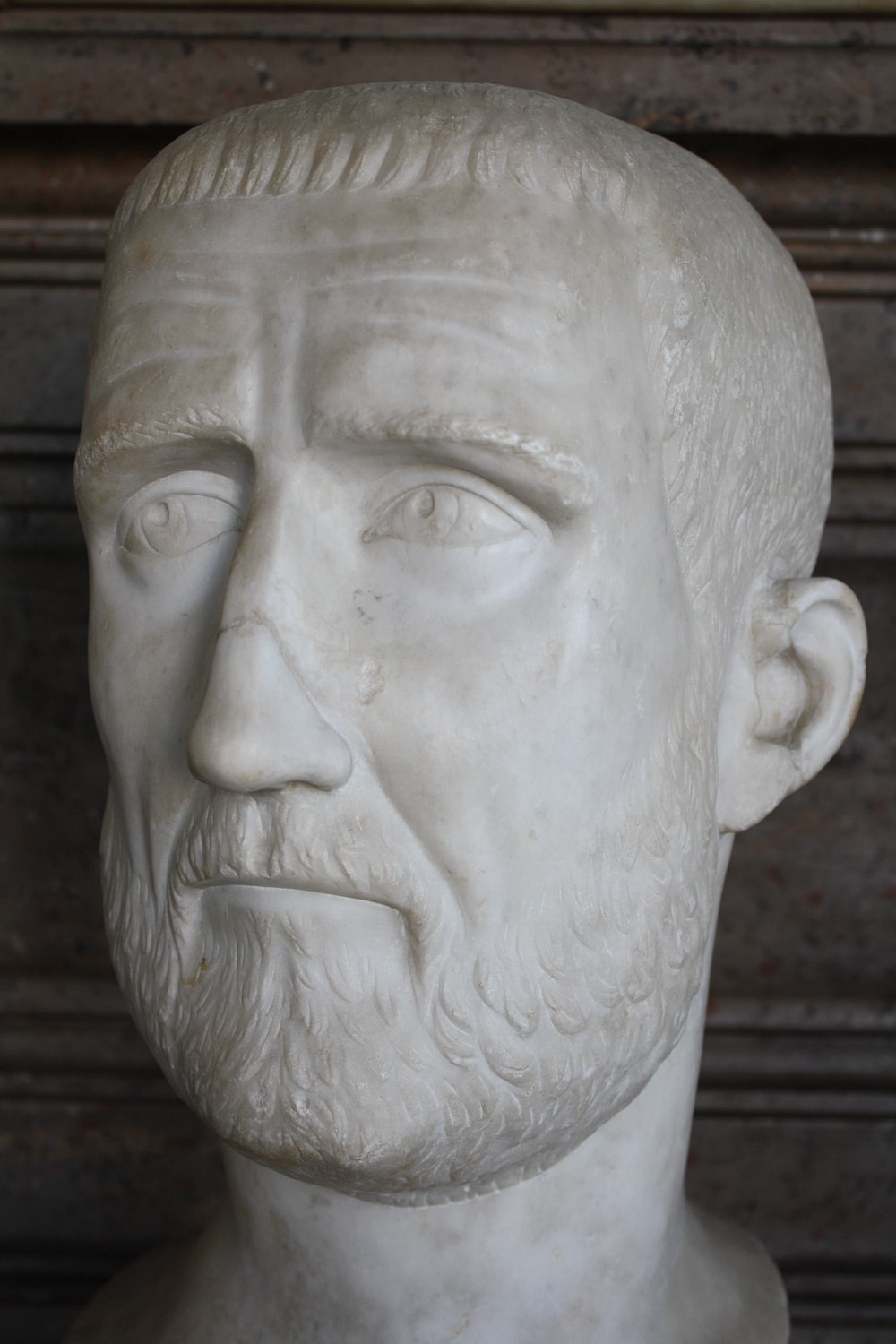
Marcus Aurelius Probus was proclaimed Roman Emperor by his troops in September 276 after the death of Emperor Florianus. His accession marked a period of efforts to restore stability with...
Explore event →

Emperor Aurelian, a prominent ruler of the Roman Empire known for his military prowess, was assassinated by his own soldiers in late September. The assassination occurred as the emperor p...
Explore event →
Tacitus was proclaimed Roman Emperor following the death of Emperor Aurelian. His ascension marked a brief but significant moment in the Crisis of the Third Century, reflecting ongoing in...
Explore event →