Estonia government loses majority
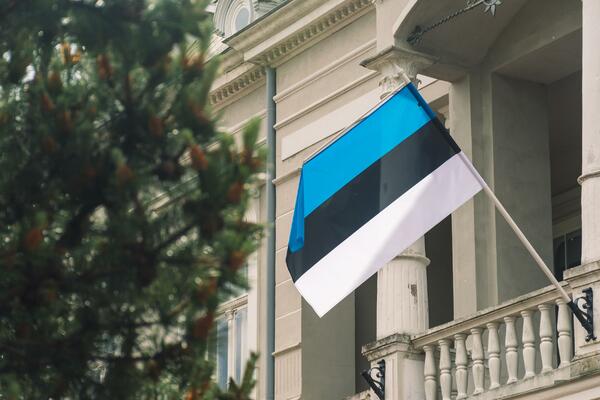
Estonia's governing coalition lost its parliamentary majority on August 10, 2026, after two members of parliament left parties belonging to the government. The defections reduced the coal...
Explore event →History does not happen in isolation. Explore world events across time, follow the connections between them, and investigate the threads that reveal how one event can lead to another.

TheTimeMap currently follows events across 95 countries and 268 years of history — building a connected archive designed for people who want to look beyond the headline.
We oppose antisemitism, racism, and dehumanization — everywhere.
When people stop feeling, injustice becomes easy.
Estonia's governing coalition lost its parliamentary majority on August 10, 2026, after two members of parliament left parties belonging to the government. The defections reduced the coal...
Explore event →

British Prime Minister Keir Starmer announced his resignation as leader of the Labour Party and stated that he would step down as prime minister once a successor is chosen. The announceme...
Explore event →
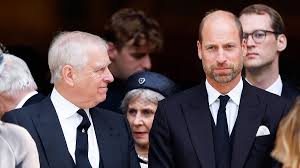
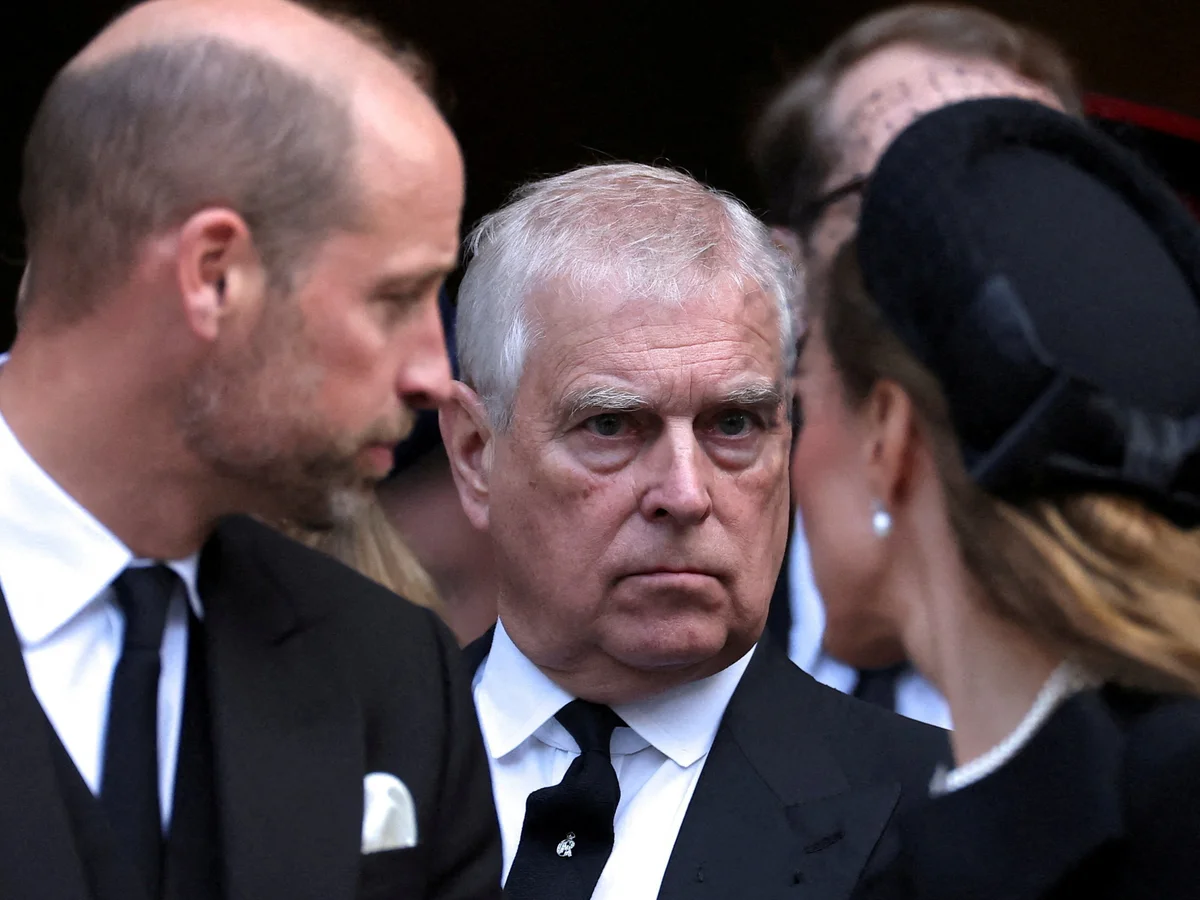
This Is The Arrest Of Former Prince Andrew And Trump’s Reaction On February 19, 2026, Andrew Mountbatten-Windsor, formerly known as Prince Andrew of the British royal family, was arreste...
Explore event →
On February 11, 2026, the U.S. Department of Justice, under the Trump administration, abruptly fired Donald T. Kinsella as U.S. Attorney for the Northern District of New York just hours a...
Explore event →
On February 9, 2026, Prince William and Princess Catherine broke their prolonged silence over revelations emerging from the U.S. Justice Department’s release of the so‑called “Epstein fil...
Explore event →
Ukraine backs Pope’s Olympic truce call amid war with Russia On February 7, 2026, Ukraine’s government publicly supported a proposal by Pope Leo and Italy to establish a temporary ceasef...
Explore event →
Event Timeline body { font-family: Arial, sans-serif; background-color: #f4f4f9; margin: 0; padding: 0; } .timeline-container { max-width: 900px; margin: 50px auto; p...
Explore event →
On January 14, 2026, RJ May, (Robert John May III), a former South Carolina state representative for District 88, was sentenced to 17.5 years in federal prison after being convicted of di...
Explore event →
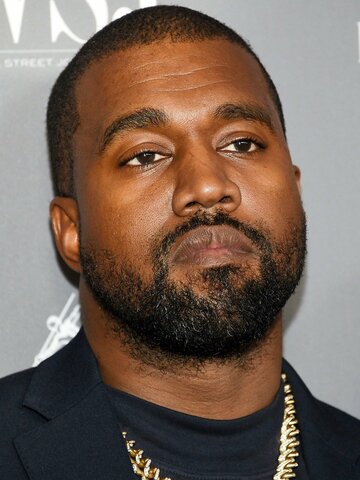
American artist Kanye West, also known as Ye, released a song titled “Heil Hitler” on May 8, 2025, which generated widespread international criticism. The track included references to Naz...
Explore event →
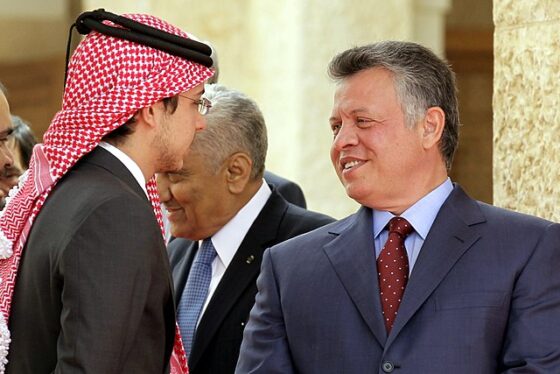
King Abdullah II of Jordan visited the Western Wall in Jerusalem during an official diplomatic visit. He followed local protocols, including wearing a skullcap and touching the stones in ...
Explore event →
In 2019, following the widely criticised BBC interview in which Prince Andrew addressed his relationship with convicted sex offender Jeffrey Epstein, Prince William reportedly began pushi...
Explore event →
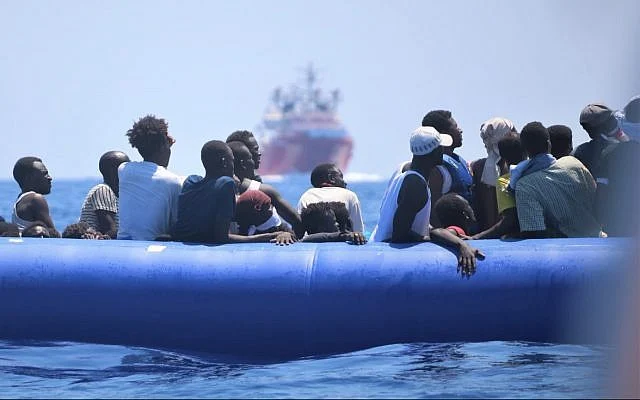
Israeli and Jewish aid groups support migrant and refugee assistance in Europe On September 5, 2015, IsraAID, an Israeli non-governmental organization founded in 2001 to provide disaster...
Explore event →
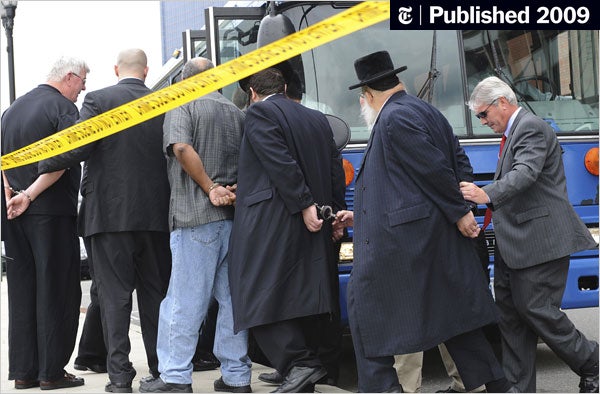
Operation Bid Rig was a federal investigation into public corruption and related criminal activity in New Jersey conducted by the Federal Bureau of Investigation, the Internal Revenue Ser...
Explore event →
11 December 1990 — Albania's communist leadership accepts the legalization of independent political parties. The decision effectively ends the political monopoly created after World War II.
Explore published research →
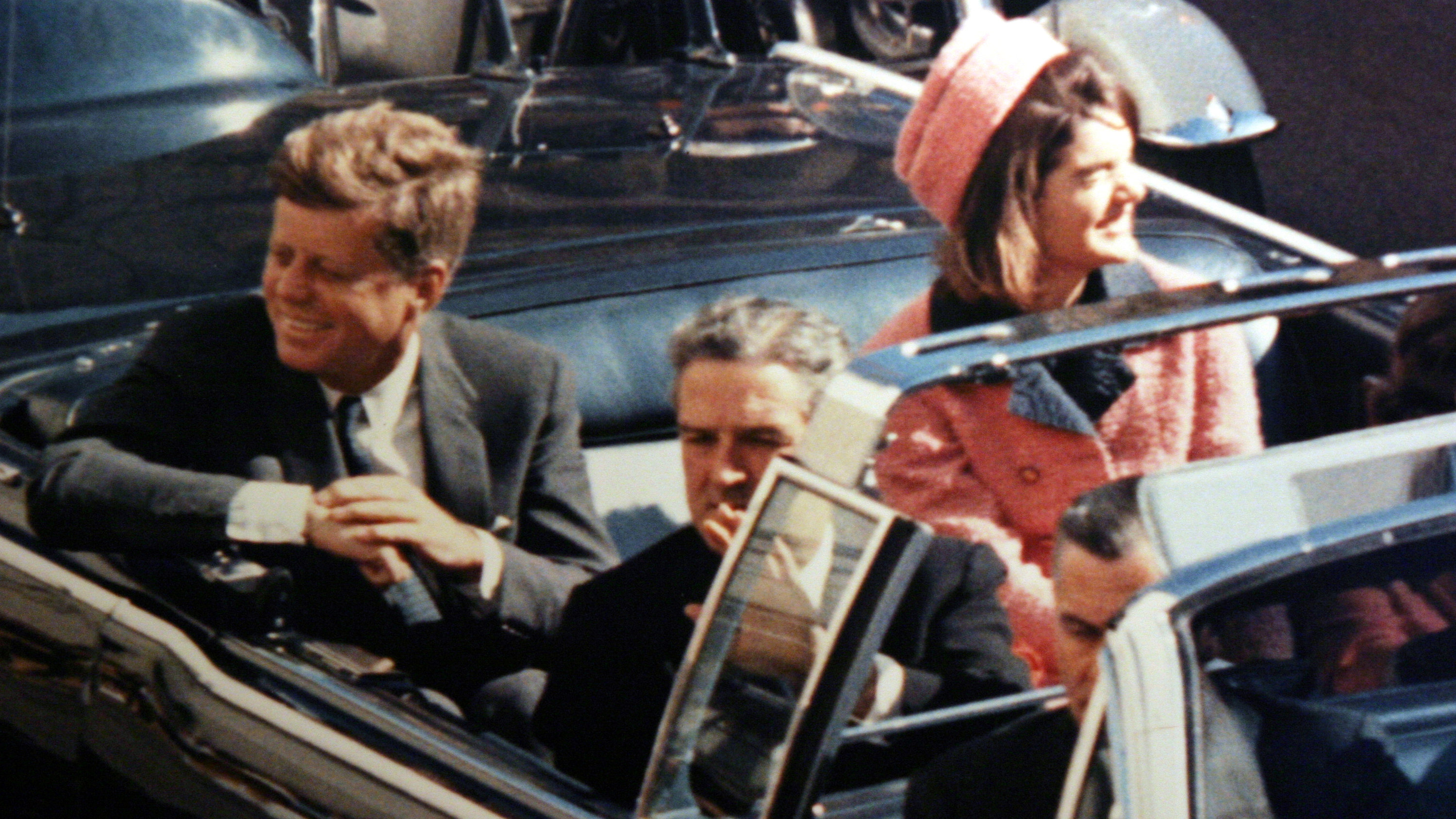
The assassination of John F. Kennedy, the 35th President of the United States, occurred on November 22, 1963, in Dallas, Texas. Kennedy was fatally shot while riding in a motorcade throug...
Explore event →
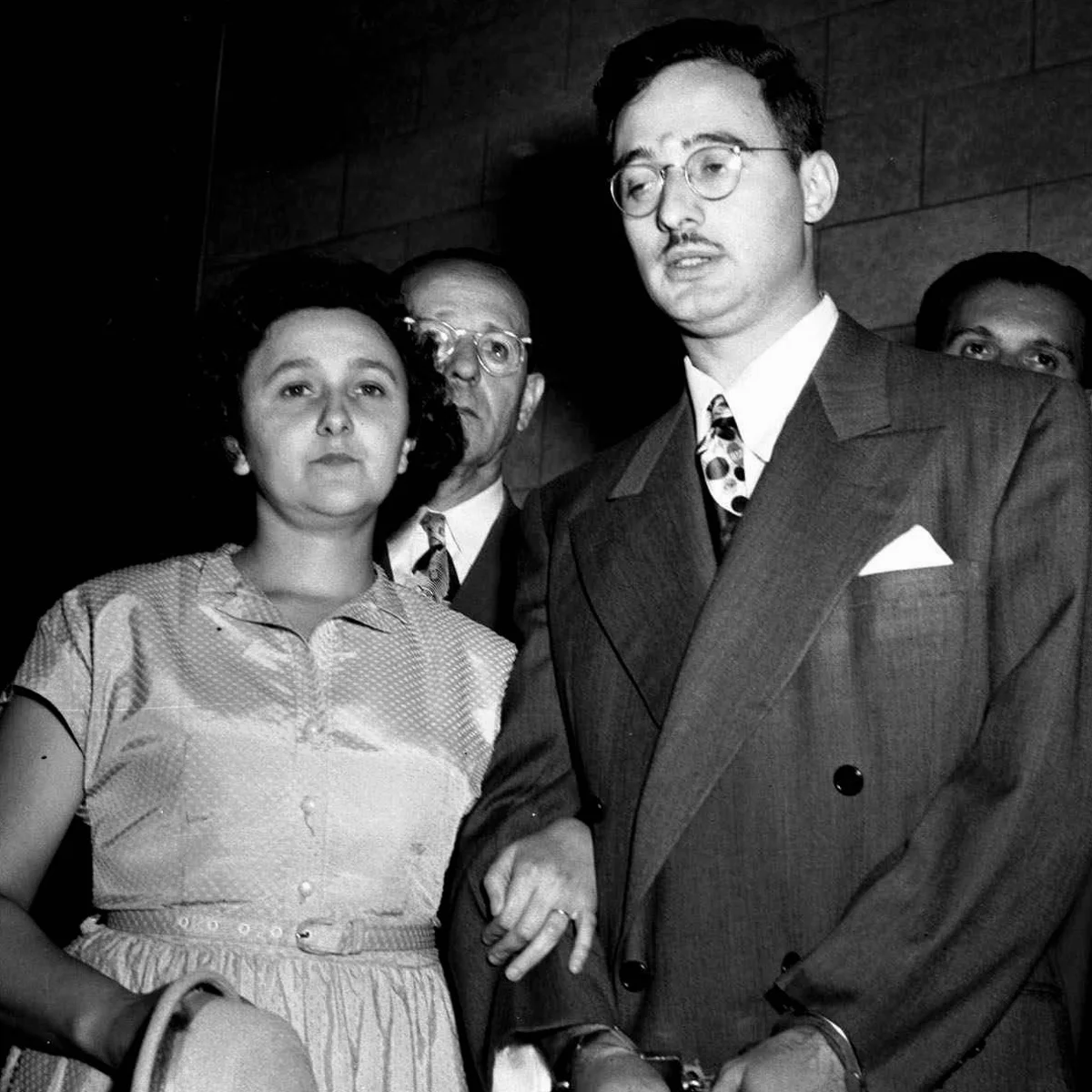
Julius and Ethel Rosenberg Executed for Espionage On June 19, 1953, Julius Rosenberg and Ethel Rosenberg were executed at Sing Sing Prison in Ossining, New York, after being convicted of...
Explore event →
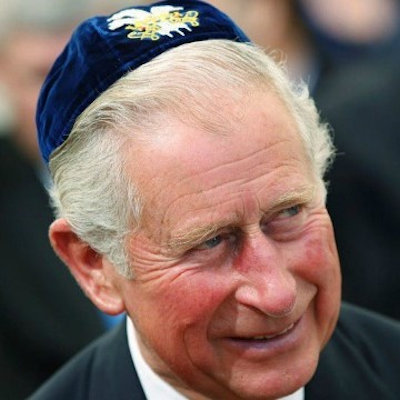
Allegations have circulated claiming that King Charles III was circumcised in December 1948 shortly after his birth at Buckingham Palace. The accounts state the procedure allegedly took p...
Explore event →
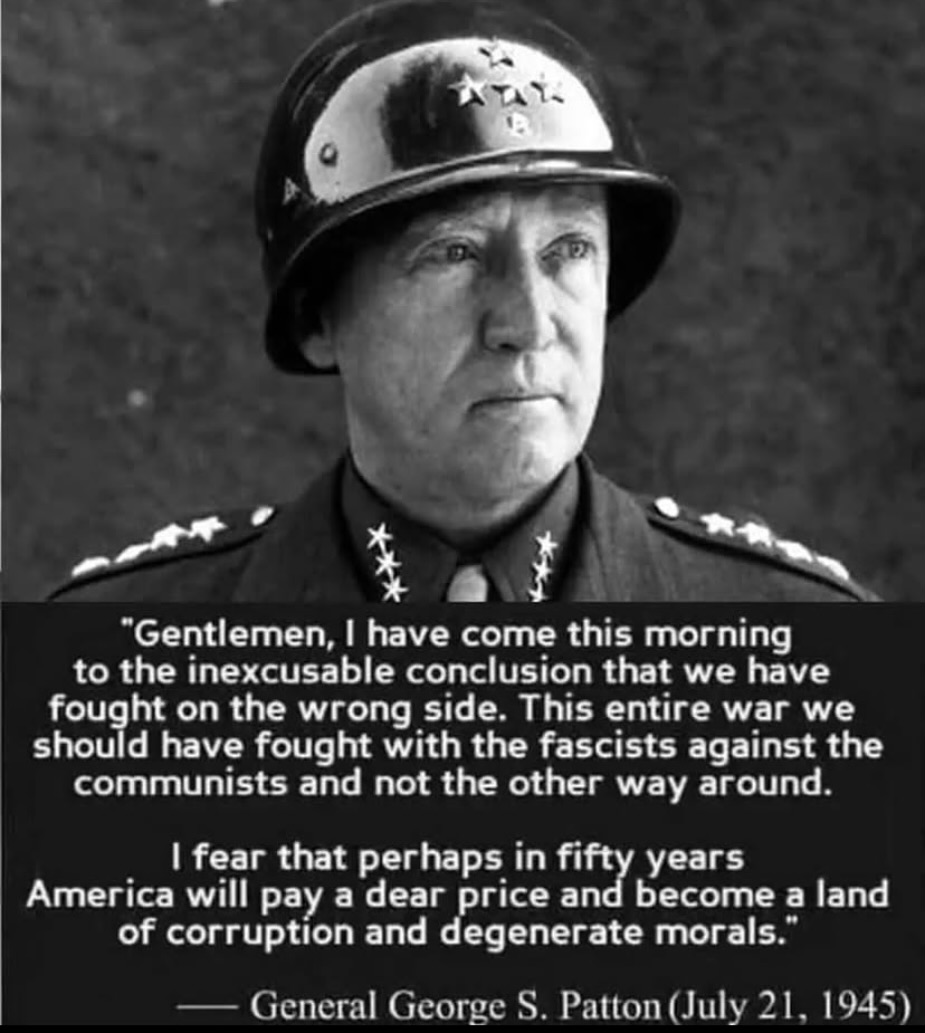
General George S. Patton, a senior U.S. Army officer in World War II, died on December 21, 1945, in Heidelberg, Germany, following injuries sustained in a car accident on December 9, 1945...
Explore event →
Victory over Japan (VJ) Day marked Japan's formal surrender aboard the USS Missouri, ending World War II entirely. This day is remembered for the conclusion of one of the deadliest confli...
Explore event →
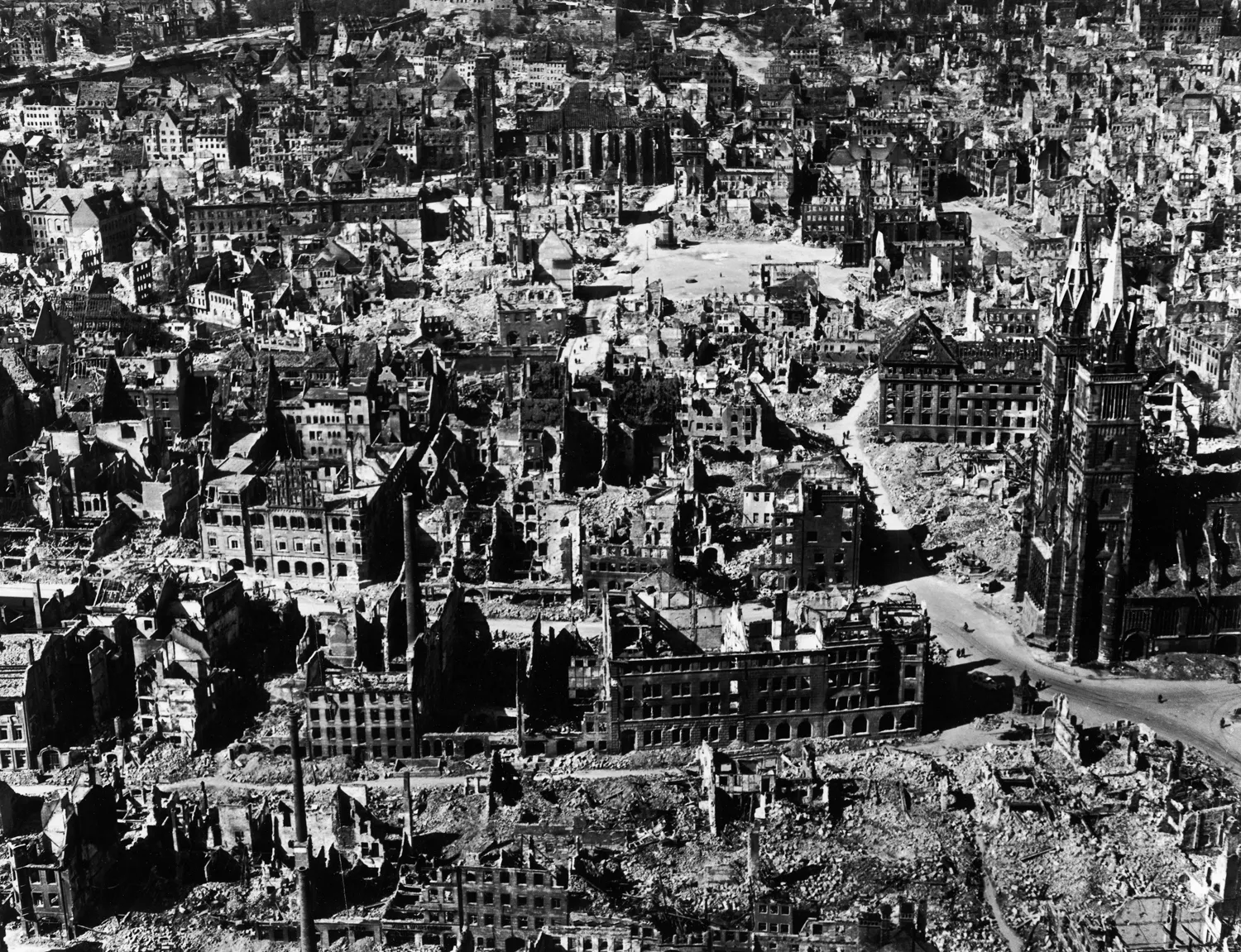
During World War II (1939–1945), the Allied forces of the United States and the United Kingdom carried out a widespread strategic bombing campaign against German cities. The campaign targ...
Explore event →
Victory in Europe (VE) Day marked the official surrender of Nazi Germany to the Allies, ending the war in Europe. Celebrations erupted across Europe and the United States, symbolizing hop...
Explore event →
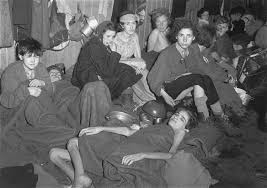
Typhus and Mortality in Nazi Concentration Camps Historical records from the International Committee of the Red Cross (ICRC), Nazi documentation, and post-war investigations co...
Explore event →
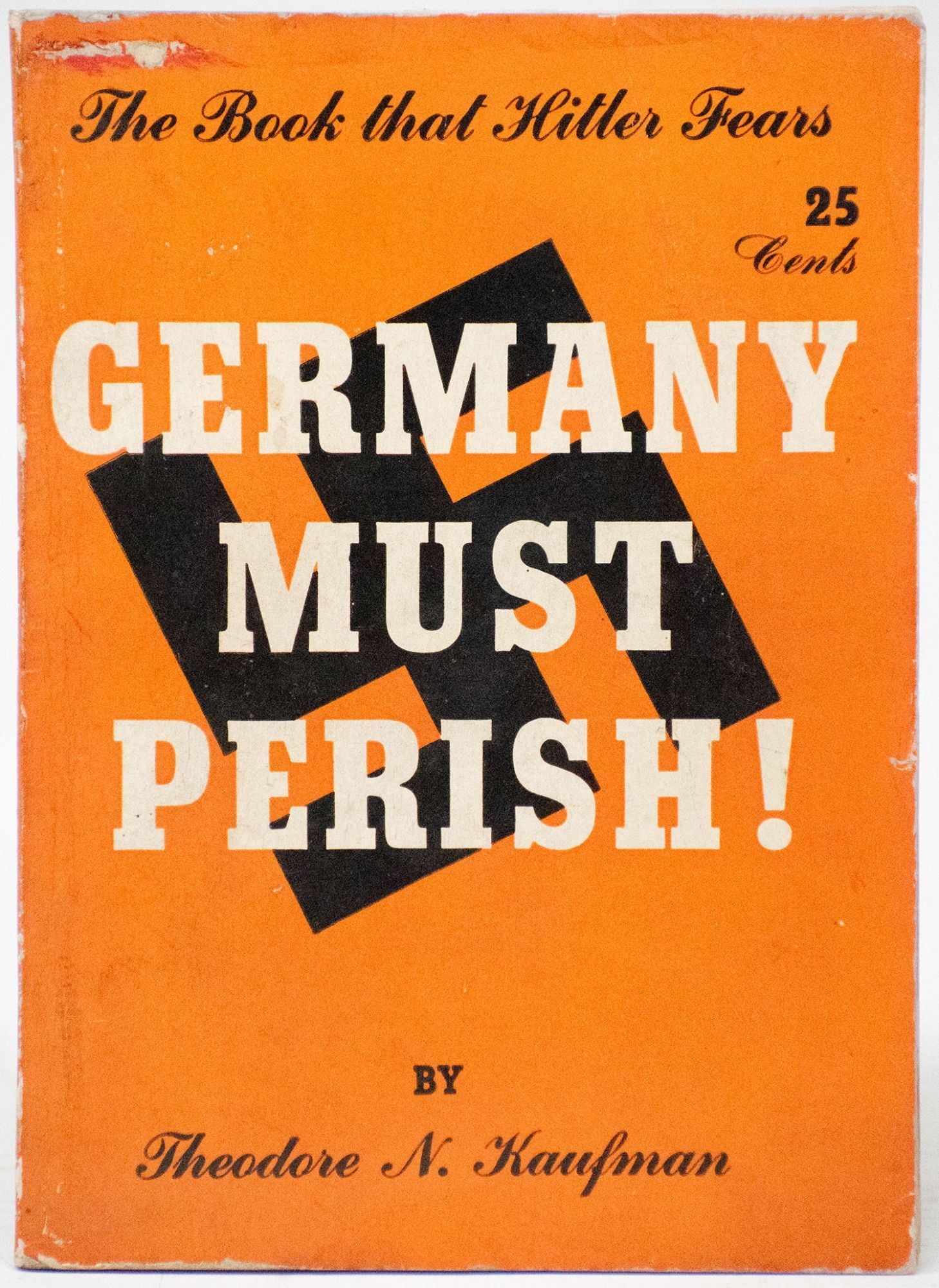
Publication of *Germany Must Perish!* by Theodore Kaufman On February 28, 1941, American author Theodore N. Kaufman self‑published a book titled *Germany Must Perish!* through ...
Explore event →
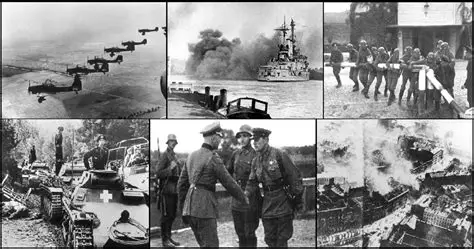
World War II Begins body { font-family: Arial, Helvetica, sans-serif; line-height: 1.6; margin: 40px; background-color: ...
Explore event →
7 April 1939 — Italian forces invade Albania after King Zog rejects Mussolini's demands for greater Italian control. Zog flees the country and Albania is incorporated into the Italian imp...
Explore published research →
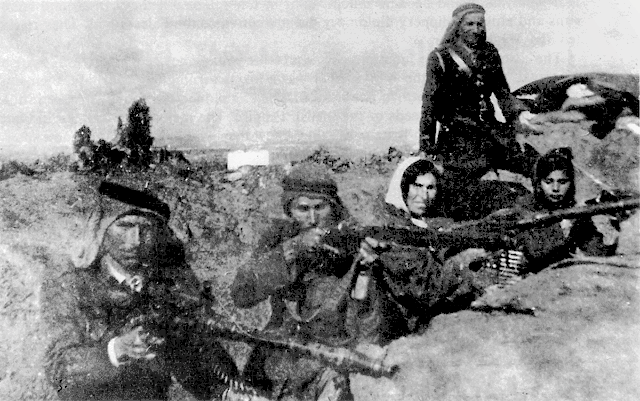
The Arab Revolt in Palestine was a nationalist uprising by Palestinian Arabs against British colonial rule and mass Jewish immigration under the British Mandate, which followed the 1917 B...
Explore event →
3 November 1918 — Sailors at Kiel revolt after naval leaders attempt to send the fleet into a final battle. The mutiny spreads into a wider revolutionary movement as workers' and soldiers...
Explore published research →
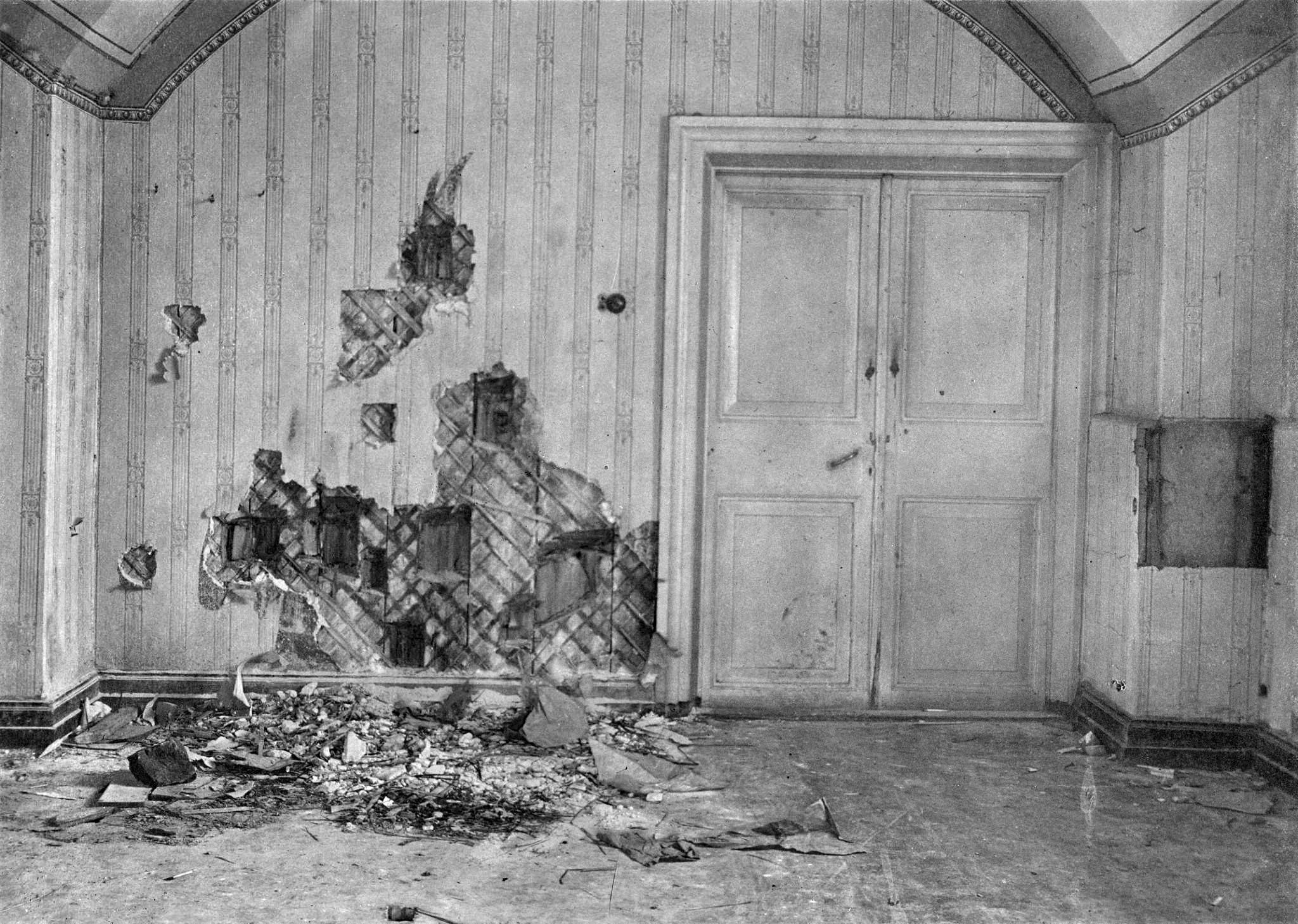
Murder of the Romanovs On July 17, 1918, the last Russian Emperor, Nicholas II, along with his wife Alexandra, their five children, and four loyal attendants, were executed by Bolshevik ...
Explore event →
8 March 1917 — Demonstrations, strikes and bread shortages in Petrograd begin the revolutionary crisis that destroys the imperial government. Soldiers increasingly refuse orders to suppre...
Explore published research →
1915–1917 — Battlefield losses, inflation, food distribution failures and political distrust progressively weaken the Russian state. Confidence in Nicholas II collapses among elites as we...
Explore published research →
Communist leader who dominates Albania from the end of World War II until his death in 1985.
Explore published research →
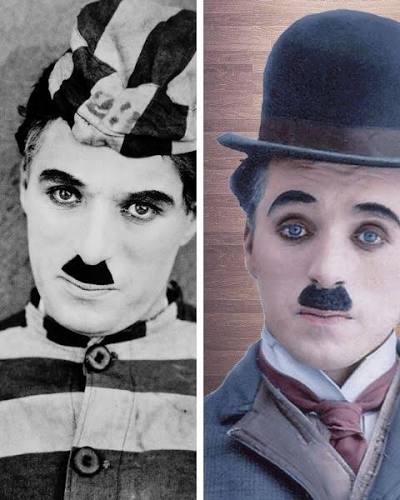
Charlie Chaplin was an English actor, filmmaker, composer, and producer who became one of the most prominent figures of twentieth-century cinema. His career included silent films, sound f...
Explore event →
Emancipation of Jews in Russia under Catherine II In 1791, Empress Catherine II of Russia issued policies regulating the settlement and legal status of Jewish populations within the Russ...
Explore event →
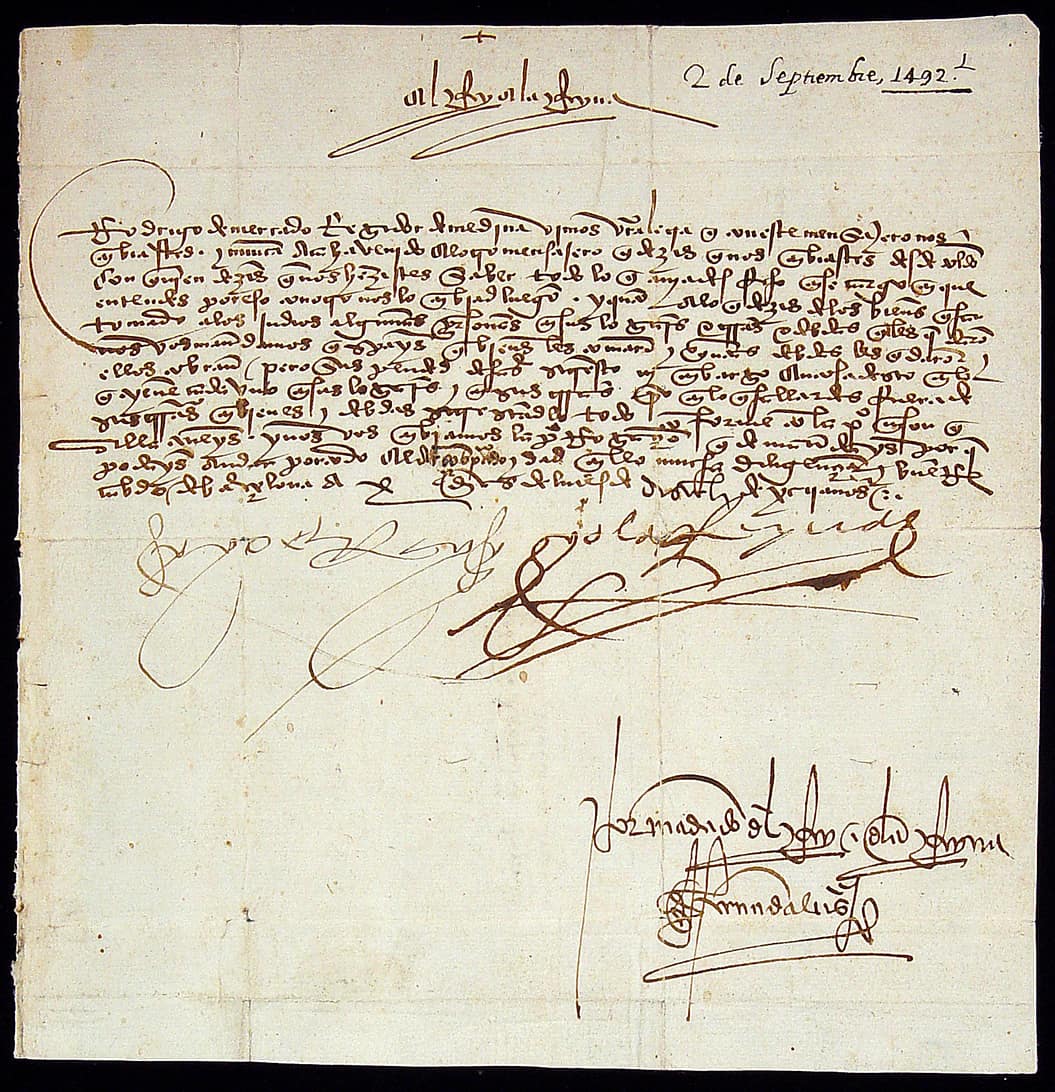
On March 31, 1492, the Catholic Monarchs of Spain, Isabella I of Castile and Ferdinand II of Aragon, issued the Alhambra Decree, ordering all Jews in Castile and Aragon to leave by July 3...
Explore event →
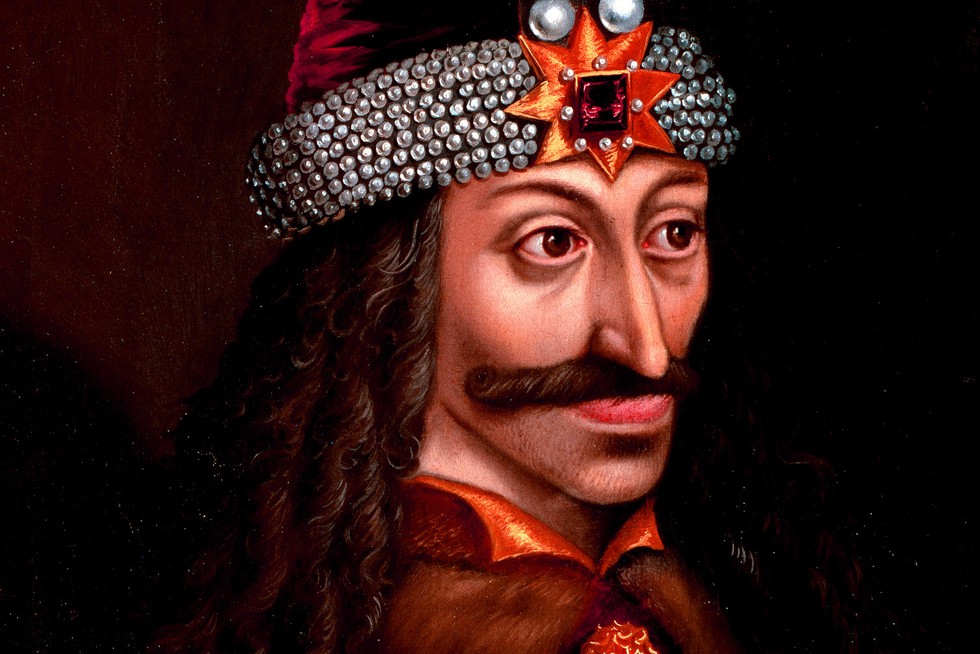
Vlad III Dracula, Prince of Wallachia Vlad III, also known as Vlad the Impaler or Dracula, was born in 1431 in Transylvania, part of the Kingdom of Hungary at the time. He beca...
Explore event →
18 September 1385 — Ottoman forces defeat Balša II near the lower Vjosa. The battle demonstrates the growing ability of the Ottoman state to intervene directly in Albanian political strug...
Explore published research →
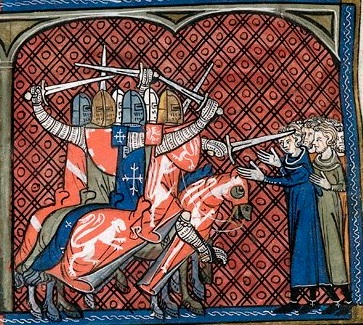
The Albigensian Crusade was a 20-year military campaign initiated by the Catholic Church to eliminate Catharism in the Languedoc region of southern France. It began in 1209 under Pope Inn...
Explore event →
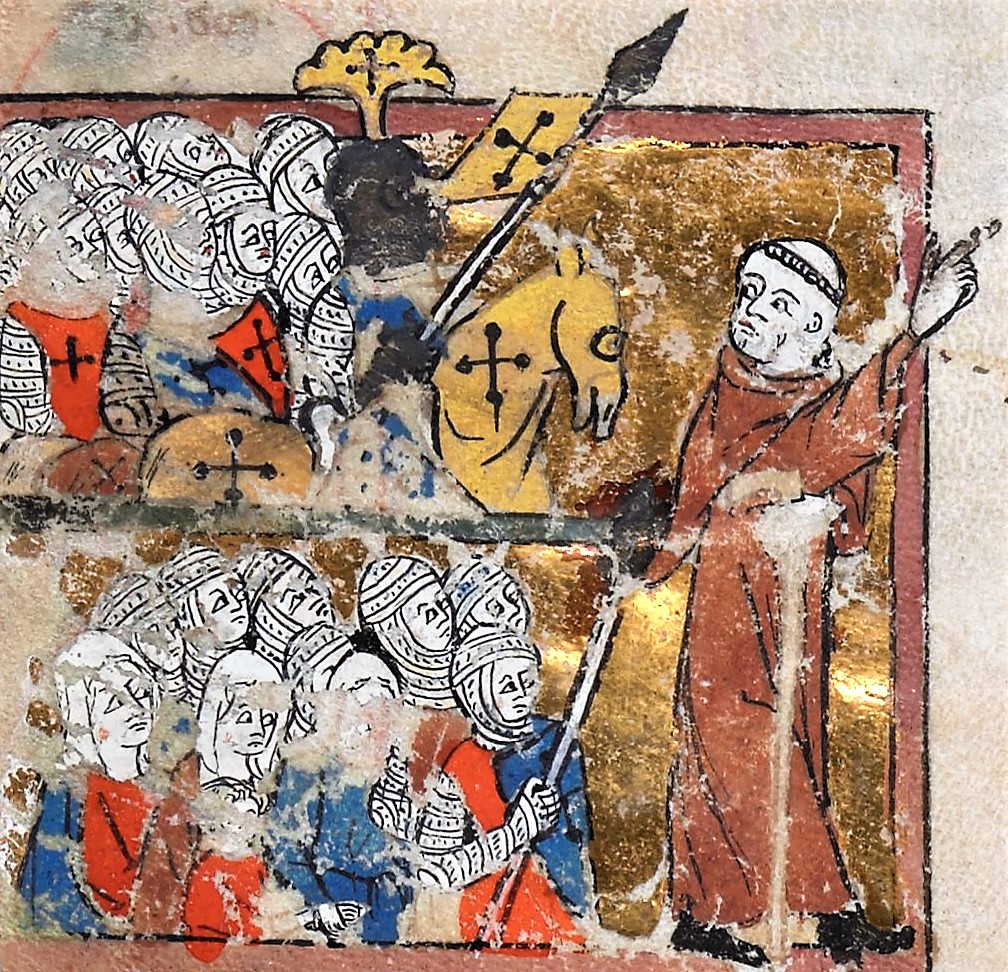
Origins And Objectives Of The Crusades The Crusades were a series of military campaigns initiated between 1095 and 1291, primarily aimed at capturing or defending territories i...
Explore event →
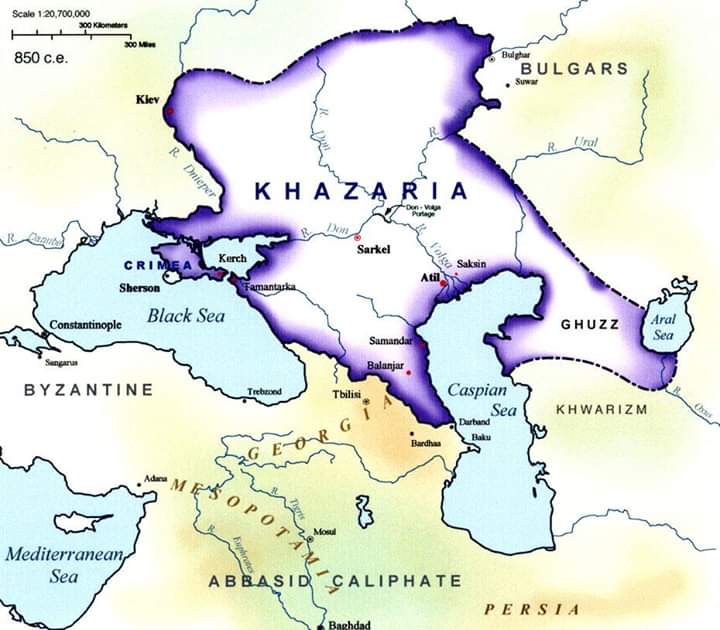
The Khazarian Empire: History, Territory, and Conversion to Judaism The Khazar Empire was a Turkic polity that emerged in the mid-seventh century and became a major regional po...
Explore event →
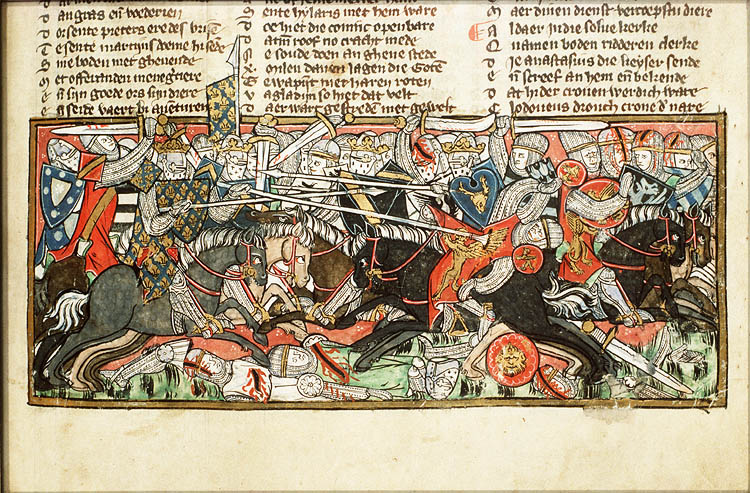
The Battle of Vouillé was fought between the Franks under Clovis I and the Visigoths led by Alaric II. This decisive battle occurred near Vouillé, resulting in a significant Frankish vict...
Explore event →
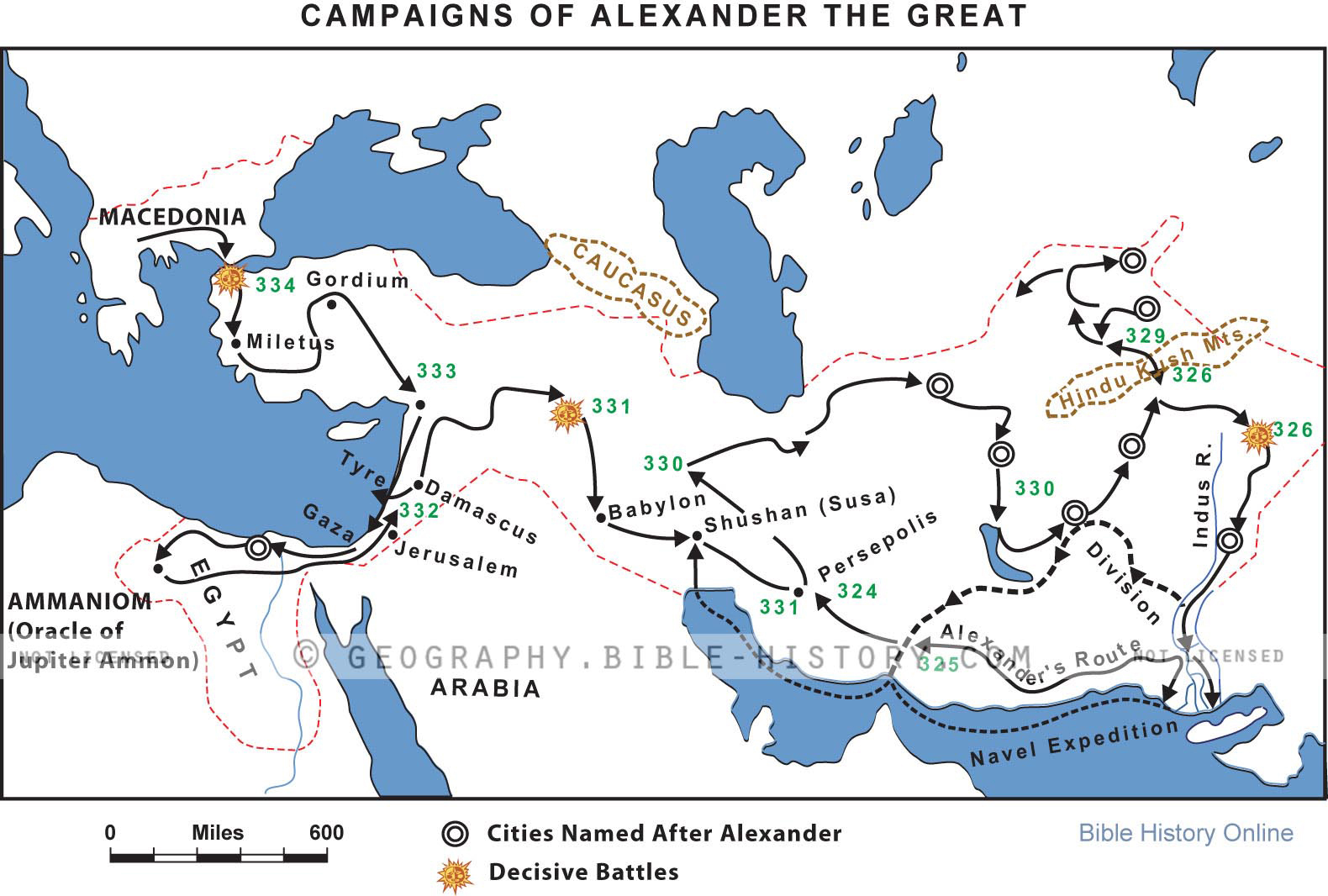
Alexander the Great Travels Through Palestine In October 332 B.C., during his campaign against the Persian Empire, Alexander III of Macedon, commonly known as Alexander the Great, passed...
Explore event →
Claudius II Gothicus, Roman Emperor known for military victories against Gothic tribes, died in Sirmium after a period of illness. His death marked a significant moment in the turbulent C...
Explore event →
Claudius II Gothicus became Roman Emperor following the death of his predecessor. His accession marked a shift during a turbulent period of frequent leadership changes in the empire.Known...
Explore event →
The Battle of Resaena was fought between Roman forces under Emperor Gordian III and the Sasanian Empire. This conflict marked a significant Roman attempt to regain lost territories in Mes...
Explore event →
The revolt led by Gordian II was part of a larger uprising against the reigning emperor Maximinus Thrax. Gordian II, alongside his father Gordian I, was proclaimed emperor by the Roman Se...
Explore event →
Following the death of Emperor Maximinus Thrax, the Roman Senate appointed Pupienus and Balbinus as co-emperors to restore order within the Roman Empire. Their joint accession marked a ra...
Explore event →
The revolt of Gordian I was a significant uprising against the Roman Emperor Maximinus Thrax in 238, known as the Year of the Six Emperors. Senatorial opposition to Maximinus' harsh rule ...
Explore event →
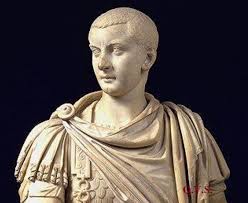
Gordian III ascended to the Roman imperial throne following a period of political instability known as the Year of the Six Emperors. At the age of thirteen, he was declared emperor by the...
Explore event →
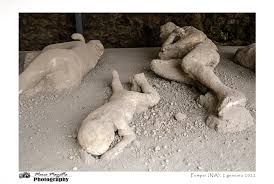
Mount Vesuvius erupted violently, burying the Roman cities of Pompeii and Herculaneum under layers of ash and pumice. The catastrophic event caused widespread destruction and loss of life...
Explore event →
51–30 BCE — Cleopatra VII becomes the final active ruler of the Ptolemaic dynasty. She navigates the expanding power of Rome through alliances and relationships first with Julius Caesar a...
Explore published research →
338 BCE — Philip II defeats a coalition led by Athens and Thebes.
Explore published research →
525 BCE — Cambyses II of the Achaemenid Persian Empire defeats Pharaoh Psamtik III and incorporates Egypt into the Persian imperial system. Persian kings adopt pharaonic titles while gove...
Explore published research →
c. 1177 BCE — During the reign of Ramesses III, Egyptian inscriptions describe major battles against groups arriving by land and sea. These groups are traditionally called the Sea Peoples...
Explore published research →
c. 1274 BCE — Egyptian forces under Ramesses II fight the Hittite army near Kadesh in Syria. Egyptian inscriptions present the battle as a spectacular personal victory for Ramesses, altho...
Explore published research →
1279–1213 BCE — Ramesses II rules for more than six decades and becomes one of Egypt's most prolific builders. His monuments appear throughout Egypt and Nubia, including Abu Simbel and ma...
Explore published research →
c. 1457 BCE — Thutmose III defeats a coalition of Levantine rulers near Megiddo. Egyptian inscriptions provide one of history's earliest detailed military campaign narratives. Victory str...
Explore published research →
c. 1479–1458 BCE — Hatshepsut begins as regent for the young Thutmose III but eventually assumes full pharaonic titles. Royal imagery increasingly depicts her with traditional male symbol...
Explore published research →
c. 1479–1425 BCE — Thutmose III initially shares the throne during Hatshepsut's rule and later becomes one of Egypt's most successful military pharaohs. Repeated campaigns extend Egyptian...
Explore published research →
c. 2061–2010 BCE — Mentuhotep II rules from Thebes and defeats the northern rival kingdom. His victory reunifies most of Egypt and establishes the political foundation of the Middle Kingd...
Explore published research →