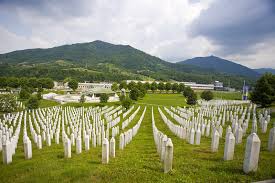
Bosnian Genocide
Bosnian Genocide On July 11, 1995, Bosnian Serb forces captured the town of Srebrenica in eastern Bosnia during the Bosnian War. The town had been declared a United N...
Explore event →History does not happen in isolation. Explore world events across time, follow the connections between them, and investigate the threads that reveal how one event can lead to another.
TheTimeMap currently follows events across 95 countries and 268 years of history — building a connected archive designed for people who want to look beyond the headline.
We oppose antisemitism, racism, and dehumanization — everywhere.
When people stop feeling, injustice becomes easy.
Bosnian Genocide On July 11, 1995, Bosnian Serb forces captured the town of Srebrenica in eastern Bosnia during the Bosnian War. The town had been declared a United N...
Explore event →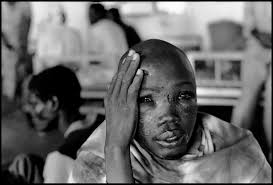
Rwandan Genocide On April 7, 1994, following the assassination of Rwandan President Juvénal Habyarimana, widespread violence erupted against the Tutsi population in R...
Explore event →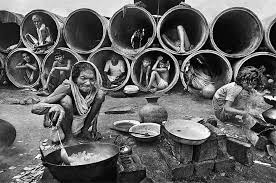
Bangladesh Genocide On March 25, 1971, the Pakistan Army launched Operation Searchlight in Dhaka and other major cities of East Pakistan, targeting Bengali nationalis...
Explore event →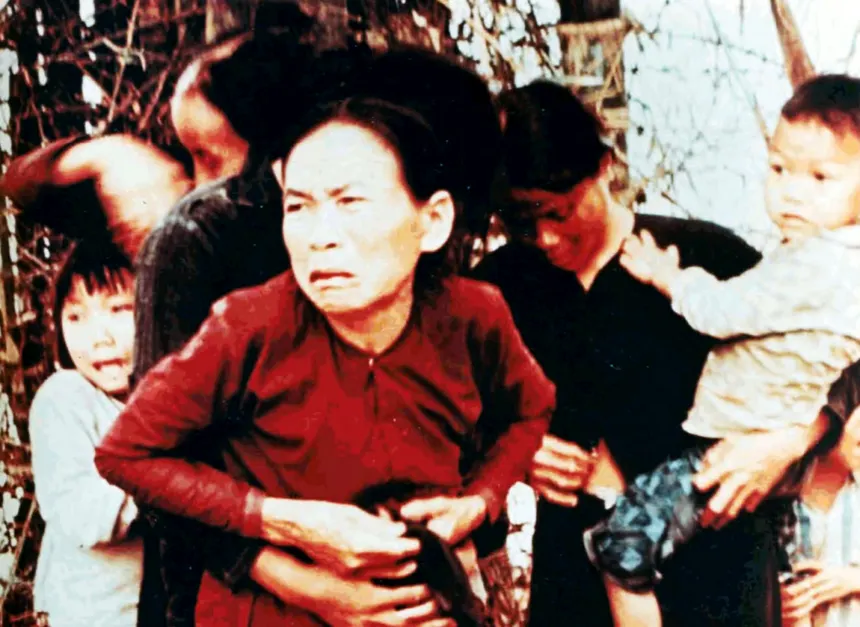
On March 16, 1968, U.S. Army soldiers from Charlie Company, 1st Battalion, 20th Infantry Regiment, 11th Brigade, Americal Division, carried out a mass killing of Vietn...
Explore event →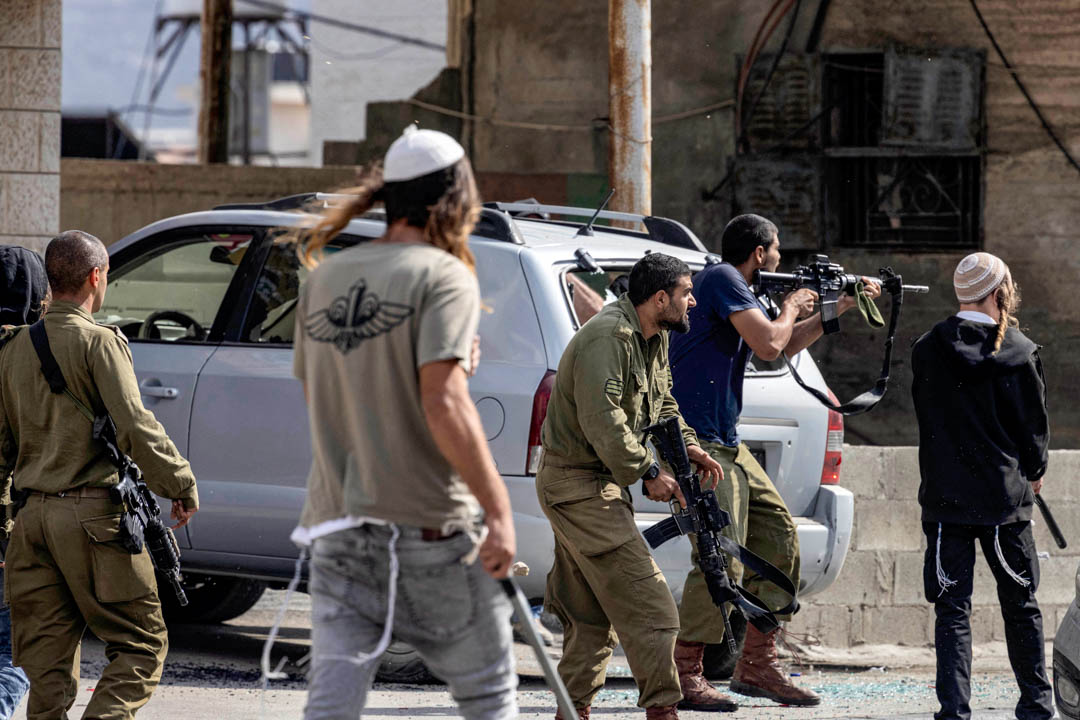
Background and Long‑Term Pattern Violence by Israeli settlers against Palestinian civilians in the occupied West Bank has been tracked since at least 2006, with thous...
Explore event →
Journalist Dorothy Kilgallen became one of the few reporters to directly question Jack Ruby during his 1964 trial for the killing of Lee Harvey Oswald. Kilgallen, a we...
Explore event →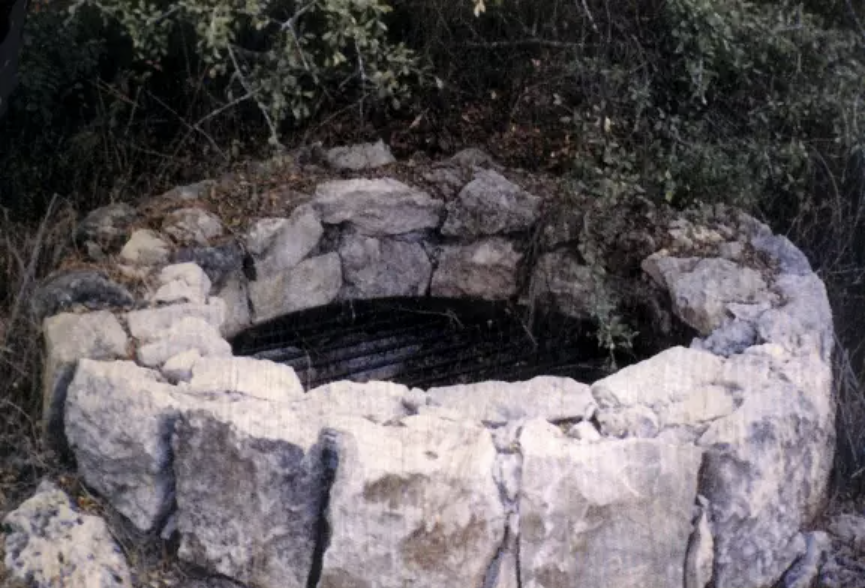
Operation Cast Thy Bread: Poisoning of Palestinian Wells In April 1948, during the Arab–Israeli War following the end of the British Mandate for Palestine, personnel ...
Explore event →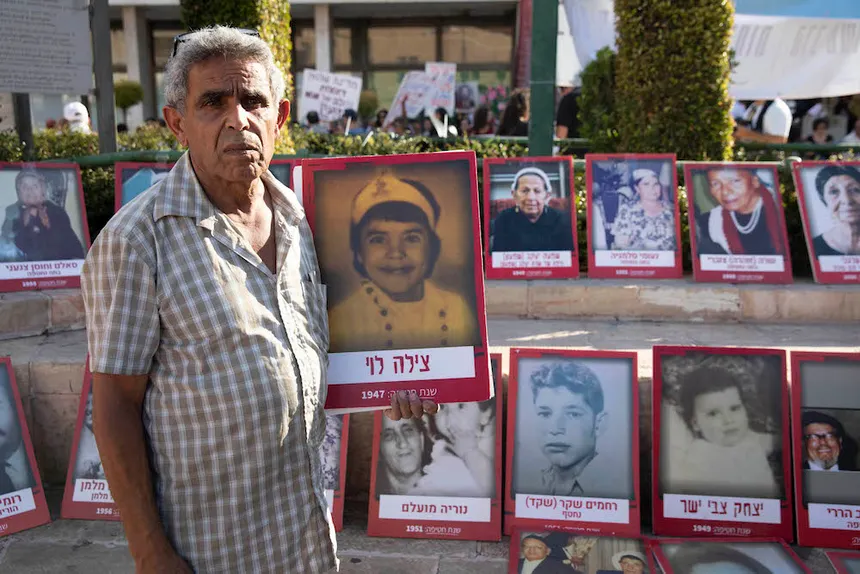
The Yemenite Children Affair refers to a long-running controversy in Israel between 1948 and 1954, involving the disappearance of mainly Yemenite Jewish infants and to...
Explore event →.jpg)
The Nakba refers to the mass displacement and dispossession of Palestinians that occurred between 1947 and 1949 during the collapse of the British Mandate for Palestin...
Explore event →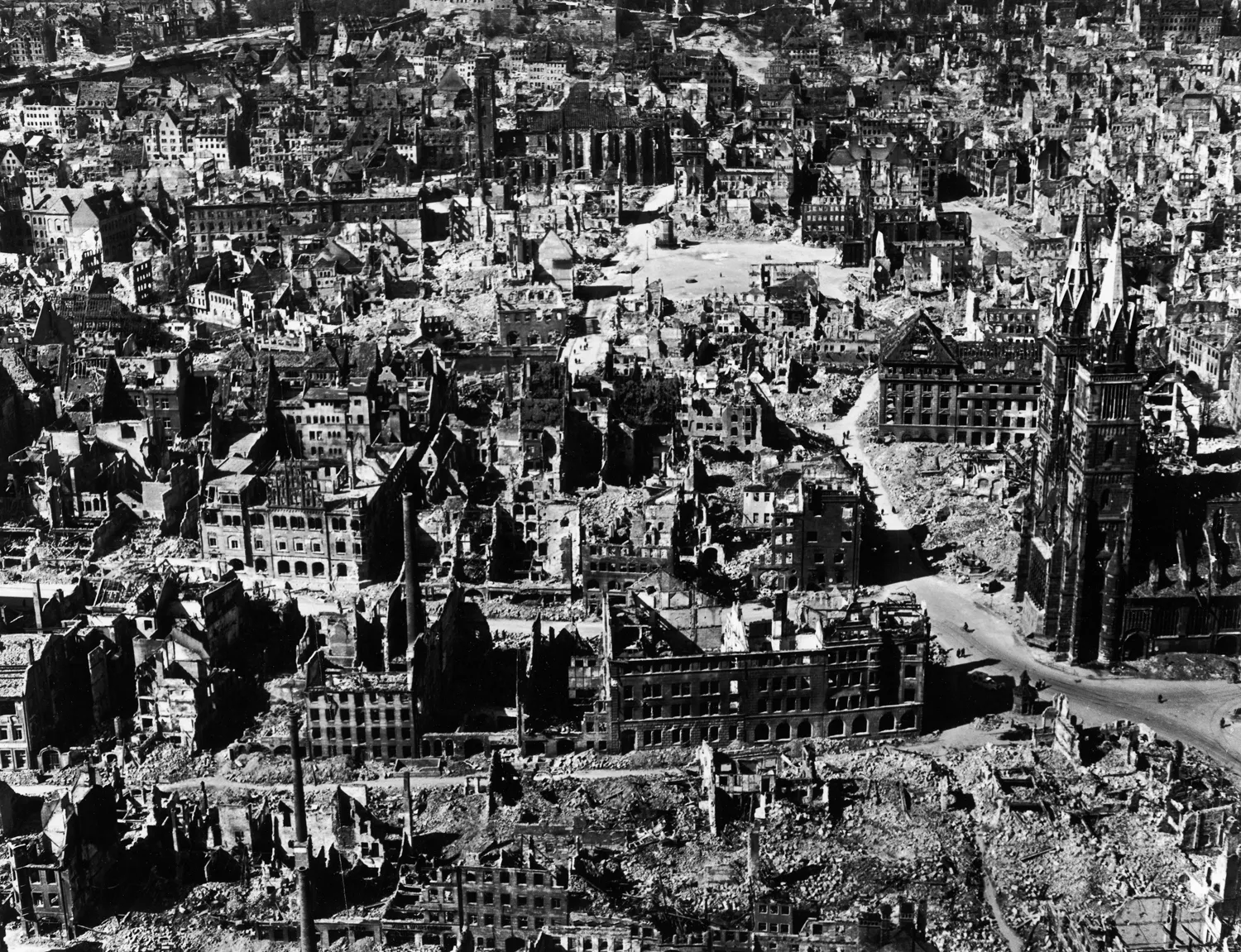
During World War II (1939–1945), the Allied forces of the United States and the United Kingdom carried out a widespread strategic bombing campaign against German citie...
Explore event →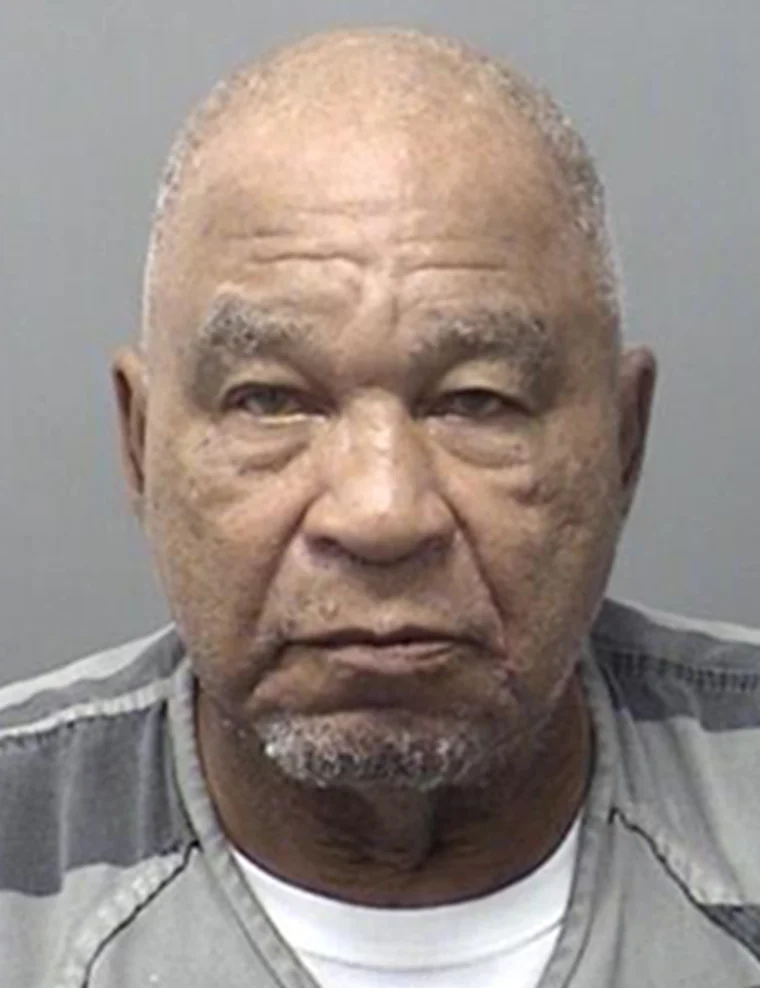
Samuel Little, born Samuel McDowell on June 7, 1940, in Reynolds, Georgia, was an American serial killer who was convicted of multiple murders and later confessed to d...
Explore event →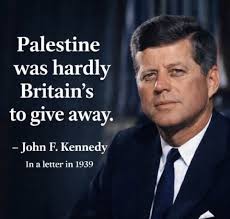
JFK Wrote in 1939 That Palestine Was Hardly Britain's to Give Away In July 1939, John F. Kennedy, then a 22-year-old Harvard student, visited Palestine duri...
Explore event →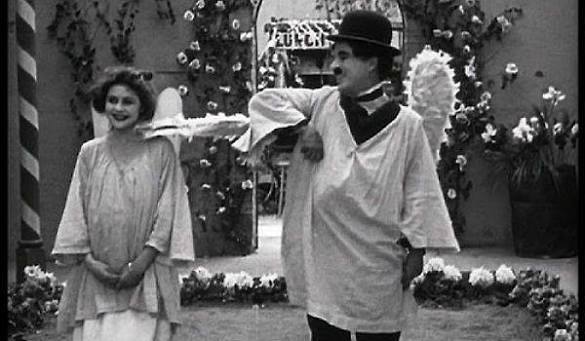
Charlie Chaplin married actress Lita Grey on November 25, 1924, in Empalme, Sonora, Mexico. Chaplin was 35 years old and Grey was 16. Their marriage followed a relatio...
Explore event →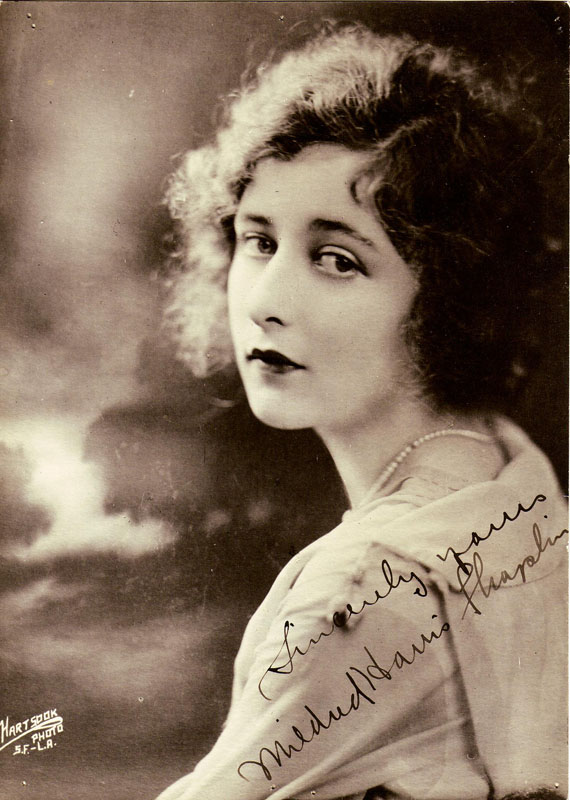
Charlie Chaplin married actress Mildred Harris on October 23, 1918, in Los Angeles. Chaplin was 29 years old and Harris was 16. Harris was already working as a film ac...
Explore event →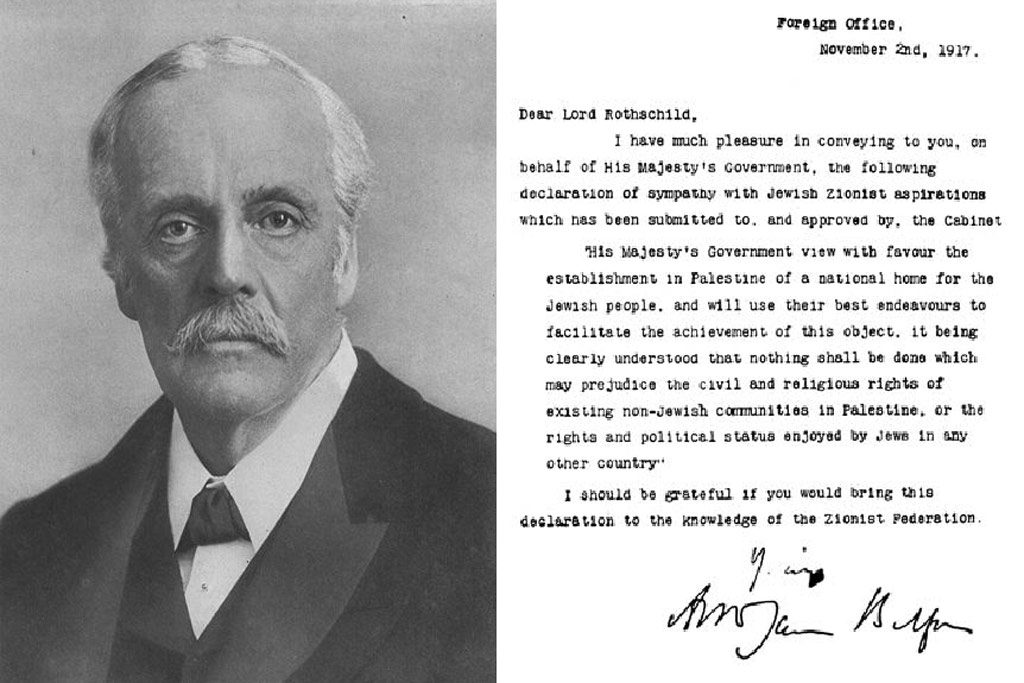
The Balfour Declaration was a public statement issued on November 2 1917 by the British government during World War I expressing support for the establishment of a nat...
Explore event →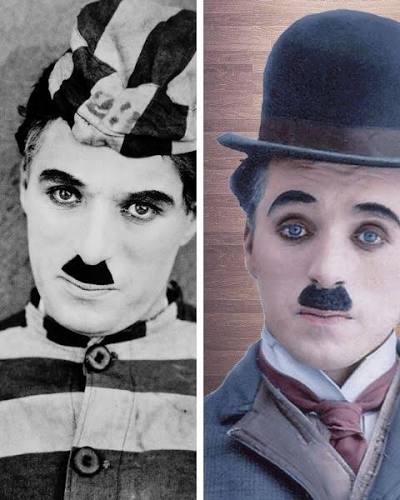
Charlie Chaplin was an English actor, filmmaker, composer, and producer who became one of the most prominent figures of twentieth-century cinema. His career included s...
Explore event →
Circassian Genocide On May 21, 1864, the Russian Empire declared the end of the Caucasian War following the defeat of Circassian resistance in the northwest Caucasus....
Explore event →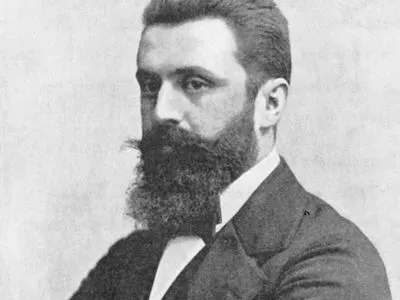
Theodor Herzl (May 2, 1860 – July 3, 1904) was an Austro‑Hungarian journalist, playwright, and writer who is considered a founder of modern political Zionism. Herzl pr...
Explore event →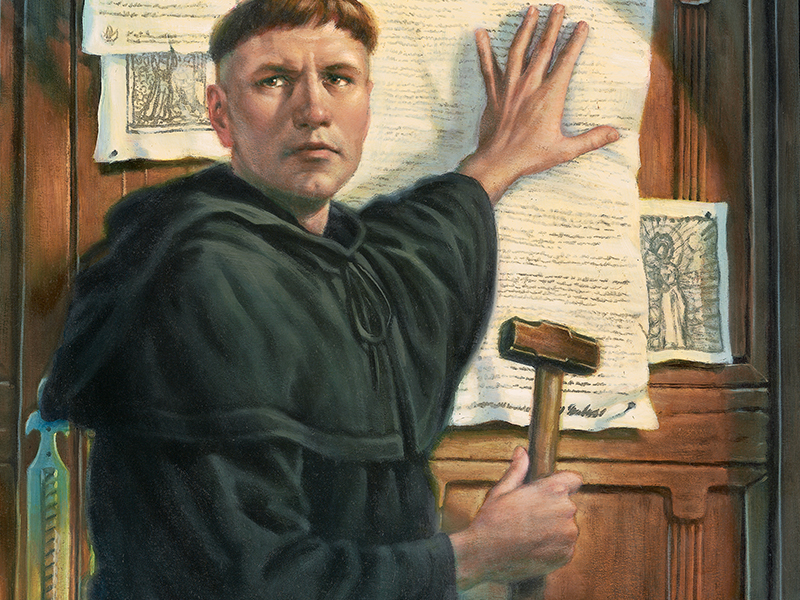
The Ninety-Five Theses body { font-family: Arial, Helvetica, sans-serif; line-height: 1.6; margin: 40px; ...
Explore event →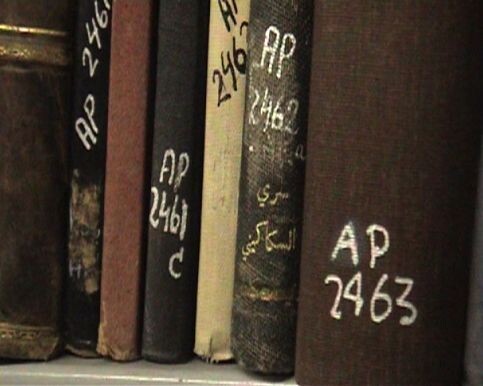
Great Book Robbery of 1948 In 1948, during the Arab–Israeli War following the end of the British Mandate for Palestine, thousands of books and manuscripts were stolen...
Explore event →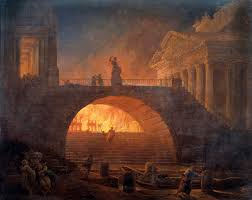
The Great Fire broke out in the city of Rome, spreading rapidly through wooden structures and thatched roofs. The blaze lasted several days, destroying vast parts of t...
Explore event →
August–November 1918 — Germany and its allies face military retreat, shortages, exhaustion and growing political instability. Bulgaria, the Ottoman Empire and Austria-...
Explore research
1916–1918 — Governments expand control over labor, food, transportation, prices and industrial production. Women enter many sectors previously dominated by men. Coloni...
Explore research
1915–1918 — Casualties, inflation and shortages turn civilian morale into a strategic issue. Governments expand propaganda, censorship, rationing and welfare programs ...
Explore research
1 January 1944 — By 1944 American submarines are destroying Japanese merchant shipping at a rate Japan cannot replace. Oil, food, raw materials and military supplies b...
Explore research
10 July 1940 — Britain's defense during the Battle of Britain relies on more than fighter aircraft alone. Chain Home radar stations, ground observers, telephone commun...
Explore research
14 February 1942 — The Polish underground Home Army is formally established as the principal armed resistance organization loyal to the government-in-exile. It fights ...
Explore research
4 January 1944 — The Polish Home Army begins implementing Operation Tempest as Soviet forces approach prewar Polish territory. Underground units attempt to fight Germa...
Explore research
1 August 1944 — The Warsaw Uprising is driven not only by resistance to German occupation but by fear that Soviet liberation will eliminate Polish political independen...
Explore research
1 August 1944 — The Polish Home Army launches an uprising against German occupation as Soviet forces approach Warsaw. Polish leaders hope to liberate the capital befor...
Explore research
2 October 1944 — Investigate German military repression, the Home Army's political goals, Soviet operational limits, Stalin's attitude toward the Polish government-in-...
Explore research