Anfal Genocide
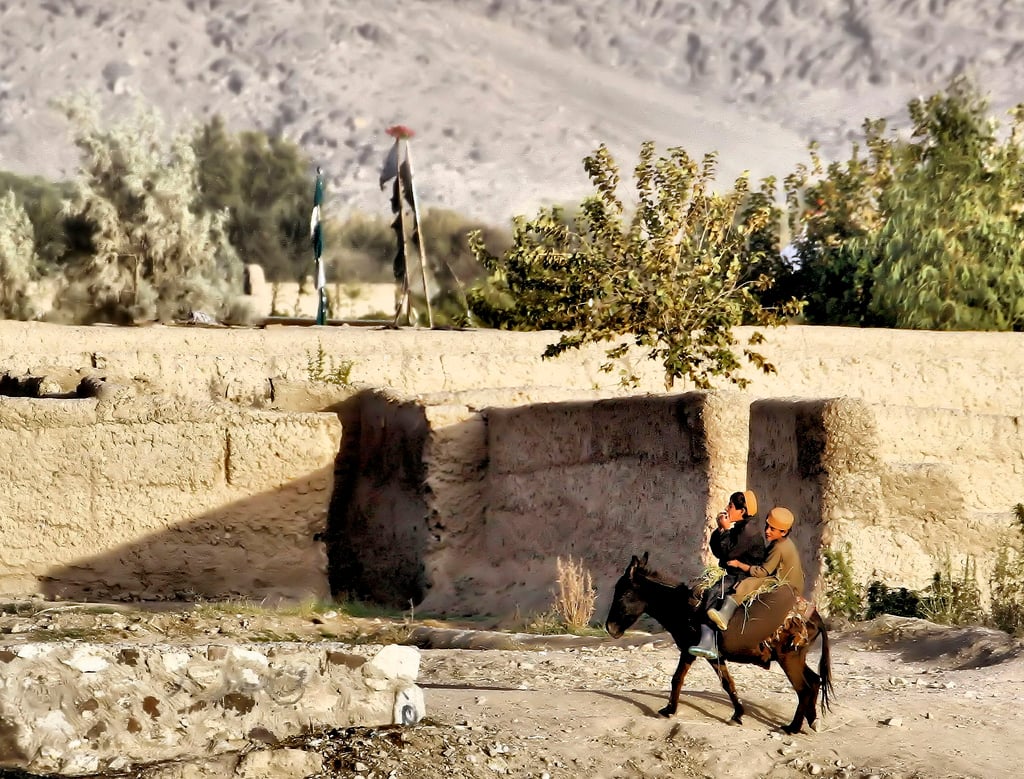
Anfal Genocide On February 23, 1988, the Iraqi government launched the Anfal campaign against Kurdish populations in northern Iraq during the final phase of the Iran–...
Explore event →History does not happen in isolation. Explore world events across time, follow the connections between them, and investigate the threads that reveal how one event can lead to another.
TheTimeMap currently follows events across 95 countries and 268 years of history — building a connected archive designed for people who want to look beyond the headline.
We oppose antisemitism, racism, and dehumanization — everywhere.
When people stop feeling, injustice becomes easy.
Anfal Genocide On February 23, 1988, the Iraqi government launched the Anfal campaign against Kurdish populations in northern Iraq during the final phase of the Iran–...
Explore event →
Israel’s National Skin Bank and Controversy Over Organ Sourcing The Israel National Skin Bank (INSB) was established in 1986 jointly by the Israel Defense Forces Medi...
Explore event →
Guatemalan Maya Genocide On March 23, 1982, General Efraín Ríos Montt seized power in Guatemala through a military coup during the Guatemalan Civil War. His governmen...
Explore event →
The Hama Massacre occurred in February 1982 when Syrian government forces launched a military assault on the city of Hama to suppress an uprising by the Muslim Brother...
Explore event →
Cambodian Genocide On April 17, 1975, the Khmer Rouge seized Phnom Penh and established control over Cambodia, initiating a regime of social and political transformat...
Explore event →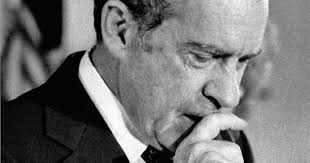
The Watergate Affair: Timeline, Operatives, And Unresolved Questions On June 17, 1972, five men were arrested inside the Democratic National Committee headquarters at...
Explore event →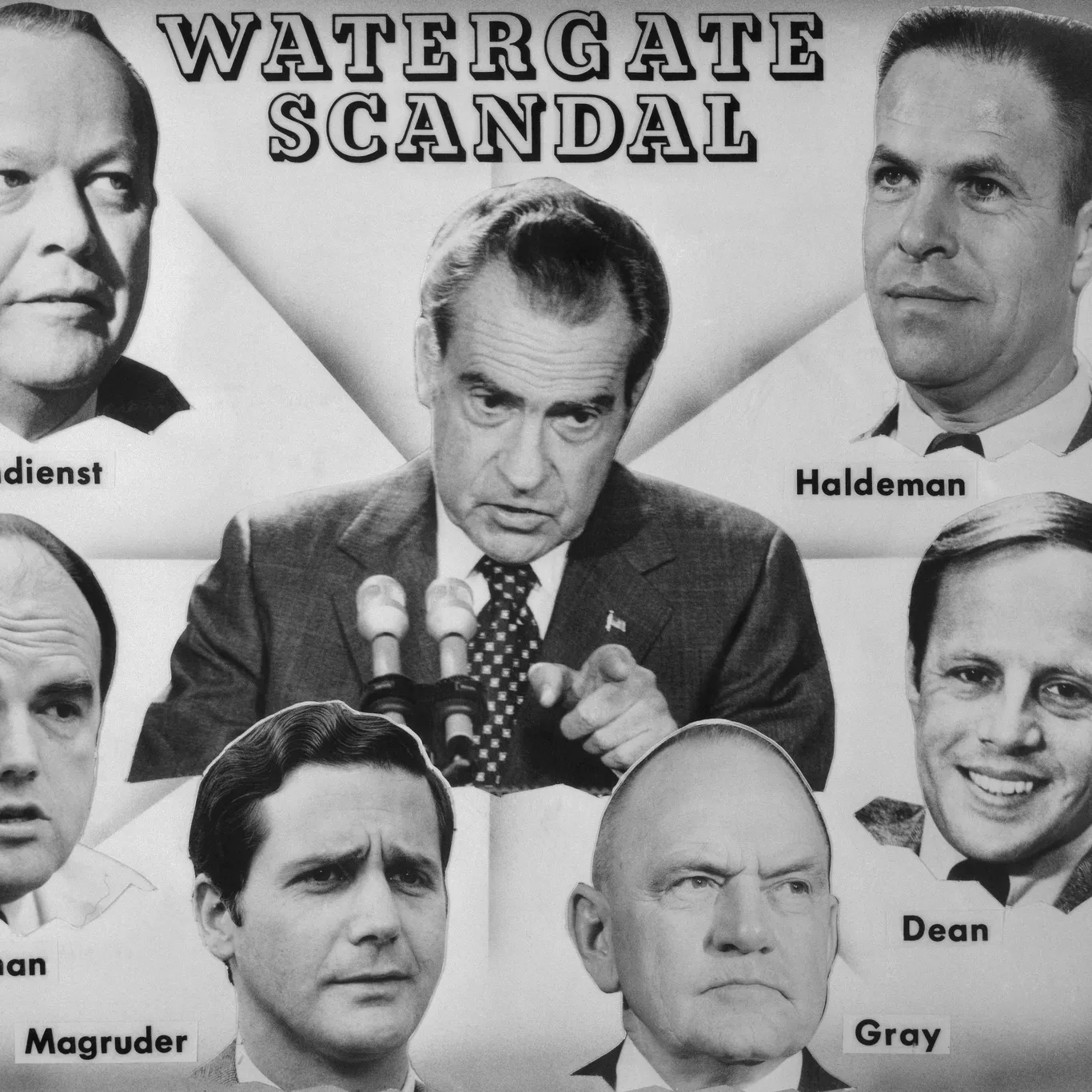
The Watergate Scandal From Break-In To Presidential Resignation On June 17, 1972, five men were arrested for breaking into the Democratic National Committee headquart...
Explore event →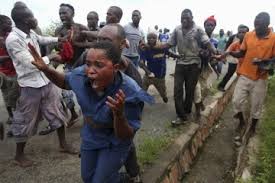
The Burundi Genocide of 1972 was a mass killing event targeting primarily the Hutu ethnic group by the Tutsi-dominated government.The violence began in April 1972 foll...
Explore event →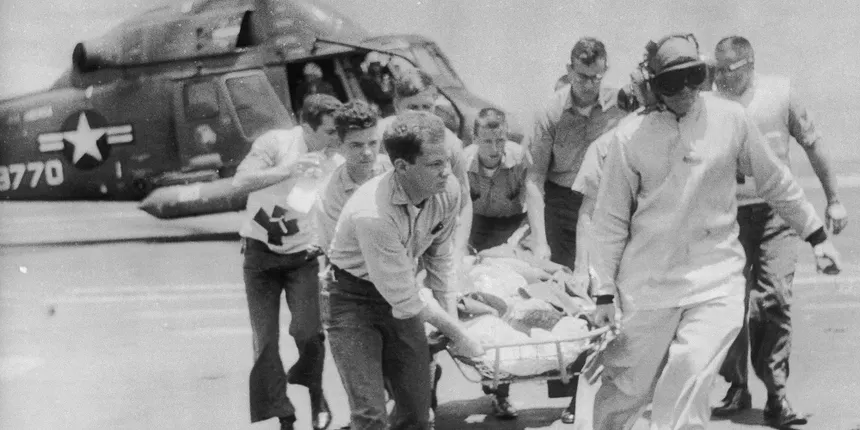
On June 8, 1967, during the Six-Day War, the United States Navy technical research ship USS Liberty (AGTR-5) was attacked in international waters of the eastern Medite...
Explore event →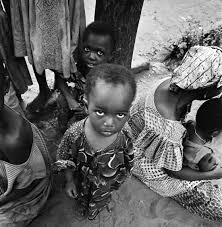
The Biafran mass killings occurred during the Nigerian Civil War, which lasted from 1967 to 1970. Following the secession of the southeastern provinces of Nigeria and ...
Explore event →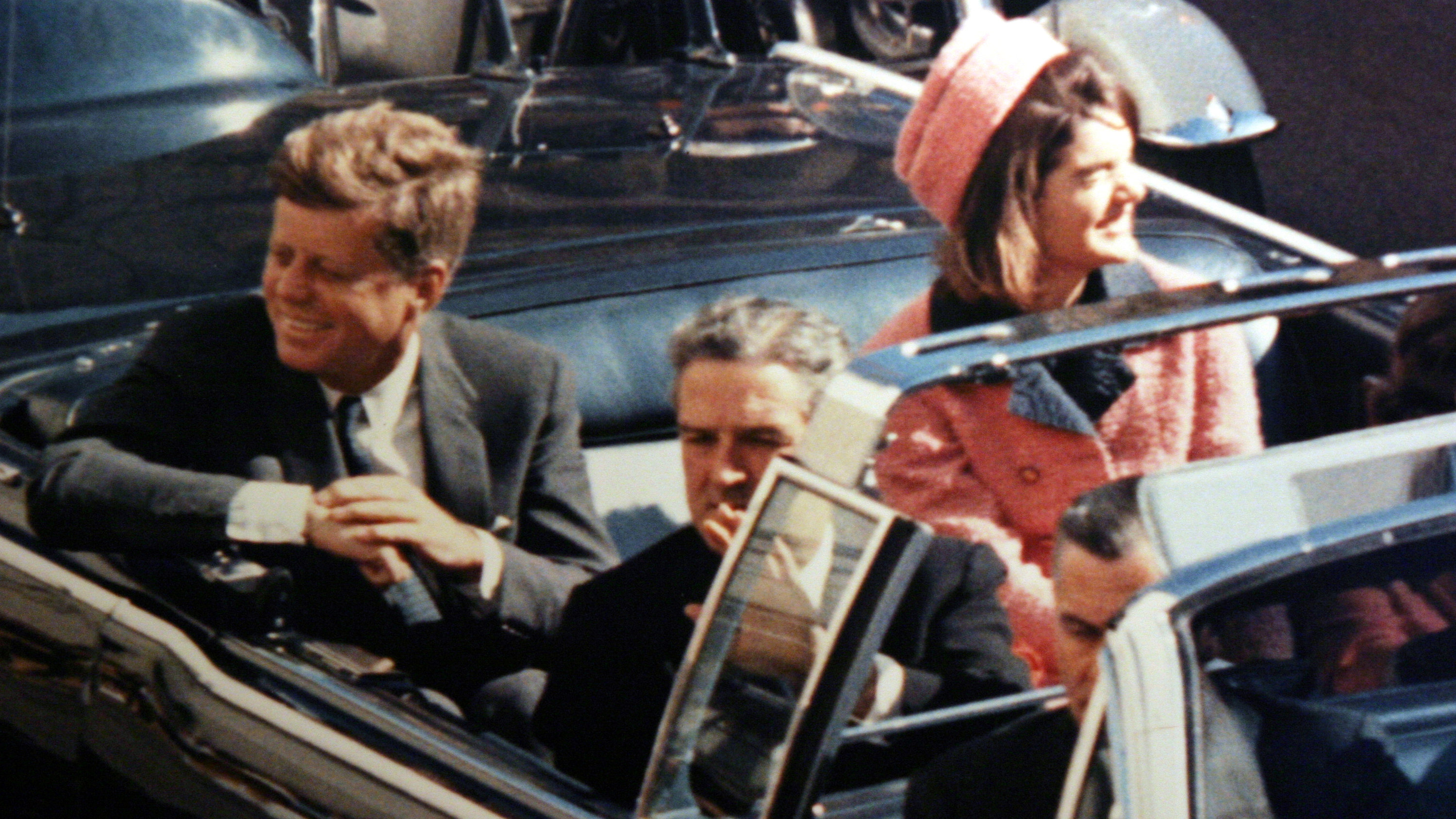
The assassination of John F. Kennedy, the 35th President of the United States, occurred on November 22, 1963, in Dallas, Texas. Kennedy was fatally shot while riding i...
Explore event →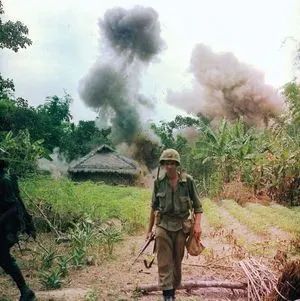
The Vietnam War was a prolonged armed conflict fought primarily between North Vietnam, led by the Communist Party under Ho Chi Minh, and South Vietnam, supported by th...
Explore event →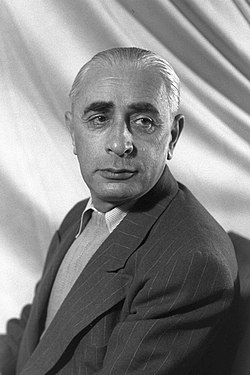
What it was The Lavon Affair, also known as Operation Susannah, was a failed Israeli covert operation in Egypt in 1954, carried out by Israeli military i...
Explore event →
Anton Szandor LaVey was born Howard Stanton Levey on April 11, 1930, in Chicago, Illinois, to Jewish parents. His father, Michael Joseph Levey, was of French-American...
Explore event →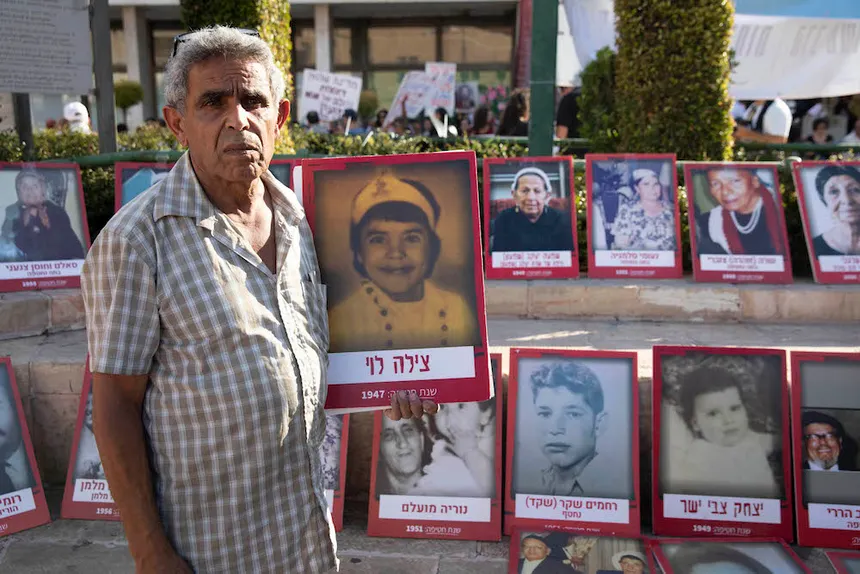
The Yemenite Children Affair refers to a long-running controversy in Israel between 1948 and 1954, involving the disappearance of mainly Yemenite Jewish infants and to...
Explore event →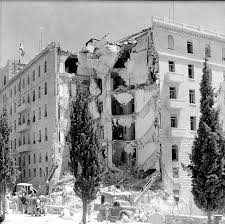
On July 22, 1946, the King David Hotel in Jerusalem, which housed the administrative headquarters of the British Mandate authorities in Palestine, was bombed. The a...
Explore event →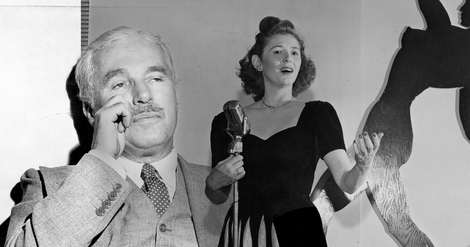
Joan Barry was an American actress who became involved with Charlie Chaplin during the early 1940s. Their relationship later resulted in a highly publicized paternity ...
Explore event →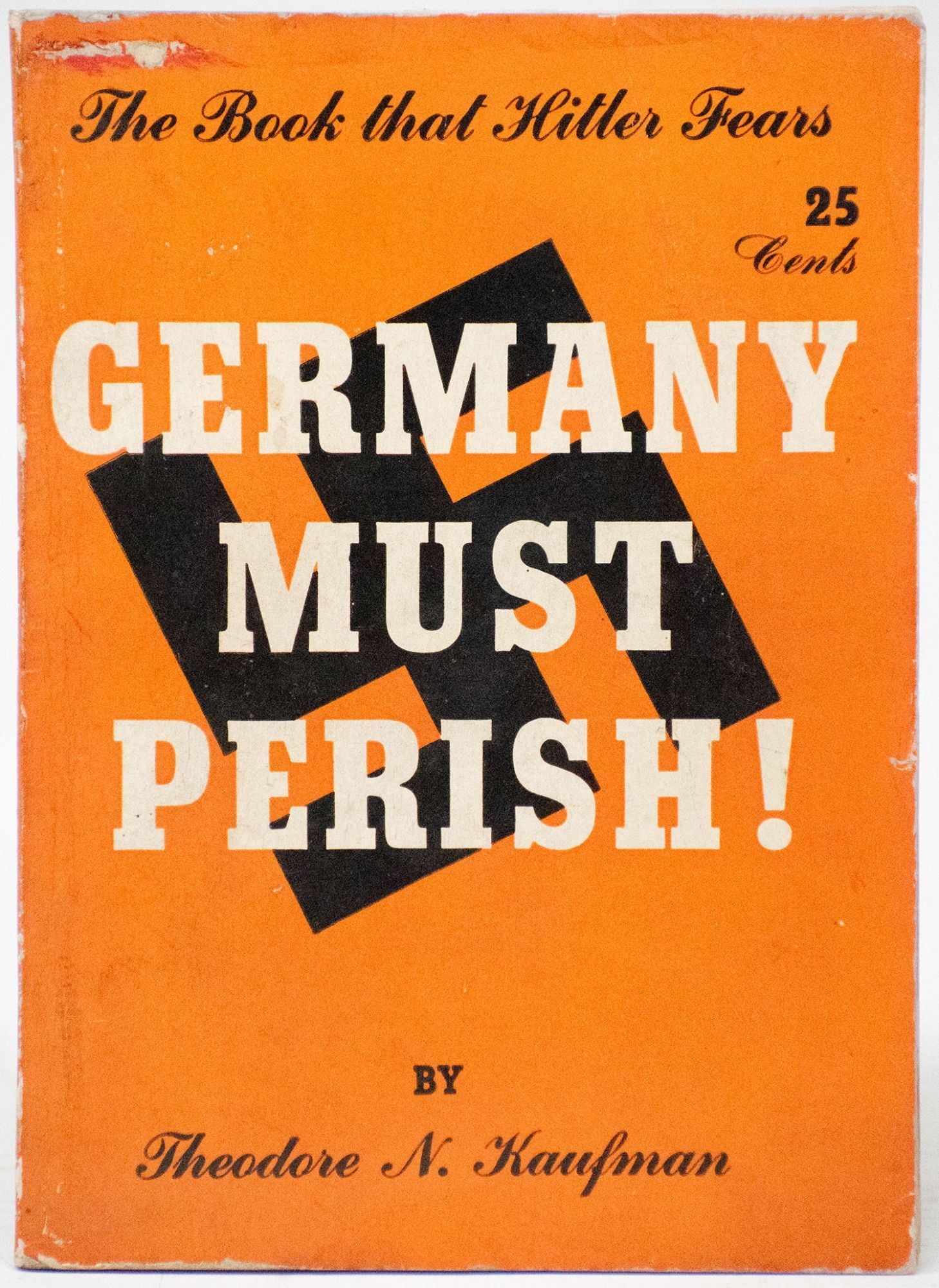
Publication of *Germany Must Perish!* by Theodore Kaufman On February 28, 1941, American author Theodore N. Kaufman self‑published a book titled *Germany Mu...
Explore event →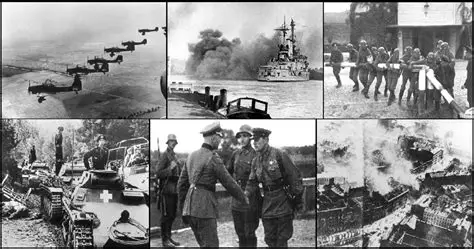
World War II Begins body { font-family: Arial, Helvetica, sans-serif; line-height: 1.6; margin: 40px; ...
Explore event →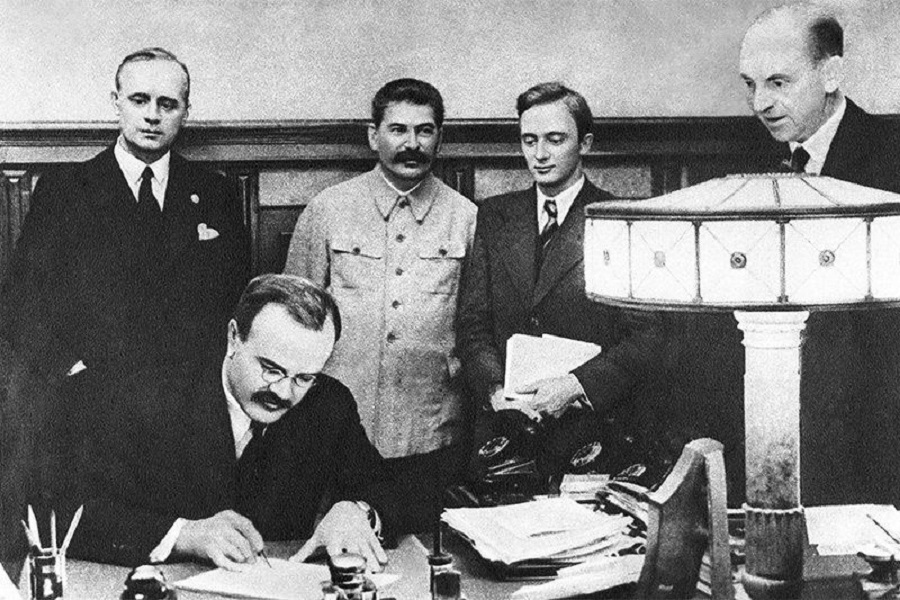
The German–Soviet Non-Aggression Pact And Its Secret Protocols On August 23, 1939, the governments of Germany and the Soviet Union signed a non-aggression t...
Explore event →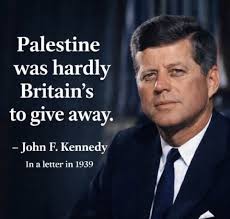
JFK Wrote in 1939 That Palestine Was Hardly Britain's to Give Away In July 1939, John F. Kennedy, then a 22-year-old Harvard student, visited Palestine duri...
Explore event →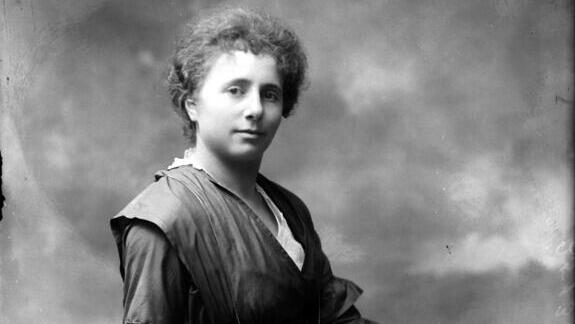
Margherita Sarfatti, an Italian Jewish art critic and writer, played a documented role in the early political and cultural development of Benito Mussolini during the r...
Explore event →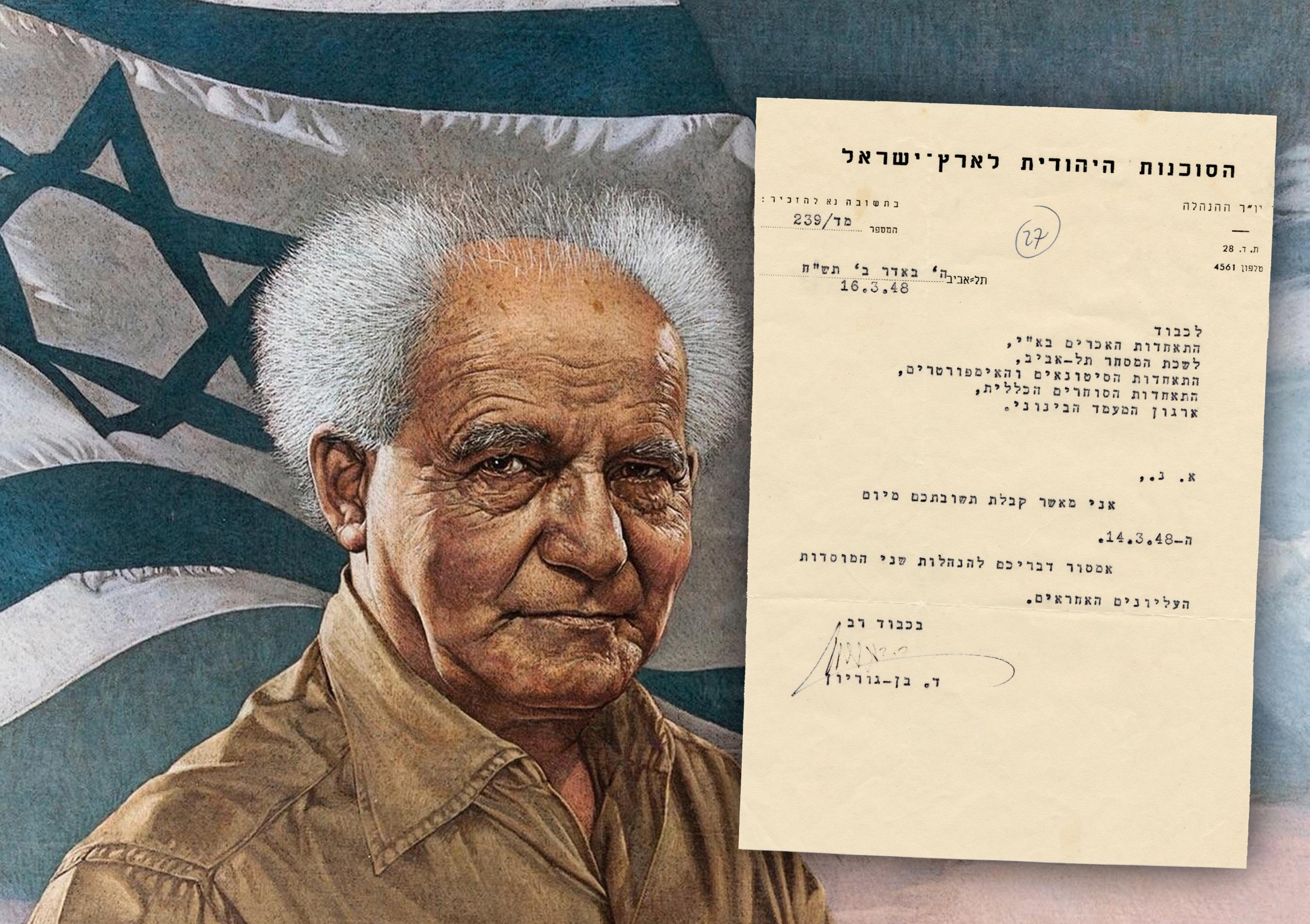
David Ben-Gurion Controversial Statements Record On October 5, 1937, David Ben-Gurion wrote a letter to his son Amos following the Peel Commission’s proposal to parti...
Explore event →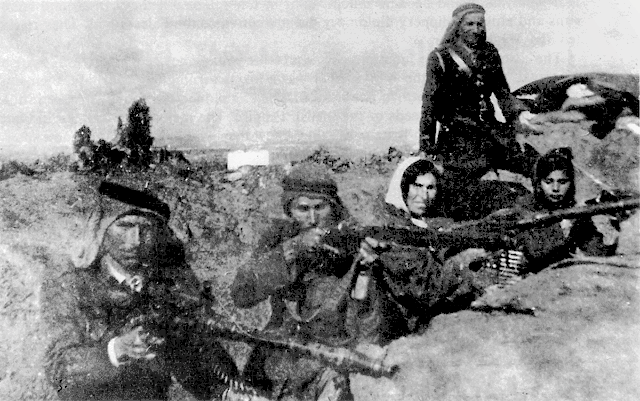
The Arab Revolt in Palestine was a nationalist uprising by Palestinian Arabs against British colonial rule and mass Jewish immigration under the British Mandate, which...
Explore event →
19 July 2022 — Albania and the European Union hold their first intergovernmental conference, formally opening accession negotiations.
Explore research
6 August 2015 — Egypt inaugurates a major expansion of the Suez Canal involving a new parallel channel along part of the route and widening of existing sections. The g...
Explore research
2014–2026 — Former defense minister Abdel Fattah el-Sisi becomes president after playing the central military role in Morsi's removal. His government emphasizes securi...
Explore research
30 June 2012 — Mohamed Morsi, associated with the Muslim Brotherhood's political movement, becomes Egypt's first president elected after the 2011 uprising. His governm...
Explore research
25 January–11 February 2011 — Mass demonstrations erupt against police brutality, corruption, economic frustration and authoritarian government. Cairo's Tahrir Square ...
Explore research
29 April 1991 — New constitutional provisions formally establish the Republic of Albania during the transition away from communist government. The country begins rebui...
Explore research
6 October 1981 — Islamist militants within the Egyptian military assassinate President Anwar Sadat during a military parade commemorating the 1973 war. The attack foll...
Explore research
26 March 1979 — Egypt and Israel sign a formal peace treaty in Washington. Israel agrees to withdraw from Sinai, which is gradually returned to Egyptian control. Egypt...
Explore research
International organization founded by Klaus Schwab as the European Management Symposium in 1971. It later became the World Economic Forum and developed into a platform...
Explore research
1967 — The communist government launches an aggressive campaign against organized religion. Mosques, churches and monasteries are closed or converted to other uses, an...
Explore research
c. 1967–1985 — Hoxha's government constructs vast numbers of concrete defensive bunkers across Albania. The program reflects the regime's fear of invasion from NATO, Y...
Explore research
26 July–7 November 1956 — Nasser nationalizes the Suez Canal Company after Western governments withdraw support for the Aswan High Dam. Britain, France and Israel secr...
Explore research
1954–1970 — Nasser becomes the dominant leader of revolutionary Egypt and formally assumes the presidency in 1956. His government promotes Arab nationalism, land refor...
Explore research
23 July 1952 — Egyptian military officers overthrow King Farouk's government. The movement is driven by dissatisfaction with corruption, political inequality, British ...
Explore research
1952–1970 — The Free Officers end the monarchy, reduce British influence, redistribute land and create a powerful developmental state. At the same time, political part...
Explore research
1948–1978 — Follow Albania's successive breaks with Yugoslavia, the Soviet Union and China and the increasingly radical ideology of Enver Hoxha's government.
Explore research
11 January 1946 — The monarchy is formally abolished and Albania becomes a communist people's republic. Political opposition is suppressed and the Communist Party esta...
Explore research
1922–1953 — Egypt operates as a constitutional monarchy shaped by constant competition among the palace, the Wafd Party and British power. Parliamentary government exi...
Explore research
21–31 January 1920 — Albanian political leaders meet at Lushnjë to reassert sovereignty and resist foreign plans that threatened partition. The congress creates new na...
Explore research
1920–present — Tirana is selected as the seat of government following the Congress of Lushnjë. Over the twentieth century it grows from a relatively small town into Al...
Explore research
January–June 1919 — France prioritizes security and compensation for destruction. Britain wants Germany constrained without permanently destroying European economic st...
Explore research
November 1917–March 1918 — Lenin argues that the revolutionary government cannot survive while Russia remains in the war. Other Bolsheviks object to Germany's extreme ...
Explore research
8 March 1917 — Demonstrations, strikes and bread shortages in Petrograd begin the revolutionary crisis that destroys the imperial government. Soldiers increasingly ref...
Explore research
1917–1918 — Woodrow Wilson increasingly presents American participation as part of a larger project to restructure international relations. His Fourteen Points call fo...
Explore research