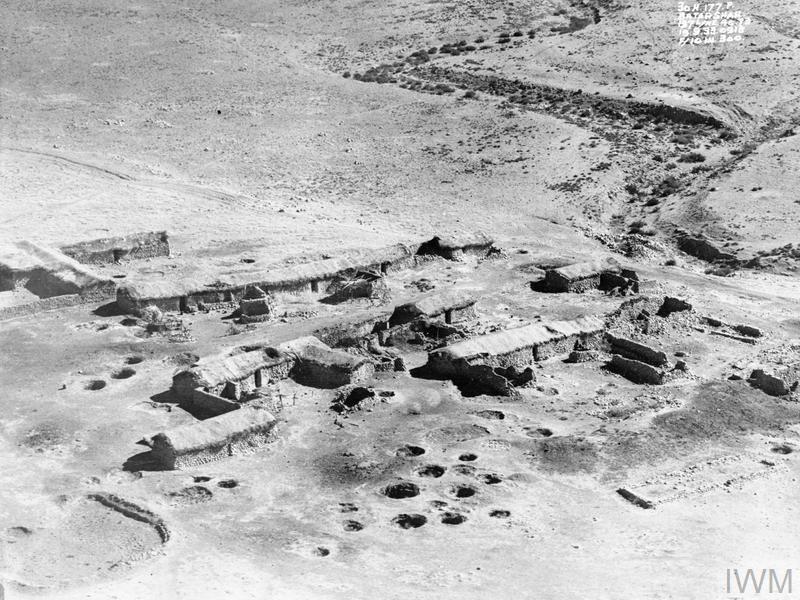
Simele Massacre
Simele Massacre On August 7, 1933, units of the Iraqi Army entered the town of Simele in northern Iraq during a military campaign targeting Assyrian communities. Tens...
Explore event →History does not happen in isolation. Explore world events across time, follow the connections between them, and investigate the threads that reveal how one event can lead to another.
TheTimeMap currently follows events across 95 countries and 268 years of history — building a connected archive designed for people who want to look beyond the headline.
We oppose antisemitism, racism, and dehumanization — everywhere.
When people stop feeling, injustice becomes easy.
Simele Massacre On August 7, 1933, units of the Iraqi Army entered the town of Simele in northern Iraq during a military campaign targeting Assyrian communities. Tens...
Explore event →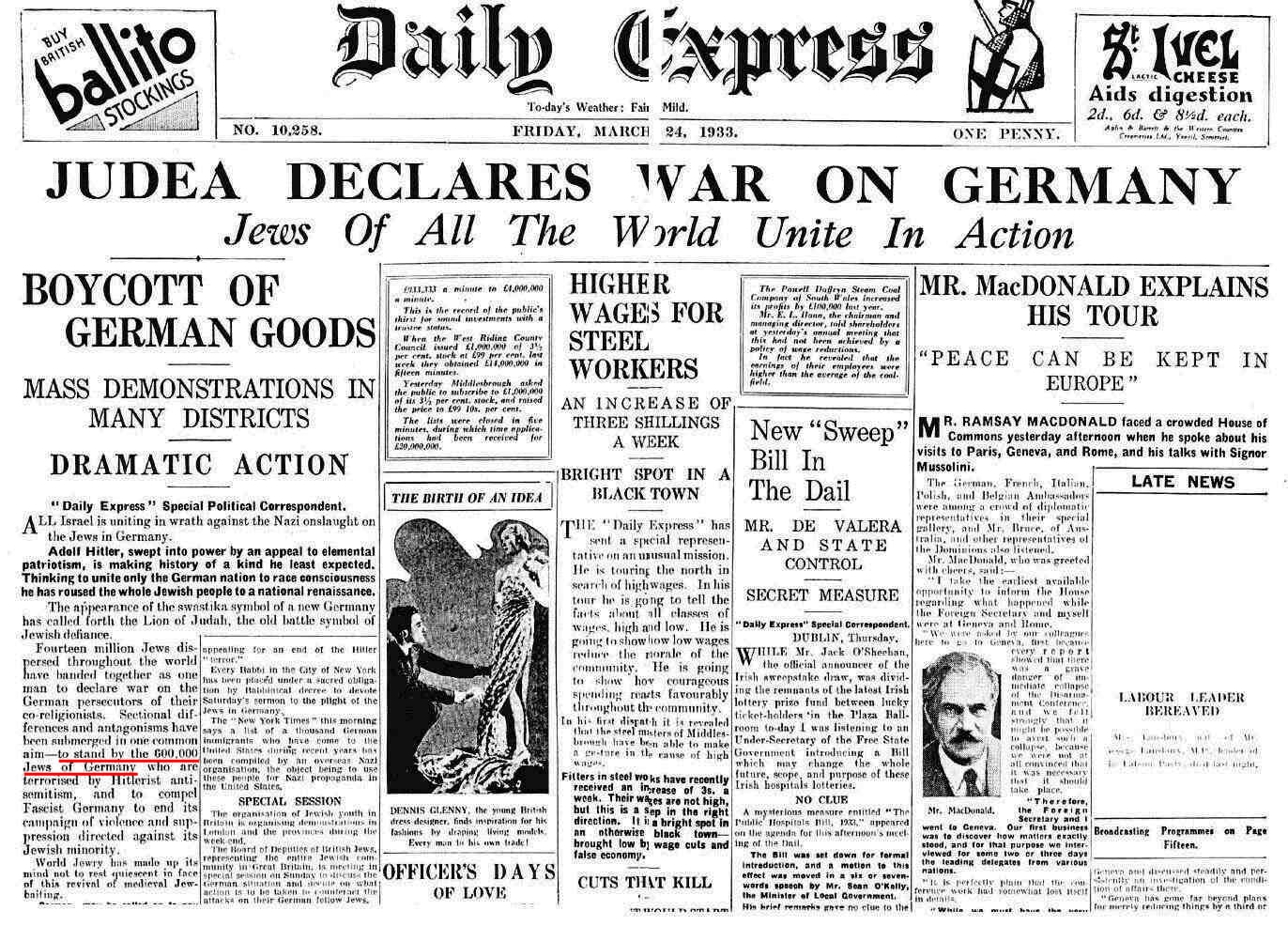
On March 24, 1933, the British newspaper Daily Express published a front-page headline reading “JUDEA DECLARES WAR ON GERMANY: Jews of All the World Unite.” The articl...
Explore event →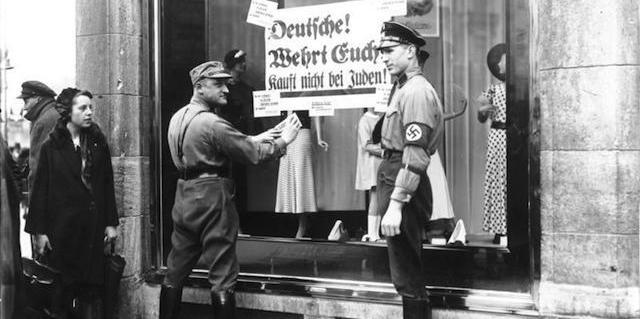
Financial backers of Hitler in 1933 In early 1933, Adolf Hitler received financial support from multiple sources as he rose to power in Germany. Major contributions c...
Explore event →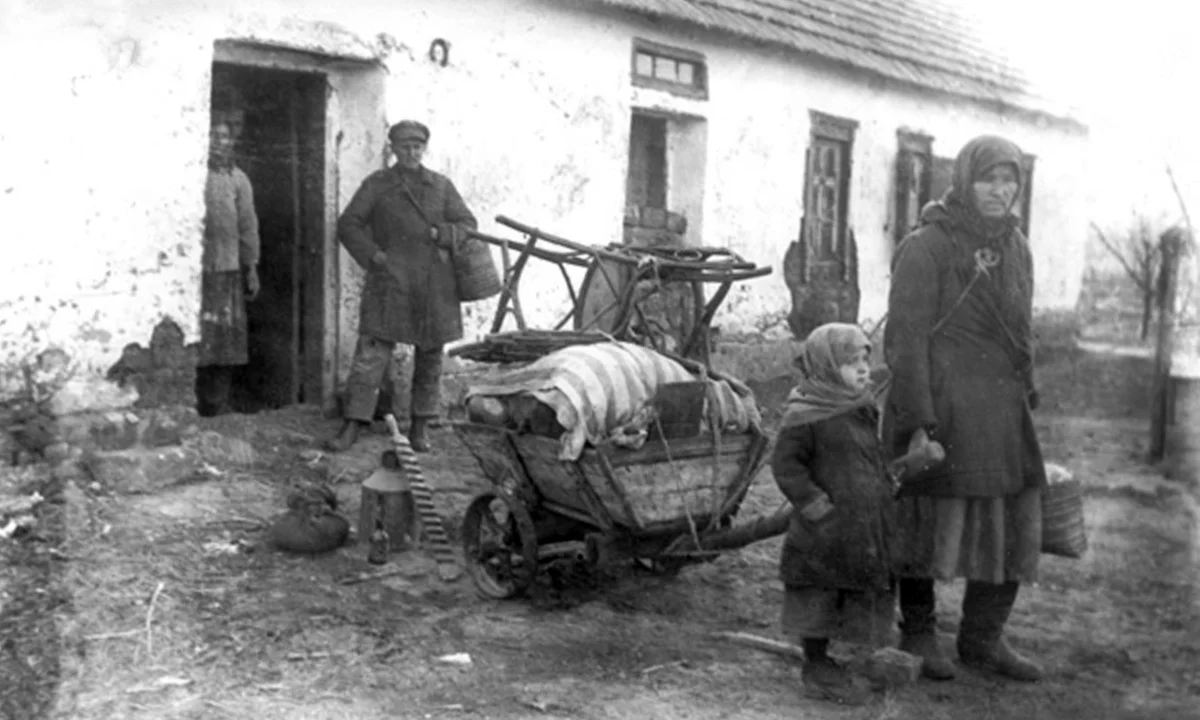
Soviet-Era Famines Under Bolshevik Rule Between 1930 and 1933, a series of mass famines occurred across the Soviet Union following Bolshevik policies of for...
Explore event →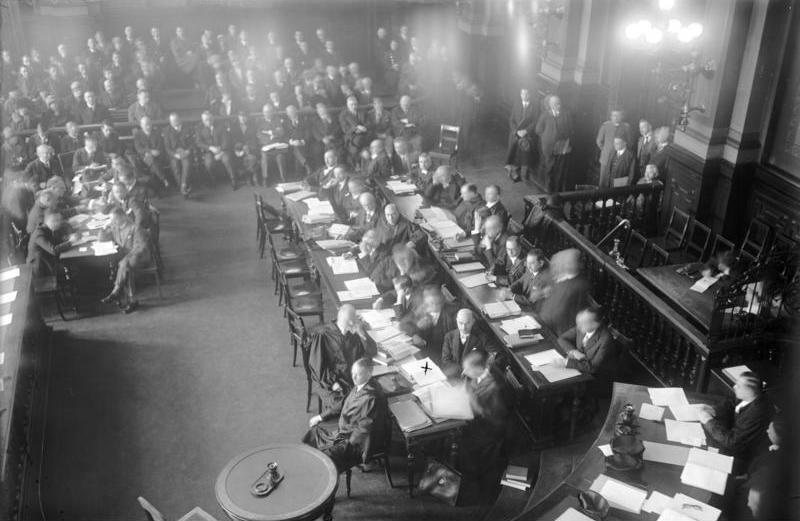
In the 1920s, businessman Julius Barmat, who was Jewish, became involved in a political corruption scandal in the Weimar Republic. The affair implicated government off...
Explore event →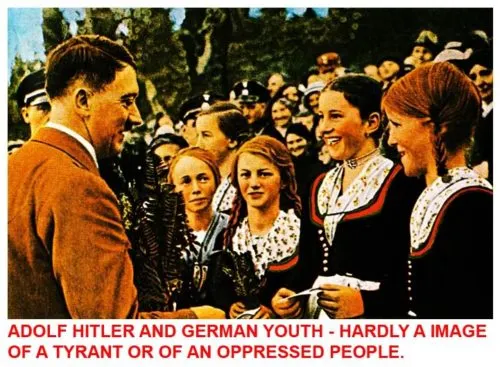
Before Hitler rose to power, major banks and financiers profited from high interest rates in Germany. During the Weimar Republic, government bonds often carried 6-10% ...
Explore event →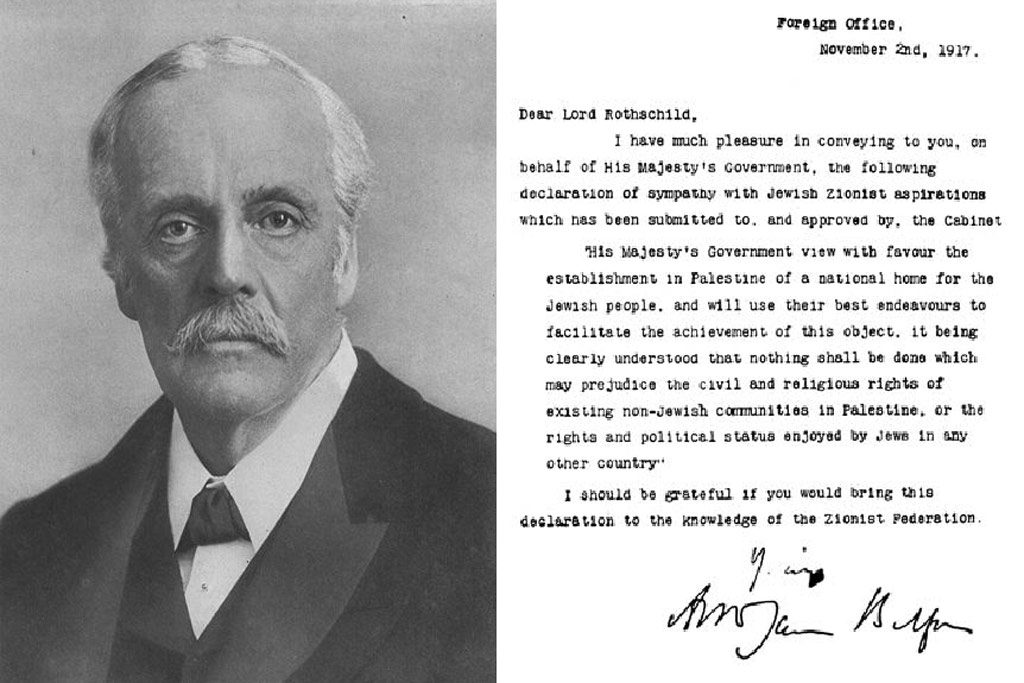
The Balfour Declaration was a public statement issued on November 2 1917 by the British government during World War I expressing support for the establishment of a nat...
Explore event →
Armenian Genocide On April 24, 1915, Ottoman authorities arrested hundreds of Armenian intellectuals and community leaders in Constantinople. The arrests marked the b...
Explore event →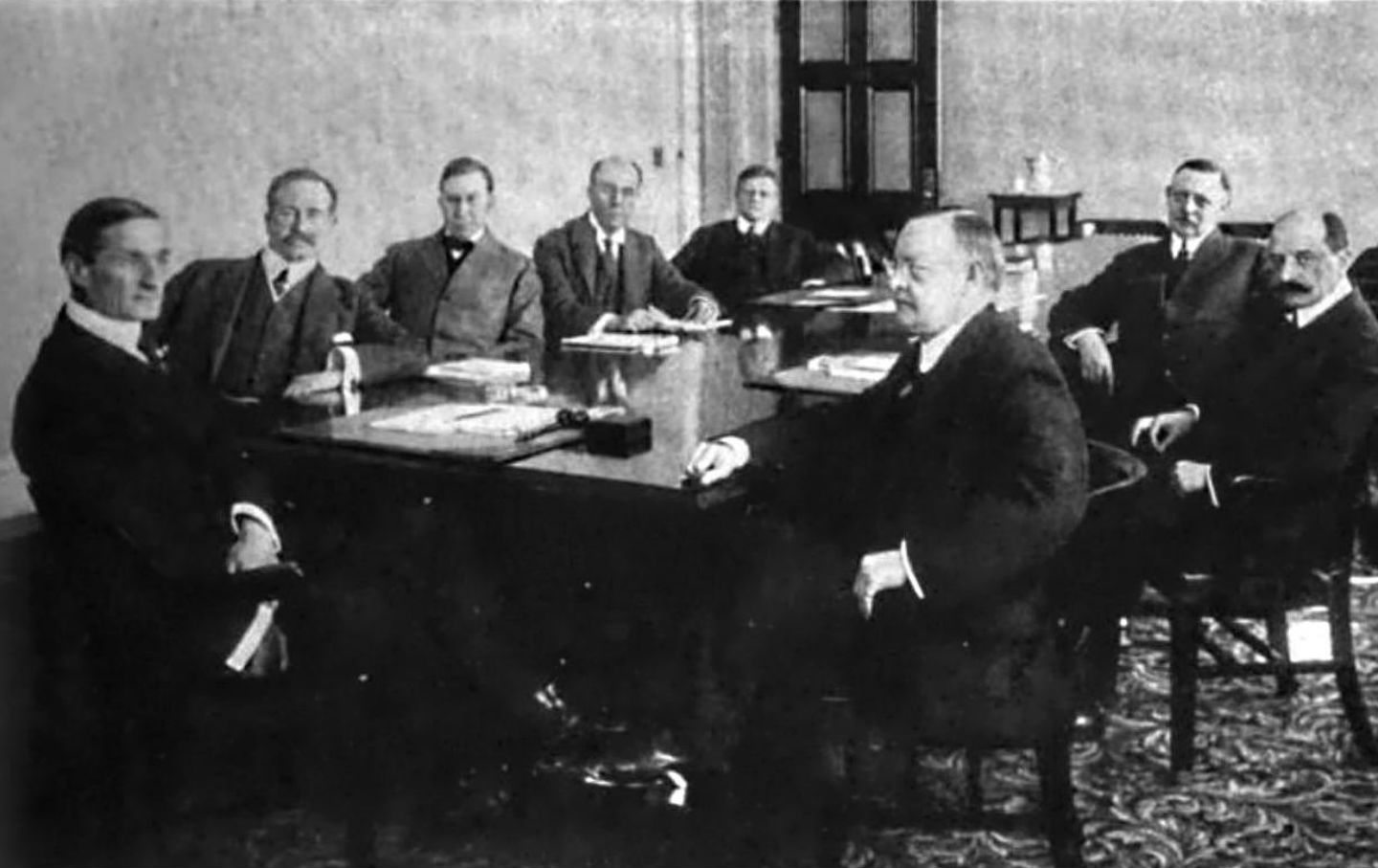
The creation of the Federal Reserve System on December 23, 1913, established the central banking authority of the United States. It was enacted through the Federal Res...
Explore event →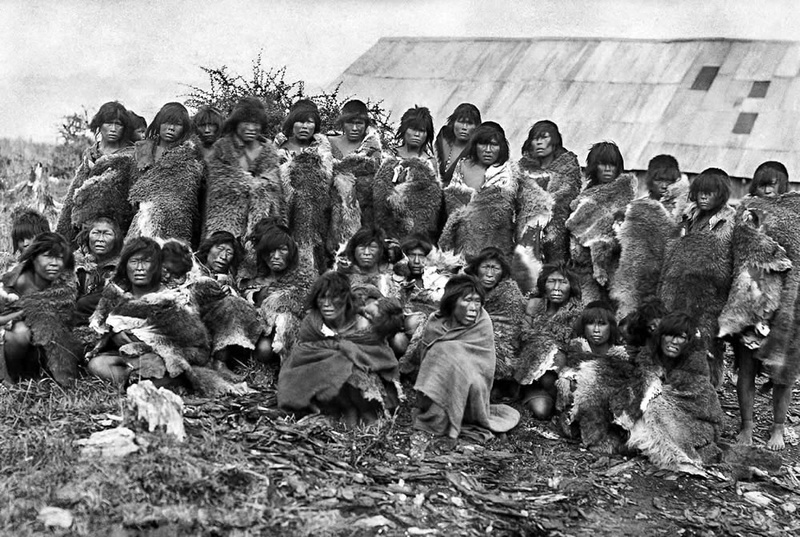
The Selk'nam genocide refers to the systematic extermination of the Selk'nam people, indigenous inhabitants of the Tierra del Fuego archipelago in Patagonia, during th...
Explore event →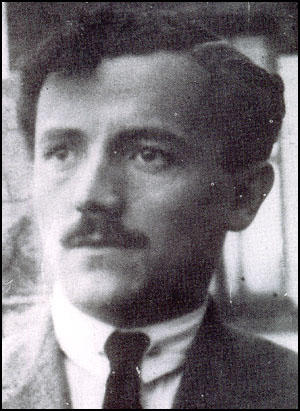
Alexander Orlov, born Lev Lazarevich Feldbin on 21 August 1895 in Bobruisk, was a Soviet NKVD officer from an Orthodox Jewish family. He later operated under several a...
Explore event →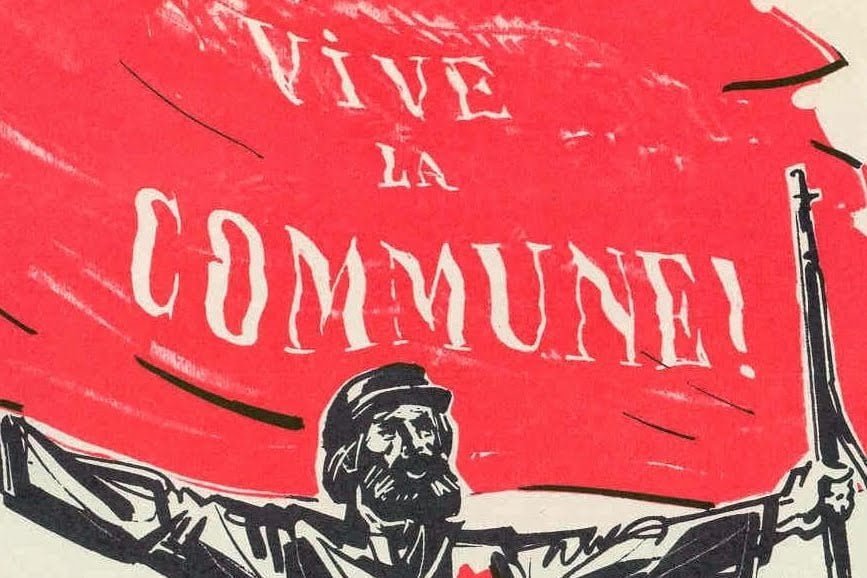
The Paris Commune established a radical socialist government in Paris after the Franco-Prussian War, representing worker self-rule and inspiring future socialist movem...
Explore event →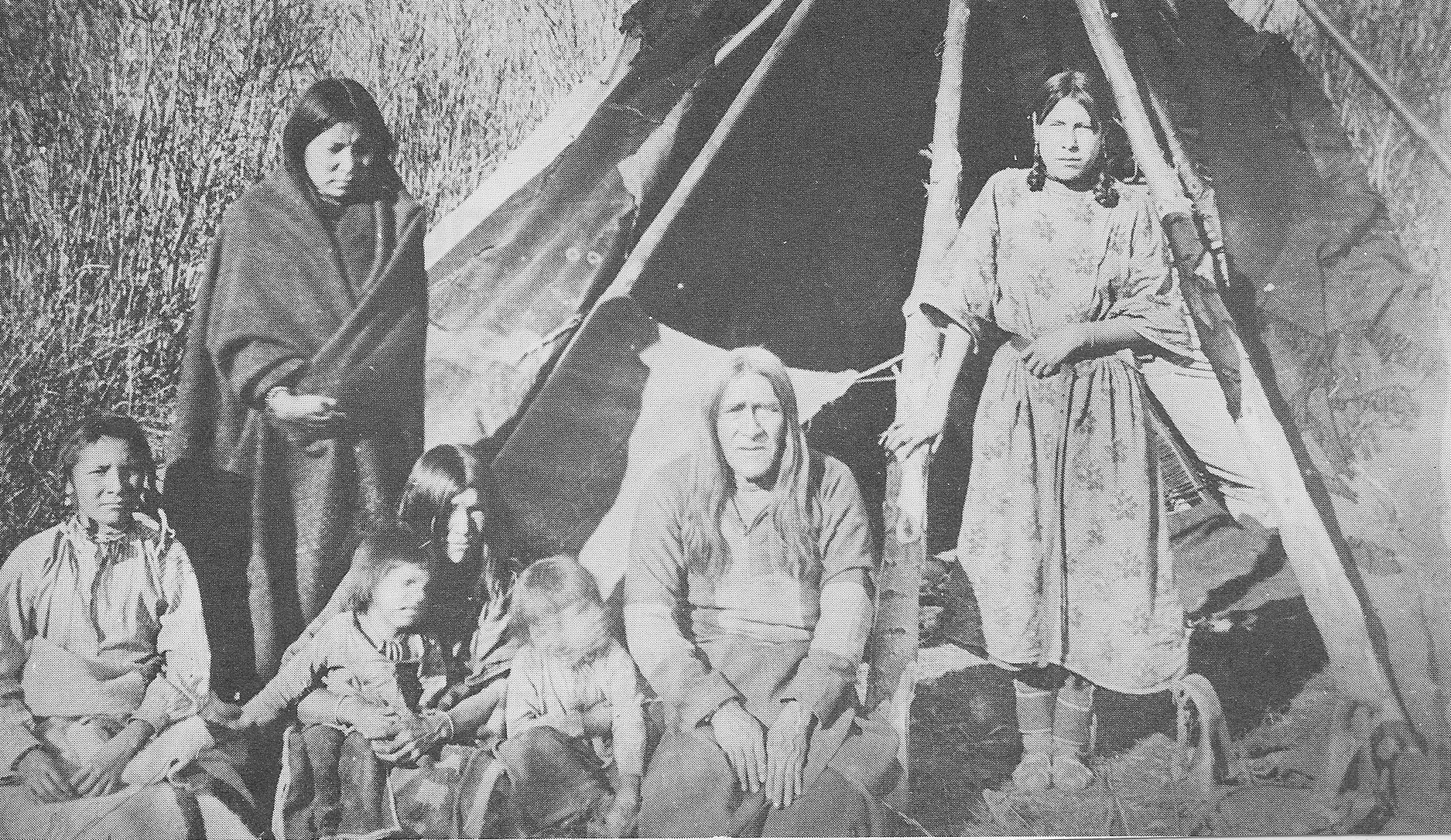
The California Native American genocide refers to the systematic destruction and mass killing of Indigenous peoples in California during the mid-19th century, primaril...
Explore event →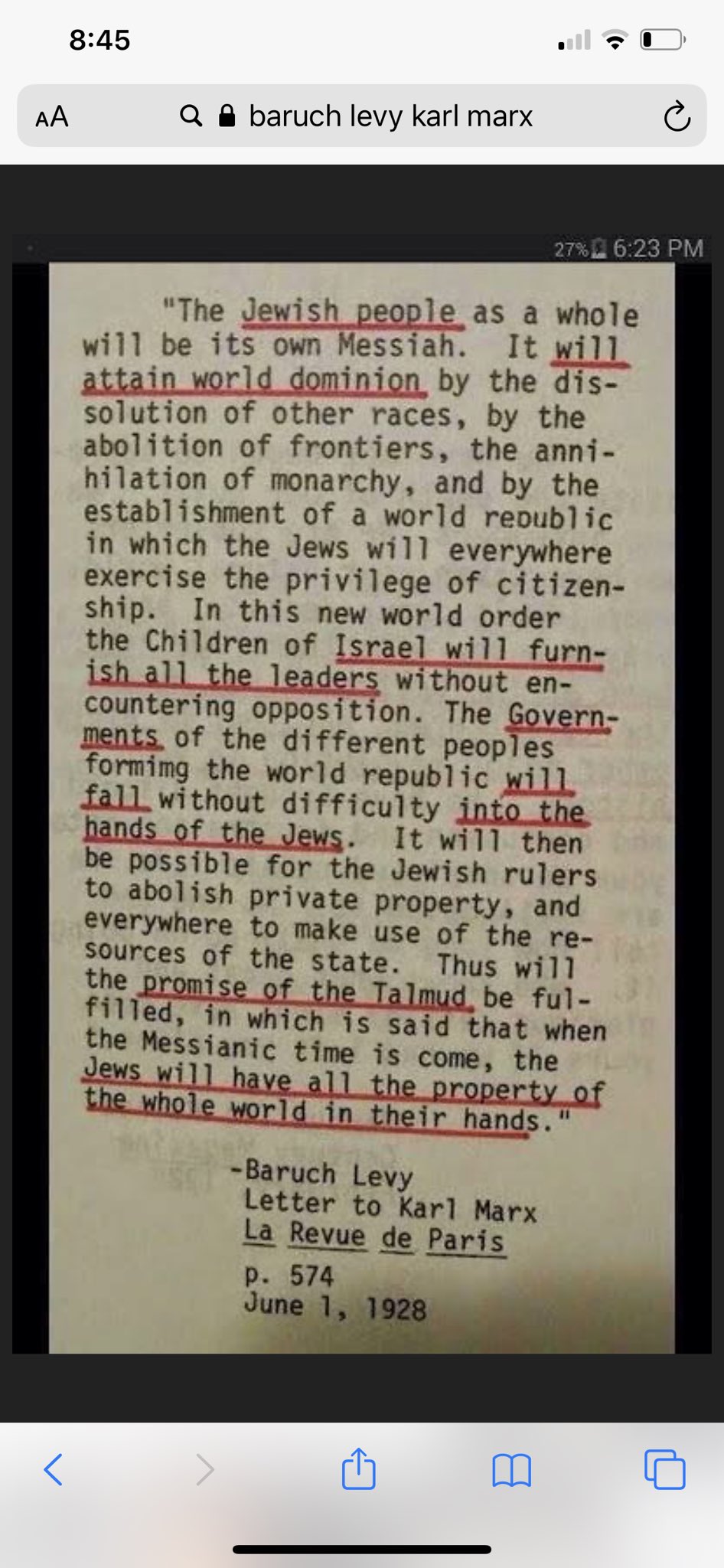
Baruch Levy letter to Karl Marx
Explore event →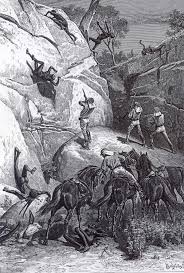
The Tasmanian Aboriginal Genocide refers to the systematic extermination and dispossession of the indigenous Tasmanian population by British colonists during the early...
Explore event →
The Vendée Massacres occurred during the War in the Vendée, a counter-revolutionary uprising in western France from 1793 to 1796. The conflict was marked by violent cl...
Explore event →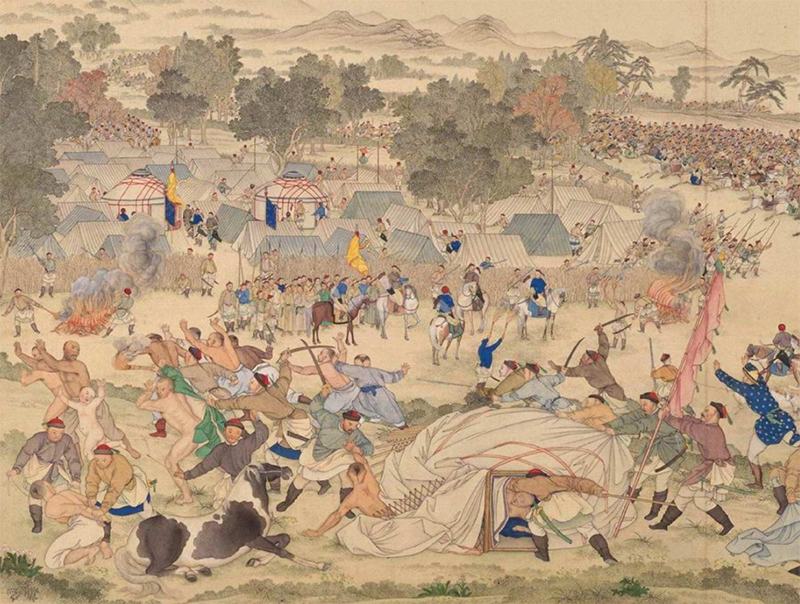
The Dzungar Genocide refers to the systematic destruction of the Dzungar people by the Qing dynasty during the mid-18th century.Between 1755 and 1758, the Qing governm...
Explore event →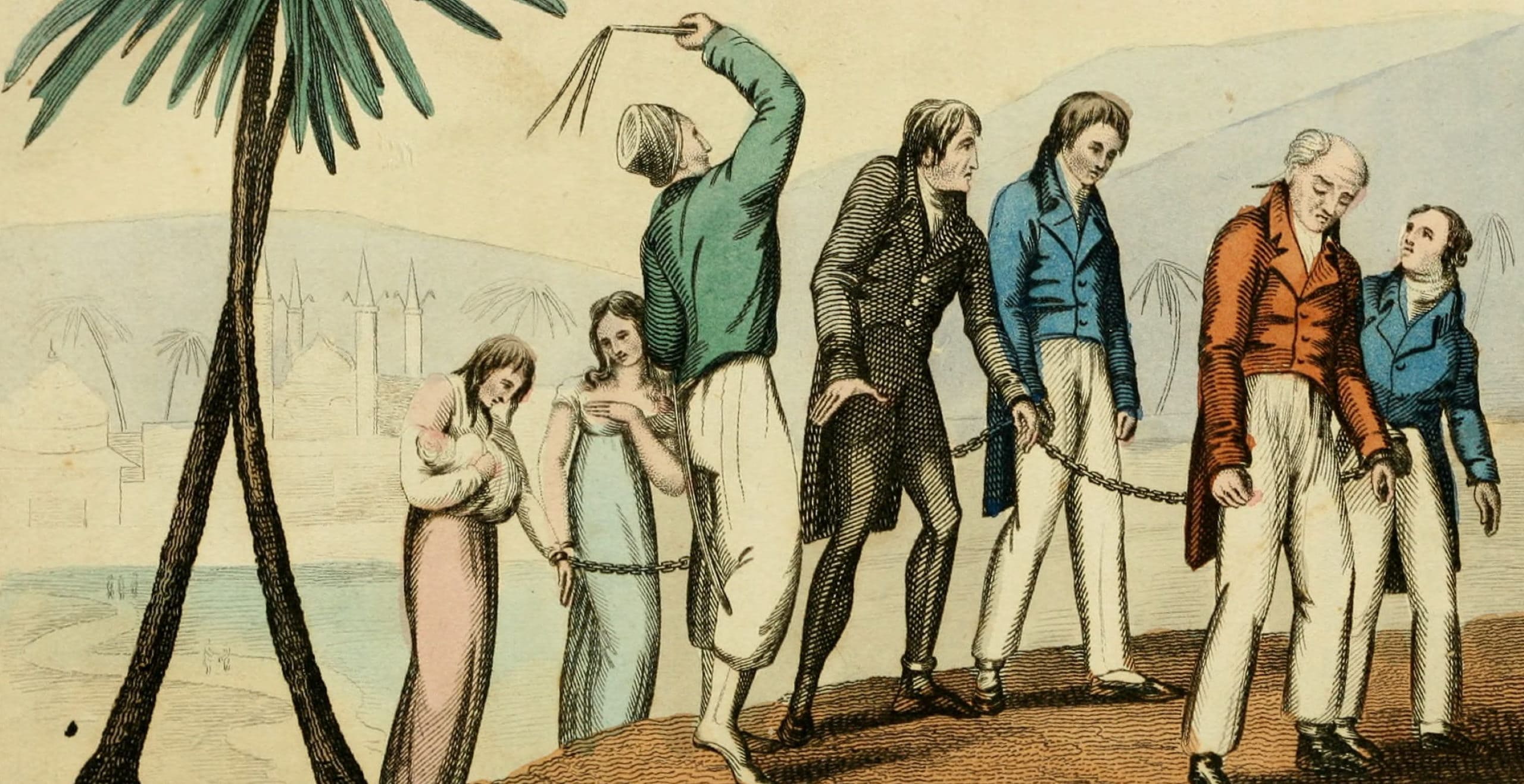
European Captives Sold Into Slavery By Barbary Pirates From the 16th to the 19th centuries, Barbary pirates operating from North Africa — including present-da...
Explore event →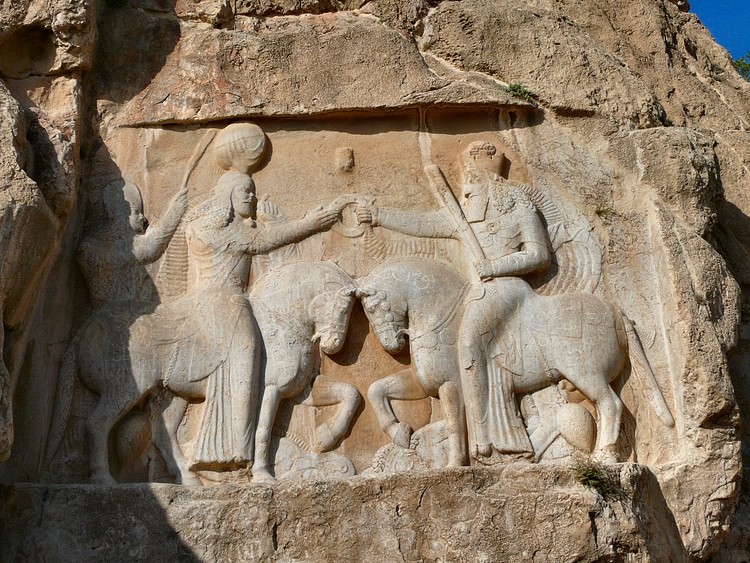
Ardashir I, the founder of the Sasanian Empire, defeated Artabanus IV, the last ruler of the Parthian Empire, at the battle near Hormozdgan. This victory marked the en...
Explore event →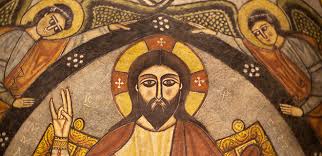
Coptic Christianity, one of the oldest Christian traditions, has seen notable growth within Egypt in recent years. Rooted deeply in Egyptian history, the Coptic commun...
Explore event →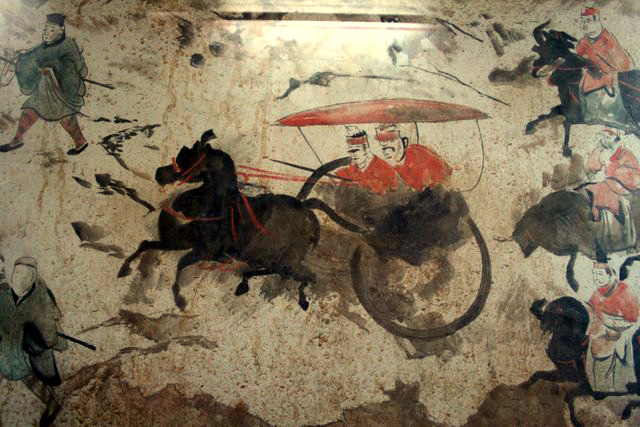
The Xin dynasty's rule ended after widespread revolts erupted against Wang Mang's government. These uprisings were fueled by famine, flooding, and political unrest tha...
Explore event →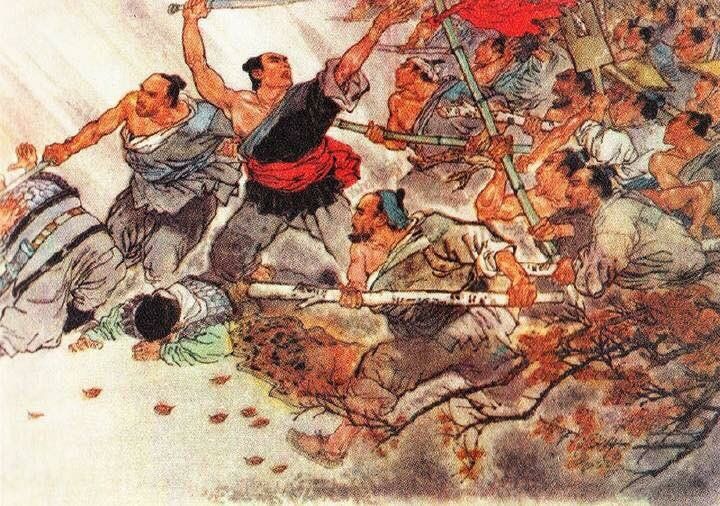
The Red Eyebrows rebellion began as a peasant uprising against the ruling Wang Mang regime. Originating in the Henan region, discontent over heavy taxation and natural...
Explore event →
19 July 2022 — Albania and the European Union hold their first intergovernmental conference, formally opening accession negotiations.
Explore research
6 August 2015 — Egypt inaugurates a major expansion of the Suez Canal involving a new parallel channel along part of the route and widening of existing sections. The g...
Explore research
2014–2026 — Former defense minister Abdel Fattah el-Sisi becomes president after playing the central military role in Morsi's removal. His government emphasizes securi...
Explore research
30 June 2012 — Mohamed Morsi, associated with the Muslim Brotherhood's political movement, becomes Egypt's first president elected after the 2011 uprising. His governm...
Explore research
25 January–11 February 2011 — Mass demonstrations erupt against police brutality, corruption, economic frustration and authoritarian government. Cairo's Tahrir Square ...
Explore research
29 April 1991 — New constitutional provisions formally establish the Republic of Albania during the transition away from communist government. The country begins rebui...
Explore research
6 October 1981 — Islamist militants within the Egyptian military assassinate President Anwar Sadat during a military parade commemorating the 1973 war. The attack foll...
Explore research
26 March 1979 — Egypt and Israel sign a formal peace treaty in Washington. Israel agrees to withdraw from Sinai, which is gradually returned to Egyptian control. Egypt...
Explore research
International organization founded by Klaus Schwab as the European Management Symposium in 1971. It later became the World Economic Forum and developed into a platform...
Explore research
1967 — The communist government launches an aggressive campaign against organized religion. Mosques, churches and monasteries are closed or converted to other uses, an...
Explore research
c. 1967–1985 — Hoxha's government constructs vast numbers of concrete defensive bunkers across Albania. The program reflects the regime's fear of invasion from NATO, Y...
Explore research
26 July–7 November 1956 — Nasser nationalizes the Suez Canal Company after Western governments withdraw support for the Aswan High Dam. Britain, France and Israel secr...
Explore research
1954–1970 — Nasser becomes the dominant leader of revolutionary Egypt and formally assumes the presidency in 1956. His government promotes Arab nationalism, land refor...
Explore research
23 July 1952 — Egyptian military officers overthrow King Farouk's government. The movement is driven by dissatisfaction with corruption, political inequality, British ...
Explore research
1952–1970 — The Free Officers end the monarchy, reduce British influence, redistribute land and create a powerful developmental state. At the same time, political part...
Explore research
1948–1978 — Follow Albania's successive breaks with Yugoslavia, the Soviet Union and China and the increasingly radical ideology of Enver Hoxha's government.
Explore research
11 January 1946 — The monarchy is formally abolished and Albania becomes a communist people's republic. Political opposition is suppressed and the Communist Party esta...
Explore research
1922–1953 — Egypt operates as a constitutional monarchy shaped by constant competition among the palace, the Wafd Party and British power. Parliamentary government exi...
Explore research
21–31 January 1920 — Albanian political leaders meet at Lushnjë to reassert sovereignty and resist foreign plans that threatened partition. The congress creates new na...
Explore research
1920–present — Tirana is selected as the seat of government following the Congress of Lushnjë. Over the twentieth century it grows from a relatively small town into Al...
Explore research
January–June 1919 — France prioritizes security and compensation for destruction. Britain wants Germany constrained without permanently destroying European economic st...
Explore research
November 1917–March 1918 — Lenin argues that the revolutionary government cannot survive while Russia remains in the war. Other Bolsheviks object to Germany's extreme ...
Explore research
8 March 1917 — Demonstrations, strikes and bread shortages in Petrograd begin the revolutionary crisis that destroys the imperial government. Soldiers increasingly ref...
Explore research
1917–1918 — Woodrow Wilson increasingly presents American participation as part of a larger project to restructure international relations. His Fourteen Points call fo...
Explore research