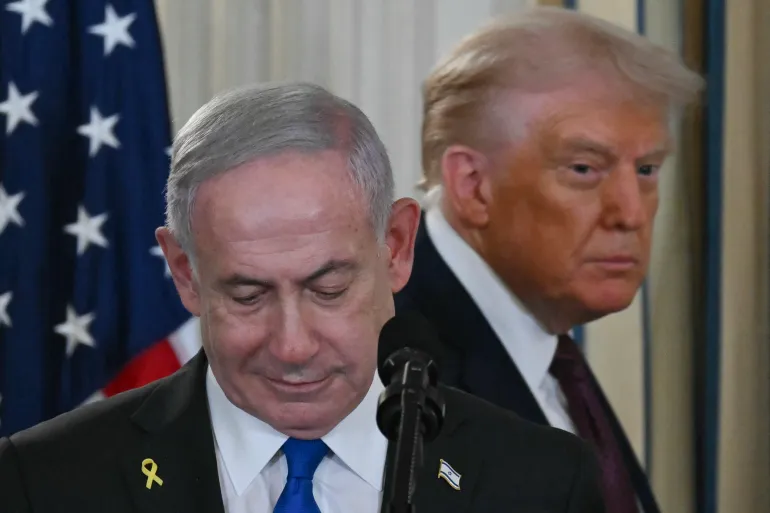
Trump Gaza framework continues
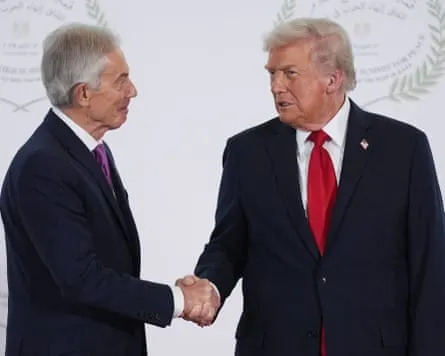
Officials associated with the U.S.-backed Board of Peace said on August 10, 2026, that President Donald Trump's Gaza framework remained active despite disagreement with Israeli Prime Mini...
Explore event →History does not happen in isolation. Explore world events across time, follow the connections between them, and investigate the threads that reveal how one event can lead to another.
TheTimeMap currently follows events across 95 countries and 268 years of history — building a connected archive designed for people who want to look beyond the headline.
We oppose antisemitism, racism, and dehumanization — everywhere.
When people stop feeling, injustice becomes easy.
Officials associated with the U.S.-backed Board of Peace said on August 10, 2026, that President Donald Trump's Gaza framework remained active despite disagreement with Israeli Prime Mini...
Explore event →

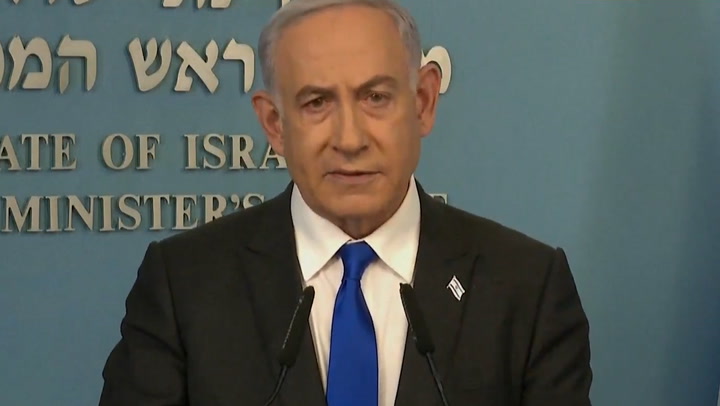
Israeli Prime Minister Benjamin Netanyahu said on August 9, 2026, that Israel would not withdraw its forces from the Gaza Strip until Hamas had been fully disarmed. His statement rejected...
Explore event →
Large protests took place across Albania, particularly in Tirana and coastal regions, as opposition supporters, activists, and local communities gathered to express dissatisfaction with g...
Explore event →
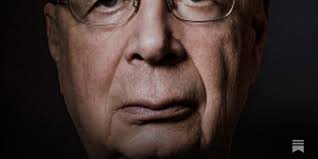
The COVID-19 pandemic has served as a stress test for the model of stakeholder capitalism, in which companies are expected to consider the interests of employees, customers, communities, ...
Explore event →
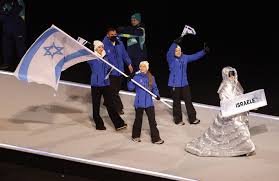
Israeli athletes return to Olympics after Gaza conflict amid international scrutiny In February 2026, Israeli athletes were welcomed to participate in the Winter Olympics follo...
Explore event →
Elon Musk’s grandfather Joshua Haldeman and the Technocracy movement On February 7, 2026, public records and historical sources show that Joshua N. Haldeman (1902–1974), the ma...
Explore event →
The Nigerian government has established a new national anti-corruption oversight council aimed at increasing transparency in federal procurement and reducing systemic graft. The council w...
Explore event →
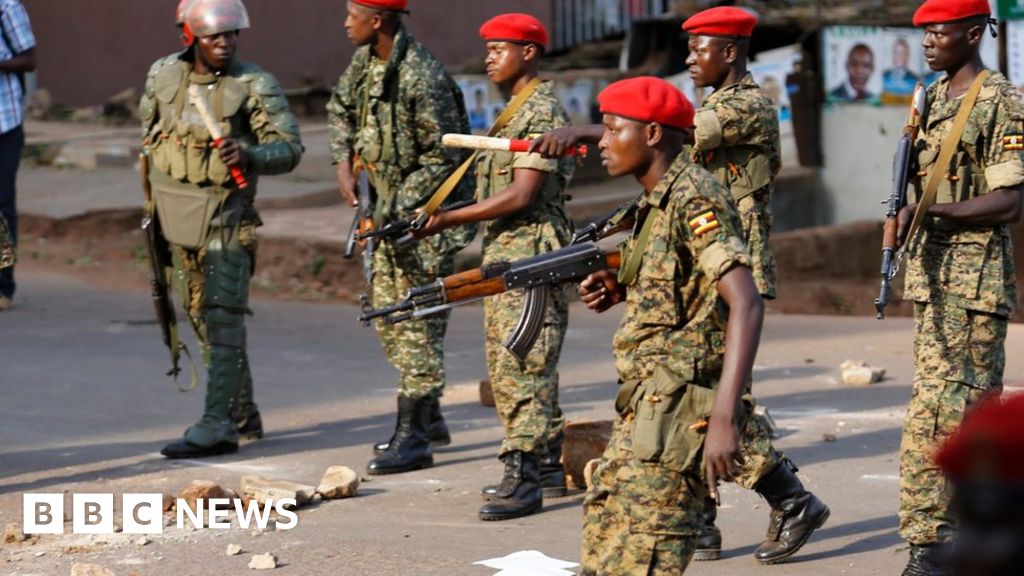
On January 16, 2026, large protests erupted in Kampala and other parts of Uganda following disputed results of the 2026 general election. Clashes between opposition supporters and securit...
Explore event →
Board of Peace for Gaza Date: Ongoing as of January 2026 Description: The Board of Peace is a U.S.-led international body announced by President Donald Trump to oversee governance,...
Explore event →
Sam Bankman‑Fried, founder of the cryptocurrency exchange FTX, became central to one of the largest financial collapses in the digital asset industry. In 2023, he was convicted of defraud...
Explore event →
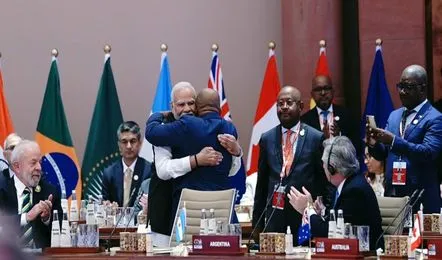
African Union Becomes Permanent Member of G20, Expanding Voice of Global South The African Union was formally admitted as a permanent member of the Group of Twenty (G20) during...
Explore event →
In late 2022, Iraqi authorities intensified investigations into one of the country's largest alleged corruption cases, involving the disappearance of billions of dollars from tax authorit...
Explore event →
The COVID-19 pandemic is a global outbreak of the coronavirus SARS-CoV-2, first identified in Wuhan, China, in late 2019. The World Health Organization (WHO) was notified on December 31, ...
Explore event →
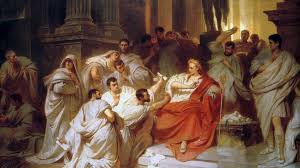
Augustus, the first Roman emperor, died in Nola after a reign that transformed the Roman Republic into the Roman Empire. His death marked the end of an era and initiated the succession of...
Explore event →
1913 – Foundations of the Modern World body { font-family: Arial, sans-serif; background-color: #f4f4f9; margin: 0; padding: 0; } .timeline-container { max-width: 900...
Explore event →
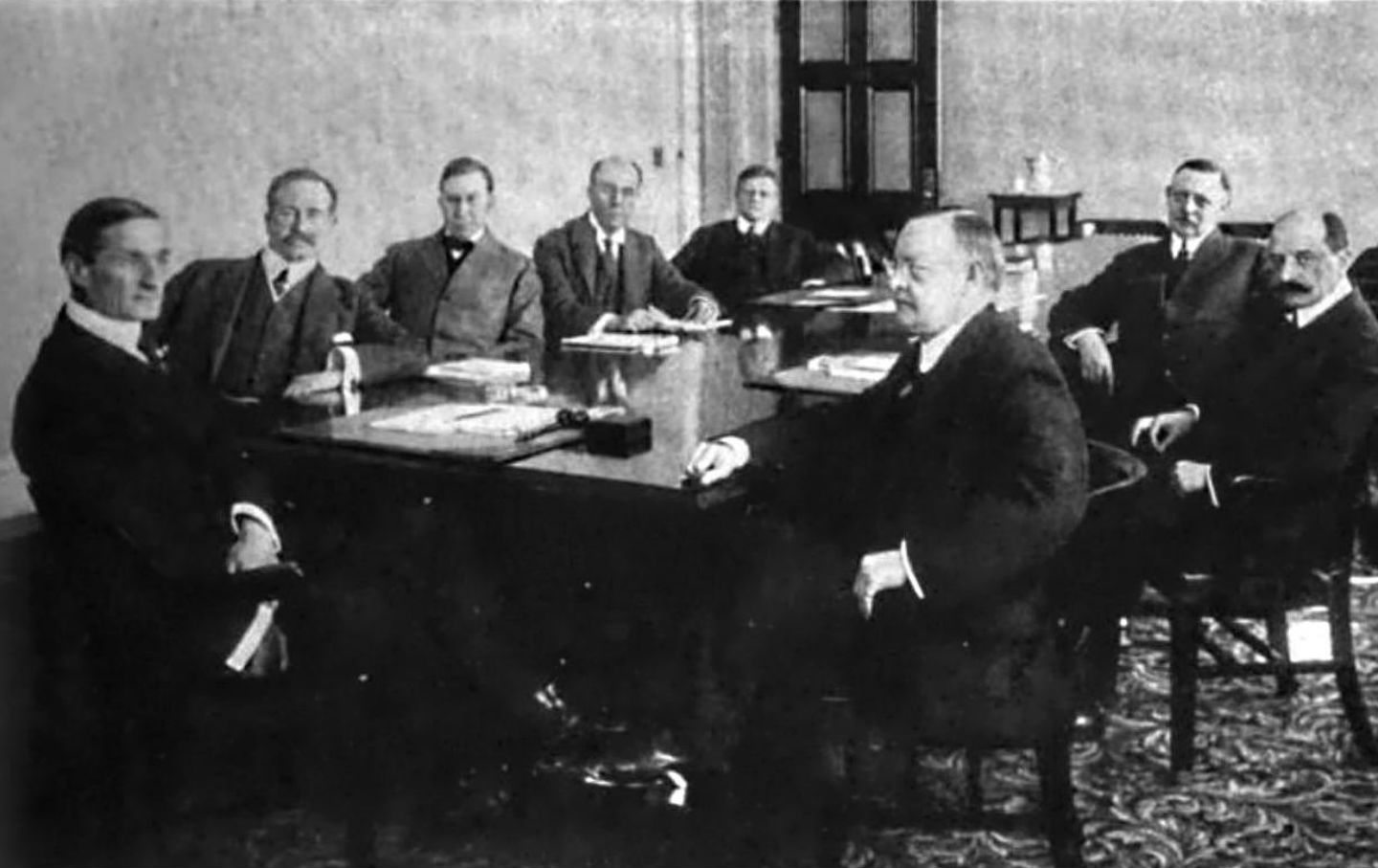
The creation of the Federal Reserve System on December 23, 1913, established the central banking authority of the United States. It was enacted through the Federal Reserve Act, signed int...
Explore event →
In early March 1371, Cham forces launched a significant raid on the Jiaozhi region of northern Vietnam. The attack targeted local settlements and disrupted the regional governance structu...
Explore event →
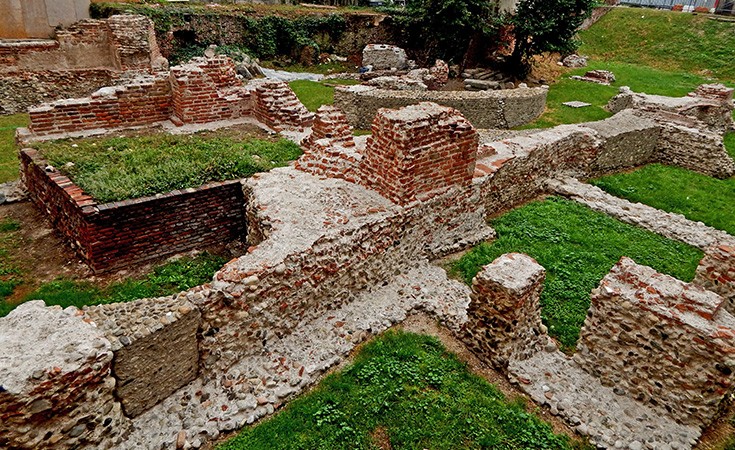
The imperial court transferred its seat to Milan, marking a significant shift in political power within the region. This relocation allowed closer control over northern Italian territorie...
Explore event →
Indian cultural influence expanded significantly throughout Southeast Asia, notably through trade, religion, and political relations established by Indianized kingdoms.This influence is e...
Explore event →
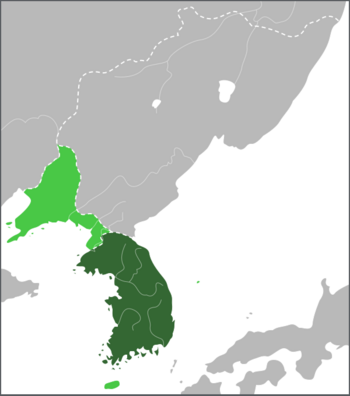
The Silla kingdom successfully unified the Korean Peninsula after defeating the Baekje and Goguryeo kingdoms. This consolidation marked the beginning of the Unified Silla period, which br...
Explore event →
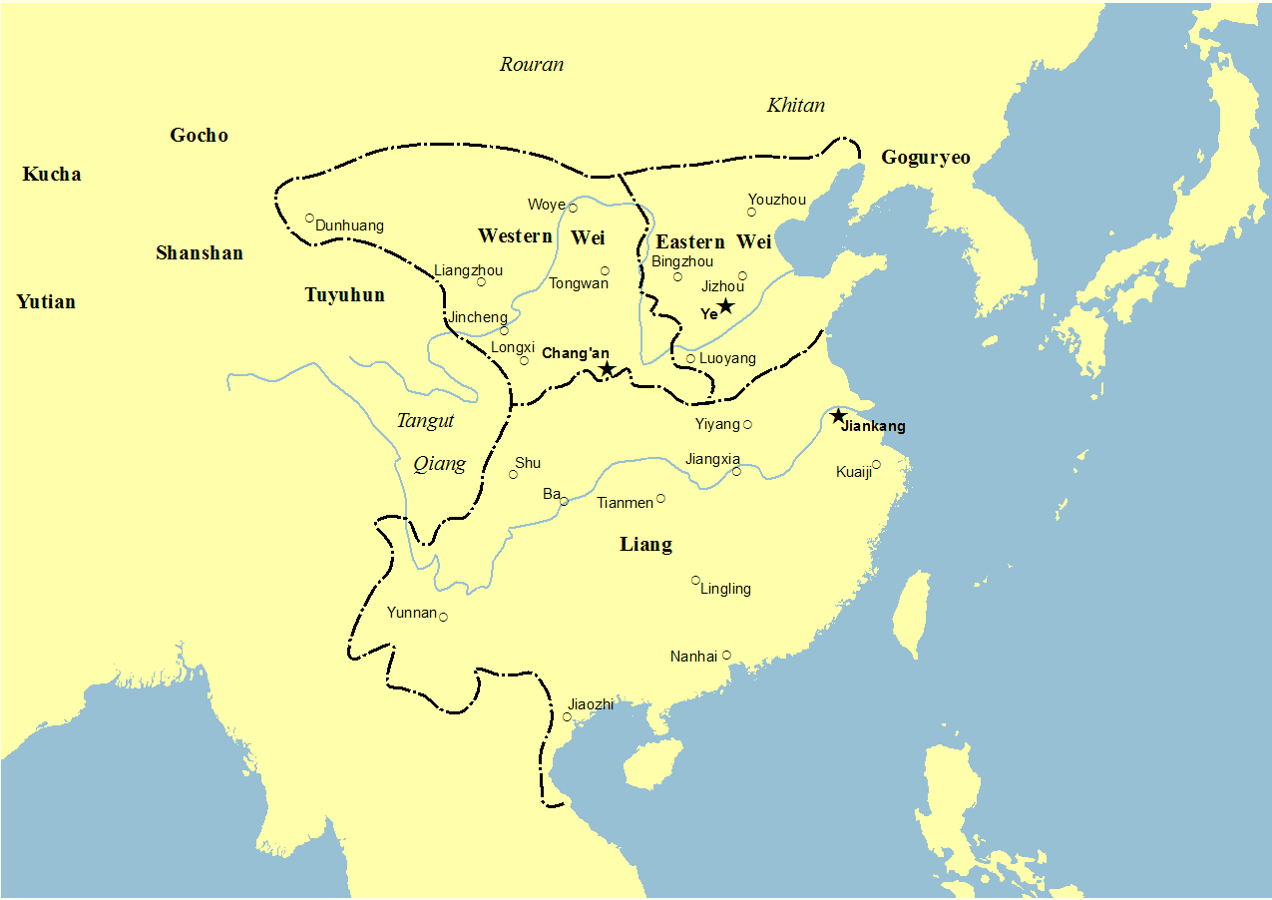
The Jin dynasty court experienced severe internal divisions fueled by rival factions vying for control after a series of military defeats. These conflicts weakened centralized rule and tr...
Explore event →
Constantius Chlorus was elevated to the rank of Augustus on May 1st, 305, following the abdication of the previous Tetrarchs, Diocletian and Maximian. This event marked a significant tran...
Explore event →
Emperor Diocletian formally abdicated the throne, marking a rare voluntary withdrawal from power by a Roman emperor. This significant event occurred as part of the Tetrarchy system he had...
Explore event →
Galerius was appointed Caesar by Emperor Diocletian as part of the tetrarchy reform intended to stabilize and govern the Roman Empire more effectively. His promotion marked a key moment i...
Explore event →
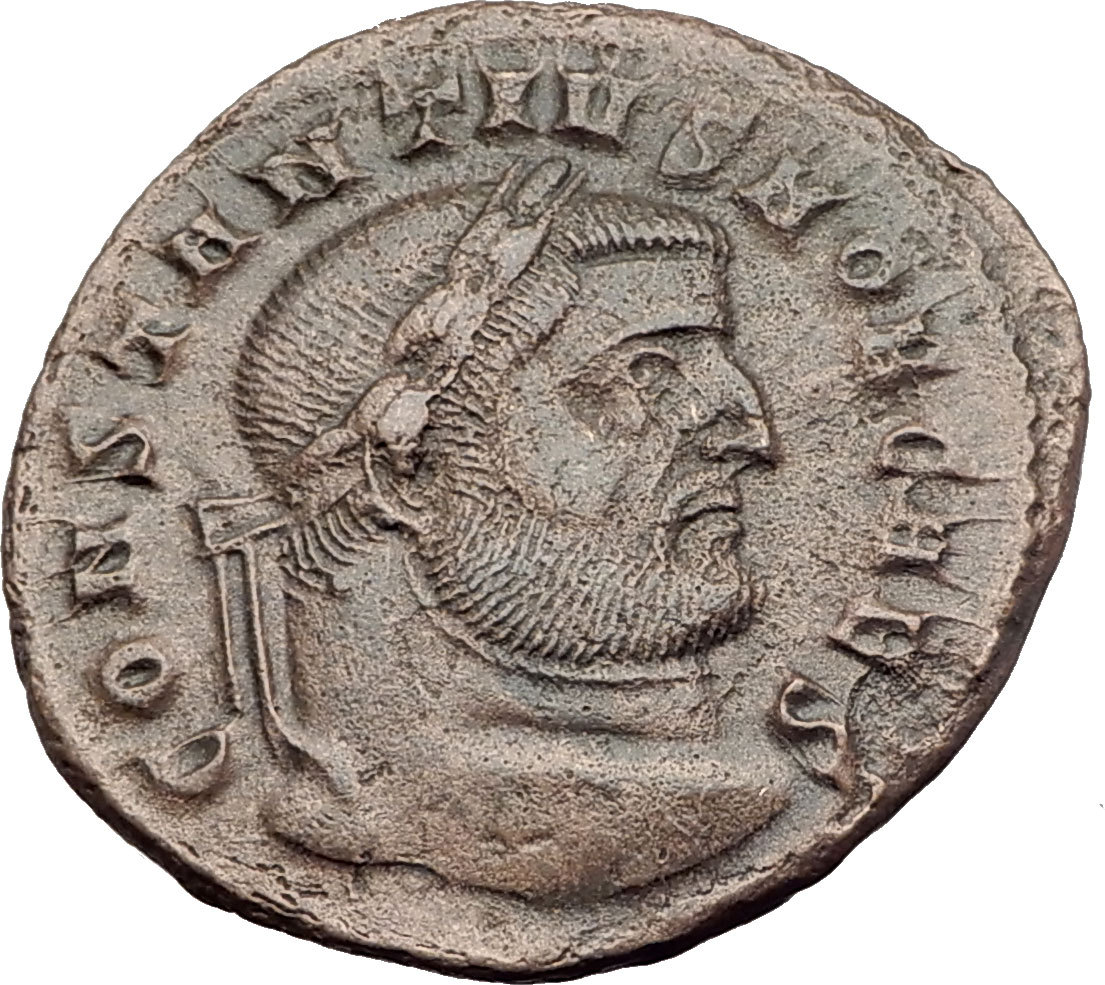
Constantius Chlorus was appointed Caesar by Emperor Diocletian as part of the Tetrarchy system to stabilize and govern the Roman Empire more effectively. This appointment marked the begin...
Explore event →
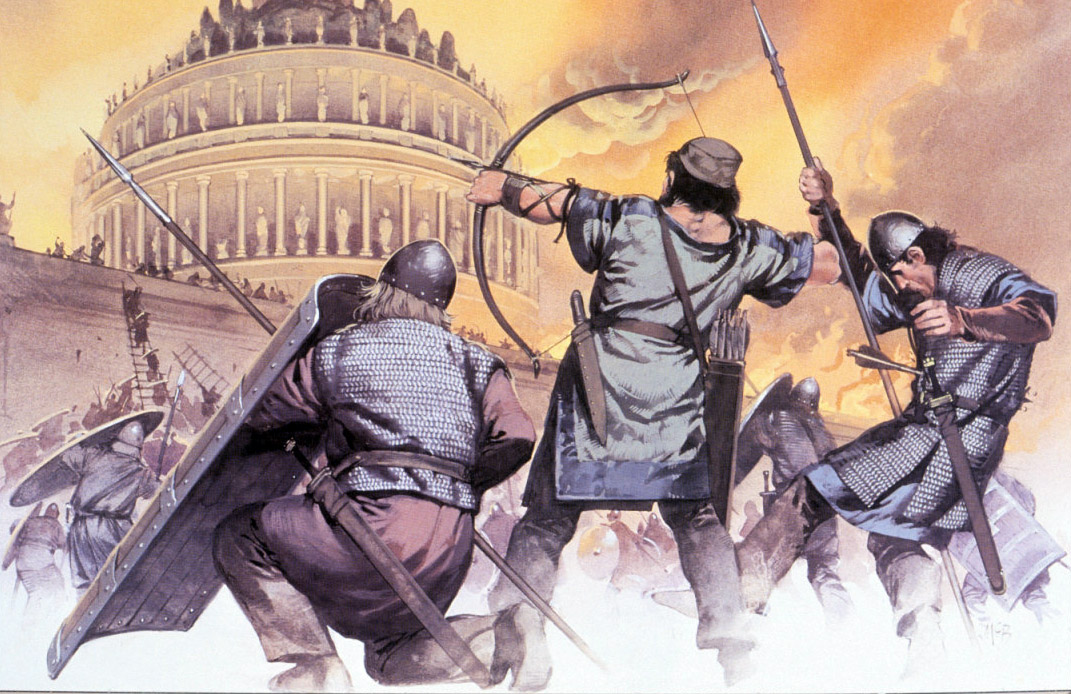
The Tetrarchy was established by Emperor Diocletian in 293 to address administrative and military challenges in the Roman Empire. This political system divided the empire into four parts,...
Explore event →
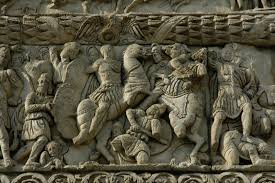
In April 286, the Roman Emperor Diocletian appointed Maximian as Caesar, marking a significant development in imperial governance. This act was meant to strengthen the administration and ...
Explore event →
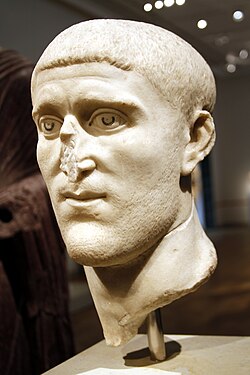
Carausius, a Roman naval commander, declared himself emperor in Britain and northern Gaul after seizing power around 286 CE. His revolt challenged the authority of the central Roman Empir...
Explore event →
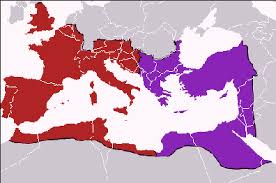
Gallienus became Roman Emperor following the assassination of his father, Valerian. His accession marked the beginning of a co-rule, where he shared power with his father before Valerian ...
Explore event →
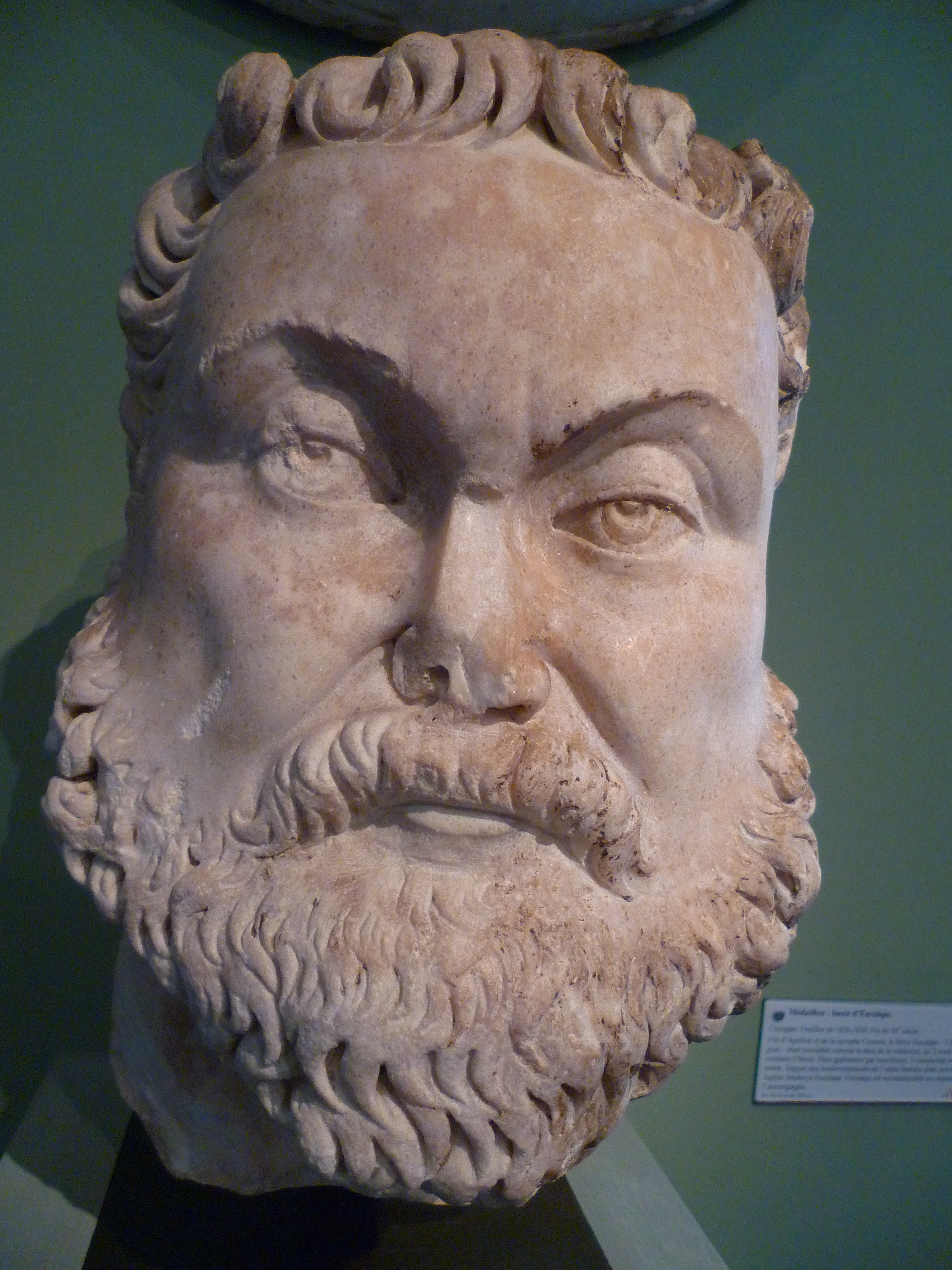
Severus Alexander was proclaimed Roman Emperor following the assassination of Elagabalus. The Roman Senate officially endorsed his accession, marking a return to more traditional imperial...
Explore event →
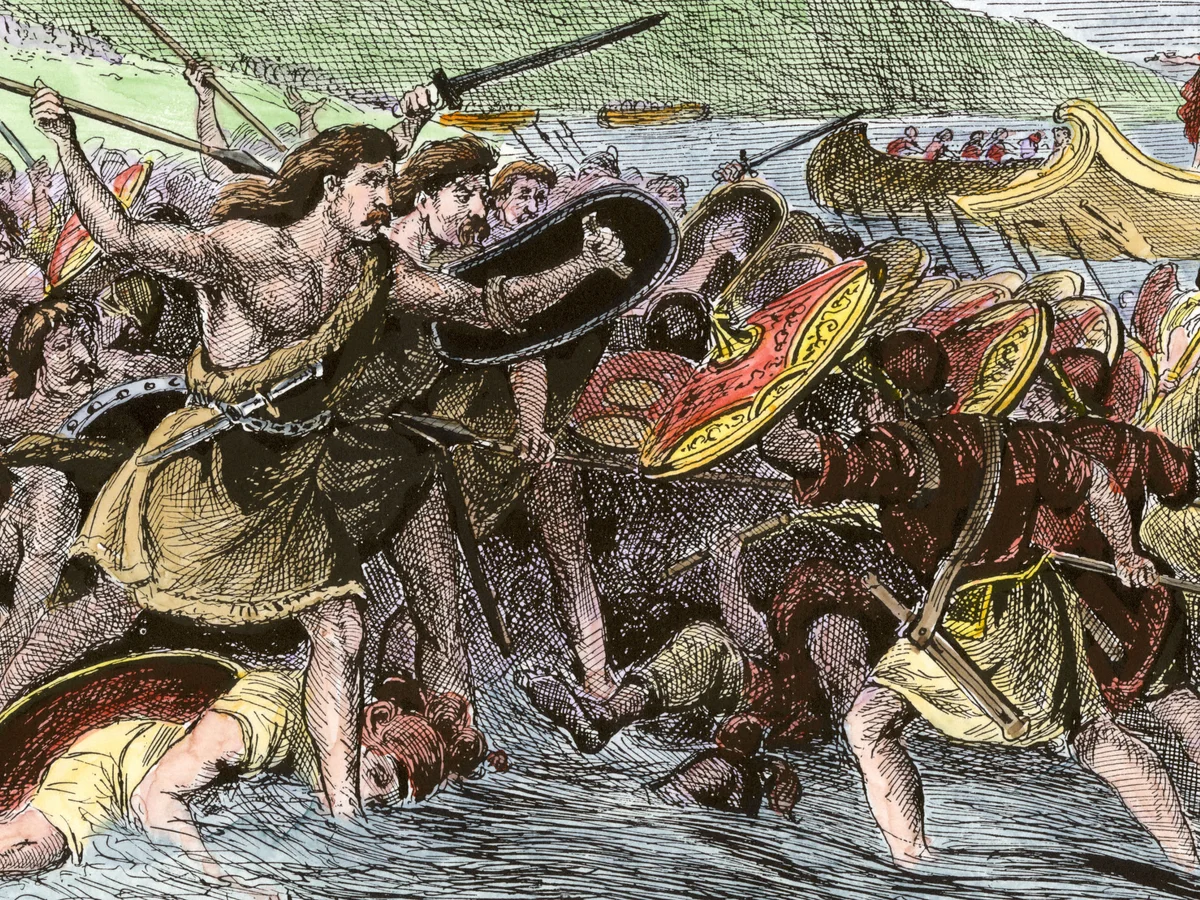
Publius Septimius Geta, son of Emperor Septimius Severus, was granted the title of Augustus by the Roman Senate. This elevated Geta to co-emperor status alongside his father and his broth...
Explore event →
The Roman Empire undertook administrative changes in the province of Mesopotamia following its establishment as a distinct entity. These reforms aimed to consolidate control over the regi...
Explore event →
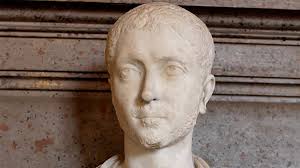
The province of Mesopotamia was officially established as an administrative region, marking a significant political reorganization in the area. This reconfiguration aimed at improving gov...
Explore event →
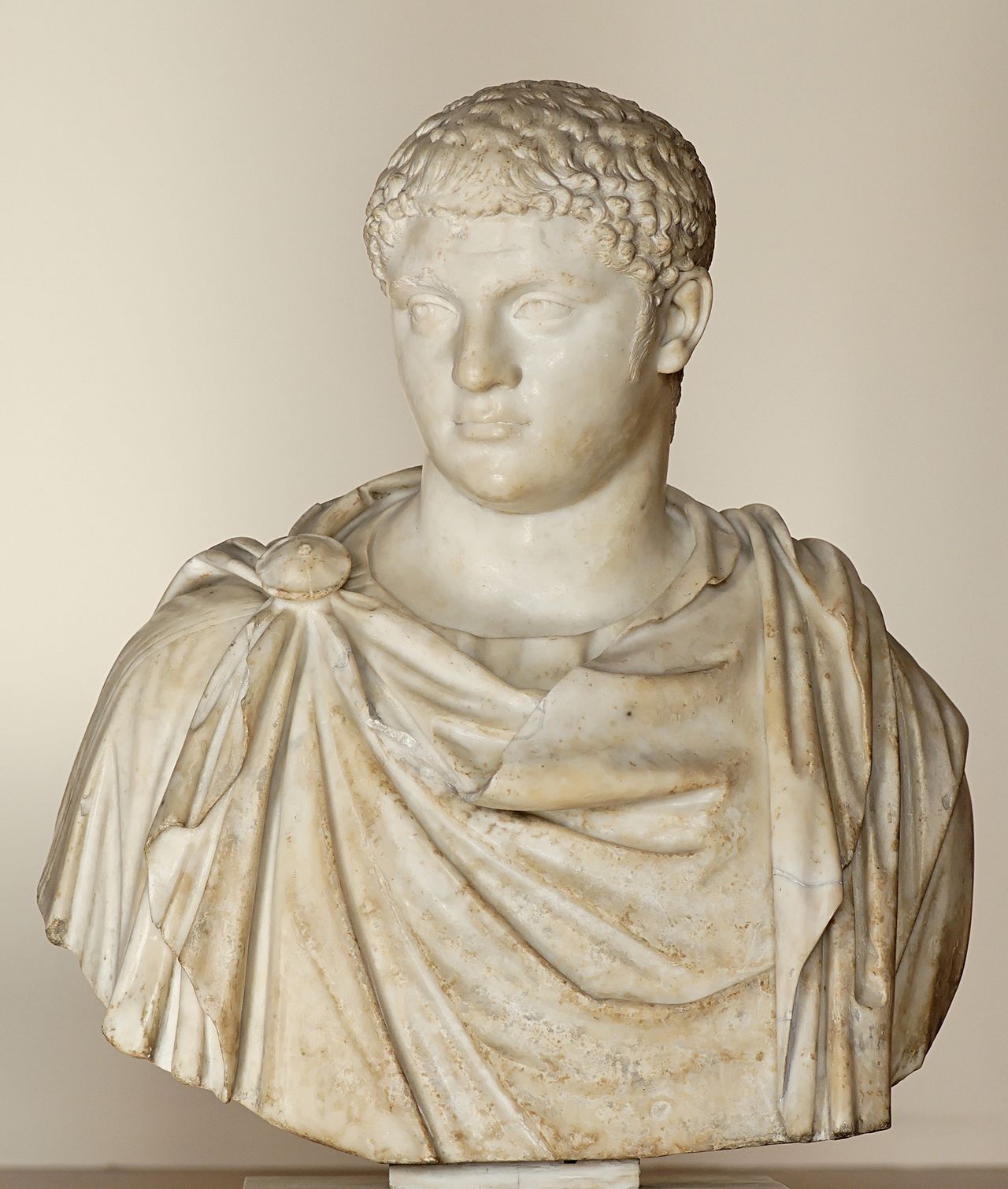
After the murder of Emperor Domitian, the Roman Senate appointed Nerva as emperor, marking a shift from autocratic rule to a more stabilizing governance. Nerva, previously a respected sen...
Explore event →
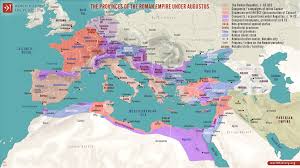
On January 16, the Roman Senate granted Octavian the title Augustus, marking his official accession as the sole ruler of Rome. This event symbolized the transition from the Roman Republic...
Explore event →

The Han Dynasty moved its capital to Chang'an, marking a significant political and administrative shift during its early consolidation of power. This relocation established Chang'an as a ...
Explore event →
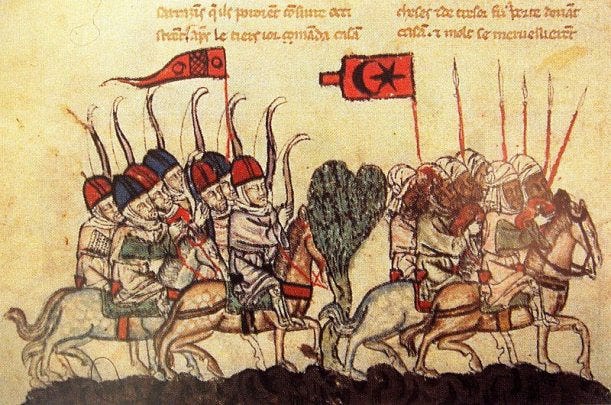
The Eastern Han Dynasty officially moved its capital from Chang'an to Luoyang, marking a significant political shift in early imperial China. This relocation aimed to stabilize the dynast...
Explore event →
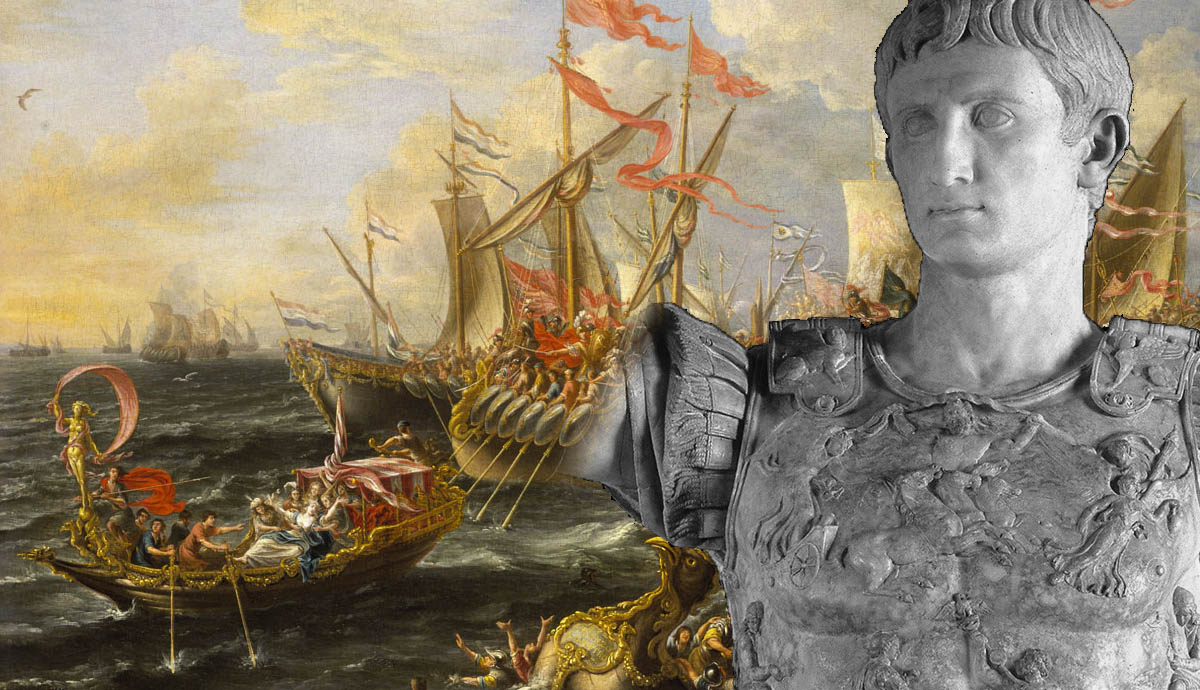
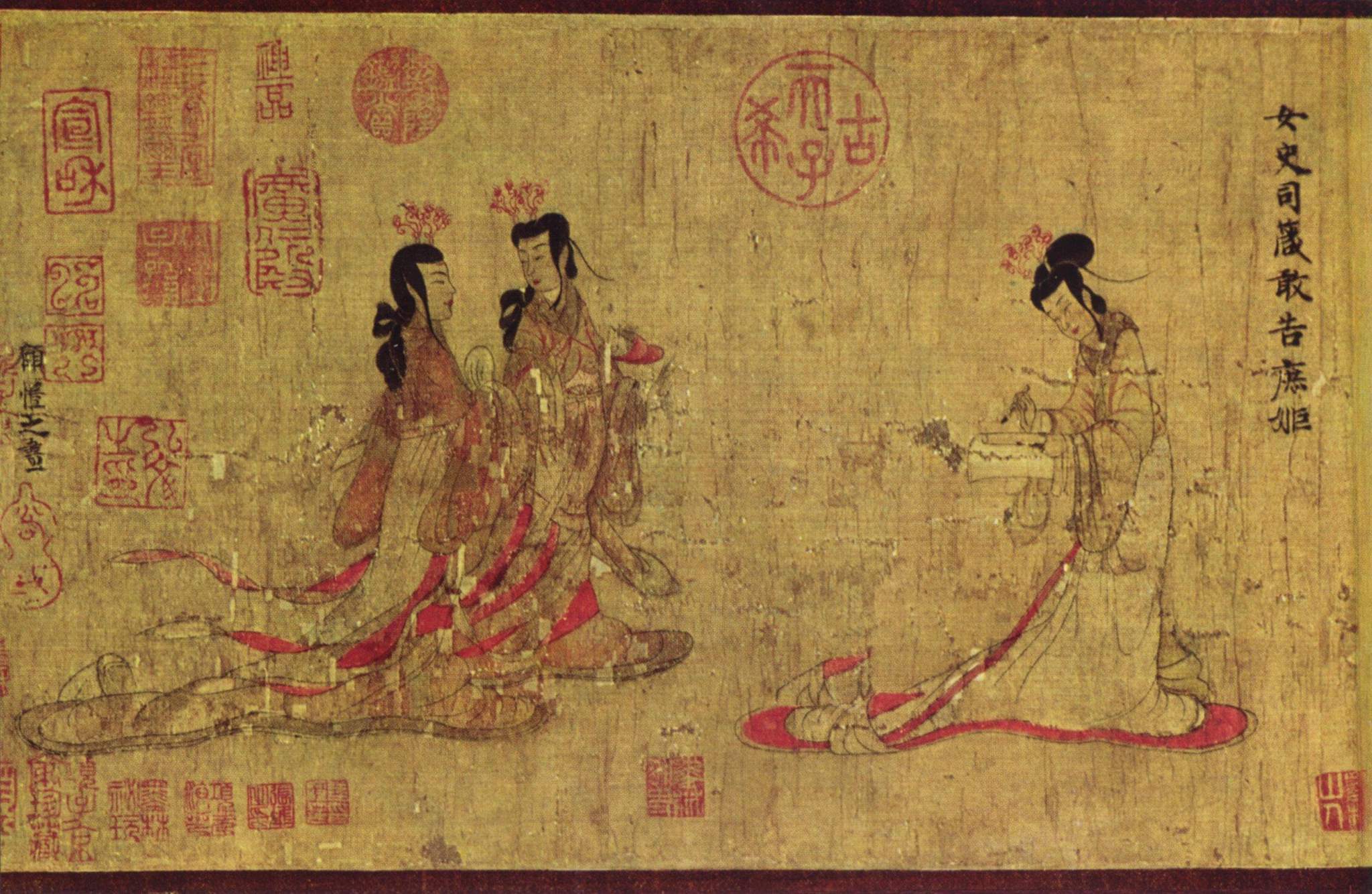
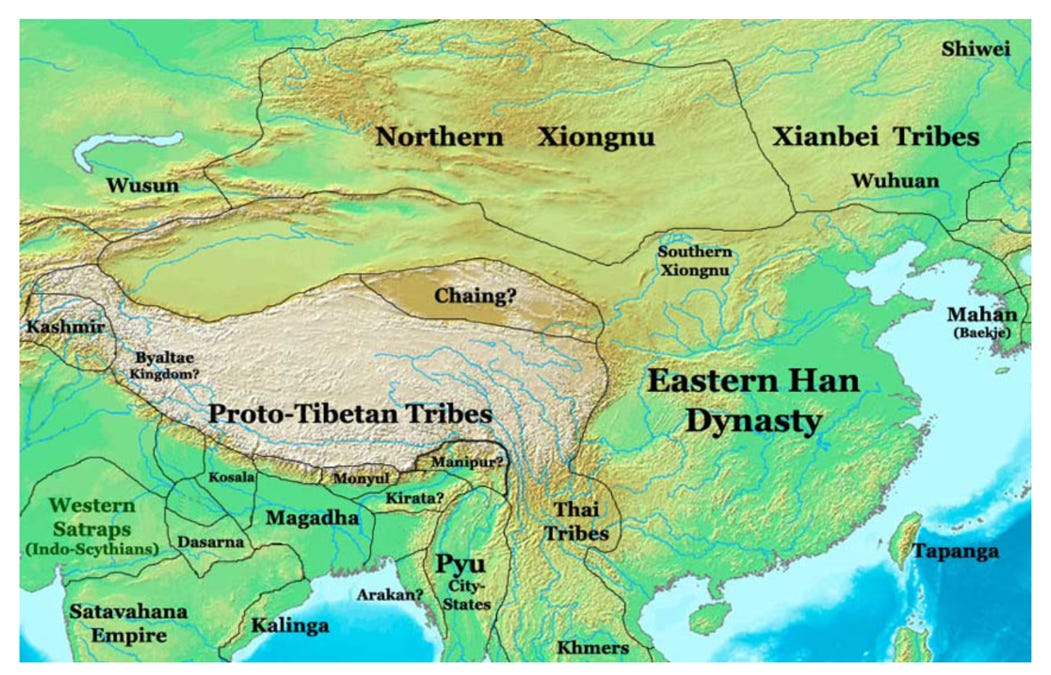
After a prolonged period of civil war and the collapse of the Western Han, Liu Xiu successfully reestablished imperial authority, marking the beginning of the Eastern Han dynasty.He conso...
Explore event →
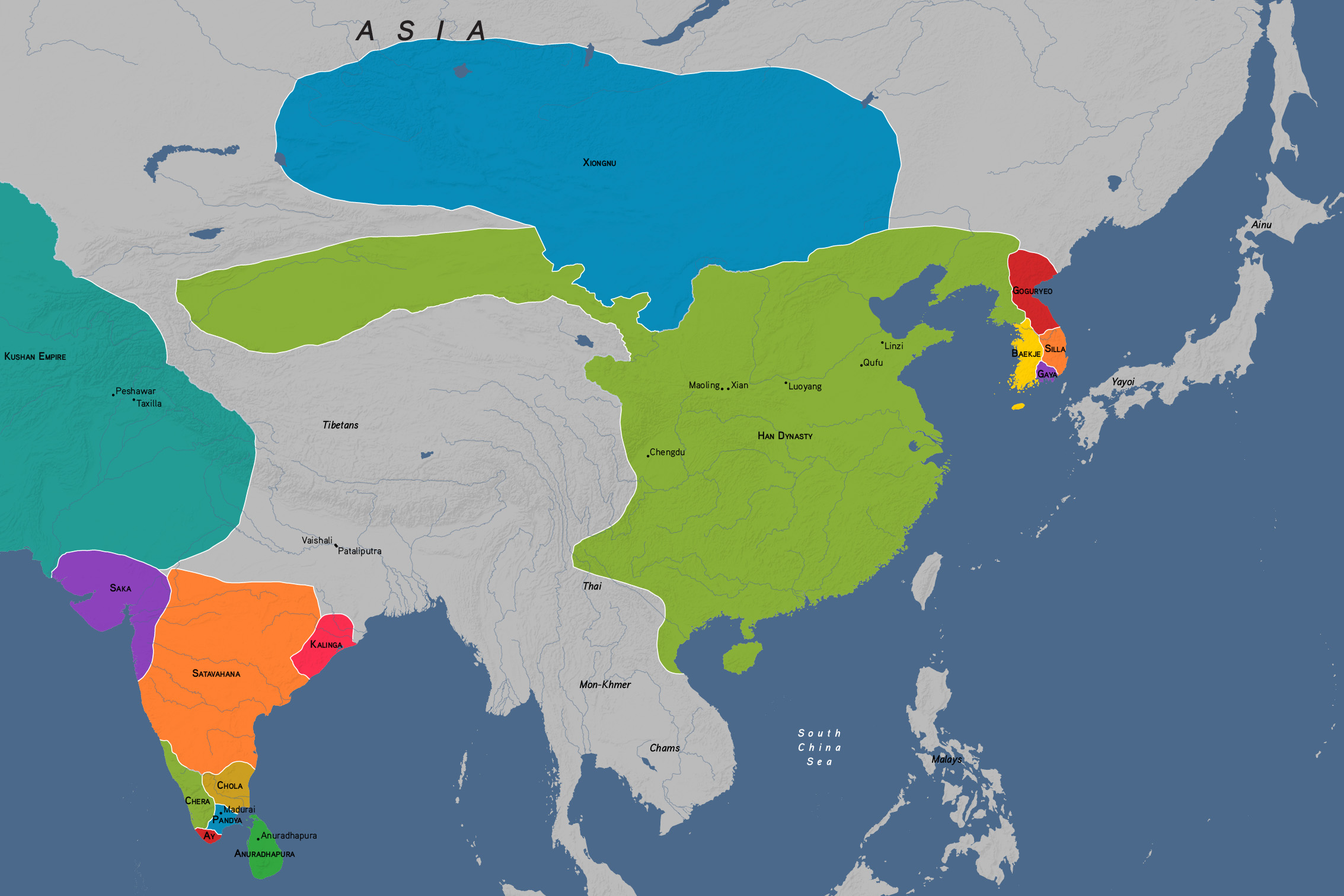
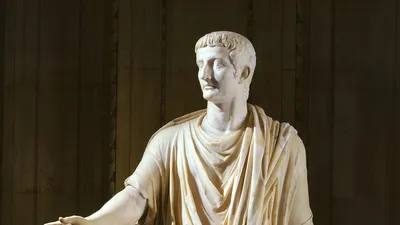
Following the death of Augustus, Tiberius was officially declared emperor by the Roman Senate, marking the beginning of his reign. This accession consolidated the Julio-Claudian dynasty a...
Explore event →
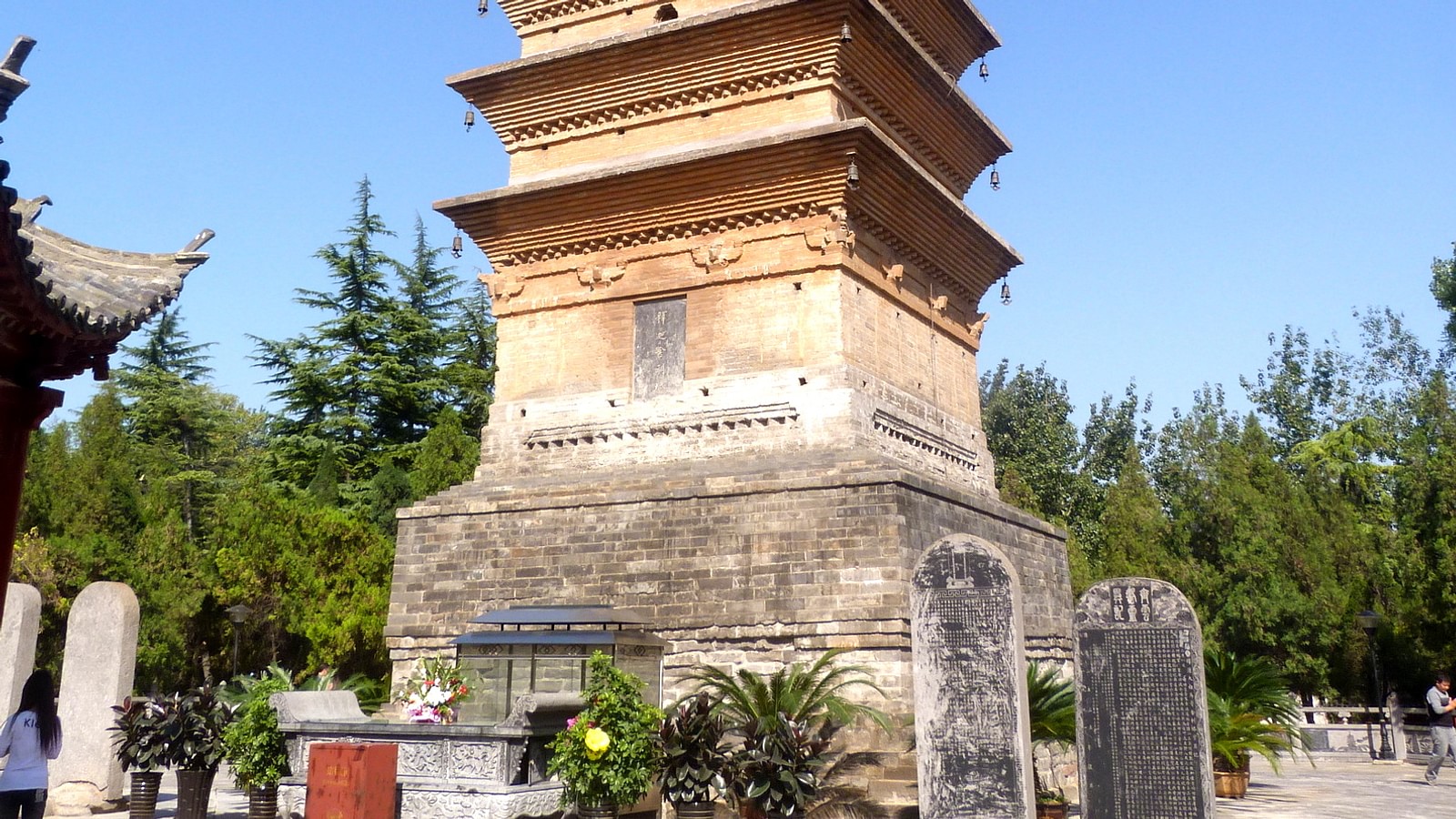
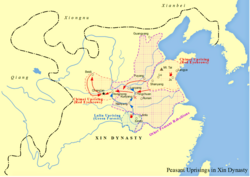
The Xin dynasty was established by Wang Mang, who usurped the throne from the Han dynasty. This marked a significant political shift in ancient China, interrupting the long-lasting Han ru...
Explore event →