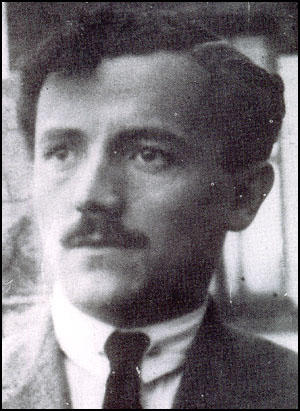
Alexander Orlov's crimes in Spain
Alexander Orlov, born Lev Lazarevich Feldbin on 21 August 1895 in Bobruisk, was a Soviet NKVD officer from an Orthodox Jewish family. He later operated under several a...
Explore event →History does not happen in isolation. Explore world events across time, follow the connections between them, and investigate the threads that reveal how one event can lead to another.
TheTimeMap currently follows events across 95 countries and 268 years of history — building a connected archive designed for people who want to look beyond the headline.
We oppose antisemitism, racism, and dehumanization — everywhere.
When people stop feeling, injustice becomes easy.
Alexander Orlov, born Lev Lazarevich Feldbin on 21 August 1895 in Bobruisk, was a Soviet NKVD officer from an Orthodox Jewish family. He later operated under several a...
Explore event →
Charlie Chaplin was an English actor, filmmaker, composer, and producer who became one of the most prominent figures of twentieth-century cinema. His career included s...
Explore event →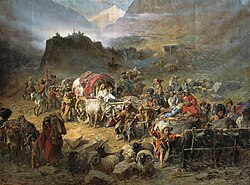
Circassian Genocide On May 21, 1864, the Russian Empire declared the end of the Caucasian War following the defeat of Circassian resistance in the northwest Caucasus....
Explore event →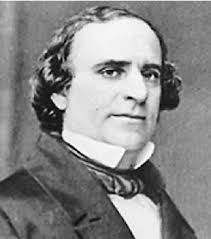
On December 1, 1845, David Levy Yulee was sworn in as one of the first two United States senators from the newly admitted State of Florida, marking a notable moment in...
Explore event →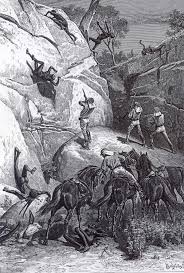
The Tasmanian Aboriginal Genocide refers to the systematic extermination and dispossession of the indigenous Tasmanian population by British colonists during the early...
Explore event →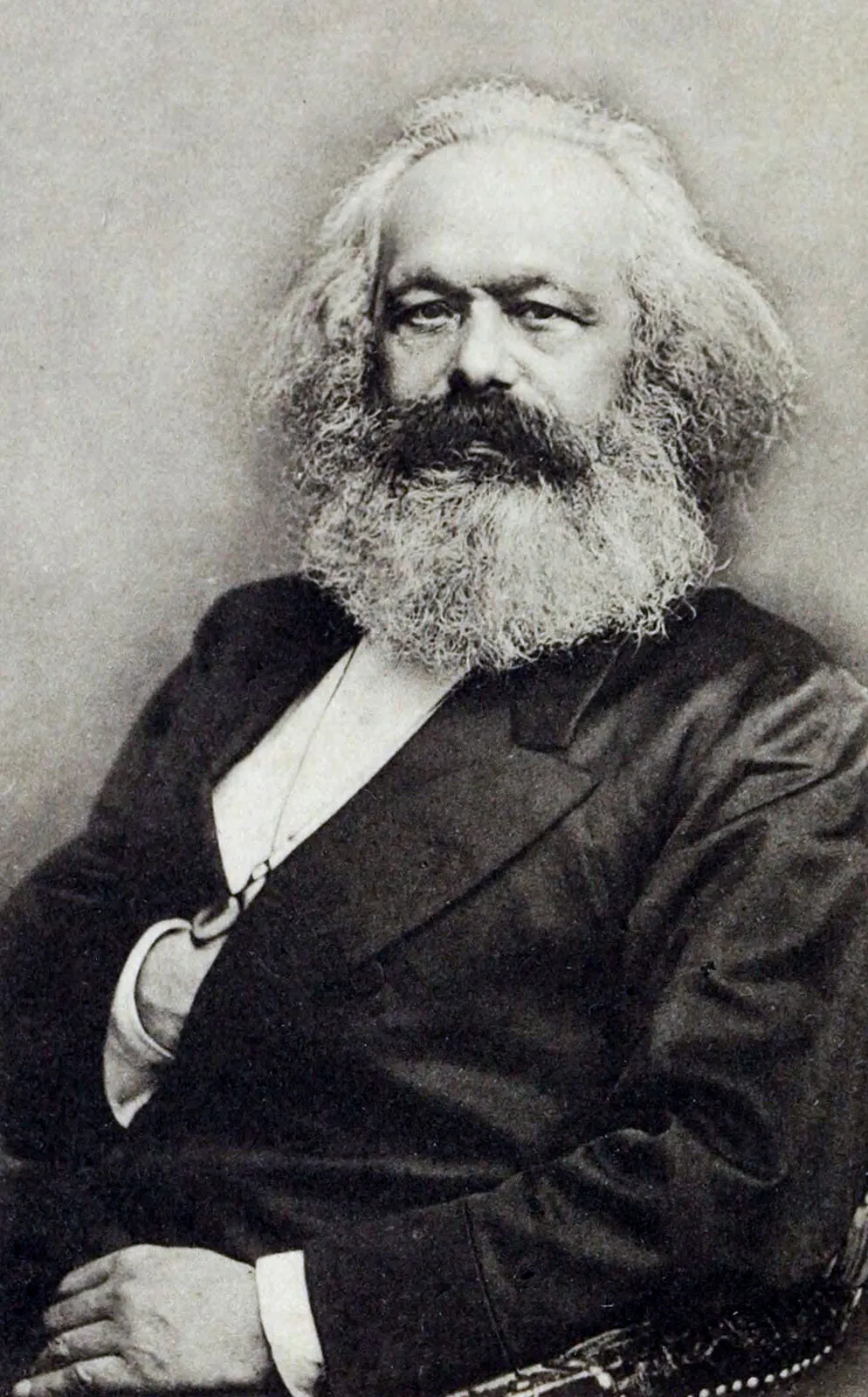
Karl Marx was a German philosopher, economist, and political theorist born in Trier, Prussia, in 1818. His work contributed to the development of socialist and communi...
Explore event →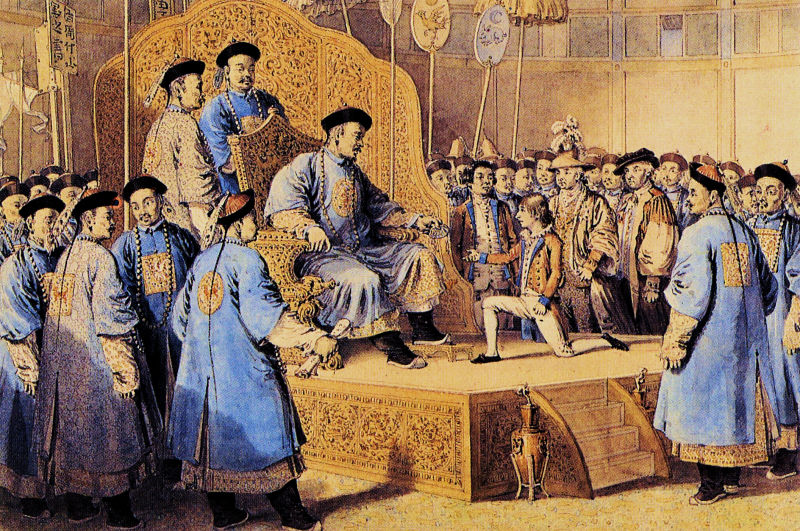
A diplomatic mission was sent from Washington to China to establish formal relations and discuss trade opportunities. The delegation aimed to enhance communication bet...
Explore event →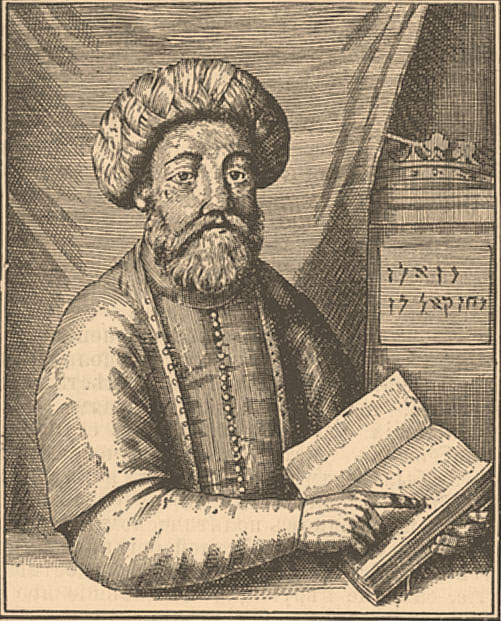
The Dönmeh were a religious community that emerged in the late 17th century within the Ottoman Empire, originating from followers of Sabbatai Zevi, a Jewish rabbi who ...
Explore event →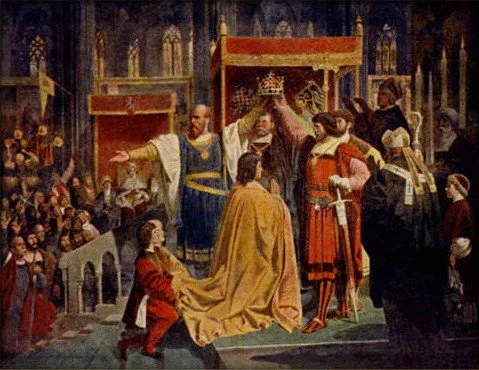
Expulsion of Jews from the Kingdom of Naples In 1540, Jewish communities in the Kingdom of Naples were expelled as the region came under the control of the Spanish cr...
Explore event →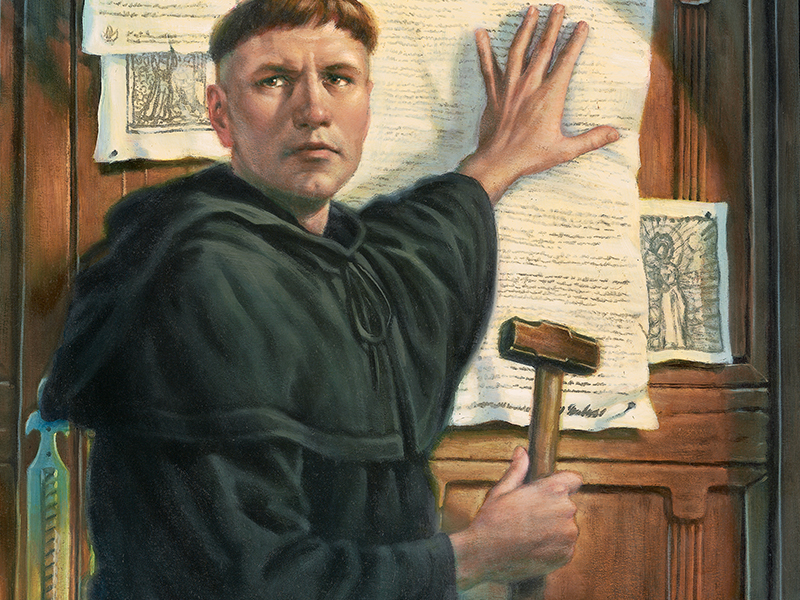
The Ninety-Five Theses body { font-family: Arial, Helvetica, sans-serif; line-height: 1.6; margin: 40px; ...
Explore event →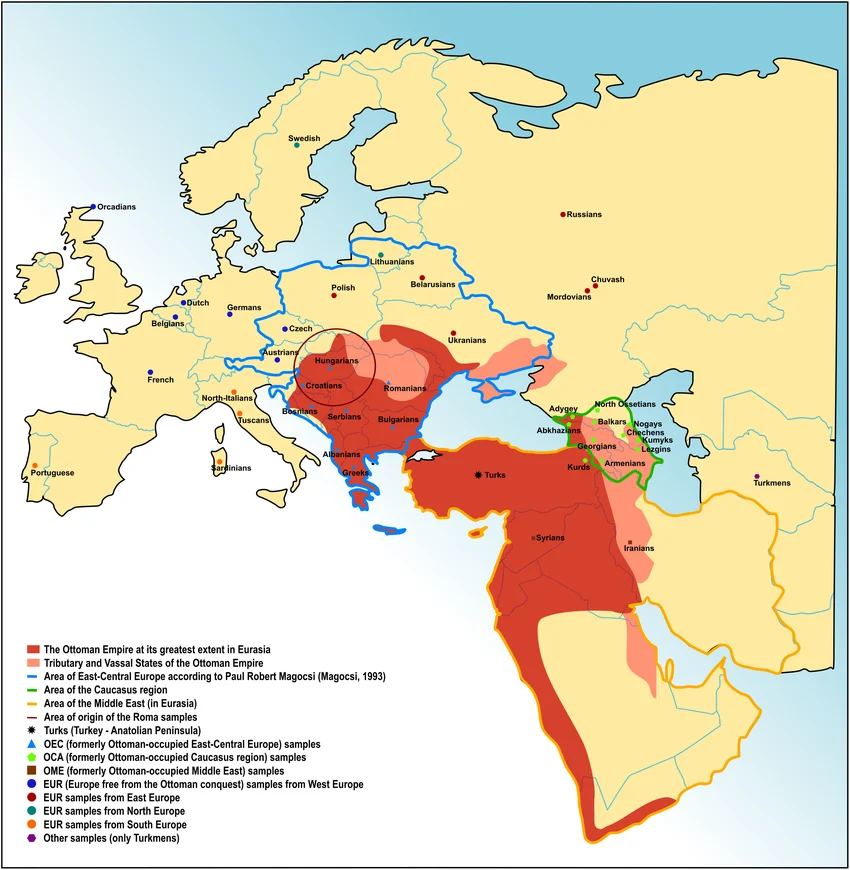
The Ottoman Empire expanded from a small Anatolian principality into one of the largest empires in history. Between the fourteenth and early twentieth centuries, Ottom...
Explore event →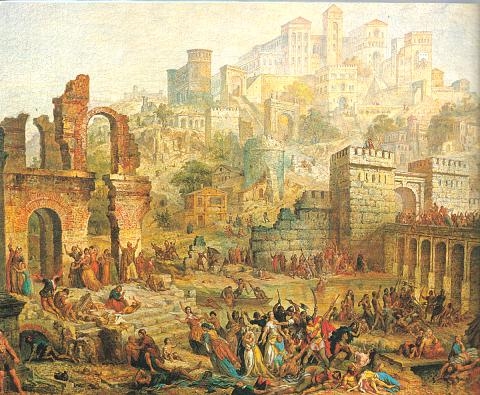
Expulsion of Jews from Speyer On October 15, 1435, the city council of Speyer, a city within the Holy Roman Empire, issued an expulsion order for all Jewish residents...
Explore event →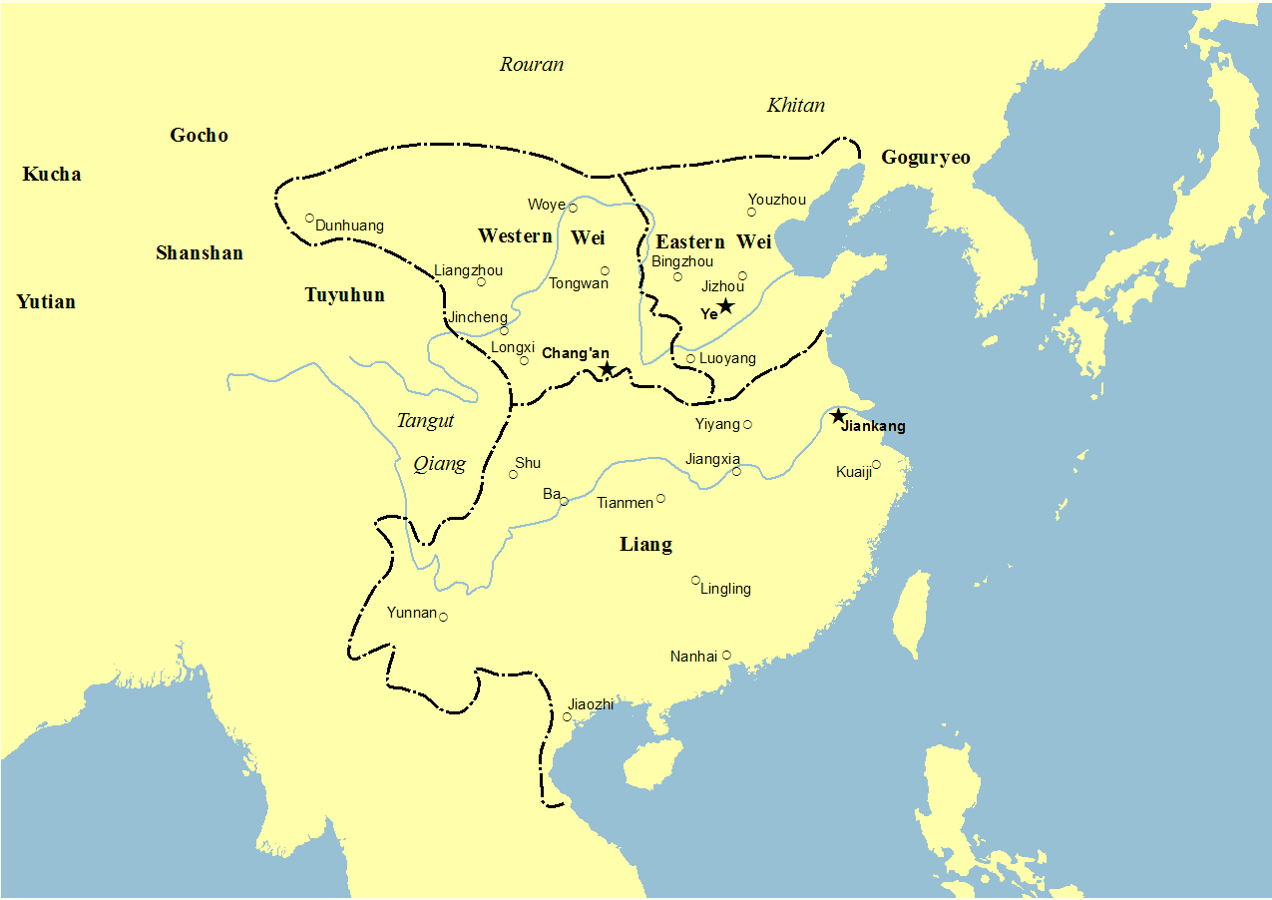
In early March 1371, Cham forces launched a significant raid on the Jiaozhi region of northern Vietnam. The attack targeted local settlements and disrupted the regiona...
Explore event →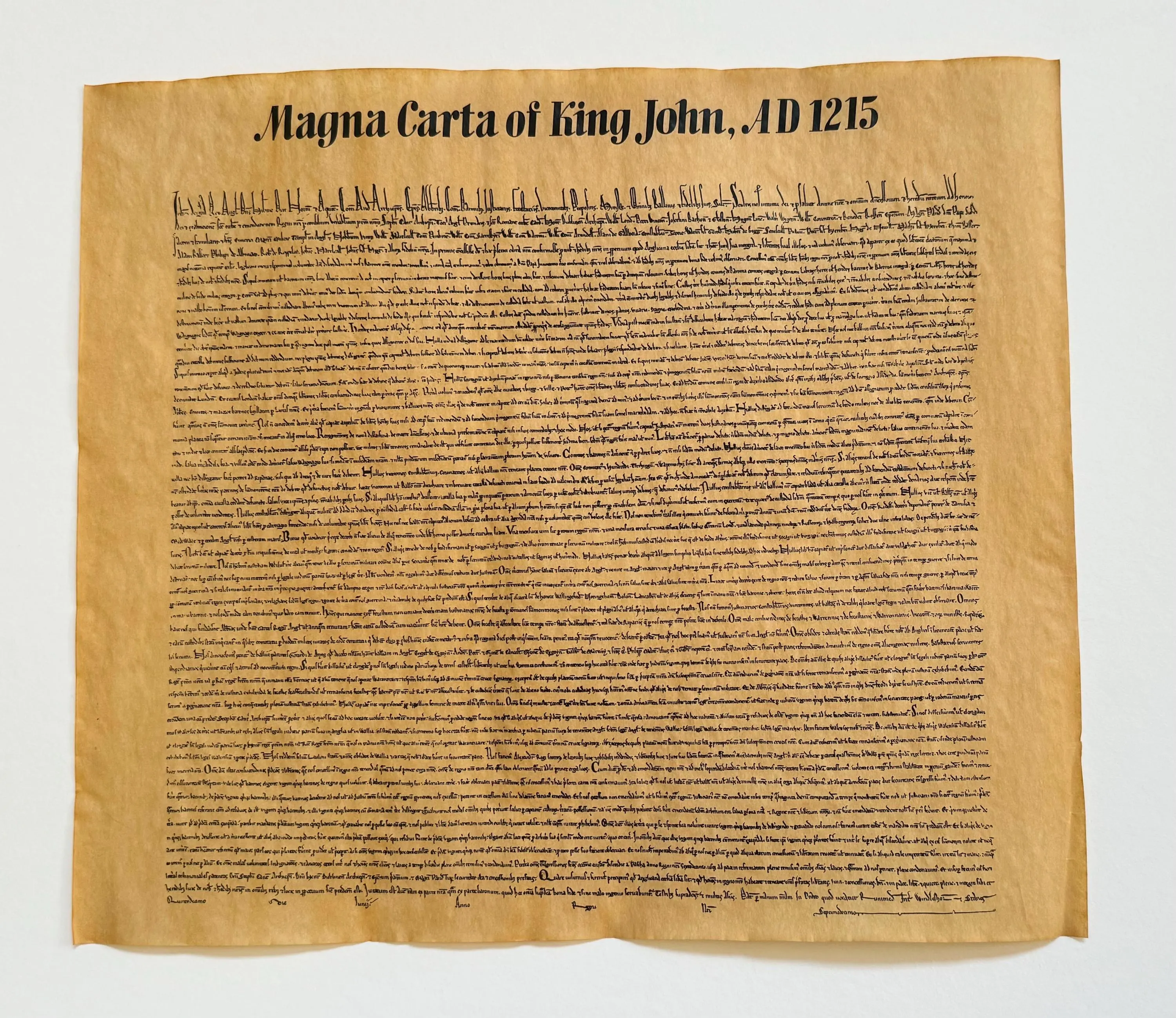
The Magna Carta was signed by King John of England, limiting royal authority and establishing early principles of legal rights for subjects, laying the foundation for ...
Explore event →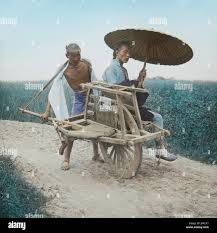
The wheelbarrow, an innovative tool believed to have been invented in China, began to spread widely throughout the central regions and beyond.This technology significa...
Explore event →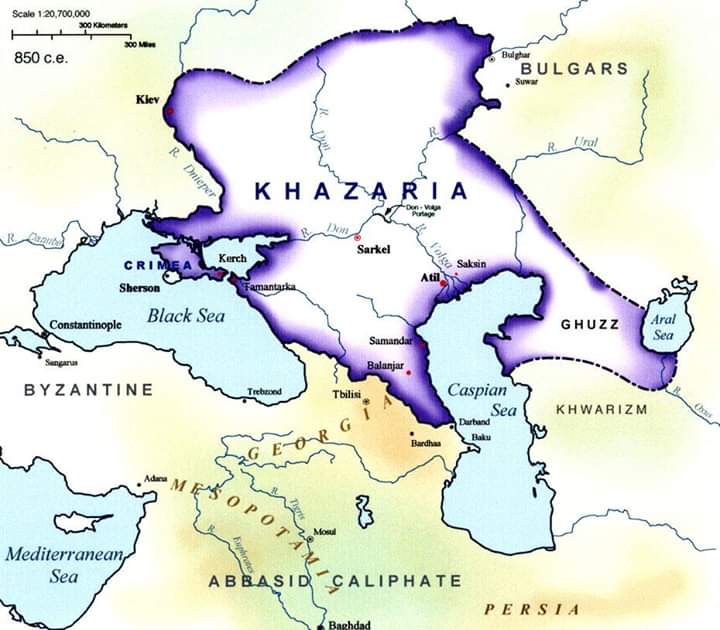
The Khazarian Empire: History, Territory, and Conversion to Judaism The Khazar Empire was a Turkic polity that emerged in the mid-seventh century and became...
Explore event →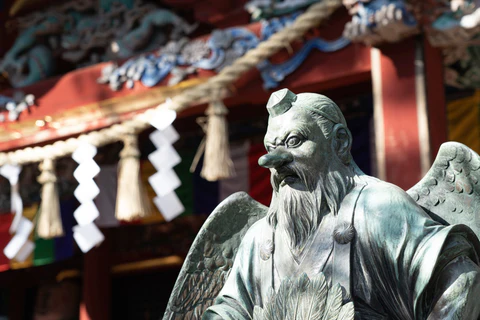
The Tengu are supernatural beings from Japanese mythology known for their association with mountains, forests, and spiritual power. They have been part of traditional ...
Explore event →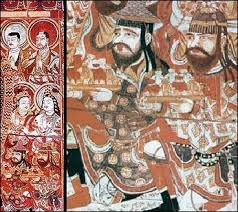
Sogdian merchants played a crucial role in expanding trade routes across Central Asia during the early medieval period. Centered in the city of Samarkand, they facilit...
Explore event →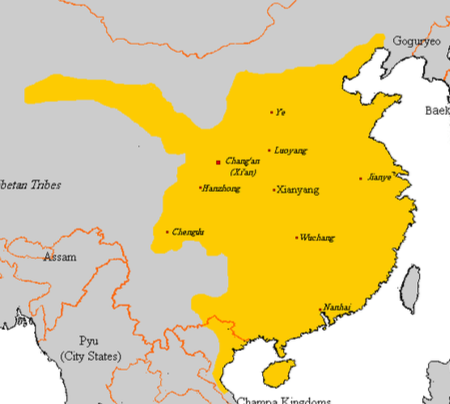
The Sui dynasty, which had temporarily unified China after a period of fragmentation, was facing collapse by early 618. Internal rebellions and external pressures mark...
Explore event →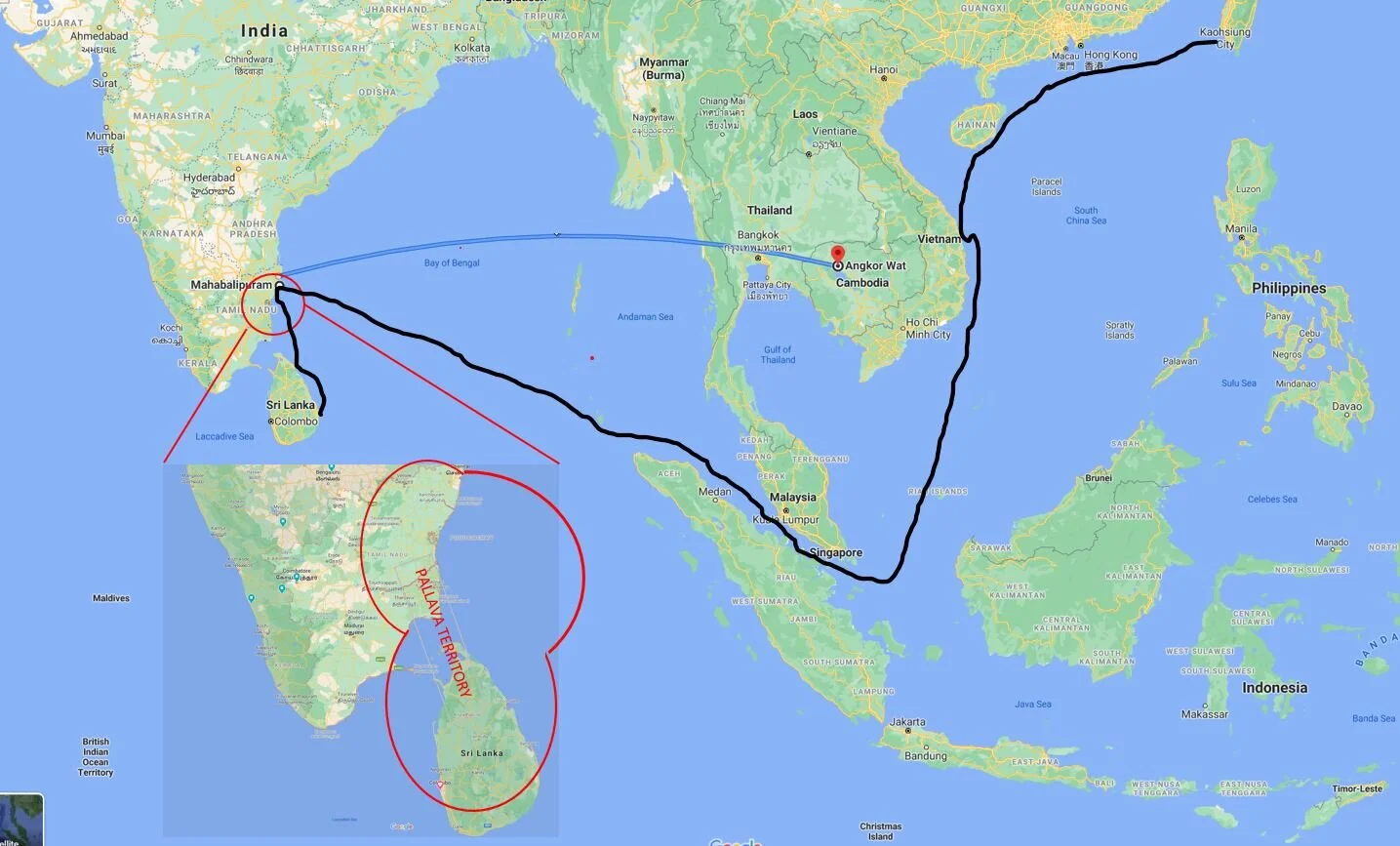
The Pallava dynasty emerged as a dominant power in South India during the early medieval period. Centered around the city of Kanchipuram, they established a strong pol...
Explore event →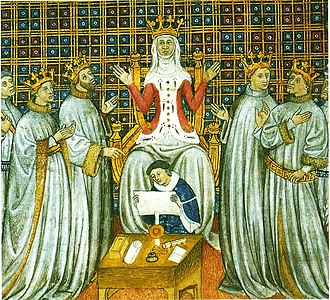
Clovis I, the first King of the Franks to unite all Frankish tribes under one ruler, died on November 27. His death marked a significant transition in early medieval E...
Explore event →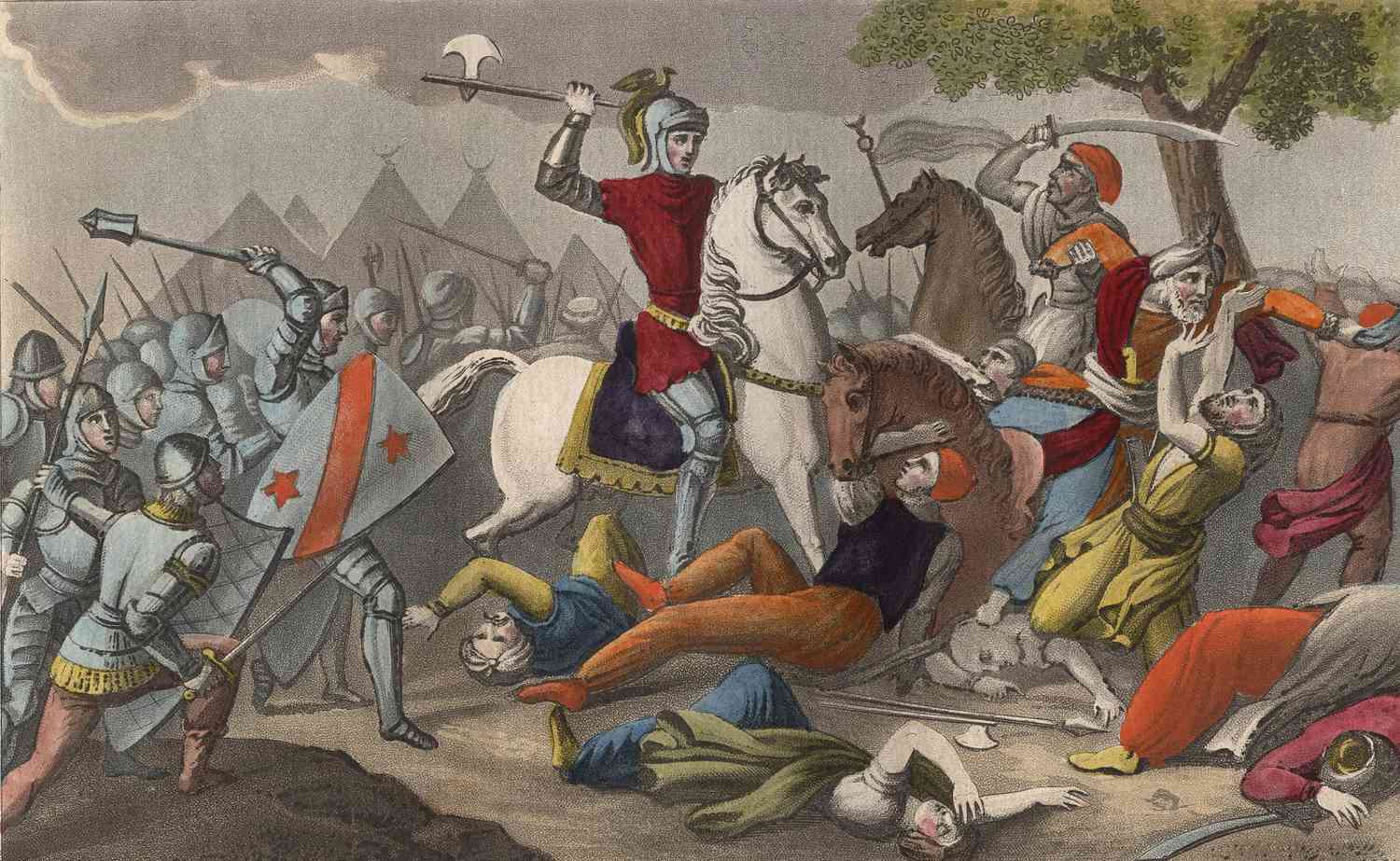
The Frankish conquest of Aquitaine began as the Franks expanded their territory into the southwestern region of present-day France. Under the leadership of Clovis I an...
Explore event →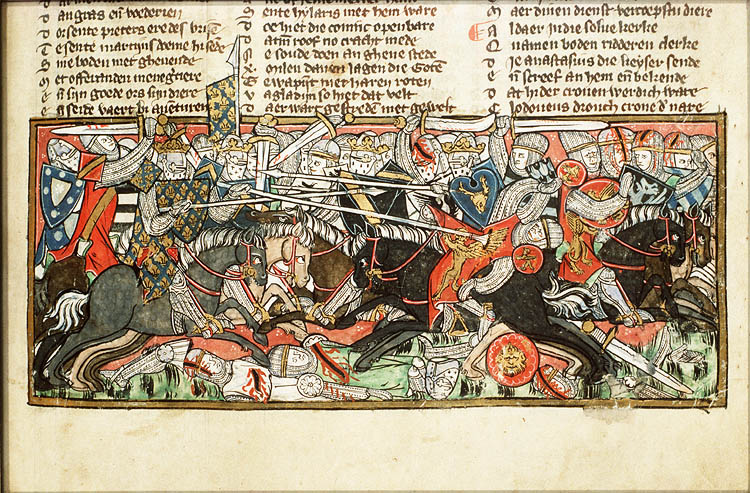
The Battle of Vouillé was fought between the Franks under Clovis I and the Visigoths led by Alaric II. This decisive battle occurred near Vouillé, resulting in a signi...
Explore event →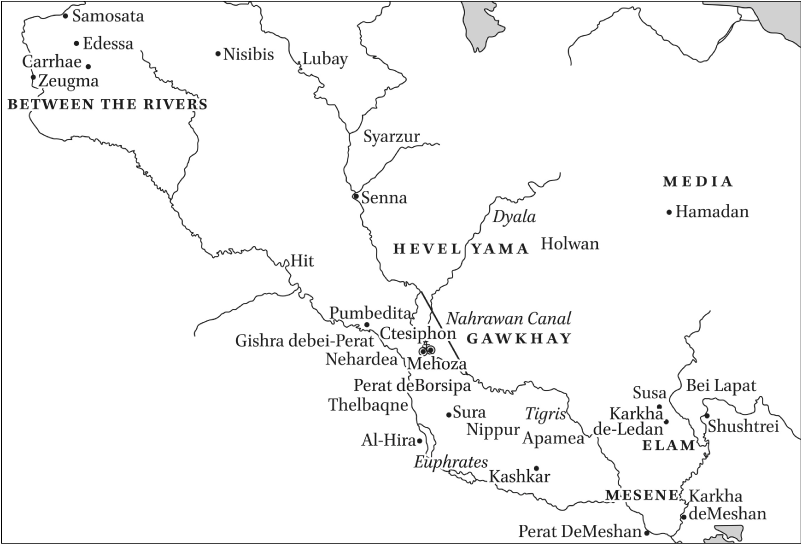
During the early centuries of the Common Era, Talmudic academies in Babylonia underwent significant expansion. These centers of Jewish learning became pivotal in the d...
Explore event →
28 November 1998 — Albania adopts a new constitution after the instability of the early post-communist period. It establishes the fundamental institutional framework o...
Explore research
Egyptian president whose nearly three decades in power ended after eighteen days of mass demonstrations.
Explore research
Henry Kissinger served as director of the Rockefeller Brothers Fund Special Studies Project during the late 1950s and early 1960s. The project examined major problems ...
Explore research
1 February 1917–11 November 1918 — German submarines attack merchant shipping in an attempt to reduce British imports below sustainable levels. Early shipping losses a...
Explore research
1917–1918 — German forces develop increasingly sophisticated methods based on short intense bombardments, assault detachments and infiltration around strongpoints. The...
Explore research
4 June 1916 — Russian General Aleksei Brusilov launches a major offensive against Austria-Hungary. Innovative preparation and attacks across a broad front produce spec...
Explore research
639–642 CE — Forces commanded by Amr ibn al-As invade Byzantine Egypt during the early Islamic conquests. Byzantine resistance collapses gradually, and Alexandria even...
Explore research
c. 3100–2686 BCE — The first dynasties strengthen royal authority and expand administrative control across Egypt. Royal tombs become increasingly elaborate, especially...
Explore research
23 August 1942 — German forces begin the major assault phase against Stalingrad while the wider German campaign pushes toward oil resources in the Caucasus. Fighting i...
Explore research
Early Christian communities form across the Greek-speaking eastern Mediterranean.
Explore research
During its early years, the Trilateral Commission concentrated substantially on international trade, finance, monetary reform, energy and relations among the major ind...
Explore research
11 January 1923 — French and Belgian troops occupy Germany's Ruhr industrial region after Germany falls behind on reparations deliveries. The German government respond...
Explore research
1906–1917 senior military influence — Conrad serves as chief of the Austro-Hungarian General Staff for most of the years preceding and during the early war. Before 191...
Explore research
5 November 1937 — Hitler meets senior military and foreign-policy leaders and discusses Germany's need for territorial expansion. The surviving memorandum records Aust...
Explore research
5 November 1937 — Adolf Hitler addresses senior military and foreign-policy leaders and discusses Germany's need for territorial expansion. The surviving memorandum re...
Explore research
In 1956, Henry Kissinger became director of a Council on Foreign Relations study group examining nuclear weapons and foreign policy. The work contributed to the develo...
Explore research
11 March 1941 — Roosevelt signs the Lend-Lease Act, allowing the United States to supply countries considered vital to American security. Britain becomes an early majo...
Explore research
Palace tablets preserve the earliest known written form of the Greek language.
Explore research
7 May 1915 — German submarine U-20 torpedoes RMS Lusitania off the coast of Ireland. Nearly 1,200 people are killed, including more than one hundred Americans. The sin...
Explore research
22 June 1941 — Germany and its allies invade the Soviet Union along an enormous front. Hitler seeks not only military victory but ideological destruction of Soviet com...
Explore research
22 June 1941 — Germany and its allies invade the Soviet Union along a vast front from the Baltic to the Black Sea. Hitler expects the Soviet state to collapse after a ...
Explore research
12 May 1925 — Former field marshal Paul von Hindenburg becomes president of Germany. Although not a Nazi, he is deeply conservative and increasingly governs through pr...
Explore research
Philanthropic organization associated with the Rockefeller family. Its Special Studies Project in the late 1950s and early 1960s examined major problems and opportunit...
Explore research
Philanthropic organization associated with the Rockefeller family. Its Special Studies Project in the late 1950s and early 1960s examined major problems and opportunit...
Explore research