Israel uncovers trafficking network
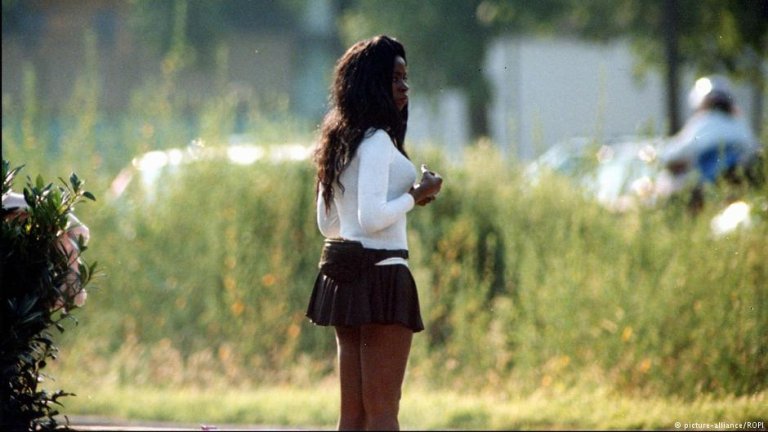
Israeli authorities have investigated and prosecuted international human trafficking networks involving the recruitment of women from Brazil for sexual exploitation in Israel. Reported ca...
Explore event →History does not happen in isolation. Explore world events across time, follow the connections between them, and investigate the threads that reveal how one event can lead to another.

TheTimeMap currently follows events across 95 countries and 268 years of history — building a connected archive designed for people who want to look beyond the headline.
We oppose antisemitism, racism, and dehumanization — everywhere.
When people stop feeling, injustice becomes easy.
Israeli authorities have investigated and prosecuted international human trafficking networks involving the recruitment of women from Brazil for sexual exploitation in Israel. Reported ca...
Explore event →
14 July 2026 — Albania provisionally closes its first three EU accession chapters: science and research, education and culture, and external relations.
Explore published research →
North Korea displays 50 new large‑calibre rocket systems ahead of party meeting On February 18, 2026, the government of the Democratic People’s Republic of Korea presented 50 newly produ...
Explore event →
Trump Order Boosts Glyphosate Production On February 18, 2026, U.S. President Donald Trump signed an executive order invoking the Defense Production Act to designate glyphosate herbicide...
Explore event →
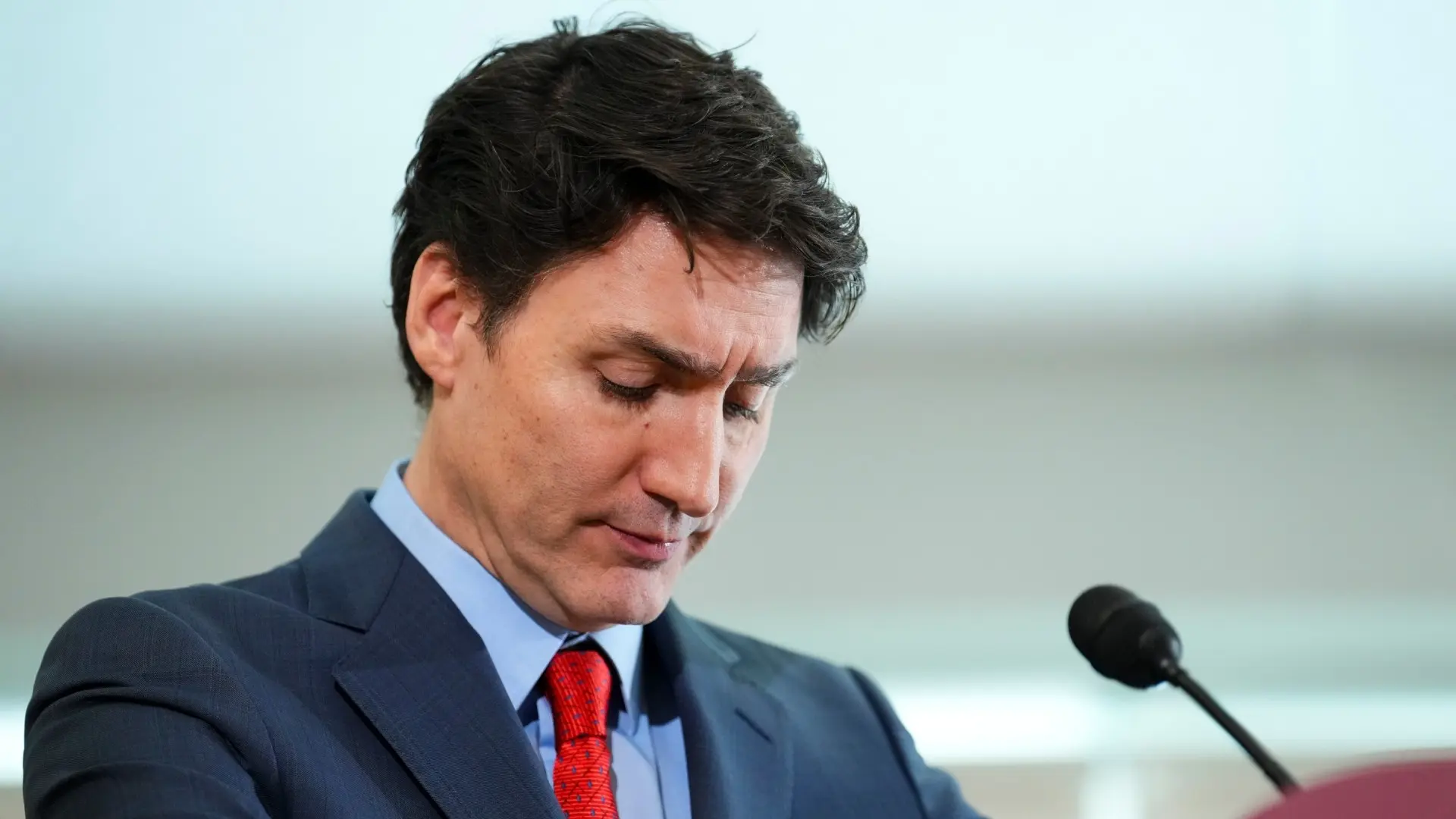
Major Canadian Political and Social Events Timeline body { font-family: Arial, sans-serif; background-color: #f4f4f9; margin: 0; padding: 0; } .timeline-container { m...
Explore event →
On February 14, 2026, newly released court documents and files from the Jeffrey Epstein archives revealed that singer Britney Spears’ name appears 115 times in the records. The documents ...
Explore event →
The phrase “Christ is King” is a religious statement in Christianity, referring to the belief that Jesus Christ is the spiritual ruler and savior. It is commonly used in worship, sermons,...
Explore event →
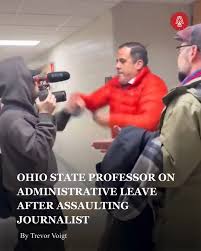
On February 10, 2026, Ohio State University placed Assistant Professor Luke M. Perez on administrative leave after a physical altercation with an independent journalist and documentarian ...
Explore event →
Canada has updated federal food policies that allow meat and dairy from cloned cattle and swine, as well as their offspring, to enter the national food supply. The policy shift follows a ...
Explore event →
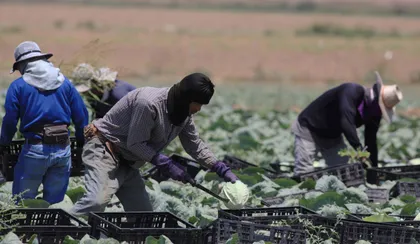
On October 19, 2021, Israel's Knesset Special Committee on Foreign Workers discussed a report examining gender-based violence against Thai migrant agricultural workers employed in Israel....
Explore event →
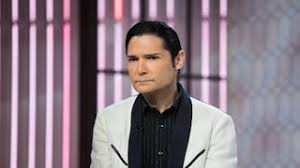
On February 6, 2020, actor Corey Feldman premiered his self-produced documentary, “(My) Truth: The Rape of 2 Coreys,” in which he alleged that he and late actor Corey Haim were victims of...
Explore event →
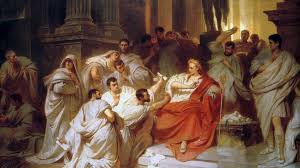
Augustus, the first Roman emperor, died in Nola after a reign that transformed the Roman Republic into the Roman Empire. His death marked the end of an era and initiated the succession of...
Explore event →
They hate white people “The goal of abolishing the White race is, on its face, so desirable that some may find it hard to believe th...
Explore event →
Michael Jackson, the “King of Pop,” died on June 25, 2009, at the age of 50 in Los Angeles, California, from acute propofol and benzodiazepine intoxication administered by his personal ph...
Explore event →
The United States allows meat and milk from cloned animals to enter the food supply without special labeling requirements. The policy follows a decision by federal regulators who conclude...
Explore event →
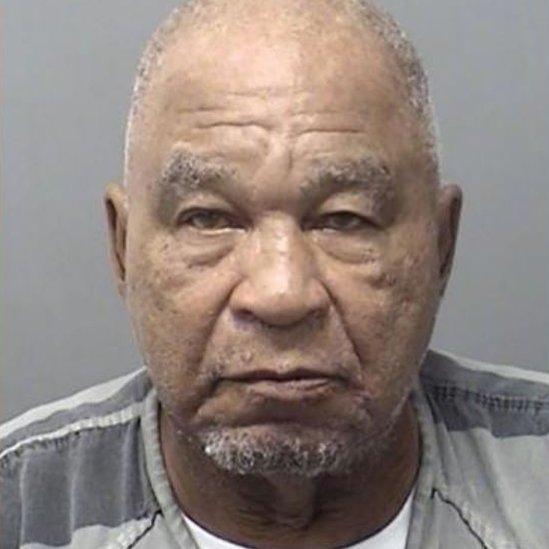
Media coverage and public recognition of serial homicide have been examined by criminologists and researchers studying race, victim demographics, offender characteristics, and news report...
Explore event →
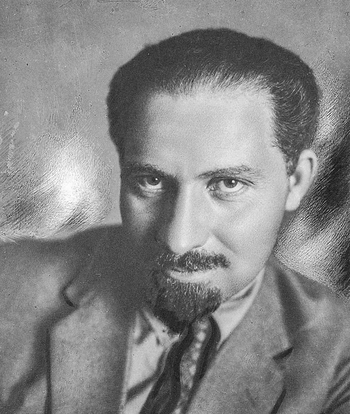
Lazar Kaganovich (1893–1991), a Soviet politician and close associate of Joseph Stalin, died on July 25, 1991. Born to a Jewish family in Ukraine, Kaganovich held several high-ranking pos...
Explore event →
Anton Szandor LaVey was born Howard Stanton Levey on April 11, 1930, in Chicago, Illinois, to Jewish parents. His father, Michael Joseph Levey, was of French-American descent, and his mo...
Explore event →
1913 – Foundations of the Modern World body { font-family: Arial, sans-serif; background-color: #f4f4f9; margin: 0; padding: 0; } .timeline-container { max-width: 900...
Explore event →
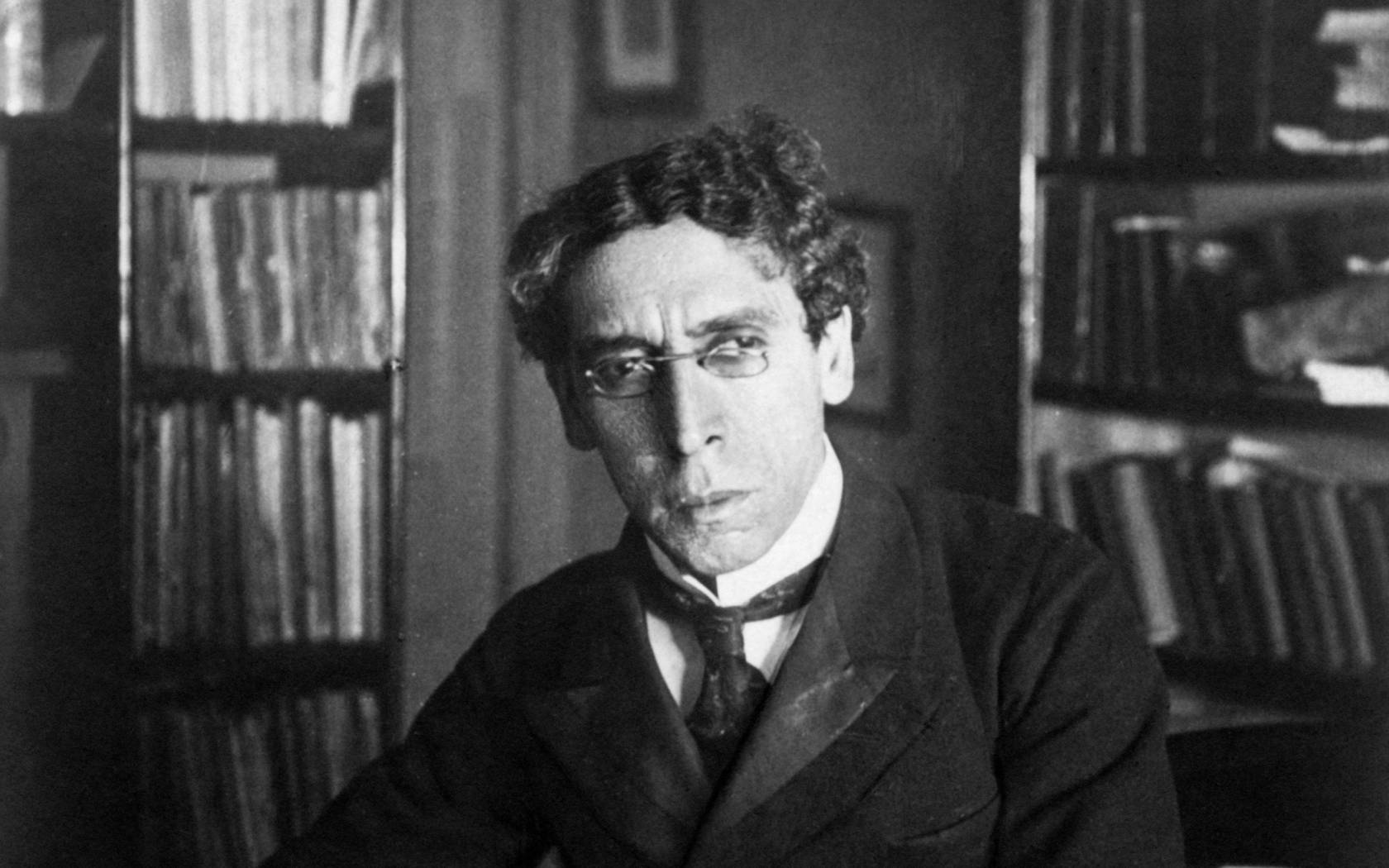
In 1908, British-born Jewish writer and playwright **Israel Zangwill** published his play **“The Melting Pot”**, which popularized the phrase as a metaphor for American society. The term ...
Explore event →
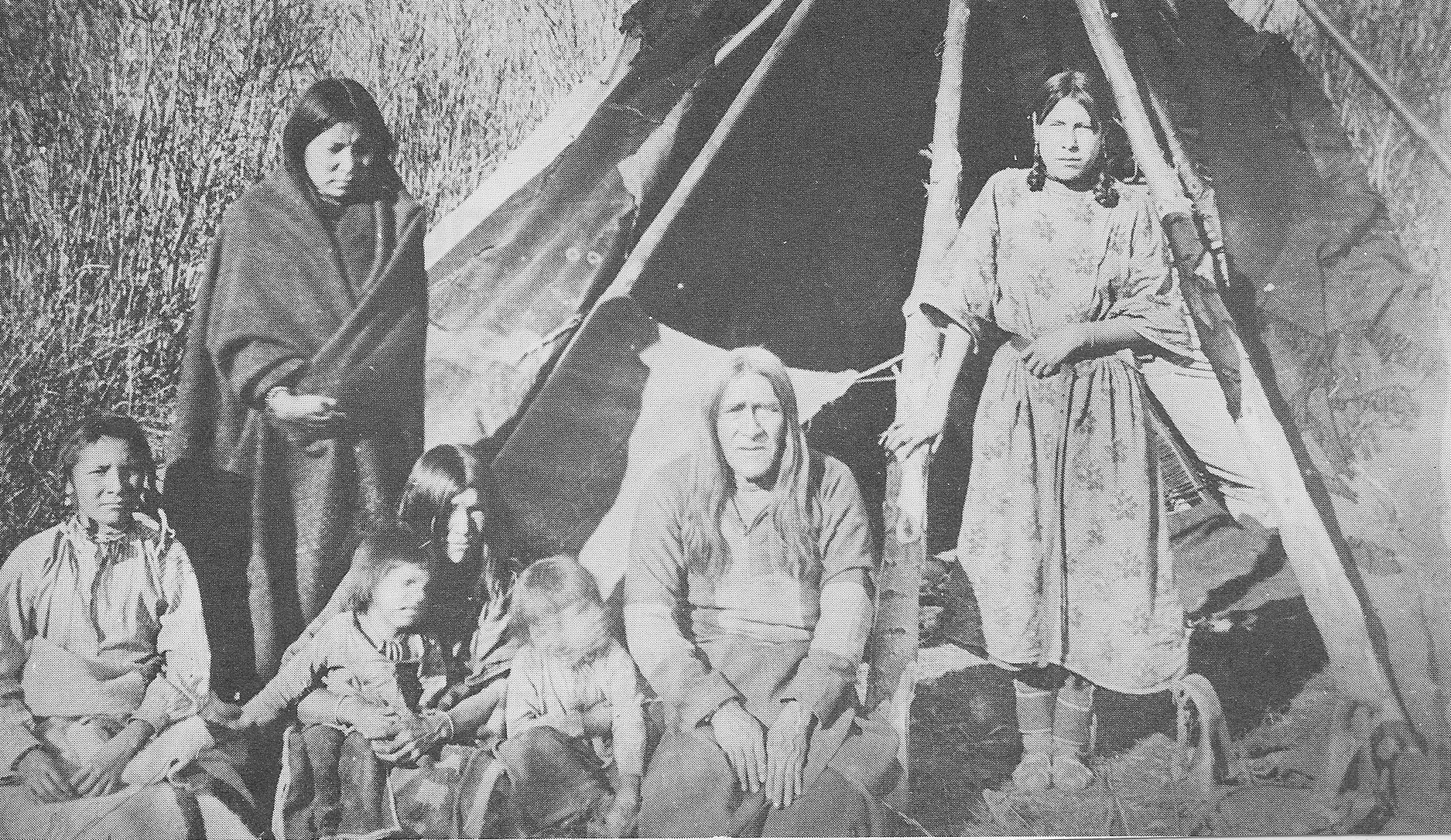
The California Native American genocide refers to the systematic destruction and mass killing of Indigenous peoples in California during the mid-19th century, primarily following the 1848...
Explore event →
1805–1848 CE — Muhammad Ali becomes Ottoman governor of Egypt but builds a virtually hereditary state under his family's control. He creates a new army, expands state agriculture, develop...
Explore published research →
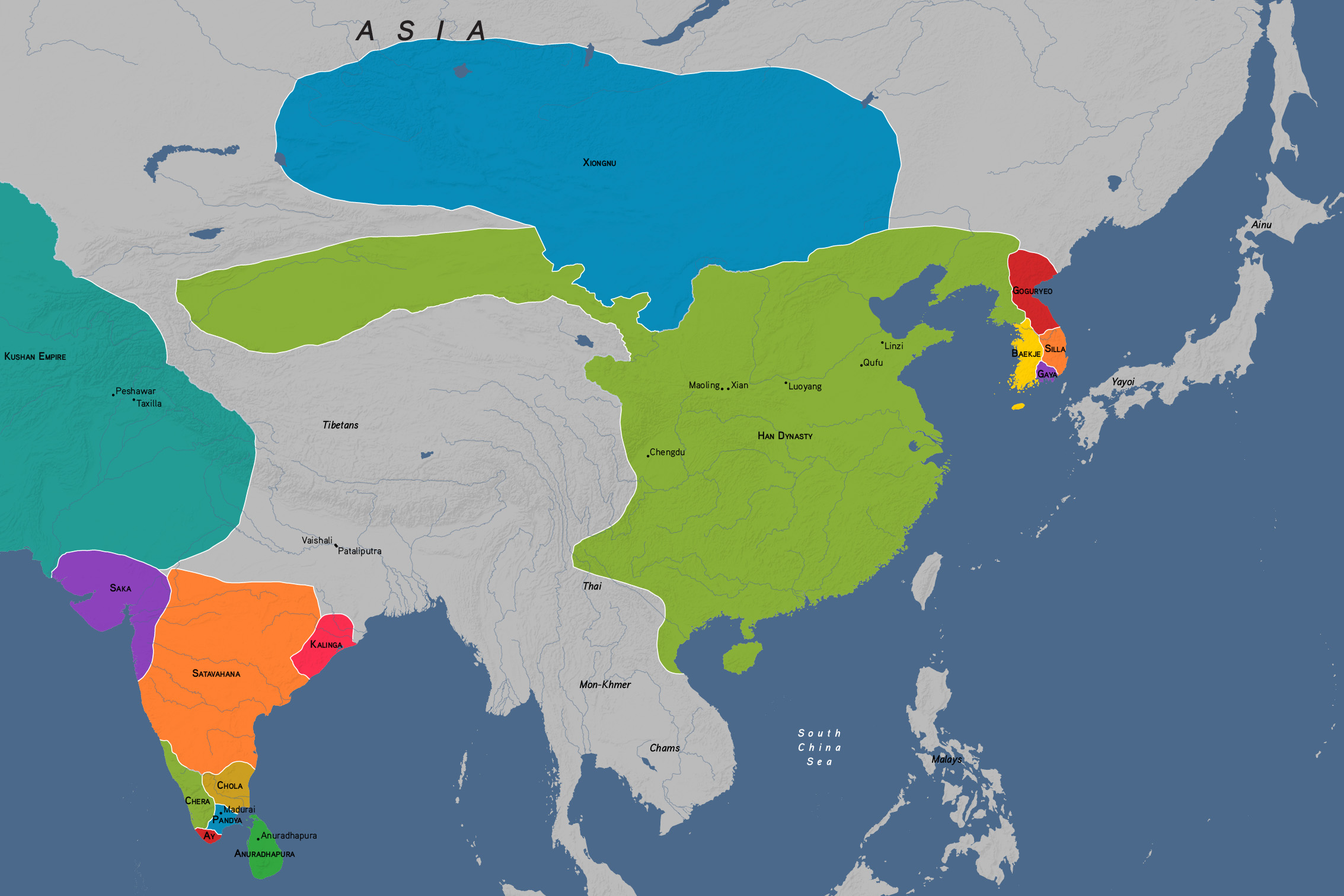
Indian cultural influence expanded significantly throughout Southeast Asia, notably through trade, religion, and political relations established by Indianized kingdoms.This influence is e...
Explore event →
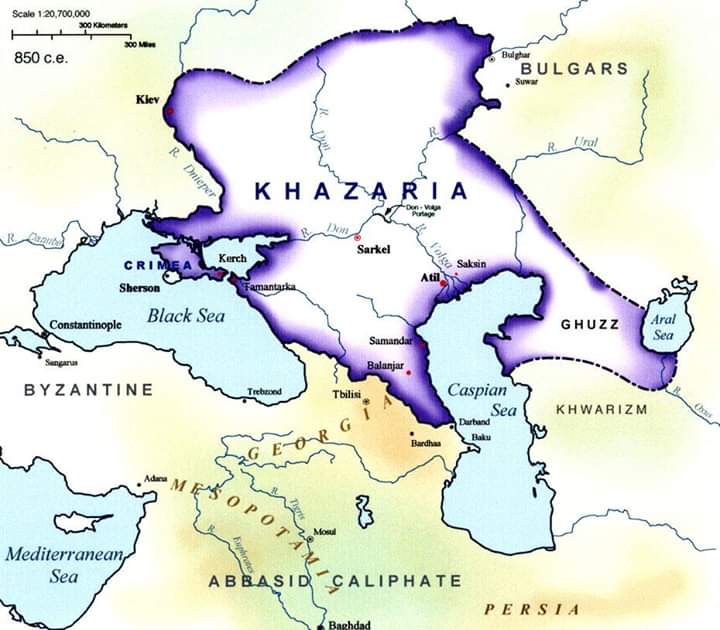
The Khazarian Empire: History, Territory, and Conversion to Judaism The Khazar Empire was a Turkic polity that emerged in the mid-seventh century and became a major regional po...
Explore event →
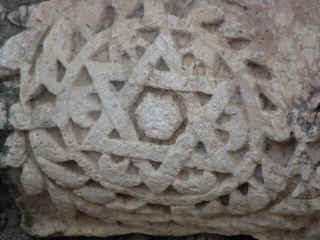
The “Star of Remphan” is a phrase found in the New Testament in the Book of Acts (Acts 7:43), where Stephen references Israelite idolatry while quoting from earlier Hebrew scripture tradi...
Explore event →
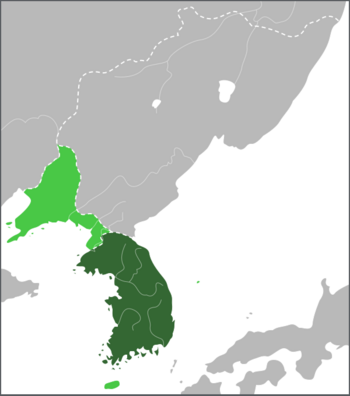
The Silla kingdom successfully unified the Korean Peninsula after defeating the Baekje and Goguryeo kingdoms. This consolidation marked the beginning of the Unified Silla period, which br...
Explore event →
7th–10th centuries — Arabic increasingly replaces Greek and Coptic in government and eventually becomes the dominant spoken language. Conversion to Islam occurs over generations rather th...
Explore published research →
During the classical period of Indian history, Sanskrit literature experienced a remarkable flourishing, often under the patronage of royal courts such as that of Ujjain. This era saw the...
Explore event →
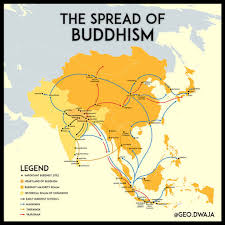
Buddhism spread into China primarily through cultural and trade exchanges along the Silk Road. Merchants, monks, and travelers introduced Buddhist teachings and texts during the first cen...
Explore event →
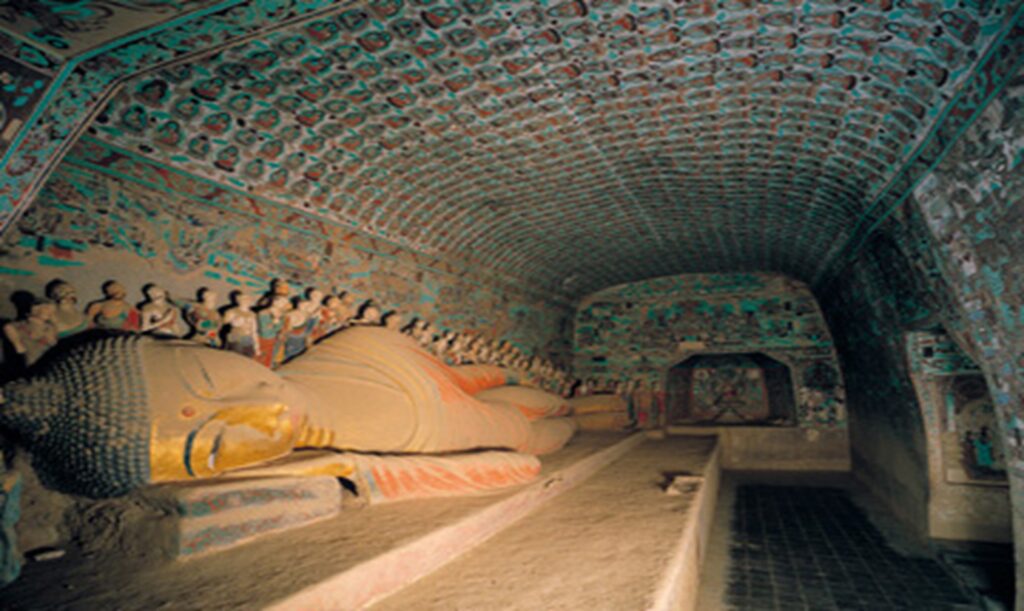
The Buddhist cave temples at Mogao near Dunhuang have undergone significant expansion. The site consists of a series of rock-cut grottoes featuring murals and statues representing Buddhis...
Explore event →
The Sasanian Empire was founded by Ardashir I after he defeated the Parthian king Artabanus IV in battle. This victory marked the end of the Parthian dynasty and the rise of the Sasanian ...
Explore event →
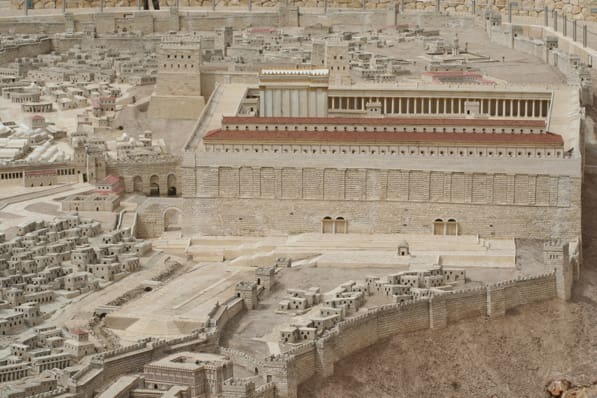
The Roman army, led by Titus, besieged Jerusalem during the First Jewish–Roman War, culminating in the destruction of the Second Temple.The Temple was set ablaze and razed, marking a sign...
Explore event →
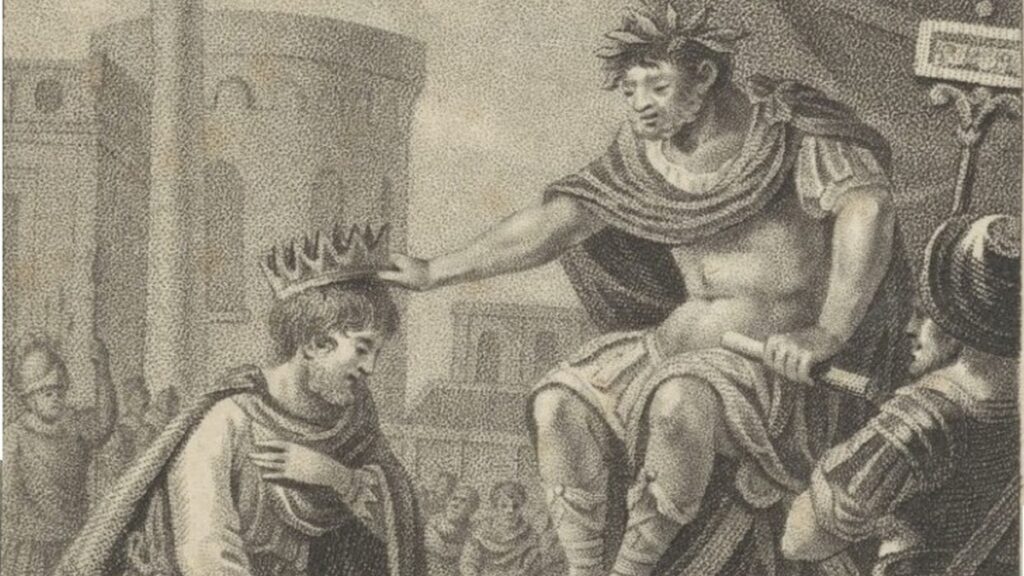
Tiridates I was crowned King of Armenia in the city of Artaxata, solidifying Roman influence in the region. His coronation marked the beginning of a dynasty recognized by both Rome and Pa...
Explore event →
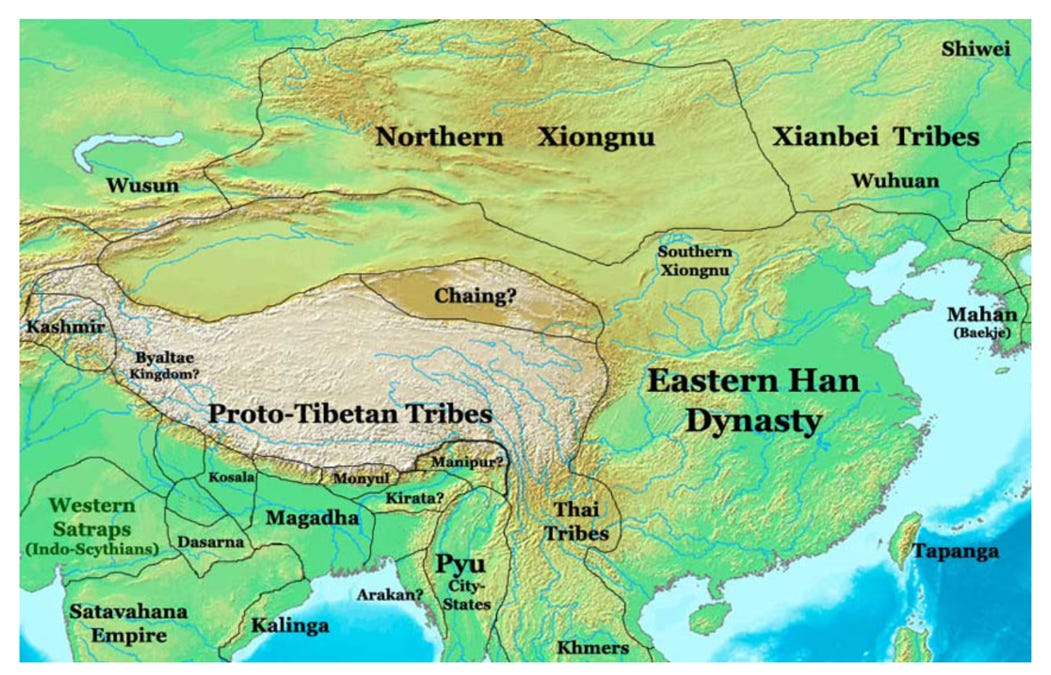
Ban Chao, a Chinese general and diplomat of the Eastern Han dynasty, is recorded as sending an envoy toward the western regions in an effort to establish contacts with the Roman Empire.Th...
Explore event →
The Han Dynasty moved its capital to Chang'an, marking a significant political and administrative shift during its early consolidation of power. This relocation established Chang'an as a ...
Explore event →
After a prolonged period of civil war and the collapse of the Western Han, Liu Xiu successfully reestablished imperial authority, marking the beginning of the Eastern Han dynasty.He conso...
Explore event →
305–30 BCE — The Macedonian Ptolemaic dynasty rules Egypt after the fragmentation of Alexander's empire. Its kings present themselves simultaneously as Hellenistic monarchs and Egyptian p...
Explore published research →
Around 1900 BCE — Monumental palace complexes flourish on Crete.
Explore published research →
c. 3000–1100 BCE — Fortified settlements, metallurgy, regional trade and tumulus burial traditions develop across the western Balkans. Social differences become increasingly visible in gr...
Explore published research →
c. 4000–3100 BCE — Powerful communities develop across Upper Egypt during the Naqada periods. Trade expands, elite burials become richer and political centers such as Hierakonpolis gain i...
Explore published research →
c. 4400–4000 BCE — Communities in Upper Egypt produce distinctive pottery, stone tools and increasingly elaborate burials. Grave goods suggest growing differences in wealth and social sta...
Explore published research →